
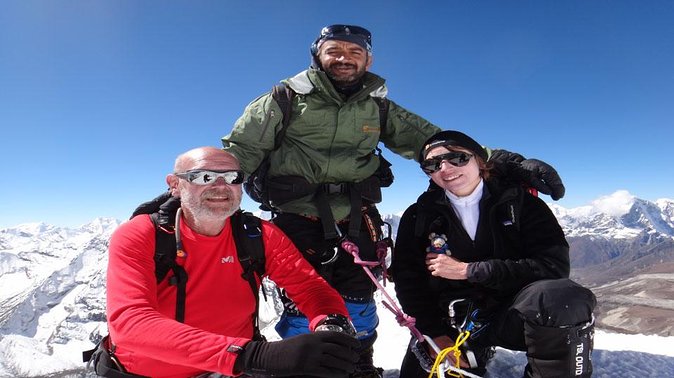
Review · EVEREST BASE CAMP TREKS
Everest Base Camp Trek
Lukla to Everest Base Camp feels like a straight shot upward. This trek is built around the Everest-region scenery and the daily Sherpa rhythm of high-altitude life, from early mountain starts to warm tea houses. I especially like the scenic flights to Lukla and the way the route gives you a real acclimatization day in Namche Bazar.
The main thing to consider is effort and altitude: you’ll be gaining elevation fast enough that you’ll need to take the acclimatization seriously and be ready for cold days at elevation, plus many key items (like proper gear) are not included.
In This Review
- Key highlights to know before you go
- Everest Base Camp in 14-ish Days: What This Trip Really Feels Like
- The Lukla Flight: Scenic, But Treat It With Respect
- From Lukla to Phakding and Up the Dudh Kosi: The Khumbu Warm-Up
- Namche Bazar Acclimatization Day: The One You Should Actually Use
- Syangboche Airport to Kalapatthar: Where Cold Turns Into Clarity
- Everest Base Camp: The Payoff With Real Atmosphere
- Food, Lodging, and Pace: Warm Tea Houses and a Manageable Daily Rhythm
- Guides and Porters: Who You’ll Depend On at 5,000m and Up
- Price and Value: What $1,350 Covers (and What You Still Need)
- Gear Checklist Reality: What’s Provided vs What You Must Bring
- Who This Everest Base Camp Trek Suits Best
- Should You Book Adventure Magic for Everest Base Camp?
- FAQ
- How long is the Everest Base Camp trek?
- Is pickup included in Kathmandu?
- Does the trip include flights to Lukla?
- What meals are included during the trek?
- What trekking equipment is provided?
- What is the porter baggage weight limit?
- Is this a private tour?
- What happens if weather cancels the experience?
- What if I cancel close to departure?
Key highlights to know before you go
- Scenic Lukla flights turn the trek into a true Everest-region experience right from day one
- Namche Bazar acclimatization day helps you adjust before going higher
- Dudh Kosi valley route brings classic Khumbu trekking views as you climb
- Kalapatthar and Everest Base Camp are the payoff moments for wide mountain sightlines
- A real support team with guides and porters focused on pacing and safety
- Down jackets and sleeping bags provided for the trek
More trails out of Kathmandu, boots ready
- Everest Base Camp Trek – 14 Days★ 5.0 · 1,499 reviews
- Everest Base Camp Trek★ 5.0 · 842 reviews
- Everest Base Camp Trekking★ 5.0 · 485 reviews
- Nagarkot Sunrise View and Day Hiking from Kathmandu★ 5.0 · 471 reviews
Everest Base Camp in 14-ish Days: What This Trip Really Feels Like
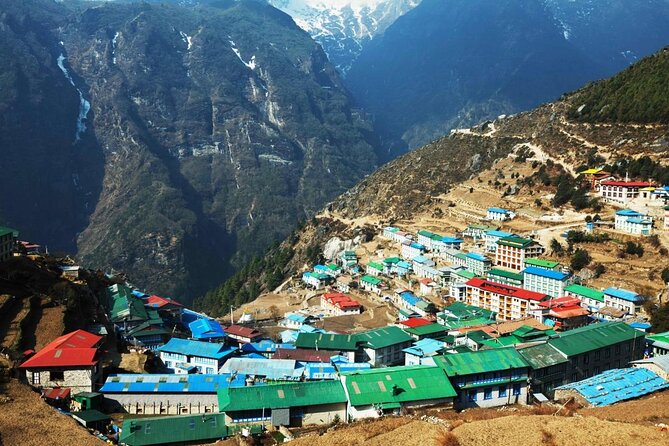
If you want the Everest Base Camp experience without guesswork, this is the kind of trek that focuses on flow. You’re in motion for days, but the plan includes the altitude step that matters, and you get support from a guide team rather than just a route description.
The big shape of the journey is simple: fly Kathmandu to Lukla, trek north through the Khumbu region, acclimatize in Namche, then push up toward Kalapatthar and Everest Base Camp. Along the way, you’ll see familiar Everest-country stops like Phakding, Namche Bazar, and Syangboche.
I like that the trek doesn’t just chase the destination. It also builds in the “how to get there” part: pacing, acclimatization, and keeping you moving safely in thin air.
The Lukla Flight: Scenic, But Treat It With Respect
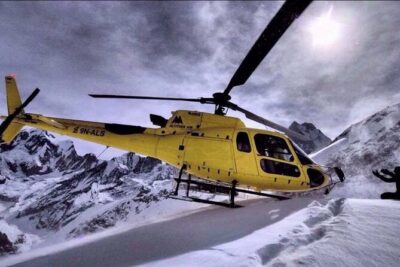
The journey starts with a flight from Kathmandu to Lukla, and yes, it’s famous for a reason. The runway at Lukla is small, the landings feel quick, and the whole thing turns the day into a high-energy kickoff.
What you should take seriously is weather and timing. This experience requires good weather, and if conditions derail it, you’re offered a different date or a full refund. Also, cancellation rules say that if you cancel less than 24 hours before the start time, you don’t get your money back—so plan travel days with buffer.
For your own sanity, I’d pack your flexibility mindset along with your layers. High-country travel runs on mountain conditions, not airline perfection.
From Lukla to Phakding and Up the Dudh Kosi: The Khumbu Warm-Up
After landing in Lukla, you begin with about three hours of walking to Phakding. This stretch is a good primer: you get your legs working, you start building breathing rhythm, and you settle into the tea house pattern of the region.
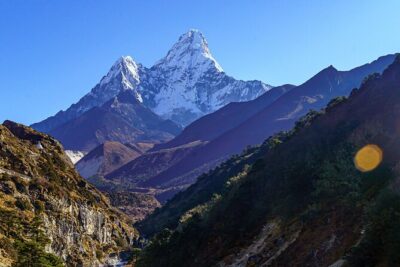
Then the route continues north through the Dudh Kosi valley. This is the part of the trek where the mountains feel close, and the trail gives you lots of chances to pause and look around without feeling like you’re already sprinting for the summit-view moment.
You’re also likely to feel how the landscape changes with elevation. The air gets drier, the cold creeps in faster once you stop, and you’ll appreciate carrying a day backpack with your essentials—warm layers, water, and anything you use to stay comfortable.
Namche Bazar Acclimatization Day: The One You Should Actually Use
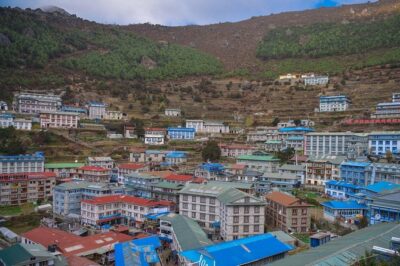
You reach Namche Bazar after climbing up from the Dudh Kosi valley. The plan includes spending one day for acclimatization here, and that’s a big deal.
This is where you stop acting like the trail is a video game and start acting like your body is part of the itinerary. Namche gives you a safer runway to adjust before higher altitude days toward places like Syangboche and eventually Kalapatthar.
I like how the trek treats Namche as more than a photo stop. It’s a practical breathing checkpoint, and you’ll feel the difference later when the higher passes and colder evenings start to do their work.
Syangboche Airport to Kalapatthar: Where Cold Turns Into Clarity
After Namche, the route takes you toward Syangboche. Syangboche is part of the Everest-region high-altitude zone, and moving through that area means your day-to-day comfort will hinge on layers, timing, and how well you sleep and fuel.
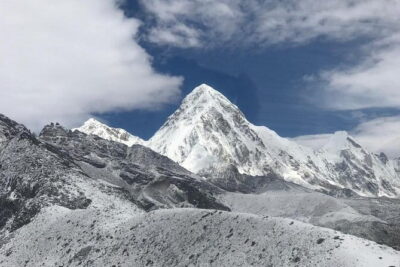
Then comes the main view play: Kalapatthar and Everest Base Camp. Kalapatthar is one of those places where you understand why people plan years for this moment. The views are wide, the sky seems closer, and the whole climb starts feeling “worth every cold step.”
Even if you’re an experienced hiker, expect the final approach to feel different. Above certain elevations, effort changes from leg-work to oxygen-work, and the right pacing matters. This is where an experienced guide team earns their keep.
Everest Base Camp: The Payoff With Real Atmosphere
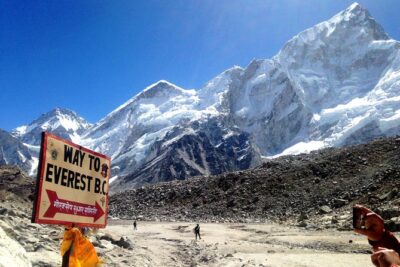
You end up at Everest Base Camp, the moment most people come for. It’s not just a view point—it’s a living edge of an extreme region where people, logistics, and altitude all collide.
Base Camp days usually mean short breaks and long looks. You’ll see mountaineering-country energy nearby, but you’ll also notice how quiet the mountains are in the moment you stop talking and just watch weather drift across the ridgelines.
This is also where the trek’s planning choices pay off. When you’re not rushing, you’re able to enjoy being there instead of just surviving the final stretch.
Food, Lodging, and Pace: Warm Tea Houses and a Manageable Daily Rhythm
Along the way, you’ll use tea house-style lodging, which keeps your life simple: meals, a warm room when you’re cold, and a predictable routine. The food is basic but filling, and in practice it means you’re not spending your day troubleshooting restaurants.
The trek includes breakfast, lunch, and dinner during the hiking days. The catch is that tea and coffee are not included during the trek, so if you’re a daily caffeine person, budget for that.
Accommodation quality is described as around 3-star on some parts of the return to Kathmandu, while the trekking nights are tea house stays. In a trek like this, it’s less about luxury and more about consistent warmth, clean enough conditions, and a place to recharge.
Pacing is also highlighted as a strength in the past experiences shared—especially for people who reach high elevations and find things harder after 5,000 meters. That matches how good EBC trekking should work: you get enough time to adjust without turning the trek into a slow crawl.
Guides and Porters: Who You’ll Depend On at 5,000m and Up
This trip is private, and the support team is a major reason people rate it so highly. Shankar Pandey is listed as the experience provider, and guide names that show up in past experiences include Krishna, Shajan, Ngathe Sherpa, Gelu Sherpa, and support like Sagan Thapa and Bim.
You should care about names because it’s not just personality. It’s route knowledge, how quickly they respond if someone feels unwell, and how they manage pacing when the altitude changes your gait.
The porter side matters too. The trek notes a maximum porter weight allowance of 15 kg / 33 lb and specifically says they care about porter rights and avoid exploitation. For you, that translates into a system that’s supposed to run more fairly and with better respect for the people doing the heavy lifting.
Price and Value: What $1,350 Covers (and What You Still Need)
The listed price is $1,350 per person, and it’s not just a “company fee.” It covers core daily basics during the trek: all meals (breakfast, lunch, dinner) and the trekking support structure.
What’s not included is just as important:
- Personal trekking equipment (you’re still responsible for bringing the right gear)
- Personal expenses like phone calls, laundry, and hot showers (if available)
- Tips for drivers, guides, and porters
- Travel and rescue insurance
- Tea and coffee during the trek
- Lunch and dinner in Kathmandu
Here’s how I’d think about the value. If you’d otherwise be paying separately for guiding, meals, and the backbone of the route logistics, this price looks like it’s aiming to wrap the essentials together. The extra costs mainly fall into two buckets: gear/insurance and personal spending.
Gear Checklist Reality: What’s Provided vs What You Must Bring
One of the more practical details is that down jackets and down sleeping bags are provided. That helps a lot if you’re traveling light or you don’t want to hunt for winter-grade gear at home.
Still, you’ll need to bring your own basics. The trek lists items like:
- Waterproof jacket and trousers
- Trekking trousers and long-sleeve shirts
- Midweight fleece and thermal/base layers
- Walking boots plus wool/liner socks
- Gloves or warm mittens
- Sunglasses and sunscreen
- Head torch and extra batteries
- Water purification tablets
- Trekking poles
- A sleeping bag is provided, but you still need your overall system: day backpack, water bottles, and organization
They also include the idea that you’ll carry a day backpack for essentials while your other gear goes in a duffel or larger bag carried by a porter.
Who This Everest Base Camp Trek Suits Best
This is a strong choice for people with moderate physical fitness who want a supported trek rather than solo navigating. It’s also a good fit if you appreciate a pace that includes time to acclimatize and you value Sherpa culture as part of the experience, not as a marketing line.
If you hate cold conditions, have limited time flexibility, or you’re unsure about altitude management, you might find this demanding. The trek requires good weather, and the altitude reality is real.
But if you’re game for early starts, layered clothing, and the kind of view that makes you stop mid-step, you’ll likely love this route.
Should You Book Adventure Magic for Everest Base Camp?
I’d book it if you want a well-run, supported EBC trek that puts acclimatization where it belongs and uses a team-based approach for guiding and porter support. The combination of Lukla flight, a real Namche Bazar acclimatization day, and Kalapatthar/Base Camp payoff makes the itinerary feel purpose-built.
I wouldn’t book it if you’re trying to minimize planning around gear and altitude, or if you want everything handled with no personal prep. Also, budget for the items explicitly not included—especially insurance and tips—and plan your travel days with weather in mind.
If you want a classic Everest Base Camp trip with practical support and a focus on safety, this one is easy to take seriously.
FAQ
How long is the Everest Base Camp trek?
The duration is listed as about 14 days. The trekking portion is described as around 15 days.
Is pickup included in Kathmandu?
Pickup is offered.
Does the trip include flights to Lukla?
Yes. It includes a scenic flight to and from Lukla.
What meals are included during the trek?
Breakfast, lunch, and dinner are included during the trekking period.
What trekking equipment is provided?
Down jackets and down sleeping bags are provided. Other personal trekking gear is not included.
What is the porter baggage weight limit?
The maximum allowance is 15 kg / 33 pounds, and the trip notes porter rights protections.
Is this a private tour?
Yes. It’s a private tour/activity, and only your group participates.
What happens if weather cancels the experience?
If it’s canceled due to poor weather, you’ll be offered a different date or a full refund.
What if I cancel close to departure?
Free cancellation is available up to 24 hours in advance for a full refund. If you cancel less than 24 hours before the start time, the amount paid is not refunded.
More Trekking Out of Kathmandu
More Tour Reviews in Kathmandu
Just Reviewed in Kathmandu
- Mountain Bike Tour
★ 5.0 · 3 reviews - Annapurna Panaroma
★ 5.0 · 3 reviews - Mount Everest Scenic Flight 50 Minutes
★ 5.0 · 3 reviews - Kathmandu : Swambhunath & Durbar Square Guided Half Day Tour
★ 3.3 · 3 reviews - Chandragiri Cable Car & Monkey Temple Tour – Private/Group
★ 5.0 · 3 reviews - Kathmandu: Shivapuri National Park Hiking Day Trip
★ 3.3 · 3 reviews
Everest Base Camp Treks, compared.
 ★ 5.0Everest Base Camp Trek – 14 DaysFrom $1,8001,499 reviews
 ★ 5.0Everest Base Camp TrekFrom $1,790842 reviews
 ★ 5.0Everest Base Camp TrekkingFrom $1,350485 reviews
 ★ 5.0Everest Base Camp Trekking – 13 DayFrom $1,399365 reviews
★ 5.0Everest Base Camp TrekFrom $1,445350 reviews
★ 5.0Everest Base Camp Trek -14 DaysFrom $1,420321 reviews
★ 5.0Everest Base Camp Trekking – 13 DayFrom $1,399365 reviews
★ 5.0Everest Base Camp TrekFrom $1,445350 reviews
★ 5.0Everest Base Camp Trek -14 DaysFrom $1,420321 reviews
 ★ 5.012 Days Everest Base Camp TrekFrom $1,099289 reviews
 ★ 5.0Everest Base Camp Trekking – 2025/2026From $1,339199 reviews
Browse the lists this tour appears in