

Review · EVEREST BASE CAMP TREKS
Everest Base Camp Trek -17 Days
Everest Base Camp feels unreal until you’re walking toward it. This 17-day trek through Sagarmatha National Park pairs classic high-altitude scenery with Sherpa village and monastery visits, and I really liked how Dawa and the Dream Himalaya team handle logistics and communication. I also love that the trip isn’t just about the summit dream—it’s about the people and day-to-day rhythm of the Khumbu region.
One thing to consider: this trek involves real altitude and it depends on Lukla flight timing, so you should come with moderate fitness and be ready for an emergency day if weather delays the Kathmandu return. Also, you’ll want your own medical coverage that includes emergency evacuation costs, because that part isn’t included for you.
In This Review
- Key highlights worth your attention
- Kathmandu First: Getting Oriented Before the High Country
- Lukla Flight and the Phakding to Namche Bazar Jump
- Namche Day Hike Days: Acclimatization That Actually Helps
- Tengboche to Dengboche: Where the Views Start Leading
- The High Towns: Lobuche and GorakShep Before Everest Base Camp
- Kala Pattar at 5,550m: The Big Reward for Good Planning
- The Return to Lukla and Back to Kathmandu
- Price and What You’re Actually Buying for $2,000
- The Real Quality: Dawa, the Team, and the Service Style
- Who This Trek Fits Best (and Who Should Rethink It)
- Should You Book This Everest Base Camp Trek?
- FAQ
- Where does the trek start in Kathmandu?
- How long is the Everest Base Camp trek?
- Are flights to Lukla included?
- Are trekking permits included?
- Are meals included during the trek?
- Do I need my own medical evacuation insurance?
Key highlights worth your attention
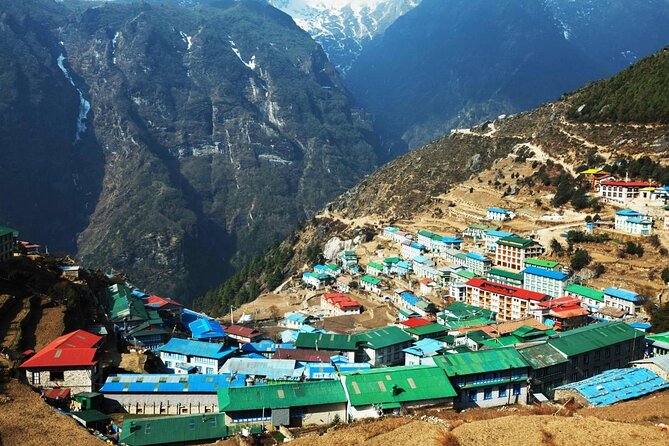
- Dawa’s team focus on smooth planning so you spend less time worrying and more time taking in the Himalaya
- Sherpa villages and monastery visits that add culture to the altitude grind
- Round-trip flights KTM–Lukla–KTM plus all necessary trekking permits handled
- A smart acclimatization plan, with extra hike options and rest days that make a difference at altitude
- All meals and hot drinks included with treated drinking water, which cuts down daily hassles
- Porter support and a trek duffle bag, so your load stays realistic
More trails out of Kathmandu, boots ready
- Everest Base Camp Trek – 14 Days★ 5.0 · 1,499 reviews
- Everest Base Camp Trek★ 5.0 · 842 reviews
- Everest Base Camp Trekking★ 5.0 · 485 reviews
- Nagarkot Sunrise View and Day Hiking from Kathmandu★ 5.0 · 471 reviews
Kathmandu First: Getting Oriented Before the High Country
Your Everest Base Camp experience starts in Kathmandu, and the early vibe matters. You arrive, transfer to a hotel, and get a trip briefing so you know what’s coming—especially the flight days. Expect a private pickup by car both ways, which sounds small until you’re tired and trying to coordinate amid Kathmandu traffic.
Day 2 is for Kathmandu sightseeing plus preparation and packing. You also get a half-day tour of world heritage sites with a guide and private transport. The practical value here is that you’re not just killing time. You’re resetting your body and learning local context before you trade city air for the dry cold of the Khumbu.
Logistics in Kathmandu can be the make-or-break point for a trek like this. You’re traveling from a place with lots of services to a place with fewer, slower options. Having things organized—permits, guide coordination, and the timing of the domestic flights—lets you focus on the main act: getting to 5,000m+ and still feeling like a human being.
Lukla Flight and the Phakding to Namche Bazar Jump
Most people picture Everest Base Camp as one long hike. The truth is the trek begins with a climb in your mind before your legs even work. Day 3 brings the fly from Kathmandu to Lukla (about 2,840m), then your hike toward Phakding at around 2,610m.
This first trekking day is short enough to breathe and long enough to start the rhythm. You’re moving at a pace that lets your body acclimate while your eyes start doing their new job—watching ridgelines, clouds, and villages slide past instead of just counting steps.
Day 4 is the first big altitude push: trekking to Namche Bazar (around 3,440m). Plan for a steady day and take it slow. Namche is where the trek starts to feel like a real base for high-country life—shops, community energy, and constant Himalayan views that remind you why you’re here.
I like that the plan doesn’t rush you into the deep high altitude all at once. You still get challenge, but it’s paced. That pacing shows up again and again later, and it’s one reason this style of itinerary works well for many people with moderate fitness.
Namche Day Hike Days: Acclimatization That Actually Helps
Day 5 is a big deal because it’s a day hike with a purpose. You trek to Khumjung and Khunde (around 3,840m) and spend time in the Namche area overnight. These are classic stops because they mix altitude training with Sherpa village life. If you care about understanding the region—not just watching it from a trail—this is where it clicks.
Then Day 6 adds a cultural highpoint: trekking to Tengboche (about 3,860m) and visiting a monastery. This stop is famous for a reason: at these elevations, buildings and prayer flags feel like anchors. It’s not a sightseeing detour; it’s a reminder that people have been living with the Himalaya for generations, long before most trekkers arrived with phone cameras and big dreams.
What you should know: time spent around Namche and Tengboche usually decides how you feel later. If you take those day hikes seriously—moving steadily, sipping water, and letting your breathing settle—you’ll arrive at later high points with less panic and more control.
Tengboche to Dengboche: Where the Views Start Leading
Day 7 takes you to Dengboche (around 4,410m). This is where the trek begins to feel noticeably higher, and you’ll likely feel it in your pace even if you’re not gasping.
Day 8 continues the acclimatization strategy with a day hike to Nagarjun Peak (about 5,085m) and an overnight in Dengboche. Even if you don’t hike to the very top of every option, the value is that you climb high and then come back down. Your body learns, your head stays calm, and you’re less likely to feel blindsided later.
I also like the structure of these days because they give you options without making you feel trapped. If the weather is clear, you can enjoy the views; if it’s hazy, you still get a meaningful day with forward progress.
The Khumbu region is beautiful, but at this stage you’re also training for cold mornings and thinner air. The itinerary helps you adjust gradually, rather than asking you to brute-force everything.


The High Towns: Lobuche and GorakShep Before Everest Base Camp
Day 9 heads to Lobuche (about 4,910m). Day 10 pushes to GorakShep (about 5,140m). These are the days where you stop thinking about distance and start thinking about breathing, warmth, and rhythm.
It’s also where the trail environment changes. You’re close to a zone that feels more barren and exposed than lower sections, and you’ll want to keep your clothing system ready—layering matters. The trip includes treated drinking water and hot drinks, which helps because you’ll be tempted to skip sipping when the cold makes everything feel harder.
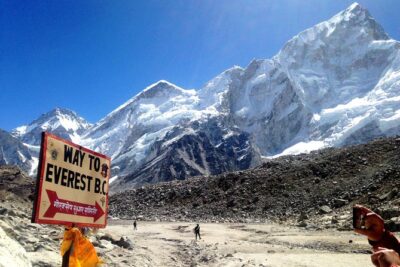
On Day 11, you trek to Everest Base Camp (around 5,364m) and sleep at GorakShep. This is your headline day. It’s also a day when you can feel the altitude in your thoughts. Moving slow becomes a superpower.
A practical note: Base Camp is a place you’ll remember not just for Everest in front of you, but for how still and vast the surroundings feel. If you go in expecting fireworks, you might miss the quieter awe. Give yourself time to look around and notice the scale.
Kala Pattar at 5,550m: The Big Reward for Good Planning
Day 12 is about the climb that turns the whole trek into a story you’ll tell forever. You rise for the Kala Pattar climb (around 5,550m), then trek down to Pheriche (about 4,210m) for the night.
Kala Pattar is special because it offers one of the most dramatic vantage points in the area—big views, big cold, and a moment where your effort feels totally justified. It’s not an easy walk, but the itinerary gives you the structure to make it safer: you’ve already spent time acclimatizing at Dengboche, Lobuche, and GorakShep.
Then you go back down to Pheriche. This downhill section is more than relief. It’s part of how you recover. If you treat the descent as just “getting over with,” you can feel wiped out for the last stretch. If you treat it as recovery, you’ll finish stronger.
The Return to Lukla and Back to Kathmandu
Day 13 brings you from Pheriche to Namche (around 3,440m), about a 6-hour trek. Day 14 covers Namche to Lukla (around 6 hours). Day 15 includes an early morning flight to Kathmandu, plus a free day.
This return portion is where you’ll notice something most people don’t talk about: when you’re tired, you become more sensitive to details. The better you slept earlier, the easier it is to enjoy the last views on the way down. The included hot drinks and treated water help again here because your energy management matters even when you feel like you’re “just going back.”
Day 16 is a free day in Kathmandu, and it also works as an emergency day for the Lukla–Kathmandu flight. That’s a smart inclusion. Lukla weather can change quickly, and having a buffer reduces stress. Day 17 is for international departures based on your schedule.
Price and What You’re Actually Buying for $2,000
At $2,000 per person, the question isn’t just the sticker price. It’s what you get that would cost you time, money, or both if you tried to DIY it.
Here’s what’s included that usually costs real hassle to organize:
- Private transfers: airport to hotel and back via private vehicle
- 4 nights in 3-star hotels on twin sharing, bed and breakfast
- Round-trip Lukla flights (KTM–Lukla–KTM) with domestic airport taxes
- Trekking permits (Conservation/National Park and other local and government taxes)
- An Experience Sherpa Trek Guide plus support Sherpa staff and porters
- All meals during the trek (breakfast, lunch, dinner) and all hot drinks
- Treated drinking water (and access to the tea/coffee/hot chocolate style comfort)
- A trek duffle bag for each trek member
- First aid kit for the trek
- Insurance for guide and porters with emergency rescue
- A farewell celebration dinner and the world heritage half-day tour
What you must budget separately:
- Your own medical/personal high risk insurance, including emergency evacuation costs
- International airfare and major meals in Kathmandu
- Personal trek gear and personal expenses like laundry, toiletries, and calls
- Tips for guide and porters
- Bottled water/boiled water/soft drinks/beer (beyond what’s included)
- Any additional costs from unforeseen circumstances
For value, I look at one thing: does the package remove enough uncertainty that you can enjoy the mountains? Here, the combination of Lukla flights + permits + meals + guide and porter support is the big difference. On a route like this, uncertainty can turn into wasted days or messy problem-solving. This setup aims to avoid that.
The Real Quality: Dawa, the Team, and the Service Style
Dream Himalaya Adventures is the operator, and the tone of service here matters. Multiple experiences highlight superb communication and careful logistics from the start. You also get the feeling the team picks guides deliberately. Dawa shows up in the feedback as accommodating and hands-on, including making sure you’re properly equipped.
There’s also a useful detail: one local guide was described as an excellent photographer. That matters because it means you don’t just get a guide who leads you through the cold. You might also get help documenting it without feeling like you’re wrestling your camera at 5,000m while your fingers freeze.
Another practical strength: the support system—Sherpa staff plus porters—means your body doesn’t carry everything. You’re trekking, not doing pack logistics. That tends to make a real difference for people with moderate fitness who still want a shot at finishing strong.
Who This Trek Fits Best (and Who Should Rethink It)
This is aimed at people with moderate physical fitness who can handle a 17-day trek with daily hiking and altitude exposure. If you’re comfortable with long walks, cold mornings, and taking acclimatization days seriously, you’ll likely love this format.
It’s also a good fit if you want:
- a private group (only your group participates)
- a clear, guided route with meals and hot drinks handled
- Sherpa culture stops rather than a pure hiking-only approach
You might rethink it if you:
- can’t get emergency evacuation coverage that includes the right altitude risk
- don’t have time flexibility for potential flight timing issues around Lukla
- prefer a softer, shorter high-altitude experience (this one is full Trek Nepal, not a gentle stroll)
Should You Book This Everest Base Camp Trek?
If your main goal is to reach Everest Base Camp and stand on Kala Pattar with a system that protects your time and reduces decision fatigue, I’d say this is a strong option. The value isn’t just the mountain. It’s the combination of flights, permits, meals, hot drinks, porter support, and a guide team built around real coordination.
Book it if:
- you’re ready for serious altitude and steady hiking
- you want Sherpa villages and monastery visits as part of the story
- you like clear planning and want less chaos in Kathmandu and on flight days
Skip it (or ask a lot of questions first) if:
- you’re missing the right medical coverage for emergency evacuation
- you have health constraints you haven’t discussed with a medical professional
- you need a fully guaranteed Lukla flight schedule (you don’t get that guarantee in the mountains)
FAQ
Where does the trek start in Kathmandu?
The start point is Tribhuvan Airport, Kathmandu, Nepal, with the start time listed as 12:15 am.
How long is the Everest Base Camp trek?
The duration is about 17 days.
Are flights to Lukla included?
Yes. The package includes round-trip domestic airfares from KTM to Lukla and back, including domestic airport taxes.
Are trekking permits included?
Yes. Trekking permits are included, including Conservation/National Park permits plus local and government taxes.
Are meals included during the trek?
Yes. The trek includes all meals of high quality and hygienic breakfast, lunch, dinner, plus all hot drinks and treated drinking water.
Do I need my own medical evacuation insurance?
Yes. The tour does not include medical/personal high risk insurance. You must have coverage that includes emergency evacuation costs.
More Trekking Out of Kathmandu






More Tour Reviews in Kathmandu




Just Reviewed in Kathmandu
- Mountain Bike Tour
★ 5.0 · 3 reviews - Annapurna Panaroma
★ 5.0 · 3 reviews - Mount Everest Scenic Flight 50 Minutes
★ 5.0 · 3 reviews - Kathmandu : Swambhunath & Durbar Square Guided Half Day Tour
★ 3.3 · 3 reviews - Chandragiri Cable Car & Monkey Temple Tour – Private/Group
★ 5.0 · 3 reviews - Kathmandu: Shivapuri National Park Hiking Day Trip
★ 3.3 · 3 reviews
Everest Base Camp Treks, compared.
 ★ 5.0Everest Base Camp Trek – 14 DaysFrom $1,8001,499 reviews
 ★ 5.0Everest Base Camp TrekFrom $1,790842 reviews
 ★ 5.0Everest Base Camp TrekkingFrom $1,350485 reviews
 ★ 5.0Everest Base Camp Trekking – 13 DayFrom $1,399365 reviews
★ 5.0Everest Base Camp TrekFrom $1,445350 reviews
★ 5.0Everest Base Camp Trek -14 DaysFrom $1,420321 reviews
 ★ 5.012 Days Everest Base Camp TrekFrom $1,099289 reviews
 ★ 5.0Everest Base Camp Trekking – 2025/2026From $1,339199 reviews
Browse the lists this tour appears in