
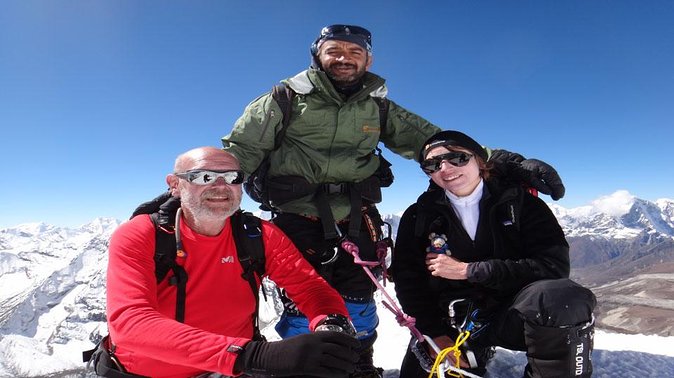
Review · EVEREST BASE CAMP TREKS
Everest Base camp Trek
First, base camp feels close, then it proves far. This Everest Base Camp trek turns a fast flight into Lukla into a real mountain journey, with overnights in key hubs like Namche, Tengboche, Dingboche, Lobuche, and Gorekshep before you reach Base Camp and continue higher to Kalapathher. You get a guided route built around acclimatization and big scenery, with daily walking that’s tough but doable for the right fit.
What I like most is the full logistics package, from airport pickup and domestic flights to permits and trained guide support. Second, you get a practical trekking rhythm with three meals a day plus covered lodge accommodations, so you can focus on walking and adjusting instead of constantly solving problems. I also appreciate the small but important detail that toilets are outside your room in most stops, so there’s less guessing once you’re there.
One drawback to think about: you’re paying for the experience, not comfort extras. Hot showers, battery charging, and Wi‑Fi are not included, and bottled drinks and snacks won’t be part of your daily budget.
In This Review
- Why This Everest Base Camp Plan Works So Well
- The Kathmandu Start and Your Lukla Flight, Explained
- From Lukla to Phakding: Suspension Bridges and Your First Big Test
- Namche Bazaar and Tengboche: Culture Meets Acclimatization
- Dingboche, Lobuche, and Gorekshep: When Planning Beats Power
- Everest Base Camp and the Kalapathher Bonus
- Meals and Lodges: What’s Included, What’s Not, and How to Pack Smarter
- Price and Value: Is $1,500 a Fair Deal?
- The Guide Factor: Damu, Damodar Mainali, Kamal, and Team Support
- Who This 12-Day Everest Base Camp Trek Suits Best
- Quick Practical Reality Checks Before You Go
- Should You Book This Everest Base Camp Trek?
- FAQ
- Where does the Everest Base Camp trek meet in Kathmandu?
- How long is the trek?
- What flights are included?
- What meals and lodging are included?
- What paperwork is included for the Everest region?
- What is not included in the price?
- What is the cancellation policy?
Why This Everest Base Camp Plan Works So Well
- A Lukla flight sets up the route and gets you into the Everest region fast, with Phakding as your first trekking base on the Dudh Kosi river corridor.
- The itinerary hits the acclimatization “nodes” that trekkers expect for this area: Namche, Tengboche, Dingboche, Lobuche, and Gorekshep before Base Camp.
- You’ll have trained, well English-speaking guide support (and the reviews keep circling back to guides like Damu, Damodar Mainali, Kamal, and their teams for calm, steady management).
- Meals and lodging are handled, which matters on an itinerary where your energy and appetite can swing day to day.
- You’re not on a generic cattle-trail group setup, because this is a private activity where it’s only your group.
More trails out of Kathmandu, boots ready
- Everest Base Camp Trek – 14 Days★ 5.0 · 1,499 reviews
- Everest Base Camp Trek★ 5.0 · 842 reviews
- Everest Base Camp Trekking★ 5.0 · 485 reviews
- Nagarkot Sunrise View and Day Hiking from Kathmandu★ 5.0 · 471 reviews
The Kathmandu Start and Your Lukla Flight, Explained
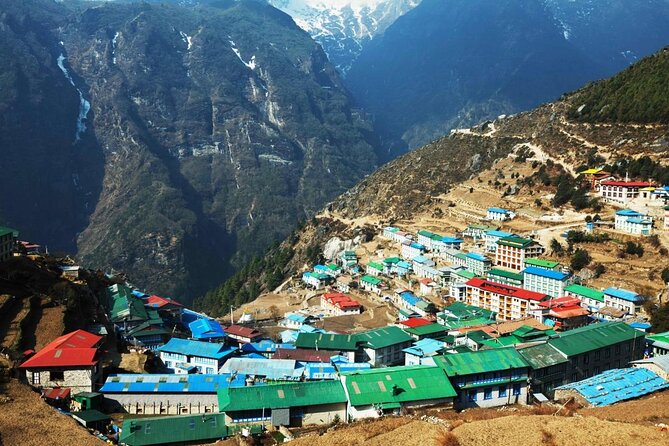
Your trek begins at Tribhuvan Airport in Kathmandu. From there, the plan is built around getting you to Lukla by air, then starting the walking loop that leads you through Everest Base Camp country. Depending on scheduling, the domestic flight may depart from Kathmandu or Ramechap.
Why that matters: Lukla flights compress time. You’re not spending days grinding through lower valleys just to start trekking; you’re trading time for altitude awareness right away. It’s exciting, but you’ll want to treat day one as day one. I recommend you hydrate well, keep expectations realistic, and let the first walk do what it should: get your legs working without rushing your body.
Also, you’re not left to figure out the airport maze. The package includes airport pickup and drop by private car/van/bus, so you can get to your pre-trek flow with less stress.
From Lukla to Phakding: Suspension Bridges and Your First Big Test
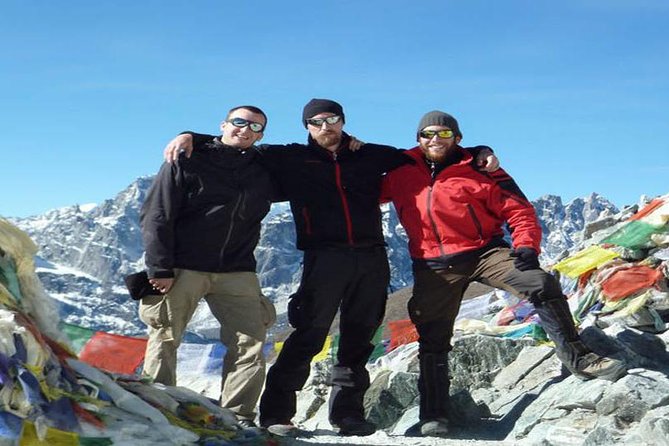
Most Everest Base Camp routes start with a similar mood: Lukla feels like the gateway, and Phakding is the place your brain starts catching up to your altitude goals. After landing in Lukla, your trekking day moves through that famous Dudh Kosi vibe—passing the river corridor, walking across suspension bridges, and getting forest trail time before you settle in Phakding village.
What to expect in practice:
- You’ll likely feel it in your breathing early. That’s normal.
- Bridges and river sections mean you’re not just walking on flat dirt; your footing matters.
- The goal isn’t speed. It’s rhythm.
A small but helpful detail in how this trip is packaged: the route is structured so you reach overnight stops that keep you moving toward higher villages without skipping the needed in-between days. For many people, that’s the difference between an enjoyable trek and one that feels like a daily uphill argument with gravity.
Namche Bazaar and Tengboche: Culture Meets Acclimatization
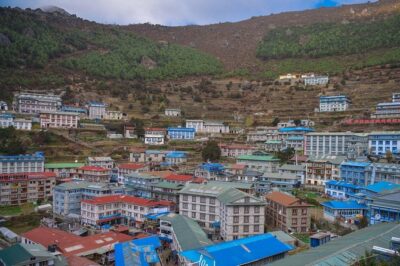
After Phakding, the itinerary moves into the heart of acclimatization. Namche is the place most trekkers remember—busy enough to feel real, yet still clearly remote. You’ll then continue to Tengboche, a classic stop known for its monastery setting and panoramic mountain sightlines (when weather cooperates).
Here’s what makes this section valuable for your body: it’s not only about covering distance. It’s about giving you enough time at the right altitude bands to adjust before going higher again. If you rush, your rest days and short walks stop helping.
What I like about the way this trek is designed is that it doesn’t pretend you’ll feel great every day. You’re simply given a sensible path through villages like:
- Namche
- Tengboche
- then onward to Dingboche
This is where good guide leadership pays off. The reviews repeatedly credit guides such as Damu (and also teams including Kamal, Damodar Mainali, and assistant guides) for calming the group and keeping people on a safe pace. That matters because staying steady often beats trying to “prove something” on a mountain.
Dingboche, Lobuche, and Gorekshep: When Planning Beats Power
As the trek rises toward the Everest Base Camp approach, the days become more about energy management than bravery. Your route takes you from Dingboche onward to Lobuche, then to Gorekshep—the staging area for the final push.
A few realities you should plan for:
- Cold can show up fast at higher elevations.
- Your appetite may shift. That doesn’t mean you’re doing something wrong.
- Sleep can be harder as altitude climbs.
This is also where you’ll appreciate that the package includes three meals a day (breakfast, lunch, dinner) during the trek. In plain terms, fewer logistics headaches means more calories stay in your system, and that’s what helps you keep moving.
Accommodation is included throughout. Just don’t over-romanticize it: the trip notes say toilets are outside your room. That’s common in the region, and knowing it ahead of time saves you from disappointment.
Everest Base Camp and the Kalapathher Bonus
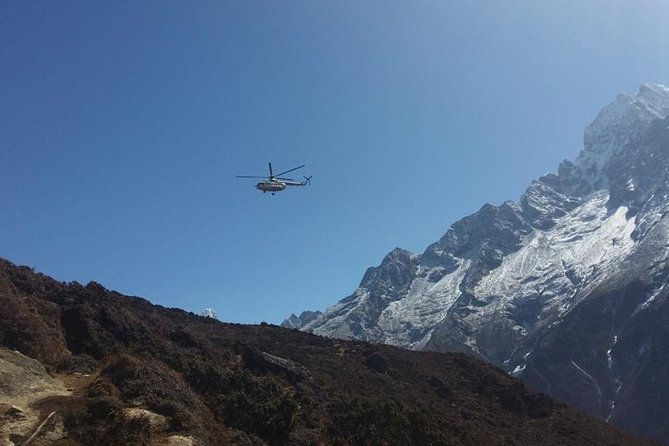
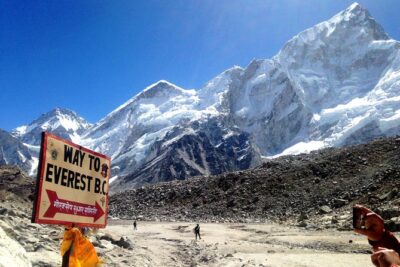
Reaching Everest Base Camp is the obvious headline. You’ll feel it as a moment—especially because the route is paced through villages that build up to the approach.
But the trip’s extra value is that it doesn’t stop at base camp. Afterward, your plan continues with Kalapathher, described as a destination above Everest Base Camp. That extra altitude step can be the difference between a “check-the-box” hike and a trek that sticks in your memory.
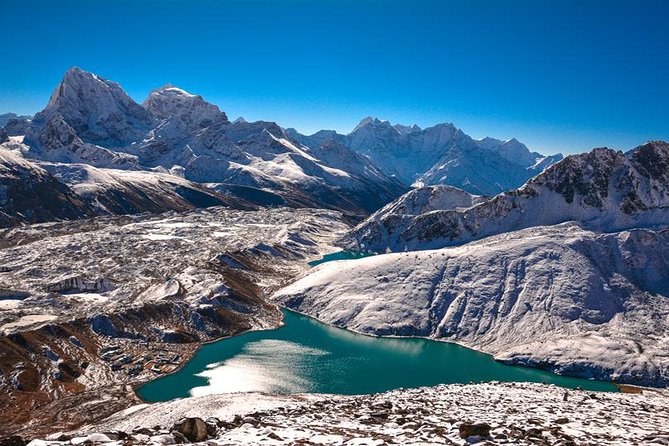
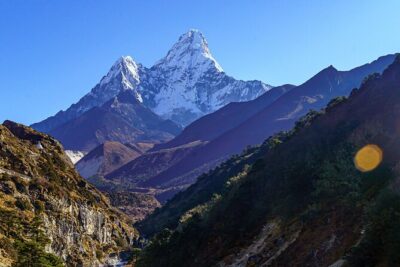
What makes the final approach so compelling is the view list promised along the route, which includes a wide range of notable peaks and surrounding giants: Thamsherkhu, Kusum khangaru, Tabuche, Cholache, Ama Dablam, Lhoste, Island Peak, Makalu, Khumbuste, Chhangaste, Pomari, and Labuche, plus more. You don’t control clouds, of course. Still, the route is chosen to keep you in the sightline zone more often than routes that travel too low for too long.
Meals and Lodges: What’s Included, What’s Not, and How to Pack Smarter
This is where the real-world value shows up. You’re getting:
- Breakfast, lunch, dinner each trek day
- Accommodations throughout the trek
- park entry paperwork for Everest National Park
And you’re not getting:
- Mineral water/bottles drinks/sweets
- Hot shower
- Battery charging
- Wi‑Fi
A hot shower is one of those comforts you’ll stop craving once you’re busy. Still, battery charging and Wi‑Fi matter if you plan to rely on your phone for photos, maps, or staying in touch. If you want power for cameras and phones, you’ll need to budget for it separately.
Packing tip I’d keep simple: bring a water plan you can live with (you still won’t have bottled drinks included), and pack layers that work for cold nights. Also, consider a small headlamp. Early mornings happen in this part of the world whether you’re ready or not.
Price and Value: Is $1,500 a Fair Deal?
At $1,500 per person for a roughly 12-day trek, the price can look high until you break down what’s actually included.
Inclusions that change the math:
- Flight from Kathmandu/Ramechap to Lukla and return
- Airport pickup and drop
- Guide (trained, licensed, English-speaking)
- Two clients per porter, with 1 porter per 2 people
- Meals (breakfast/lunch/dinner)
- Lodging
- Everest National Park entry permits and necessary paperwork
- Government taxes and office expenses
- Domestic airport tax
Then there are the add-ons:
- Nepal entry visa fee (USD 40)
- International airfare
- Travel insurance
- Snacks, bottled drinks
- Tips
- Comfort extras like hot showers and charging
So is it good value? For me, it looks strongest if you want a managed experience where most operational choices are handled. You’re paying for reduced friction—especially for flights to Lukla and the permit side. If you’re the type who enjoys planning from scratch, you might find lower-cost options. But if you want the trek to feel organized and safe, this is priced like a fully supported program.
The Guide Factor: Damu, Damodar Mainali, Kamal, and Team Support
On Everest Base Camp, the guide isn’t a bonus. It’s part of how well you do.
From the information you provided, the guide experience is repeatedly linked to:
- Evening briefings that help you feel prepared for the next day (this is specifically credited to Damu)
- Calm checking in during tougher sections
- Prompt communication before and during the trek
- Strong teamwork across guides and assistants
Names that show up with strong support include Damu, Damodar Mainali, Kamal (with assistants such as DB and Kalu Bahadur referenced), and additional guide support like DalBahadur in one account. Even if you don’t get the same guides, you can reasonably expect the organizer to place you with a team that treats the trek as something that needs guidance, not just direction.
One more practical note: the trek is private to your group. That can help, because you can ask questions and adjust pacing with less group friction.
Who This 12-Day Everest Base Camp Trek Suits Best
This trek is built for people with moderate physical fitness. The overview also suggests you should be well prepared with trekking experience, and that enthusiasm matters. That combo makes sense for Everest Base Camp: you don’t need to be an athlete, but you do need stamina for repeated climbing and descending days.
This is a good fit if you:
- want a structured route through the typical Everest villages
- prefer the peace of mind of permits, flights, and lodging handled
- like the idea of a licensed guide who manages pace and safety
- don’t want to bargain or problem-solve every day on the trail
It may not be the best fit if you’re hoping for lots of included comfort luxuries (hot showers and charging are not included), or if you need very flexible daily schedule changes. This kind of itinerary is organized for a reason.
Quick Practical Reality Checks Before You Go
Here are the couple of things I’d double-check with yourself before booking:
- You’ll be sleeping in places where the toilet is outside your room.
- You should plan for cold and early starts at higher elevations.
- You’ll need to handle some expenses yourself: visa, travel insurance, bottled drinks/snacks, tips, and charging.
- This is a private tour/activity, so you’re not sharing the experience with random strangers, but that also means the pacing is still up to the guide plan.
Also worth noting: service animals are allowed, and the meeting point is accessible via near public transportation.
Should You Book This Everest Base Camp Trek?
If you want Everest Base Camp with the operations mostly handled, I’d say yes. The package covers the big-ticket logistics—Lukla flights, permits, guide support, meals, and lodging—and the guide emphasis in the provided feedback suggests you’ll be managed with calm pacing and clear day-to-day planning.
But book it with clear eyes. If you need included hot showers and constant power access, you’ll be disappointed. Also, treat your fitness seriously. This is doable, but it’s still mountain trekking where preparation pays back fast.
If your goal is to walk through the classic Everest villages, reach Base Camp, and not waste time worrying about the logistics—this is a solid way to do it.
FAQ
Where does the Everest Base Camp trek meet in Kathmandu?
The meeting point is Tribhuvan Airport, Kathmandu, Nepal.
How long is the trek?
It’s listed as 12 days (approx.).
What flights are included?
The price includes flights from Kathmandu/Ramechap to Lukla and back from Lukla to Kathmandu/Ramechap, along with domestic airport tax.
What meals and lodging are included?
The trek includes three meals a day (breakfast, lunch, dinner) during the trek, plus all accommodations. The note provided says toilet facilities will be outside your room.
What paperwork is included for the Everest region?
You get all necessary paperwork and the Everest National Park entry permit handled as part of the service.
What is not included in the price?
Not included are the Nepal entry visa fee (USD 40), international airfare, travel insurance, mineral water/bottled drinks/sweets, and also hot shower/battery charge/Wi‑Fi. Tips for the guide and porter are also not included.
What is the cancellation policy?
You can cancel for a full refund if you cancel up to 24 hours in advance of the experience start time. If you cancel less than 24 hours before, the amount paid is not refunded.
More Trekking Out of Kathmandu
More Tour Reviews in Kathmandu
Just Reviewed in Kathmandu
- Mountain Bike Tour
★ 5.0 · 3 reviews - Annapurna Panaroma
★ 5.0 · 3 reviews - Mount Everest Scenic Flight 50 Minutes
★ 5.0 · 3 reviews - Kathmandu : Swambhunath & Durbar Square Guided Half Day Tour
★ 3.3 · 3 reviews - Chandragiri Cable Car & Monkey Temple Tour – Private/Group
★ 5.0 · 3 reviews - Kathmandu: Shivapuri National Park Hiking Day Trip
★ 3.3 · 3 reviews
Everest Base Camp Treks, compared.
 ★ 5.0Everest Base Camp Trek – 14 DaysFrom $1,8001,499 reviews
 ★ 5.0Everest Base Camp TrekFrom $1,790842 reviews
 ★ 5.0Everest Base Camp TrekkingFrom $1,350485 reviews
 ★ 5.0Everest Base Camp Trekking – 13 DayFrom $1,399365 reviews
★ 5.0Everest Base Camp TrekFrom $1,445350 reviews
★ 5.0Everest Base Camp Trek -14 DaysFrom $1,420321 reviews
★ 5.0Everest Base Camp Trekking – 13 DayFrom $1,399365 reviews
★ 5.0Everest Base Camp TrekFrom $1,445350 reviews
★ 5.0Everest Base Camp Trek -14 DaysFrom $1,420321 reviews
 ★ 5.012 Days Everest Base Camp TrekFrom $1,099289 reviews
 ★ 5.0Everest Base Camp Trekking – 2025/2026From $1,339199 reviews
Browse the lists this tour appears in