
The Himalayas start with a tiny flight. This Everest Base Camp trek sends you from Kathmandu to Lukla in about 35 minutes, then follows the Dudh Kosi River into the Khumbu, step by step. I like how the itinerary builds in real rhythm—rest stops, lodge time, and frequent chances to look at the big peaks that dominate the valley.
I also love the way acclimatization is planned, especially the full day in Namche Bazaar with options like a short hike to a viewpoint or a half-day visit to Khumjung and Khunde. The main drawback to keep in mind: weather can delay the flight into and out of Lukla, so you should expect possible waiting time when the sky misbehaves.
In This Review
- Key Highlights You’ll Feel on the Trek
- Kathmandu to Lukla: the 35-Minute Reality Check
- Following Dudh Kosi to Namche Bazaar (and Crossing Into Sagarmatha)
- Namche Bazaar Acclimatization Day: the One Day You’ll Thank Yourself For
- Tengboche Monastery Day: Forest Quiet Meets Big-Peak Drama
- Pangboche to Shomare and Toward Dingboche: where the Trail Starts Feeling Higher
- Thugla (Dugla) and Lobuche: prayer flags, memorials, and a tougher air day
- Gorakshep and Everest Base Camp: the 5,364m Goal You’ve Been Walking For
- Kalapatthar at 5,545m: worth the extra climb for the south-face views
- The Return Down Through Pheriche, Tengboche, and Namche
- Price and Logistics: what $1,350 buys (and what it doesn’t)
- The Unique Path Team Effect: flexibility when plans get messy
- Who Should Book This Everest Base Camp Trek (and who should pause)
- Should You Book Unique Path Trekking Expedition’s EBC Trek?
- FAQ
- FAQ
- How long is the Everest Base Camp trek?
- What’s the price per person?
- Are flights between Kathmandu and Lukla included?
- Does the trek include meals while you’re on the mountain?
- Are accommodations included?
- What safety and altitude-related items are included?
- What permits and systems are included?
- What is not included in the price?
Key Highlights You’ll Feel on the Trek
- Lukla is the gateway: a short domestic flight puts you fast into trekking country instead of starting from sea level
- Namche Bazaar acclimatization day: built-in breathing room plus optional hikes so you don’t rush altitude
- Monasteries and prayer walls: Tengboche monastery plus mani walls and stupa give the trail a spiritual beat
- Everest Base Camp payoff at 5,364m: moraine walking with views toward Khumbu Icefall
- Kalapatthar climb to 5,545m: the extra effort for a sweeping look at Everest’s south face
- Unique Path flexibility and communication: owner Babu and the team are known for staying responsive and adjusting plans when conditions change
More trails out of Kathmandu, boots ready
- Everest Base Camp Trek – 14 Days★ 5.0 · 1,499 reviews
- Everest Base Camp Trek★ 5.0 · 842 reviews
- Everest Base Camp Trekking★ 5.0 · 485 reviews
- Nagarkot Sunrise View and Day Hiking from Kathmandu★ 5.0 · 471 reviews
Kathmandu to Lukla: the 35-Minute Reality Check
This trek begins with a short scenic flight from Kathmandu to Lukla, the famous gateway to the Everest region. The total ground-to-trail jump is one of the biggest practical wins here: you lose less time to transfers, and you start hiking while your trip energy is still high.
After you land, you meet the guide and trekking staff, then ease into the route with an easy walk past Lukla town toward Phakding. This first day is more than “just getting there.” It’s how you learn the trail style: packed paths that slope up and down, suspension bridges over river gaps, and constant mountain glimpses that keep the effort feeling purposeful.
Expect Day 1 to feel like a warm-up. You’re moving, but you’re not yet doing the high-altitude grind. Still, you’ll want to stay smart early—don’t sprint your way into the next few days. The mountains punish fast pacing more than they punish slow pacing.
Following Dudh Kosi to Namche Bazaar (and Crossing Into Sagarmatha)
Day 2 follows the Dudh Kosi River corridor, with a mix of woodland hiking through pines and rhododendron. It’s not just scenery—this is the kind of trail that helps your lungs adjust while your legs get used to carrying a steady load.
You cross into Sagarmatha National Park, then keep climbing with a long uphill climb that finally lands you at Namche Bazaar. On a clear day, you can catch big views of Everest, Lhotse, and Nuptse from the trail, which is a nice psychological boost when your calves are already bargaining with you.
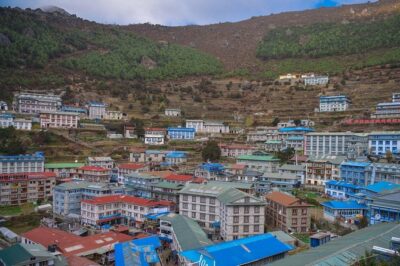
When you reach Namche, you’re not just checking in to a lodge. You’re arriving at a hub. Shops, vendors, and places to browse help you settle your gear and plan your next altitude day. That matters because this trek goes higher than most people are ready for, so having a base where you can get your bearings helps.
A small practical note: lodge setups are basic-but-comfy. You’ll likely get clean, cozy rest and mountain views, but don’t expect city-style comforts.
Namche Bazaar Acclimatization Day: the One Day You’ll Thank Yourself For
Day 3 is your buffer. This is the planned acclimatization day in Namche Bazaar, and it’s a big reason people can complete the trek with fewer problems. The trek doesn’t just grind upward; it gives you a chance to adapt before pushing beyond Namche.
You can keep it relaxed with a low-effort stroll, or choose one of the structured options:
- A short hike to a viewpoint, plus a museum that covers flora/fauna, geography, and Sherpa culture and history
- Or a half-day route visiting Khumjung and Khunde, including the monastery
If you want to use this day well, keep your hike short, drink water, and keep moving slowly. The goal is acclimatization, not fitness bragging.
This is also where the guides earn their keep. In past groups led by guides such as Ishwor and others from Unique Path’s team, the emphasis is on pacing and staying responsive to how you feel. It’s the difference between climbing because the schedule says so and climbing because your body is ready.
Tengboche Monastery Day: Forest Quiet Meets Big-Peak Drama
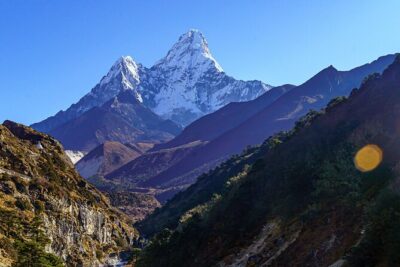
On Day 4, you leave Namche and head toward Tengboche. The trail continues with views of Everest and Ama Dablam, then alternates between downhill sections and a steeper climb through forest to reach the Tengboche monastery area.
Tengboche is famous for a reason: the surrounding peaks feel close, and the monastery setting gives you a moment to slow down. It’s not a theme park stop. The late prayer-time atmosphere you can witness is part of why the trek feels distinctly Nepal, not just “high-altitude hiking.”
The practical tradeoff is that the day has a climb after the lunch downhill. So even though it’s gorgeous, it can still feel like work. Go steady, keep breathing, and treat the uphill as a rhythm exercise.
Pangboche to Shomare and Toward Dingboche: where the Trail Starts Feeling Higher
Day 5 moves you deeper into the high Khumbu pattern. You’ll travel downhill and then gradually climb, crossing bridges and walking past prayer walls and stupa markers. Ama Dablam views appear repeatedly, and you’ll notice the vegetation thinning as the trek rises.
You’ll reach Pangboche, described as a last permanent village on the route toward Everest Base Camp. That’s a key detail because it signals something important: you’re leaving more settled village life and entering a zone where services are limited and altitude will start demanding more from you.
From Pangboche, the route includes a short steep climb to Shomare, a temporary village with lodge/teahouse options—then continuing toward the Dingboche/Pheriche area zone. The biggest drawback of these days is that they can feel mentally busy: many ups and downs, plus you’re also managing how you sleep and eat at altitude.
The upside is that you’ll also begin seeing the kind of peak shapes you only ever see in guidebooks. Khumbu terrain becomes real, not just photos.
Thugla (Dugla) and Lobuche: prayer flags, memorials, and a tougher air day
Day 6 is one of those days that’s scenic and serious. You start with a slow climb with prayer flags and a Buddhist stupa, then follow a pleasant trail with gradual up and down. The trekking route passes streams fed by glacier melt, and that detail—cold, loud water—always feels like a reminder that you’re walking near the real source of the landscape.
You reach a lunch stop at Thugla/Dugla, then climb to the top ridge of Thug-la. This section is shorter than it sounds, but it’s steep enough to make altitude feel more intense. You’ll also see memorials of late mountaineers who died climbing Everest and nearby peaks. It’s a sobering moment that helps the trek feel respectful, not casual.
By the end of Day 6, you head toward Lobuche and enjoy a cozy lodge. That “cozy” part is important—at these heights, a warm meal and solid rest help you handle the next big push.
Gorakshep and Everest Base Camp: the 5,364m Goal You’ve Been Walking For
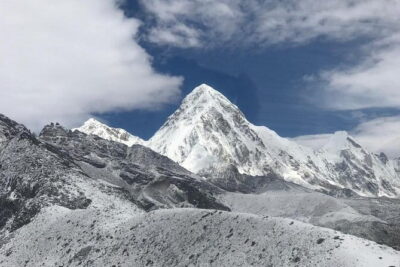
Day 7 is hard in the way altitude makes everything hard. The climb has significant altitude gain, and the views are relentless: Pumori, Lingtrin, Khumbutse, and Everest itself all show up in the panorama.
You reach Gorakshep after walking through moraine and icy path conditions. Gorakshep is described as having multiple lodges and is your base area before Everest Base Camp. You get the crucial sequence here:
1) arrive, rest, and adjust
2) continue to Base Camp
3) return to Gorakshep
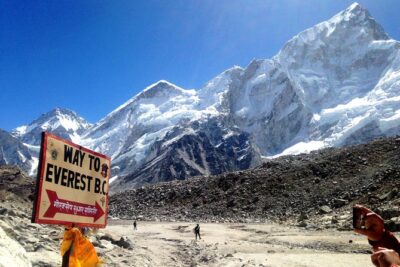
The Base Camp walk goes along moraine with views toward Khumbu Icefall. At Everest Base Camp at around 5,364m, this is where the experience stops being about effort and becomes about scale. Everest doesn’t feel like a mountain anymore; it feels like a wall of altitude and history.
After time at Base Camp, you return to Gorakshep for the night. Don’t underestimate this. Coming down can still feel taxing, and your body will want fluids and slow breathing.
Kalapatthar at 5,545m: worth the extra climb for the south-face views
Day 8 is the big viewpoint day. You climb steeply up to Kalapatthar, at about 5,545m. The reward is fantastic: broad views of Everest and surrounding high peaks all the way across the south eastern horizon.
This is the moment that many people remember most, because you’re higher than Everest Base Camp and you get a clearer, wider angle of the mountain’s mass. The trek description calls out the south face of Everest and other high snow-capped peaks from the top.
Then you head downhill again—steeply—back toward Gorakshep. From there you continue on to the Thugla area and onward toward Pheriche valley for overnight. This travel sequence is worth noting: you don’t just enjoy the view and go home. You’re still trekking through altitude.
If you’re hoping for one day to take everything slow, Day 8 is that day. After the climb, your legs may feel okay, but your breathing might not.
The Return Down Through Pheriche, Tengboche, and Namche
The return route isn’t just a repeat. Days 9 and 10 feel easier on paper, but the key challenge is your recovery. Altitude doesn’t disappear when you start heading downhill.
Day 9 moves from the Pheriche area toward Panbuche valley with views of Ama Dablam, Nuptse wall, and Lhotse. You also cross toward Tengboche monastery again, then continue down through forested trail segments and back toward Namche Bazaar for overnight.
Day 10 is your leisure and easy last day walk to Lukla. You follow the Dudh Kosi for stretches, passing villages such as Benkar, Tuc Tuc, and Phakding, then reaching Choplung where the Jiri and Lukla trail paths meet. The last push back to Lukla includes a climb that takes about 50 minutes.
These final days are where you feel glad you paced earlier. If you held back on Day 4 and Day 6, you’ll likely enjoy the walk out more and feel less crushed.
Price and Logistics: what $1,350 buys (and what it doesn’t)
At $1,350 per person for an approximate 11-day trek, the value depends on what you compare it to. Here’s what you actually get in the included package:
- Ground transportation and a 35-minute domestic flight each way between Kathmandu and Lukla (with airport tax)
- Three meals a day while trekking (breakfast, lunch, dinner)
- Twin-sharing private room during trekking nights
- A trekking map, plus route planning support and paper work for TIMS and park-related permits (including Pasang Lamu rural municipality entry permit and national park entry permits)
- Safety gear support like a first aid medical kit and an oxygen meter to check pulse and oxygen saturation
- Sleeping bag and down jackets provided if needed
- An English-speaking guide, plus staff support, and a trip achievement certificate
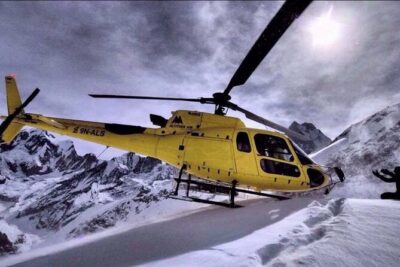
- Emergency helicopter rescue arrangement, paid by your insurance company
Not included means you’ll still need to cover:
- Kathmandu accommodation and meals (plus drinks in Kathmandu)
- Any mountain drinks (hot, cold, alcoholic)
- Your personal equipment
- Tips for trekking staff and driver
- International flights and travel/rescue insurance
So the “real” value is in the big logistics: the Lukla flights, permits, and meal/lodge structure. For most people, that’s the part that costs time and energy to arrange independently. If you want a smooth, guided setup with a team that handles permits and altitude monitoring tools, this package can be a strong deal.
Also, you’re capped at a maximum of 25 travelers. That usually keeps group dynamics manageable compared to huge tour buses.
The Unique Path Team Effect: flexibility when plans get messy
A big theme in the positive feedback is how responsive the team is. Owner Babu is repeatedly described as quick to answer questions pre-trek and engaged during the trek itself. You’ll also see guides like Ishwor and Ambar mentioned, with supporting staff including Suresh, Kumar, Sonam, Prakash, Deepak, and porter Bheen in different groups.
Why should you care? On an Everest itinerary, weather changes happen. Lukla flights can delay. Trail conditions can shift. A good operator doesn’t just follow a script. The planning needs to be flexible, and communication needs to be fast when you’re tired and altitude-stressed.
This trek also includes equipment support like down jackets and a four-season sleeping bag to use if necessary. That’s not just comfort—it’s risk management when packing gets complicated.
Who Should Book This Everest Base Camp Trek (and who should pause)
This trek explicitly asks for moderate physical fitness. That doesn’t mean you need to be a marathon runner. It does mean you should be comfortable walking for hours daily on uneven terrain, including steep climbs.
You’ll likely enjoy it if:
- you want the classic Everest region route with lodge nights and major landmarks
- you value acclimatization and a structured pacing plan
- you prefer guided safety support, including an oxygen meter
You might think twice if:
- you’re extremely time-constrained and cannot tolerate potential Lukla delays
- you have concerns about altitude at around 5,364m and 5,545m
- you know you’ll struggle with long days that include steep segments even on “scenic” days
Should You Book Unique Path Trekking Expedition’s EBC Trek?
If you want a guided, well-paced Everest Base Camp experience with a team that’s known for flexibility and communication, this trek is a solid choice. The itinerary isn’t just a list of places—it’s built around acclimatization, monastery days, and a big viewpoint payoff at Kalapatthar.
Before you book, check your readiness for altitude and accept that Lukla can delay. If you can handle that reality, the included package value is strong: domestic flights, meals, lodges, permits, and safety support are already handled for you.
FAQ
FAQ
How long is the Everest Base Camp trek?
It’s listed as approximately 11 days.
What’s the price per person?
The price is $1,350.00 per person.
Are flights between Kathmandu and Lukla included?
Yes. Both ways domestic flight tickets from Kathmandu/Lukla/Kathmandu with airport tax are included.
Does the trek include meals while you’re on the mountain?
Yes. Meals are included three times a day (breakfast, lunch, and dinner) during the trekking portion.
Are accommodations included?
Yes. Twin sharing comfortable private rooms are included during the trekking nights.
What safety and altitude-related items are included?
The package includes a first aid medical kit and an oxygen meter to check pulse, heart rate, and oxygen saturation at higher altitude.
What permits and systems are included?
Included are TIMS, Everest national park entry permits (paper works), and a Pasang Lamu rural municipality entry permit.
What is not included in the price?
Not included are Kathmandu accommodation and meals/drinks, all drinks in the mountain, your personal equipment, mountain porter, international airfare, travel and rescue insurance, tips for trekking staff/driver, and any extra personal expenses.
More Trekking Out of Kathmandu
More Tour Reviews in Kathmandu
Just Reviewed in Kathmandu
- Mountain Bike Tour
★ 5.0 · 3 reviews - Annapurna Panaroma
★ 5.0 · 3 reviews - Mount Everest Scenic Flight 50 Minutes
★ 5.0 · 3 reviews - Kathmandu : Swambhunath & Durbar Square Guided Half Day Tour
★ 3.3 · 3 reviews - Chandragiri Cable Car & Monkey Temple Tour – Private/Group
★ 5.0 · 3 reviews - Kathmandu: Shivapuri National Park Hiking Day Trip
★ 3.3 · 3 reviews
Everest Base Camp Treks, compared.
 ★ 5.0Everest Base Camp Trek – 14 DaysFrom $1,8001,499 reviews
 ★ 5.0Everest Base Camp TrekFrom $1,790842 reviews
 ★ 5.0Everest Base Camp TrekkingFrom $1,350485 reviews
 ★ 5.0Everest Base Camp Trekking – 13 DayFrom $1,399365 reviews
★ 5.0Everest Base Camp TrekFrom $1,445350 reviews
★ 5.0Everest Base Camp Trek -14 DaysFrom $1,420321 reviews
★ 5.0Everest Base Camp Trekking – 13 DayFrom $1,399365 reviews
★ 5.0Everest Base Camp TrekFrom $1,445350 reviews
★ 5.0Everest Base Camp Trek -14 DaysFrom $1,420321 reviews
 ★ 5.012 Days Everest Base Camp TrekFrom $1,099289 reviews
 ★ 5.0Everest Base Camp Trekking – 2025/2026From $1,339199 reviews
Browse the lists this tour appears in