
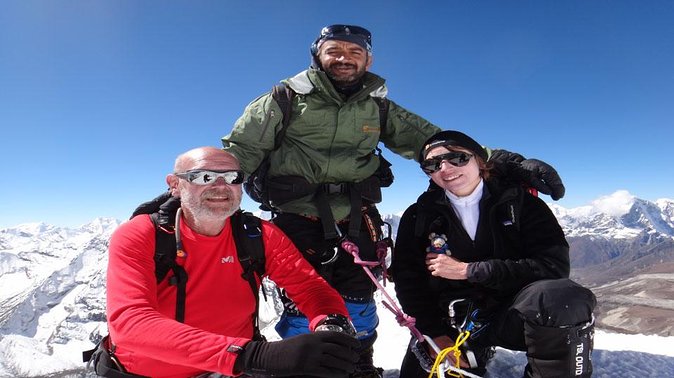
Review · EVEREST BASE CAMP TREKS
Everest Base Camp Trek
Everest Base Camp is a long walk toward the Roof of the World. This 14-day trek, run by Travel Pinto with a licensed English-speaking Sherpa guide and porters, focuses on day-by-day support while still giving you room to manage the rest of your Nepal trip. I love that the trip includes the big logistics like Kathmandu–Lukla–Kathmandu flights and permits, so you spend less time worrying and more time moving. I also like the practical extras, like filtered drinking water (Katadyn Pocket Water Filter) and the trekking map and sun hat that show up before you’re deep in the mountains.
The main drawback to plan for is altitude. Even with acclimatization days in Namche and Dingboche, some people feel it (the itinerary even flags breathing problems on the way to Lobuche), so you’ll want to go slow and listen to your guide. If you’re hoping for a super-fast, no-slowing-allowed hike, this isn’t that trip.
Overall, this is a solid value way to do Everest Base Camp if you want structure plus real human support. And based on past feedback, it has a strong reputation: 5/5 rating with 100% recommendation from 33 reviews.
In This Review
- Key points before you go
- Why this Everest Base Camp trip feels organized without taking over
- Kathmandu arrival and the pre-trek meeting that sets you up
- Flights to Lukla: included, but expect seasonal changes
- Phakding to Namche: suspension bridges, then a climb that teaches patience
- Namche acclimatization: Sherpa culture plus altitude training
- Tengboche monastery day: art, ceremony, and big views at 3,860 m
- Dingboche and the second acclimatization: Ama Dablam focus
- To Lobuche: stone memorials and the glacier’s mood
- Everest Base Camp day: the glacier walk and the Icefall view
- Kala Patthar: your panoramic morning and the highest emotional payoff
- Coming back down: Namche, Lukla, hot shower time, and closure
- Price and value: what $1,600 covers and what you still own
- Guides and porters: why names keep coming up
- Acclimatization and pace: how this itinerary helps you stay in the game
- Who should book this EBC trek (and who should reconsider)
- Should you book Travel Pinto for Everest Base Camp?
- FAQ
- How long is the Everest Base Camp trek?
- Where does the tour start and end?
- What time does the experience start?
- Are airport pickup and transfers included?
- How do flights to Lukla work during peak season?
- Does the package include permits for the trek?
- What accommodation is included?
- Is a porter service included?
- What food and water are provided during the trek?
- What should I arrange for insurance and what is not included?
Key points before you go
- Licensed, first-aid trained guide support on a day-by-day basis for a route that rewards good pacing.
- Flights to Lukla are included, with seasonal rerouting to Manthali during peak congestion times.
- Acclimatization is built in, including a full day in Namche and another in Dingboche (no need to freestyle recovery days).
- National park and local trekking fees are included, saving time and paperwork.
- Meals and filtered water are handled on the trek, so you’re not hunting for basics every day.
- Porter service covers 11 trekking days, which matters when your legs are already tired.
More trails out of Kathmandu, boots ready
- Everest Base Camp Trek – 14 Days★ 5.0 · 1,499 reviews
- Everest Base Camp Trek★ 5.0 · 842 reviews
- Everest Base Camp Trekking★ 5.0 · 485 reviews
- Nagarkot Sunrise View and Day Hiking from Kathmandu★ 5.0 · 471 reviews
Why this Everest Base Camp trip feels organized without taking over
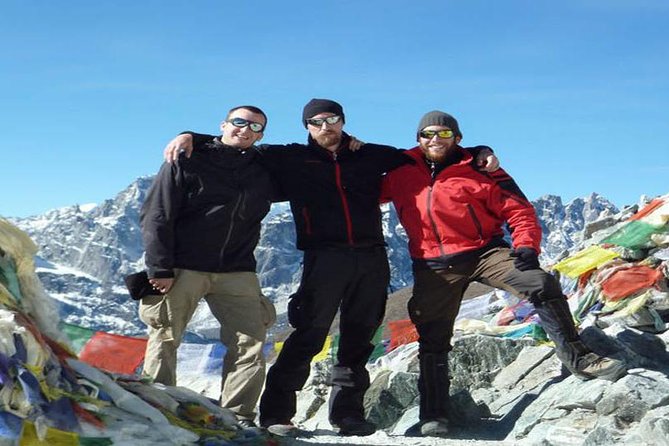
What I like about this package is the balance. You’re not just dropped at a starting point with a vague plan. You get a government-licensed English-speaking guide and porter support, but the overall flow still respects what you need each day: slower ascents, acclimatization time, and realistic trekking stages.
Another smart part is that the trek is paired with real logistics in Kathmandu. You arrive, you meet the team, you get your duffel and materials, and you can ask questions before your first climb starts. This matters because Everest trips run on small decisions: what you pack, how you pace, and whether you understand the flight day plan.
Finally, the group size is kept under control. There’s a maximum of 14 travelers, so it tends to feel like a team instead of a moving crowd.
Kathmandu arrival and the pre-trek meeting that sets you up
Day 1 starts with an airport representative at Tribhuvan International Airport. You’re picked up in a private tourist vehicle and taken to a Kathmandu hotel. If you land after 4 pm, you get your pre-trip briefing later through the guide; if you arrive earlier, you meet at the office the same day.
The pre-trek meeting is more than paperwork. Bring what they ask for, because it affects how smoothly Day 2 can begin:
- Your passport
- Three copies of passport-size photos
- A readable copy of your travel insurance policy
During the meeting you’ll also settle any due balance, sign the legally binding trip form, and sign a non-liability disclaimer. It’s not fun, but it’s the kind of administrative step that prevents confusion later when you’re busy adjusting to thin air.
One practical detail: the itinerary suggests carrying copies, not just originals. That’s a small thing that can save stress if documents get handled more than once.
Flights to Lukla: included, but expect seasonal changes
Day 2 is a “get moving early” day, and the flight is a major part of the experience. You head to Manthali Airport (Ramechhap) for the scenic flight to Lukla during peak trekking congestion times. This shift happens in high season months listed by the operator: March, April, May, October, and November.
The included flight is short—about 35 minutes each way on the Kathmandu–Lukla sector—landing at Tenzing and Hillary Airport (2,804 m). On arrival, your guide briefs you and introduces the porters, and then you start trekking.
From there, the plan is to ease into the Khumbu region with an easy walking day toward Phakding (2,610 m). You’ll join the main trail in the area of Chaunrikharka and spend the day moving along the river valleys, which is exactly what you want on Day 2: movement without drama.
Tip for your mental game: don’t overpack your first-day expectations. Your body is still in Kathmandu mode. Your goal is to find your rhythm.
Phakding to Namche: suspension bridges, then a climb that teaches patience
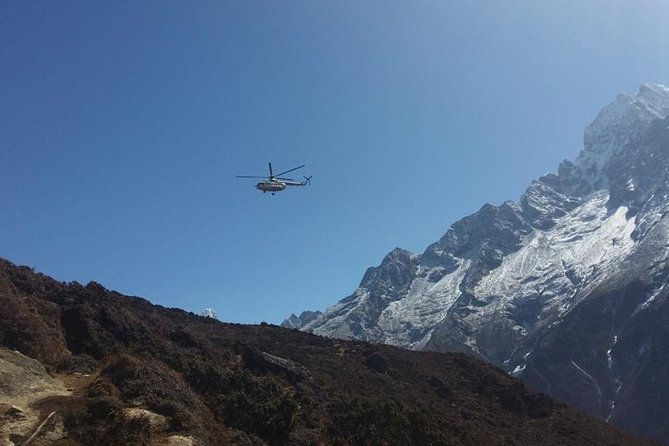
You spend Day 3 trekking along the Dudh Koshi River with multiple suspension bridges and prayer flags. The route enters Sagarmartha National Park, which helps explain why the “big scenery” starts early—not just at Base Camp.
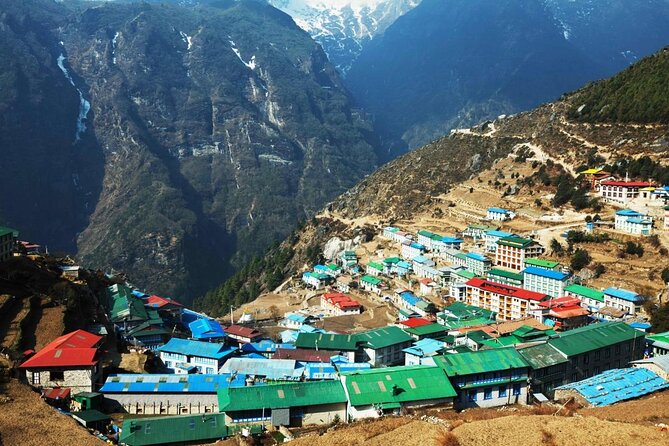
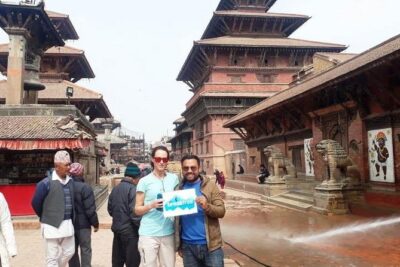
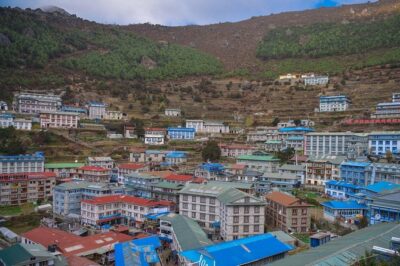
Then comes the climb to Namche Bazaar, located above Chaunrikharka and at a much higher altitude than where you started. Namche is described as the biggest Sherpa settlement along the Everest trail, and that shows in the practical stuff: restaurants, lodges, shops, money exchange services, internet cafes, and bakeries.
It’s also a good mental checkpoint. When you reach Namche, you’re in the part of the trail where people are living the mountain rhythm every day. That’s useful because you’re not the only one breathing hard, drinking hot tea, and watching the sky for good visibility.
Namche acclimatization: Sherpa culture plus altitude training
Day 4 is an acclimatization day, not a “reach the next village at all costs” day. That’s one of the clearest strengths of this plan.
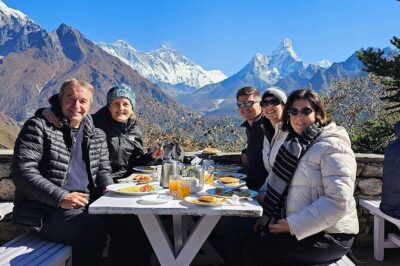
You start by spending time in Namche, then hike to the Sherpa Museum to learn about traditional Sherpa customs. After that, you go up toward Syangboche Airport and the Everest View Hotel area. From higher ground you get rewarding views of the Himalayas, including Mt. Everest, assuming weather cooperates.
This day helps in two ways:
- It supports acclimatization by letting your body adjust gradually.
- It turns the wait into something meaningful. You’re not stuck “doing nothing.” You’re practicing being at altitude while staying active.
Based on past guide feedback in the overall program reputation, this is where a good guide matters. When you know what you’re looking at and why you’re hiking (not just where your next bed is), the day feels useful instead of slow.
Tengboche monastery day: art, ceremony, and big views at 3,860 m
Day 5 takes you to Tengboche (Tengboche Gompa) at around 3,860 m. You’re trekking alongside the Dudh Koshi again with frequent mountain views, then arriving at a monastery that’s described as having ornate wall hangings, a 20-foot Buddha sculpture, and musical instruments and robes for Lamas.
A nice touch here is the option to observe a prayer ceremony either in the evening or morning depending on the day’s trek. Even if you’re not religious, it’s a chance to see how the Sherpa community moves through the mountains with rhythm, not just trekking schedules.
If you care about culture, this is one of the best “value per kilometer” stops on the route.
Dingboche and the second acclimatization: Ama Dablam focus
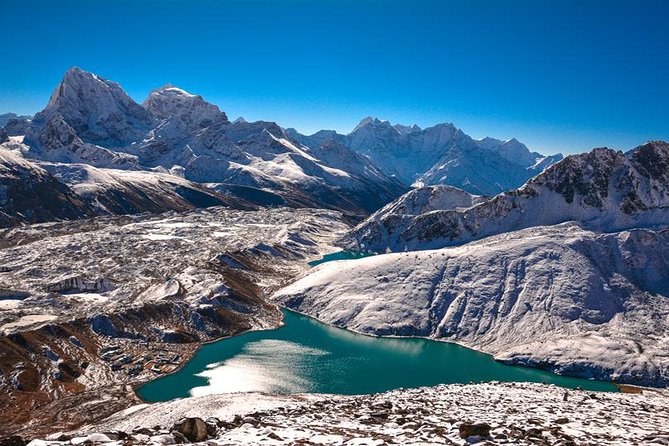
Days 6 and 7 revolve around Dingboche, with Day 7 specifically designed as acclimatization.
On Day 6 you descend to Debuche, cross an Imja Khola suspension bridge, pass through Pangboche, and then climb to Dingboche. The itinerary notes that you’ll take your time to avoid altitude problems. That’s not vague advice—it’s baked into the pacing.
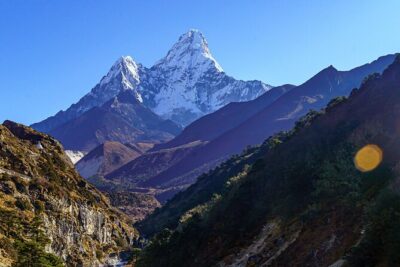
On Day 7 you don’t push toward Base Camp. Instead, you hike to Nangkartshang peak just above Dingboche for views, with special emphasis on Ama Dablam if conditions are clear. In the afternoon you can stroll around Dingboche or rest.
This is the day you’ll thank later. Taking a deliberate acclimatization hike helps you keep your energy for the harder glacier and Base Camp stages ahead.
To Lobuche: stone memorials and the glacier’s mood
Day 8 climbs toward Lobuche, traveling along the lateral moraine of the Khumbu Glacier and passing stone memorials for climbers who perished on nearby summits.
That moment hits differently than typical mountain scenery photos. It’s quiet, heavy, and real. And it adds context to what you’re doing. You’re not just walking toward a view—you’re entering a route with a long history of risk.
The itinerary also flags that some breathing problems may arise today due to altitude. That means you should treat today as a “keep it controlled” day: slow steps, steady breathing, and no hero pacing.
Then Day 9 shifts into the biggest mountain payoff.
Everest Base Camp day: the glacier walk and the Icefall view
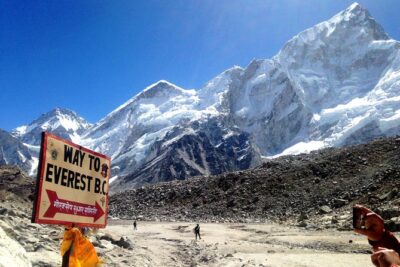
Day 9 is the “closest you can get without mountaineering equipment” day, trekking up to Everest Base Camp at 5,365 m. It’s described as a big and difficult day walk along the Khumbu Glacier.
In spring, you might see expedition teams getting ready around the region. The view from Base Camp is highlighted as spectacular, especially of the Khumbu Icefall.
After reaching Base Camp, you return to Gorak Shep for the night. This back-and-forth matters because it keeps you from treating Base Camp as a marathon one-way destination. You’re still in a travel mode where you must manage energy for the next climb.
One practical thought: if you’re prone to rushing when you finally reach a goal, train yourself not to. Use the time at Base Camp to breathe, look, and let your body settle before you start back down.
Kala Patthar: your panoramic morning and the highest emotional payoff
Day 10 is the hardest and most rewarding day for many people: Kala Patthar at 5,555 m.
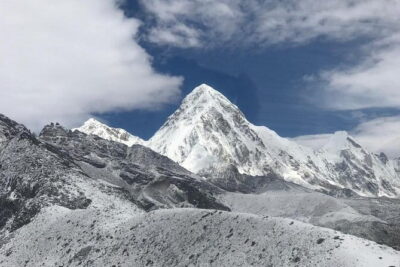
Most of the morning goes toward climbing Kala Patthar, described as demanding but offering a magnificent panorama. The viewpoint is framed as showing Everest towering directly ahead, with Nuptse, Pumori, Chagatse, Lhotse, and more giants around you.
Afterward, you do a quick descent to Gorak Shep, enjoy a hot breakfast, then trek down to Pheriche.
This is where the trek stops being just a hike and turns into a full sensory experience: cold air, wind exposure, and big sightlines. If you’ve been wondering what you’re buying with all the planning and altitude work, this day answers it.
Coming back down: Namche, Lukla, hot shower time, and closure
Day 11 starts the descent back from the Everest region to Namche Bazaar, passing Pangboche and Tengboche. You arrive in Namche in the afternoon.
Day 12 brings you back to Lukla, and the itinerary calls it the last day of trekking in the Everest region. The afternoon is free for wandering and resting, with a mention of a hot shower and time to celebrate with group drinks and dancing.
That matters more than you might think. At high altitude, the last day can feel anticlimactic if there’s no emotional landing. Here, you get a structured closure: reflect as a group, then shift back to being a normal person.
Day 13 flies back to Kathmandu (again about 35 minutes), and you’re transferred to your starting hotel. If you want to extend the trip, the operator lists options like Chitwan jungle safari, river rafting, Kathmandu shopping tours, and mountain biking.
Day 14 ends with the airport transfer from Kathmandu to your departure flight at Tribhuvan International Airport.
Price and value: what $1,600 covers and what you still own
At $1,600 per person, the value comes from how much is included for a route like this.
Included highlights you’d otherwise pay for separately:
- Professional guide plus porter service (porters for 11 days, with 1 porter for 2 clients)
- Kathmandu airport/hotel transfers in a private tourist vehicle
- 3-star twin-share accommodation in Kathmandu for 2 nights with breakfast
- Trek guesthouse accommodation in Lukla, Phakding, and Namche with attached toilets
- Everest/Sagarmatha National Park entry permit and Pasang Lhamu Rural Municipality fee
- Airfare Kathmandu–Lukla–Kathmandu, including airport departure tax
- Treks’ standard meals: breakfast, lunch, dinner during the trekking period
- Filtered water via Katadyn Pocket Water Filter, plus seasonal fruits
- A first-aid kit and emergency evacuation arrangements in worst-case scenarios
- Operator-provided gear extras like a duffel, trekking map, sun hat, and trip completion certificate
What’s not included (and you should budget for):
- Lunch and dinner in Kathmandu
- Travel insurance covering emergency high-altitude rescue and evacuation
- International flights
- Nepal visa
- Alcohol, hot and cold drinks
- Tips for guide and porter
- Personal trekking equipment
My take: for Everest Base Camp, the “you don’t want to think about it” items are the exact things this price covers—permits, flights, guide/porter, and meals on trek. If you already have gear and you’re bringing the right insurance, this looks like a straightforward package. If you’re missing basics, costs can creep up quickly.
Guides and porters: why names keep coming up
One strong theme in the program’s reputation is the human factor: guides who stay helpful, porters who keep the mood up, and organization that doesn’t derail when plans shift.
You may be guided by different staff depending on your dates. In past feedback tied to Travel Pinto’s Everest treks, names that came up include Dave, Devendra, Suraj, Mohan, and Uddhav. What matters isn’t the name—it’s the pattern: guides described as patient, responsive to route questions, and able to handle last-minute changes.
Porters also show up repeatedly in positive notes, often described as friendly and smiling. Since the itinerary uses porter help for 11 days, you’ll feel that benefit. Even when you still do most of the walking yourself, carrying less reduces the strain that causes bad acclimatization days.
Acclimatization and pace: how this itinerary helps you stay in the game
Altitude isn’t optional on Everest Base Camp, and this trek builds in the tools to manage it:
- Easy walking early on
- A full acclimatization day in Namche
- A second acclimatization day in Dingboche
- Time built into stages so you’re not sprinting upward
The plan also flags reality: some breathing problems may arise on the way to Lobuche, and that’s your cue to be cautious with effort. The guide-led structure is meant to prevent you from pushing through discomfort in a way that turns a manageable challenge into a serious problem.
If you want one practical rule: treat each day’s “extra views” as a bonus, not a requirement. You’re doing Everest Base Camp for the whole arc, not one perfect photo moment.
Who should book this EBC trek (and who should reconsider)
This works best for you if:
- You want licensed guide support and porter help rather than planning everything yourself
- You like having a clear itinerary but still want flexibility for side plans in Kathmandu
- You can handle sustained walking and you’re aiming for steady progress
- You’re comfortable with basic guesthouse life on the trek (plus attached toilets on the listed stops)
Consider thinking twice if:
- You need a fully comfort-first experience with minimal cold exposure and minimal walking
- You’re hoping altitude won’t affect you much
- You want a fast itinerary without acclimatization days
Also, it’s a group trek with a maximum of 14 travelers and a minimum age of 18, so it’s best for adults who are okay sharing the rhythm of a trekking group.
Should you book Travel Pinto for Everest Base Camp?
Yes, if you want a guided Everest Base Camp trip that handles the hardest logistics for you—especially flights, permits, meals, accommodations, and emergency planning—while keeping the pacing and acclimatization realistic.
Book this if:
- You value the day-by-day guidance of a first-aid trained, English-speaking guide
- You’d rather spend your energy on the trail than on the admin
- You want a route that takes acclimatization seriously (Namche + Dingboche)
Don’t book this if:
- You’re looking for a DIY adventure with zero support
- You’re unwilling to plan for altitude and cold
- You don’t want to budget for tips and personal gear
If you do book, pack for cold, move steadily, and use your guide’s knowledge every day. This route is famous for big views, but what makes it work is the boring stuff: pacing, preparation, and listening.
FAQ
How long is the Everest Base Camp trek?
The trek is listed as 14 days (approx.).
Where does the tour start and end?
It starts in Kathmandu and ends back at the meeting point in Kathmandu.
What time does the experience start?
The start time is 7:00 am.
Are airport pickup and transfers included?
Yes. Airport/hotel transfers are included in a private tourist vehicle.
How do flights to Lukla work during peak season?
During peak trekking season, flights can be shifted to Manthali Airport (Ramechhap district) instead of Kathmandu airport.
Does the package include permits for the trek?
Yes. It includes the Everest/Sagarmatha National Park entry permit and the Pasang Lhamu Rural Municipality fee.
What accommodation is included?
In Kathmandu, you get 2 nights in 3-star twin-share accommodation with breakfast. During the trek, you stay in twin-sharing guesthouses with attached toilets in Lukla, Phakding, and Namche.
Is a porter service included?
Yes. Porter service is included for 11 days, with 1 porter for 2 clients.
What food and water are provided during the trek?
The trek includes all standard meals (breakfast, lunch, and dinner). Water is provided via filtered water using a Katadyn Pocket Water Filter.
What should I arrange for insurance and what is not included?
Travel insurance covering emergency high-altitude rescue and evacuation is not included in the package. Tips for the guide and porter are also not included, and you’ll need personal trekking equipment.
More Trekking Out of Kathmandu
More Tour Reviews in Kathmandu
Just Reviewed in Kathmandu
- Mountain Bike Tour
★ 5.0 · 3 reviews - Annapurna Panaroma
★ 5.0 · 3 reviews - Mount Everest Scenic Flight 50 Minutes
★ 5.0 · 3 reviews - Kathmandu : Swambhunath & Durbar Square Guided Half Day Tour
★ 3.3 · 3 reviews - Chandragiri Cable Car & Monkey Temple Tour – Private/Group
★ 5.0 · 3 reviews - Kathmandu: Shivapuri National Park Hiking Day Trip
★ 3.3 · 3 reviews
Everest Base Camp Treks, compared.
 ★ 5.0Everest Base Camp Trek – 14 DaysFrom $1,8001,499 reviews
 ★ 5.0Everest Base Camp TrekFrom $1,790842 reviews
 ★ 5.0Everest Base Camp TrekkingFrom $1,350485 reviews
 ★ 5.0Everest Base Camp Trekking – 13 DayFrom $1,399365 reviews
★ 5.0Everest Base Camp TrekFrom $1,445350 reviews
★ 5.0Everest Base Camp Trek -14 DaysFrom $1,420321 reviews
★ 5.0Everest Base Camp Trekking – 13 DayFrom $1,399365 reviews
★ 5.0Everest Base Camp TrekFrom $1,445350 reviews
★ 5.0Everest Base Camp Trek -14 DaysFrom $1,420321 reviews
 ★ 5.012 Days Everest Base Camp TrekFrom $1,099289 reviews
 ★ 5.0Everest Base Camp Trekking – 2025/2026From $1,339199 reviews
Browse the lists this tour appears in