
Review · EVEREST BASE CAMP TREKS
Everest Base Camp Trek
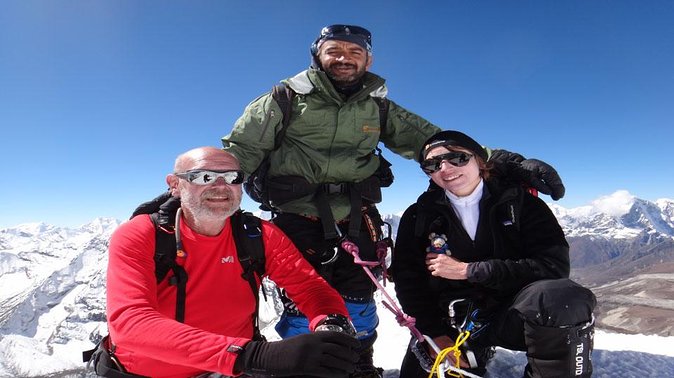
The Khumbu is demanding, but rewarding. This 14-day Everest Base Camp trek threads Sherpa culture through Namche Bazaar and Tengboche, and it keeps stacking altitude views toward Everest Base Camp and Kala Patthar. I also like that you’re not left to sort out the grind alone: a guide such as Pradip (Master Zi / Big Z) and a porter setup help you focus on walking and acclimatizing.
One consideration: the Lukla flights can be weather-sensitive. The plan is to reschedule if needed, but you should accept that Lukla flight risk is part of the deal, and helicopter options can come with extra cost.
In This Review
- Quick hits: what makes this Everest Base Camp trip work
- Kathmandu Setup at 5:30 am: getting to the trek without chaos
- Day 1-2: Tribhuvan to Lukla then Phakding (the quick altitude shock)
- Namche Bazaar acclimatization: the Sherpa culture you’re actually here for
- From Tengboche to Dingboche: monasteries, altitude, and smart pacing
- Dingboche rest day and the high-altitude leg work
- Lobuche and Gorakshep: the long push that sets up Base Camp
- Everest Base Camp and Kala Patthar: where the photos become real
- The return down: Pheriche to Namche to Lukla and the homecoming flight
- Price and Logistics: what your $1,500 really buys
- Lodges, meals, and practical comforts in tea-house country
- Guides, porters, and safety: why Pradip’s style matters
- What to pack and how to handle altitude and power
- Helicopters and flight delays: the reality you should plan for
- Who should choose this Everest Base Camp trek (and who should reconsider)
- Should you book Welcome Nepal Treks for Everest Base Camp?
- FAQ
- What is the duration of the Everest Base Camp trek?
- Where do I meet in Kathmandu, and when?
- What flights are included in the plan?
- What accommodations are provided in Kathmandu and on the trek?
- Are meals included during the trek?
- How many porters will you have?
- Is there a single supplement option?
- What is the weight allowance for domestic flights to Lukla?
- What happens if my Lukla flight is canceled or delayed?
- Is charging electronics available?
Quick hits: what makes this Everest Base Camp trip work
- Practical guide support (Pradip): the kind of person who knows trails, mountains, and what to watch for on the ground
- Smart acclimatization rhythm: Namche rest, then Dingboche downtime, before higher days
- Real high points on schedule: Gorakshep to Base Camp plus Kala Patthar for the classic viewpoint day
- Porters that follow the plan: 1 porter for 2 people, so you carry a day pack
- Tea-house nights, not hotel fantasies: clean enough, basic enough, and built for hikers
More trails out of Kathmandu, boots ready
- Everest Base Camp Trek – 14 Days★ 5.0 · 1,499 reviews
- Everest Base Camp Trek★ 5.0 · 842 reviews
- Everest Base Camp Trekking★ 5.0 · 485 reviews
- Nagarkot Sunrise View and Day Hiking from Kathmandu★ 5.0 · 471 reviews
Kathmandu Setup at 5:30 am: getting to the trek without chaos
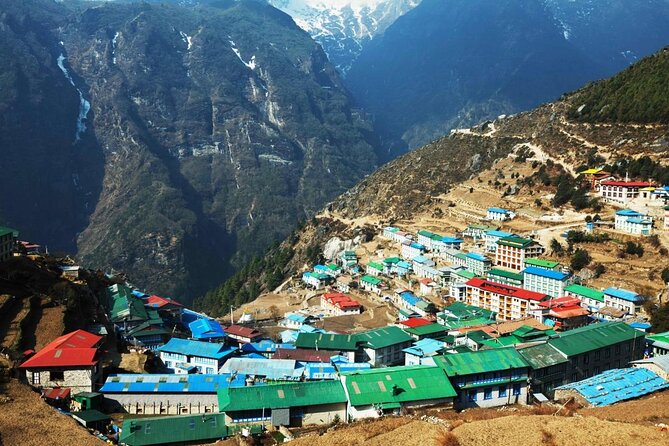
Your trip starts in Kathmandu at Tribhuvan International Airport, with a meet-and-greet timed for an early morning (5:30 am). After you land, you’ll be met and transferred to your Kathmandu hotel. On trekking days later, private vehicles are used for airport transfers and sightseeing, so you’re not hunting taxis with jet lag.
In Kathmandu, you get two nights in 3-star standard accommodation after the trek (and one night on arrival day). Expect attached baths, A/C, and hot/cold running water. That matters more than it sounds: after days of altitude walking, a proper shower and sleep in a real bed help you enjoy the trek instead of just surviving it.
If you’re arriving without your own Kathmandu hotel booked, you’ll want to share your hotel detail timing by email so they can set the meeting date and time. The whole point is to reduce friction when your brain is still on flight mode.
Day 1-2: Tribhuvan to Lukla then Phakding (the quick altitude shock)
The first trekking reality check hits fast. You fly from Kathmandu to Lukla early, land around 2,886m, then trek to Phakding around 2,640m. This is your first taste of the Khumbu’s altitude: not the highest part, but enough to make you notice your breathing.
The trek day itself is fairly straightforward, and it’s a good introduction to the trail: steady walking, get your legs moving, and use the time to test your gear. Pack for comfort, not just style. Your day pack should hold water, layers, sunscreen, and anything you’ll need without digging through the porter’s bag.
And yes, you’ll likely hear people talk about Lukla like it’s a stage set. It’s not. It’s an active part of your itinerary. Keep that in mind if you’re prone to stress about schedules.
Namche Bazaar acclimatization: the Sherpa culture you’re actually here for
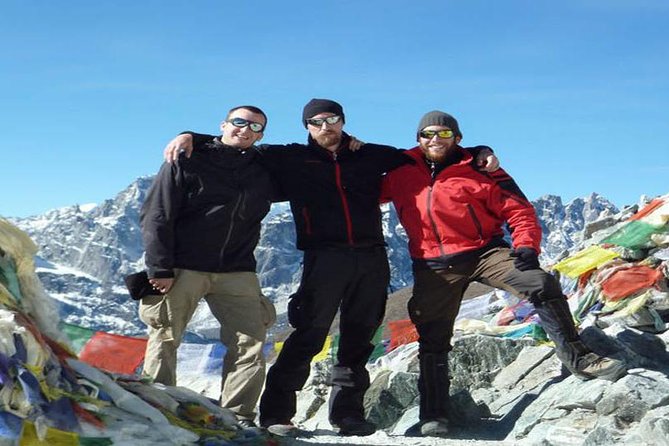
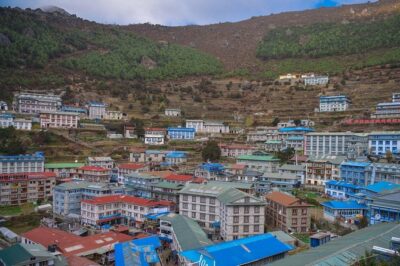
Namche Bazaar climbs you to about 3,440m. The route from Phakding takes around six hours on Day 3, and it’s long enough to feel like a trek, not a stroll. You’ll arrive with a classic view of the settlement and a trail full of hikers—some chatting, some quiet—because everyone is adjusting to altitude in their own way.
Then you get an acclimatization day in Namche (Day 4). This is where the trip earns its “mother of all trekking” reputation in a real way: Namche isn’t only a checkpoint. It’s a place where you can learn the rhythms of the Sherpa community, not just pass through it.
Practical payoff: the rest day helps your body adapt before you go higher toward Tengboche. It also gives you room to manage small issues early—like a tight chest, a stubborn headache, or a blister forming because your sock setup isn’t right.
If you’re the type who wants a meaningful pause, this itinerary supports you. You’re not pushed upward every single day.
From Tengboche to Dingboche: monasteries, altitude, and smart pacing
After Namche, you head to Tengboche (around 3,867m). Tengboche is famous for monasteries, and in the trek flow it works like a spiritual reset. Even if you’re not there for religion, you’ll feel the difference in the atmosphere: quieter, reflective, and focused on more than just the next step.
Day 5 starts that movement, and Day 6 takes you onward to Dingboche (around 4,260m). Dingboche sits higher, and the air will feel different. This is where pacing becomes important. You don’t “race” altitude. You climb in a way that keeps your breathing steady.
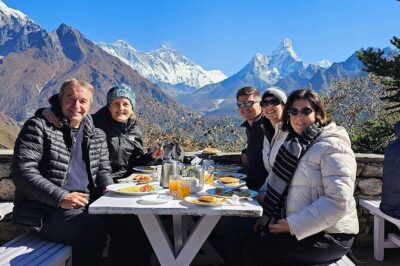
You also get a view stop on the way (the trek details mention a viewpoint day structure). Regardless of what you call the exact spot, what matters is the function: you get breaks and moments to appreciate the scale of the mountains without turning it into a photo marathon.
Dingboche rest day and the high-altitude leg work
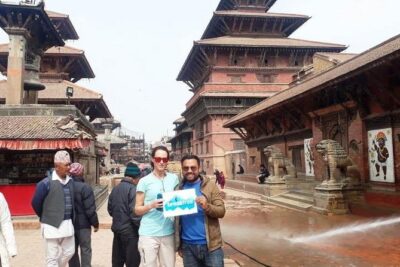
Day 7 is another acclimatization day, based in Dingboche around 4,260m. The plan includes taking rest and doing altitude-friendly routine work—coming back to Dingboche to recover.
This day is not wasted time. It gives you a chance to adjust your eating and hydration. At altitude, you learn quickly that you don’t just need water—you need to drink in a way your stomach accepts and your body uses.
It also helps you avoid the classic mistake: feeling strong on Day 6, then paying for it on Day 8 when the terrain and elevation hit harder. This itinerary is designed to keep you from climbing like a video game.
Lobuche and Gorakshep: the long push that sets up Base Camp
Day 8 moves to Lobuche around 4,930m. The itinerary notes lunch around Dugla (~4,595m), then continuing to Lobuche. This is a big altitude jump day, and you’ll want to keep your effort smooth.
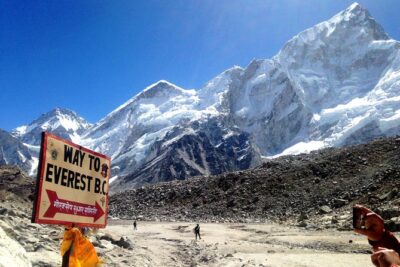
Day 9 is the heavy hitter: Lobuche to Everest Base Camp via Gorakshep. You’ll rise from about 5,140m on the way to the Base Camp approach and spend time in the classic high-altitude zone around 5,364m (as listed for Everest Base Camp). This is “most rewarding” section of the trek in the itinerary pacing, and it’s where the trail turns rocky and serious.
Two things to know before this day:
- Your body may feel like it’s working harder than the distance suggests.
- The air can be thin enough that you feel it on every step, so slow is smart.
When you reach the Base Camp area, it’s not just a destination. It’s a perspective shift. The mountains stop being “views” and start being the main event.
Everest Base Camp and Kala Patthar: where the photos become real
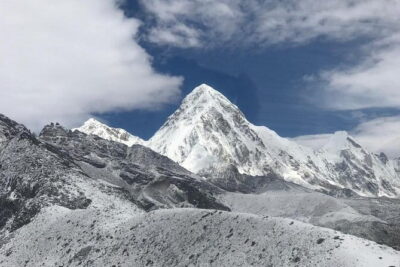
Day 10 is Gorakshep to Kala Patthar (about 5,545m) and then down to Pheriche (around 4,243m). Kala Patthar is the kind of viewpoint that makes people suddenly quiet. It’s high, exposed, and it forces you to focus on breath, legs, and direction.
This day can be cold and tiring. It’s also one of the best payoffs on the entire itinerary because it gives you a sweeping vantage point after you’ve already done the Base Camp portion.
Then, Day 11 brings you back toward Namche Bazaar, arriving late afternoon at around 3,440m. The walking is still work, but your body benefits from coming down. If your energy has been uneven across the trek, this is where you can feel that turning point.
The return down: Pheriche to Namche to Lukla and the homecoming flight
Day 11 to Day 12 is about descent and re-centering. You go from Namche Bazaar down to Lukla on Day 12 (around 2,886m). You’ll arrive, get refreshed, and rest before the final flight out.
Day 13 is Lukla to Kathmandu on an early flight, then transfer to your Kathmandu hotel. You finish by heading to Tribhuvan International Airport on Day 14 for departure.
There’s a psychological shift when you know the end is close. You stop thinking only about survival and start noticing little things again: trail chatter, tea-house routines, and how much you’ve learned about your own pace.
Also, this itinerary supports you with guides and timing. It’s not a “guess the bus” kind of plan. That matters in a place where weather and flight schedules can move fast.
Price and Logistics: what your $1,500 really buys
At $1,500 per person for about 14 days, you’re paying for a lot of operational weight, not just access to the trail.
Here’s what’s clearly included:
- Airport pick-up and drop in Kathmandu (private vehicle)
- Two nights of 3-star standard accommodation in Kathmandu (arrival day and after trekking)
- Lodge/tea-house accommodation on the trek
- An experienced guide plus porters (1 porter for 2 people)
- TIMS card fees and a first-aid medical kit
- Most meals: 14 breakfasts, 11 lunches, 11 dinners (with meal choices handled on the trail)
You’re also supported with practical insurance costs for the guide and porter, plus transport coordination, including the Kathmandu–Lukla flight and return.
What this price does not include:
- Your travel insurance
- Lunch and dinner while you’re in Kathmandu
- Alcoholic and non-alcoholic drinks
Value check: if you’ve done research on EBC treks, you already know this area runs on “the whole system.” Flights, guides, permits, food, and porter logistics are the core costs. This package covers those basics so you can focus on walking and acclimatizing.
If you’re the kind of traveler who hates surprises, this is the kind of structure that usually feels worth it.
Lodges, meals, and practical comforts in tea-house country
Expect lodge/tea-house life on the trek. The accommodations are described as clean and comfortable, with the reality that they’re basic compared to Kathmandu. On the plus side: the trip includes twin-share lodging, so you’re paying for the trekking setup, not a luxury upgrade.
Meals are included on the trail. Breakfast and dinner are provided where you stay overnight, while lunch is chosen by your guide on available options each day. That flexibility is useful when trail conditions or timing change slightly.
Water is a big practical topic. You can drink water, but the itinerary recommends bringing water purification pills because normal water is available for free. You can also buy bottled or boiled water along the way.
Electricity and charging: electricity is available in some villages and solar power in some others, but you may need to pay to recharge batteries. Bring a couple of spare batteries if you care about photos or navigation apps.
Guides, porters, and safety: why Pradip’s style matters
The standout pattern from the trip feedback is the guide experience. Names that show up strongly include Pradip, described as making the trip enjoyable, providing mountain insight, and being great at noticing wildlife along the route. People also praise his experience and ability to keep everyone feeling safe and informed on difficult terrain.
If you get a Pradip-style guide, you’re not just getting route directions. You’re getting context: what you’re seeing, how to pace, what weather changes can mean, and when it’s time to take your body seriously.
Porters are also part of the value. With 1 porter for 2 people, you carry a day pack only. The rest of your main luggage goes with the porter. This is how you prevent the trek from turning into a pack-weight contest.
What to pack and how to handle altitude and power
The tour’s approach is clear: you’ll carry what you need day to day, and keep the rest with the porter. That means your day pack becomes your “control panel.”
Plan for:
- layers (cold at altitude, warmer in the sun)
- rain protection
- sun protection (sunscreen is essential up high)
- a water system (purification pills or other method you prefer)
Also think about weight limits for domestic flights. The itinerary lists a 15 kg allowance including your hand bag. If you go over, extra charges may apply at about $1 or more per excess kilo. Keep it simple: pack smart, weigh it before you go, and don’t stuff your bag at the last minute.
Altitude tip: this isn’t a trek for hero climbs. It’s for steady walking, hydration, and respecting rest days. The itinerary gives you acclimatization pauses for a reason.
Helicopters and flight delays: the reality you should plan for
Lukla is weather-dependent. If a flight is canceled or delayed, the plan is to reschedule for the following day, subject to availability.
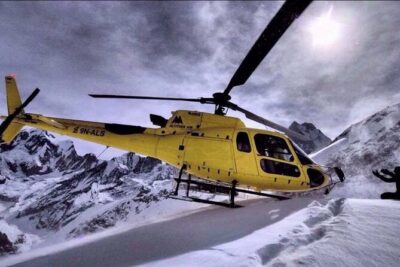
If you’re in a group and timing needs force an option, helicopters can be hired for in/out flights to Lukla. The listed cost starts at about $500 per person, depending on group size, and that expense is on you. The operator also asks that your travel insurance covers flight cancellation for a similar amount so you can claim after you return.
Even if you never use a helicopter, it’s reassuring to know the trip has a plan beyond hoping for perfect weather.
Who should choose this Everest Base Camp trek (and who should reconsider)
This tour is best for people with strong physical fitness, since it’s a multi-day high-altitude trek with several long walking days. You’ll also want to be comfortable with basic tea-house accommodation and a little discomfort as part of the charm.
It’s a good fit if:
- you want a classic Everest Base Camp route with the key acclimatization stops
- you value guidance and safety management
- you don’t want to carry your entire luggage load
It may be the wrong fit if:
- you’re looking for comfort over altitude walking
- you get stressed by flight schedule variability
- you dislike cold mornings and basic facilities
Should you book Welcome Nepal Treks for Everest Base Camp?
If your goal is a structured Everest Base Camp trek with clear pacing, included meals, guide support, and a porter system that keeps your pack light, this one is a solid choice. The best reason to book is the combination of logistics + guide quality, with Pradip names showing up repeatedly for mountain knowledge, safety feel, and even wildlife spotting.
Book it if you’re ready for tea-house reality and you can handle the altitude grind. Consider other options if you want a more relaxed schedule or you’re very uncomfortable with the idea of Lukla flight rescheduling.
FAQ
What is the duration of the Everest Base Camp trek?
The trek is listed as 14 days (approx.).
Where do I meet in Kathmandu, and when?
The start meet point is Tribhuvan Airport in Kathmandu, with a start time of 5:30 am.
What flights are included in the plan?
The itinerary includes a flight from Kathmandu to Lukla and return (Lukla to Kathmandu).
What accommodations are provided in Kathmandu and on the trek?
In Kathmandu, it’s 3-star standard accommodation with attached bath and A/C. On the trek, you stay in lodges/tea houses.
Are meals included during the trek?
Yes. The package includes 14 breakfasts, 11 lunches, and 11 dinners. Meals in Kathmandu are not included.
How many porters will you have?
Porters are included with a ratio of 1 porter for 2 people.
Is there a single supplement option?
Yes. Single supplement accommodation is available on request for an additional $200.
What is the weight allowance for domestic flights to Lukla?
Weight allowance is listed as 15 kg including your hand bag. Excess weight may be charged at about $1 or more per excess kilo.
What happens if my Lukla flight is canceled or delayed?
They will reschedule for the following day, subject to availability. In some group cases, a helicopter may be used at your own expense (minimum about $500 per person, depending on group size).
Is charging electronics available?
Electricity and solar charging are available in some villages, but you may have to pay for recharging batteries. It’s recommended to bring spare batteries.
More Trekking Out of Kathmandu
More Tour Reviews in Kathmandu
Just Reviewed in Kathmandu
- Mountain Bike Tour
★ 5.0 · 3 reviews - Annapurna Panaroma
★ 5.0 · 3 reviews - Mount Everest Scenic Flight 50 Minutes
★ 5.0 · 3 reviews - Kathmandu : Swambhunath & Durbar Square Guided Half Day Tour
★ 3.3 · 3 reviews - Chandragiri Cable Car & Monkey Temple Tour – Private/Group
★ 5.0 · 3 reviews - Kathmandu: Shivapuri National Park Hiking Day Trip
★ 3.3 · 3 reviews
Everest Base Camp Treks, compared.
 ★ 5.0Everest Base Camp Trek – 14 DaysFrom $1,8001,499 reviews
 ★ 5.0Everest Base Camp TrekFrom $1,790842 reviews
 ★ 5.0Everest Base Camp TrekkingFrom $1,350485 reviews
 ★ 5.0Everest Base Camp Trekking – 13 DayFrom $1,399365 reviews
★ 5.0Everest Base Camp TrekFrom $1,445350 reviews
★ 5.0Everest Base Camp Trek -14 DaysFrom $1,420321 reviews
★ 5.0Everest Base Camp Trekking – 13 DayFrom $1,399365 reviews
★ 5.0Everest Base Camp TrekFrom $1,445350 reviews
★ 5.0Everest Base Camp Trek -14 DaysFrom $1,420321 reviews
 ★ 5.012 Days Everest Base Camp TrekFrom $1,099289 reviews
 ★ 5.0Everest Base Camp Trekking – 2025/2026From $1,339199 reviews
Browse the lists this tour appears in