
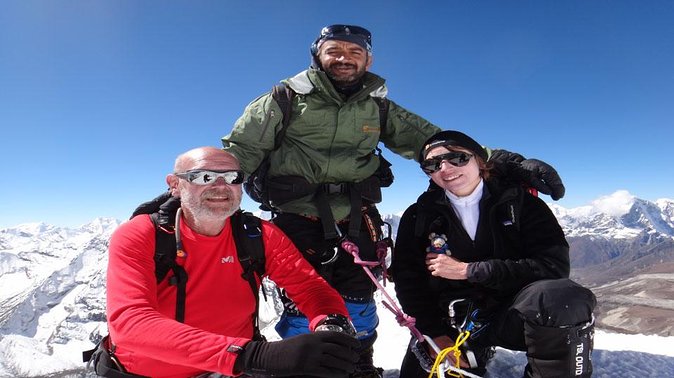
Review · EVEREST BASE CAMP TREKS
Everest Base Camp Trek
Everest Base Camp feels close, then real. This 12-day trek from Kathmandu to Everest Base Camp is built around smart acclimatization stops and a guided plan that keeps logistics from eating your energy.
What I like: the route structure is practical, and the scenery hits you in layers, from villages and forests to cold high-altitude views. I also like the way the team shows up for you before you ever step on the trail, so you’re not guessing what to do.
Two things I really like are the included support and the included baseline comforts. First, the trekking guide team gets high marks for preparation, including lots of question time and checklist-style planning (with guides like Hari, Ongchhu, and Nima highlighted in one standout review). Second, your trek days come with guest house/lodge stays plus three meals a day, which matters when you’re tired and you just want a warm meal and a bed.
One drawback to consider: this is serious altitude walking in cool mountain weather, and the trek runs in all weather conditions. You’ll want moderate fitness, and you should be ready for early starts, cold legs, and the fact that feeling good at altitude takes time.
In This Review
- Key things to know before you go
- The Trek Itinerary That Keeps Your Energy for the Mountains
- Starting in Kathmandu: The 6:00 am Plan and Lukla Launch
- Day-by-Day: What Each Stop Adds to the Story
- Day 1: Lukla to Phakding
- Day 2: Phakding to Namche Bazaar
- Day 3: Acclimatization in Namche Bazaar
- Day 4: Namche Bazaar to Tengboche
- Day 5: Tengboche to Dingboche
- Day 6: Acclimatization in Dingboche
- Day 7: Dingboche to Lobuche
- Day 8: Lobuche to Everest Base Camp via Gorakshep, then back to Gorakshep
- Day 9: Gorakshep to Kala Patthar, then to Pheriche
- Day 10: Pheriche to Namche Bazaar
- Day 11: Namche Bazaar to Phakding and Lukla
- Day 12: Lukla to Kathmandu
- What the Lodge + Meals Actually Mean for You
- Guide Team Support: The Difference Between a Trip and an Experience
- Price and Logistics: What You’re Really Paying For
- Weather, Fitness, and the Reality of All-Weather Trekking
- Should You Book This Everest Base Camp Trek?
- FAQ
- What is the meeting point for the Everest Base Camp trek?
- What time does the trek start?
- What’s included in the trek price?
- Are flights to Lukla included?
- Is travel insurance included?
- Is a vegetarian option available?
- Is the tour private?
Key things to know before you go
- Kathmandu–Lukla round-trip flights included so you’re not stuck improvising the hardest transport piece
- Two acclimatization days (Namche Bazaar and Dingboche) that help the itinerary feel less rushed
- Lodge stays with 3 meals daily reduces daily money stress on the trail
- Guide support with real pre-trek prep, including checklist-style guidance from the team
- Buddhist sights along the route (monasteries, chortens, mani walls, prayer flags) that add cultural depth
- Private tour setup: only your group participates, which usually means less waiting around
More trails out of Kathmandu, boots ready
- Everest Base Camp Trek – 14 Days★ 5.0 · 1,499 reviews
- Everest Base Camp Trek★ 5.0 · 842 reviews
- Everest Base Camp Trekking★ 5.0 · 485 reviews
- Nagarkot Sunrise View and Day Hiking from Kathmandu★ 5.0 · 471 reviews
The Trek Itinerary That Keeps Your Energy for the Mountains
The Everest Base Camp trek can be either a calm, steady climb or a chaotic slog, depending on pace and planning. What I like about this version is that it treats time like a tool, not a deadline.
You get a 12-day shape that builds in altitude awareness. There’s a stop in Namche Bazaar for your first acclimatization day, then another adjustment day in Dingboche. That means you’re not just marching upward day after day and hoping your body catches up.
Then you get the big days. You work your way up through places like Tengboche, Dingboche, and Lobuche, and you’re given a plan for the high point experience: Everest Base Camp, plus a push to Kala Patthar, which is all about getting those summit-level panoramas even if you’re not actually climbing Everest.
Starting in Kathmandu: The 6:00 am Plan and Lukla Launch
This trip starts at Tribhuvan Airport in Kathmandu, with pickup and drop by private vehicle. The start time listed is 6:00 am, so your day begins early.
From there, you fly to Lukla, which is the gateway for most Everest Base Camp itineraries. The flight is included both ways (Kathmandu–Lukla–Kathmandu), and that’s a big value point because flights in this region can be the part you least want to scramble for.
After landing, you immediately shift into trekking mode. Day 1 ends with a trek to Phakding. This first walking day is your transition: you’ll feel the rhythm of the trail, get used to breathing rate, and settle into the steady routine of moving, resting, and eating.
If you’re the type who gets anxious about logistics, you’ll probably appreciate how early the plan locks in.
Day-by-Day: What Each Stop Adds to the Story
Below is what the day layout is doing for you. I’m not just listing towns. I’m focusing on what each segment tends to change: altitude, scenery, and your mental state.
Day 1: Lukla to Phakding
You’ll go from flight mode straight into trail mode. Phakding is a first step into the Everest region, and it’s a good place to find your footing after the first day of movement.
Practical tip: keep your pace slow today. You’re building stamina, not winning a hike.
Day 2: Phakding to Namche Bazaar
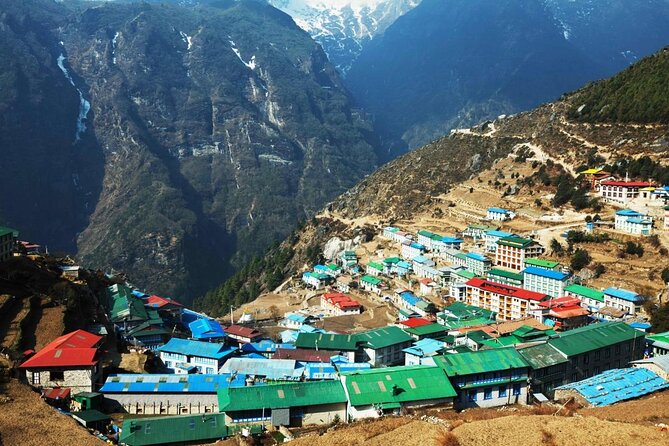
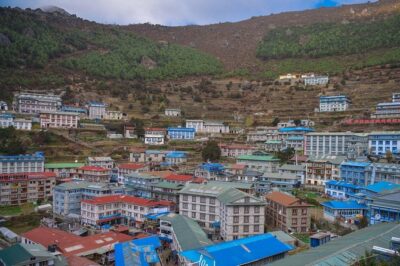
This day is where the trek typically starts feeling more “real.” Namche Bazaar is a major hub and a natural place to reset your body and your expectations. You’re also getting deeper into Sherpa settlement country, with local life becoming more visible.
What to watch: you might feel more wind and cooler air as you gain elevation, even if the walking isn’t extreme yet.
Day 3: Acclimatization in Namche Bazaar
This is one of the smartest parts of the itinerary: you’re not just taking a rest day, you’re using it to adjust. Acclimatization days are where you win back comfort for the days ahead.
If you want the simplest strategy, treat this day as gentle activity plus early sleep. You’ll come back to the trail feeling more like yourself.
Day 4: Namche Bazaar to Tengboche
You’ll continue your climb while changing scenery and altitude. Tengboche is part of the classic cultural-and-mountain blend of the region.
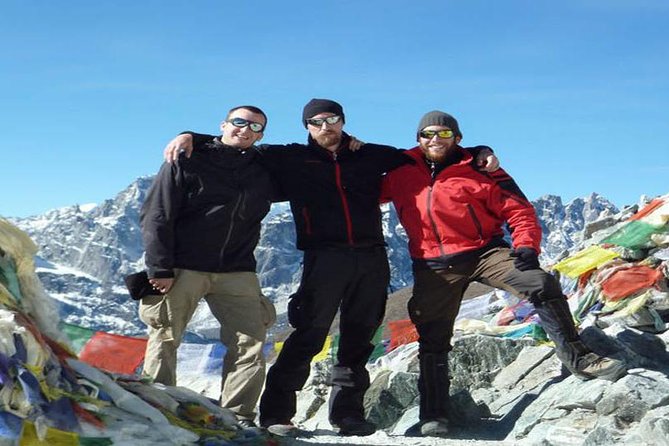
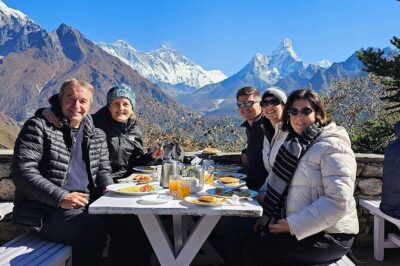
One of the highlights mentioned in the tour overview is the mix of nature and spirituality along the route: Buddhist monasteries, chortens, mani walls, and prayer flags. This is the kind of day where those details can make the walking feel less like exercise and more like a living walk-through of local beliefs.
Drawback to consider: this is a longer “settling into higher country” day, so keep breaks frequent.
Day 5: Tengboche to Dingboche
Dingboche is the next step in the altitude story. The trek shifts from earlier foothill feel to something colder and more exposed.
In the overview, you’ll also see references to dense fir and pine forests and rocky trail sections. On days like this, the mix often comes down to trail type and weather. If conditions are icy, the rocky moments can slow you down, and that’s normal.
Day 6: Acclimatization in Dingboche
Second acclimatization day. You’re doing the same smart move again: give your body a chance to adapt before you go higher.
This is often the day that makes a difference later. If you push too hard here, you may pay for it later. If you take it steady, later days tend to feel more manageable.
Day 7: Dingboche to Lobuche
Now the route starts feeling like you’re truly entering the high-altitude zone. Lobuche is the approach country for the Everest Base Camp push.
Mentally, this day can be a pivot: you start thinking less about the “trip” and more about the next major targets—Gorakshep, base camp, and the Kala Patthar viewpoint.
Day 8: Lobuche to Everest Base Camp via Gorakshep, then back to Gorakshep
This is your big Everest Base Camp day, and it’s designed as an out-and-back feel: you reach Base Camp, then you return to Gorakshep for the night.
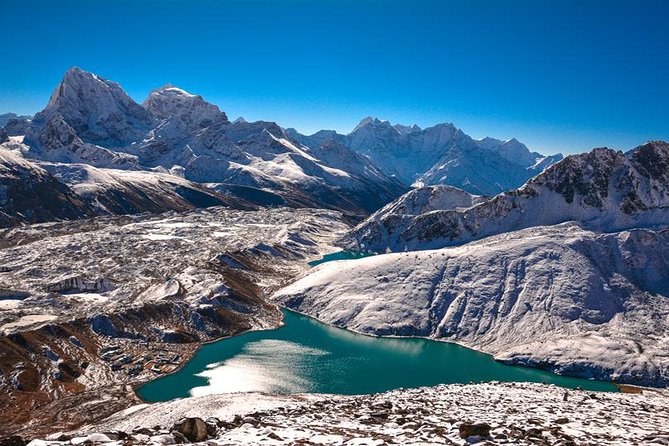
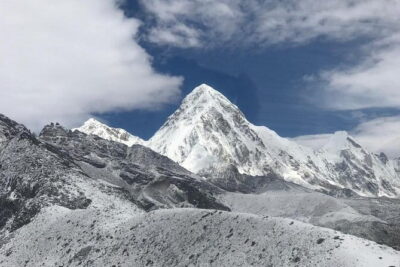
Why this works: it gives you a clear target with an organized turnaround. The overview also points to emerald glaciers and rocky travel, and on a day like this, you’ll feel the high-country texture—thin air, dramatic ice scenery, and the kind of quiet that comes from being far above most noise.
Reality check: this is emotionally huge and physically tiring. The best approach is to move steadily, stop often, and don’t waste energy sprinting for views.
Day 9: Gorakshep to Kala Patthar, then to Pheriche
Kala Patthar is the second major “wow” moment. You’ll climb to a viewpoint and then trek on to Pheriche.
Why it’s worth it: Kala Patthar is the kind of place where the whole expedition collapses into one wide panorama. It’s also the day where you often feel the trip shift from achievement mode to recovery mode.
Then you drop into Pheriche, which helps you transition back down emotionally and physically.
Day 10: Pheriche to Namche Bazaar
This is a long move that also gives you something valuable: altitude relief. Downhill or lower elevation walking often feels better than climbing, even if your legs still work.
Practical note: going down can be rough on knees. Take your time and keep your steps sure.
Day 11: Namche Bazaar to Phakding and Lukla
Day 11 gets you back toward the starting trail corridor. You’re working your way toward Lukla for the final flight day.
This day can feel like a loop back through what you’ve already lived. It’s a chance to appreciate how quickly your body adapts, and how familiar landmarks can feel comforting.
Day 12: Lukla to Kathmandu
Finally: the return flight to Kathmandu from Lukla, ending back at the meeting point.
You’ll likely feel two things at once—relief and a little emptiness—because the mountain rhythm disappears fast once you’re back in the city.
What the Lodge + Meals Actually Mean for You
One of the most practical inclusions here is guest house/lodge with three meals each trek day (11 breakfasts, 11 lunches, 11 dinners across the itinerary).
That’s not glamorous, but it’s smart. When you’re climbing at altitude, hunger and low energy are bigger than you think. Having food handled day to day removes a constant planning task.
You should still plan for drinks. The tour explicitly says alcoholic and non-alcoholic beverages are not included. So if you like tea, soda, or water upgrades, budget for that on top of the tour price.
Vegetarian options are available—just tell the operator when booking. If you have any other dietary needs, you’ll want to handle it through your booking notes early, since nothing else is listed as guaranteed.
Guide Team Support: The Difference Between a Trip and an Experience
In one of the best review excerpts you provided, the trekkers praised the team’s support in two big ways: strong pre-trip communication and calm support on the mountain.
We’re even given names: Hari, Ongchhu, and Nima. One review highlights that before the trek, they had lots of questions answered, and a guide met with them for close to 2 hours to go through a checklist. That kind of prep matters.
Here’s why it’s valuable to you:
- You show up ready, so the first days don’t feel like problem-solving.
- You get clearer on what to carry and how to think about your plan.
- On the trail, you tend to trust your pace more because you understand the system behind the itinerary.
Also included is a trekking guide whose expenses are covered (salary, insurance, etc.). That’s part of why the trip can run smoothly instead of becoming a patchwork of favors.
Price and Logistics: What You’re Really Paying For
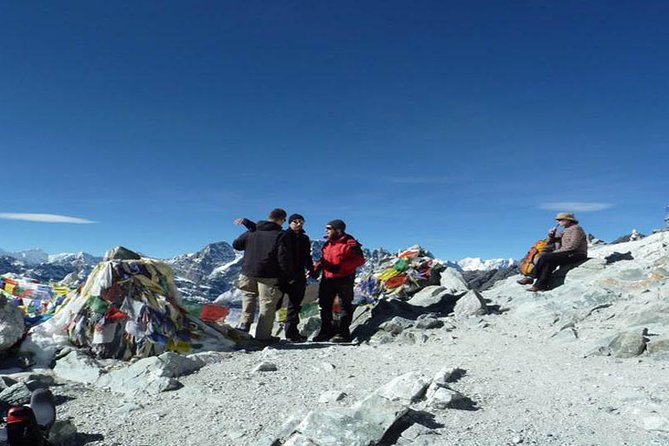
At $1,390 per person for 12 days, the big question is what’s included versus what you’ll still need to fund yourself.
What’s included:
- Airport pickups and drops in Kathmandu by private vehicle
- Both-way flight tickets Kathmandu–Lukla–Kathmandu
- Guest house/lodge during the trek with 3 meals per day
- Trekking guide, including guide expenses
- Necessary permits and taxes
What’s not included:
- Travel insurance for trekking
- Hotel and meals in Kathmandu (before and after the trek)
- Tips for guide(s), porter(s), and driver(s)
- Alcoholic and non-alcoholic beverages
So the value logic is pretty clear: this price covers the hardest moving parts—Lukla flights, permits, guide support, and the daily lodge food. The items that aren’t included are the ones that vary most between people: insurance style, tipping comfort, and what you drink.
One more thing: this is listed as a private tour/activity, only your group participates. That can reduce waiting time and make the logistics feel less chaotic than big shared group treks, even if the itinerary still has fixed days and walking distances.
Weather, Fitness, and the Reality of All-Weather Trekking
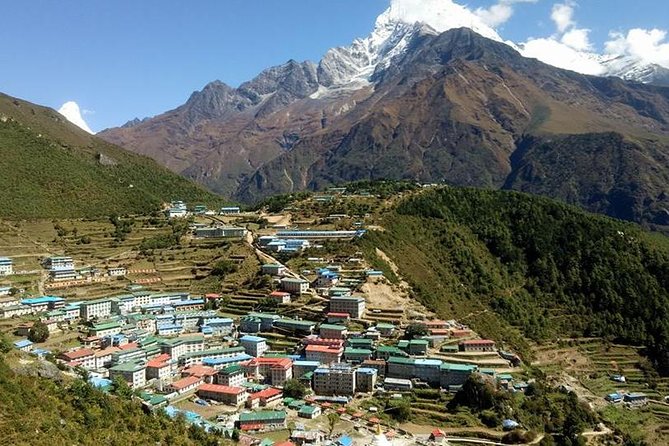
The itinerary operates in all weather conditions, and you’re told to dress appropriately. That doesn’t mean you should ignore weather—just that the plan is built to keep moving when conditions change.
The tour overview also says cool weather is part of the experience. And as you climb toward Everest Base Camp and Kala Patthar, the air gets thin fast. So even if you’re fit, you might feel slowed down.
You only need moderate physical fitness, but you do need consistency. This is not a “casual stroll” trek. Your success will come from pacing yourself, taking acclimatization seriously, and not turning every day into a personal challenge.
If you have any medical concerns, this is also where travel insurance for trekking becomes more than a formality.
Should You Book This Everest Base Camp Trek?
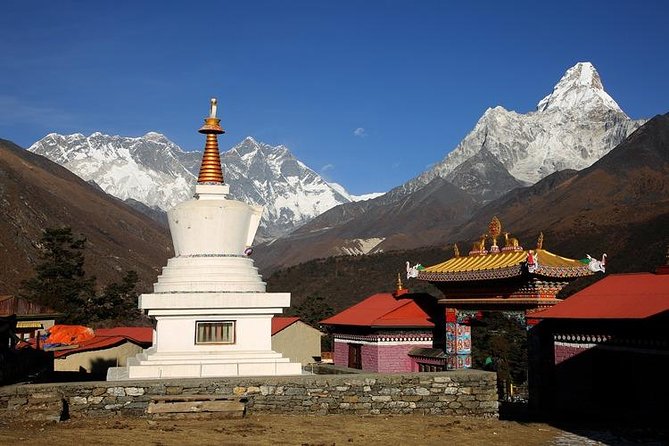
If you want a version of Everest Base Camp that feels organized from the airport to the mountain, this is a strong choice. The inclusion list is practical: flights to Lukla, lodge stays with meals, permits, and a guide whose costs are covered. Add the standout praise for serious pre-trek prep and you get a trip that’s not just about the view—it’s about the whole experience running on rails.
I’d tell you to book if:
- You like having core logistics handled, especially Lukla flights and daily meals
- You’re willing to take acclimatization days seriously
- You want a guided trip with solid communication, not guesswork
I’d hold off or ask more questions first if:
- You’re looking for a self-guided, do-it-all-your-way adventure (this one is guided and paced)
- You haven’t planned for trekking insurance or you want the trip to cover tips and drinks too
- Cold-weather comfort is a big concern for you, since the trek runs in all conditions
If you’re prepared for altitude trekking and you want the mountain experience supported, this itinerary is built for exactly that.
FAQ
What is the meeting point for the Everest Base Camp trek?
The meeting point is Tribhuvan Airport in Kathmandu, Nepal, and the activity ends back at the same meeting point.
What time does the trek start?
The listed start time is 6:00 am.
What’s included in the trek price?
Included are airport pickups and drops in a private vehicle, both-way flight tickets Kathmandu–Lukla–Kathmandu, guest house/lodge during the trek with 3 meals daily, a trekking guide (including guide expenses), and all necessary permits and taxes.
Are flights to Lukla included?
Yes. Round-trip flights Kathmandu–Lukla and Lukla–Kathmandu are included.
Is travel insurance included?
No. Travel insurance for trekking is not included.
Is a vegetarian option available?
Yes. A vegetarian option is available—please advise at the time of booking.
Is the tour private?
Yes. It is described as a private tour/activity, and only your group will participate.
More Trekking Out of Kathmandu
More Tour Reviews in Kathmandu
Just Reviewed in Kathmandu
- Mountain Bike Tour
★ 5.0 · 3 reviews - Annapurna Panaroma
★ 5.0 · 3 reviews - Mount Everest Scenic Flight 50 Minutes
★ 5.0 · 3 reviews - Kathmandu : Swambhunath & Durbar Square Guided Half Day Tour
★ 3.3 · 3 reviews - Chandragiri Cable Car & Monkey Temple Tour – Private/Group
★ 5.0 · 3 reviews - Kathmandu: Shivapuri National Park Hiking Day Trip
★ 3.3 · 3 reviews
Everest Base Camp Treks, compared.
 ★ 5.0Everest Base Camp Trek – 14 DaysFrom $1,8001,499 reviews
 ★ 5.0Everest Base Camp TrekFrom $1,790842 reviews
 ★ 5.0Everest Base Camp TrekkingFrom $1,350485 reviews
 ★ 5.0Everest Base Camp Trekking – 13 DayFrom $1,399365 reviews
★ 5.0Everest Base Camp TrekFrom $1,445350 reviews
★ 5.0Everest Base Camp Trek -14 DaysFrom $1,420321 reviews
★ 5.0Everest Base Camp Trekking – 13 DayFrom $1,399365 reviews
★ 5.0Everest Base Camp TrekFrom $1,445350 reviews
★ 5.0Everest Base Camp Trek -14 DaysFrom $1,420321 reviews
 ★ 5.012 Days Everest Base Camp TrekFrom $1,099289 reviews
 ★ 5.0Everest Base Camp Trekking – 2025/2026From $1,339199 reviews
Browse the lists this tour appears in