
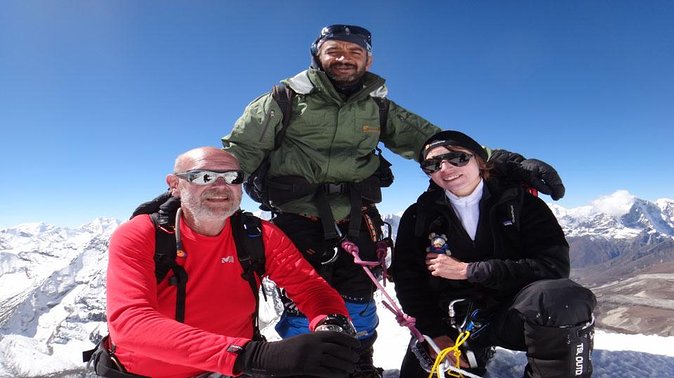
Review · EVEREST BASE CAMP TREKS
Everest Base Camp Trek
Everest feels real on day one. This 14-day trek starts with a dramatic Kathmandu to Lukla flight and climbs to 5,380m, with Sagarmatha National Park and Sherpa villages along the way. The upside is huge mountain access. The catch is also real: altitude is no joke, and Lukla flights can bring delays when weather gets moody.
I particularly love the cultural rhythm. You get time in Namche Bazaar (the Khumbu trade hub) and a visit to Tengboche Monastery, described as the largest in the region, with Ama Dablam towering nearby.
One more thing I like: the human side of the logistics. Feedback I saw highlights smooth communication and solid on-the-ground support, with local staff names like Shailesh (owner/manager), guides such as Bishnu, Hari, Navien, and Nawin, and support like Santa and Tek showing up in successful trips.
In This Review
- Key highlights worth your attention
- Kathmandu to Lukla: where the trek really starts
- Namche Bazaar: the Khumbu’s business hub (and your reality check)
- Tengboche Monastery: where the trek slows down on purpose
- Sherpa villages, cuisine, and living at high altitude
- Sagarmatha National Park: UNESCO setting, real hiking rules
- Everest View Hotel: a high-altitude break that actually makes sense
- Kala Patthar: the 360-degree Everest payoff
- Guides, group size, and why the support matters more than you think
- Price and value: what $1,290 actually covers
- Who should book this Everest Base Camp trek, and who should rethink it
- Should you book this Everest Base Camp trek?
- FAQ
- What’s the duration of this Everest Base Camp trek?
- Where does the trek start?
- Is pickup offered?
- Do I need an international flight for this trip?
- What’s the highest elevation you reach?
- What are some major stops on the route?
- Is the Lukla flight included?
- What’s included in the price?
- What’s not included?
- Is cancellation free?
Key highlights worth your attention
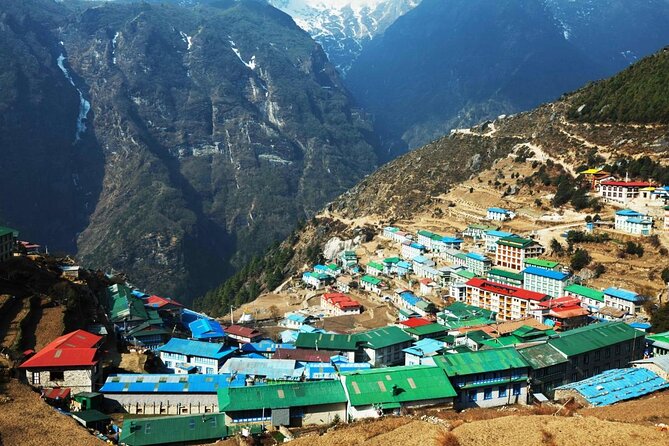
- Kathmandu–Lukla flight puts you straight into Khumbu life fast, without wasting days climbing from the lowlands
- Namche Bazaar + Sherpa Museum gives you context before the mountains get serious
- Tengboche Monastery delivers spiritual calm and big-peak scenery in the same stop
- Sagarmatha National Park access frames the trek in a UNESCO World Heritage setting
- Kala Patthar 360° viewpoint is the payoff moment for Everest and the surrounding giants
- Small group cap (max 15) helps keep the trek from feeling like a moving crowd
More trails out of Kathmandu, boots ready
- Everest Base Camp Trek – 14 Days★ 5.0 · 1,499 reviews
- Everest Base Camp Trek★ 5.0 · 842 reviews
- Everest Base Camp Trekking★ 5.0 · 485 reviews
- Nagarkot Sunrise View and Day Hiking from Kathmandu★ 5.0 · 471 reviews
Kathmandu to Lukla: where the trek really starts
The Everest Base Camp trek doesn’t start with a trail. It starts with the short, scenic flight from Kathmandu to Lukla, using Tenzing Hillary Airport. This is one of those rare travel moments where you can feel your brain switch gears from city sightseeing into serious mountain mode.
Why I like this setup: you’re already at roughly 2,860m when you begin walking. That means less time spent gaining altitude slowly, and more time spent living in the rhythm of the Khumbu—small villages, stone paths, and teahouses. It also makes the whole trip feel efficient, even though the hike days are still plenty hard.
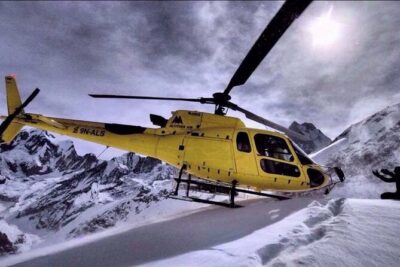
The practical consideration is flight variability. In the feedback tied to this operator, flight delays and cancellations have shown up. The key is that the company’s job is to coordinate the next steps so you don’t stay stuck in limbo. When you book a trek like this, you’re signing up for weather reality, not a guarantee that the sky will always cooperate.
If you’re the type who gets anxious about schedules, bring patience. If you handle uncertainty well, you’ll probably find Lukla’s arrival energy thrilling.
Namche Bazaar: the Khumbu’s business hub (and your reality check)
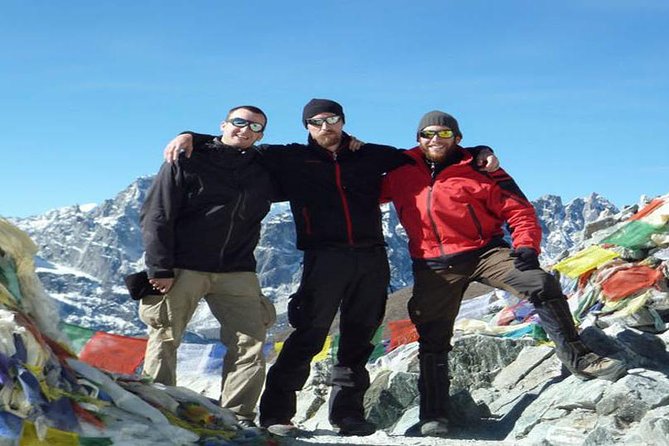
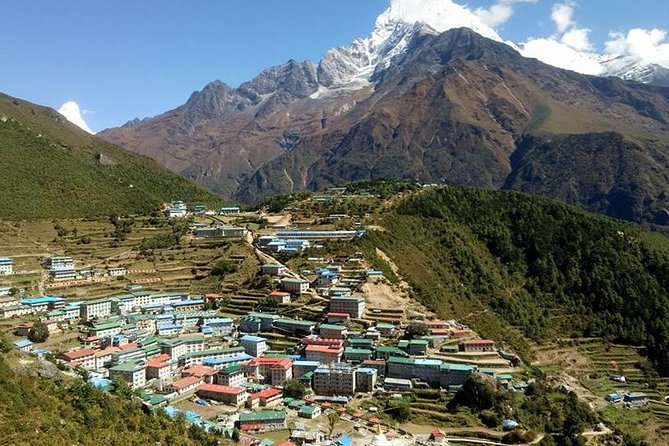
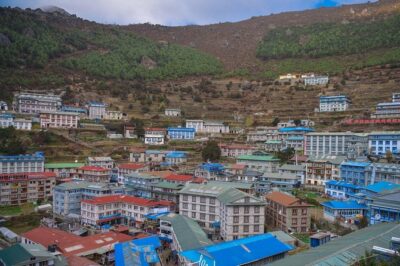
After you step into the Khumbu, Namche Bazaar becomes more than a waypoint. It’s described as the business hub of the entire region and the gateway area for Everest Base Camp routes. Translation: you’ll see trade, supplies, and the kind of travel infrastructure that keeps trekkers moving up high.
What I’d watch for here is the meaning of the stop. Namche is where the trek shifts from scenic walking into a place where you’re surrounded by people living at altitude. You can also visit the Sherpa Museum in Namche Bazaar, which helps you understand the communities you’re passing through—especially the Sherpa culture tied to the mountains.
You’ll also notice the way teahouse culture works in this zone. Meals aren’t just fuel. Food is part of the hospitality that makes the long walk bearable. And because Namche sits in the middle of everything, it’s also the place where you’ll start seeing how weather, crowds, and trail conditions influence what happens next.
If you like getting context before you climb the biggest stuff, Namche is one of the best places on the route for that.
Tengboche Monastery: where the trek slows down on purpose
Tengboche Monastery is a major highlight on this kind of itinerary, and it’s described as the largest monastery in the Khumbu region. That matters, because monasteries here aren’t just tourist stops. They’re spiritual centers, and the atmosphere tends to be quieter, more grounded, and a break from the constant forward-motion of hiking.
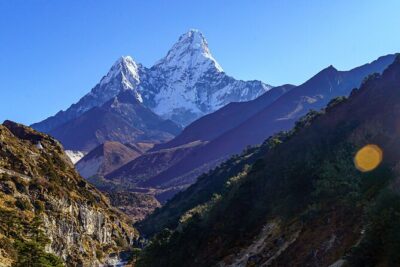
The scenic angle is also strong: Tengboche is positioned with sweeping mountain views, including mention of Ama Dablam looming in the background. That combo—spiritual space plus big views—makes it easier to understand why so many hikers remember this stop as more than just another photo.
One practical note: monastery days can feel long if you’re arriving tired from a hike. Plan to take breaks and don’t treat this stop like a sprint. You’ll get more from it if you slow your pace, sit down, and let your body catch up.
If you care about the cultural side of Everest more than the tick-the-box side, Tengboche is where that shows.
Sherpa villages, cuisine, and living at high altitude
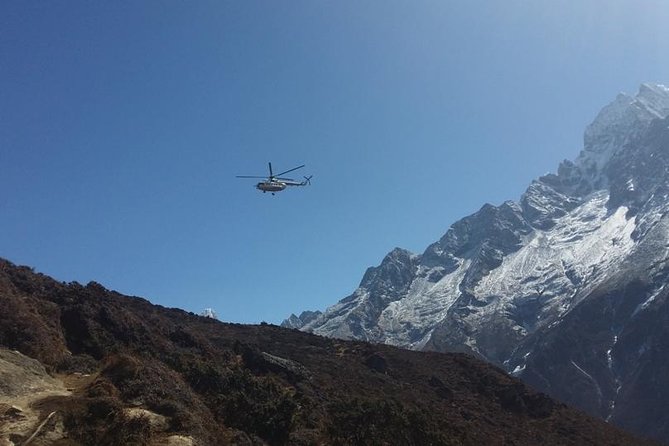
A big part of the value in the Everest Base Camp trek isn’t just reaching 5,380m. It’s what happens on the way: Sherpa villages, traditional housing styles, local customs, and typical cuisines served with straightforward hospitality.
I love this kind of trek because it trains your eyes to notice. You start seeing the same rhythms repeated—houses stacked in valleys, prayer flags, and small shops that keep walkers fed. Even if you’re not hunting for cultural depth every day, you’ll absorb it simply by staying in these communities long enough.
Also, the trek itinerary is intentionally framed as walking in the footsteps of mountaineering pioneers Sir Edmund Hillary and Tenzing Norgay. That theme helps connect your hike to the bigger Everest story, not just the physical challenge.
Possible drawback: food and lodging at altitude can be basic. The air gets thinner, days get slower, and you’ll likely be grateful for hot tea and simple meals. In one piece of feedback tied to this operator’s service, lodges were described as ascetic, and the last days felt especially thin in the air. The trek can be manageable, but your expectations have to match the setting.
If you treat the trek like a demanding outdoor experience (not a luxury hotel vacation), you’ll enjoy it a lot more.


Sagarmatha National Park: UNESCO setting, real hiking rules
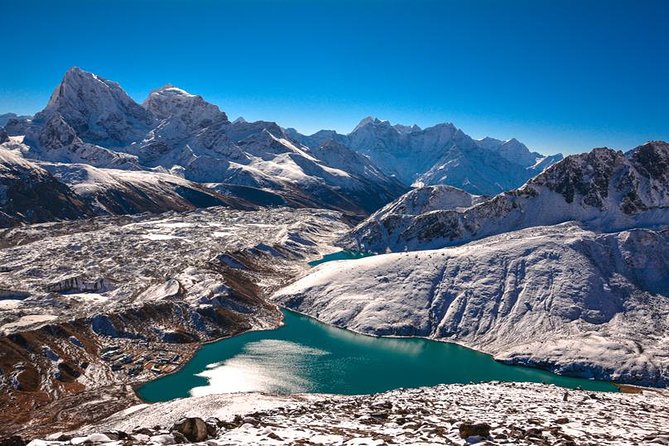
This trek includes Sagarmatha National Park and is framed in the UNESCO World Heritage context. That’s not a marketing label—it’s a reminder that you’re walking through protected, high-altitude terrain.
What that means for you day-to-day is pretty straightforward:
- You’ll be in an environment with limited comfort infrastructure compared to low-elevation travel
- You’ll spend long hours on trails where altitude affects energy and appetite
- Park fees are part of the included cost, which is nice because it saves you from piecing together paperwork
The route is built around going high enough that you get serious mountain views, but also high enough that acclimation becomes central to your experience. Even when the itinerary is organized, your body is still the boss. Take the slower days seriously. Drink water. Follow your guide’s advice about pacing.
One reason I like this operator’s positioning (based on the service pattern in the feedback) is how much attention seems to go into keeping logistics smooth. That matters because when you’re dealing with altitude, a missed connection feels worse than it would at home.
Everest View Hotel: a high-altitude break that actually makes sense
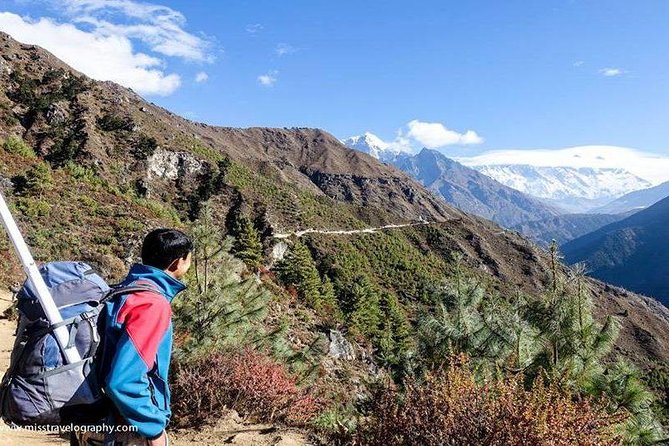
At some point during the trek, you’ll have a chance for breakfast or lunch at Everest View Hotel. This matters because it’s both practical and symbolic.
Practically, it’s a structured stop where you can slow down, eat something warm, and reset. Symbolically, it’s another reminder that you’re no longer just hiking toward Everest—you’re now in the zone where people come specifically to see it.
If you’re someone who worries about keeping morale up during hard climbs, this kind of mid-trek meal stop can be more valuable than it sounds. Not because it turns the trek easy, but because it gives you a predictable check-in point.
If you’re trying to keep costs down, remember that meals and drinks can add up in mountain towns. The tour includes lodging and certain fees, but it doesn’t claim to include alcoholic beverages, and personal expenses aren’t covered.
Kala Patthar: the 360-degree Everest payoff
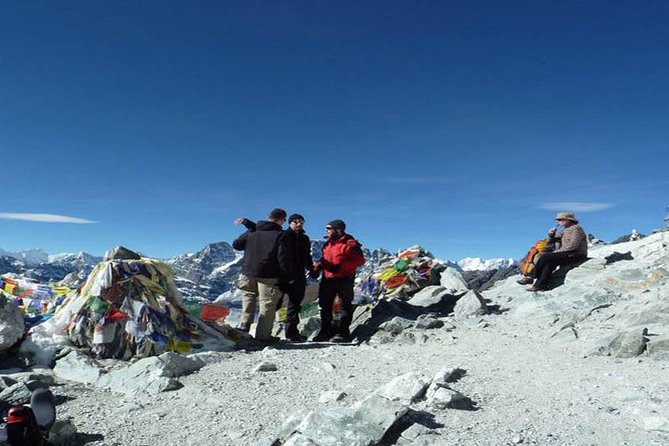
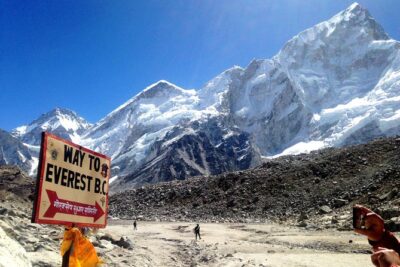
The moment everyone remembers here is Kala Patthar. The trek includes a 360-degree panoramic view of Mount Everest and nearby snowcapped peaks from this viewpoint. This is the kind of scene that makes you stop walking—even if your legs want to keep going.
Why it’s such a big deal: Kala Patthar is positioned for “show me everything” views. When you’ve been climbing and thinking about Everest as a single peak, the panorama changes your perspective. You see how huge the mountain system really is, and how the neighboring giants stack around Everest.
This is also where the trek’s emotional pacing lands. Earlier stops—Namche Bazaar, Tengboche, Sherpa villages—prepare your mind. Kala Patthar is where the mountains finally take over the story.
Practical note: bring layers and plan for cold at higher elevations. Even if the day looks clear, temperature can bite. Also, time your effort based on your guide’s plan, because rushing the final ascent usually backfires.
Guides, group size, and why the support matters more than you think
This tour caps the group at a maximum of 15 travelers. That’s a meaningful detail. On Everest treks, smaller groups tend to move with less friction. You don’t constantly wait. You’re less likely to feel like part of a conveyor belt.
The other big factor is the people you walk with. In the feedback associated with this operator, guides and staff names repeat across multiple successful trips: Shailesh as the owner/manager, plus guides like Bishnu, Hari, Navien, and Nawin. Support staff like Santa and Tek also show up in the service experiences described. That repetition is usually a sign of consistency in how the company runs trips.
What you should expect in real terms:
- Clear communication before and during the trek
- On-the-ground coordination if timing gets messy (especially tied to Lukla flight issues)
- Guidance on coping with altitude and pacing so you can finish strong
A solo traveler can still get a full experience with a guide and porter. One feedback snippet highlights a solo trek setup, which is good to know if you’re worried you’ll be lonely at the start.
Price and value: what $1,290 actually covers
At $1,290 per person, this trek pricing lands in the “serious but not insane” category for Everest-area guided trekking. You’re paying for more than a map route. You’re paying for organized altitude logistics plus certain fixed costs that are annoying to manage yourself.
Included:
- Overnight accommodation
- Airport/departure tax
- National park fees
Not included (so you should budget for these):
- Alcoholic beverages
- WiFi on board
- Personal expenses
- Nepal arrival visa (the note says the arrival visa system is in place)
- International flight fare
- Tips for guide and porter
Pickup is offered, and you get a mobile ticket. Those small items can prevent stress later, especially when your schedule is tight and you’re dealing with airport logistics in Kathmandu.
Where value comes in: you’re getting major trekking costs bundled (overnight, park fees, and taxes). That reduces the chance you’ll get surprised by paperwork-style expenses mid-trip. And you’re not on your own when the tricky parts happen—again, based on service patterns described in the feedback tied to this company.
If you want to keep the trip within budget, plan for personal costs like snacks, drinks, and spending at teahouses. Those add up faster than people expect at elevation.
Who should book this Everest Base Camp trek, and who should rethink it
This trek asks for a moderate physical fitness level. That’s encouraging, but it doesn’t mean it’s easy. At this altitude, fatigue can hit harder than it did during training back home.
You’ll likely enjoy it most if:
- You’re comfortable with long days walking on uneven trails
- You want a guided trek that focuses on both mountain views and Sherpa culture
- You’re ready for basic high-altitude comforts
- You appreciate a small group experience (max 15)
You might want to rethink or be extra cautious if:
- You get anxious with schedule changes, especially around Lukla
- You don’t handle cold well
- You’re not prepared for reduced appetite and fatigue as altitude rises
This is also a good fit if you like meaningful stops. The itinerary emphasizes Namche Bazaar, Tengboche Monastery, Sherpa villages, and a major panoramic viewpoint at Kala Patthar—not just a straight line to a single destination.
Should you book this Everest Base Camp trek?
If your dream is to get close to Mount Everest, see it from Kala Patthar, and also understand the Khumbu culture along the way, this tour layout makes sense. The price includes key fixed costs (overnight stays, taxes, and park fees), and the service style shown in the feedback suggests good communication and reliable on-the-ground support.
I’d book it if you:
- Want a structured, guided experience with cultural stops
- Appreciate smaller groups
- Are ready to handle altitude realistically and accept that flights can be weather-dependent
I wouldn’t book it if you’re expecting hotel-level comfort at elevation or you’re unwilling to plan for delays. But if you’re practical, flexible, and motivated by the mountains, this is a strong way to chase the Everest dream without turning the trip into a solo logistics project.
FAQ
What’s the duration of this Everest Base Camp trek?
It’s listed as 14 days (approx.).
Where does the trek start?
The meeting point is Tribhuvan Airport in Kathmandu, Nepal.
Is pickup offered?
Yes, pickup is offered.
Do I need an international flight for this trip?
International flight fare is not included.
What’s the highest elevation you reach?
The trek reaches a highest elevation of 5,380m (17,600ft).
What are some major stops on the route?
Key highlights include Namche Bazaar, Tengboche Monastery, Sagarmatha National Park, Everest View Hotel for breakfast or lunch, and Kala Patthar for panoramic views.
Is the Lukla flight included?
The highlights include a scenic Kathmandu to Lukla flight from Kathmandu to Tenzing Hillary Airport.
What’s included in the price?
Included items are overnight accommodation, airport/departure tax, and national park fees.
What’s not included?
Not included are alcoholic beverages, WiFi on board, personal expenses, Nepal arrival visa (arrival visa system is referenced), international flight fare, and tips for guide and porter.
Is cancellation free?
Yes. Free cancellation is offered if you cancel up to 24 hours in advance for a full refund. If you cancel less than 24 hours before the start time, it’s not refunded.
More Trekking Out of Kathmandu






More Tour Reviews in Kathmandu




Just Reviewed in Kathmandu
- Mountain Bike Tour
★ 5.0 · 3 reviews - Annapurna Panaroma
★ 5.0 · 3 reviews - Mount Everest Scenic Flight 50 Minutes
★ 5.0 · 3 reviews - Kathmandu : Swambhunath & Durbar Square Guided Half Day Tour
★ 3.3 · 3 reviews - Chandragiri Cable Car & Monkey Temple Tour – Private/Group
★ 5.0 · 3 reviews - Kathmandu: Shivapuri National Park Hiking Day Trip
★ 3.3 · 3 reviews
Everest Base Camp Treks, compared.
 ★ 5.0Everest Base Camp Trek – 14 DaysFrom $1,8001,499 reviews
 ★ 5.0Everest Base Camp TrekFrom $1,790842 reviews
 ★ 5.0Everest Base Camp TrekkingFrom $1,350485 reviews
 ★ 5.0Everest Base Camp Trekking – 13 DayFrom $1,399365 reviews
★ 5.0Everest Base Camp TrekFrom $1,445350 reviews
★ 5.0Everest Base Camp Trek -14 DaysFrom $1,420321 reviews
 ★ 5.012 Days Everest Base Camp TrekFrom $1,099289 reviews
 ★ 5.0Everest Base Camp Trekking – 2025/2026From $1,339199 reviews
Browse the lists this tour appears in