
Review · EVEREST BASE CAMP TREKS
Everest Base Camp Trek
The cold air begins with your first wake-up. This Everest Base Camp trek is built around smooth logistics in Kathmandu and strong guide support on the trail, so you can spend your energy on altitude and scenery. You fly into Lukla, walk through Sherpa villages and suspension bridges, then work your way to Namche, Tengboche, Everest Base Camp, and Kala Pattar.
I especially like the way the route balances effort and breathing room. Days around Namche Bazaar acclimatization and the later higher-up rest/hike pattern help you adjust before you push toward Everest Base Camp. I also like the people side: the guide team (including Ashish) is described as patient and encouraging, and porters help handle the heavy lifting so you can keep moving comfortably.
One drawback to plan for: you’re dealing with cold and limited comforts. Hot shower/hot water and battery charging are not included, and altitude sickness insurance is also not included, so you’ll want to think about risk and packing before you go.
In This Review
- Key things that make this trek work
- Kathmandu warm-up days that actually matter
- From Manthali to Lukla: stepping into Sherpa villages
- Namche Bazaar: acclimatization with serious payoff
- Tengboche and monasteries: culture, cold air, and wide views
- The higher-altitude days: pace, warmth, and honest fueling
- Kala Pattar sunrise and the return to Lobuche
- The final trek steps and Kathmandu wrap-up
- Price and value: where your $1,850 goes
- Who this trek suits best (and who should think twice)
- Booking call: should you book this Everest Base Camp trek?
- FAQ
- What is the duration and start time for the Everest Base Camp trek?
- What does the tour include for lodging and meals?
- Is trekking gear provided?
- What permits do I need, and what documents are required?
- What is included and not included around drinks, showers, and charging?
- Do I need a visa for Nepal?
- What should I know about altitude sickness insurance and refunds?
Key things that make this trek work
- Ashish-style pacing: go slow, breathe steadily, and stay warm with practical guidance
- Acclimatization built into the days: Namche, then a higher-altitude rhythm before Gorak Shep/EBC
- Everest Base Camp approach with real “carry” advice: you’ll be told you need enough water and snacks since tea shops aren’t there
- Permits and TIMS handled: you’ll just provide your passport details and photo
- Gear support: down jacket, sleeping bag, and trekking pole are provided (and returned after the trek)
- Private tour feel: only your group participates, so the experience stays focused
More trails out of Kathmandu, boots ready
- Everest Base Camp Trek – 14 Days★ 5.0 · 1,499 reviews
- Everest Base Camp Trek★ 5.0 · 842 reviews
- Everest Base Camp Trekking★ 5.0 · 485 reviews
- Nagarkot Sunrise View and Day Hiking from Kathmandu★ 5.0 · 471 reviews
Kathmandu warm-up days that actually matter
Most big treks fail before the trail starts. Here, the first steps in Kathmandu are designed to reduce that chaos.
On Day 1, you land at Tribhuvan International Airport and get a warm welcome plus a hotel briefing. You’ll have free time to organize gear and packing, which is huge for EBC treks because the “little stuff” (gloves, warm layers, sunscreen, batteries) matters once you’re above the cloud line.
On Day 2, you get a half-day city tour and then a drive to Manthali Airport (about 4 hours). This matters because it sets you up for the next morning flight to Lukla. Along the drive, you pass villages and farmland, which is a nice mental shift from big-city Kathmandu into countryside rhythm.
The value here is simple: you’re not thrown onto the mountain immediately. You get time to check your kit, meet your team, and get ready for the next day’s jump into Sherpa country.
From Manthali to Lukla: stepping into Sherpa villages
Day 3 starts early: you take a domestic flight to Lukla Hillary Airport, then begin trekking through Sherpa villages and mountain-view trails.
That first walking day is less about pushing distance and more about getting your legs and expectations aligned. You’ll see how the trail threads through local communities, with buildings, prayer points, and familiar Himalayan textures replacing the urban “what have I done” feeling.
Expect your first real taste of the Everest region trail style: steady climbs in short sections, a lot of looking up, and plenty of chances to stop and adjust layers. Even if you’re fit, the altitude transition begins fast after Lukla.
Practical tip: use the village-to-village pace to figure out your walking rhythm. If you move too fast early, you’ll feel it later.
Namche Bazaar: acclimatization with serious payoff
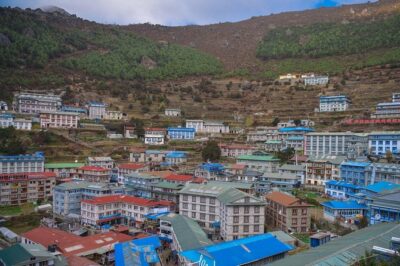
You reach Namche Bazaar on Day 4 after walking through river views, suspension bridges, and the Hilary steps. The climb is noticeable, but the trail is famous for a reason: it gives you structure and big reward moments.
If weather is clear after the Hillary bridge, you may be able to catch glimpses of Mount Everest and other peaks. Even when you don’t get a perfect view, Namche itself is a turning point. It’s where you start to feel like you’re living on the mountain schedule.
Day 5 is your main acclimatization and viewpoints day. You hike toward Sagarmatha National Park, visit Everest View Hotel, then head to Khumjung Village to see the Hillary school. After that, you return to Namche and rest.
I like this plan because it’s not just “walk and suffer.” It’s sightseeing with a purpose: you’re working your body for higher altitudes while also learning why this region matters historically and culturally. Also, it breaks the monotony of straight trekking.
Consideration: you’ll be outdoors for extended time, so sunscreen and lip balm are not optional. Sun at altitude is intense, even when temperatures feel tolerable.
Tengboche and monasteries: culture, cold air, and wide views
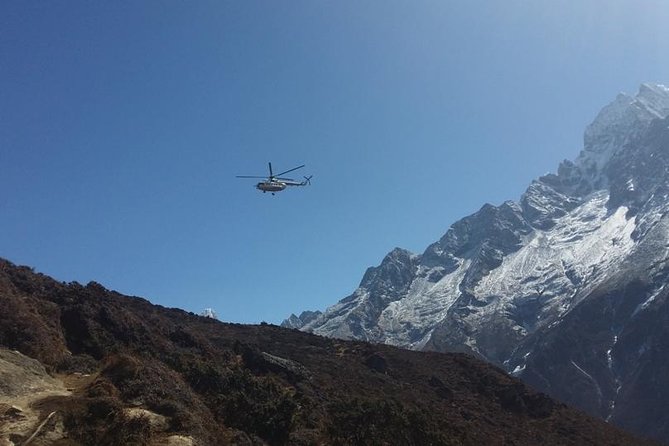
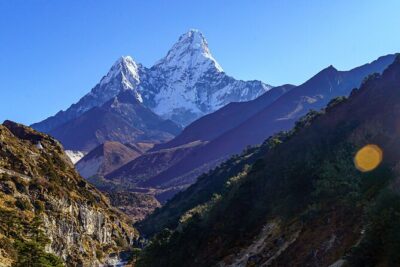
Day 6 takes you through routes marked by Thamserku and Ama Dablam views (plus other peaks), then down toward Pungi Thanga before climbing to Tengboche monastery.
Tengboche is one of the trail’s best emotional stops. Even if you’re not a religion-focused traveler, monasteries here give you a calm pocket in the middle of hard physical work. The walk toward it often feels like a payoff climb: the higher you go, the more the valley opens and the more your brain shifts from “get there” to “look.”
Day 7 continues with an older-village feel at Pangboche, plus river and mountain scenery.
Then Day 8 adds a side-hike for altitude and views: a trek toward Nangkartshang Peak, then back to your lodge to rest. The time on Day 8 is shorter (about 4 hours), which helps you keep the overall rhythm without overcooking your recovery.
This stretch is a good example of what makes this trek comfortable for real humans. You’re not only walking “to move forward.” You’re walking to acclimatize, breathe, and build confidence on the trail.


The higher-altitude days: pace, warmth, and honest fueling
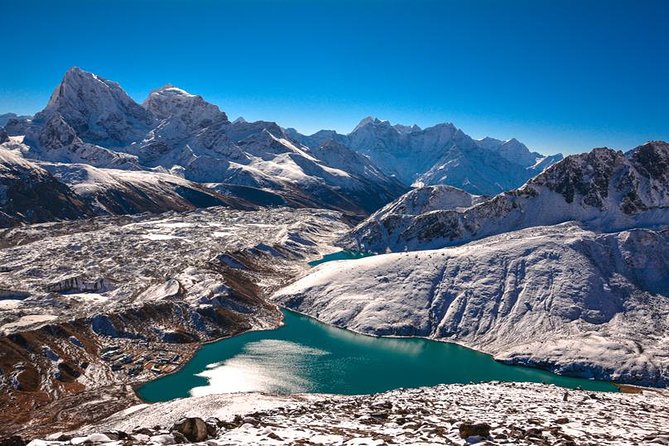
The trek starts feeling different as you get into the thinner-air days. Day 9 is a clear example: the route heads higher into thinner air, and the guidance is straightforward.
You’re told to walk slowly, use long breathing, drink more hot water, and stay warm, including recommendations like honey-ginger. Those details might sound small, but in high altitude they’re exactly what keeps you functional.
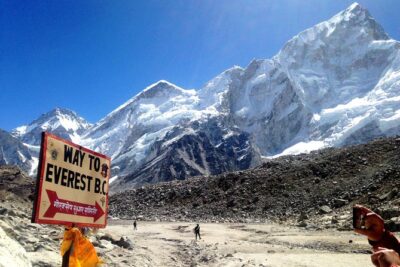
Day 10 is your push toward the goal: check in at a lodge, eat quickly, then trek toward Everest Base Camp. This is where “plan your fuel” becomes a literal survival skill.
You’ll need enough drinking water and energy bars, because the trek between Gorak Shep and EBC doesn’t have tea shops (so don’t expect an easy refill stop). That’s the kind of advice that matters because it reduces decision-making when you’re tired and low on oxygen.
If you’ve never done an EBC-style trek, here’s what to remember: the body works on less margin than you think. When you plan meals/snacks early, the day feels harder but safer. When you don’t, you end up bargaining with yourself.
Kala Pattar sunrise and the return to Lobuche
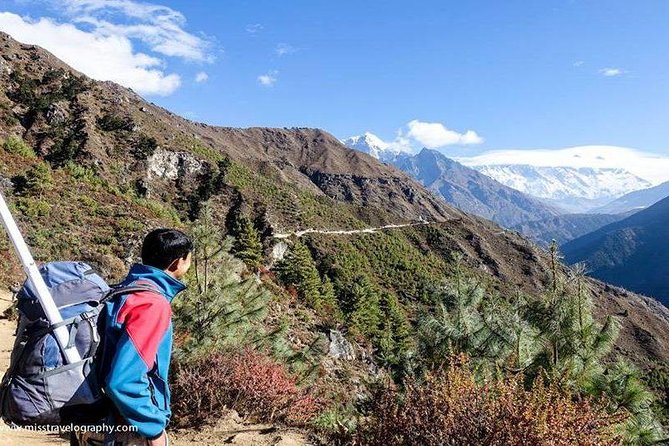
Day 11 brings the classic move: an early morning hike to Kalapather (Kala Pattar) to catch sunrise over Everest and the surrounding Himalayan range. Then you trek back to Lobuche (about 6 hours total for that day).
This is one of those moments that reshapes your whole trip. Even if sunrise views are cloudy or muted, the experience of moving in cold dark air to reach a viewpoint is unforgettable. And the guide structure here helps: you’re not guessing when to start or how fast to go.
The return days are also part of the value. Day 12 walks you back on a similar route to a major Buddhist monastery in the Solu Khumbu area.
Day 13 continues with time to visit and pray in the monastery, then you trek down and up until Namche bazaar, continuing to Monjo village. It’s longer movement, but it’s also a decompression phase after the EBC push.
At this point, you’ll be glad the trek doesn’t just end when your goal is reached. You get a real cooldown, plus cultural stops that keep the trip from feeling like a checklist.
The final trek steps and Kathmandu wrap-up
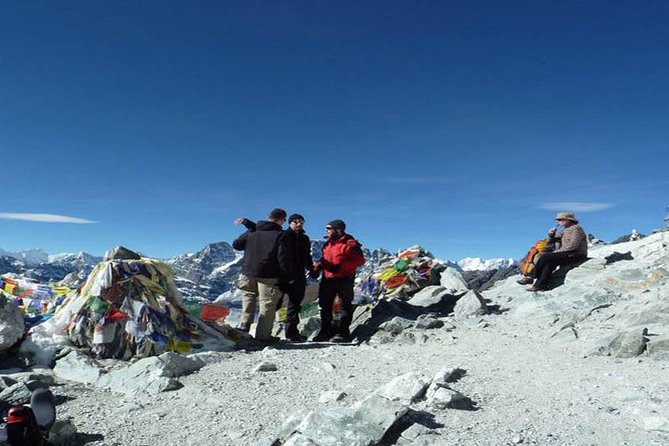
Day 14 is your last steps in the Everest region. It ends with a celebration with your guide and potter, and that’s more than a nice gesture. It recognizes the team that carried your gear, handled logistics, and kept you moving in the tough sections.
On Day 15, you take a short flight back to Manthali Airport, then drive about 4 hours to Kathmandu and rest at your Kathmandu hotel.
Day 16 is a lighter finale: breakfast, a guided exploration of a heritage site, and a farewell dinner with Nepali culture.
This ending matters because EBC treks can leave you with a weird mix of pride and fatigue. A calm Kathmandu finale helps you come down from the mountain without rushing into another frantic schedule.
Price and value: where your $1,850 goes
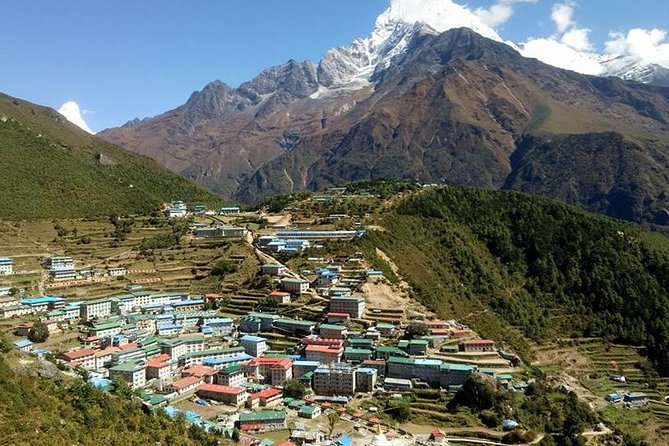
At $1,850 per person for an approximate 16-day trek, the value comes from what’s covered, not just the headline price.
Here’s what you’re getting as part of the package:
- 3 nights hotel in Kathmandu with breakfast
- Welcome and farewell Nepali cultural dinners
- All comfortable lodges plus meals (breakfast, lunch, dinner, and tea/coffee along the trek)
- Permits and TIMS cards (so you’re not chasing paperwork at the last minute)
- Guide and porter support, including their lodging/food during the trek
- Essential trekking gear: warm down jacket, sleeping bag, and walking poles after return to the company, plus a waterproof duffel bag and T-shirt
- Medical kit bag during the trek
- Transportation included from arrival to departure
What isn’t included is equally important for decision-making:
- cold drinks and mineral water
- hot shower and hot water
- battery charging and phone calls
- tips for guide and porters
- Kathmandu sightseeing entrance fees
- international flight ticket and Nepal entry visa fee
- altitude sickness insurance at the high altitude level
So is it good value? For many people, yes, because the cost is paying for the parts that cost time, energy, and coordination: permits, meals, lodging, and the team that makes the trail manageable. If you’re the kind of traveler who hates negotiating with strangers after a long day of climbing, this structure helps a lot.
Who this trek suits best (and who should think twice)
This Everest Base Camp trek fits travelers with moderate physical fitness who can walk daily for hours, handle long days outdoors, and accept that comfort is basic at altitude.
It’s also a good match if you like a plan with clear acclimatization pacing. The trek includes a Namche acclimatization day, plus additional rest and side-hike moments that support breathing and recovery before EBC push days.
Think twice if you:
- want guaranteed hot showers, hot water, or easy charging (not included)
- need altitude sickness insurance included in the package (it’s not)
- aren’t comfortable walking in cold with layered clothing and glove/hat basics
A note I appreciate in the provided guidance: you’re asked to train on your own and do at least one day of hiking weekly (as a way to prepare your body and legs). That’s the right mindset for a trek like this.
Booking call: should you book this Everest Base Camp trek?
Yes, if you want a structured EBC plan with real support and you care about acclimatization pacing. The guide approach described as patient and encouraging, plus the “slow and steady” breathing emphasis, is exactly what helps most people have a calmer, safer-feeling climb.
I’d book it if you also like the practical side: permits handled, gear provided (down jacket and sleeping bag), and clear reminders about what you must carry on the EBC approach.
I would not book it on impulse. Read the fine print on comforts (hot shower/hot water, charging, bottled water costs) and plan your altitude insurance separately. And remember it’s non-refundable, so commit only when your travel dates are truly firm.
FAQ
What is the duration and start time for the Everest Base Camp trek?
The trek runs for about 16 days, and the meeting point start time is 6:00 am in Kathmandu.
What does the tour include for lodging and meals?
It includes 3 nights hotel in Kathmandu with breakfast, and during the trek it includes comfortable lodges plus breakfast, lunch, dinner, and tea/coffee.
Is trekking gear provided?
Yes. The package includes a warm down jacket, sleeping bag, and a walking pole after the trek return to the company, plus a waterproof trekking duffel bag and a T-shirt.
What permits do I need, and what documents are required?
The trek includes a trekking permit and TIMS cards. You’ll need to provide your passport copy and a passport-size photo for the permits.
What is included and not included around drinks, showers, and charging?
Included are meals and tea/coffee along the trek. Not included are cold drinks, mineral water, hot shower, hot water, battery charging, phone calls, and laundry.
Do I need a visa for Nepal?
Nepal visa is available on arrival. The listed fees are USD 25 for 15 days and USD 40 for 30 days.
What should I know about altitude sickness insurance and refunds?
Mountain high altitude sickness insurance is not included. The experience is non-refundable and cannot be changed for any reason.
More Trekking Out of Kathmandu






More Tour Reviews in Kathmandu




Just Reviewed in Kathmandu
- Mountain Bike Tour
★ 5.0 · 3 reviews - Annapurna Panaroma
★ 5.0 · 3 reviews - Mount Everest Scenic Flight 50 Minutes
★ 5.0 · 3 reviews - Kathmandu : Swambhunath & Durbar Square Guided Half Day Tour
★ 3.3 · 3 reviews - Chandragiri Cable Car & Monkey Temple Tour – Private/Group
★ 5.0 · 3 reviews - Kathmandu: Shivapuri National Park Hiking Day Trip
★ 3.3 · 3 reviews
Everest Base Camp Treks, compared.
 ★ 5.0Everest Base Camp Trek – 14 DaysFrom $1,8001,499 reviews
 ★ 5.0Everest Base Camp TrekFrom $1,790842 reviews
 ★ 5.0Everest Base Camp TrekkingFrom $1,350485 reviews
 ★ 5.0Everest Base Camp Trekking – 13 DayFrom $1,399365 reviews
★ 5.0Everest Base Camp TrekFrom $1,445350 reviews
★ 5.0Everest Base Camp Trek -14 DaysFrom $1,420321 reviews
 ★ 5.012 Days Everest Base Camp TrekFrom $1,099289 reviews
 ★ 5.0Everest Base Camp Trekking – 2025/2026From $1,339199 reviews
Browse the lists this tour appears in