
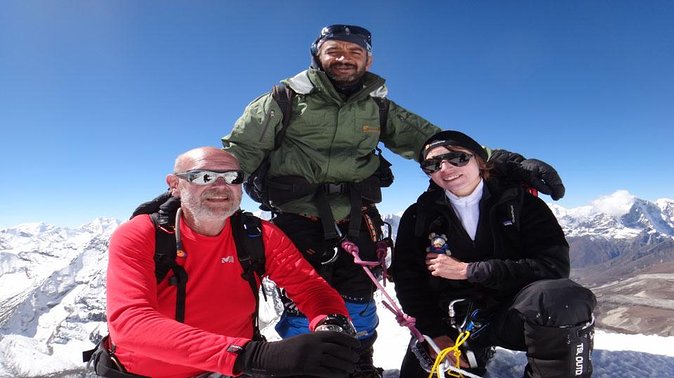
Review · EVEREST BASE CAMP TREKS
Everest Base Camp Trek
Everest shows up in layers. This private trek threads Namche Bazaar acclimatization with an early eye-catching stop for Ama Dablam, then aims you toward the iconic Everest Base Camp region. If you like mountains with real purpose, not just postcards, this route has plenty of that.
I like how this plan handles the big logistics for you: a domestic flight plus airport transfers and the permits you need to enter trek areas. I also like the way it builds in acclimatization time at Namche Bazaar, which makes the high-altitude trek feel more controlled.
One consideration is budget math: the $990 price covers core trek services, but it does not include your accommodation and food, beverages, or trekking-guide tips. You’ll also want to have your own insurance set before you go, since that is not included.
In This Review
- Key highlights to know before you go
- Everest Base Camp trek, but with real pacing
- From Kathmandu to the trail: what your first days are about
- Domestic flight and airport transfers: why they’re worth paying for
- Stop 1: Ama Dablam in the Khumbu Valley, and what it teaches your eyes
- Stop 2: Namche Bazaar acclimatization, where the trek really becomes a plan
- The walk toward Everest Base Camp: what you’re aiming for
- Guides and logistics that make the mountains feel easier
- What’s included, and why it matters more than you think
- What’s not included: your real Everest budget
- Season choice: busy months vs a quieter December
- Fitness and reality checks, no drama
- Price and logistics: is $990 good value for Everest Base Camp?
- Should you book? A practical decision guide
- FAQ
- How long is the Everest Base Camp trek?
- How much does the tour cost?
- Where do I meet the tour, and where does it end?
- Is this a private tour?
- What’s included in the price?
- What is not included?
- What are the physical requirements?
Key highlights to know before you go
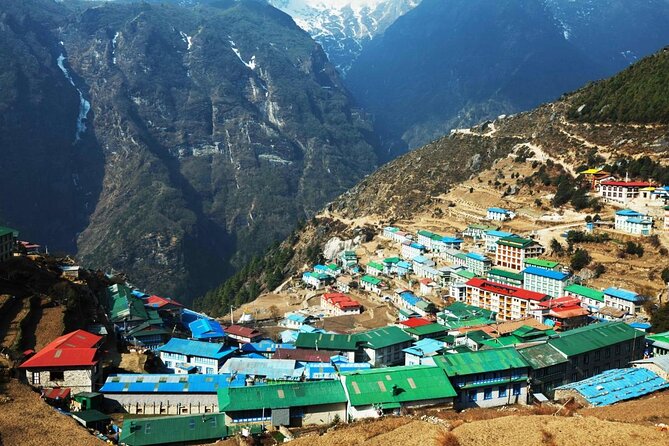
- Ama Dablam stop in the Khumbu Valley, known as Mother’s Necklace for a reason
- Namche Bazaar acclimatization at the gateway to Everest Base Camp
- Private group experience, so your pace and needs can be handled directly
- Domestic flight + airport transfers to reduce dead time in travel
- Permits and entry fees included, so you’re not chasing paperwork mid-trip
- Experienced guide team that supports logistics, food, and planning
More trails out of Kathmandu, boots ready
- Everest Base Camp Trek – 14 Days★ 5.0 · 1,499 reviews
- Everest Base Camp Trek★ 5.0 · 842 reviews
- Everest Base Camp Trekking★ 5.0 · 485 reviews
- Nagarkot Sunrise View and Day Hiking from Kathmandu★ 5.0 · 471 reviews
Everest Base Camp trek, but with real pacing
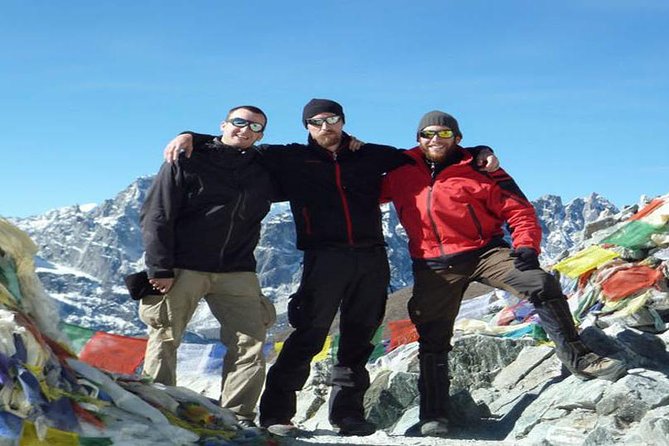
The Everest Base Camp trek is famous for a reason. But what keeps it from feeling like a brutal checklist is the way you’re asked to move with altitude in mind.
This itinerary leans into that. You’re not just rushing toward the highest points; you’re given time around key places like Namche Bazaar, which matters once the air starts feeling thinner. That pacing is the difference between a trek that feels like a grind and one that feels like progress.
And then you get to aim your eyes at the peaks that make the Khumbu Valley feel otherworldly, especially Ama Dablam, often called Mother’s Necklace. It’s an iconic mountain in shape and positioning, so it’s the kind of sight that makes you understand why climbers talk about the region with respect.
From Kathmandu to the trail: what your first days are about
Most Everest treks start in Kathmandu, and this one begins with a clear meeting point in Thamel (Thamel Marg) at Adventure Treks Nepal P. Ltd. Your trip also ends back at the same meeting point, which keeps the handoff simple.
Thamel is your practical base for the planning phase. It’s where you can pick up gear, confirm last details, and settle your energy before you head out to the higher country. Starting there also helps if you’re traveling solo or you want to avoid last-minute scrambling.
Also note: you’ll receive confirmation at booking, and you’re issued a mobile ticket. That’s a small thing, but on trip days it can reduce stress when you’re moving between flight and transfer moments.
Domestic flight and airport transfers: why they’re worth paying for
One of the smartest values in this package is that it includes a domestic flight and airport transfer services for arrival and departure. Long road days in Nepal can be scenic, sure, but they’re also the kind of delay that turns into fatigue once your body is already adjusting.
By handling the transfer pieces, you’re more likely to keep your schedule intact and protect the trekking days that you actually came for. On a trek like Everest Base Camp, timing matters because altitude doesn’t care about your plans.
This is also where a private setup helps. Instead of having to coordinate with other groups, your guide can keep the day’s flow realistic, especially during busy periods when everything in transit gets tighter.
Stop 1: Ama Dablam in the Khumbu Valley, and what it teaches your eyes
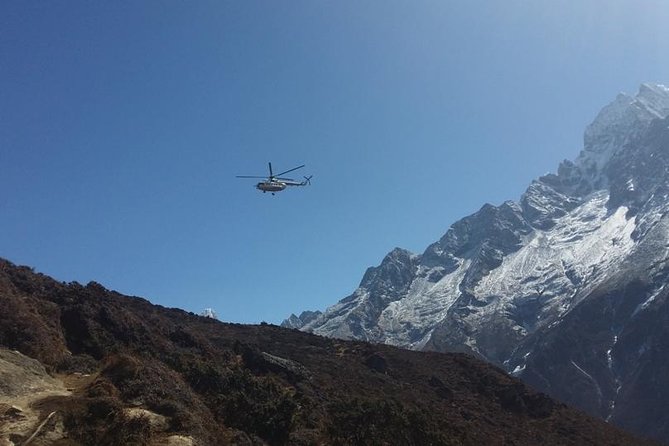
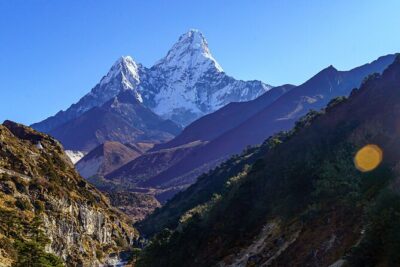
Ama Dablam, nicknamed Mother’s Necklace, is highlighted early on this trek. The mountain is described as iconic in shape, with a prominent position in the Khumbu Valley, and it’s often called one of the most beautiful peaks in the world.
Even if you’re not a technical climber, it helps to see Ama Dablam up close because it changes how you interpret everything around it. You start noticing how the valley is framed by peaks and how the trekking route feels like a slow reveal of the bigger mountain picture.
There’s a second lesson here too: the Everest region isn’t just about one summit. Ama Dablam signals a world where many mountains are meaningful, and that perspective makes Everest Base Camp feel less like a single destination and more like the center of a whole climbing universe.


Stop 2: Namche Bazaar acclimatization, where the trek really becomes a plan
Namche Bazaar is treated as the gateway stop for a reason. It’s the kind of place that helps your body adjust before you go higher, and it’s also a natural staging point for the Everest Base Camp route.
Acclimatization time is not glamorous, but it’s smart. When you build in that rhythm, you reduce the odds that your trek becomes an endurance contest against your own body. Instead, you get to focus on moving well, eating regularly, and sleeping with less panic.
Namche Bazaar also gives you a psychological boost. It’s a moment where the trek shifts from pre-trip anticipation into actual mountain routine. You’re still in the Everest orbit, but it’s easier to settle into the day-to-day patterns you’ll need higher up.
The walk toward Everest Base Camp: what you’re aiming for
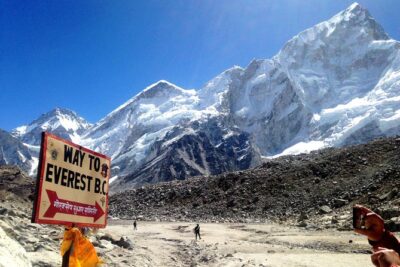
The heart of the experience is reaching Everest Base Camp, where trekkers and mountaineers from around the world gather. That idea of convergence is powerful, because it helps you understand what base camp represents: not a summit, but a launching point and a shared milestone.
Your trek toward that goal should feel like a series of incremental wins. Even without getting technical with elevations, you can count on the reality that each day tests breathing, patience, and legs. The value of good guiding here is not hype; it’s turning that test into something manageable.
This is where your preparation and your guide’s attitude start to show. In real terms, a strong guide helps you keep moving without wasting energy, and it helps you interpret what the day requires so you don’t overspend yourself too early.
Guides and logistics that make the mountains feel easier
The tour is guided, and you’re also supported by the company’s approach to logistics. That matters because on Everest, the toughest moments are rarely the dramatic ones. They’re the small ones: deciding what to eat, what to pack, how to handle timing, and what to do when weather changes the tone of a day.
Some of the strongest praise in the provided feedback centers on guide professionalism and calm problem-solving. For example, Sau Bir Rai is specifically mentioned as experienced and as someone who made everything seem easier. That matches what you want from a guide: confidence you can feel in the way they plan, not just in what they say.
You’ll also see names like Roshan and Dipak tied to smooth coordination. Roshan is credited with organizing accommodation, food, and transport even during busy season. Dipak is noted as friendly and attentive, plus the group could adapt the plan while trekking.
Planning support is also highlighted through Dil, who is described as handling questions and helping people feel prepared before the trek. And Arjun is praised for taking perfect care of a family that had to manage a medical situation, which points to a key strength: a guide who pays attention when things aren’t perfectly straightforward.
Put simply: if your guide is organized and people-focused, Everest feels like a trek you manage. If not, it can feel like a test you survive.
What’s included, and why it matters more than you think
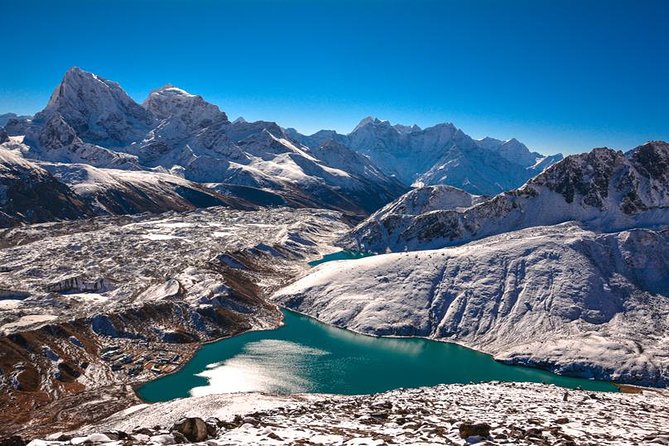
This package includes the practical core that tends to cause confusion when you piece a trip together yourself. Here’s what’s on the included list:
- Domestic flight
- Necessary permits and entrance fees
- Guide salary and guide food
- Guide equipment and insurances, including on trip cost
- Airport transfer services for arrival and departure, including domestic flight
Why this matters: Everest is full of “small” costs that add up fast. Permits are not optional if you want the trip to run correctly, and guide insurance is one less unknown you need to carry yourself.
It also means you spend more mental energy on trekking decisions that are actually yours to make: your pace, your hydration habits, your clothing layers, and how consistently you show up ready for each day.
What’s not included: your real Everest budget
To judge value honestly, you need the full picture of what’s excluded. This trek does not include:
- Beverages
- Tips (tips for the trek’s guide are expected)
- Your insurance
- Personal or nature expenses
- International flight tickets and Nepal Visa fee
- Accommodation and food of the guest
So the $990 price isn’t the whole trip. It’s the cost of the guided, permitted trek structure plus the key transit pieces, but you’ll still pay for your own daily living needs.
My practical advice: build your budget with two tracks. First, lock in the known included items (the trek services and domestic travel). Then estimate the “on the ground” items for lodging, meals, and beverages, plus what you’ll set aside for tips and a separate insurance plan.
If you’re the type who hates surprise costs, this is the part you should plan early.
Season choice: busy months vs a quieter December
The details we have point to a very real seasonal difference. One experience notes that going in December meant cooler weather and trails that were much more empty.
That’s useful because it changes the feel of the trek. Quieter trails can mean fewer crowds and a calmer rhythm in shared spaces. Cooler conditions can also affect clothing planning and how quickly you warm up, which is worth thinking through before you pack.
You don’t have to chase solitude, but if you value a less hectic pace, choosing a quieter time can make the trek feel more personal.
Fitness and reality checks, no drama
This trek is listed for travelers with a strong physical fitness level. That’s not just a legal note. Everest Base Camp trekking is a long-distance hike at altitude, and your body has to handle the daily work for about 12 days.
If you’re generally active but haven’t trained for long, steady walking days, consider building a base before you go. Focus on leg endurance and overall cardio, because altitude adds intensity even when the slope doesn’t look extreme on paper.
Also remember: acclimatization helps, but it doesn’t make altitude disappear. Your goal is steady movement, not hero moments.
Price and logistics: is $990 good value for Everest Base Camp?
For many travelers, the question isn’t whether Everest is expensive. It’s whether the package protects you from the expensive parts of planning.
At $990 per person, what you’re getting includes domestic flights, airport transfers, permits, and guide costs like salary, food, equipment, and insurance. Those are the items that add friction when you book each piece separately.
The tradeoff is that your lodging, meals, beverages, your own insurance, visa fee, and international flights are not included. In other words, the $990 is the trek framework and core transit, not the full “everything” bundle.
If you already plan to cover your own daily spending and you have travel insurance sorted, this can feel like solid value. If you want a fully bundled, no-thinking budget, you’ll likely need to add extra money to make the trip truly complete.
Should you book? A practical decision guide
I’d book this Everest Base Camp trek if you want a private, guided experience with key paperwork handled and transit organized, and you appreciate acclimatization time at Namche Bazaar. I’d also feel good about it if you value a guide team known for logistics support, like the experiences connected to names such as Sau Bir Rai, Roshan, and Dipak.
I’d think twice if you’re looking for a single fixed price that covers everything. The guest accommodation and food, beverages, and insurance are on you, plus tips are expected. In that case, budget carefully so the trip matches your comfort level, not just your initial quote.
One final note: cancellation is described as free up to 24 hours in advance for a full refund, so you have a little planning flexibility if your schedule shifts.
If you’re ready to train, budget the on-trip living costs, and show up for the mountain with patience, this trek looks like a strong way to reach Everest Base Camp without turning your trip into a logistics project.
FAQ
How long is the Everest Base Camp trek?
The duration is listed as about 12 days.
How much does the tour cost?
The price is $990.00 per person.
Where do I meet the tour, and where does it end?
You start at Adventure Treks Nepal P. Ltd., Thamel Marg, Kathmandu 44600, Nepal, and the activity ends back at the same meeting point.
Is this a private tour?
Yes. It’s a private tour/activity, meaning only your group participates.
What’s included in the price?
Included items are the domestic flight, necessary permits/entrance fees, guide salary plus guide food, guide equipment and insurances, and airport transfer services for arrival/departure including the domestic flight.
What is not included?
Not included are beverages, tips (trek guide tips are expected), your insurance, personal/nature expenses, international flights and the Nepal Visa fee, plus accommodation and food for the guest.
What are the physical requirements?
The trek notes that travelers should have strong physical fitness.
More Trekking Out of Kathmandu






More Tour Reviews in Kathmandu




Just Reviewed in Kathmandu
- Mountain Bike Tour
★ 5.0 · 3 reviews - Annapurna Panaroma
★ 5.0 · 3 reviews - Mount Everest Scenic Flight 50 Minutes
★ 5.0 · 3 reviews - Kathmandu : Swambhunath & Durbar Square Guided Half Day Tour
★ 3.3 · 3 reviews - Chandragiri Cable Car & Monkey Temple Tour – Private/Group
★ 5.0 · 3 reviews - Kathmandu: Shivapuri National Park Hiking Day Trip
★ 3.3 · 3 reviews
Everest Base Camp Treks, compared.
 ★ 5.0Everest Base Camp Trek – 14 DaysFrom $1,8001,499 reviews
 ★ 5.0Everest Base Camp TrekFrom $1,790842 reviews
 ★ 5.0Everest Base Camp TrekkingFrom $1,350485 reviews
 ★ 5.0Everest Base Camp Trekking – 13 DayFrom $1,399365 reviews
★ 5.0Everest Base Camp TrekFrom $1,445350 reviews
★ 5.0Everest Base Camp Trek -14 DaysFrom $1,420321 reviews
 ★ 5.012 Days Everest Base Camp TrekFrom $1,099289 reviews
 ★ 5.0Everest Base Camp Trekking – 2025/2026From $1,339199 reviews
Browse the lists this tour appears in