
Review · EVEREST BASE CAMP TREKS
Everest Base Camp Trek
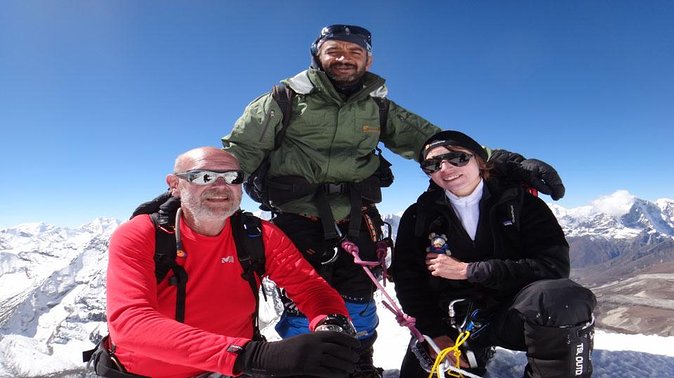
Altitude dreams start in Lukla. This guided Everest Base Camp trek strings together lodge stays, included meals, and Sherpa-culture time as you hike up to 5,364 meters, then chase sunrise at Kala Patthar (5,545m).
I really like how the plan gives you acclimatization days built into real trail moments, not just “take it easy” filler. And you don’t have to micromanage the basics: meals, permits, flights Kathmandu–Lukla, and even key trekking gear are part of the package.
One thing to plan for: weather and cold. In winter, the minus temps can be brutal, and Lukla flights can wobble—so that extra buffer day matters.
In This Review
- Key highlights you’ll feel on the trail
- From Tribhuvan to Lukla: how the trek starts (and what to watch)
- Day 2: Lukla to Phakding (easy descent, Sherpa village vibes)
- Phakding to Namche Bazaar: bridges, pine forests, and first real altitude
- Day 3: to Namche Bazaar (the day you feel the climb)
- Day 4: Namche acclimatization day (market time and a high-altitude lesson)
- Tengboche and Dingboche: monasteries, rivers, and the value of taking it slow
- Day 5: Namche to Tengboche (forests, views, and monastery atmosphere)
- Day 6: Tengboche to Dingboche (Imja Khola crossing and big-settlement views)
- Day 7: Dingboche acclimatization (Nagarjun Hill hike at 5,100m)
- Lobuche to Gorakshep and Base Camp: the high point that isn’t a walk in the park
- Day 8: Dingboche to Lobuche (rocky ridge walking)
- Day 9: Lobuche to Gorakshep, then Base Camp hike
- Kala Patthar sunrise: why 5,545m is the headline
- Day 10: Gorakshep to Kala Patthar and back (early climb, big reward)
- Day 11: trek back toward Namche
- The descent days to Lukla: where your knees learn lessons
- Day 12: Dingboche/Namche-side return toward Lukla
- Day 13: fly Lukla to Kathmandu, then rest
- Day 14: buffer day for flight delays or cancellations
- Your package: what’s covered, what you’ll still need, and what matters
- What’s not included (so you can budget without surprises)
- Price vs value: is $1,800 fair for Everest Base Camp?
- Who should do this trek (and who might think twice)
- Should you book this Everest Base Camp trek?
- FAQ
- What is the duration of the Everest Base Camp trek?
- What is the highest altitude on the route?
- What does the $1,800 per person price include?
- Are flights included?
- How many nights are you in Kathmandu and on the trekking route?
- Are accommodations and meals covered during the trek?
- Is a porter included?
- Do you provide trekking equipment?
- Is this tour refundable or changeable after booking?
- What group size should I expect?
Key highlights you’ll feel on the trail
- Kala Patthar sunrise at 5,545m for wide-open views of Everest-country
- Acclimatization days in Namche and Dingboche that keep the hike smarter, not harder
- Sagarmatha National Park trekking through well-known Sherpa corridor villages
- Included Kathmandu–Lukla flights plus a buffer day if mountain weather disrupts schedules
- Meals, permits, lodge nights, and trekking gear handled for you so you can focus on walking
More trails out of Kathmandu, boots ready
- Everest Base Camp Trek – 14 Days★ 5.0 · 1,499 reviews
- Everest Base Camp Trek★ 5.0 · 842 reviews
- Everest Base Camp Trekking★ 5.0 · 485 reviews
- Nagarkot Sunrise View and Day Hiking from Kathmandu★ 5.0 · 471 reviews
From Tribhuvan to Lukla: how the trek starts (and what to watch)
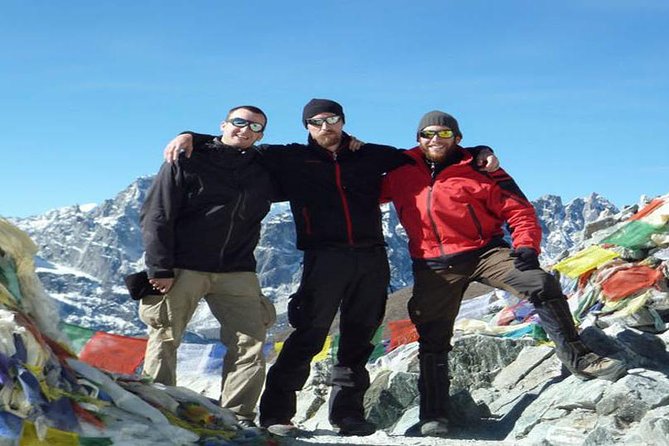
Your trip kicks off in Kathmandu with a meet-up at Tribhuvan International Airport, then a transfer to your hotel. You’ll get a short briefing with your guide, which is the right moment to ask the practical questions you’ll stop remembering later—what time to be ready, what to carry each day, and how the group pace works.
The big early move is the flight to Lukla. This is one of those “small time, big meaning” parts of the trek. You trade the city’s noise for mountain air fast, and that change alone helps you gear up mentally. The trek doesn’t start with a parade of gear checks; it starts with legs. The first day’s goal is simply to get moving and not overdo it after your travel.
Day 2: Lukla to Phakding (easy descent, Sherpa village vibes)
After meeting the trekking crew, you’ll begin with an easy descent through Sherpa villages, passing prayer wheels and mani walls. You’ll also notice how much of this route is about routine—local pathways, small bridges, and daily life stitched together at trail level.
Why it’s good: your body wakes up gradually, and you start learning what slow and steady feels like.
Possible drawback: even an “easy” day can feel longer than you expect when you’re carrying your daypack and adjusting to altitude.
Phakding to Namche Bazaar: bridges, pine forests, and first real altitude
You head along the Dudh Koshi River, crossing suspension bridges wrapped with colorful prayer flags. That’s the vibe you’ll keep seeing: devotional colors, river crossings, and a steady flow of fellow trekkers and locals moving through the same corridor.
Day 3: to Namche Bazaar (the day you feel the climb)
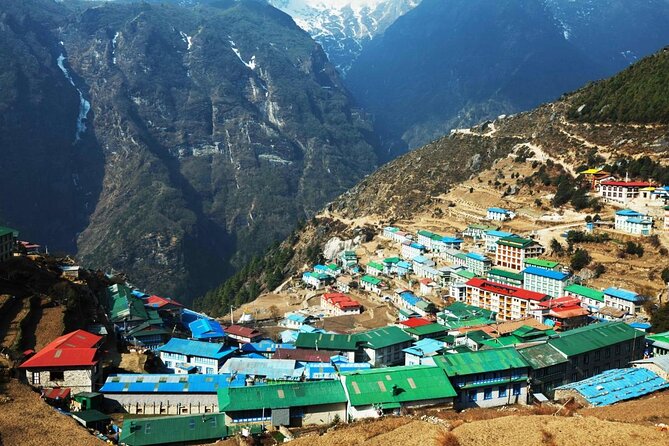
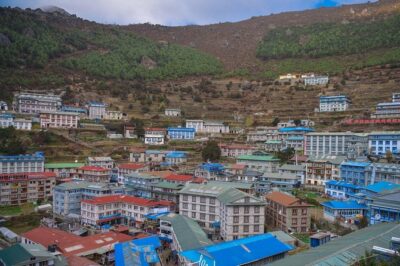
Today typically ends in Namche Bazaar, a major hub for this region. The trail brings pine forests and traditional villages before you’re fully in the Sagarmatha National Park trekking zone.
Why Namche is the turning point: it’s not just a place to sleep. It’s where you start to see more trekkers, more services, and more of the Sherpa-adapted mountain economy.
Your reminder: hydration and slow pacing matter a lot here. Even if you feel fine, keep your effort controlled.


Day 4: Namche acclimatization day (market time and a high-altitude lesson)
This is your “let the altitude catch up with you—without you racing it” day. You’ll explore Namche’s market area, local bakeries, and the Sherpa Museum. Then you can take a short hike toward the Everest View Hotel area or head for Khumjung village for panoramic sights of Everest-country.
Why I like this day: you get culture and context without sacrificing safety. And you get a chance to practice moving efficiently at altitude—stop before you’re out of breath, sip water, then keep going.
Possible drawback: acclimatization days can trick you into going too hard because you’re not “tired from hiking.” It still counts as altitude training.
Tengboche and Dingboche: monasteries, rivers, and the value of taking it slow
Day 5: Namche to Tengboche (forests, views, and monastery atmosphere)
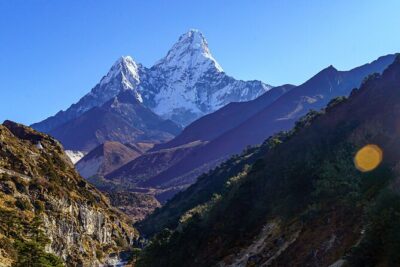
You leave Namche with gentle ascents and big views—Everest, Lhotse, and Ama Dablam on clear days. The route passes rhododendron and pine forests, then descends toward the Dudh Koshi River and its suspension bridge crossings.
Tengboche is a favorite stop on many Everest itineraries because of the monastery setting. Even if you’re not a “temple person,” this pause gives you a mental breather. Mountain trekking isn’t only physical; you’re hiking through a living culture with ceremonies and beliefs tied to the seasons.
Day 6: Tengboche to Dingboche (Imja Khola crossing and big-settlement views)
Today includes forests, Debuche, the Imja Khola crossing, and a climb that continues past Pangboche. Pangboche is noted here as the highest permanent settlement in the region, and it’s a good place to look outward and realize how high you already are.
Why this works: it teaches you what altitude feels like when the valley walls start closing in behind you.
Day 7: Dingboche acclimatization (Nagarjun Hill hike at 5,100m)
This second acclimatization day is one of the smartest parts of the whole trek: you hike to Nagarjun Hill (5,100m) for wide views of Makalu, Lhotse, and Island Peak, then return for lunch and a rest.
This is the “up a bit, then down and recover” pattern that helps a lot. It’s also where you learn that acclimatization isn’t a luck thing. It’s a plan thing.
Possible drawback: the climb can feel demanding even when the walk time isn’t outrageous. Your job is to keep breathing steady and avoid sprinting just because you can see the top.
Lobuche to Gorakshep and Base Camp: the high point that isn’t a walk in the park
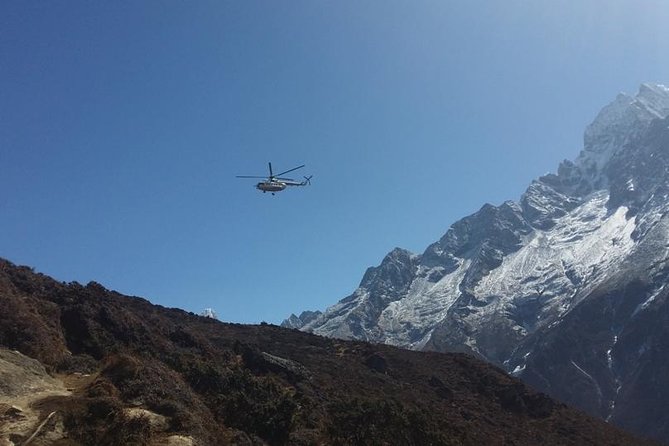
The middle days start to look more lunar—rockier ground, less vegetation, and more sense of scale. Still, the trek remains methodical: climb, stabilize, push on.
Day 8: Dingboche to Lobuche (rocky ridge walking)
You climb steadily through sparse vegetation and pass Dughla. Then you reach the memorial ridge honoring climbers who lost their lives on Everest. It’s an emotional moment in a place that asks you to be respectful and quiet inside your own head.
Why this matters: Everest-country isn’t a theme park. This region carries real human history, and those memorials keep the trip honest.
Day 9: Lobuche to Gorakshep, then Base Camp hike
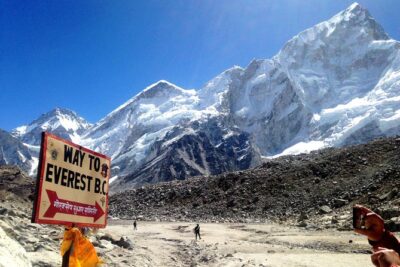
You reach Gorakshep first—described as the last settlement before Base Camp. After lunch, you hike across rocky terrain and glacier moraines to reach Everest Base Camp.
This is a day that feels like a climax. You might arrive with legs that are tired, but the terrain makes you slow down naturally, which can be a good thing for pacing. The big payoff is that you’re not just looking at Everest from a distance—you’re in the logistics world that supports climbers at the bottom of the mountain.
Possible drawback: walking on stony ground is hard on feet and energy. Take care of your socks and don’t be stingy with rest stops.
Kala Patthar sunrise: why 5,545m is the headline
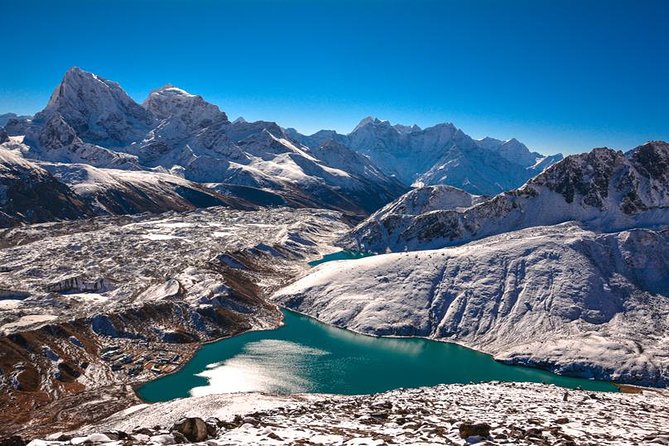
Day 10: Gorakshep to Kala Patthar and back (early climb, big reward)
This is the signature moment: an early start for a steep climb to Kala Patthar at 5,545 meters, aiming for sunrise views. After you soak in the scene, you descend back to Gorakshep for breakfast and recovery.
Here’s the value: Kala Patthar is often the best “show me the whole Everest machine” vantage point on the EBC route. The effort is real, and the reward is wide and immediate when weather cooperates.
What to watch: this is cold-facing work, especially if you’re trekking in winter. Even with gear provided, you’ll want to protect hands, ears, and your breathing. Go slow on the ascent and keep your layers tight enough that you don’t get chilled mid-climb.
Day 11: trek back toward Namche
You follow the familiar trail through Pangboche and Tengboche, crossing suspension bridges and descending through forests. The views can feel fresh because you’re moving in reverse and your angles change.
This is also a good day to let your body recover from the Base Camp effort. Don’t race the downhill; control your steps.
The descent days to Lukla: where your knees learn lessons
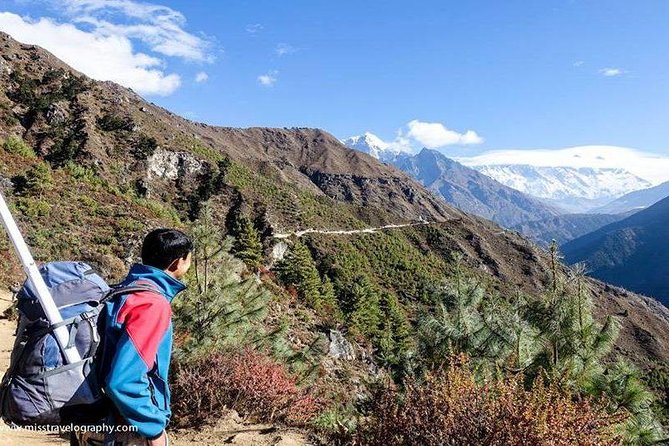
Day 12: Dingboche/Namche-side return toward Lukla
Today takes you downhill through pine forests and across high suspension bridges, retracing earlier steps. You’ll feel like you’re “backtracking,” but that’s part of the process. It’s also where you can settle into rhythm and enjoy the route without the same steep upward pressure.
Day 13: fly Lukla to Kathmandu, then rest
You fly back to Kathmandu after an early morning start. Once you land, it’s transfer to your hotel and a well-deserved downtime block.
A practical tip: treat your first Kathmandu evening as a recovery day, not a sightseeing marathon. You’ll thank yourself tomorrow.
Day 14: buffer day for flight delays or cancellations
This day exists because mountain weather can mess with Lukla schedules. If flights run on time, you might spend the day resting or doing light activities—but the real point is stress control. You’re not stuck with zero flexibility.
Your package: what’s covered, what you’ll still need, and what matters
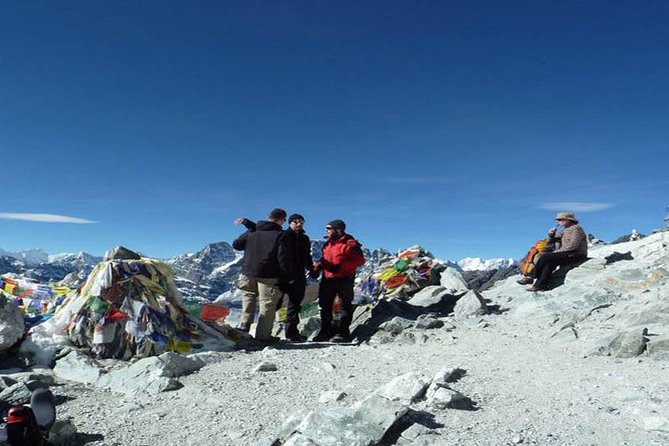
This trek price is $1,800 per person, and it includes a lot of the “hard to manage” stuff:
- Meals: breakfast, lunch, dinner during the trek (listed as 3 meals a day, with specific day counts)
- Permits and Sagarmatha Conservation fees
- Lodge accommodation on the trekking route
- Porter support shared between two trekkers
- Ground transportation in Nepal
- Kathmandu to Lukla and return flights
- 3 nights hotel in Kathmandu plus trekking-route lodge nights
- Trekking equipment: sleeping bag, duffel bag, walking pole
Also offered: pickup, and mobile ticket support. Meeting point is Tribhuvan Airport in Kathmandu, with a stated start time of 7:15am.
What’s not included (so you can budget without surprises)
You’ll want to plan for:
- International airfare and Nepal visa fee
- Personal travel insurance
- Tips for your guide and porter
I always suggest treating insurance as part of your trekking gear. Everest-country is remote, and you don’t want to be improvising paperwork if something goes sideways.
Price vs value: is $1,800 fair for Everest Base Camp?
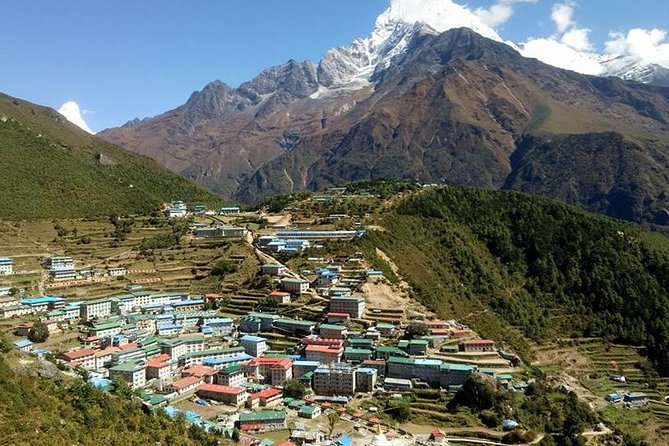
For Everest Base Camp, cost can swing wildly depending on what’s included. Here, you’re not just paying for a guide and a map—you’re paying for a coordinated logistics chain.
You’re getting:
- flights between Kathmandu and Lukla,
- meals and accommodation,
- permits/fees,
- and even some core gear (sleeping bag, walking pole, duffel).
That makes the trek easier to compare with other options. You’re also traveling with a maximum of 12 people, so you’re not swallowed by a giant crowd. For this kind of walking, smaller groups can mean smoother pacing and less chaos during meals and daily starts.
Who should do this trek (and who might think twice)
This program is aimed at people with moderate physical fitness. That usually means you can handle sustained hiking days with steady uphill and downhill, and you’re willing to follow guidance rather than forcing your own schedule.
You’ll likely love it if:
- you want a guided trek with most logistics handled,
- you like structured acclimatization,
- and you want Sherpa culture stops built into the itinerary, not treated as optional detours.
You should think twice if:
- winter cold scares you and you’re not committed to layering and staying warm,
- you don’t tolerate flight uncertainty well, even with the buffer day,
- or you expect an easy stroll to Base Camp. This route is manageable, but it’s still high-altitude trekking.
Should you book this Everest Base Camp trek?
If you want Everest Base Camp with a well-paced structure and fewer planning headaches, I’d say this is a strong fit. The combination of included permits, meals, lodge stays, gear, and Kathmandu–Lukla flights makes the trip feel “ready-to-walk” instead of “let me figure everything out while I’m tired.”
The two things to respect are the weather and the cold—especially if you’re considering winter trekking—and the fact that Lukla is weather-sensitive. If you can handle that reality, you’re set up for one of the most meaningful mountain weeks you can have: villages, monasteries, high passes, and sunrise at Kala Patthar that turns effort into memory.
FAQ
What is the duration of the Everest Base Camp trek?
The trek is listed as 15 days (approx.), with a mix of trekking and acclimatization days.
What is the highest altitude on the route?
The maximum altitude is 5,545 meters at Kala Patthar.
What does the $1,800 per person price include?
It includes meals during the trek (breakfast, lunch, dinner), trekking permits and Sagarmatha Conservation fees, porter support (between 2 trekkers), all ground transportation, Kathmandu to Lukla and return flight tickets, hotel nights in Kathmandu and lodge accommodations on the trek, and trekking equipment (sleeping bag, duffel bag, walking pole).
Are flights included?
Yes. The package includes flights from Kathmandu to Lukla and return to Kathmandu.
How many nights are you in Kathmandu and on the trekking route?
You stay 3 nights in Kathmandu and 11 nights in lodges during the trekking portion (total 14 nights across the trip days, with the extra buffer day built in).
Are accommodations and meals covered during the trek?
Yes. You get lodge accommodations along the route and meals are included as breakfast, lunch, and dinner during the trekking days.
Is a porter included?
Yes. A porter is included for between 2 trekkers.
Do you provide trekking equipment?
Yes. Sleeping bag, duffel bag, and walking pole are included.
Is this tour refundable or changeable after booking?
No. The experience is non-refundable and cannot be changed for any reason.
What group size should I expect?
The tour has a maximum of 12 travelers.
More Trekking Out of Kathmandu






More Tour Reviews in Kathmandu




Just Reviewed in Kathmandu
- Mountain Bike Tour
★ 5.0 · 3 reviews - Annapurna Panaroma
★ 5.0 · 3 reviews - Mount Everest Scenic Flight 50 Minutes
★ 5.0 · 3 reviews - Kathmandu : Swambhunath & Durbar Square Guided Half Day Tour
★ 3.3 · 3 reviews - Chandragiri Cable Car & Monkey Temple Tour – Private/Group
★ 5.0 · 3 reviews - Kathmandu: Shivapuri National Park Hiking Day Trip
★ 3.3 · 3 reviews
Everest Base Camp Treks, compared.
 ★ 5.0Everest Base Camp Trek – 14 DaysFrom $1,8001,499 reviews
 ★ 5.0Everest Base Camp TrekFrom $1,790842 reviews
 ★ 5.0Everest Base Camp TrekkingFrom $1,350485 reviews
 ★ 5.0Everest Base Camp Trekking – 13 DayFrom $1,399365 reviews
★ 5.0Everest Base Camp TrekFrom $1,445350 reviews
★ 5.0Everest Base Camp Trek -14 DaysFrom $1,420321 reviews
 ★ 5.012 Days Everest Base Camp TrekFrom $1,099289 reviews
 ★ 5.0Everest Base Camp Trekking – 2025/2026From $1,339199 reviews
Browse the lists this tour appears in