
Review · EVEREST BASE CAMP TREKS
Everest Base Camp Trek
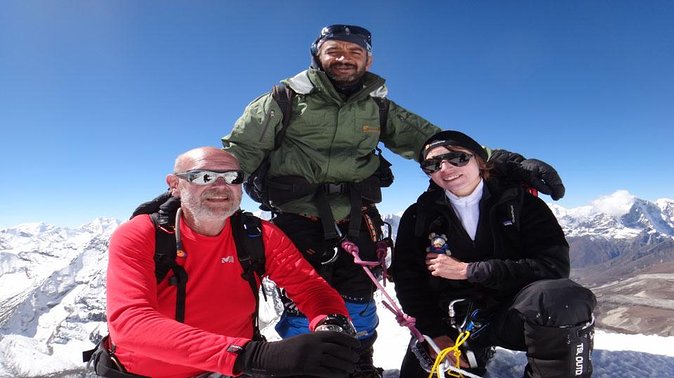
The first time you stare toward Everest country, it stops being a dream and starts being a route. This trek wins me over because the big moments are planned around the right view points, especially Kala Patthar, and because the basics are handled for you with included tea-house nights, meals, and a guide plus porters.
What I also like is how the service is set up for real trekkers, not just check-the-box tourists. You get professional guiding and porter support (2 trekkers share 1 porter), plus airport pickup and drop for both domestic and international flights. In past client feedback tied to this company, guides have even been named for being hands-on and supportive, including Ajay and Jangbu, which is exactly what you want when your body starts bargaining with altitude.
One drawback to keep in mind: this is not a walk in the park. You’ll start early at the airport (meeting time is 5:15 am), you’ll do the Lukla fly-in, and the route climbs to serious altitudes where moderate fitness really matters.
In This Review
- Key Highlights You’ll Care About
- Why Everest Base Camp Still Pulls People In
- Price and What You’re Really Paying For ($2,500)
- Kathmandu: Transfers Start Before You Even Begin Walking
- Lukla Fly-In and Phakding: Day One Sets Your Pace
- Namche Bazaar: Acclimatization That Doesn’t Waste a Day
- Tengboche to Dingboche: Monasteries and the Slow Switch to Thin Air
- Lobuche, Gorakshep, and Everest Base Camp: A Glacier-View Stretch
- Kala Patthar: Why This Early Hike Feels Like Paying Back the Work
- The Descent Through Tengboche, Monjo, and Back to Lukla
- Tea Houses, Meals, and Hot Soup: The Comfort Layer That Keeps You Moving
- Guides and Porters: Support You’ll Notice More Than You Think
- Who Should Book This Everest Base Camp Trek
- Should You Book with Himalayan Holyland Treks and Expedition?
- FAQ
- How long is the Everest Base Camp Trek on this plan?
- Where do I meet the group in Kathmandu?
- How is transport handled for flights?
- What happens on Day 1?
- Do I get an acclimatization day?
- Where is the best Everest viewpoint in this trek?
- What kind of lodging do you use during the trek?
- Are meals included?
- What is not included in the $2,500 price?
- Is there cancellation flexibility?
Key Highlights You’ll Care About
- Kala Patthar is the payoff: the early hike is built around getting the best Everest views.
- Tea-house trek, not camping logistics: simpler nights, included meals, and a real routine.
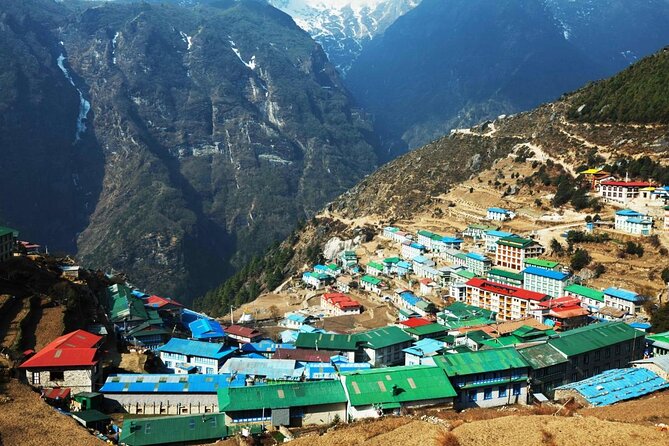
- Acclimatization in Namche Bazaar: a dedicated day to explore helps your body adjust.
- Private group experience: only your group participates, so pacing and support feel more tailored.
- Support system on the hard days: guide + porter ratio is included, plus hot soup at higher points.
- Classic Everest-region mix: monasteries, rhododendron forests, high Himalayan villages, and Sagarmatha National Park.
More trails out of Kathmandu, boots ready
- Everest Base Camp Trek – 14 Days★ 5.0 · 1,499 reviews
- Everest Base Camp Trek★ 5.0 · 842 reviews
- Everest Base Camp Trekking★ 5.0 · 485 reviews
- Nagarkot Sunrise View and Day Hiking from Kathmandu★ 5.0 · 471 reviews
Why Everest Base Camp Still Pulls People In
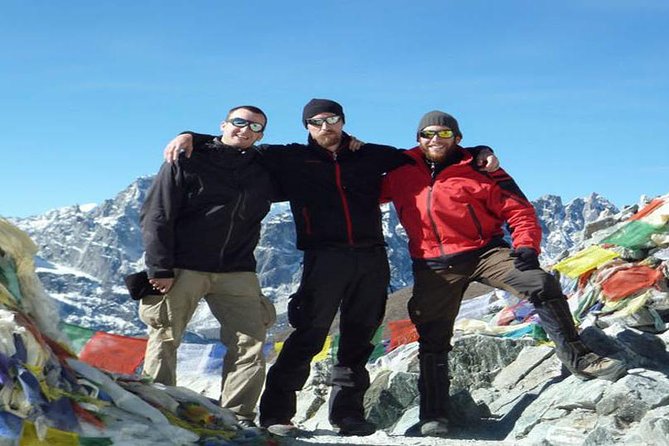
Everest Base Camp is famous for a reason: it turns big geography into something you can feel with your lungs and your legs. On this route through Sagarmatha National Park, you pass through high-altitude villages, Buddhist monasteries, and long views that keep changing by the hour.
What makes the trek especially compelling is that the scenery is never stuck on one theme. You’ll move from river valleys into thicker forests, then into open high country where glacier views take over. That “world-changing” feeling comes less from one single photo moment and more from the slow buildup day after day.
Price and What You’re Really Paying For ($2,500)
At $2,500, this trek is positioned as a supported, guided expedition-style experience rather than a bare-bones budget hike. What you’re paying for is the package that keeps you moving smoothly: airport transfers, domestic and guided transport, tea-house accommodation during the trek, and a professional guide.
Here’s what stands out as value:
- Meals included during the trek: three meals a day, plus hot soup in the high places (a real morale boost).
- Porter service included: the plan is 2 trekkers : 1 porter, so you’re not hauling everything yourself.
- Route and logistics handled: transportation as per the plan, plus a trekking map and trip completion certificate.
- Kathmandu support: a farewell dinner is included, and you’re escorted to a hotel after your final flight back.
What’s not included is also important for budgeting:
- Nepal visa, travel and rescue insurance for you, international flights to/from Kathmandu.
- Personal expenses (hot showers, battery charging, laundry, water, bar bills).
- Tips for guide and porters.
My take: $2,500 can be a good deal if you’re the kind of traveler who wants to spend money on comfort, organization, and guidance so your energy goes into walking and acclimatizing. If you prefer doing things DIY, it would likely feel pricey. If you want to focus on the mountains, it often feels fair.
Kathmandu: Transfers Start Before You Even Begin Walking
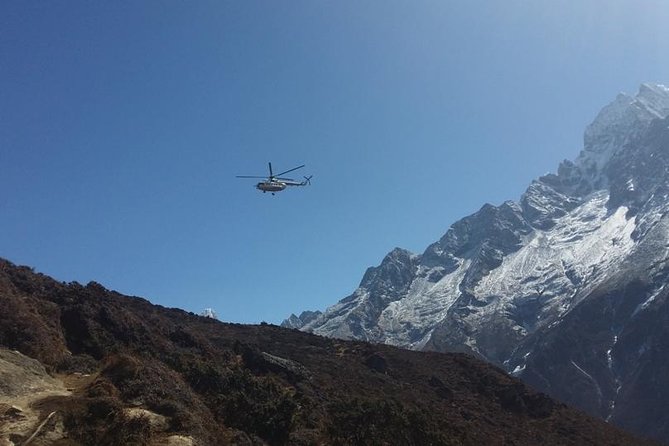
Your trek starts with early access to the right place. Meeting point is Tribhuvan Airport in Kathmandu, with a 5:15 am start time. That early meetup matters because the Lukla flight and first walking day are unforgiving if you’re even slightly behind schedule.
Included airport pickup and drop are also a big quality-of-life factor. The package includes private vehicle pickup/drop for international flights and again for domestic flights. Translation: you’re less likely to waste time figuring out connections, and more likely to show up rested enough to handle that first day.
On the last day, after you fly back to Kathmandu from Lukla, you’ll refresh and then have time to explore Thamel—which is where a lot of trekkers end up because it’s practical for gear, snacks, and last-minute purchases.
Lukla Fly-In and Phakding: Day One Sets Your Pace
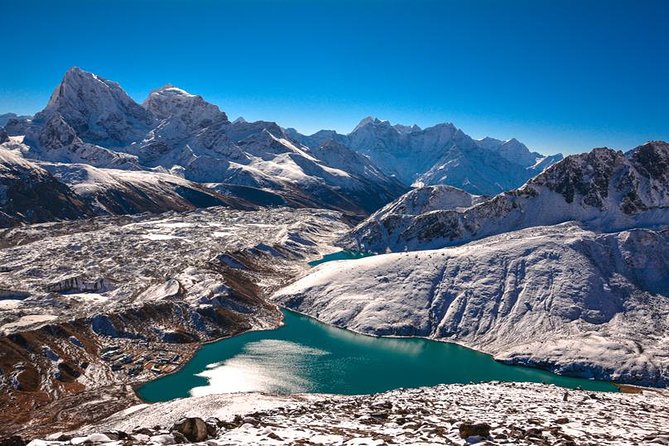
Day 1 is a short trek after a flight that most people remember for a long time. You fly about 25 minutes from Kathmandu to Lukla, then trek to Phakding for around 3 hours. The altitude starts around 2,650 meters in Phakding, which is high enough to feel it but not yet punishing.
This day is about getting your rhythm: walking past forests and Buddhist monasteries, plus river views. If weather is clear, you may catch a glimpse of Kanguru Peak (6,367 meters), which is the kind of moment that makes you realize you’re not just trekking—you’re moving through real high-mountain terrain.
The drawback to note: the Lukla flight can feel nerve-racking, and it’s still weather-dependent. If you’re anxious about flying, plan to treat this day as a mental warm-up, not just a transportation step.


Namche Bazaar: Acclimatization That Doesn’t Waste a Day
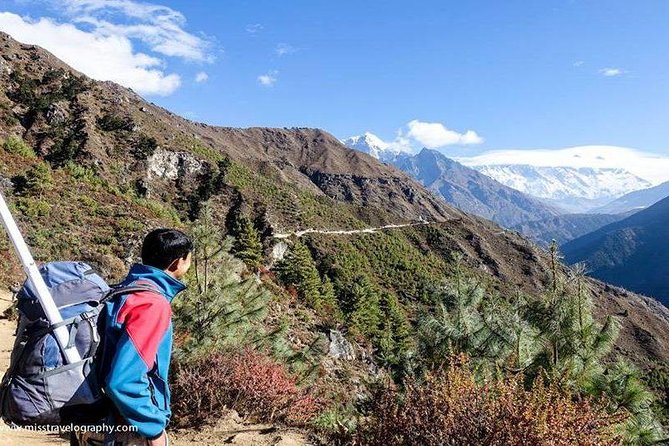
Day 2 takes you from Phakding to Namche Bazaar in about 6 hours, arriving around 3,440 meters. Along the way, you’ll pass rivers, waterfalls, and villages—and the route includes breaks like lunch at Monje or Jorsalle depending on the exact path.
Namche Bazaar is also the day’s quiet reward: it’s a place where you can think and breathe. The trek hits a higher altitude, then you land in a hub town where you can adjust rather than push harder immediately.
Day 3 is your dedicated acclimatization day. Instead of rushing, you explore Namche Bazaar and nearby viewpoints, including options such as Everest View Point and the surrounding peak areas listed in the route plan. You can also shop for souvenirs and visit the Sagarmatha National Park museum, which adds context to what you’re walking through.
For me, that acclimatization day is one of the most valuable parts of this plan. It keeps you from doing what so many trekkers accidentally do: climb too fast because the schedule feels tight.
Tengboche to Dingboche: Monasteries and the Slow Switch to Thin Air
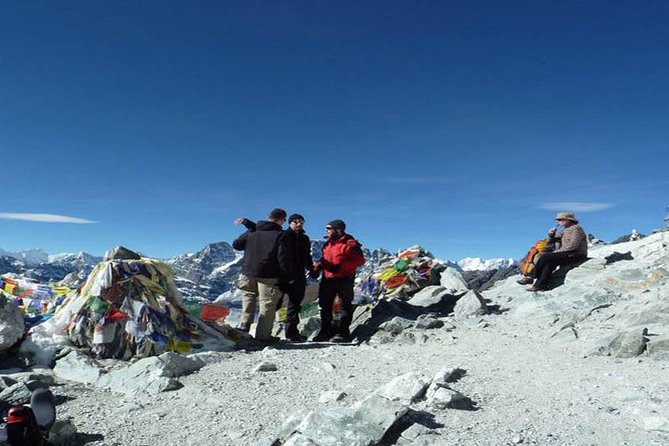
On Day 4, you go from Namche Bazaar to Tengboche in about 5 hours, reaching around 3,860 meters. The trek includes crossing rhododendron forest and river edges, then finishing with the highlight of the region: Tengboche monastery. Visiting there is more than scenery; it’s one of those pauses where the culture of the Khumbu region feels close and alive.
The climb from Namche to Tengboche is not the steepest part of the whole trip, but it’s meaningful because it keeps nudging altitude upward. You’ll likely notice your breathing speed even if your legs feel okay.
Day 5 takes you onward to Dingboche (around 4,400 meters) in about 5 hours, with lunch stops around Pangboche or Somare depending on the route. This is where high-altitude living becomes more obvious: the air feels sharper, and each stop matters more.
A practical consideration: this is also where you want to keep your pace controlled. Going too fast early makes later days harder, even if you don’t feel it right away.
Lobuche, Gorakshep, and Everest Base Camp: A Glacier-View Stretch
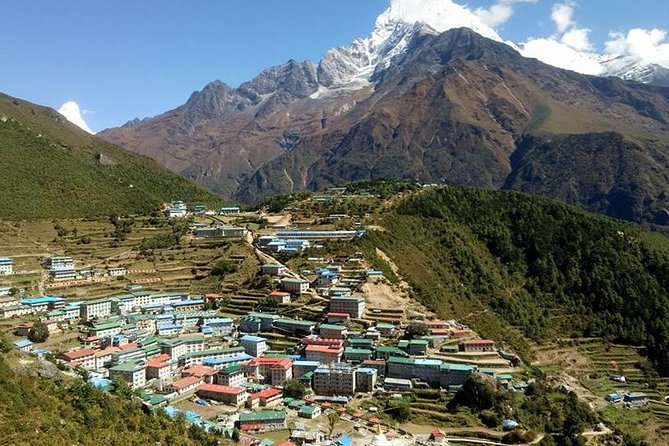
Day 6 goes from Dingboche to Lobuche in about 5 hours, reaching around 4,910 meters. This section is famous for keeping the mountain drama close by—on clear days, you’ll see peaks like Nuptse, Island Peak, and Lobuche peak mentioned in the route plan.
On Day 7, you trek from Lobuche to Gorakshep in about 3.5 hours to reach roughly 5,150 meters. Then it’s the big move: lunch at Gorakshep, followed by a hike onward to Everest Base Camp around 5,364 meters, with the route described as passing through a small glacier and a lake area before reaching the base camp.
One specific detail I’d highlight: you also get views of the Khumbu glacier, described here as the biggest glacier in Nepal. That matters because it changes your sense of scale. You stop thinking of Everest as a single peak and start realizing it’s an entire system of ice, ridges, and weather.
If you’re trying to take photos, plan for real effort. It’s not just walking to a viewpoint; it’s climbing into thin air, then moving again.
Kala Patthar: Why This Early Hike Feels Like Paying Back the Work
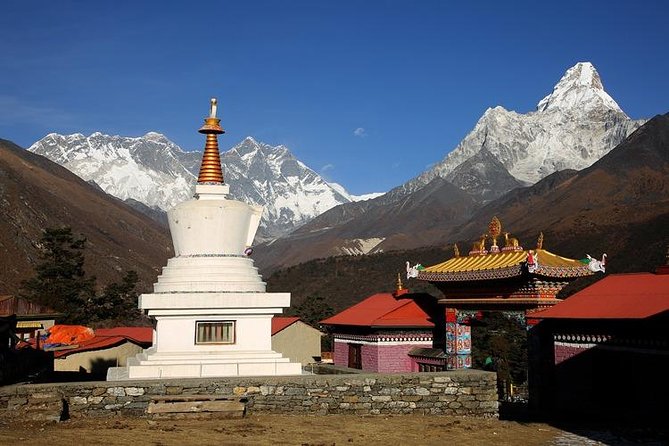
Day 8 is built around Kala Patthar. You hike very early, then climb up for about 3 hours to reach the viewpoint and take in the exceptionally exquisite Everest panorama described in the plan. After that, you come back down toward Lobuche, around a 2.5-hour trek.
This day often becomes the emotional high point for people, and for good reason. You’ve already earned the altitude, and you’re rewarded with a wider, more dramatic Everest view than most places.
But here’s the honest consideration: it’s early and it’s cold, and your body may feel slower than it did in Namche. The best way to handle it is pacing and patience. Even if you’re used to hiking, treat Kala Patthar like a climb, not a sprint.
The Descent Through Tengboche, Monjo, and Back to Lukla
Days 9 through 11 focus on getting you safely down while keeping the route interesting.
Day 9 brings you back from Lobuche to Tengboche in about 5.5 hours. The plan notes lunch stops at places like Pangboche and Deboche, plus monasteries, stupas, bridges, and river crossings. A descent can feel easier in your legs, but it’s still work—especially on knees and ankles if you push too fast.
Day 10 takes you from Tengboche to Manjo via Namche Bazaar, around 6 hours total. This includes lunch in Namche and walking through Jorsalle village. You’ll feel a bit more human again at lower altitudes, and it helps mentally to connect with the rhythm you had on earlier days.
Day 11 is the big “almost done” moment: Manjo back to Lukla in about 5 hours. The plan includes a walk over the Dudh Koshi suspension bridge, plus walking alongside a drive for a few hours. That bridge detail matters because it’s one of those “you’re back in the real world” reminders that turns the trek into a journey you lived, not just climbed.
Tea Houses, Meals, and Hot Soup: The Comfort Layer That Keeps You Moving
This trek uses tea house accommodation rather than camping. That’s a practical choice for most travelers because it reduces the gear load and gives you predictable routines for sleeping and eating.
Meals are included three times each day during the trek, and you’ll also get hot soup in high places. In thin air, warm drinks matter. They help you keep moving when you’d rather curl up and wait for spring.
What’s not included is just as useful to know:
- Hot shower is listed as a personal expense.
- Battery charging is a personal expense.
- Water and other personal items cost extra.
For your packing decisions, treat charging and water as your budgeting reality, not as surprises.
Guides and Porters: Support You’ll Notice More Than You Think
You get a professional guide for trek and sightseeing, and you also have porter support at a clear ratio: 2 trekkers : 1 porter. Porters aren’t just about moving bags; they reduce fatigue so you can focus on altitude management and steady steps.
The package also includes insurance for the guide and porters, plus government and local taxes. You’re not guessing which parts of the operation are covered.
On top of that, there’s an escort element on the final day. After your flight back to Kathmandu, someone from the local operator will escort you to a hotel by private car. That’s the sort of small operational detail that prevents last-day stress.
And as for the human factor: past feedback tied to this company highlighted named guides like Ajay for staying on top of a daughter and parent’s needs, and Jangbu for being supportive and present on a tough trek. You can’t guarantee names match your guide, but it does give you a clue about the kind of guiding style people value here: hands-on, calm, and attentive.
Who Should Book This Everest Base Camp Trek
This plan is described as suitable for moderate physical fitness. That doesn’t mean easy. It means the route and pacing are set up for walkers who can handle multi-hour days with altitude.
It’s also a strong fit if you want a classic Everest Base Camp experience with:
- planned acclimatization at Namche Bazaar
- a dedicated big-view day at Kala Patthar
- tea-house comfort instead of camping
- private group participation so you’re not squeezed by a huge crowd
Who might think twice: anyone who struggles with early mornings, flying anxiety (Lukla), or who has not trained for sustained uphill trekking at altitude. Also, since travel and rescue insurance for clients is not included, you’ll need to arrange your own coverage before you go.
Should You Book with Himalayan Holyland Treks and Expedition?
If you want Everest Base Camp with good structure—airport transfers, a professional guide, porter support, tea-house lodging, included meals, and a plan built around Kala Patthar and acclimatization—this is a solid option to consider. The price feels most justified when you value stress reduction: you don’t want to manage every small logistics decision while your body is adjusting to the heights.
I’d book if you’re comfortable committing to early starts and you’re ready for altitude realities. I’d pause and compare if you’re hoping to DIY everything, you’re very sensitive to flying days, or you’re trying to keep costs ultra-low by skipping the included comfort layer.
FAQ
How long is the Everest Base Camp Trek on this plan?
The trek is about 12 days, including flights between Kathmandu and Lukla and a final day back to Kathmandu.
Where do I meet the group in Kathmandu?
You meet at Tribhuvan Airport in Kathmandu, with a start time of 5:15 am.
How is transport handled for flights?
You get airport pickup and drop in a private vehicle for both international flights and domestic flights, plus transportation as per the route plan.
What happens on Day 1?
You fly from Kathmandu to Lukla (about 25 minutes), then trek about 3 hours to Phakding (around 2,650 meters).
Do I get an acclimatization day?
Yes. Day 3 is an acclimatization day in Namche Bazaar, with time to explore and adjust to the altitude.
Where is the best Everest viewpoint in this trek?
Kala Patthar is the main viewpoint in this plan, and you hike very early on Day 8 to reach it.
What kind of lodging do you use during the trek?
You stay in tea houses during the trek.
Are meals included?
Yes. You get three meals per trek day, plus hot soup in higher places, and there is a farewell dinner in Kathmandu.
What is not included in the $2,500 price?
Not included are Nepal visa, international flights to and from Kathmandu, travel and rescue insurance of clients, personal expenses like hot shower and battery charging, and tips for your guide and porters.
Is there cancellation flexibility?
Yes. You can cancel up to 24 hours in advance for a full refund. If you cancel less than 24 hours before the experience starts, the amount paid is not refunded.
More Trekking Out of Kathmandu






More Tour Reviews in Kathmandu




Just Reviewed in Kathmandu
- Mountain Bike Tour
★ 5.0 · 3 reviews - Annapurna Panaroma
★ 5.0 · 3 reviews - Mount Everest Scenic Flight 50 Minutes
★ 5.0 · 3 reviews - Kathmandu : Swambhunath & Durbar Square Guided Half Day Tour
★ 3.3 · 3 reviews - Chandragiri Cable Car & Monkey Temple Tour – Private/Group
★ 5.0 · 3 reviews - Kathmandu: Shivapuri National Park Hiking Day Trip
★ 3.3 · 3 reviews
Everest Base Camp Treks, compared.
 ★ 5.0Everest Base Camp Trek – 14 DaysFrom $1,8001,499 reviews
 ★ 5.0Everest Base Camp TrekFrom $1,790842 reviews
 ★ 5.0Everest Base Camp TrekkingFrom $1,350485 reviews
 ★ 5.0Everest Base Camp Trekking – 13 DayFrom $1,399365 reviews
★ 5.0Everest Base Camp TrekFrom $1,445350 reviews
★ 5.0Everest Base Camp Trek -14 DaysFrom $1,420321 reviews
 ★ 5.012 Days Everest Base Camp TrekFrom $1,099289 reviews
 ★ 5.0Everest Base Camp Trekking – 2025/2026From $1,339199 reviews
Browse the lists this tour appears in