
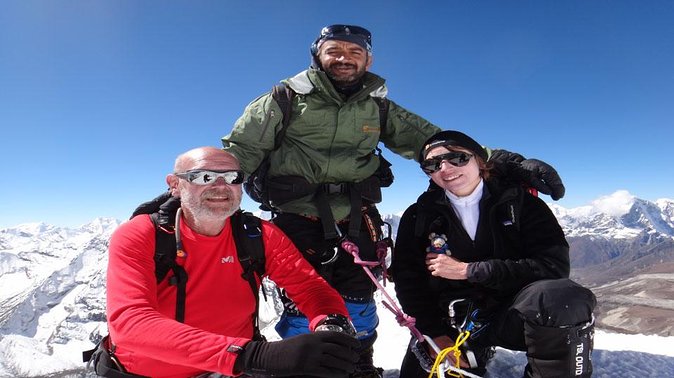
Review · EVEREST BASE CAMP TREKS
Everest Base Camp Trek
Everest begins with a bumpy little flight. This 13-day Everest Base Camp trek has a classic build-up: Kathmandu pre-trip calm, an early Lukla hop, and then steady altitude work. I love the English-speaking guide support and the acclimatization days that help your body handle the thin air; I also like the strong safety focus that comes from having experienced Sherpa-style guidance and a porter setup. The main thing to consider is that weather and altitude can still slow your pace, and the “cold and basic” reality ramps up fast once you climb.
You’ll move through rhododendron forests, Namche Bazaar’s bustle, and high passes to reach Everest Base Camp—then do the extra climb effort that makes the views really land. It’s a private experience, so you and your group keep control of your schedule instead of getting swallowed by a big crowd. Just go in knowing you’ll need to plan for extra costs on top of the tour price, especially for room nights and permits.
In This Review
- Key points to know before you trek
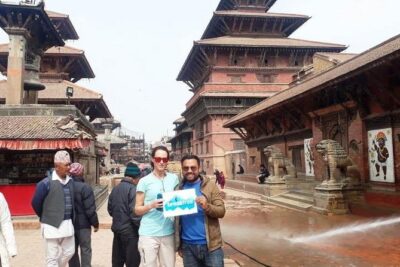
- Kathmandu in Thamel: your easy start (and Durbar Square if you’re still standing)
- Day 2’s Lukla flight: the short ride that changes everything
- Phakding to Namche: Dudh Koshi river country and Sagarmatha National Park entry
- Acclimatization Day in Namche: why this pause is not optional
- Tengboche day: rhododendron climbs, wildlife sightings, and big mountain framing
- Dingboche: your second acclimatization stop (Nagarkshang hill included)
- Lobuche and the approach to EBC: when your world gets colder
- Everest Base Camp day: the dream moment, plus Gorakshep timing
- Kalapatthar early morning: folded by mountains, then back down to Pheriche
- The Lukla return and the final finish in Kathmandu
- Price and what you truly get for $1,800 per person
- Guides, porters, and the small details that keep you calm
- What to pack (and what to think about once it gets cold)
- Who this trek suits best (and who should rethink)
- Should you book Adventure White Mountain’s Everest Base Camp trek?
- FAQ
- How long is the Everest Base Camp trek?
- Where does the tour start?
- Do I fly to Lukla, or do I drive?
- What trekking support is included?
- Are meals included?
- What costs are not included besides the $1,800 price?
- What group size is this tour?
- What fitness level do I need?
- What happens if weather is bad?
- What is the cancellation window?
Key points to know before you trek
- Lukla flight adds excitement and time savings: the 30-minute hop gets you into the real trekking world fast.
- Acclimatization is built in twice: rest in Namche, then another adjustment day in Dingboche.
- Guide + porter support is structured: English-speaking guidance with a porter for two trekkers helps keep you moving.
- You’ll hit the high-view moments: Kalapatthar is scheduled early in the EBC return phase.
- Meals are mostly covered, but drinks and extras aren’t: budget for hot showers, battery charging, and Wi-Fi fees.
- Strong reputation for organization: many past trekkers mention smooth handling from pickup to drop-off and responsive communication.
More trails out of Kathmandu, boots ready
- Everest Base Camp Trek – 14 Days★ 5.0 · 1,499 reviews
- Everest Base Camp Trek★ 5.0 · 842 reviews
- Everest Base Camp Trekking★ 5.0 · 485 reviews
- Nagarkot Sunrise View and Day Hiking from Kathmandu★ 5.0 · 471 reviews
Kathmandu in Thamel: your easy start (and Durbar Square if you’re still standing)
Your trek begins in Thamel, with a representative meeting you after you arrive and transferring you to the hotel. If your flight leaves you with energy, Thamel is an easy place to stretch your legs, grab small snacks, and get your bearings.
From there, Kathmandu Durbar Square is close enough to tack on if you feel up to it. It’s not a long time commitment, and it’s a nice way to balance the heavy mountain days ahead with something cultural and walkable.
Practical note: plan to keep the day light. You’re not trying to “do Kathmandu” in one go; you’re trying to arrive rested enough for an early airport run the next morning.
Day 2’s Lukla flight: the short ride that changes everything
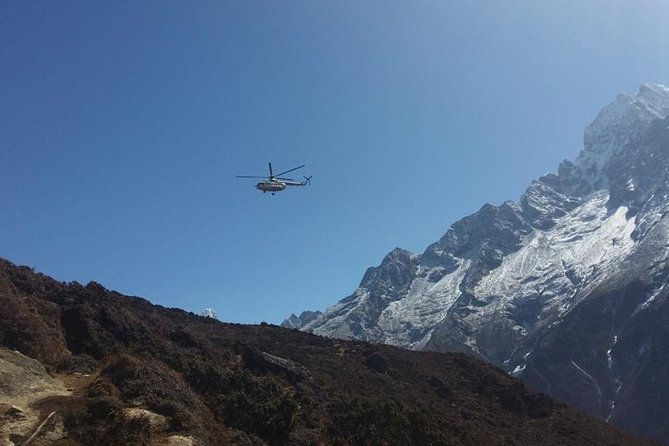
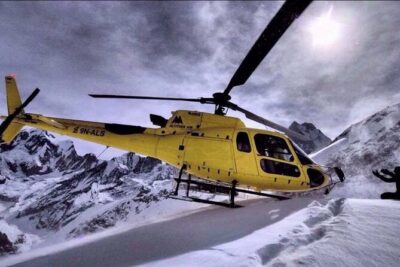
On trek day two, you head to Tribhuvan Domestic Airport in the dawn hours to fly to Lukla. The flight is about 30 minutes—short on paper, but it’s also the point where Nepal’s terrain suddenly looks serious.
After landing, the trek starts right away toward Phakding. The guide usually gives a trip recap at the start, and you’ll travel with your porter. The vibe here is simple: start walking, let the altitude be slow, and enjoy that transition from city life to river-valley trekking.
Why I like this setup: you’re not just traveling—you’re already calibrating your rhythm. That matters because you’ll be walking much longer days later.
Phakding to Namche: Dudh Koshi river country and Sagarmatha National Park entry
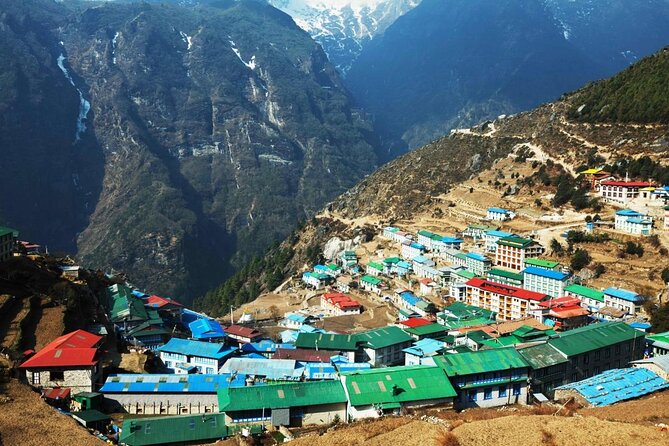
From Phakding, you trek toward Namche Bazaar along the Dudh Koshi route, crossing rhododendron and pine forests. You also pass through Monjo, which serves as the entrance to Sagarmatha National Park—so this isn’t just scenic walking; it’s the start of the protected Everest region.
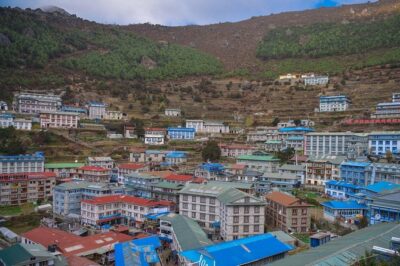
Namche Bazaar is where the trail starts to feel like a real hub. You get a chance to see locals, trade goods, and get a sense of what life looks like in the high Khumbu. It’s also a useful mental shift: you’ll go from “forest trail” to “mountain town with services.”
One realistic consideration: Namche is busy compared to the villages higher up. If you’re sensitive to crowds or noise, plan to spend your time intentionally—walk around, eat, and then retreat when you can.
Acclimatization Day in Namche: why this pause is not optional
Day four is a rest and acclimatization day. The reason is pretty straightforward: Namche helps you adjust your body temperature and breathing so you’re less likely to get sick later.
You’ll still walk and explore instead of staying totally quiet. That’s a smart compromise because staying completely still at altitude can feel worse than gentle movement. You’ll also visit Sagarmatha National Park, tying the cultural and nature side together.
If you want to maximize your odds of feeling good later, treat this day like training, not vacation. Hydrate, eat simply, move at an easy pace, and avoid the urge to “test yourself.”
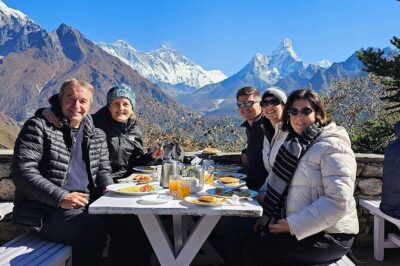
Tengboche day: rhododendron climbs, wildlife sightings, and big mountain framing
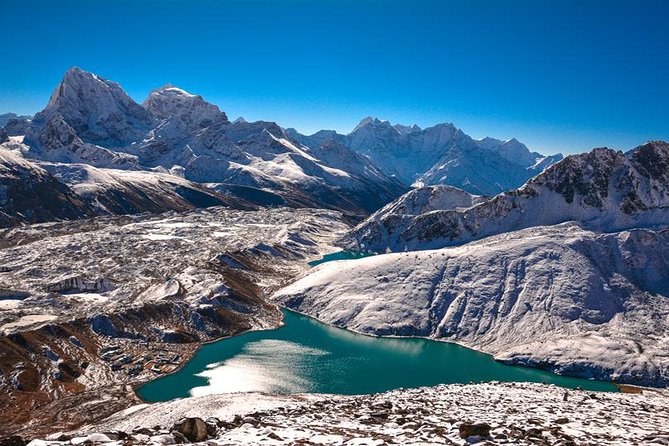
Day five ramps up. You climb above the Dudh Koshi River and shift into an area where the trail funnels you toward Tengboche, with views of other Himalayan ridges.
You’ll move through green forests, and you may spot wildlife such as the Danfe, which is mentioned as common in the region. The walk includes both climbing and a later descent toward Phunkitenga for lunch, before you head up again.
Why this day matters: it’s the first “proper” high-country rhythm you’ll feel. You’re building leg strength while also learning how to pace yourself when your lungs start to work harder.
Dingboche: your second acclimatization stop (Nagarkshang hill included)
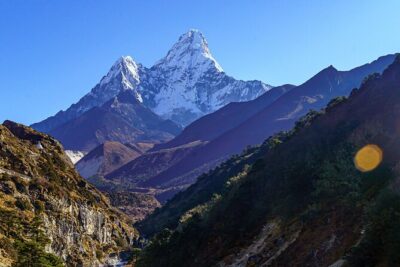
On day six, you continue toward Dingboche, passing through rhododendron forests and the cool environment typical of higher elevations. The route includes views of white peaks and a generally dramatic atmosphere.
Day seven is another acclimatization day in Dingboche. You’ll explore the village and climb up to Nagarkshang hill, then return to the lodge. That hill push is a great example of controlled effort: you get altitude exposure without the commitment of a full “push day” to even higher elevations.
If you do this well, you’ll feel the difference later on. Skipping it or rushing it usually comes back to haunt people.
Lobuche and the approach to EBC: when your world gets colder
Day eight moves you toward Douglas, then toward Khumbu Glacier, with stops that bring you to Lobuche. This is where the itinerary starts to feel more extreme—not just higher, but colder. Lobuche is described as very cold, and that’s the kind of heads-up you should take seriously.
The days you’re closest to Everest Base Camp often come with less forgiveness in terms of warmth. Even if the weather is okay, your body will still pay attention to temperature once you’re up here.
So I’d treat warm layers like they matter for your mood, not just comfort. If you stay comfortable, you enjoy the sights more and stop rushing.
Everest Base Camp day: the dream moment, plus Gorakshep timing
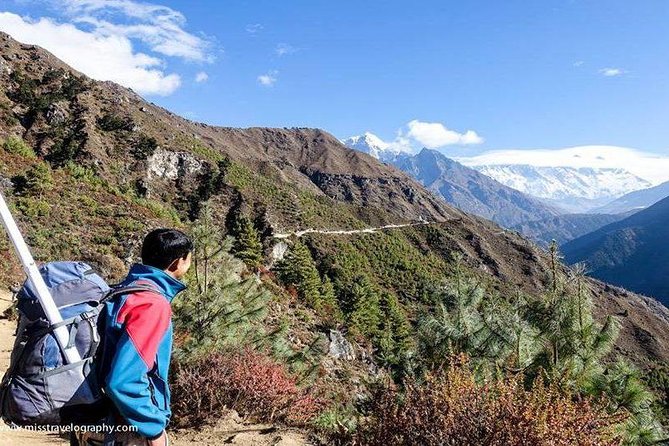
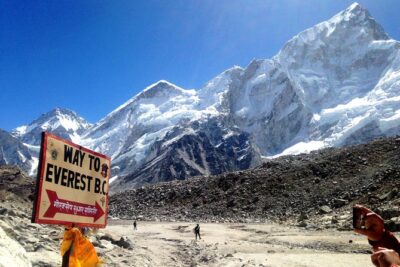
Day nine is the EBC day. You’ll trek further toward Everest Base Camp, described as the preparation ground for mountaineers attempting Everest (8,848 meters). At some point, you’ll stop caring about the steps and just take in the reality of being there.
The schedule then continues toward Gorakshep, where you spend the night. Gorakshep is a “get-ready” kind of stop: it’s not about relaxing. It’s about being positioned for your early next-day move.
I like how the day is structured: you get the Base Camp payoff, and you don’t waste time. This reduces the odds of you feeling dragged out or underprepared for the next climb effort.
Kalapatthar early morning: folded by mountains, then back down to Pheriche
Day ten starts early with a trek to Kalapatthar. This is where you’re surrounded by mountains everywhere. It’s a long enough day to feel like work, but it’s also planned so you’re climbing while the conditions are best.
After reaching Pheriche for a break, you spend the night there. On these upper days, even “short” walks feel bigger than you expect, because your body uses more effort at altitude.
Then day eleven turns your return into another highlight: you head back toward Tengboche for a couple hours of exploring before arriving at Namche Bazaar again for the night.
The Lukla return and the final finish in Kathmandu
Day twelve is a longer travel day. You trek toward Lukla Bazaar, and the landscapes can make the walking feel easier than you expect. You’ll halt in Lukla before the final flight.
Day thirteen takes you back to Kathmandu by flying from Lukla. The air journey is about half an hour, and you’ll get a chance to enjoy Kathmandu for a bit afterward. A farewell dinner is offered by Adventure White Mountain after successfully completing the trip.
This ending matters more than people think. Getting back to Kathmandu and having a clear finish makes the whole thing feel complete, not like you got dropped off mid-story.
Price and what you truly get for $1,800 per person
At $1,800 per person, this trek is priced as a full package focused on planning, support, and key logistics—not as a luxury stay in the mountains.
What’s included (from the tour details) is the big backbone:
- Professional English-speaking trekking guide and a porter for two trekkers
- Both-way flights between Kathmandu and Lukla (including a sharing vehicle)
- Most meals: breakfast (12), lunch (11), dinner (11)
What’s not included is where many people get surprised:
- Drinks (all kinds)
- Hot shower fee, battery charge, and Wi-Fi tips for guide and porter
- Personal equipment (jacket, trousers, gloves, hat, etc.)
- Accommodation during the trip and National Park permit fees
Value takeaway: you’re paying for the moving parts that reduce risk and stress—guidance, flights, and planned food. But you still need to budget for mountain room nights and the permit paperwork, plus small-but-real “pay as you go” tech and warmth costs.
If you like clear structure and you don’t want to micromanage logistics in Nepal, the package makes sense.
Guides, porters, and the small details that keep you calm
One of the most praised parts of this operator is how responsive the Kathmandu-side contact feels. People mention quick, helpful communication with Dipak Sapkota and Rishi, and also credit team members by name such as Deepak and Rishi for smoothing things out from arrival to departure.
On-trail, the recurring theme is practical care: guide patience and porter help that makes the route feel doable. Past trek descriptions call out guides like Sambhu and Mr. Dilli (also written as Baba Dili), and that kind of consistency matters because Everest region trekking punishes sloppy pacing.
Also, there’s a mention of last-minute flight rebooking to reduce time trapped in Lukla. You shouldn’t count on miracles, but it’s a sign the team pays attention to connections when schedules get tight.
If you want the best experience, lean into their routines: follow the guide’s pacing, ask questions early, and don’t try to “beat the plan” because your body feels good on day two.
What to pack (and what to think about once it gets cold)
The tour covers meals and core support, but you’re responsible for personal gear. Since the itinerary explicitly includes very cold conditions at places like Lobuche, I’d pack for cold first, fashion second.
From the tour info, personal equipment includes things like:
- Jacket and trousers
- Gloves and hat
For warmth and safety, it’s also smart to bring layers you can adjust on steep sections versus windy ridgelines. If you’re underprepared for cold hands and ears, you’ll feel it in every photo moment.
Finally, remember the small extras: hot showers, battery charging, and Wi-Fi access can have fees. Bring a power strategy so you’re not panicking with low battery when you want to send updates.
Who this trek suits best (and who should rethink)
This is described as suitable for travelers with moderate physical fitness. You should feel comfortable walking daily for many hours, including uphill sections and altitude days that ask you to keep effort steady.
It’s also private, meaning it fits people who don’t want to share their schedule with strangers. If you prefer predictability, a private guide-and-porter setup can feel calmer.
Who might reconsider: if you’re very sensitive to cold, or you get easily overwhelmed by weather changes. Even with good planning, Everest region days can shift, and you need patience more than heroism.
Should you book Adventure White Mountain’s Everest Base Camp trek?
If you want a classic Everest Base Camp route with built-in acclimatization, and you value English-speaking guidance plus a porter system, this is a strong match. The high satisfaction signals—strong ratings and a 100% recommendation summary—also line up with what matters most on a hard trek: being taken care of from arrival to return.
My call: book if you’re ready for basic mountain lodging costs (not included), you’ll pack for real cold, and you can accept that weather can affect how days feel. If you’re looking for everything fully included end-to-end with luxury comforts, you’ll likely want a different style of package.
FAQ
How long is the Everest Base Camp trek?
It’s about 13 days.
Where does the tour start?
You’ll start from Kathmandu, with the meeting point in Thamel and a start time of 7:15 am.
Do I fly to Lukla, or do I drive?
You fly both ways between Kathmandu and Lukla. The flight time is about 30 minutes one way, and the day you return is about half an hour.
What trekking support is included?
The tour includes a professional English-speaking trekking guide and one porter for two trekkers.
Are meals included?
Yes. Breakfast is included for 12 days, and lunch and dinner are included for 11 days. Drinks are not included.
What costs are not included besides the $1,800 price?
National Park permit fees, accommodation during the trip, hot shower fees, battery charging, Wi-Fi-related tips, and personal equipment are not included.
What group size is this tour?
It’s a private tour/activity, so only your group participates.
What fitness level do I need?
The information says you should have moderate physical fitness.
What happens if weather is bad?
This experience requires good weather. If it’s canceled due to poor weather, you’ll be offered a different date or a full refund.
What is the cancellation window?
Free cancellation is available up to 24 hours in advance for a full refund. Within 24 hours, no refund is listed.
More Trekking Out of Kathmandu
More Tour Reviews in Kathmandu
Just Reviewed in Kathmandu
- Mountain Bike Tour
★ 5.0 · 3 reviews - Annapurna Panaroma
★ 5.0 · 3 reviews - Mount Everest Scenic Flight 50 Minutes
★ 5.0 · 3 reviews - Kathmandu : Swambhunath & Durbar Square Guided Half Day Tour
★ 3.3 · 3 reviews - Chandragiri Cable Car & Monkey Temple Tour – Private/Group
★ 5.0 · 3 reviews - Kathmandu: Shivapuri National Park Hiking Day Trip
★ 3.3 · 3 reviews
Everest Base Camp Treks, compared.
 ★ 5.0Everest Base Camp Trek – 14 DaysFrom $1,8001,499 reviews
 ★ 5.0Everest Base Camp TrekFrom $1,790842 reviews
 ★ 5.0Everest Base Camp TrekkingFrom $1,350485 reviews
 ★ 5.0Everest Base Camp Trekking – 13 DayFrom $1,399365 reviews
★ 5.0Everest Base Camp TrekFrom $1,445350 reviews
★ 5.0Everest Base Camp Trek -14 DaysFrom $1,420321 reviews
★ 5.0Everest Base Camp Trekking – 13 DayFrom $1,399365 reviews
★ 5.0Everest Base Camp TrekFrom $1,445350 reviews
★ 5.0Everest Base Camp Trek -14 DaysFrom $1,420321 reviews
 ★ 5.012 Days Everest Base Camp TrekFrom $1,099289 reviews
 ★ 5.0Everest Base Camp Trekking – 2025/2026From $1,339199 reviews
Browse the lists this tour appears in