
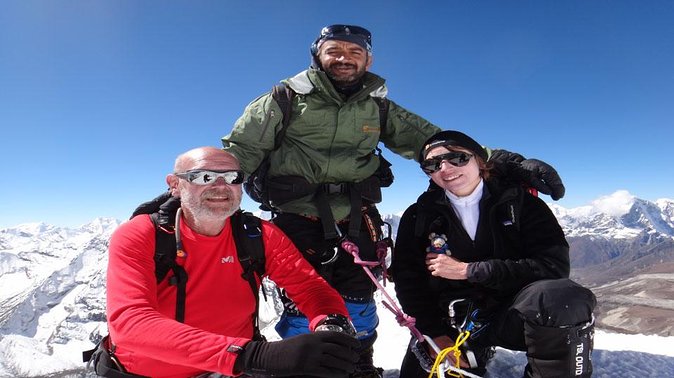
Review · EVEREST BASE CAMP TREKS
Everest Base Camp Trek
Everest starts with a flight to Lukla. What makes this one stand out is how it pairs Lukla flights with altitude-friendly acclimatization and Sherpa-area stops, all run by a licensed team from Kathmandu. You also get a lot of the “big stuff” handled up front, which makes the whole plan feel less stressful.
I love that the package includes gear you don’t have to haul (sleeping bag, down jacket, duffel bag) and keeps you moving with a sensible day-by-day structure. If you book, just know the main drawback is weather and insurance: the trek requires good conditions, and the emergency helicopter arrangement depends on your travel insurance paying the bill.
In This Review
- Key highlights to know before you go
- Two Weeks on the Everest Route: what you’re really buying
- Kathmandu arrival: your first taste of “this is real”
- Lukla to Phakding to Namche: the altitude lesson that starts early
- Namche and Tengboche: monasteries, viewpoints, and cold mornings
- Dingboche acclimatization: the day that can make or break your stamina
- Khumbu Glacier and the memorial stones: the emotional pivot
- Gorak Shep and Everest Base Camp: the goal, but not the end of effort
- Pangboche and the yeti legend: culture on the way back down
- Returning to Lukla, then Kathmandu: the wrap-up that’s actually useful
- Gear, meals, and small comfort wins that add up
- Price and logistics: what $1,799.27 covers (and what it doesn’t)
- Practical travel tips I’d follow on this trek
- Who should book this Everest Base Camp trek?
- Should you book this Everest Base Camp tour?
- FAQ
- What does the tour include for domestic flights?
- Are trekking permits and park fees included?
- What gear is provided for the trek?
- Are meals included during the trek?
- Is a hotel in Kathmandu included?
- Do I need travel and rescue insurance?
- Is there airport pickup and drop-off?
- Is this a private tour?
- What happens if the experience is canceled due to poor weather?
Key highlights to know before you go
- Included flights KTM–Lukla–KTM so you’re not stuck figuring out logistics mid-trip
- Buddhi, Pawan, Anjan-style guiding: supportive pace, solid cultural context, calm help when it gets tough
- Acclimatization built into the route (Namche, Dingboche) so you gain altitude smarter
- Kalapatthar early start for a big “sun meets snow” view moment
- Monastery stops along the way (Tengboche, Pangboche) for real local texture
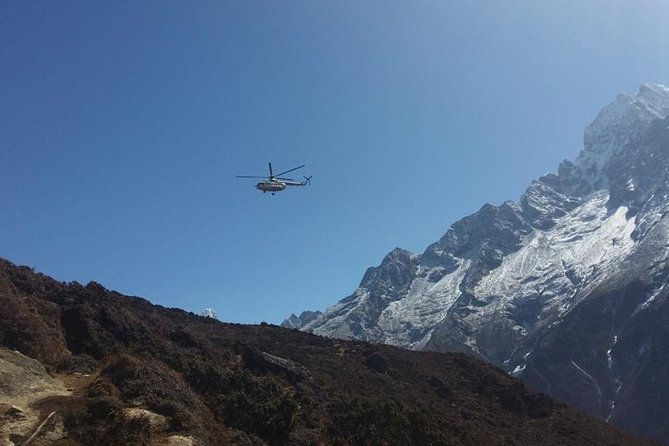
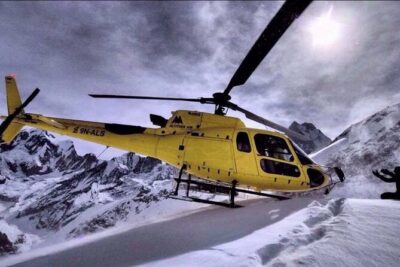
- Emergency helicopter arranged through insurance if things go wrong high on the route
More trails out of Kathmandu, boots ready
- Everest Base Camp Trek – 14 Days★ 5.0 · 1,499 reviews
- Everest Base Camp Trek★ 5.0 · 842 reviews
- Everest Base Camp Trekking★ 5.0 · 485 reviews
- Nagarkot Sunrise View and Day Hiking from Kathmandu★ 5.0 · 471 reviews
Two Weeks on the Everest Route: what you’re really buying
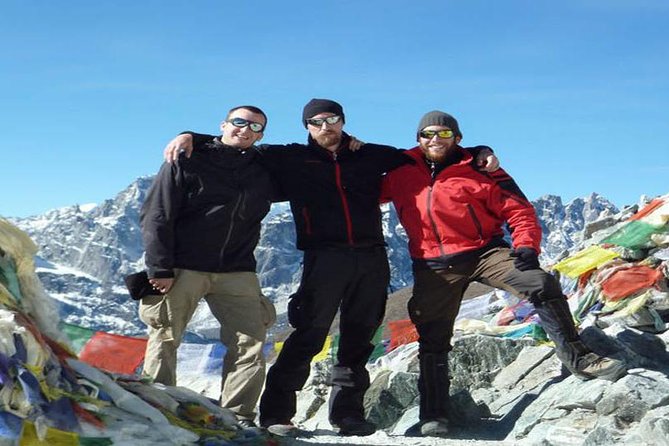
This Everest Base Camp trek is designed as a full 14-day experience: flight in, trekking days with rest and acclimatization, the high viewpoint push, then the walk back down and the return to Kathmandu. At $1,799.27 per person, it’s not cheap, but you’re paying for a lot of real costs that add up on the Everest route: domestic flights, permits, guides, trek accommodation, and most meals.
The best value here is the way the plan reduces decision fatigue. You’re not trying to stitch together guide services, permits, and “how do we get to that next village” problems while your body is busy adapting to altitude. The route is also paced with specific acclimatization days at Namche and Dingboche, which matters more than most people think when they’re planning Everest.
The vibe is also clearly built around support. In the feedback, people consistently praise guide care and organization, and you’ll see names like Buddhi and Pawan showing up with the same theme: stay positive, keep you informed, and help you through the hard parts. That style matters when you’re tired, cold, and your legs start bargaining with you.
Kathmandu arrival: your first taste of “this is real”
Day 1 starts in Kathmandu with pickup and a hotel arrangement, plus a dinner that helps you reset after travel. You’ll be met by a representative tied to the Nepal High Trek & Expedition team (people mentioned Anjan in this role), and that kind of first-day continuity is useful. It means you can focus on sleep, hydration, and mentally prepping for the flight day.
You’ll also want to treat Kathmandu as a gear-and-pace warm-up. Even with the included trek gear, you’ll still need to manage layers, sunscreen, and basic comfort items you’ll use every day. If you’re the type who forgets sunscreen, this trip will fix that habit fast—one piece of practical advice that comes up again and again is to use it every day, even when the air feels dry and you think you’re “fine.”
Day 2 is when you’ll shift gears hard: breakfast, transfer to the domestic terminal, and a morning flight toward Lukla. That first jump sets the tone—Everest doesn’t ease in with sightseeing. It starts with movement.
Lukla to Phakding to Namche: the altitude lesson that starts early
After landing in Lukla, the route begins with a trek toward Phakding, using suspension bridges and the Dudh Koshi River corridor. This stretch is a mix of work and payoff: you’re walking enough to feel like you’ve started, but you’re not instantly grinding the highest altitudes.
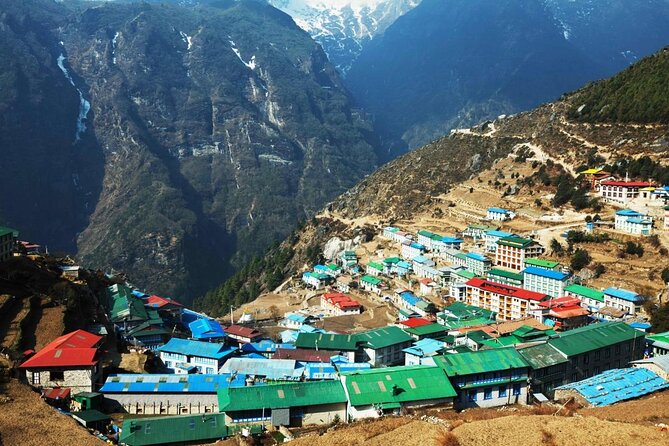
Then comes Namche Bazaar, the main hub where the trek turns more “lived-in.” You’ll gain elevation gradually, cross multiple bridges, and get your first big sense of the Everest region. Namche is also where you’ll do a day focused on exploring and getting your bearings—there are services like ATMs, banks, and internet cafés, which is a practical benefit if you need to handle money, connectivity, or last-minute basics.
I like this structure for you because it gives your brain a break from altitude math. You’re not only climbing; you’re also learning how the place works—where to buy small needs, how lodge life functions, and how to pace yourself without rushing.
Namche and Tengboche: monasteries, viewpoints, and cold mornings
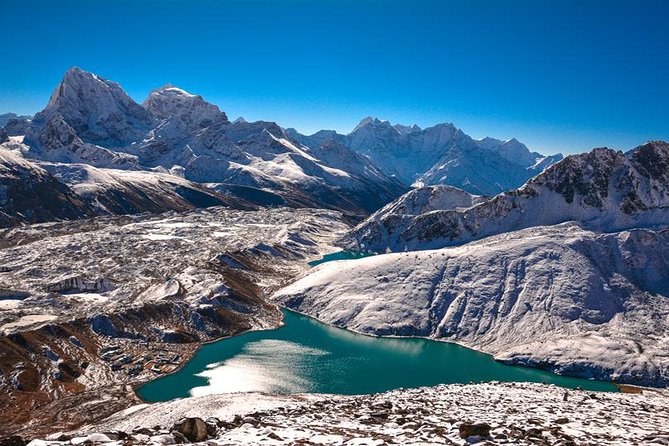
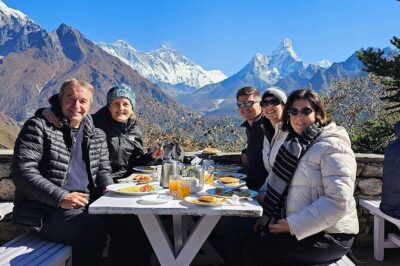
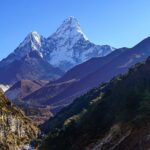
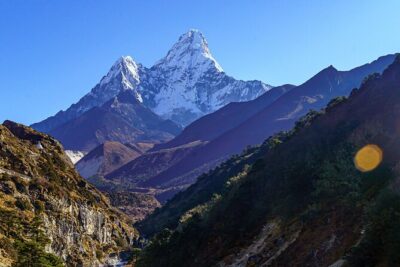
One day includes a deeper Namche buffer, and then you’ll head toward Tengboche Gompa. Early on this segment, the route is timed around views—plan for cold, clear air and long lines of sight toward peaks like Everest, Nuptse, Lhotse, and Ama Dablam. You’ll often hear the phrase “you’ll see Everest everywhere,” and the truth is: you’ll see it more clearly on days like this than you expect.
Tengboche isn’t just a photo stop. Monastery time gives you a different tempo—quiet buildings, different rhythms than village markets, and a feel for the spiritual side of the region. It also gives you a chance to slow down physically without skipping the day’s meaning.
There’s also a later day that revisits Tengboche in the early morning before continuing onward. If you like to think in “layers of experience” (views now, another angle later), this is set up well.
Dingboche acclimatization: the day that can make or break your stamina
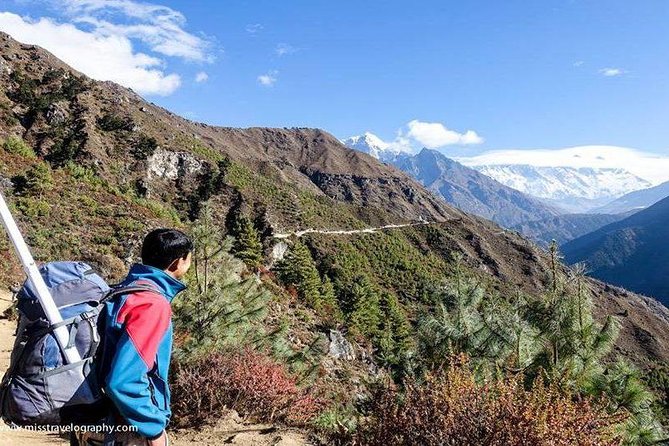
You’ll move from Tengboche toward Dingboche, including a viewpoint stop along the way. Dingboche is where acclimatization shifts from theory to survival strategy. One full day is built in as an acclimatization buffer, including a shorter hike through the Imja Khola valley toward Chhukung.
This kind of plan helps because you’re not just resting in place. You’re getting a controlled taste of higher altitude while still returning to sleep in the same area. It’s “work lightly today, recover tonight.” For your body, that matters.
In plain terms: this is where people who rush often pay for it later. If you keep a steady pace, follow your guide’s advice, and drink when you should, the rest of the trek usually feels more like progression and less like punishment.
Khumbu Glacier and the memorial stones: the emotional pivot
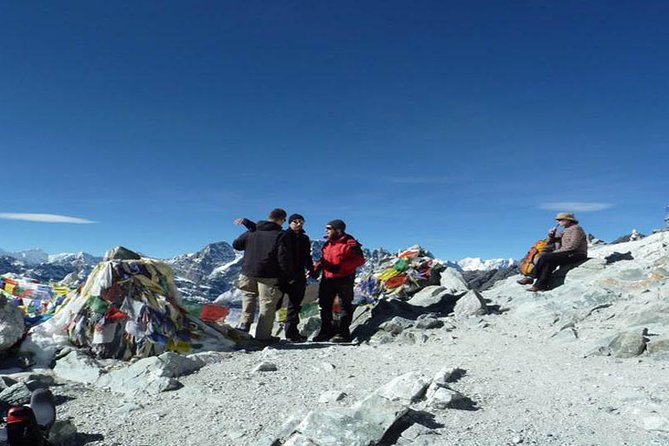
From Dingboche, the trek pushes onward toward the Khumbu Glacier area. This is a real turning point because the trail starts feeling more expedition-shaped—less “village to village,” more “this is a world of ice and history.”
The route includes passing stone memorials for climbers who have perished, which is heavy but important. You don’t need to force emotion, but it helps to be ready for it. It’s a reminder that you’re not just hiking a dramatic Pinterest backdrop—you’re walking into a place where people have risked everything.
You’ll continue climbing toward higher camps and then start positioning for the big push toward base camp. This segment can feel longer than expected because the air is thinner and every step asks for better breathing.
Gorak Shep and Everest Base Camp: the goal, but not the end of effort
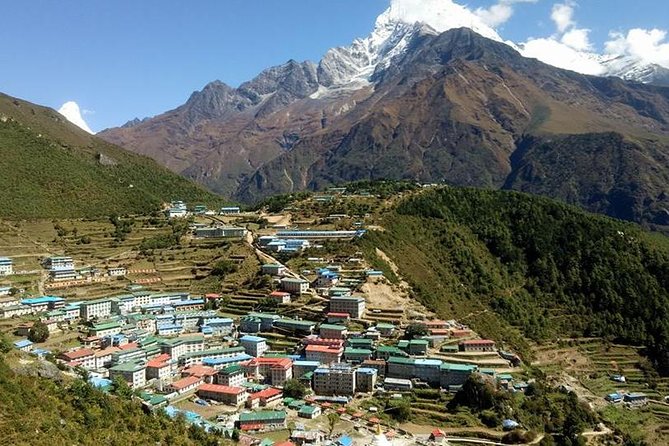
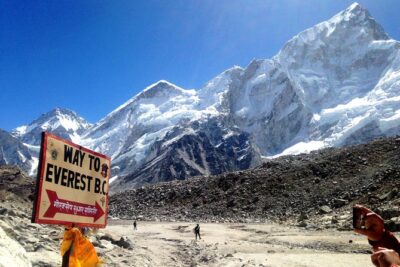
One day includes reaching Gorak Shep, a high camp area that acts like a launchpad for Everest Base Camp. From there, you’ll follow the trail that leads to Everest Base Camp itself. This is the moment many people come for, and it’s also a day that rewards good pacing. Don’t sprint. You’re already at altitude; saving energy is smart.
Then you’re back in “today matters” mode again the next day with Kalapatthar. The plan calls for trekking earlier to Kalapatthar, timed around sunrise-style light when snow can light up dramatically. If you’ve got even a small bit of patience, you’ll get your reward here—cold toes and all.
This is also where guide support shows up in a practical way. In feedback about the Nepal High Trek team, guides like Buddhi are praised for keeping people moving and offering advice when the route feels long. That translates into: you’ll be told when to slow down, how to manage your breath, and what to focus on so you don’t burn out too soon.
Pangboche and the yeti legend: culture on the way back down
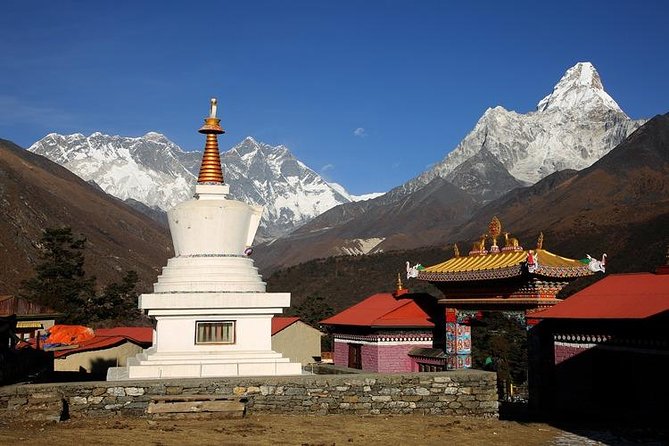
After Kalapatthar and the high-view day, the route shifts down toward Pheriche and then onward with a slightly different route down to Orsho and onward to Pangboche. Pangboche includes a monastery visit that’s tied to local stories, including a claim that it contains the scalp and bones of an abominable snowman.
Even if you treat the legend as folklore, it still tells you something about how people interpret the harsh environment around them. The monastery also gives you a calmer, more grounded break from the big summit visuals.
Then you’ll return toward Namche and down to Lukla. On the way back, the trekking can feel easier on your legs but tougher on mental focus—because now you’re thinking about flights and “what’s next?” Keeping routine and hydration consistent helps.
Returning to Lukla, then Kathmandu: the wrap-up that’s actually useful
Once you reach Lukla again, you’ll have time to explore the Lukla valley at leisure and stay overnight at a guesthouse. This buffer matters. It’s not just a waypoint; it’s a moment to decompress after the high days.
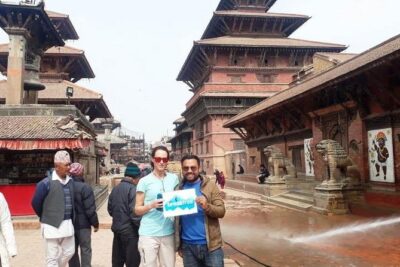
On the next day, you fly back to Kathmandu. You’ll also get a chance to visit around Kathmandu Durbar Square, and the schedule frames it as a chance to get panoramic views of the Kathmandu valley. Day 14 then wraps with a night in Kathmandu and a farewell program before heading to the airport.
One practical note: packing and layers still matter on the last day. Your body will feel different at lower altitude, but your gear habits don’t magically switch off.
Gear, meals, and small comfort wins that add up
This trek includes trek gear: sleeping bag, down jacket, and duffel bag. That’s a big cost and hassle saver if you don’t want to buy or rent cold-weather gear at the last minute. It also means you can pack lighter for Kathmandu and focus on the items that are truly personal: layers, base clothing, and any meds you rely on.
Meals are included for most days: 12 breakfasts, 12 lunches, and 11 dinners. That’s not a minor detail. On Everest routes, food timing affects energy and decision-making. You’ll also receive three cups of hot tea during the trek, which is small in theory and huge when you’re cold and moving.
Accommodation is included for 11 nights on the trek. The exact style of lodge life isn’t spelled out here, but the inclusion matters because it removes one of the biggest “scheduling unknowns.”
There’s also a medical kit box included. It won’t turn altitude into a joke, but it gives you basic support if minor issues pop up.
Price and logistics: what $1,799.27 covers (and what it doesn’t)
Let’s talk real value. Your price includes:
- Both-way flights KTM–Lukla–KTM
- Guide support from Kathmandu with a government license
- Permits and fees: Sagarmatha National Park permit and Khumbu entrance fee, plus Pasang Lhamu Rural municipality entrance fee
- 11 nights of accommodation on the trek
- Meals as listed
- Airport pickup and drop (domestic and international)
- Emergency helicopter arrangement tied to your travel insurance
What’s not included matters too. You’ll need travel and rescue insurance. The helicopter arrangement is described as being paid by your insurance company, so you should read your policy before you go. You also pay extra for the Kathmandu hotel (at least on the parts specified) and porter costs, plus any personal expenses like phone use, laundry, battery recharge, water, hot water, shower time, and similar items. Tipping for guide and porter is also not included.
Is it worth it? If you want a guided plan with flights and permits already handled—and you value being supported when you’re tired—this pricing looks more reasonable than piecing it together on your own. If you want maximum control and you already have your own gear and insurance locked down, you might find cheaper DIY options. But you’ll trade off peace of mind.
Practical travel tips I’d follow on this trek
Here’s what I’d take from the plan and turn into action:
- Treat the acclimatization days like training days, not free days. Dingboche and Namche are built into the route for a reason.
- Use sunscreen every day. People specifically call this out because high-altitude sun can surprise you.
- Plan for early starts on the high-view days. Kalapatthar is time-sensitive for a sunrise-style payoff.
- Keep your layers simple and accessible. Cold comes and goes fast in the Everest region.
- Don’t assume insurance is optional. The emergency helicopter arrangement depends on it.
One more practical reality: flights can be weather-dependent in this region. Your experience can be canceled if poor weather blocks the plan, and the policy says you’d be offered a different date or a full refund. That means you should build flexibility into your schedule and mindset.
Who should book this Everest Base Camp trek?
This is a good fit if you want a classic Everest Base Camp experience with structure: guides, permits, flights, meals, and trek lodging handled. The plan also seems strong for people who appreciate cultural stops—Tengboche and Pangboche are included on purpose, not as random detours.
It’s also a good match if you’re the type who wants clear guidance. The feedback emphasizes support and organization, and names like Buddhi and Pawan come up with a consistent theme: calm, helpful leadership when the route gets tough.
If you don’t have a strong physical fitness level, or if you hate cold mornings and early starts, you might find the schedule challenging. The trek is described as requiring strong fitness, and Everest doesn’t negotiate.
Should you book this Everest Base Camp tour?
If you want the Everest Base Camp route with built-in altitude planning, included trek gear, and a team that’s set up to support you day to day, I think this is a solid booking. The price feels more fair when you count flights, permits, lodging, and guide services together.
Book it if you can handle cold, you’re willing to take acclimatization seriously, and you’ll secure the right travel and rescue insurance. Skip it (or choose a different approach) if you’re looking for a flexible, no-rules adventure where you set your own pace without guidance and you’re not ready for weather-related uncertainty.
In short: this is for people who want Everest, but also want the scaffolding that keeps the trip realistic.
FAQ
What does the tour include for domestic flights?
It includes both-way flight tickets between Kathmandu and Lukla (Ktm–Lukla–Ktm).
Are trekking permits and park fees included?
Yes. The package includes the Sagarmatha National Park permit and the Khumbu entrance fee, plus the Pasang Lhamu Rural municipality entrance fee.
What gear is provided for the trek?
You’re provided with a sleeping bag, a down jacket, and a duffel bag.
Are meals included during the trek?
Yes. Meals are included with 12 breakfasts, 12 lunches, and 11 dinners.
Is a hotel in Kathmandu included?
No. Hotel in Kathmandu is not included.
Do I need travel and rescue insurance?
Yes, insurance is not included. The helicopter service is arranged, but it’s described as being paid by your travel insurance company.
Is there airport pickup and drop-off?
Yes. Airport pickup and drop-off are included for both domestic and international travel.
Is this a private tour?
Yes. It’s described as a private tour/activity, with only your group participating.
What happens if the experience is canceled due to poor weather?
If it’s canceled due to poor weather, you’ll be offered a different date or a full refund.
More Trekking Out of Kathmandu
More Tour Reviews in Kathmandu
Just Reviewed in Kathmandu
- Mountain Bike Tour
★ 5.0 · 3 reviews - Annapurna Panaroma
★ 5.0 · 3 reviews - Mount Everest Scenic Flight 50 Minutes
★ 5.0 · 3 reviews - Kathmandu : Swambhunath & Durbar Square Guided Half Day Tour
★ 3.3 · 3 reviews - Chandragiri Cable Car & Monkey Temple Tour – Private/Group
★ 5.0 · 3 reviews - Kathmandu: Shivapuri National Park Hiking Day Trip
★ 3.3 · 3 reviews
Everest Base Camp Treks, compared.
 ★ 5.0Everest Base Camp Trek – 14 DaysFrom $1,8001,499 reviews
 ★ 5.0Everest Base Camp TrekFrom $1,790842 reviews
 ★ 5.0Everest Base Camp TrekkingFrom $1,350485 reviews
 ★ 5.0Everest Base Camp Trekking – 13 DayFrom $1,399365 reviews
★ 5.0Everest Base Camp TrekFrom $1,445350 reviews
★ 5.0Everest Base Camp Trek -14 DaysFrom $1,420321 reviews
★ 5.0Everest Base Camp Trekking – 13 DayFrom $1,399365 reviews
★ 5.0Everest Base Camp TrekFrom $1,445350 reviews
★ 5.0Everest Base Camp Trek -14 DaysFrom $1,420321 reviews
 ★ 5.012 Days Everest Base Camp TrekFrom $1,099289 reviews
 ★ 5.0Everest Base Camp Trekking – 2025/2026From $1,339199 reviews
Browse the lists this tour appears in