
Everest Base Camp hits different when you take your time. I love how this route mixes big-mountain views with Buddhist monastery visits and Sherpa towns, so the trek feels more human than just altitude miles. I also like the pacing: you get a built-in Namche acclimatization day and then you go for Everest sunrise at Kalapatthar.
The main thing to plan for is flight uncertainty. This trip starts with an early Lukla flight, but there’s a clear notice that flights may depart and return from Ramechhap Manthali due to upgrades at Kathmandu, which adds a very early, long drive.
In This Review
- Key things that make this Everest Base Camp trek worth your attention
- Kathmandu: where your trek really starts (not on day 3)
- Price and logistics: what $1,600 buys you in a complex place
- Lukla flight day: 35–40 minutes that decide your whole trip
- Monjo to Namche: permits, park gates, and your first real Everest corridor
- Namche acclimatization: Hotel Everest View and the easiest big-day photos
- Tengboche and Dingboche: monastery atmosphere and Amadablam dominance
- Chukkung Valley option: a flexible day when you want more views
- Lobuche to Everest Base Camp: Gorekshep, glaciers, and the big “here we are” moment
- Kalapatthar sunrise: the hardest morning, the classic payoff
- Coming down through Tengboche, Kyanjuma options, and the way back to community
- Lukla farewell: the last hike, the flight risk, and Kathmandu reset
- What the best guides do on this trek (and why it shows up in reviews)
- Should you book this Everest Base Camp trek?
- FAQ
- How long is the Everest Base Camp trek?
- Where does the trek start?
- What is included in the price?
- Do you handle permits for Sagarmatha National Park?
- How do the flights work to start and end the trek?
- Is there an acclimatization day?
- When do you reach Everest Base Camp and Kalapatthar?
- Are alcoholic drinks included?
- Can I cancel for a full refund?
Key things that make this Everest Base Camp trek worth your attention
- Namche’s Hotel Everest View stop: sunrise-style views and easy chances to spot Everest and neighbors.
- Sagarmatha National Park entry at Monjo: permits handled right where you enter the park.
- Tengboche monastery days: you don’t just hike; you actually visit one of the region’s key holy sites.
- Kalapatthar early start and sunrise waiting: a hard morning that pays off with classic Everest views.
- Khumjung and Hillary School on the return: meaningful stops on your way back from the highest zone you’ll visit.
- Ramechhap backup plan: long drives starting around 2:30 am if Lukla flights shift.
More trails out of Kathmandu, boots ready
- Everest Base Camp Trek – 14 Days★ 5.0 · 1,499 reviews
- Everest Base Camp Trek★ 5.0 · 842 reviews
- Everest Base Camp Trekking★ 5.0 · 485 reviews
- Nagarkot Sunrise View and Day Hiking from Kathmandu★ 5.0 · 471 reviews
Kathmandu: where your trek really starts (not on day 3)
Kathmandu isn’t just a place to sleep before you fly. Day 1 has the basics covered: you land at Tribhuvan International Airport, get met, and transfer to your hotel so you can rest instead of figuring things out. On Day 2, you get a proper “get your bearings” setup—an office visit, a brief trek talk, and the chance to handle trekking gear needs around Thamel.
This matters more than it sounds. The Everest region trek runs on tight schedules, and the sooner you sort your basics (what you have, what you’re missing, what you’re wearing), the calmer you’ll feel once the mountains start. I like that there’s even an optional half-day Kathmandu Valley sightseeing tour. It’s a good way to turn a waiting day into something you can remember, without burning energy you’ll need later.
Price and logistics: what $1,600 buys you in a complex place
This trek is listed at $1,600 per person for about 16 days. The value is in the package: you get accommodations “as per itinerary,” meals (breakfast, lunch, dinner), all taxes and handling charges, plus a driver/guide and hotel pickup and drop-off.
You’re also booking a private tour/activity, meaning you’re not mixed into random groups. For a trek like this, that can help with decision-making day-to-day—especially when weather affects flights or when the itinerary flexes a bit around comfort.
A small practical note: the included details focus on the trekking experience, while alcohol and souvenir photos are not included. That’s normal for Everest region operators, but it helps to know where extras start so you can budget without surprises.
Lukla flight day: 35–40 minutes that decide your whole trip
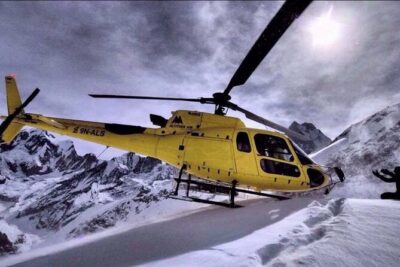
On Day 3, you fly early to reduce the odds of weather trouble. The flight is short—about 35–40 minutes—but it’s the gateway to the whole Everest Base Camp story. You land at Lukla, walk through Lukla town, then continue to Phakding through lush forest before reaching your lodge.
Then comes the curveball that you’ll want to take seriously: there’s an important notice that Lukla flights may depart and return from Ramechhap Manthali due to upgrades at Kathmandu airport. If that happens, you’re looking at roughly a 4/5 hour drive from Kathmandu, with an airport start around 2:30 am. The return drive near the end of the trek is also stated as between 4/5 hours.
If you’re even slightly sleep-deprived, that matters. The upside is that the plan is clearly communicated in advance, which is exactly what you want for a mountain trip.
Monjo to Namche: permits, park gates, and your first real Everest corridor
Day 4 is where paperwork becomes part of the journey. You head toward Monjo, where you pass through an authorized office for Sagarmatha National Park entry and permit checks. Then you get the real walking: deep woods, traditional Sherpa settlements, and the Dudhkoshi River scene before you climb up to Namche Bazaar.
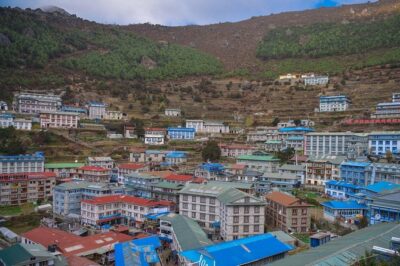
Namche is more than a stopover. It’s where the trek starts feeling like a community rhythm. If you want an easy win, you can do a short walk around the city in the evening. It’s useful for your legs and good for your mood, because you’ll see shops, cafes, and everyday life—not just trekkers and tea houses.
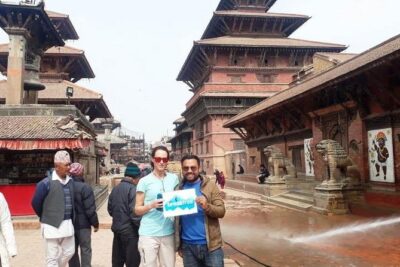
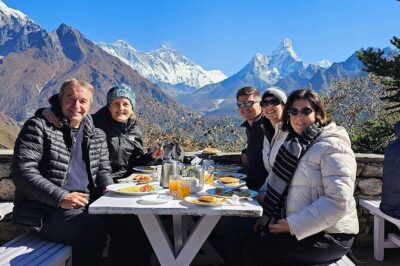
Namche acclimatization: Hotel Everest View and the easiest big-day photos
Day 5 is your acclimatization and exploration day. You hike up to Hotel Everest Viewpoint, where you get a classic setup for photos and an Everest-focused morning. The timing is designed for sunrise-style results, and from here you can look at Everest plus other towering summits.
Then you go back down to Namche Bazaar. You also have optional add-ons depending on your appetite: some people take another walk toward Thame Monastery. Either way, the point of this day is simple: you’re adjusting before the bigger push begins.
I like this structure because it reduces the “cold start” effect. You don’t just land in the high zone and hope for the best. You use the day to move, breathe, and get oriented visually to the mountain scale you’re chasing.
Tengboche and Dingboche: monastery atmosphere and Amadablam dominance
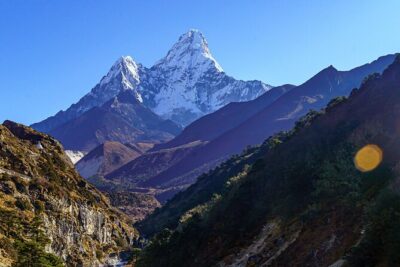
Days 6 and 7 build momentum through some of the most memorable scenery of the route. Day 6 keeps Amadablam in your field of view and moves you from Namche toward Tengboche. You pass through a main trail connection, spot yaks and mules carrying goods, then cross the river and climb up. The highlight is the holy Tengbouche monastery.
Day 7 continues with Amadablam still driving the day’s mood. You cross a river (Dindboche Khola) approaching Dingboche, then arrive in Dingboche, where you can either rest at the lodge or take a walk for extra viewpoints depending on how you’re feeling.
This is where the monastery element becomes more than a box to check. Tengboche is the kind of place where your mind slows down for a moment—after long walking, that shift helps. It also gives your trek a spiritual geography, not just an altitude geography.
Chukkung Valley option: a flexible day when you want more views
Day 8 is one of the most useful “you control the effort” days on the itinerary. Some people rest. Others hike to Chukkung Valley, a 2–3 hour walk each way after breakfast, with lunch there and then a return to Dingboche for overnight.
From Chukkung Valley, the views of the Himalayan giants are described as breathtaking, and there’s even a mention that some trekkers like to climb Chukkung ri. If you want value from your daylight hours and you’re feeling good, this side trip gives you a different angle—without fully changing the main route.
Lobuche to Everest Base Camp: Gorekshep, glaciers, and the big “here we are” moment
Day 9 moves you toward Lobuche, passing ridges with impressive views along the way. You’ll see alpine bushes and dry terrain, and you pass the Sherpa People’s graveyard before reaching Lobuche by the river.
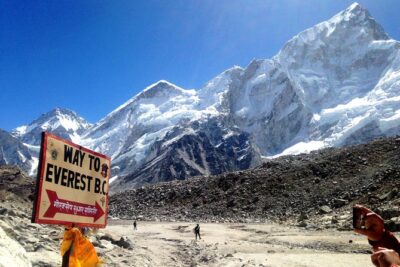
Day 10 is the climax of the trek’s direction. You start toward Gorekhshep, have lunch, then trek to Everest Base Camp. The itinerary explicitly calls out the feeling of stepping at the base camp of the world’s highest peak. Then you walk back to Gorekhshep for overnight.
This day works because it gives you a progression: Lobuche sets the stage, Gorekshep acts like a staging town, and then you reach Base Camp. That’s psychologically easier than going from one village to Base Camp in a straight line.
Kalapatthar sunrise: the hardest morning, the classic payoff
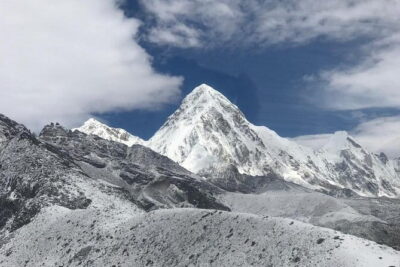
Day 11 starts early—around 4:30–5 am. You climb Kalapatthar, wait for sunrise, and get the moment where the mountain panorama becomes camera-friendly in a big way. The itinerary notes you’ll see trekkers with cameras facing toward Everest, and it highlights Everest plus Pumori, Nupse, Loatse, and other peaks.
Then you head back down to Gorekshep and have breakfast. This is also the day where you keep moving: the next part continues on Day 11 by trekking toward Periche via Lobuche.
If sunrise mornings feel intimidating, treat this as a logistical problem, not a personal test. Arrive with a plan for cold early starts—then let the mountain do the talking.
Coming down through Tengboche, Kyanjuma options, and the way back to community
Days 12 and 13 shift gears from “push higher” to “remember what you came for.” Day 12 goes downhill toward Kyanjuma via Tengboche. You pass through Tengboche, descend to the riverside, cross a bridge, then catch the trail toward Kyanjuma among three routes: Namche, Khumjung, or Gokyo.
From the description, you’ll walk through lush rhododendron, with a chance to see alpine species of wildlife. The route also mentions Twache, Thamserku, and Amadablam on the way. This is a nice contrast to the colder, drier feel of the higher zones.
Day 13 starts with an ascent to Khumjung, then a visit to Hillary School, built by Sir Edmund Hillary. You also visit Khumde village, explore the surrounding, and then trek down to Namche, continuing to Monjo for overnight.
These are the kinds of stops that stick because they connect Everest’s history to local life. It’s not just about the summit; it’s about what the region’s people built and continue to maintain.
Lukla farewell: the last hike, the flight risk, and Kathmandu reset
Day 14 is the last hiking day toward Lukla. You pass Phakding, ascend to Lukla town, and you can walk around and visit the airport area in the evening. Day 15 begins with an early flight again because wind can disturb flights later in the day.
Once you land back in Kathmandu, you transfer to a hotel, refresh, then have time for shopping or other activities. In the evening, the itinerary includes a farewell dinner. Day 16 ends with airport drop-off so you can catch your international flight without scrambling.
This return rhythm matters. A lot of treks end abruptly. Here, you get a real decompression window in Kathmandu, plus a final dinner that makes the trip feel like a full story, not just a collection of long days.
What the best guides do on this trek (and why it shows up in reviews)
One pattern stands out in the feedback you shared: the guides are friendly and strongly focused on care. Names that come up include Dinesh, Raju, Manoj, Prakash Giri, Sushil, Procas, and Dipesh.
The common thread is practical support—being organized, explaining things, and checking in with clients at altitude. When one review mentions Dinesh caring for a client’s well-being during altitude situations, that’s the kind of reassurance that changes how you experience a tough day. Another review highlights a guide as knowledgeable and patient, and another calls out a smooth, comfortable trek with safety first.
You’ll still feel the mountains. But good guidance makes the trek feel manageable instead of random.
Should you book this Everest Base Camp trek?
Book it if you want an Everest route with real structure: permits handled on arrival, a clear acclimatization day in Namche, a classic Kalapatthar sunrise moment, and meaningful cultural stops like Tengboche monastery and Hillary School. The private-group setup can also fit well if you like your days to run smoothly without negotiating for space or decisions.
Hold off or ask sharper questions before booking if you’re sensitive to early starts. The itinerary includes early flights, and the Ramechhap backup can mean a very early 2:30 am drive. If that sounds like a deal-breaker, you’ll want to mentally prepare (or at least confirm how your operator handles the timing if routes shift).
If you can roll with logistics and you’re chasing the full Everest story—from Sherpa towns to base camp to sunrise views—this is a strong pick for your time and budget.
FAQ
How long is the Everest Base Camp trek?
The tour is listed as about 16 days.
Where does the trek start?
You start in Kathmandu, Nepal, with airport arrival on Day 1 and then trekking begins after flying to Lukla on Day 3.
What is included in the price?
Accommodation as per the itinerary, meals (breakfast, lunch, dinner), all taxes and fees, a driver/guide, and hotel pickup. Hotel pickup and drop-off are also listed.
Do you handle permits for Sagarmatha National Park?
Yes. On the route, you reach Monjo and have your permits checked at the Sagarmatha National Park authorized office.
How do the flights work to start and end the trek?
You fly early from Kathmandu to Lukla at the start. At the end, you board early in the morning due to possible wind issues. There is also an important notice that flights may depart and return via Ramechhap Manthali, which involves a drive from Kathmandu.
Is there an acclimatization day?
Yes. Day 5 is built for acclimatization and exploration in Namche Bazaar, including a hike to Hotel Everest Viewpoint.
When do you reach Everest Base Camp and Kalapatthar?
Everest Base Camp is reached on Day 10 after trekking to Gorekhshep. Kalapatthar is climbed on Day 11, with sunrise waiting.
Are alcoholic drinks included?
No. Alcoholic drinks are available to purchase but are not included.
Can I cancel for a full refund?
Yes. Free cancellation is offered, and you can cancel up to 24 hours in advance for a full refund.
More Trekking Out of Kathmandu
More Tour Reviews in Kathmandu
Just Reviewed in Kathmandu
- Mountain Bike Tour
★ 5.0 · 3 reviews - Annapurna Panaroma
★ 5.0 · 3 reviews - Mount Everest Scenic Flight 50 Minutes
★ 5.0 · 3 reviews - Kathmandu : Swambhunath & Durbar Square Guided Half Day Tour
★ 3.3 · 3 reviews - Chandragiri Cable Car & Monkey Temple Tour – Private/Group
★ 5.0 · 3 reviews - Kathmandu: Shivapuri National Park Hiking Day Trip
★ 3.3 · 3 reviews
Everest Base Camp Treks, compared.
 ★ 5.0Everest Base Camp Trek – 14 DaysFrom $1,8001,499 reviews
 ★ 5.0Everest Base Camp TrekFrom $1,790842 reviews
 ★ 5.0Everest Base Camp TrekkingFrom $1,350485 reviews
 ★ 5.0Everest Base Camp Trekking – 13 DayFrom $1,399365 reviews
★ 5.0Everest Base Camp TrekFrom $1,445350 reviews
★ 5.0Everest Base Camp Trek -14 DaysFrom $1,420321 reviews
★ 5.0Everest Base Camp Trekking – 13 DayFrom $1,399365 reviews
★ 5.0Everest Base Camp TrekFrom $1,445350 reviews
★ 5.0Everest Base Camp Trek -14 DaysFrom $1,420321 reviews
 ★ 5.012 Days Everest Base Camp TrekFrom $1,099289 reviews
 ★ 5.0Everest Base Camp Trekking – 2025/2026From $1,339199 reviews
Browse the lists this tour appears in