
Review · EVEREST BASE CAMP TREKS
Everest Base Camp Trek
Lukla feels like the first hurdle. This Everest Base Camp trek strings together Lukla flights and tea-house lodging with a licensed guide, so you spend more energy on altitude and route than logistics.
I especially like two things about this package. You get three nights in a 3-star Kathmandu hotel before and after the trek, and the big travel piece (Kathmandu–Lukla–Kathmandu flights, with airport tax) is included.
One thing to plan carefully: altitude and weather. You’re hiking in demanding conditions around 5,364m, and Lukla flights can also get delayed, so build in flexibility and talk to your doctor before you go.
In This Review
- Key things to know before you go
- A Smart Package for Everest Base Camp: What You Actually Get
- Kathmandu Setup Days: Hotels, Neighborhood Walks, and Temple Time
- Lukla Flights and the First Trek Days to Phakding and Namche
- Acclimatization in Namche and Everest Viewpoint: Don’t Skip the Slow Days
- Through Tengboche, Dingboche, and Chukhung: Monasteries and Big-Peak Thinking
- High-Altitude Push to Gorak Shep, Base Camp, and Kala Pattar
- Return Down: Namche, Lukla, and the Kathmandu Re-set
- Price and Realistic Budget for 14 Days
- Safety, Health, and Guide Support at 5,364m
- Who This Trek Fits Best (and Who Should Skip It for Now)
- Should You Book This Tour for Everest Base Camp?
- FAQ
- What is included in the Everest Base Camp tour price?
- What food and drinks should I budget for?
- Are flights to Lukla included, and what if they are delayed?
- What kind of accommodation will I have during the trek?
- Do I travel with a guide, and is first aid covered?
- What travel documents do I need for the permits?
- Do I need travel insurance?
- What is the cancellation policy?
Key things to know before you go
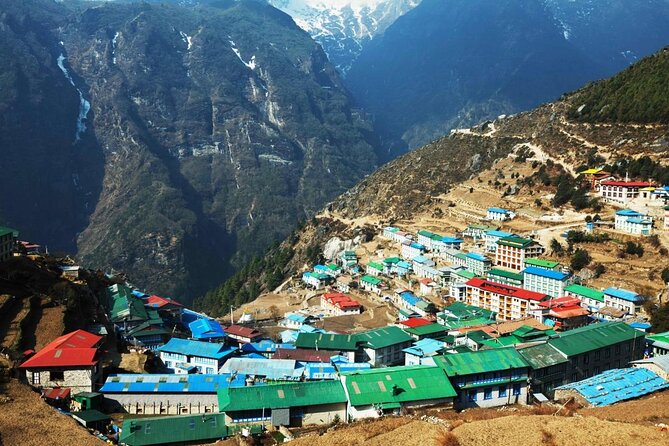
- Licensed guide plus first-aid basics: You’re led by a government-license holder who carries a first aid kit and knows the nearest medical options.
- Flights are part of the deal: Domestic air is included, including airport tax, which saves you time and decision fatigue.
- Tea-house nights on the trail: You’ll sleep in basic but cozy trekking lodges rather than chasing hotels.
- Kathmandu comfort at both ends: Three nights in a 3-star hotel help you start rested and end with a real bed.
- Small group, private feel: Max 8 people per booking, with only your group participating.
- Name-brand reliability from real guides: Past guests specifically praised Bishnu for staying on top of everything and Basu as an outstanding guide.
More trails out of Kathmandu, boots ready
- Everest Base Camp Trek – 14 Days★ 5.0 · 1,499 reviews
- Everest Base Camp Trek★ 5.0 · 842 reviews
- Everest Base Camp Trekking★ 5.0 · 485 reviews
- Nagarkot Sunrise View and Day Hiking from Kathmandu★ 5.0 · 471 reviews
A Smart Package for Everest Base Camp: What You Actually Get
Everest Base Camp is the kind of trip where details matter. The oxygen is thin, the days start early, and one missing piece can snowball into stress. What I like about this tour is that it bundles the core items that usually derail planning: flights, lodging, and a licensed guide.
You’re looking at 14 days on the ground, designed around the flow of the classic Khumbu route. You’ll spend 10+ nights on trek in tea houses, and you also get city time in Kathmandu before the mountain pulls you into its rhythm.
The package isn’t trying to be fancy. It’s aiming to be workable. That’s a big deal when you’re hiking at altitude and want your days to feel steady, not improvised.
Kathmandu Setup Days: Hotels, Neighborhood Walks, and Temple Time
Your trip starts in Kathmandu (Tribhuvan Airport is the meeting point). You also get airport arrival and departure help with pickup/dropoff by private car, with a guide coordinating assistance.
In the Kathmandu portion, you’ll get a mix of comfort and orientation. The tour includes a 3-star hotel with breakfast on day 1 and day 13, plus time to look around areas like Thamel—the practical base for trekkers who need gear, chargers, and snacks.
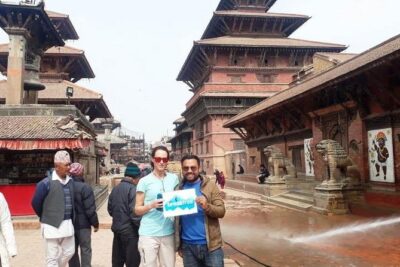
You’ll also see major Kathmandu sights that make the city feel like a real chapter, not just a waiting room. Expect temple visits around Swayambhunath and Boudhanath Stupa, plus a stroll stop at Garden of Dreams. These are good for a reset: you can walk, stretch your legs, and absorb Nepal’s atmosphere without draining yourself before the trek.
Practical note: bring your permit documents exactly as requested. The tour lists what you need—passport photo copy with clear color scan, passport validity minimum 6 months, passport-size photos, plus basic home and occupation details. Getting this wrong is how you end up with avoidable stress.
Lukla Flights and the First Trek Days to Phakding and Namche
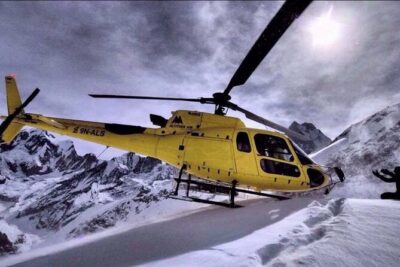
After Kathmandu, the real switch flips: you fly to Lukla. The tour includes the domestic flight Kathmandu–Lukla–Kathmandu and the associated airport tax, which takes away a lot of guesswork. Lukla is where Everest trips start feeling real, fast.
From Lukla, your early hiking is about finding your legs and learning the rhythm of the trail. The route takes you toward Phakding (a full long day on foot in the trek schedule), with time spent moving through the Khumbu valley paths.
Day-to-day, you’ll be walking high enough that even a “normal” uphill can feel like a workout. That’s why tea-house trek planning matters. The schedule doesn’t pretend the mountain is a casual hike; it builds in time on route and includes guided pacing.
You’ll also cross along the way near the Dudh Koshi River, a reminder that this trek isn’t just about views. It’s about moving through real terrain—sometimes rocky, sometimes muddy, always changing.
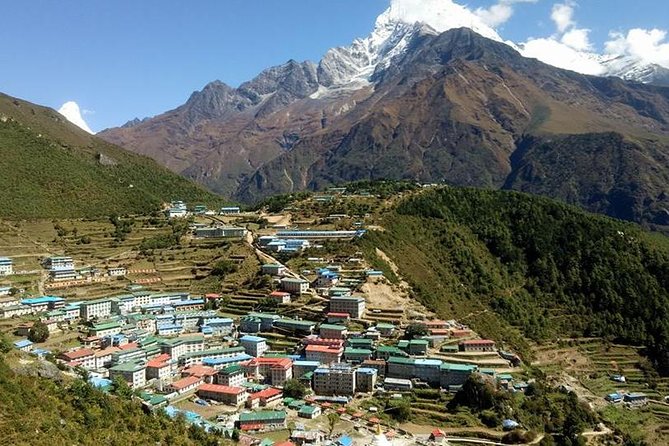
Then comes Namche Bazaar, the key acclimatization hub. The trek schedule gives you a full day to reach it, and the payoff is that Namche is where you can breathe a little more normally and start seeing the bigger peaks peeking into the day.
Acclimatization in Namche and Everest Viewpoint: Don’t Skip the Slow Days
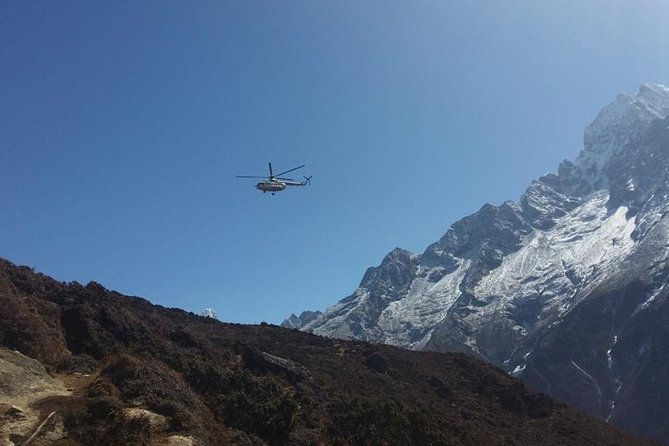
Everest Base Camp succeeds or fails based on how you handle altitude. This tour builds in acclimatization time rather than rushing you upward like a checklist.
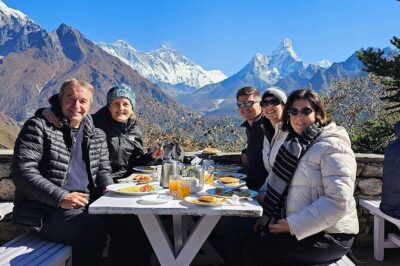
Namche isn’t just a town. It’s a place where you can pause, eat, and let your body adjust before going higher. In the itinerary, you get a day in Namche that includes an excursion to Everest Viewpoint. That’s a great compromise day: you get mountain payoff without going straight into a higher-altitude grind.
This is also the part where your guide’s role becomes obvious. A licensed trekking guide isn’t just there for route knowledge. You want someone who can read how you’re moving, how you’re breathing, and whether you’re pushing too hard. The tour description specifically highlights professional support, and the praise you’ll see in the guide comments (names like Bishnu and Basu) points to that on-the-ground attentiveness.
One more reason these slow days are worth it: trekking at altitude is as much mental as physical. When you have a structured acclimatization day, you can relax into the process instead of worrying whether you’re doing it right.
Through Tengboche, Dingboche, and Chukhung: Monasteries and Big-Peak Thinking
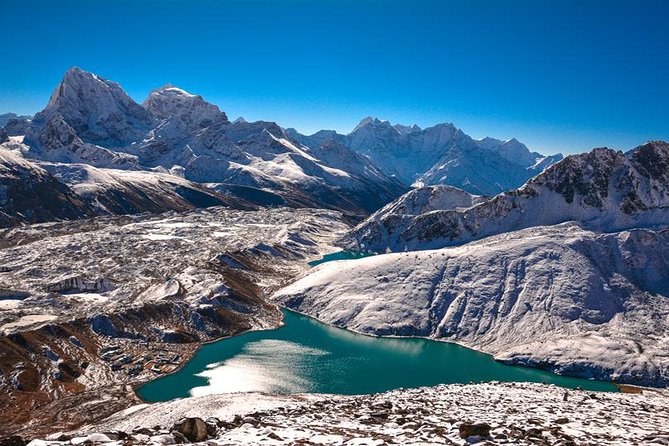
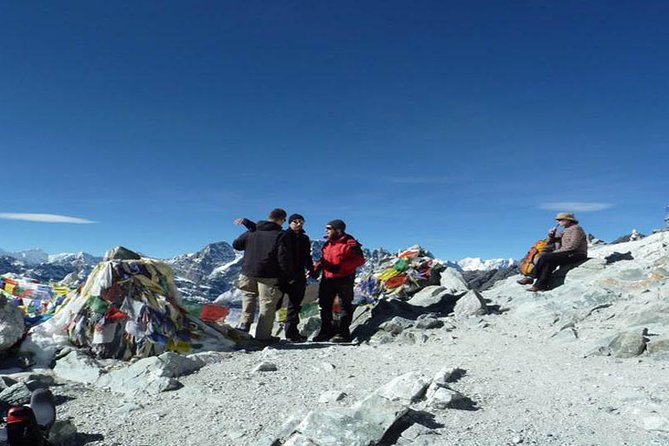
As you leave Namche, the trail starts turning into that classic Khumbu feel—small villages, prayer flags, and long lines of stone steps that appear out of nowhere.
Your route continues toward Tengboche, including a visit to Tengboche Gompa. This is one of those moments where the landscape feels dramatic, but the experience is still grounded: you’re in a working monastery area with a real community presence, not a theme park stop.
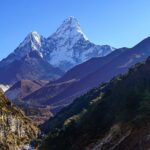
Along the way, you’ll pass by famous mountain backdrops such as Ama Dablam and Taboche areas noted in the route. Even without making it the whole point of your day, these views change your pacing. You’ll naturally slow down to look—then keep going.
Next comes Dingboche, another major acclimatization stop. The schedule gives you time there, and you even get an additional higher-area option through Chukhung. This kind of day is about gradual altitude gains rather than speed. The tour’s pace helps you avoid the common mistake: treating the hike like a race when your body needs time to adjust.
If you want one practical mindset for this section: plan to feel slightly uncomfortable most days. Then aim for a trend of improvement, not panic. Your guide helps you keep that balance.
High-Altitude Push to Gorak Shep, Base Camp, and Kala Pattar
This is the part of the trek people remember. But it’s also where you need the most common sense.
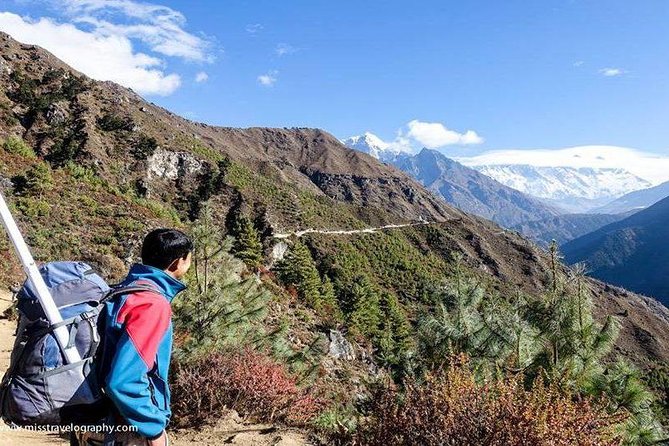
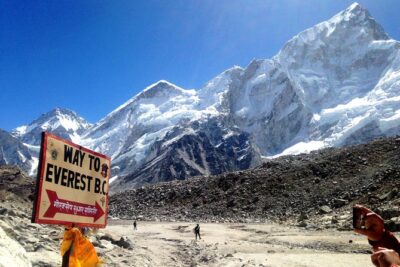
Your itinerary works through Lobuche and Khumbu Glacier areas before reaching Gorak Shep and the Mount Everest region linked to Base Camp in the trek schedule. Expect long days, early starts, and cold air that makes even normal tasks feel heavier—zipper pulls, water refills, and taking photos with frozen fingers.
Then there’s Kala Pattar, which the tour includes as a stop. This is a high point that’s often the difference between getting a “base camp moment” and getting a full-on summit-style viewpoint day. The goal isn’t bragging rights. It’s seeing Everest and the surrounding peaks from a place where the horizon feels close.
You’ll also pass through Pheriche–Dughla Road and Pangboche later in the route. These are valuable because they mark the shift from the hardest altitude days toward recovery and descent planning.
One caution: your provided altitude context notes demanding trekking around 5,364m and the possibility of extreme weather. That’s not a scare tactic; it’s a reminder to pack and pace for conditions changing fast. In this zone, you’ll feel it when clouds roll in or when wind picks up.
Return Down: Namche, Lukla, and the Kathmandu Re-set
The return days are where many trekkers either feel strong—or start getting sloppy. This tour’s structure helps by continuing the same “one step at a time” logic on the way down.
From the higher stops, the trek schedule brings you back toward Namche Bazaar and then down to Lukla. Walking downhill is still hard on the body, especially knees and calves. Plan on sore legs and don’t treat the descent like a victory lap.
After Lukla, you fly back to Kathmandu. The tour includes the final hotel nights in Kathmandu so you can actually recover: three-star lodging, breakfast included, and a chance to shower like a human again.
Day 14 is listed as Kathmandu as well, which usually means buffer time for departure schedules. If you’ve ever watched a flight timeline get weird in the Himalayas, you know why this matters.
Price and Realistic Budget for 14 Days
The listed price is $999 per person, and on its face that’s a “this can’t include everything” number. But in this package, the cost coverage is meaningful: domestic flights (including airport tax), 3 nights in a 3-star hotel, 11 nights of tea-house accommodation, a licensed guide, and government taxes are included.
Where cost planning still matters is what’s not included. The tour does not include food and drinks unless specified—listed at $350 per person. Gratuities are also not included, listed at $150 per person.
So your real-world total budget tends to look more like:
- Tour price: $999
- Food/drinks: about $350
- Gratuities: $150
That’s roughly $1,499 before any personal shopping or optional extras.
Is it good value? If you compare it to the hassle cost of piecing together flights, tea house logistics, and guide services yourself, the package feels more efficient. You’re paying for fewer moving parts while you’re dealing with altitude, weather, and a tight timeline.
Safety, Health, and Guide Support at 5,364m
Everest Base Camp is serious. The tour’s own health notes call out the altitude as demanding, around 5,364 meters, and remind you that health effects can happen regardless of age or gender. The tour recommends talking with your doctor before departure, and that’s the right move.
You’re also told that leaders have basic first aid training and know the closest medical facilities. A first aid kit is included in the trek support. That doesn’t mean medical emergencies are unlikely—it means you’re not going in blind.
Travel insurance is required, and it must cover medical costs including emergency repatriation. You’ll need to show proof of insurance to the tour leader on day 1. This is one of those items that can feel annoying until you’re stuck above the treeline with a problem you can’t fix with grit.
One more practical point: pack light. You’re expected to carry your own luggage, with a recommendation to keep weight under 22 lbs (10 kg). Extra luggage can be left at the office or hotel and picked up after you return, which is helpful if you’re coming from abroad with bags built for comfort rather than movement.
Who This Trek Fits Best (and Who Should Skip It for Now)
This trek fits best if you:
- want a guided route with professional coordination through the hardest stretches
- appreciate tea-house trekking over hotel-style comfort each night
- can commit to slow acclimatization days in Namche and Dingboche
- are physically ready for demanding altitude hiking
It might not fit if you’re looking for a gentle nature walk. This is still a high-altitude trek with challenging terrain and the possibility of extreme weather.
The tour also sets a minimum age of 8, which suggests it’s meant for families with kids who are truly trekking-ready. Still, altitude affects everyone differently, so talk to your doctor and be realistic about your team’s limits.
Should You Book This Tour for Everest Base Camp?
If you want a practical, well-structured Everest Base Camp plan with the major logistics handled, I think this one earns consideration. The biggest strengths are the included Lukla flights, the tea-house accommodation, and the support of a government-licensed guide backed by real praise for day-to-day reliability (Bishnu and Basu come up in standout comments).
I’d book it if you can handle altitude planning and you’re willing to pay attention to prep: insurance, permit documents, light packing, and medical check-ins. I’d pause if your schedule can’t handle weather and flight variability, since Lukla can delay. The tour even requests you consider 1–2 extra days for flight delay or cancellation.
Bottom line: this is a solid “get it done right” package. If you prepare like the mountain is in charge (because it is), you’ll enjoy the hike for what it’s really about: steady progress, big mountain moments, and a guided route that keeps you on track.
FAQ
What is included in the Everest Base Camp tour price?
The package includes pickup/dropoff assistance by private car, three nights in a 3-star Kathmandu hotel with breakfast, 11 nights of tea-house accommodation during the trek, domestic airfare Kathmandu–Lukla–Kathmandu including airport tax, a government license holder trekking guide with full facilities, government taxes/VAT/service charges, a first aid kit, and Himalayas Recreation’s T-shirt.
What food and drinks should I budget for?
Food and drinks are not included unless specified. The tour lists food and drinks at $350.00 per person.
Are flights to Lukla included, and what if they are delayed?
Yes, domestic airfare from Kathmandu to Lukla and back is included, including airport tax. The tour notes you should consider possible Lukla flight delay and cancellation and requests 1–2 extra days for buffer.
What kind of accommodation will I have during the trek?
You’ll stay in tea houses during the trekking portion for about 11 nights. In Kathmandu, you get three nights in a 3-star hotel with breakfast.
Do I travel with a guide, and is first aid covered?
You’ll have a government license holder trekking guide with full facilities. The tour also includes a first aid kit, and leaders have basic first aid training and awareness of closest medical facilities.
What travel documents do I need for the permits?
The tour lists requirements including a passport photo copy with a very clear color scan, passport validity of at least 6 months, two passport-size photos, plus your occupation and home details address.
Do I need travel insurance?
Yes. Travel insurance that covers medical expenses including emergency repatriation is required. You must show proof of insurance to the tour leader on the first day.
What is the cancellation policy?
Free cancellation is available up to 24 hours in advance for a full refund. If you cancel less than 24 hours before the experience starts, the amount paid is not refunded.
More Trekking Out of Kathmandu
More Tour Reviews in Kathmandu
Just Reviewed in Kathmandu
- Mountain Bike Tour
★ 5.0 · 3 reviews - Annapurna Panaroma
★ 5.0 · 3 reviews - Mount Everest Scenic Flight 50 Minutes
★ 5.0 · 3 reviews - Kathmandu : Swambhunath & Durbar Square Guided Half Day Tour
★ 3.3 · 3 reviews - Chandragiri Cable Car & Monkey Temple Tour – Private/Group
★ 5.0 · 3 reviews - Kathmandu: Shivapuri National Park Hiking Day Trip
★ 3.3 · 3 reviews
Everest Base Camp Treks, compared.
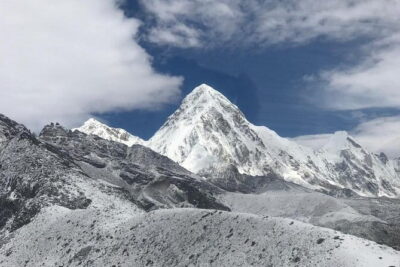 ★ 5.0Everest Base Camp Trek – 14 DaysFrom $1,8001,499 reviews
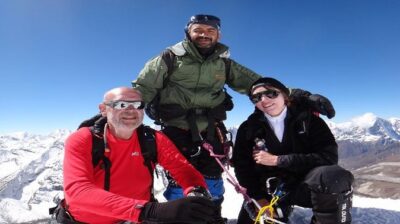 ★ 5.0Everest Base Camp TrekFrom $1,790842 reviews
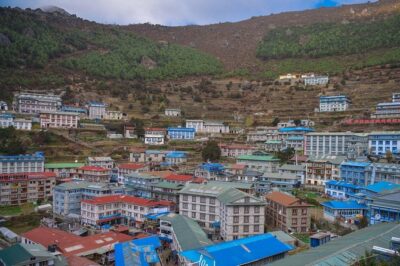 ★ 5.0Everest Base Camp TrekkingFrom $1,350485 reviews
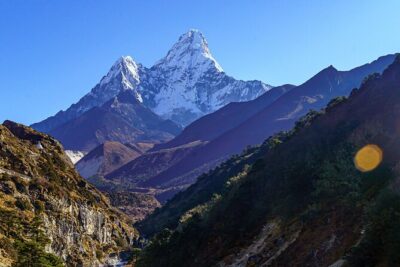 ★ 5.0Everest Base Camp Trekking – 13 DayFrom $1,399365 reviews
★ 5.0Everest Base Camp TrekFrom $1,445350 reviews
★ 5.0Everest Base Camp Trek -14 DaysFrom $1,420321 reviews
★ 5.0Everest Base Camp Trekking – 13 DayFrom $1,399365 reviews
★ 5.0Everest Base Camp TrekFrom $1,445350 reviews
★ 5.0Everest Base Camp Trek -14 DaysFrom $1,420321 reviews
 ★ 5.012 Days Everest Base Camp TrekFrom $1,099289 reviews
 ★ 5.0Everest Base Camp Trekking – 2025/2026From $1,339199 reviews
Browse the lists this tour appears in