
Review · EVEREST BASE CAMP TREKS
Everest Base Camp Trek
Everest Base Camp turns up the altitude fast. This 15-day trek from Kathmandu is designed to keep logistics handled for you, so you can focus on the climb and the Sherpa culture. I especially like the licensed English-speaking mountain guide who stays with you and manages the day-to-day pace, permits, and problem solving. I also really value that meals, lodging, and the key permits are handled with full board included for the trekking days.
The one drawback to plan for is the real altitude reality. You’ll be hiking rugged trails and spending nights above 2,000 meters, plus the itinerary includes multiple high points (and you’ll feel it), so you’ll want moderate fitness and a flexible attitude toward slower days for acclimatization.
In This Review
- Key points worth knowing before you go
- Why this Everest Base Camp trek feels organized from day one
- Price and logistics: what $1,690 covers (and what it doesn’t)
- Kathmandu arrival: day 1 is about getting your bearings
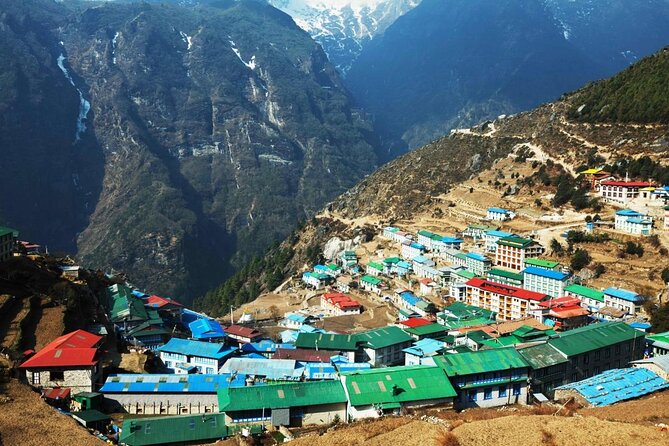
- The Lukla fly-in and the first trekking days to Phakding and Namche Bazaar
- Namche Bazaar acclimatization: two days that make the higher days possible
- Tengboche to Dingboche: monastery vibes and the Khumbu valley getting serious
- Chhukung and the slow grind toward Lobuche
- Everest Base Camp and Kala Patthar: the two big payoff days
- The return trek to Namche and Lukla: why you should not rush
- Flying back to Kathmandu and using your last day well
- Guides, gear, and real-world support: what the service reputation adds
- Who should book this Everest Base Camp trek, and who should pause first
- Should you book this Everest Base Camp trek with Unique Adventure International?
- FAQ
- When does the trek start and how are you picked up in Kathmandu?
- What flights are included in the trek?
- Are meals and accommodation included?
- What trekking permits are included?
- Do you provide trekking gear like a sleeping bag or down jacket?
- Is there support for health checks during the trek?
- Is a vegetarian meal option available?
- Are porters included for carrying luggage?
- What if the trip is affected by weather?
Key points worth knowing before you go
- Private trek feel, small-group support: It’s listed as a private activity where only your group participates, with a guide managing everything.
- The Lukla flight is part of the plan: Your trek includes the Kathmandu/Ramechhap to Lukla domestic flights and the return.
- Permits are built in: Sagarmatha National Park entry plus TIMS and the relevant Khumbu fee are included.
- Gear loans cut packing stress: You can borrow a down jacket and sleeping bag for the trek.
- Acclimatization is not optional: You get a dedicated Namche Bazaar rest period and another acclimatization day before higher terrain.
- You’ll likely hear the Everest story in real time: Reviews highlight how warmly the owner Khum and Sherpa leaders can add context and calm to the whole experience.
More trails out of Kathmandu, boots ready
- Everest Base Camp Trek – 14 Days★ 5.0 · 1,499 reviews
- Everest Base Camp Trek★ 5.0 · 842 reviews
- Everest Base Camp Trekking★ 5.0 · 485 reviews
- Nagarkot Sunrise View and Day Hiking from Kathmandu★ 5.0 · 471 reviews
Why this Everest Base Camp trek feels organized from day one
The best Everest treks don’t waste energy on confusion. Here, the flow starts the moment you land in Kathmandu, with airport pickup and a transfer to your hotel. On the trekking side, your licensed guide is the hub: you’re not trying to coordinate permits, meals, or daily routes by yourself.
I also like that the practical safety tools are stated upfront. The included first aid kit and oxymeter to check pulse and oxygen saturation matters more than it sounds, because altitude decisions should be made early, not late.
And if you’re the type who wants things explained clearly, the company’s service reputation comes through in reviews. People mention Khum (the owner/founder) meeting them personally in Kathmandu and being quick to answer questions before departure. On the trail, guides such as Ongchhu, Chandra, Raz, and Razz are named in reviews as friendly, fun, and full of route knowledge.
Price and logistics: what $1,690 covers (and what it doesn’t)
At $1,690 per person for roughly 15 days, the value is mainly in what’s bundled. You’re not just paying for walking days. The package includes:
- Guide support (licensed English-speaking) plus his insurance and equipment
- Full board during the trek (breakfast, lunch, dinner)
- Hotel in Kathmandu and guesthouse accommodation during the trek
- Domestic flights (Kathmandu/Ramechhap to Lukla and back), with taxes and transfers
- Trekking permits (Sagarmatha National Park and the Khumbu fee listed)
That’s the big picture: the flight day is expensive in its own right, and permits add up once you’re moving through the Khumbu region. Also, gear loans (down jacket and sleeping bag) reduce what you must bring or rent on your own.
What’s not included is equally important. Your Nepal visa, international flights, and travel insurance are not included. The listing specifically points out that travel insurance is important for helicopter evacuation if needed while trekking. Tips for the guide, porter, and driver are also not included (the tour recommends tipping). Porters for luggage can be added for an extra cost if you want help beyond what you carry yourself.
Kathmandu arrival: day 1 is about getting your bearings
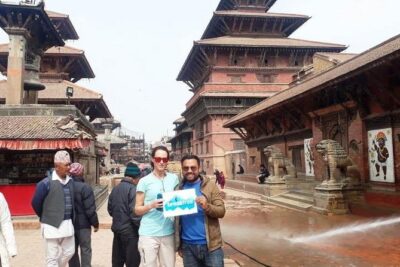
Day 1 is simple: meet the representative on arrival at Kathmandu International Airport, then transfer to your hotel. This matters because Everest prep starts before the mountains do. You want a calm evening, good sleep, and a chance to confirm what you’re carrying before your first domestic flight.
If you arrive early or later than expected, the built-in airport pickup removes a lot of stress. It also sets the tone, and reviews mention a very warm welcome from Khum and his team, sometimes including garlands and a face-to-face briefing.
The Lukla fly-in and the first trekking days to Phakding and Namche Bazaar
On day 2, you connect to Lukla with a short domestic flight (about 30 minutes). Then the trek begins gently along the Dudh Koshi River. You’ll walk on good footpaths and pass teahouses and conifers, ending in Phakding at about 2,610 meters after roughly a 3-hour walk (the day total is listed as about 4 hours).
This “warm-up” stretch is more than scenery. It’s your chance to test your day pack weight, your shoe fit, and how you handle the first altitude bump. If you start too fast, you feel it later. Take it easy early.
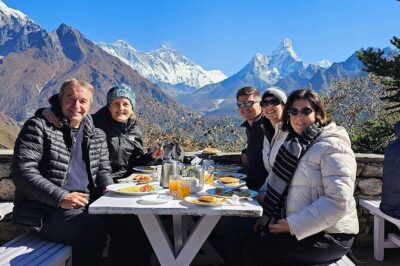
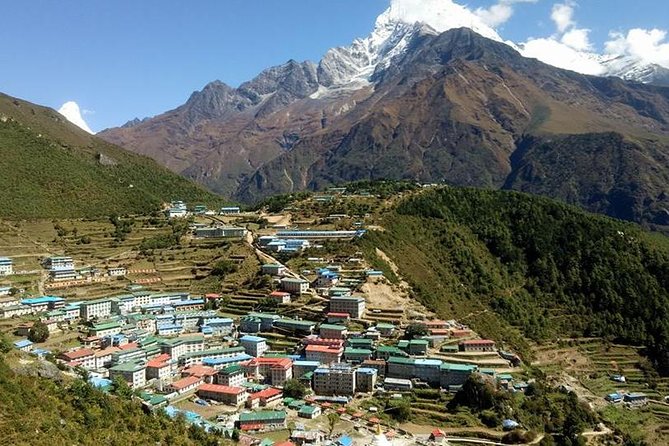
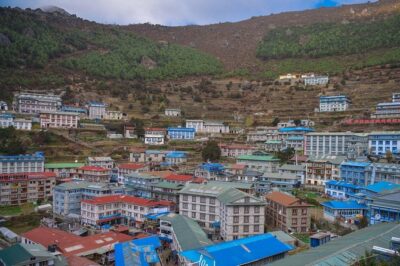
Day 3 is where the route pushes uphill. After breakfast, you walk toward Monjo for official entry paperwork and permit checks, then continue to Namche Bazaar with a tough climb of about 590 meters over roughly 5 hours. The payoff is that you’ll likely see Everest and Lhotse for the first time halfway up the hill. Other peaks (like Khumbila) show in different directions as you approach the gateway town.
Practical note: bring your permits and keep them easy to find. The route includes permit checking at Monjo for Sagarmatha National Park entry and TIMS.
Namche Bazaar acclimatization: two days that make the higher days possible
Day 4 is a stay-high, move-smart day. You’re in Namche Bazaar and the itinerary makes room for acclimatization, which is the difference between enjoying the trek and suffering through it.
You have choices on day 4, and this is one of the smartest parts of the plan:
- Head to Khumjung to visit the local school and hospital
- Continue to Thame and meet Sherpa links to past Everest expeditions
- Or go toward the Syangboche airstrip and the Everest view hotel area
That last option comes with a caveat stated in the itinerary itself: the Japanese-run Everest view hotel scheme was brought down because it sat at nearly 4,000 meters and many people suffered from altitude sickness. Translation: you should respect altitude limits and not treat the view stop as a competition.
Day 4 being flexible is valuable. If you’re feeling strong, you can do more. If you’re not, you can keep it light and focus on hydration, steady walking, and sleep.
Tengboche to Dingboche: monastery vibes and the Khumbu valley getting serious
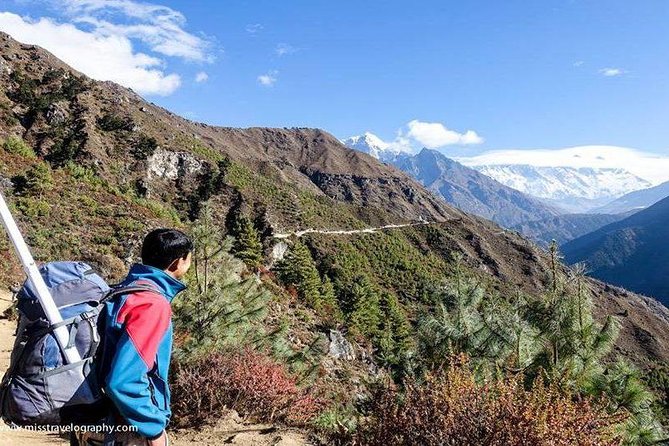
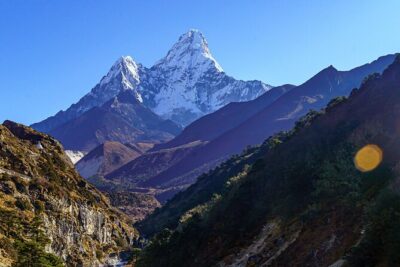
Day 5 brings you to Tengboche Monastery at about 3,870 meters. The route dips back toward the Dudh Koshi before climbing again to Tyangboche. This day is listed around 6 hours, and the views of Everest, Thamserku, Amadablam, and the valley are called mind-blowing in the itinerary description.
Why I like this day: it gives you spiritual and cultural texture, not just peak spotting. Tengboche/nearby monastery areas are places where you can watch daily life in the Khumbu region, and where monks chant and visitors slow down. For many people, this is where the trek stops feeling like a workout and starts feeling like a real place.
Day 6 pushes you higher to Dingboche (around 4,360 meters) through wooded forests and along the Imja Khola valley, with a stop at Pangboche, including a monastery site (gompa). The itinerary specifically notes Pangboche as one of the older monastery sites in the region. It’s a nice reminder that your route is stitched into centuries of Sherpa Buddhism.
Views get sharper here too. The trek description points out breathtaking views of Amadablam and Island Peak, which helps you understand why this region is so famous beyond Everest Base Camp.
Chhukung and the slow grind toward Lobuche
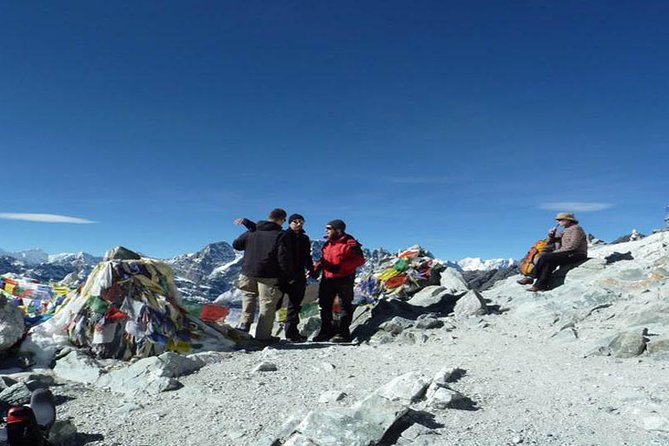
Day 7 is another acclimatization day, this time in the Chhukung area. You’ll walk to Chhukung for a magnificent view set that includes Makalu, Island Peak, and other peaks around 6,000 meters. The itinerary also mentions an alternative hike toward Nangkartshang Peak.
Chhukung is useful because it’s not just about altitude numbers. It trains your legs to keep moving without rushing, and it helps you learn your rhythm: how long you can walk before you need a break, and how your breathing changes as you go higher.
Day 8 heads to Lobuche. The valley turns more barren, and you start seeing snow-capped peaks towering over you. The description warns the trail can get quite rocky, so watch your step. The view of Tawache and Nuptse towering overhead is specifically highlighted.
This day can be mentally tough, but it’s also one of the most dramatic. Your environment changes fast: fewer trees, more rock, more exposure, more “this is real mountain terrain” feeling.
Everest Base Camp and Kala Patthar: the two big payoff days
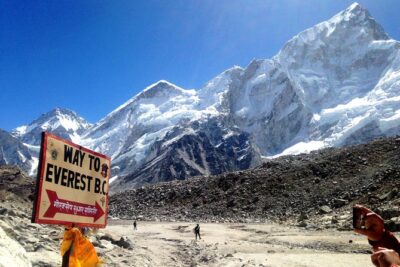
Day 9 is a long day that’s built around the Khumbu Glacier approach. You reach Gorakhshep for lunch, then continue to Everest Base Camp around 5,400 meters. The itinerary notes that from base camp you’ll see views of Khubutse, Pumori, Changtse, and the Khumbu Icefall, and that base camp often feels more like an ice-world of ridges and glaciers than a single postcard viewpoint of Everest’s summit.
That’s normal, and it’s why it’s worth going. Your “Everest moment” is not just the mountain peak. It’s the whole system around it: icefall, glacier pathways, and the sheer scale of the Khumbu.
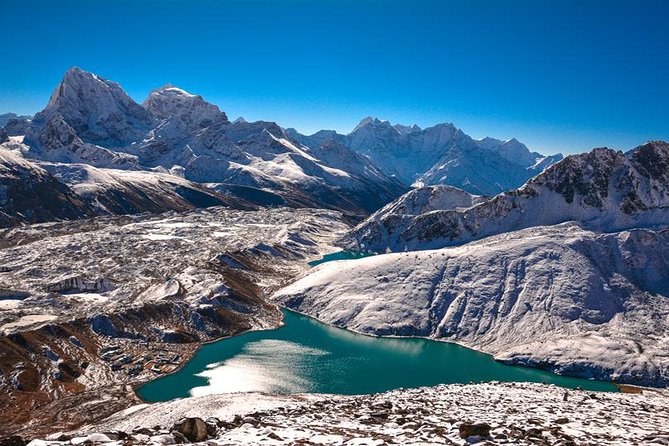
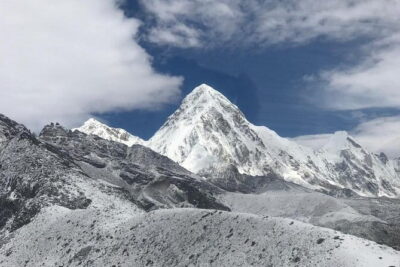
Day 10 is the classic move: Kala Patthar, also called Black Rock. The itinerary says this is where you get the best Everest view, with a 360-degree panorama. From the top, you can see a long list of major peaks including Pumori, Everest, Lhotse, Changtse, and Nuptse, plus many smaller ones.
This is also the day where weather matters most. If cloud rolls in, views can disappear. The good news is that the trek’s overall plan includes time for acclimatization, so you’re not stuck “hoping” with no buffer.
The return trek to Namche and Lukla: why you should not rush
Day 11 begins the return toward Lukla via Pangboche and the rhododendron forest route. The itinerary references crossing the Imja Khola and passing monasteries, then dropping through pine forest and crossing the Dudh Koshi River again.
This is where I tell people not to treat the descent as a victory lap. Yes, the altitude is lower. But your knees and ankles are taking a beating, and fatigue can make you sloppy on rocky footing. Slow down, keep your steps short, and let the day end safely.
Day 12 brings you to Lukla for overnight after a day of descending and following the Tenzing and Hillary suspension bridge. Again, the itinerary frames it as about 7 hours, and the focus should be energy management: your legs will remember every stone if you push too hard.
Flying back to Kathmandu and using your last day well
Day 13 is the early flight from Lukla to Kathmandu (listed as about 30 minutes). The itinerary notes a view over the clouds on the flight and then check-in at your Kathmandu hotel. Once you land, you spend the rest of the day relaxing or exploring.
Day 14 is flexible. You can organize visits to UNESCO sites like Pashupatinath, Swayambhunath, Bouddhanath, and also Baktapur Durbar Square. Or you can spend time in Thamel shopping for souvenirs.
This is a nice touch for value. Many trekking packages give you one “rest day” that’s really just travel. Here, you get a real menu of easy choices.
Day 15 ends with drop-off at the airport for departure from Nepal.
Guides, gear, and real-world support: what the service reputation adds
Your itinerary includes more than standard trekking mechanics. The package includes a down jacket and sleeping bag loan, plus a sleeping bag, duffel bag, and down jacket referenced under included items. That’s a big deal if you’re traveling light or trying to avoid buying cold-weather gear.
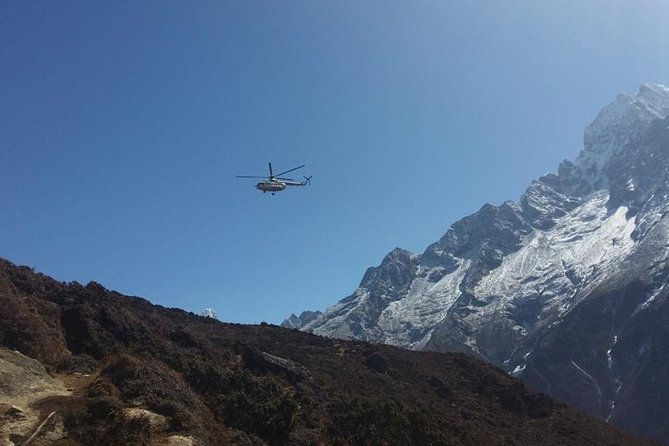
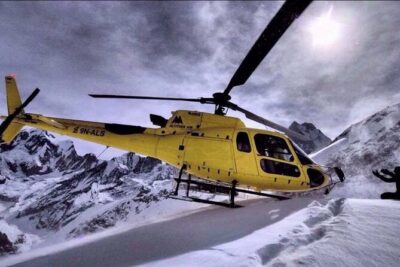
The route also includes backup help: worst case, the company states it will help with rescue and evacuation arrangements. Reviews reinforce that support, with people describing helicopter help and the company stepping in when things got complicated, including flight cancellations due to cloud.
In one review thread, a friend’s health emergency and a guide and porter response are described as life-saving. That doesn’t mean you’ll face emergencies, of course. It does mean this operator has experience dealing with the real-world chaos that can happen in high-altitude travel.
Who should book this Everest Base Camp trek, and who should pause first
This trek is best for adventurous travelers with moderate physical fitness and a willingness to hike rugged trails at higher altitude. If you like structure, clear logistics, and a guide who manages the permits and day plan, you’ll likely feel supported the whole way.
You should pause if:
- You’re not comfortable with altitude and slower acclimatization days.
- You expect an easy walking holiday. Even the gentle sections turn into real mountain hiking by Lobuche and the Glacier approach.
- You hate the idea that weather can affect the mountain experience. The trek requires good weather, and the tour notes that if it’s canceled due to poor weather, you’ll be offered a different date or a full refund.
Should you book this Everest Base Camp trek with Unique Adventure International?
I’d book it if you want a classic Everest Base Camp plan with the key pieces handled: guide-led route, permits, full board, guesthouses and Kathmandu hotel, and Lukla flights included. The added gear loans (down jacket and sleeping bag) also make it easier to pack smarter.
I’d think twice if you need maximum comfort or you’re sensitive to altitude with limited fitness. This itinerary includes acclimatization days because it expects altitude to matter, not because it’s trying to be gentle. Also make sure your travel insurance is sorted for helicopter evacuation, since that’s flagged as not included.
If your goal is the real Everest experience, not just a photo stop, this plan gives you time to get there, time to acclimatize, and two major view days that anchor the trip.
FAQ
When does the trek start and how are you picked up in Kathmandu?
The meeting time is 6:15 am. On arrival in Kathmandu, you’ll meet the representative and get a transfer to your hotel, with airport pickup and drop-off included.
What flights are included in the trek?
Domestic flights are included: Kathmandu/Ramechhap to Lukla and Lukla back to Kathmandu/Ramechhap, including taxes and transfers.
Are meals and accommodation included?
Yes. The trek includes full board with breakfast, lunch, and dinner during the trekking period, plus hotel accommodation in Kathmandu and guesthouse accommodation during the trek.
What trekking permits are included?
The trek includes permits for Sagarmatha National Park entry and TIMS, plus the Khumbu Pashang Lhamu Rural Municipality Fee.
Do you provide trekking gear like a sleeping bag or down jacket?
Yes. You can borrow a down jacket and sleeping bag during the trek. A sleeping bag, duffel bag, and down jacket are listed under included items.
Is there support for health checks during the trek?
Yes. The package includes a first aid medical kit and an oxymeter to check pulse, heart rate, and oxygen saturation at higher altitude.
Is a vegetarian meal option available?
A vegetarian option is available. You need to advise the provider at the time of booking.
Are porters included for carrying luggage?
Porters are not included by default. You can add a porter at an extra cost when booking.
What if the trip is affected by weather?
The experience requires good weather. If it’s canceled due to poor weather, you’ll be offered a different date or a full refund.
More Trekking Out of Kathmandu
More Tour Reviews in Kathmandu
Just Reviewed in Kathmandu
- Mountain Bike Tour
★ 5.0 · 3 reviews - Annapurna Panaroma
★ 5.0 · 3 reviews - Mount Everest Scenic Flight 50 Minutes
★ 5.0 · 3 reviews - Kathmandu : Swambhunath & Durbar Square Guided Half Day Tour
★ 3.3 · 3 reviews - Chandragiri Cable Car & Monkey Temple Tour – Private/Group
★ 5.0 · 3 reviews - Kathmandu: Shivapuri National Park Hiking Day Trip
★ 3.3 · 3 reviews
Everest Base Camp Treks, compared.
 ★ 5.0Everest Base Camp Trek – 14 DaysFrom $1,8001,499 reviews
 ★ 5.0Everest Base Camp TrekFrom $1,790842 reviews
 ★ 5.0Everest Base Camp TrekkingFrom $1,350485 reviews
 ★ 5.0Everest Base Camp Trekking – 13 DayFrom $1,399365 reviews
★ 5.0Everest Base Camp TrekFrom $1,445350 reviews
★ 5.0Everest Base Camp Trek -14 DaysFrom $1,420321 reviews
★ 5.0Everest Base Camp Trekking – 13 DayFrom $1,399365 reviews
★ 5.0Everest Base Camp TrekFrom $1,445350 reviews
★ 5.0Everest Base Camp Trek -14 DaysFrom $1,420321 reviews
 ★ 5.012 Days Everest Base Camp TrekFrom $1,099289 reviews
 ★ 5.0Everest Base Camp Trekking – 2025/2026From $1,339199 reviews
Browse the lists this tour appears in