

Review · EVEREST BASE CAMP TREKS
Everest Base Camp Trek from Kathmandu 12 Days
Everest Base Camp starts with a flight you’ll remember forever. In 12 days, you’ll go from Kathmandu to the Khumbu on Lukla flights, then trek through famous Sherpa towns toward the world’s most talked-about mountain views.
What I like most is the mix of big Himalayan panoramas and real Sherpa village life. You’re not just walking between photo stops—you pass monasteries, suspension bridges, and everyday markets that make the region feel lived-in, not staged. Guides with names like Milan and Bikram are also frequently noted for keeping days organized, pacing smart for acclimatization, and prioritizing safety.
One consideration: it’s not a walk in the park. The trek demands solid fitness, and you’ll feel altitude even on “rest” days, especially once you’re closer to Gorakshep and Kala Patthar.
In This Review
- Key things to know before you go
- From Kathmandu to Lukla: your high-flying start
- Phakding and the Dudh Koshi route into Namche Bazaar
- Namche Bazaar rest day: Thame, Khunde, or simply Namche
- Tengboche monastery day: dusty climbs and big rewards
- Dingboche: altitude management becomes the main event
- Lobuche and the push toward the Khumbu Glacier
- Gorakshep and the Everest Base Camp approach
- Kala Patthar at sunrise: the viewpoint that earns the early start
- The long return: Namche Bazaar and Phakding to Lukla
- Flying back to Kathmandu: the trek finishes on a simple note
- Price and logistics: what $1,350 buys you (and what it doesn’t)
- Your guide team: why Milan, Bikram, and others matter
- Permits, TIMS, and what you’ll need from your passport
- Who should book this trek from Kathmandu, and who should reconsider
- Should you book this Everest Base Camp trek?
- FAQ
- How long is the Everest Base Camp trek?
- What does the price include?
- Are flights included from Kathmandu to Lukla?
- What kind of accommodation is provided during the trek?
- Do I need a permit?
- What is not included in the tour price?
- How far in advance can I cancel for a full refund?
Key things to know before you go
- Lukla fly-in logistics: round-trip Kathmandu–Lukla flights save you days of overland travel.
- Sherpa culture stops: Namche Bazaar, Tengboche, Dingboche, and village monasteries shape the whole journey.
- Rest-day planning built in: you’ll get a Namche and Dingboche recovery day so acclimatization isn’t optional.
- Everest Base Camp plus Kala Patthar: you don’t just reach base camp—you chase the best viewpoint, early.
- Guesthouses at your pace: lodging is in basic tea-house style accommodations along the trail.
- Private-group setup: the tour is set up for your group, with an English-speaking guide and a first-aid kit carried by the guide.
More trails out of Kathmandu, boots ready
- Everest Base Camp Trek – 14 Days★ 5.0 · 1,499 reviews
- Everest Base Camp Trek★ 5.0 · 842 reviews
- Everest Base Camp Trekking★ 5.0 · 485 reviews
- Nagarkot Sunrise View and Day Hiking from Kathmandu★ 5.0 · 471 reviews
From Kathmandu to Lukla: your high-flying start
Day 1 is all about moving fast and staying focused. You transfer to the domestic terminal in Kathmandu and catch a scheduled morning flight to Lukla—the classic gateway into the Everest region. If you’re the type who likes to get your trekking boots on quickly, this part will feel like a win.
After landing, you begin the trek toward Phakding. Today’s walking is described as relatively short, which matters because you’re still fresh off travel and altitude exposure. The timing is set up so you don’t burn your legs on day one.
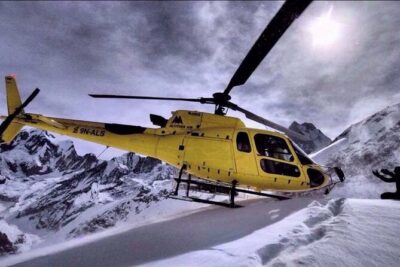
Why this works for you: instead of spending an extra week commuting across Nepal, you spend your limited energy where it counts—on the trail. The downside is that Lukla flights can be weather-sensitive in general. This tour includes the round-trip flight ticket, but flight reliability is still something you should mentally plan around.
Phakding and the Dudh Koshi route into Namche Bazaar
Day 1 to Phakding is your warm-up, then Day 2 pushes into the Khumbu rhythm. The route follows the Dudh Koshi River and includes suspension bridges. You’ll walk through pine forest, and you’ll start to see how the valley funnels trekkers toward the big towns.
Day 2’s goal is Namche Bazaar, the hub of the Khumbu. This is where the trek starts to feel famous, not just hard. Namche has the goods you’ll want while you acclimatize—lodging options, tea-house comfort, and enough activity to keep your brain busy while your body adjusts.
For value: Namche is also where your itinerary starts being more strategic. A lot of trekking problems happen when people race ahead. Here, the plan builds in time later, so you don’t have to guess how much to slow down.
Namche Bazaar rest day: Thame, Khunde, or simply Namche
Day 3 is one of the smartest parts of the itinerary. You don’t just stand around—you stay active, because the plan is to help your body handle altitude. You have options: a day hike to Thame, exploring Khunde, or just taking time in Namche itself.
The detail I find practical here is the mindset: rest doesn’t mean “do nothing.” You’ll keep moving at a controlled pace, which is exactly how you want to prepare for the next climbs. It’s also where you can catch the best light for photos without sprinting up and down all day.
If you’re traveling with a group that tends to push, this is a built-in safety net. The tour’s structure gives you permission to slow down and still feel like you’re progressing.
Tengboche monastery day: dusty climbs and big rewards
Day 4 is the trek to Tengboche, and it’s described as dusty and winding. That’s often what the middle days feel like—grit on the trail, legs working steadily, and the need to keep your effort smooth.
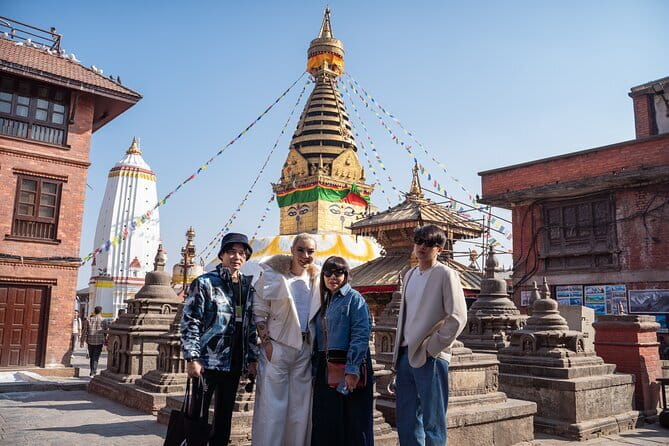
Then you reach Tengboche’s monastery area, and the payoff is panoramic views. Monasteries matter here beyond scenery. They anchor the Sherpa Buddhist culture you’ll see again and again—prayer flags, stone-and-wood buildings, and a sense that the region has spiritual rhythm, not just tourist foot traffic.
What to watch for: monastery-view days can tempt you to linger longer than planned. If you take time to photograph, also keep an eye on energy for the rest of the day. You’ll sleep best if you reach your lodge without rushing.


Dingboche: altitude management becomes the main event
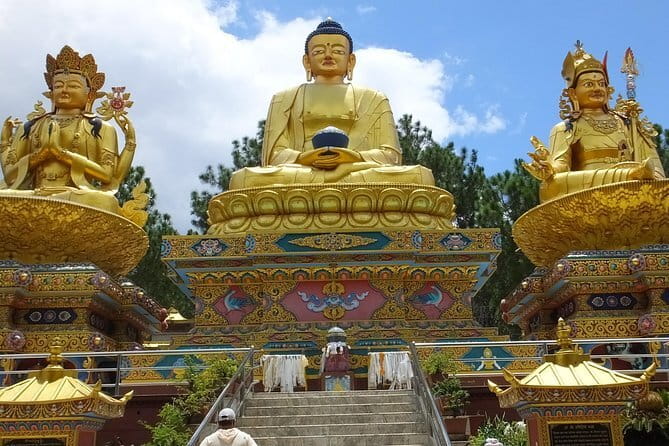
Days 5 and 6 bring you to Dingboche. The approach begins with a visit to the oldest Buddhist monastery in the region (as the tour describes it). From there, the trail continues through alpine woods toward Upper Pangboche, then past settlements like Shomare and onward to Dingboche.
Day 5 feels like a mix of scenic walking and preparation. You’re climbing and gaining altitude while also getting your first real sense of how sparse things become as you go higher.
Day 6 is your second rest-day-style moment. You may choose to explore Dingboche and surrounding villages, but the key purpose is recovery. Dingboche is where many people start feeling the altitude more strongly, so the itinerary’s structure is doing important work for you.
If you want to make the trek easier overall, this is the day to listen to your guide’s pacing instructions. Don’t try to “win” acclimatization by doing too much.
Lobuche and the push toward the Khumbu Glacier
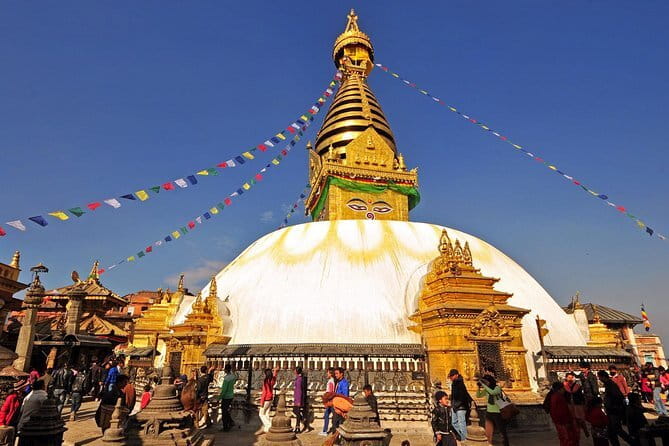
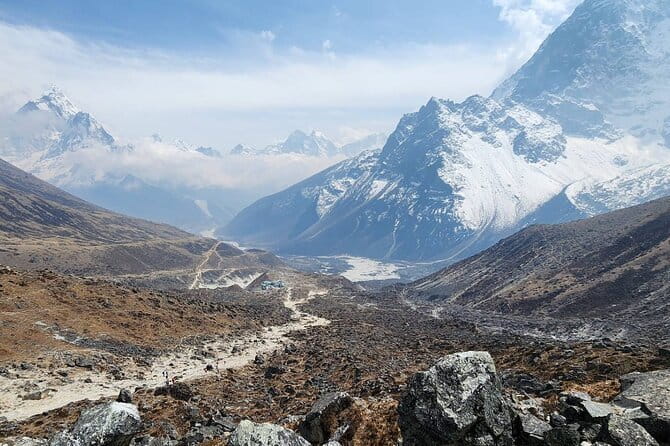
On Day 7 you head to Lobuche. The trek starts with a climb through the Khumbu Khola valley to Duglha. As you get closer to Dusa, the valley narrows, and the trail gets more demanding.
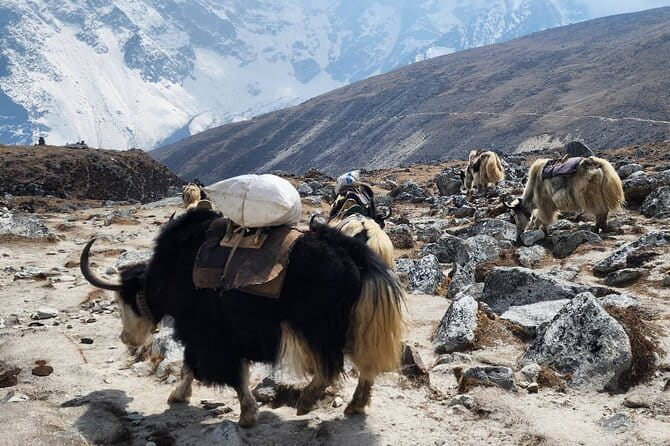
The route is described as difficult with massive boulders and mountain yaks around the trail. This is the kind of terrain where you’ll appreciate a guide who can keep your footing calm and your pace steady. It’s also where energy management matters: once your legs get tired, every rocky step costs more.
Why I like this part of the plan: the route to Lobuche sets you up for Gorakshep without pretending it’s easy. It’s honest. You’re building toward the final push while still being guided through the rough patches.
Gorakshep and the Everest Base Camp approach
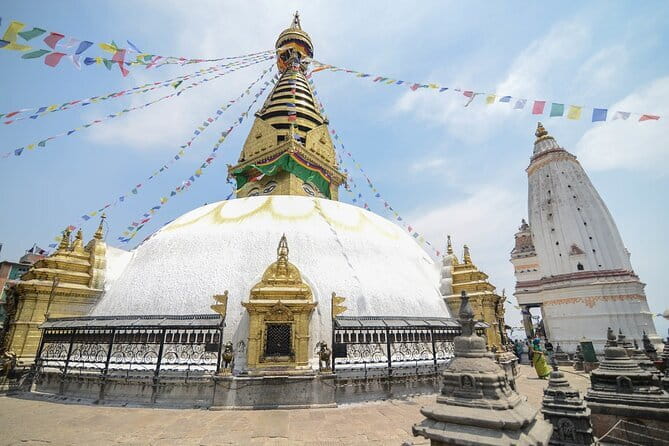
Day 8 is a long, high-stakes day in the best way. First, you trek to Gorakshep, including a path along the side of the Khumbu Glacier. The day mentions a pyramid signpost and an ascent to Thangma Riju from where you can see farther out.
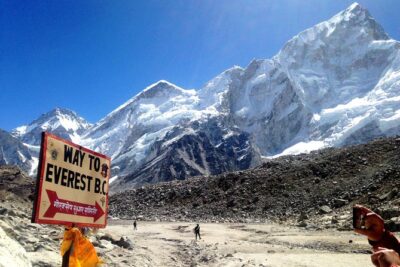
Then comes the highlight: trekking from Gorakshep to Everest Base Camp. After base camp, you return to Gorakshep for overnight.
This is the part of the trek that tends to stick in your memory for two reasons:
1) you finally reach the destination name everyone talks about
2) you do it after days of preparation, which makes the experience feel earned, not rushed
Practical note: Gorakshep nights can feel cold, and day 8 can feel physically busy. Pace yourself on the approach so you enjoy base camp instead of just surviving it.
Kala Patthar at sunrise: the viewpoint that earns the early start
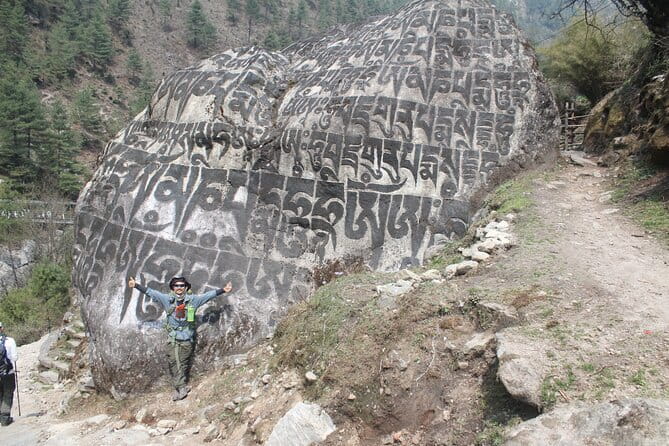
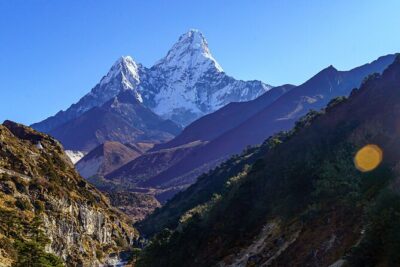
Day 9 starts early for Kala Patthar. This is considered one of the finest viewpoints in the Everest Base Camp trekking region. From here, you get sweeping mountain views, and in practice it’s one of the best spots to feel the scale of the Himalayas all at once.
The key detail is timing. An early start gives you the best chance at dramatic mountain visibility. Then the plan is to descend back to Gorakshep and continue onward to Pheriche for the night.
This is also one of those days where you’ll feel altitude changes quickly. Go easy on yourself on the descent. You’ll likely be tired in your legs, and your knees may complain if you rush down steep sections.
The long return: Namche Bazaar and Phakding to Lukla
Day 10 sends you back toward Namche Bazaar. The route generally follows the earlier path but now in reverse, passing through Sherpa villages like Pheriche and nearby settlements along the Khumbu Khola valley. Since you’ve already learned the “shape” of the region, it often feels easier to navigate—even though you’re still working.
Day 11 continues toward Phakding and Lukla. The trek description points out that the day descends steeply downward, and you should walk slowly and under control because rocky terrain can make your legs feel shaky. You’ll then reach Lukla, with pine and rhododendron forests mentioned on the way.
That steep descent matters more than people expect. It’s one of the biggest injury risks on Everest Base Camp treks. If you’ve got even mild knee issues, this is where you take extra care with stride length and footing.
Flying back to Kathmandu: the trek finishes on a simple note
Day 12 is straightforward: you fly from Lukla back to Kathmandu in the morning, about 35 minutes in the air, and you arrive at Tribhuvan International Airport. Then the long trek becomes a normal city evening.
Even though Day 12 is not physically intense, you’ll feel the difference after days of walking. Drink water, eat something reliable, and don’t plan anything stressful that same afternoon.
Price and logistics: what $1,350 buys you (and what it doesn’t)
The price is listed at $1,350 per person for a 12-day itinerary from Kathmandu. Here’s what that typically covers in this package:
- hotel pickup and drop-off in Kathmandu
- round-trip flight tickets between Kathmandu and Lukla
- trekking permit and TIMS card
- an English-speaking trekking guide
- guesthouse accommodation during the trek
- a first-aid kit carried with the guide
- a private trip setup for your group
What’s not included: personal expenses.
So is it good value? In the Everest region, flights and permits aren’t small costs. This package pulls those major items into one price while also bundling a guide, lodging, and on-trail first aid support. If you’d otherwise have to hire a guide, arrange permits, and manage guesthouse bookings yourself, $1,350 can be a fair deal.
Where value can wobble: your personal spending on the trail. Tea-house snacks, charging gear, extra drinks, and non-included comforts add up. If you want predictable budgeting, plan your daily spend before you leave Kathmandu.
Your guide team: why Milan, Bikram, and others matter
This trek leans heavily on guide quality. The tour provides an English-speaking guide, and the included first-aid kit is carried with the guide. That matters because the trek is high-altitude and rugged, and you don’t want to improvise pacing or risk decisions.
From the guide names that have shown up in positive feedback—Milan, Bikram, Bishnu—there’s a clear pattern: strong organization, kindness, and professionalism. There’s also a mention of careful acclimatization planning and making sure everything from tea-house stays to safety is handled smoothly.
For you, the practical takeaway is simple: choose a company that staffs guides who take acclimatization seriously. The best guide is the one who prevents problems before you notice them.
Permits, TIMS, and what you’ll need from your passport
The tour includes trekking permits and the TIMS card. To issue those, you’ll need to provide passport details and a photo (a selfie works, as stated).
Why this is worth your attention: permits are one of those steps that can hold everything up. Send your info promptly after booking so the team can handle the paperwork before the trek begins.
Also note the “private trip” setup. That means your group is the only group participating, and your itinerary is run for your people. This can reduce the stress of mixed pacing and helps your guide manage your acclimatization plan.
Who should book this trek from Kathmandu, and who should reconsider
This experience is for you if:
- you’re in strong physical shape and you want a real trek, not a stroll
- you want iconic Everest views plus Sherpa culture in the same trip
- you appreciate a structured plan with rest days in Namche and Dingboche
- you like having an English-speaking guide handle permits and route coordination
You should pause if:
- you’re unsure about your altitude comfort or you’re pushing yourself to do this right away
- you’re expecting a low-effort trip (it’s challenging, and rocky days exist)
- you have knee issues that make steep descents risky without careful walking
If your fitness is good and you take acclimatization seriously, this itinerary’s pacing gives you a strong chance of enjoying it rather than just finishing.
Should you book this Everest Base Camp trek?
I’d book it if you want the classic Everest Base Camp route with the key pieces handled: Lukla flights, permits, an English-speaking guide, guesthouse lodging, and two meaningful acclimatization-rest moments. The added strength here is that the itinerary doesn’t treat Everest views as the only goal—it builds in Sherpa towns like Namche Bazaar and monasteries like Tengboche, so the trek feels connected to the Khumbu, not just the summit dream.
If you can’t commit to fitness and slow pacing on descent days, then you might feel miserable later. But if you’re ready to take the climb step-by-step and follow your guide’s plan, this is a very solid way to do Everest Base Camp from Kathmandu.
FAQ
How long is the Everest Base Camp trek?
The trek is listed as 12 days (approx.).
What does the price include?
The package includes hotel pickup and drop-off, round-trip flights between Kathmandu and Lukla, trekking permit and TIMS card, an English-speaking trekking guide, guesthouse accommodation, a first-aid kit (with the guide), and a private trip setup.
Are flights included from Kathmandu to Lukla?
Yes. Round trip flight tickets Kathmandu to Lukla to Kathmandu are included.
What kind of accommodation is provided during the trek?
You’ll stay in guest houses during the trek.
Do I need a permit?
Yes. The trekking permit and TIMS card are included, and you’ll need to provide passport details and a photo to issue the permit.
What is not included in the tour price?
Personal expenses are not included.
How far in advance can I cancel for a full refund?
You can cancel up to 3 days in advance for a full refund. If you cancel less than 3 full days before the experience’s start time, it won’t be refunded.
More Trekking Out of Kathmandu






More Tour Reviews in Kathmandu




Just Reviewed in Kathmandu
- Mountain Bike Tour
★ 5.0 · 3 reviews - Annapurna Panaroma
★ 5.0 · 3 reviews - Mount Everest Scenic Flight 50 Minutes
★ 5.0 · 3 reviews - Kathmandu : Swambhunath & Durbar Square Guided Half Day Tour
★ 3.3 · 3 reviews - Chandragiri Cable Car & Monkey Temple Tour – Private/Group
★ 5.0 · 3 reviews - Kathmandu: Shivapuri National Park Hiking Day Trip
★ 3.3 · 3 reviews
Everest Base Camp Treks, compared.
 ★ 5.0Everest Base Camp Trek – 14 DaysFrom $1,8001,499 reviews
 ★ 5.0Everest Base Camp TrekFrom $1,790842 reviews
 ★ 5.0Everest Base Camp TrekkingFrom $1,350485 reviews
 ★ 5.0Everest Base Camp Trekking – 13 DayFrom $1,399365 reviews
★ 5.0Everest Base Camp TrekFrom $1,445350 reviews
★ 5.0Everest Base Camp Trek -14 DaysFrom $1,420321 reviews
 ★ 5.012 Days Everest Base Camp TrekFrom $1,099289 reviews
 ★ 5.0Everest Base Camp Trekking – 2025/2026From $1,339199 reviews
Browse the lists this tour appears in