
Review · EVEREST BASE CAMP TREKS
Everest base camp trek & Heli return
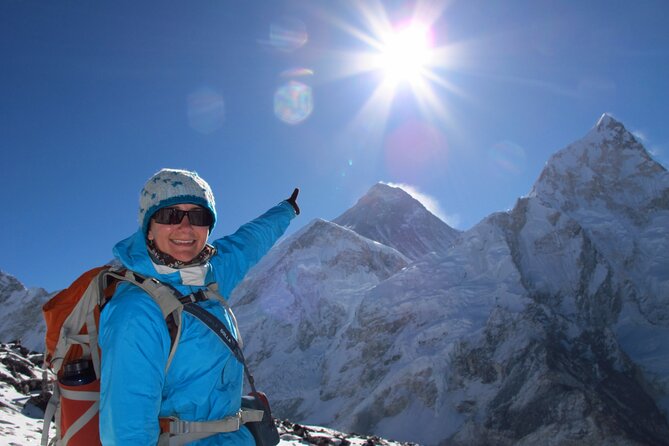
Helicopter return is a game-changer. This 7-day Everest Base Camp plan pairs a classic high-altitude trek with a one-way flight-in and a helicopter out, so you spend your energy on the hiking and your time on the mountain views. I like the way it’s structured for people with moderate fitness and limited time, without turning it into a rushed “checklist” trip.
Two things I’d call out right away are the strong on-the-ground support—an English-speaking, government-licensed guide—and the practical route design that gets you to the key points (Namche, Tengboche, Gorakshep, base camp, Kala Patthar) in just about a week. A possible drawback: weather can affect mountain schedules, and helicopter flights depend on conditions, so you’ll want a flexible mindset.
In This Review
- Key things to pay attention to before you go
- How this 7-day Everest Base Camp + heli return actually works
- Kathmandu meeting point and the early start (5:15 am)
- Day 1: Lukla to Phakding (3–4 hours, around 2,600 m)
- Day 2: Phakding to Namche Bazaar (4–5 hours, around 3,500 m)
- Day 3: Namche to Tengboche (4–5 hours, around 3,870 m)
- Day 4: Dingboche via Deboche bridge and Imja Khola (around 6 hours)
- Day 5: Dingboche to Lobuche (about 6 hours)
- Day 6: Everest Base Camp via Gorakshep (about 7 hours)
- Day 7: Kala Patthar (5,545 m) and the helicopter back to Kathmandu
- Value and what your money covers (and what it doesn’t)
- Your guide: why Padam and Kesh matter in the real world
- Small group size: max 15 on a crowded trail
- Packing and practical habits when gear is on you
- Who should book this Everest Base Camp + heli return trek
- Should you book this trek?
- FAQ
- Where is the meeting point and what time does the trek start?
- How long is the trek, and is it one-way or round-trip?
- What’s included in the price?
- What’s not included?
- Are flights and the helicopter return included?
- What fitness level do I need?
- How many people will be in the group?
Key things to pay attention to before you go
- One-way trekking + one-way flights: You’ll fly Kathmandu to Lukla, then hike up, then fly by helicopter from Gorakshep back to Kathmandu.
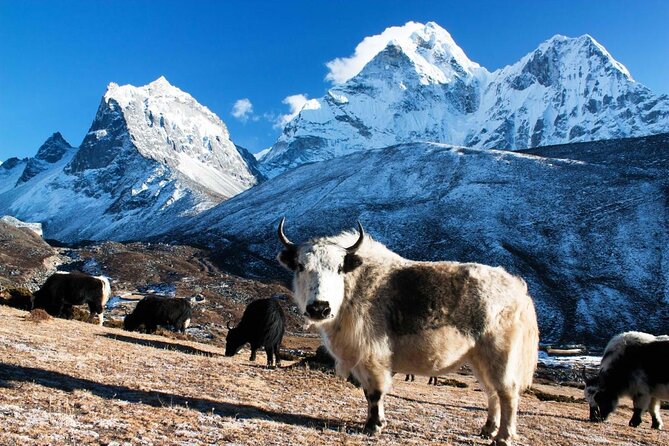
- Altitude comes fast: The itinerary climbs day by day; you’ll need to pace yourself and take breaks like it’s part of the job.
- Tea-house nights are included: Lodges along the route are part of the deal, but you still pay for personal comfort items on your own.
- Meals included for much of the trek: You get 6 breakfasts, 6 lunches, and 6 dinners during the trekking days.
- Small group size (max 15): Easier logistics and a more human feel on the trail.
- Guide support matters in a crisis: The team’s communication and problem-solving skills (for example, when gear went missing) are part of what people consistently value.
More trails out of Kathmandu, boots ready
- Everest Base Camp Trek – 14 Days★ 5.0 · 1,499 reviews
- Everest Base Camp Trek★ 5.0 · 842 reviews
- Everest Base Camp Trekking★ 5.0 · 485 reviews
- Nagarkot Sunrise View and Day Hiking from Kathmandu★ 5.0 · 471 reviews
How this 7-day Everest Base Camp + heli return actually works
This tour is built around a simple idea: get you to the Khumbu quickly, walk the iconic sections, and bring you back by air from the Everest region. You start early from the Kathmandu side, fly to Lukla, and begin hiking almost immediately. On the way down, you don’t do the full multi-day return trek. Instead, you finish at Gorakshep, then fly by helicopter back to Kathmandu after your last high point.
For me, the value is in what the structure protects. You’re not spending your time on extra days of hiking just to get back to a road. You’re spending that time on the classic milestones you came for, like Namche Bazaar’s acclimatization rhythm and the dramatic payoff at Everest Base Camp and Kala Patthar.
One more practical note: the tour includes your flights for this plan (Kathmandu to Lukla, and Gorakshep to Kathmandu by helicopter). That’s important in Nepal, where it’s common for plans to shift around aircraft and weather.
Kathmandu meeting point and the early start (5:15 am)
Your day begins at the TIA Domestic Terminal parking lot in Kathmandu (44600, Nepal), with a start time of 5:15 am. That matters because Lukla flights are time-sensitive, and the day is usually about getting you into the system quickly. If you hate waking up before dawn, you can still love this trek—you’ll just need to treat sleep like a high-priority item in your packing plan.
The good part is you’re not on your own navigating transport alone. Airport transfers are included for pick-up and drop upon arrival and departure for the trek. So you should be able to focus on the big picture: getting to Lukla, acclimatizing well, and keeping your pace steady.
Day 1: Lukla to Phakding (3–4 hours, around 2,600 m)
Day 1 is your soft landing into the Everest region. You fly to Lukla, then hike to Phakding at roughly 2,600 meters. The walk is listed as about 3 to 4 hours, which is exactly what you want on day one: enough time to feel the trail and your breathing, not enough to drain your legs.
Phakding also gives you a reality check on mountain living. Tea houses are your base, and that changes your rhythm compared to a normal hotel. Expect simple comforts, shared spaces, and the need to manage your energy because the next days climb higher.
A small consideration: even with a gentle first day, the weather can change quickly in the Himalaya. Bring layers that you can adjust as you walk and as you sit.
Day 2: Phakding to Namche Bazaar (4–5 hours, around 3,500 m)
Namche Bazaar is where the trail starts to feel like a town. The hike from Phakding is described as 4 to 5 hours, ending at about 3,500 meters. The big reason Namche matters is acclimatization. You’re higher, but you also get time to explore in the late afternoon.
I like this stop because it’s more than scenery. You’re walking into a place where you can reset your mindset: get your bearings, find the rhythm of the altitude, and see how the Khumbu communities work day to day. It also helps you emotionally. Day 1 puts you on the map; day 2 makes it real.
The trade-off is that Namche days can feel “busy” compared to the quieter stretches. If you’re the type who likes silence, plan on using the morning and the edges of the day more than the middle.


Day 3: Namche to Tengboche (4–5 hours, around 3,870 m)
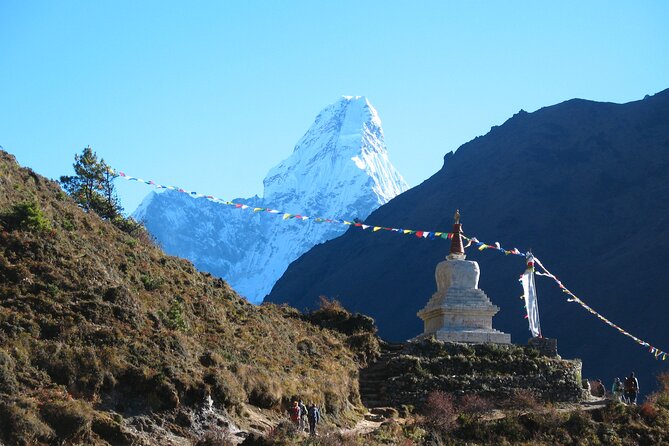
Day 3 climbs to Tengboche at about 3,870 meters, with a walk of roughly 4 to 5 hours. This section is described as passing through rhododendron forests, along Mani walls, and by Chortens, with panoramic Himalayan views showing up along the way.
This is one of the classic “you’ll remember this” days. Rhododendrons can feel like a bonus, but the real reward is the view focus. Tengboche is known for dramatic vistas and the overall spiritual calm around the area, and that matters when you’re already thinking about base camp.
Practical thought: this is also a good day to practice your pacing. The higher you go, the more you’ll feel the altitude when you rush. Take it slow, sip water, and let your breathing settle.
Day 4: Dingboche via Deboche bridge and Imja Khola (around 6 hours)
Today you move to Dingboche, and the description highlights the transition: you trek down through rhododendron forest to Deboche, cross a bridge over the roaring Imja Khola, then start an ascent again. The walk is about 6 hours, and the day includes villages along the route such as Pangboche and Somare before reaching Dingboche.
Why I like this day: the trail gives you variety. It’s not just uphill suffering. You get a descent into the valley, then the climb back up. That pattern helps your body and keeps your brain from feeling trapped in one constant gradient.
The bridge detail also gives you a sense of what kind of terrain you’re stepping over—real river crossings, real sights. It’s scenic, but you’ll still want to watch your footing and keep steady on narrow sections.
Day 5: Dingboche to Lobuche (about 6 hours)
You trek from Dingboche to Lobuche, around 6 hours. This section is described with big visual payoffs: views of Ama-dablam, Lhotse, Phortse peak, and Cholatse until you reach the Dughla area, and then continue to Lobuche.
This is where the mountain “hits harder.” As you gain altitude, the peaks get sharper and more imposing. The trail also starts feeling more like an Everest approach than a general hiking route.
One consideration: your body may still be adjusting after several days of climbing. If you feel unusually tired here, don’t treat it like failure. It’s normal to have a day where the altitude feels louder.
Day 6: Everest Base Camp via Gorakshep (about 7 hours)
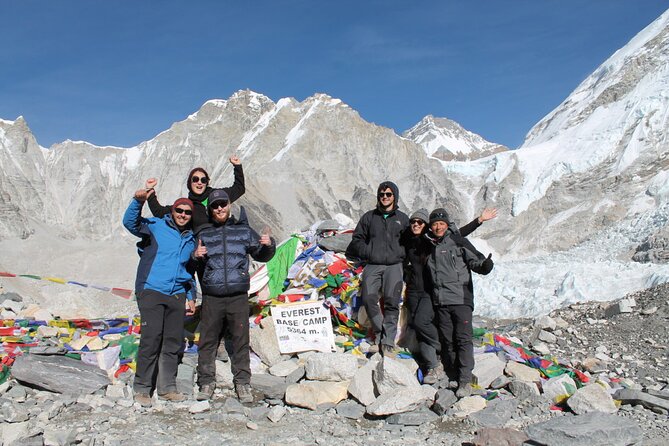
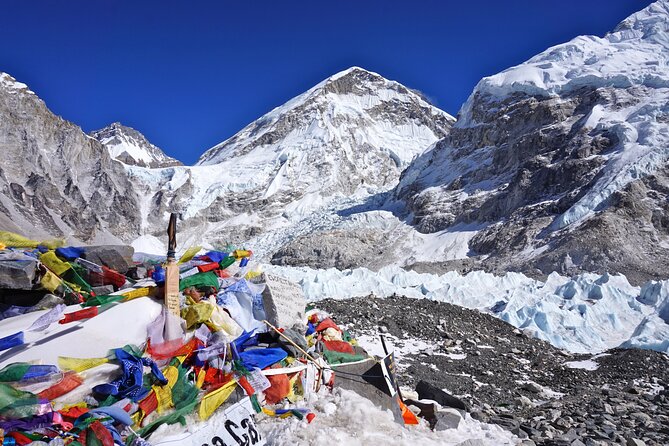
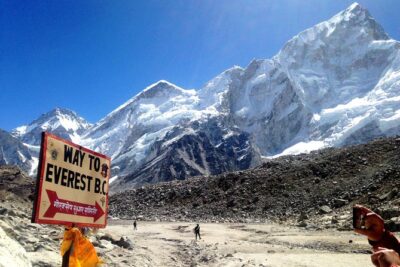
Day 6 is the importation day—the day you actually reach Everest Base Camp at 5,364 m. The schedule is longer: about 7 hours total, and it includes the walk through Gorakshep. You walk to Gorakshep first, have lunch there, then continue to base camp, spend time at the site, and return to Gorakshep for overnight.
The Gorakshep stop is practical. It breaks up the day and gives you a place to refuel before the final push. And it’s also part of the emotional arc: you’ll feel like you’ve already reached something by the time you stand in Gorakshep, then you still have base camp waiting.
What you can expect at base camp isn’t just a moment. It’s walking to the destination that defines the region. Even if you’ve seen photos, there’s still a shift when you’re physically there—wind, altitude, and the simple fact that you’re standing near the end of the climb for many expeditions.
Day 7: Kala Patthar (5,545 m) and the helicopter back to Kathmandu
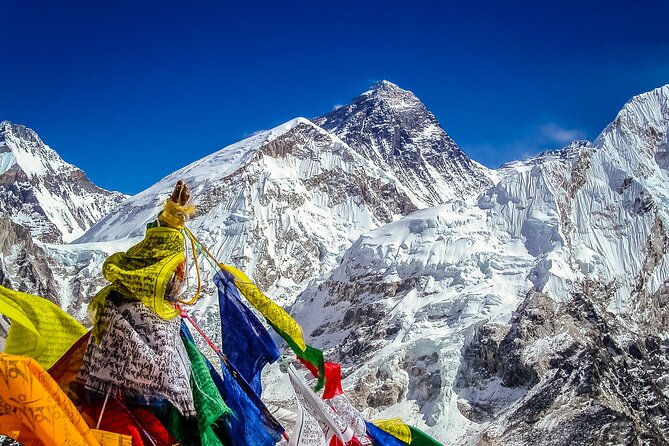
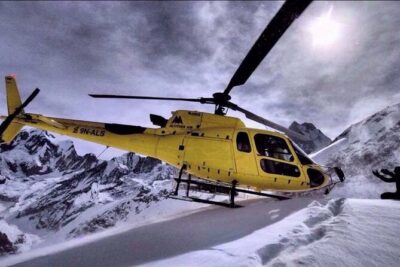
Day 7 starts early with the big finale: a trek to Kala Patthar at about 5,545 meters. The description calls it your final destination, and it promises stunning views of Mt. Everest and other Himalayas from there. Afterward, you trek back to Gorakshep for breakfast, then fly by helicopter back to Kathmandu.
This is the day where you’ll understand why people wake up again after yesterday’s effort. Kala Patthar is all about sightlines—standing high enough to see Everest’s form with clarity. It’s demanding, but it’s also the type of effort that feels proportional to the reward.
Then comes the best part: the return by sharing helicopter. You avoid the long walking descent back to Lukla (and the days it would take). You still get to feel the trek’s accomplishment, but you don’t have to spend your whole holiday moving downhill.
Value and what your money covers (and what it doesn’t)
At $3,195 per person for an approximately 7-day experience, the question isn’t just “Is it expensive?” It’s “Does it remove hassle and risk, or does it just add cost?”
Here’s what’s included that helps you:
- Flights: Kathmandu to Lukla, and Gorakshep to Kathmandu by helicopter
- Trekking permits and entrance fee (necessary for the route)
- Tea house lodge nights during the trek
- Supporting staff: an English-speaking, government-licensed trekking guide
- Meals: 6 breakfasts, 6 lunches, 6 dinners
- Airport transfers for pick-up and drop connected to the trek
What you should budget separately:
- Kathmandu hotel before and after the trek (not included)
- Personal expenses like battery charging, WIFI, beverages, mineral water, and hot showers
- Travel insurance and emergency evacuation costs
- Your personal trekking gear (not included)
To me, the best value lever here is the helicopter return. It’s not a minor add-on—it changes your time and fatigue level dramatically. If you have limited vacation days, that’s where the price starts to make sense.
Your guide: why Padam and Kesh matter in the real world
This style of trek lives or dies on guidance at altitude. Your tour includes a government-licensed English-speaking guide, and names like Padam come up for a reason: clear English, lots of mountain experience, and the ability to answer questions without brushing you off.
On the Kathmandu side, Kesh is described as highly professional and responsive. One of the most useful details was communication during problems like weather delays, where staying in contact and offering practical options is what keeps stress down. There’s also the simple-but-big support story about finding missing boots for a group member—exactly the kind of small fix that prevents a trek from turning into a disaster.
You shouldn’t need a crisis to appreciate good support, but it’s comforting to know it’s there.
Small group size: max 15 on a crowded trail
With a maximum group size of 15, this plan should feel more manageable than the huge “line of people” style treks. In real terms, it can make it easier to keep a pace that feels right for your body, and it helps logistics move smoothly when you’re changing elevations and stopping for meals.
That said, you’re still in a popular route. Expect to share portions of trail and tea-house spaces. Your best defense is flexibility: don’t treat delays as failure; treat them as part of mountain life.
Packing and practical habits when gear is on you
Because personal trekking gear isn’t included, you need to plan for your own comfort and safety. Keep your packing simple and functional. Also, remember that personal comfort costs along the route exist on top of what’s included—things like charging, internet access, and hot showers are listed as personal expenses.
I also recommend you plan for the reality of cold and reduced daylight. Even if the itinerary is clear, the mountains don’t care about schedules. Layering and pacing are your best friends.
Who should book this Everest Base Camp + heli return trek
This plan fits best if you:
- Have moderate fitness and feel confident hiking multi-hour days with altitude climbing
- Want the core Everest highlights—Namche, Tengboche, Gorakshep, base camp, and Kala Patthar—in about a week
- Care about time and don’t want a long return hike
- Appreciate having a strong English-speaking guide and organized flights
It may not be the best fit if you:
- Know you need a lot of recovery time between hikes
- Get uncomfortable with early mornings and altitude pacing
- Prefer a fully flexible, slow-travel style (because helicopter timing can depend on conditions)
Should you book this trek?
If you want a serious Everest experience without burning your whole vacation on the long return, I think this is a smart choice. The combination of Lukla flight in and helicopter flight out is the big decision point, and it’s backed up by solid included support: guide, permits, tea-house nights, and most meals.
Book it if you’re honest about your fitness and you’re ready to move steadily rather than fast. Pass or ask questions first if you’re hoping for a purely restful, low-effort hike. The prize at the end is real—and the mountain is still the mountain.
FAQ
Where is the meeting point and what time does the trek start?
The start is at the TIA Domestic Terminal parking lot in Kathmandu (44600, Nepal). The start time is 5:15 am.
How long is the trek, and is it one-way or round-trip?
The experience is listed as about 7 days. It’s a one-way trek and a one-way chopper (helicopter) flight trip.
What’s included in the price?
Included are airport transfers for pick-up and drop upon arrival and departure for the trek, tea-house lodge nights, necessary trekking permits and entrance fees, an English-speaking government-licensed trekking guide, the Kathmandu to Lukla flight ticket, the Gorakshep to Kathmandu helicopter flight, and meals (6 breakfasts, 6 lunches, 6 dinners).
What’s not included?
Not included are the hotel in Kathmandu before and after the trek, personal expenses (battery charging, WIFI, beverages, mineral water, hot water shower), travel insurance and emergency evacuation costs, and personal trekking gear for the trek.
Are flights and the helicopter return included?
Yes. You’ll fly from Kathmandu to Lukla, and you’ll take a helicopter from Gorakshep back to Kathmandu as part of the plan.
What fitness level do I need?
The experience says travelers should have a moderate physical fitness level.
How many people will be in the group?
The tour notes a maximum of 15 travelers.
More Trekking Out of Kathmandu






More Tour Reviews in Kathmandu




Just Reviewed in Kathmandu
- Mountain Bike Tour
★ 5.0 · 3 reviews - Annapurna Panaroma
★ 5.0 · 3 reviews - Mount Everest Scenic Flight 50 Minutes
★ 5.0 · 3 reviews - Kathmandu : Swambhunath & Durbar Square Guided Half Day Tour
★ 3.3 · 3 reviews - Chandragiri Cable Car & Monkey Temple Tour – Private/Group
★ 5.0 · 3 reviews - Kathmandu: Shivapuri National Park Hiking Day Trip
★ 3.3 · 3 reviews
Everest Base Camp Treks, compared.
 ★ 5.0Everest Base Camp Trek – 14 DaysFrom $1,8001,499 reviews
 ★ 5.0Everest Base Camp TrekFrom $1,790842 reviews
 ★ 5.0Everest Base Camp TrekkingFrom $1,350485 reviews
 ★ 5.0Everest Base Camp Trekking – 13 DayFrom $1,399365 reviews
★ 5.0Everest Base Camp TrekFrom $1,445350 reviews
★ 5.0Everest Base Camp Trek -14 DaysFrom $1,420321 reviews
 ★ 5.012 Days Everest Base Camp TrekFrom $1,099289 reviews
 ★ 5.0Everest Base Camp Trekking – 2025/2026From $1,339199 reviews
Browse the lists this tour appears in