
Review · EVEREST BASE CAMP TREKS
Everest Base Camp Trek – Hiking to Mt Everest
Everest Base Camp starts with a hop to Lukla. This private 15-day trek stitches together Sherpa villages, monastery stops, and tea-house nights, then pushes you up to the foot of the world’s biggest mountain at 5,363m. I love that the schedule builds in real recovery days, not just nonstop hiking.
One more thing I like: the package is structured so you’re not doing logistics math every day. You get airport pickup, flights Kathmandu–Lukla both ways, a guide/porter team, and meals plus lodging on the trek. A possible drawback to know up front is that Lukla flights can get delayed, so the plan may shift on the fly.
In This Review
- Key Things That Make This Everest Trek Worth Your Time
- A Private Everest Base Camp Trek: What Makes It Feel Different
- Kathmandu Warm-Up: The Days Before Your First Real Climb
- Flights to Lukla: The Trek’s Starting Line (and Its One Wild Card)
- Lukla to Namche Bazaar: Phakding, Then the Big Shift Up
- Tengboche and Dingboche: Monasteries, Views, and Slower Progress
- Lobuche to Gorak Shep to Everest Base Camp: The 5,000m Reality Check
- Kala Patthar at 5,545m and the Descent to Pheriche
- Pheriche Back Down Toward Namche, Then Lukla
- Tea Houses, Food, and Sleep: What You’re Really Signing Up For
- Guide and Porter Support: Why This Package Stops You From Overthinking
- Price and Logistics: What $1,500 Per Person Really Covers
- Altitude, Fitness, and Who This Trek Fits Best
- Should You Book This Everest Base Camp Trek?
- FAQ
- What is the highest altitude on this trek?
- How do you get from Kathmandu to the trek route?
- Is airport pickup included?
- What kind of accommodation do you use on the trek?
- Are meals included?
- Do I need to arrange my visa and international flights?
- Can I cancel and get a full refund?
Key Things That Make This Everest Trek Worth Your Time
- Private group setup so you’re not squeezed into a big, slow-moving crowd.
- Kathmandu–Lukla flights included both directions, plus an early scenic return flight.
- Acclimatization days built in at Namche Bazaar and Dingboche to help your body adjust.
- Tea-house nights with included breakfast, so you sleep near the route and keep moving efficiently.
- Two big altitude payoffs: Everest Base Camp at 5,363m and Kala Patthar at 5,545m.
More trails out of Kathmandu, boots ready
- Everest Base Camp Trek – 14 Days★ 5.0 · 1,499 reviews
- Everest Base Camp Trek★ 5.0 · 842 reviews
- Everest Base Camp Trekking★ 5.0 · 485 reviews
- Nagarkot Sunrise View and Day Hiking from Kathmandu★ 5.0 · 471 reviews
A Private Everest Base Camp Trek: What Makes It Feel Different
This is marketed as a private Everest Base Camp trek, and that matters more than it sounds. With only your group, you can keep a steady pace, listen to your guide without a dozen other conversations competing, and make practical decisions faster when weather or trail conditions change.
You also get a very “Khumbu-focused” route. It’s not just about reaching a point on a map. You move through the places that shaped Sherpa life for generations: high-altitude villages, small monasteries, and tea-house communities that run on stubborn kindness and early-morning routine.
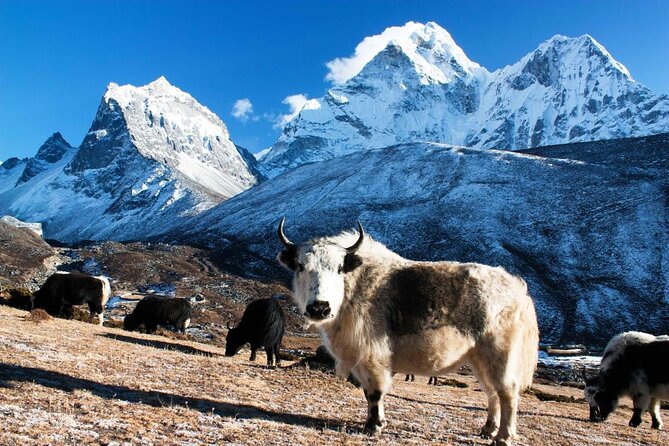
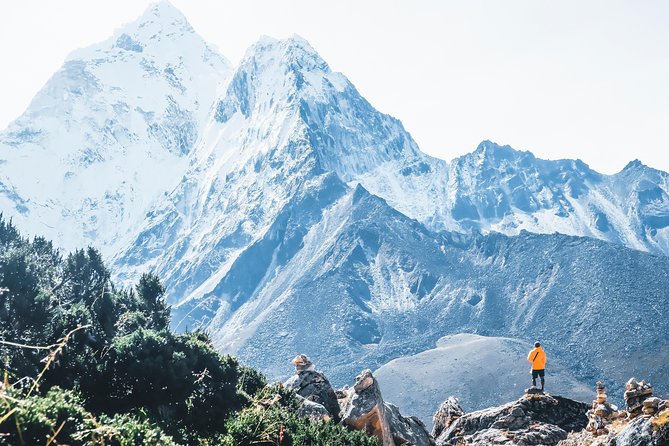
And yes, it’s dramatic country. You’re constantly stepping into wider valleys, glacial basins, and those postcard peaks that always look slightly sharper in person. Still, the best part is how quickly Everest starts to feel real—not just huge, but close enough to notice details.
Kathmandu Warm-Up: The Days Before Your First Real Climb
You start with two key days in Kathmandu, plus extra time before you fly out. Day 1 is simply welcome and settling in. Day 2 is where you actually get ready: exploring the Kathmandu Valley and preparing for the trek.
I like these upfront days because they give you breathing room to get your bearings—gear sorted, questions answered, and paperwork handled (like your visa on your side). You’ll also appreciate being in Kathmandu first rather than rushing straight into the mountains. When you’re about to hike at 3,000m+ and sleep high, arriving calm helps.
The package includes 3 nights star accommodations with breakfast in Kathmandu. That’s a real comfort buffer. Not luxury for luxury’s sake, but a practical reset before you trade room service for a tea house and a sleeping bag.
Flights to Lukla: The Trek’s Starting Line (and Its One Wild Card)
On Day 3, you fly from Kathmandu to Lukla (2,840m), then hike to Phakding (2,640m). This day is all about transition. Your body drops slightly in altitude after arriving, which can feel easier while you adjust to the thin air.
Lukla is also where you learn about Everest logistics: flights can be delayed due to weather. The good news is that this operator’s team is known for staying practical and making adjustments when plans wobble. In one set of experiences, delays meant the schedule had to change early on, and the guide worked with a Plan B without drama.
So here’s the honest consideration: if your trip is built around a strict timetable, Lukla flights can challenge that. Your best move is to travel with flexibility and keep your sense of humor in your daypack.
Lukla to Namche Bazaar: Phakding, Then the Big Shift Up
From Phakding, Day 4 takes you to Namche Bazaar (3,440m). This is a classic “get moving, then start to climb for real” section. You’ll be hiking in the Khumbu rhythm—steps that feel steady, then suddenly you notice your breathing is doing its own agenda.
Day 5 is your acclimatization day at Namche Bazaar. This is one of the most valuable parts of the whole itinerary. It’s not wasted time. It’s where you teach your body to handle altitude without forcing it to panic.
Namche itself is also a useful staging area. You’re higher, you can see more, and you get a chance to move around lightly while still taking altitude seriously. The trek asks you to respect your pace, and Namche gives you the space to do it.
Tengboche and Dingboche: Monasteries, Views, and Slower Progress
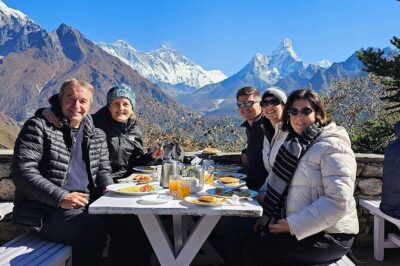
Day 6 goes from Namche Bazaar to Tengboche (3,867m). Tengboche is strongly associated with monasteries and prayer ceremonies, and the cultural side is a big reason people fall in love with the route. You’re not just passing through scenery; you’re meeting communities that have lived with the mountain long enough to make it part of daily life.
Day 7 then moves from Tengboche to Dingboche (4,350m). This segment pushes higher, and the trail starts to feel more serious. It’s the kind of day where walking slower is not a choice—it’s survival math.
Day 8 is your acclimatization day at Dingboche. Again: this is not a free day off. It’s a strategy day. At these altitudes, staying calm and letting your body catch up can make the difference between arriving at the next stop feeling strong versus feeling wrecked.
If you tend to rush when you’re excited, this is where you’ll need to practice restraint. The mountains reward patience.
Lobuche to Gorak Shep to Everest Base Camp: The 5,000m Reality Check
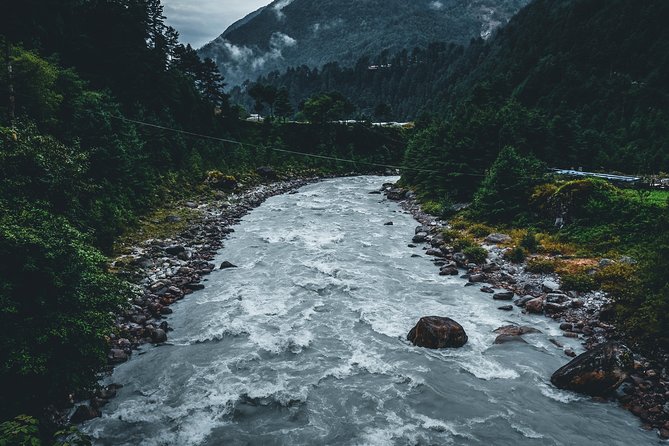
Day 9 takes you from Dingboche to Lobuche (4,931m). The higher you go, the more the world narrows to footsteps, breath, and whatever your legs can negotiate today. This is also the point where your hydration and snack routine start mattering a lot.
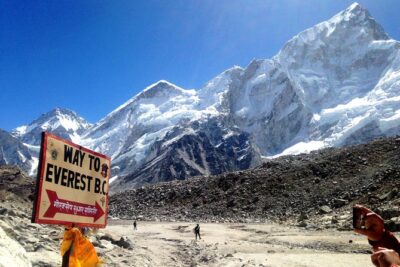
Day 10 is the day you go for Everest Base Camp, traveling via Gorak Shep. The itinerary notes Gorak Shep around 5,170m, then continuing toward the base camp area at 5,363m. This is where “I came all this way” stops being a slogan and starts being real.
Everest Base Camp is famous for a reason. It’s not just about being near the mountain—it’s about seeing the scale of ice, the way glaciers shape the valley, and how the expedition world works in a place that feels too remote for ordinary life.
Practical note: this day can also be emotionally intense. It’s a peak-moment day, but you still need to move safely and not burn yourself out trying to do everything at once.
Kala Patthar at 5,545m and the Descent to Pheriche
Day 11 is often the hardest day in the itinerary, even though it includes a climb-and-descent pattern. You trek from Everest Base Camp to Kala Patthar (5,545m), then continue to Pheriche (4,210m).
Kala Patthar is the altitude payoff. You’re going high not because you’re chasing a number, but because the views tend to be the kind that stick with you for years. Still, “worth it” doesn’t mean “easy.” You’ll want a calm rhythm and a plan for turning your legs over even when you feel the air getting thinner.
After Kala Patthar, you drop to Pheriche. That descent is not just “good news.” It’s also where you help your body reset. You’ll be tired, but you’ll also be moving back into more breathable altitude, which usually makes you feel human again.
Pheriche Back Down Toward Namche, Then Lukla
Day 12 is Pheriche to Namche Bazaar. This section is a real mental win: you’ve done the big altitude targets, and now the route supports recovery. It’s still work—your legs have memories—but the direction helps.
Day 13 is Namche Bazaar to Lukla. Ending at Lukla sets you up for the flight out. I like this structure because it prevents the classic “you arrive in town, but your body feels like it was hit by a bus” problem. You still hike, but you hike with an exit date in sight.
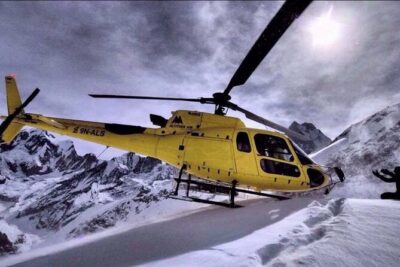
Day 14 includes an early morning scenic flight back to Kathmandu, plus an exploration day in the Kathmandu Valley. That’s a smart close. You get to decompress without turning the trip into a total rest-only reset.
Tea Houses, Food, and Sleep: What You’re Really Signing Up For
This trek uses family-run tea houses for 11 nights during the hiking portion. You’ll be sleeping at altitude, and tea-house life is simple but functional: you show up, you eat, you rest, you repeat.
I appreciate that breakfast is included during trekking days, and the package also includes lunch and dinner during the trek. That reduces the day-to-day decision fatigue of hunting for food while your body is already busy.
One more benefit: you’re not walking for hours thinking about where you’ll sleep tonight. Your route and accommodation are part of the plan, which keeps you moving with less stress.
The trade-off is obvious: tea-house conditions won’t match a hotel. But that’s the point. You’re traveling inside the local trekking system, not hovering above it.
Guide and Porter Support: Why This Package Stops You From Overthinking
A big part of why this trek works for many people is the human support. The included team includes a guide and porter, and that matters for more than carrying things.
Your guide helps you pace, decide when to slow down, and keep the itinerary moving in a way that fits the mountains. Names that show up in operator experiences include Tony, Tika, and Durga Kadel, with coordination connected to owner Jiban. When flight schedules change, the guide’s job turns into problem-solving, and these experiences highlight quick, professional handling of last-minute shifts and bookings.
Porters also take the edge off your load, which helps when you’re moving from steep day to steep day. On an Everest route, small differences in fatigue add up fast.
Price and Logistics: What $1,500 Per Person Really Covers
At $1,500 per person for about 15 days, the price is easiest to understand when you break it into components.
You’re getting:
- 3 nights in Kathmandu with breakfast
- 11 nights tea-house accommodation with breakfast during trekking days
- Lunch and dinner during the trek
- Kathmandu–Lukla flights both ways (plus the early flight back)
- Guide and porter support
- A medical kit, certificates, and local/government taxes
- Airport pickup & drop, plus preparatory sessions before and after arrival
The big value here is that flights to Lukla are included. Those flights are usually one of the most expensive, most timing-sensitive parts of the Everest puzzle. By building them into the tour, you avoid a lot of extra coordination work and unexpected cost bumps.
What’s not included is also clear: visa cost, international airfare, drinks, travel insurance, and personal expenses, tips, and shopping. I’d treat insurance as non-negotiable for altitude trekking, even if it’s not included in the package price.
Altitude, Fitness, and Who This Trek Fits Best
The tour is for travelers with moderate physical fitness. That doesn’t mean it’s a casual walk. You’re hiking at high altitude and doing multi-day climbs with recovery stops.
If you’re the type who can handle long days on your feet, you’ll likely do well with this structure. If you’re newer to trekking, the acclimatization days help, but you still need to show up with realistic expectations about breath control and steady pace.
This is also a good fit if you want the cultural side as much as the views: villages, monasteries, and Sherpa hospitality are a core part of the trip feel.
One caution: the trek is described as physically draining in operator experiences, including for an older trekker who still managed to complete it thanks to consistent guide support and patience. That’s your reminder that the right pace and the right help matter.
Should You Book This Everest Base Camp Trek?
I’d book this trek if you want a well-paced Everest itinerary with built-in acclimatization, included tea-house logistics, and real guide/porter support. You’re also getting solid value for money because flights to Lukla and key meals are included, not added later like a surprise bill.
I’d think twice if you know you hate schedule changes. Lukla weather can shift things, and you’ll want to stay flexible. Also plan your own travel documents and insurance, since those aren’t covered.
If you want Everest at the feet of the mountain—plus the Sherpa culture that makes the route more than just a high-altitude checklist—this is the kind of trek that tends to make people feel proud on the way down, not just impressed on the way up.
FAQ
What is the highest altitude on this trek?
You’ll hike up to Everest Base Camp at 5,363m. The itinerary also includes Kala Patthar at 5,545m on the way back.
How do you get from Kathmandu to the trek route?
You fly from Kathmandu to Lukla (2,840m) and start the trekking portion from Lukla. You return by flying back to Kathmandu later in the trip.
Is airport pickup included?
Yes. The tour includes airport pickup and drop.
What kind of accommodation do you use on the trek?
You stay in tea houses during the trekking days (11 nights). In Kathmandu, you stay for 3 nights in star accommodations with breakfast.
Are meals included?
Yes. Breakfast is included during trekking days, and lunch and dinner are included during the trek.
Do I need to arrange my visa and international flights?
Visa cost and international airfare are not included, so you’ll need to handle those yourself.
Can I cancel and get a full refund?
Yes, you can cancel up to 24 hours in advance for a full refund. If you cancel less than 24 hours before the start time, the amount paid won’t be refunded.
More Trekking Out of Kathmandu
More Tour Reviews in Kathmandu
Just Reviewed in Kathmandu
- Mountain Bike Tour
★ 5.0 · 3 reviews - Annapurna Panaroma
★ 5.0 · 3 reviews - Mount Everest Scenic Flight 50 Minutes
★ 5.0 · 3 reviews - Kathmandu : Swambhunath & Durbar Square Guided Half Day Tour
★ 3.3 · 3 reviews - Chandragiri Cable Car & Monkey Temple Tour – Private/Group
★ 5.0 · 3 reviews - Kathmandu: Shivapuri National Park Hiking Day Trip
★ 3.3 · 3 reviews
Everest Base Camp Treks, compared.
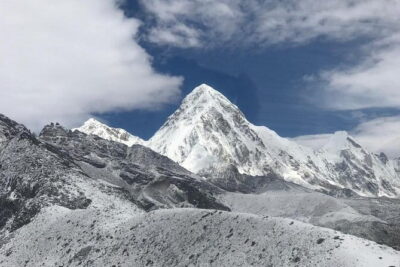 ★ 5.0Everest Base Camp Trek – 14 DaysFrom $1,8001,499 reviews
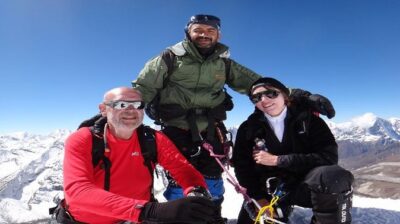 ★ 5.0Everest Base Camp TrekFrom $1,790842 reviews
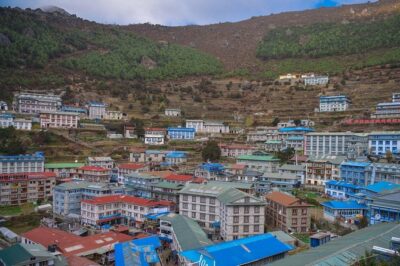 ★ 5.0Everest Base Camp TrekkingFrom $1,350485 reviews
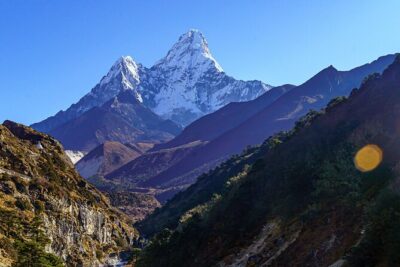 ★ 5.0Everest Base Camp Trekking – 13 DayFrom $1,399365 reviews
★ 5.0Everest Base Camp TrekFrom $1,445350 reviews
★ 5.0Everest Base Camp Trek -14 DaysFrom $1,420321 reviews
★ 5.0Everest Base Camp Trekking – 13 DayFrom $1,399365 reviews
★ 5.0Everest Base Camp TrekFrom $1,445350 reviews
★ 5.0Everest Base Camp Trek -14 DaysFrom $1,420321 reviews
 ★ 5.012 Days Everest Base Camp TrekFrom $1,099289 reviews
 ★ 5.0Everest Base Camp Trekking – 2025/2026From $1,339199 reviews
Browse the lists this tour appears in