
Review · EVEREST BASE CAMP TREKS
Everest Base Camp trek in 14 days
Everest Base Camp starts with a dare. This 14-day Solukhumbu trek is built around the classic route to the base of the world’s tallest peak, plus the Sherpa towns that make the climb feel human, not just high. I especially like the Lukla flight-and-arrival setup; seeing Everest grow as you land in the clouds is its own kind of kickoff.
What I like most is the mix of big scenery and organized support. You’re led by an English-speaking, government-licensed trek leader, and the operator’s coordination shows up in the details—smooth Kathmandu handoffs, and careful day planning. I also like the small group size (up to 12), which makes it easier to keep a steady pace instead of turning the trail into a moving crowd.
One consideration: this is a serious walking program at altitude. Expect lots of trekking time, colder nights up high, and meals aren’t included beyond the breakfasts, so you’ll want to budget for drinks and simple lodge costs. Weather can also affect flight timing on the Lukla legs.
In This Review
- Key things I’d watch for before you go
- Why Everest Base Camp Still Beats the Detours to Nowhere
- Kathmandu Arrival: Your Setup Day Feels Organized (Not Rushed)
- The Lukla Flight: The Most Scenic Part of the Whole Trip
- Days 3–5: Dudh Koshi River Walking Into Namche Acclimatization
- Tengboche to Dingboche: Monastery Views Meet Actual Climbing
- Lobuche, Gorakshep, and Kala Patthar: Where the Trek Gets Serious
- Coming Down: Prayer Wheels, Pine Woods, and the Long Return
- Kathmandu Again: Flight Timing, Then Real Recovery
- Price and Value: What You’re Paying For (and What You’ll Still Spend)
- Who This Everest Base Camp Trek Suits Best
- Day-by-Day Pace: How to Think About Each Stage
- Booking Details That Can Affect Your Readiness
- Should You Book This Everest Base Camp Trek?
- FAQ
- What does the trek include for flights and permits?
- Where do I stay during the trek?
- Are meals included on the trekking days?
- Do I get a porter on this package?
- What group size should I expect?
- What happens if my Lukla flight timing changes due to weather?
Key things I’d watch for before you go
- Lukla flight first, not later: you’re committing to the mountain approach right away, with dramatic views on arrival.
- Namche is built in as an acclimatization stop: you get time to adjust before higher terrain.
- Kala Patthar timing options: you can plan for sunset views either on the approach day or as part of the next push.
- Local lodge nights, room-only: expect basic rooms up the route, with your comfort level tied to layering and patience.
- Permits included: Sagarmatha National Park and TIMS are covered in the package.
- Porter not included: the trek can be easier with help, but you’ll need to arrange it (and understand the carry limit).
More trails out of Kathmandu, boots ready
- Everest Base Camp Trek – 14 Days★ 5.0 · 1,499 reviews
- Everest Base Camp Trek★ 5.0 · 842 reviews
- Everest Base Camp Trekking★ 5.0 · 485 reviews
- Nagarkot Sunrise View and Day Hiking from Kathmandu★ 5.0 · 471 reviews
Why Everest Base Camp Still Beats the Detours to Nowhere
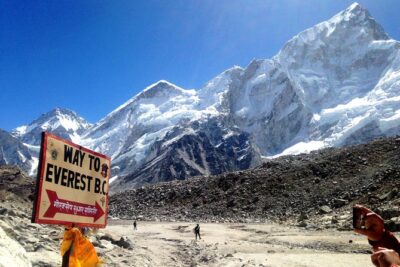
The Everest Base Camp trek is popular for a reason. This itinerary stays on the main Khumbu spine—the stretch that takes you from Lukla through Sherpa country and into the most famous staging area for Everest expeditions. If your goal is getting to Everest Base Camp, this is the straightforward route.
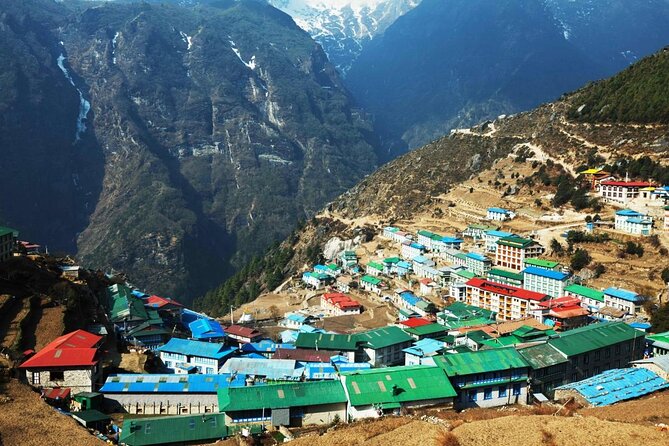
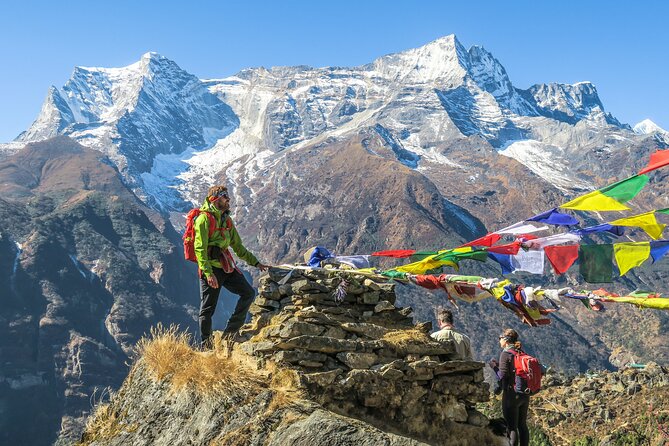
Along the way, you get two things most people chase at once: altitude scenery and culture. You pass hilltop monasteries and market towns, and you’ll feel the rhythm of Sherpa life—prayer flags everywhere, tea houses stocked for trekkers, and viewpoints that act like natural checkpoints for your breathing and morale.
The route also has a mental advantage. Because the classic trail builds day by day—easy sections first, harder climbs later—you can measure progress in your own body. You don’t just jump to the hardest sections and hope for the best.
Kathmandu Arrival: Your Setup Day Feels Organized (Not Rushed)
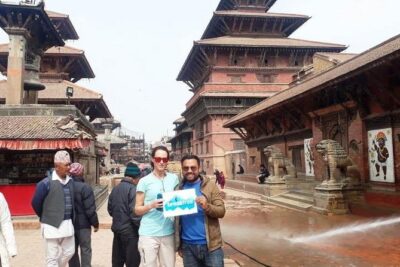
Day 1 is all about getting you settled so you can start the trekking days calmer. After you land, an Asian Heritage Treks and Travels representative greets you and drives you in a private vehicle to your Kathmandu hotel. On the drive, you catch outside glimpses of major landmarks like Pashupatinath Temple, the Royal Palace Museum (Narayanhity), and the Garden of Dreams.
Once you check in, you’ll get a plan review with the representative. That matters because on this trek, the details are what reduce stress later—what to expect, what to carry, and how the days connect. Then you’re free to explore nearby areas on your own without feeling like someone forgot you.
For Kathmandu lodging, this package includes 2 nights in a 4-star hotel (Yatri Suites & Spa or similar) with breakfast. That’s a nice buffer before you trade hot showers and room service for lodge basics.
The Lukla Flight: The Most Scenic Part of the Whole Trip
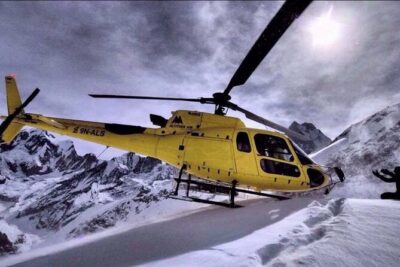
Your first major transition is the flight from Kathmandu to Lukla. It’s one of the most intense travel moments in the region because you fly over the Himalayas and can see Everest as the flight continues. Landing at Lukla Airport is described as a lifetime experience—and even without overhyping it, you should treat the landing as a real event, not just transport.
Then there’s the afternoon in Lukla. You can stroll around the village, which is the common starting point for hikes in the Everest area. This matters because it gives you a gentle mental landing before Day 3 asks you to start walking for real.
Practical note: Lukla flights are weather-dependent. This itinerary includes domestic flight scheduling back to Kathmandu, and the return flight can sometimes change based on weather conditions. If you’re the type who hates uncertainty, this is where you accept it early.
Days 3–5: Dudh Koshi River Walking Into Namche Acclimatization
Day 3 begins along the Dudh Koshi—nicknamed the Milky River. The trail follows snow-fed rivers and moves through a rhododendron forest that can smell strongly of evergreen oak. You’ll cross a suspension bridge after which you reach Mongo, passing Buddhist stupas along the way. In the evening, you can stroll in Manjo village.
What’s useful here: Day 3 isn’t just miles. It’s the first lesson in pacing and comfort. In real high-country trekking, your legs are only part of the equation; your breathing and focus matter too. This stage helps you find your rhythm before Namche.
Day 4 pushes toward Namche Bazaar, with the trail becoming harder as you gain altitude. You’ll cross the mighty Dudh Koshi again and reach Manjo for a lunch stop. From there, the track gets steeper and you’ll feel shortness of breath when you move too fast—so the right strategy is slow, steady progress. Overnight in Namche Bazaar places you in the hub of the Khumbu world.
Day 5 is the big acclimatization day. You can relax, explore Namche, and try early sunrise mountain views from the area near Sagarmatha National Park. People often aim for viewpoints to catch major peaks in morning light. You’ll also have the chance to see local culture up close, including the Saturday market vibe and the chance to try staples like salt-butter tea and champa.
For many trekkers, this is the day that makes the rest of the climb feel possible. It’s not wasted time; it’s the pause that helps your body adjust before the higher terrain.
Tengboche to Dingboche: Monastery Views Meet Actual Climbing
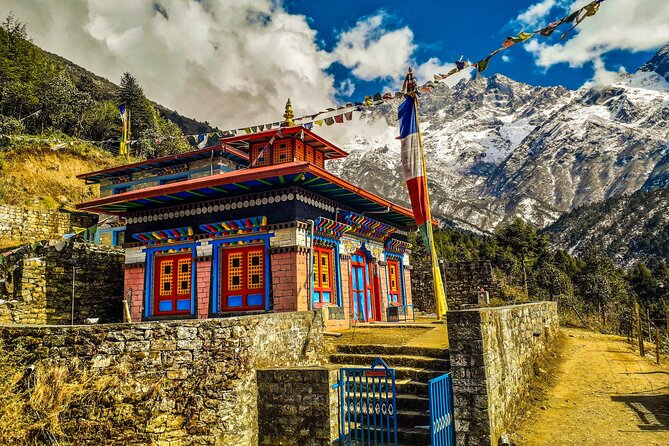
Day 6 brings you from Namche to Tengboche. The elevation gain is noted as around 4,000 feet / 1,200 meters—so this is a “get to work” day. It also sounds like the views make you forget some of the effort. Even when you can’t fully savor every switchback, Tengboche is the kind of stop where your brain finally goes quiet and notices the horizon.
Tengboche is often linked with monastery culture, and this itinerary frames the day with that spiritual, hilltop feel—so expect a shift from market-town energy to a quieter, higher altitude vibe.
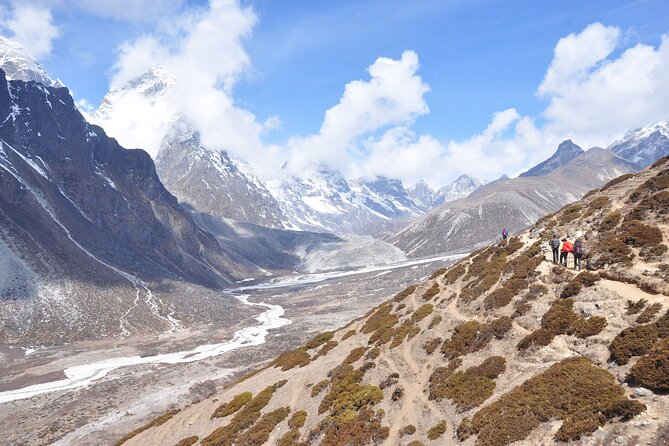
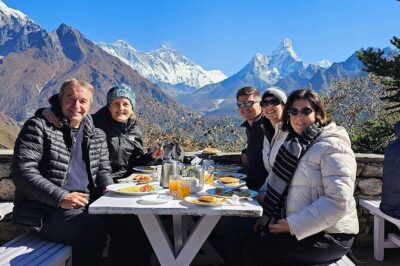
Day 7 continues to Dingboche, traveling through a valley with a glacier river below and snow-capped peaks in the distance. Along the way you pass Pangboche and the famous mountain of Ama Dablam. This is a good day for two reasons: the scenery is striking, and the pace is manageable if you don’t treat it like a race.
If you tend to push when you feel okay, this is where you should resist. High altitude turns small overexertion into big fatigue later.
Lobuche, Gorakshep, and Kala Patthar: Where the Trek Gets Serious
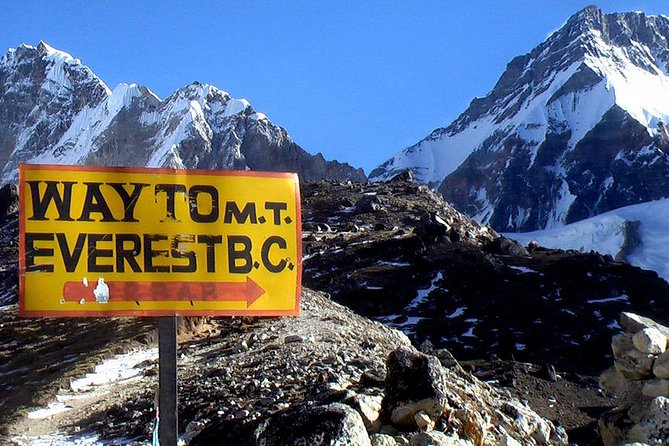
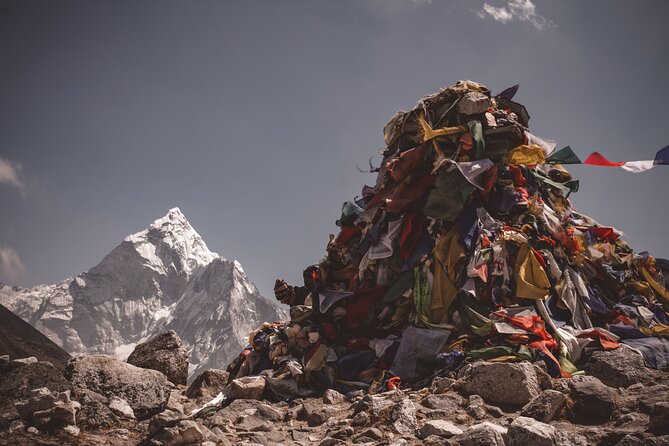
Day 8 is the approach toward the Everest Base Camp trail itself. You’ll trek uphill from Thukla toward Memorial Park, described as the most difficult part of the overall EBC trek. It’s also one of the most visually intense segments, with prayer flags from mountaineers along the route.
You reach Lobuche (the second-highest village on the EBC trail) and sleep there. This is where the altitude begins to feel less like a challenge and more like the main character in the day. Your job becomes simple: keep moving, keep breathing, and keep your expectations steady.
Day 9 moves onward to Gorakshep. The trail is described as sparse, and at this altitude you might see snow blanketing parts of the way. Once you arrive, you rest—but the itinerary also gives you an option: if you have energy, you can go to Kala Patthar for sunset views.
That flexibility matters. Some people feel great and want the sunset; others know they need rest to handle the next morning. Kala Patthar is at 5,450 meters in this plan, so you’re not just walking to a viewpoint—you’re working with cold and altitude.
Day 10 is built around the big hitters. You head up to Kala Patthar and then continue on to Everest Base Camp. The day is framed as raw and powerful—views of Mount Everest and the Khumbu Glacier Valley. After the challenging outing, you trek back down to Gorakshep for a meal and a warm sleep.
This is the core emotional payoff of the trip. But it also comes with a reality check: you’ll likely feel slow and careful. That’s normal. Moving with patience is part of surviving high-country trekking.
Coming Down: Prayer Wheels, Pine Woods, and the Long Return
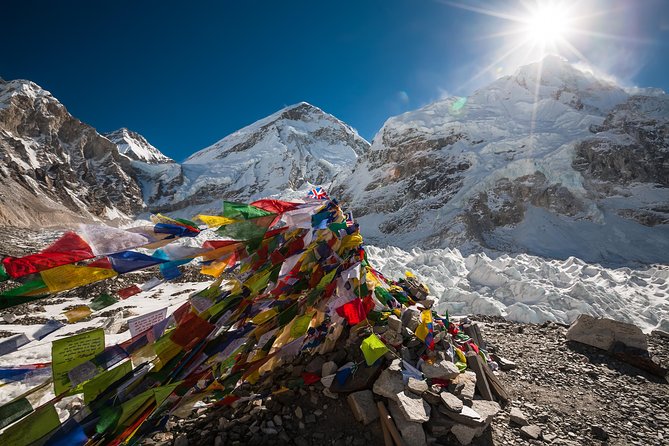
Day 11 turns the big climbs into a long descent and regroup. You trek back to Namche Bazaar, following the trail down to the Dudh Kosi where there are water-driven prayer wheels. The route continues back through pine and cedar woods. You can also look out for the Lhotse-Nuptse wall peeking from behind during the descent stages.
This is a day where your knees do most of the work. It’s not as dramatic as Day 10, but it can feel harder because downhill movement beats up joints. Wear supportive footwear and keep steps controlled.
Day 12 continues the descent route, eventually returning to Lukla. You’ll cross back over the Dudh Kosi again where you find water-driven prayer wheels, then trek through pine and cedar woods. The itinerary includes lunch in Chumoa village and then continues riverside until Phakding, before pushing on to Lukla.
There’s an important psychological point here: by this stage, the disappearing snowy peaks in the distance signal that the most difficult part has passed. Your body is still tired, but your mind gets a helpful nudge.
Kathmandu Again: Flight Timing, Then Real Recovery
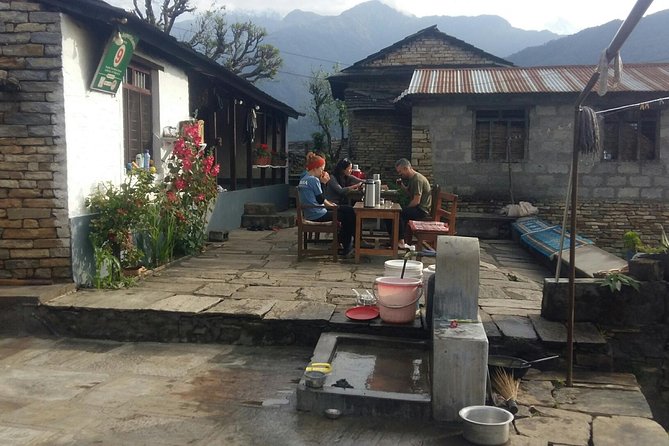
Day 13 is the fly-back day from Lukla to Kathmandu. The flight leaves before 10:00 am in this plan, and scheduled times can shift due to weather. Once you land, you’re transferred to your hotel and get the day off to rest and reflect.
Day 14 finishes with airport transfer guidance. You’ll be taken to Tribhuvan International Airport roughly 3 hours before departure so you can check in calmly. The day is straightforward, and the main goal is avoiding last-minute stress.
Price and Value: What You’re Paying For (and What You’ll Still Spend)
This trek costs $1,450.19 per person and runs about 14 days. That price includes the core infrastructure that makes an EBC trip work:
- private vehicle transfers in Kathmandu
- domestic flights Kathmandu–Lukla–Kathmandu
- permits (Sagarmatha National Park, TIMS, and other necessary permits)
- an experienced English-speaking, government-licensed trek leader
- 2 nights in Kathmandu at a 4-star hotel (breakfast included)
- 11 nights on the trek in local lodges (room-only)
- government and local taxes
- breakfast (2 total)
What’s not included is equally important for budgeting. Food and drinks are on you on the trek, and that adds up at altitude. The same goes for hot water and drinking water, telephone use, and laundry. Tipping (tips), donations at monasteries or schools, and any room upgrades are also not included.
Also note: porters aren’t included in the package. The data states a porter can carry up to 20 kilo and share between clients, so if you want a lighter pack, you’ll need to plan that ahead with the operator. If you’re carrying camera gear plus a warm layer plus essentials, a porter can make the difference between enjoying the trail and just surviving it.
So is the price fair? For an EBC trek, it looks positioned for solid value because permits, flights, and the licensed guide are built in. The biggest “surprise” costs tend to be food/drinks and optional porter help.
Who This Everest Base Camp Trek Suits Best
This trek is listed for travelers with moderate physical fitness, and a large amount of walking is involved. That doesn’t mean it’s easy—it means the route pacing is realistic for people who train and don’t panic at altitude.
It also works best if you:
- like a structured route focused on reaching Everest Base Camp specifically
- want Sherpa towns like Namche Bazaar as part of the experience, not just a transit point
- appreciate having a licensed guide rather than a loose plan
It may not suit you if:
- you struggle with heights and altitude breathing effects
- you want maximum comfort, since you’ll be in local lodges on room-only terms for 11 nights
- you need predictable flight schedules, because Lukla flights can shift with weather
Good to know: the group max is 12 travelers, and pickup is offered. Service animals are allowed under the tour rules.
Day-by-Day Pace: How to Think About Each Stage
Even without obsessing over daily distances, you can think of this trek in three phases.
Phase 1: Settle and adapt (Days 1–5). Kathmandu gets you ready. Lukla starts the mountain approach. Dudh Koshi valleys and forests lead you to Namche, where you acclimatize and recharge.
Phase 2: Climb toward the high trail (Days 6–8). Tengboche and Dingboche build altitude. Then Day 8 pushes into the toughest approach segment near Memorial Park, ending at Lobuche.
Phase 3: Base Camp day and the return (Days 9–14). Gorakshep positions you for Kala Patthar and Everest Base Camp. Then you come down steadily, first to Namche and then back to Lukla and Kathmandu recovery time.
If you keep that mental map, you’ll feel less lost when your legs get heavy.
Booking Details That Can Affect Your Readiness
A few things from the tour data that matter:
- You need your passport details (name, number, expiry, and country) at booking for all participants.
- The meeting/start time is 8:30 am.
- You’ll receive confirmation at booking.
- You’ll be dealing with high-altitude cold nights and basics in lodge rooms, so pack for layers and cold weather.
One more practical tip: since meals beyond breakfasts aren’t included, decide early how you’ll handle drinks and snacks so you’re not making cost decisions while you’re tired on the trail.
Should You Book This Everest Base Camp Trek?
I’d say book it if your top goal is reaching Everest Base Camp on the classic route, and you want a tour that already handles the big moving parts: domestic flights, permits, and a licensed guide. The small group size and the focus on acclimatization in Namche are strong signs this plan expects you to be realistic about altitude.
Skip it (or consider a different style) if you want all meals included, you don’t want weather-driven flight uncertainty, or you’re not comfortable with long walking days and lodge-only comfort. This trek rewards steady effort, not speed.
If you match the style—calm pace, patience at altitude, and willingness to budget for food—you’ll likely feel like you returned with more than photos. You’ll bring back a clear memory of what the Himalayas feels like when you’re truly close to Everest.
FAQ
What does the trek include for flights and permits?
The package includes the domestic flight ticket from Kathmandu to Lukla and back to Kathmandu, plus Sagarmatha National Park permits, TIMS, and other necessary permits.
Where do I stay during the trek?
You’ll have 2 nights in Kathmandu in a 4-star hotel (Yatri Suites & Spa or similar) on breakfast basis, and then 11 nights during the trek in local lodges on a room-only basis.
Are meals included on the trekking days?
Only breakfast is included (2 breakfasts total). Food and drinks during the rest of the days are not included.
Do I get a porter on this package?
Porters are not included. The information provided states that one porter can carry up to 20 kilo and share between different clients.
What group size should I expect?
This trek has a maximum of 12 travelers.
What happens if my Lukla flight timing changes due to weather?
The return flight from Lukla to Kathmandu is scheduled to leave before 10:00 am, but scheduled flight time can sometimes change according to weather conditions.
More Trekking Out of Kathmandu
More Tour Reviews in Kathmandu
Just Reviewed in Kathmandu
- Mountain Bike Tour
★ 5.0 · 3 reviews - Annapurna Panaroma
★ 5.0 · 3 reviews - Mount Everest Scenic Flight 50 Minutes
★ 5.0 · 3 reviews - Kathmandu : Swambhunath & Durbar Square Guided Half Day Tour
★ 3.3 · 3 reviews - Chandragiri Cable Car & Monkey Temple Tour – Private/Group
★ 5.0 · 3 reviews - Kathmandu: Shivapuri National Park Hiking Day Trip
★ 3.3 · 3 reviews
Everest Base Camp Treks, compared.
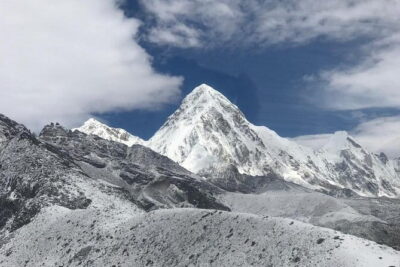 ★ 5.0Everest Base Camp Trek – 14 DaysFrom $1,8001,499 reviews
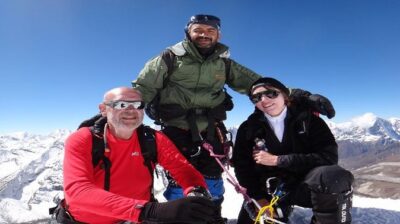 ★ 5.0Everest Base Camp TrekFrom $1,790842 reviews
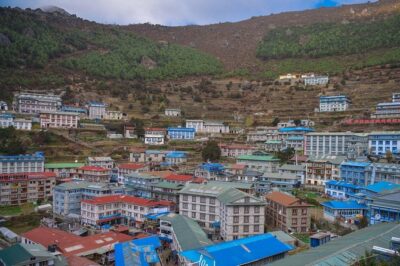 ★ 5.0Everest Base Camp TrekkingFrom $1,350485 reviews
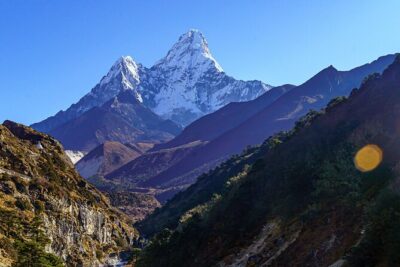 ★ 5.0Everest Base Camp Trekking – 13 DayFrom $1,399365 reviews
★ 5.0Everest Base Camp TrekFrom $1,445350 reviews
★ 5.0Everest Base Camp Trek -14 DaysFrom $1,420321 reviews
★ 5.0Everest Base Camp Trekking – 13 DayFrom $1,399365 reviews
★ 5.0Everest Base Camp TrekFrom $1,445350 reviews
★ 5.0Everest Base Camp Trek -14 DaysFrom $1,420321 reviews
 ★ 5.012 Days Everest Base Camp TrekFrom $1,099289 reviews
 ★ 5.0Everest Base Camp Trekking – 2025/2026From $1,339199 reviews
Browse the lists this tour appears in