
Review · EVEREST BASE CAMP TREKS
Everest Base Camp Trek Via Gokyo Lake and Cho La Pass
A trek with two headliners is never boring. This one blends the classic Everest Base Camp experience with the quiet drama of the Gokyo Lakes and the high-stress fun of crossing Cho La Pass. You also get Sherpa villages, working monasteries like Tengboche, and that classic Himalayan “slow climb, big payoff” rhythm that trekkers love for good reason.
What I really like is how the plan balances achievement and recovery. You pace yourself through altitude via days like Namche and Dingboche, then you go for the big moments: Everest Base Camp and the Kala Patthar sunrise. Another strong point is value for money: flights, permits, meals on trek, and teahouse lodging are all included, so you’re not constantly budgeting mid-route.
One consideration: Cho La Pass is early and weather-dependent, and it’s a glacier-style crossing. If conditions turn rough, you’ll want to be mentally ready for cold, wind, and slower going.
In This Review
- Key highlights worth your attention
- Getting to the trek: Kathmandu to Lukla’s doorstep
- Namche to Tengboche: altitude learning with culture built in
- Dingboche and Lobuche: where your breathing gets honest
- Everest Base Camp day: the glacier feel and the payoff
- Cho La Pass: the tough morning that changes the whole trip
- Gokyo Lakes and viewpoints: doing Everest from a different angle
- The return to Lukla and back to Kathmandu
- What’s included (and why it’s good for your budget)
- Safety, pacing, and what your body needs
- Teahouse life: comfort details that actually matter
- Price check and who this trek fits best
- Should you book this Everest Base Camp route?
- FAQ
- How long is the trek?
- Where does the trek start and end?
- Are domestic flights included?
- What does the trek include for meals and lodging?
- Are permits included?
- What personal gear do I need?
- Is travel insurance included?
- Is the trip private or shared with strangers?
Key highlights worth your attention
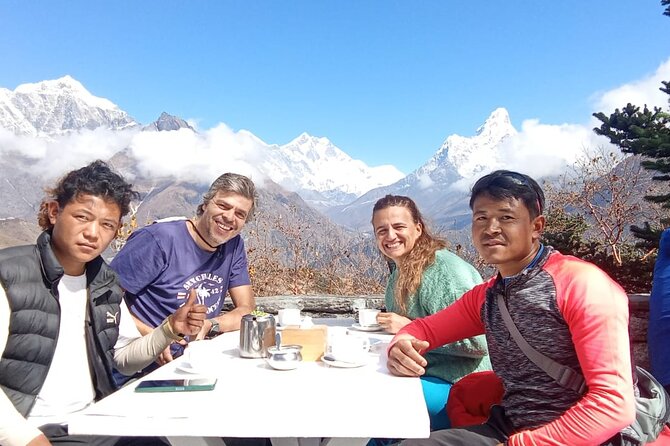
- First look at Everest: that early glimpse as you enter Sagarmatha National Park and start doing the Khumbu circuit.
- Tengboche monastery day: pine-forest walking plus a real chance to see religious life at altitude.
- Kala Patthar sunrise: a dedicated pre-dawn push for the view people talk about.
- Cho La Pass crossing: a real “pay your altitude dues” morning before dropping into the Gokyo Valley.
- Gokyo Lakes variety: you see more than one lake and add panoramic viewpoints around day 11.
- Porter support + teahouses: twin-sharing lodging and meals included, so you can focus on walking and acclimating.
More trails out of Kathmandu, boots ready
- Everest Base Camp Trek – 14 Days★ 5.0 · 1,499 reviews
- Everest Base Camp Trek★ 5.0 · 842 reviews
- Everest Base Camp Trekking★ 5.0 · 485 reviews
- Nagarkot Sunrise View and Day Hiking from Kathmandu★ 5.0 · 471 reviews
Getting to the trek: Kathmandu to Lukla’s doorstep
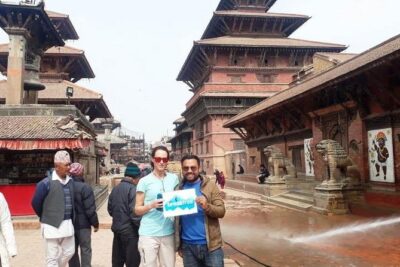
Your trip starts in Kathmandu with a guide waiting at Tribhuvan International Airport, holding a sign with your name. After pickup, you get a trek briefing and a gear check—useful if you’re not used to cold-weather layering or trekking schedules.
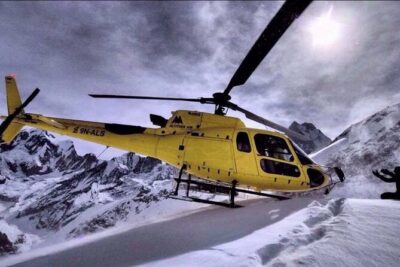
Then comes one of Nepal’s iconic moments: a scenic flight to Lukla. From there, you start trekking through Sherpa villages toward Phakding. This first walking day matters more than it looks on paper. It helps your body settle into the rhythm, and it sets expectations for how steep and changeable the trail can be.
If you’re thinking about comfort, this is the point where it’s worth packing smart. You’ll be on teahouse schedules for days, so having a simple system for cold mornings and warm afternoons pays off.
Namche to Tengboche: altitude learning with culture built in
As you trek up to Namche Bazaar, you cross suspension bridges and enter Sagarmatha National Park. This is where Everest stops being a distant idea and starts looking real. You also get long enough walks to feel altitude build, without being thrown into the hardest climbs immediately.
From Namche, there’s an optional day hike to the Everest View Hotel at 3,880m. Even if you don’t go all the way up, the goal is clear: you’re using a lighter day to let your body adjust and to get those early mountain views without racing.
Then you move to Tengboche. The walk runs through pine forests with views of Thamserku and Everest, and you also visit the Tengboche Monastery. That monastery stop is more than a photo op. It gives you a sense of how daily life and spiritual practice work here—especially helpful when altitude starts messing with your head and you need something grounding.
Practical note: weather can change fast in this zone. If you pack layers you can handle—hat, gloves, warm mid-layer—you’ll feel in control instead of cold and cranky.
Dingboche and Lobuche: where your breathing gets honest
After Tengboche, the trail to Dingboche includes crossing Imja Khola and passing through Pangboche. This is another classic “step up, feel it” day. By the time you reach Dingboche, altitude stops being background and becomes the main character.
From Dingboche you continue toward Lobuche. This section trends more alpine, and you’ll walk among memorials of climbers. It’s a sobering moment, but it also helps you connect the route to the real history of the mountains you’re chasing. Expect a gradual ascent and fewer distractions—your job is to keep breathing steadily and walking within your limits.
If you’ve done only casual hiking before, this is where you’ll be grateful for the pace and the support. The tour includes a licensed English-speaking guide and porter assistance at a 1:2 ratio, which typically means less weight on your back and more energy to handle altitude.
Everest Base Camp day: the glacier feel and the payoff
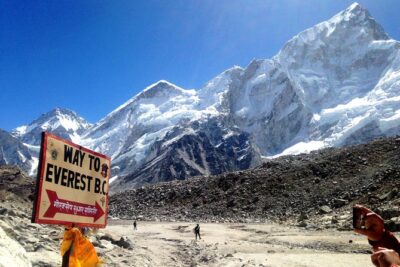
You reach Gorak Shep and follow the Khumbu Glacier route to Everest Base Camp. This is the “I’m really here” day. You go far enough to feel you earned the destination, but the plan still gives you time for photos and a return to Gorak Shep.
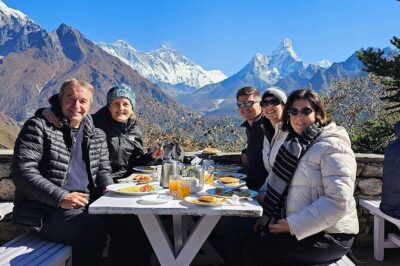
Then the next day is the showpiece: sunrise from Kala Patthar, followed by a trek down to Lobuche and onward toward Dzongla. The Kala Patthar push is the kind of early start that can feel intense at first, especially when you’re already tired from altitude. But it’s also one of those rare moments where the cold morning actually makes sense, because you’re trading comfort for the clearest views.
Practical tip: when the temperatures drop, your muscles stiffen. Keep moving smoothly, sip water when you can, and don’t force your pace. Consistency wins more often than speed here.
Cho La Pass: the tough morning that changes the whole trip
Cho La Pass is crossed early, and it’s the part of the itinerary that feels most like an actual expedition moment. You’ll cross icy terrain, then descend into the quieter Gokyo Valley.
This is where your trekking experience becomes more than a straight-line “up and down” story. The pass is a fork in the trip: after it, the scenery changes, and you feel the switch from Everest’s high drama to the calmer beauty around the lakes—though it’s still high altitude, so calm is relative.
Because Cho La is weather-dependent in real life, you should prepare mentally for the day being slower than you hoped. Safety support is included, including emergency oxygen, and the guides handle the logistics that can’t be improvised safely on a glacier-style pass.
Gokyo Lakes and viewpoints: doing Everest from a different angle
Once you’re in the Gokyo zone, you’ll add a morning climb for panoramic views of Everest, Cho Oyu, and Makalu. You also visit the 3rd and 4th Gokyo Lakes.
This is one of the big reasons to choose this route instead of a straight Everest loop. You don’t just chase one landmark peak—you see the wider mountain system and you get that “high lakes, big sky” feeling that many classic treks skip.
Then you descend back toward Namche. The day includes walking past Machhermo, Dole, and Khumjung, and the reward is arriving in Namche for a hot shower and rest. That hot shower isn’t just comfort. It’s morale management, and it helps you reset before the final return toward Lukla.
The return to Lukla and back to Kathmandu
The final trekking day runs along the Dudh Koshi River before reaching Lukla. By now, your body knows the routine: cold start, steady walking, teahouse meals, repeat. The walk out is often easier mentally because you’re not wondering if you’ll make it—you’ve already done the hardest stuff.
On day 14, you fly back to Kathmandu early morning. You’ll get free time for rest, shopping, or an optional massage, and the trip ends back at the meeting point area.
If you hate rushing, plan your Kathmandu time carefully. Flight schedules can compress your day, and altitude fatigue can make shopping feel like an Olympic event. Even a slow evening with a good meal can be a perfect finish.
What’s included (and why it’s good for your budget)
This trek is priced at $1,000 per person, and the real question is what that buys you in practice. Here’s the value logic: round-trip domestic flights (Kathmandu–Lukla–Kathmandu), 1 night hotel in Kathmandu with breakfast, all meals during the trek, 12 nights twin-sharing teahouse accommodation, permits (Sagarmatha National Park and TIMS), and guide/porter support.
In other words, you’re paying mostly for the hard logistics of getting to the trail, keeping you moving, and keeping costs predictable. You’re not constantly adding big expenses mid-trek.
What’s not included is also clear: international airfare, Nepal visa fee, lunch and dinner in Kathmandu, personal trekking gear (boots/jacket/poles), travel insurance (mandatory), tips, and extras like Wi-Fi and battery charging. That means you should budget separately for your insurance and any gear you want to rent or buy in Kathmandu.
Gear note that matters: you’ll get a duffel bag for trekking gear that’s returned. That’s helpful for keeping your carry system simple and for protecting what you need most from daily chaos.
Safety, pacing, and what your body needs
This route demands moderate physical fitness, and the itinerary includes enough acclimatization days that you shouldn’t feel thrown into the highest parts too quickly. Still, altitude is altitude. You’ll be working at higher elevations, with long days and cold mornings.
The tour also emphasizes safety support including emergency oxygen. That doesn’t remove risk, but it does signal that the operator plans for real-world mountain conditions instead of pretending nothing can go wrong.
I also like that it’s a private tour/activity in the sense that only your group participates. That usually makes pacing and communication smoother, and it can help you ask questions without feeling like you’re in a cattle line.
Teahouse life: comfort details that actually matter
You’ll stay in twin-sharing teahouses for 12 nights during the trek. Meals are included for breakfast, lunch, and dinner, so you’re not guessing what you’ll eat each day.
Teahouses are basic, but they’re built for trekking schedules: warm drink options, simple meals, and places to regroup before the next push. The tradeoff is you should expect limited comfort and limited charging options, and the tour notes that hot showers and Wi-Fi are personal extras you may pay for.
The good part: because meals and lodging are included, you can spend your mental energy on the walking, not on logistics. After a cold sunrise at Kala Patthar, that matters more than people think.
Price check and who this trek fits best
At $1,000, this feels like it’s aimed at serious hikers who want a guided, organized Everest experience with extra variety. It’s especially a good fit if you want:
- The classic Everest milestones (Base Camp, Kala Patthar)
- More variety (Gokyo Lakes plus Cho La Pass)
- Cultural stops (like Tengboche Monastery) mixed into the trekking rhythm
- Support that reduces burden, thanks to porter help and a duffel system
It may not fit if you:
- Want a gentle, leisurely trek with minimal cold and minimal risk-taking
- Are very sensitive to early starts (Cho La and Kala Patthar both begin early)
- Don’t want to manage altitude through pace and patience
Also, you should know there’s “service animals allowed” listed. If that affects your planning, confirm any practical details with the provider early.
Should you book this Everest Base Camp route?
I’d book it if you want Everest—and you also want more than one kind of mountain experience. This itinerary gives you multiple big-view days, cultural stops you can actually feel, and a lake-and-pass section that makes the trek different from the usual single-track Everest story.
I would not book it if your top priority is comfort over challenge. The pass crossing and the early sunrise pushes mean you’ll be trading convenience for achievement.
If you’re a planner and you like clear structure, this trip’s included flights, permits, meals, and teahouse lodging are exactly the kind of scaffolding that helps you focus on the trail.
One final decision helper: if Cho La Pass sounds exciting to you, it’s probably your style. If that sounds stressful, you might still love Everest Base Camp—but you may want a less technical-feeling route.
FAQ
How long is the trek?
The trek is listed as 14 days (approx.).
Where does the trek start and end?
It starts at Tribhuvan International Airport in Kathmandu and ends back at the meeting point.
Are domestic flights included?
Yes. Round-trip domestic flights are included: Kathmandu–Lukla–Kathmandu.
What does the trek include for meals and lodging?
All meals (breakfast, lunch, dinner) during the trek are included, plus 12 nights twin-sharing teahouse accommodation.
Are permits included?
Yes. Sagarmatha National Park and TIMS permits are included.
What personal gear do I need?
Personal trekking gear such as boots, a jacket, and poles is not included. You can rent gear in Kathmandu.
Is travel insurance included?
No. Travel insurance is mandatory, but it is not included.
Is the trip private or shared with strangers?
It’s a private tour/activity. Only your group will participate.
More Trekking Out of Kathmandu
More Tour Reviews in Kathmandu
Just Reviewed in Kathmandu
- Mountain Bike Tour
★ 5.0 · 3 reviews - Annapurna Panaroma
★ 5.0 · 3 reviews - Mount Everest Scenic Flight 50 Minutes
★ 5.0 · 3 reviews - Kathmandu : Swambhunath & Durbar Square Guided Half Day Tour
★ 3.3 · 3 reviews - Chandragiri Cable Car & Monkey Temple Tour – Private/Group
★ 5.0 · 3 reviews - Kathmandu: Shivapuri National Park Hiking Day Trip
★ 3.3 · 3 reviews
Everest Base Camp Treks, compared.
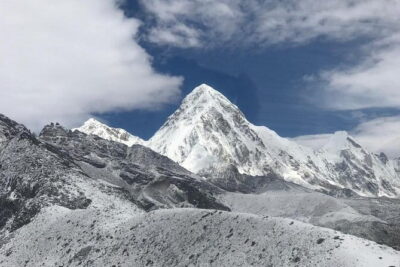 ★ 5.0Everest Base Camp Trek – 14 DaysFrom $1,8001,499 reviews
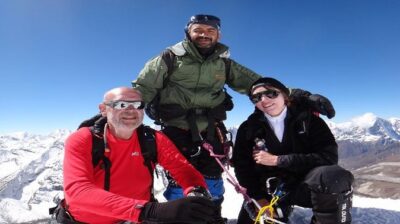 ★ 5.0Everest Base Camp TrekFrom $1,790842 reviews
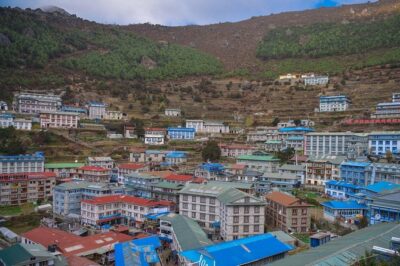 ★ 5.0Everest Base Camp TrekkingFrom $1,350485 reviews
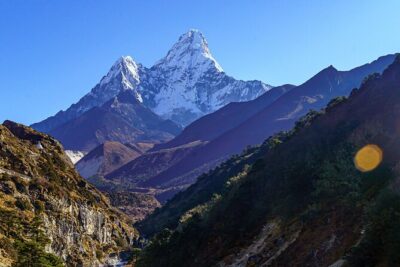 ★ 5.0Everest Base Camp Trekking – 13 DayFrom $1,399365 reviews
★ 5.0Everest Base Camp TrekFrom $1,445350 reviews
★ 5.0Everest Base Camp Trek -14 DaysFrom $1,420321 reviews
★ 5.0Everest Base Camp Trekking – 13 DayFrom $1,399365 reviews
★ 5.0Everest Base Camp TrekFrom $1,445350 reviews
★ 5.0Everest Base Camp Trek -14 DaysFrom $1,420321 reviews
 ★ 5.012 Days Everest Base Camp TrekFrom $1,099289 reviews
 ★ 5.0Everest Base Camp Trekking – 2025/2026From $1,339199 reviews
Browse the lists this tour appears in