
Review · EVEREST BASE CAMP TREKS
Everest Base Camp Trekking – 13 Days
Few hikes feel this classic and this big. This 13-day Everest Base Camp trekking route follows the well-trodden path into Sagarmatha National Park, with big-ticket moments like Namche Bazaar, Tengboche monastery, Gorakshep, Everest Base Camp, and the early push to Kala Patthar.
What I like most is the way this trip handles the hard parts for you: a fully licensed trekking guide plus an assistant sherpa, and porter support (one porter for every two trekkers). I also like that the food and key paperwork are taken care of with included meals and a TIMS card. One consideration: the Lukla flight can be delayed or canceled due to weather, so you’ll want spare time in Kathmandu if you can.
In This Review
- Key strengths worth caring about
- What You Get in This 13-Day Everest Base Camp Trek
- Kathmandu Start: Where the Trek Actually Begins
- Day 1: Lukla Flight to Phakding, a Gentle Intro That Still Counts
- Day 2: Into Namche Bazaar, the Gateway Feeling Gets Real
- Day 3: Acclimatization Day in Khumjung, plus Everest Viewpoint Energy
- Day 4: Tengboche Gompa, the Classic Monastery Stop
- Day 5: Pangboche to Dingboche, the Trail Gets Higher and Simpler
- Day 6: Dingboche Acclimatization and Nakarjun Peak Hike
- Day 7: Dingboche to Lobuche, Thukla Village and the “Higher Plain” Feel
- Day 8: Gorakshep and Everest Base Camp, the Main Goal Day
- Day 9: Kala Patthar Early Morning, the Viewpoint That Costs Everything
- Day 10: Back Down to Namche Bazaar, Relief With Still-Serious Altitude
- Day 11: Namche to Lukla, the Trek’s Final Walking Day
- Day 12: Lukla Back to Kathmandu, Trading Trail Air for City Air
- Day 13: Final Departure
- Food, Gear, and What’s Included vs Not
- The Trekking Rhythm: Fitness, Pacing, and Altitude Reality
- Logistics That Matter: Your Real Risks and How This Plan Handles Them
- What the Best Reviews Emphasize (and Why You Should Care)
- Should You Book This Everest Base Camp Trek?
- FAQ
- How long is the Everest Base Camp trek on this tour?
- Where do I meet the tour in Kathmandu, and where does it end?
- Will I have a guide and porter support?
- Are meals included during the trek?
- Is the TIMS card included?
- Is travel and rescue insurance included?
Key strengths worth caring about
- Small group size (max 26 travelers) keeps things organized without feeling like cattle
- Licensed guide + assistant sherpa + porter support helps you focus on the trail and altitude
- Includes most meals (12 dinners, 12 breakfasts, 11 lunches), so budgeting is easier
- Acclimatization built into the route with stops like Khumjung and Dingboche
- Kala Patthar sunrise-style timing (early morning climb) for classic Everest views
- Optional gear supply (sleeping bag/down jacket/duffel) if you need it for the cold
More trails out of Kathmandu, boots ready
- Everest Base Camp Trek – 14 Days★ 5.0 · 1,499 reviews
- Everest Base Camp Trek★ 5.0 · 842 reviews
- Everest Base Camp Trekking★ 5.0 · 485 reviews
- Nagarkot Sunrise View and Day Hiking from Kathmandu★ 5.0 · 471 reviews
What You Get in This 13-Day Everest Base Camp Trek
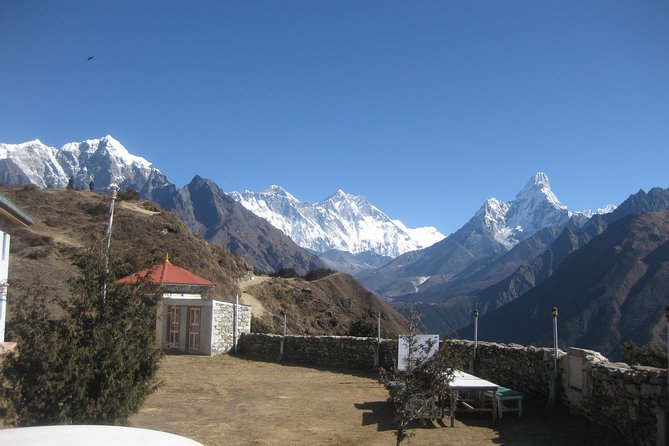
This Everest Base Camp trek is built for the “I want the classic” crowd. You fly into Lukla, then walk your way up through Sherpa villages and high-altitude checkpoints until you reach Everest Base Camp and the viewpoint at Kala Patthar.
The value is mostly in the support package. The tour includes a qualified trekking guide and an assistant sherpa, plus porter service (1 porter for 2 trekkers). That matters because on a trek like this, your energy is better spent on walking, acclimatizing, and handling cold mornings—rather than lugging heavy gear uphill every day.
The logistics are also structured around the reality of Nepal trekking: mountain weather changes fast. The operator notes your itinerary can adjust if safety requires it, and they also flag a common issue—Lukla flights can be delayed or canceled. So this is a trip that works best when you’re flexible and travel with a little cushion.
Price-wise, at about $1,697.37 per person, you’re paying for guidance, staffing, permits/administration (like the TIMS card), core meals, and help with trekking gear options. You’re not paying for drinks, tips, or your own travel/rescue insurance—so plan those separately. In other words: the trek price covers the expedition spine, not your personal extras.
Kathmandu Start: Where the Trek Actually Begins
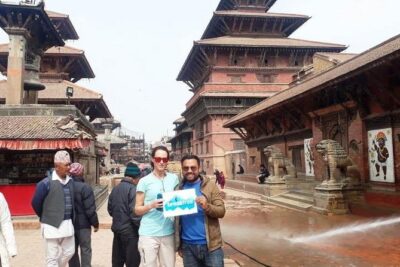
Your trek starts back at the meeting point in Kathmandu with Nepal Adventure Team Pvt. Ltd on Amrit Marg. The address is near public transportation, and there’s a defined daily window (useful if you like clean, predictable check-ins).
If you’re arriving from abroad, Kathmandu is where you want to take things slow: eat well, sleep if you can, and keep your hydration game strong. This matters because the first day includes a flight to Lukla—so you want to arrive in Kathmandu feeling ready, not wrecked.
Also, this kind of trek relies on coordination. The inclusion list covers staff expenses like flights, salary, equipment, and insurance, which signals you won’t be stuck scrambling for basic operational things once you’re on the mountain.
Day 1: Lukla Flight to Phakding, a Gentle Intro That Still Counts
Day 1 starts with the Lukla flight and then a walk to Phakding village for your overnight stay at a tea house/lodge. Even though the first walking day is described as easier, it’s still your first real exposure to the trekking rhythm: start, walk, stop, eat, repeat.
You’ll cross the Dudhkoshi river area and pass a suspension bridge, plus you’ll have time to visit nearby monasteries and villages. That’s a nice way to shake off travel fatigue without turning day one into a suffer-fest.
Consideration: Lukla flights are notoriously weather-dependent. The operator specifically warns that flight delays or cancellations can happen even in good season, and they advise adding a day or two to your plan. If you’re working with tight travel dates, this is the part of the trip that can be most annoying.
Day 2: Into Namche Bazaar, the Gateway Feeling Gets Real
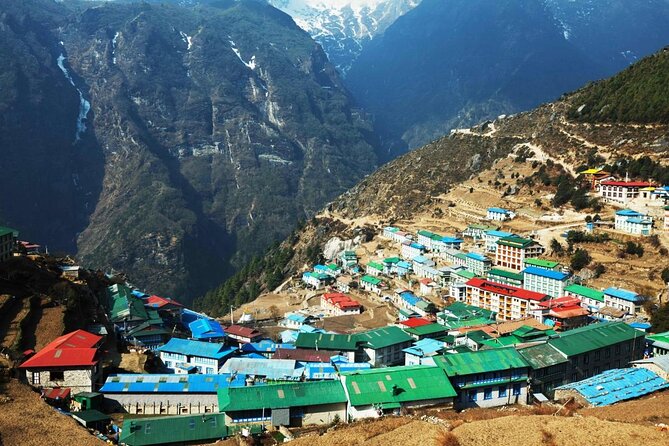
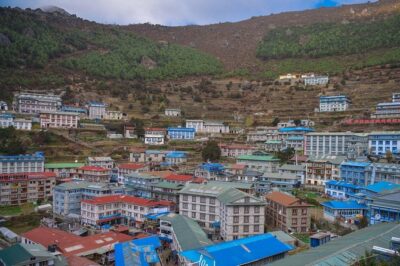
Day 2 is the walk up to Namche Bazaar, often described as the gateway to the Everest region. You’ll go through river and pine forest sections and cross multiple suspension bridges along the way, including the Tengjing Hillary bridge.
There’s a practical reason Namche matters: it’s a place where the trek starts to feel different. Higher altitude, different village architecture, and a stronger sense of Sherpa life tied to trekking. This stop is also a good “mental checkpoint” before the higher days.
You’ll walk for around five hours, and your body will let you know if you’re going too fast. With Everest-area treks, slow is good. You’ll usually move better when you keep a steady pace and take short breaks.
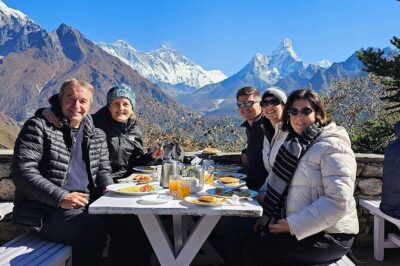
Day 3: Acclimatization Day in Khumjung, plus Everest Viewpoint Energy
Day 3 is your acclimatization day, which is exactly what you want before the big climb days. You hike to Khumjung village, and you also visit the national park headquarters and an Everest viewpoint.
This kind of day can feel oddly productive. You’re not “stuck,” and you’re still moving, but you’re doing the work that helps you breathe easier later. In the Everest region, acclimatization isn’t optional; it’s the difference between enjoying the trek and turning every step into a fight.
I also like that the plan includes both viewpoint time and village time. It keeps you human during an otherwise technical process.
Day 4: Tengboche Gompa, the Classic Monastery Stop
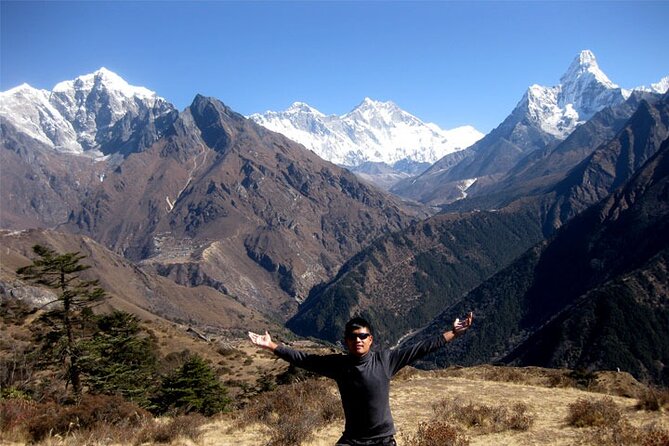
Day 4 takes you to Tengboche Gompa, and the approach is through pine forest. This is one of those trekking days where wildlife and big-sky scenery show up more easily because you’re surrounded by forest edges and open viewpoints.
The plan specifically calls out Himalayan Thar and musk deer sightings as possible, plus the big highlight: the largest monastery at Tengboche. You’re not just hiking through scenery. You’re visiting a living religious center that’s central to the villages here.
What to watch: monasteries and viewpoints can mean colder air and more wind exposure. Dress in layers you can adjust. If you get sweaty on the ascent, don’t freeze on the descent.
Day 5: Pangboche to Dingboche, the Trail Gets Higher and Simpler
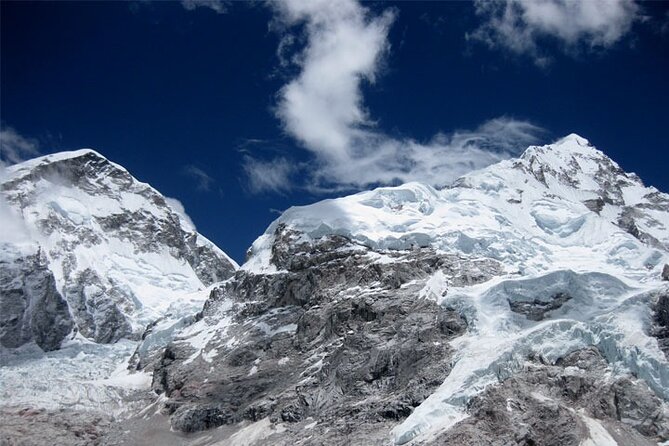
Day 5 goes to Pangboche, including a visit to Pangboche Monastery, and then you overnight at a hotel in Dingboche.
Crossing a river early in the day and then moving into a higher village like Dingboche is part of the gradual shift you’ll feel in your breathing and energy. Also, as you climb, the days get “simpler” in terms of villages but “harder” physically.
This is also a day where you’ll appreciate having a guide. When altitude stacks up, it helps to trust the pace and route choices rather than second-guessing every step.
Day 6: Dingboche Acclimatization and Nakarjun Peak Hike
Day 6 is another acclimatization day, starting in Dingboche. You hike to Nakarjun Peak, which is short on the calendar but big on the effort.
This is the pattern that works for most trekkers: a gradual climb, then a day that builds altitude tolerance without pushing you into crisis territory. If you take acclimatization seriously—slow walking, steady breathing, hydration—your chances of enjoying later days go up.
Practical tip: treat acclimatization hikes as training, not as a race. The goal is feeling better afterward, not proving you can “go hard.”
Day 7: Dingboche to Lobuche, Thukla Village and the “Higher Plain” Feel
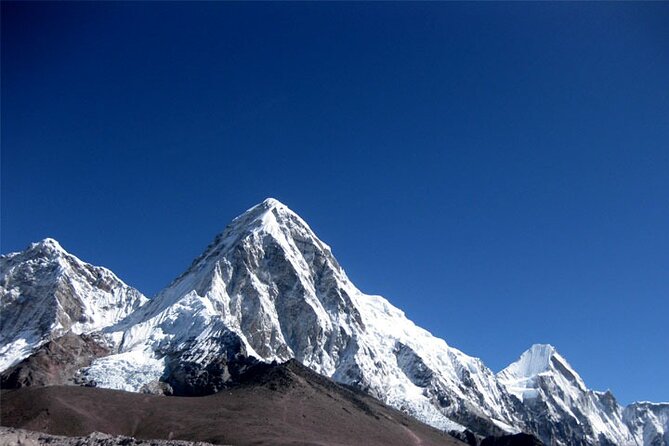
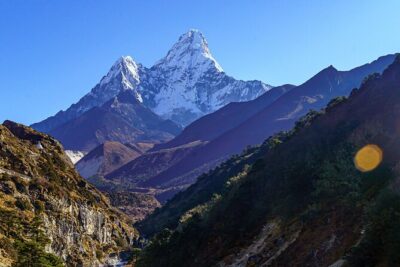
Day 7 treks to Lobuche, crossing through Thukla village along the way. This is one of the days where the landscape starts to feel more exposed and less lush. The trail can feel more like an alpine walkway—windier, colder, and a lot more serious underfoot.
On days like this, having porter support is more valuable than people expect. Even if your pack feels manageable, carrying less weight can protect your energy for the next big pushes.
Day 8: Gorakshep and Everest Base Camp, the Main Goal Day
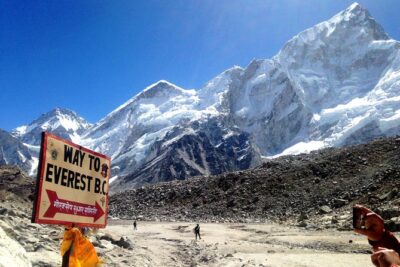
Day 8 is a long one. You trek to Gorakshep, grab lunch, then visit Everest Base Camp.
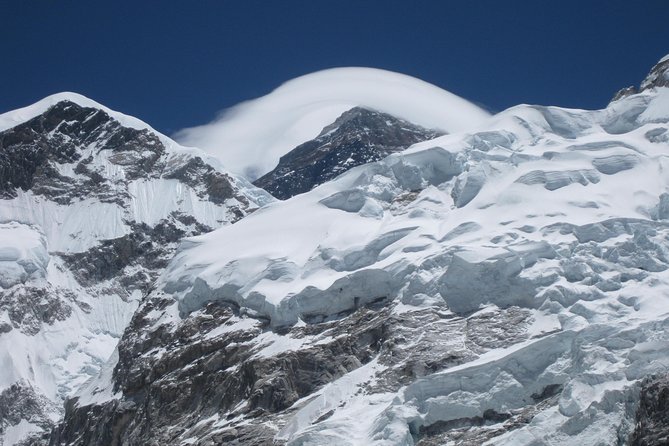
This day tends to be emotional for many people, because Base Camp is the moment your brain has been building toward since you first learned Everest’s height: 8,848.86 m. Even if you’ve seen photos, being there changes the scale. You’re in a place made by logistics, weather, and human hope.
Watch your timing: Gorakshep sits at a tough altitude. Even a short side visit can drain you if you pace poorly. Take it slow, move deliberately, and save energy for the next day’s early climb.
Day 9: Kala Patthar Early Morning, the Viewpoint That Costs Everything
Day 9 is the early push to Kala Patthar, then you trek back to Pheriche village. This is your classic “wake up early and earn the view” day.
It’s also the most physically demanding day described here: six hours of trekking. The reason people target Kala Patthar is simple—you’re seeking the best viewpoint angle for Everest in the region. But the cost is real: cold starts, uphill effort, and a slower breathing pace.
This is where I’m glad the trek includes proper leadership. On steep, cold mornings, small pacing decisions matter.
Day 10: Back Down to Namche Bazaar, Relief With Still-Serious Altitude
Day 10 returns to Namche Bazaar. It’s back to the rhythm of downhill walking, but don’t assume it’s easy. Altitude effects don’t always disappear instantly, and steep sections still take effort on knees and calves.
The good news is your body gets a “reset” from a higher altitude routine. You’re also moving through a town that has more services and a more familiar trekking vibe.
If you’re feeling pressure to keep moving fast, don’t. Take breaks often. You want to feel better tomorrow, not just survive today.
Day 11: Namche to Lukla, the Trek’s Final Walking Day
Day 11 treks back to Lukla. The route is still work, even if your mind is ready to be done. After all the altitude climbing, it’s normal to feel both tired and oddly restless at the finish stretch.
A porter and assistant sherpa still matter here. By this point, you’ll be dealing with fatigue, and it’s easy to make small mistakes—like letting your pace spike or rushing hydration.
Day 12: Lukla Back to Kathmandu, Trading Trail Air for City Air
Day 12 brings you back to Kathmandu by trek, ending the walking portion. The itinerary description says about 35 minutes, which likely refers to the transfer/travel segment rather than real walking time—so plan for some kind of short movement day, plus waiting around for schedules.
This is the day to catch up on basic needs: shower if possible, rehydrate, eat something that doesn’t taste like altitude comfort food, and take stock of how you feel.
Day 13: Final Departure
Day 13 is the final departure day, and the experience ends back at the meeting point in Kathmandu. If you’ve got international travel, keep a buffer. After a high-altitude trek, you don’t want your schedule to depend on perfect timing.
Food, Gear, and What’s Included vs Not
This trip includes a lot of the “daily friction” that can ruin a trek experience.
Included meals:
- Breakfast (12)
- Lunch (11)
- Dinner (12)
And there’s a first aid medical kit, plus all government and local taxes. You also get trekking route maps, a NAT t-shirt, and a certificate of appreciation—small things, but nice closures.
Gear options:
- Optional supply is listed for things like a sleeping bag, down jacket, and duffel bags (to be returned). This can be a lifesaver if you’re traveling light and don’t want to buy or rent the full set yourself.
Not included:
- Extra drinks (alcoholic and non-alcoholic)
- Travel and rescue insurance (important)
- Tips to guide and porters
If you want a clean budget, plan for insurance and tips separately. Also, drinks can add up fast at tea houses, so set a personal rule before you go.
The Trekking Rhythm: Fitness, Pacing, and Altitude Reality
The trip is aimed at travelers with moderate physical fitness. That doesn’t mean “easy.” It means the route is structured enough that with sensible pacing, most people can do it.
The biggest fitness variable here isn’t raw strength. It’s how you handle:
- long hours of steady walking,
- cold and wind,
- and reduced breathing capacity at higher elevations.
This is why the itinerary includes acclimatization days at Khumjung and Dingboche. If your body doesn’t like altitude, these days give it room to adapt.
Also, the operator highlights the guide can amend or cancel parts of the itinerary for safety. That’s not just policy. On mountains, it’s the difference between planning and coping.
Logistics That Matter: Your Real Risks and How This Plan Handles Them
There are two practical risks on Everest Base Camp treks: altitude and Lukla weather.
Altitude risk is managed by:
- scheduled acclimatization stops,
- slower hiking days,
- and a guided approach that keeps you from pushing too hard.
Lukla risk is managed by being upfront: flights can be delayed or canceled. The operator recommends you plan for an extra day or two if you can. That advice is worth listening to because it can save you from scrambling for emergency hotel nights or changing flights at the last second.
One more logistics detail: the trip has a maximum group size of 26 travelers. That keeps organization manageable. It also means the guide can actually manage your group rather than just herding it.
What the Best Reviews Emphasize (and Why You Should Care)
The strongest praise in the feedback you provided is consistent: professionalism and organization. People also highlight that the guide and porter felt helpful and friendly, with smooth coordination throughout the trek.
I also noticed named examples of leadership and support, including Jeeban (credited as part of the team experience) and Sizon (noted for helping organize the trek with a group of friends). When you see consistent mentions like that, it usually points to something practical: people aren’t left to figure things out on their own.
So if you value a trek where the human side is handled—someone checks in, someone explains, someone makes the day run—this tour model fits that need.
Should You Book This Everest Base Camp Trek?
You should book it if:
- you want the classic Everest Base Camp route with guided support,
- you’d like meals, permits paperwork (TIMS card), and route maps handled,
- you want porter help (1 for 2 trekkers) so you can protect energy,
- and you can stay flexible in case Lukla flights shift due to weather.
You might skip or look for another option if:
- you have very tight travel dates and can’t add buffer time in Kathmandu,
- you strongly prefer fully independent trekking with no planned support,
- or you’re not able to handle cold mornings and altitude pacing.
If you’re the kind of traveler who likes clear structure but still wants real mountain days, this 13-day Everest Base Camp trekking package is a solid fit.
FAQ
How long is the Everest Base Camp trek on this tour?
The trek is listed as 13 days approximately, starting in Kathmandu and ending back at the meeting point after the final departure day.
Where do I meet the tour in Kathmandu, and where does it end?
You start at Nepal Adventure Team Pvt. Ltd in Kathmandu (Amrit Marg 26). The experience ends back at the same meeting point.
Will I have a guide and porter support?
Yes. The tour includes a fully licensed, qualified trekking guide (leader) and an assistant sherpa. There is also porter service with a ratio of 1 porter for every 2 trekkers.
Are meals included during the trek?
Yes. Dinner is included for 12 days, breakfast for 12 days, and lunch for 11 days.
Is the TIMS card included?
Yes. The tour includes a TIMS Card (Trekkers Information Management System).
Is travel and rescue insurance included?
No. Travel and rescue insurance is listed as not included, so you’ll need to arrange it separately.
More Trekking Out of Kathmandu
More Tour Reviews in Kathmandu
Just Reviewed in Kathmandu
- Mountain Bike Tour
★ 5.0 · 3 reviews - Annapurna Panaroma
★ 5.0 · 3 reviews - Mount Everest Scenic Flight 50 Minutes
★ 5.0 · 3 reviews - Kathmandu : Swambhunath & Durbar Square Guided Half Day Tour
★ 3.3 · 3 reviews - Chandragiri Cable Car & Monkey Temple Tour – Private/Group
★ 5.0 · 3 reviews - Kathmandu: Shivapuri National Park Hiking Day Trip
★ 3.3 · 3 reviews
Everest Base Camp Treks, compared.
 ★ 5.0Everest Base Camp Trek – 14 DaysFrom $1,8001,499 reviews
 ★ 5.0Everest Base Camp TrekFrom $1,790842 reviews
 ★ 5.0Everest Base Camp TrekkingFrom $1,350485 reviews
 ★ 5.0Everest Base Camp Trekking – 13 DayFrom $1,399365 reviews
★ 5.0Everest Base Camp TrekFrom $1,445350 reviews
★ 5.0Everest Base Camp Trek -14 DaysFrom $1,420321 reviews
★ 5.0Everest Base Camp Trekking – 13 DayFrom $1,399365 reviews
★ 5.0Everest Base Camp TrekFrom $1,445350 reviews
★ 5.0Everest Base Camp Trek -14 DaysFrom $1,420321 reviews
 ★ 5.012 Days Everest Base Camp TrekFrom $1,099289 reviews
 ★ 5.0Everest Base Camp Trekking – 2025/2026From $1,339199 reviews
Browse the lists this tour appears in