
Review · EVEREST BASE CAMP TREKS
Everest Base Camp Trekking 14 days
Lukla to Base Camp is a punch of altitude. This 14-day Everest Base Camp trek takes you from Kathmandu to the Khumbu with a flight into Lukla, then days of walking through Sherpa villages, monasteries, and glacier views, finishing at Everest Base Camp and the famous Kala Patthar vantage point at around 5,545m.
What I like most is the pacing built around acclimatization, with structured time in places like Namche Bazaar and Dingboche, plus a clear path back down so you’re not just grinding uphill for days. Another big plus is how smoothly logistics are handled: you get hotel help in Kathmandu, a trek leader, and porters (a 1 porter for 2 guests setup) so you’re not fighting details at altitude.
One consideration: this is still a serious altitude trek. Even with acclimatization days, you’re going above 5,000m, and weather can affect flights between Kathmandu and Lukla, so you’ll want a flexible mindset.
In This Review
- Key Points You Should Care About
- Everest Base Camp in 14 Days: The Real High-Altitude Payoff
- Kathmandu Arrival: Hotel Nights and the Easy Start (Without Overplanning)
- Lukla Flight and the Trek Into Phakding: Where the Adventure Actually Begins
- Namche Bazaar at 3,440m: Acclimatization With Markets, Museums, and Views
- From Namche to Tengboche: Monastery Day and the Rhododendron Switch
- Dingboche Acclimatization: Day Hikes That Save Your Trip
- Lobuche and Gorak Shep: The Glacier Corridor to Base Camp
- Kala Patthar at 5,545m: The South-Face Moment (Optional but Worth It)
- Heading Down Through Tyangboche to Lukla: Ending on Sherpa Trails
- Price and Value: What the $1,440 Really Buys You
- Packing and Comfort: Staying Warm, Staying Functional
- Guides, Porters, and Safety: The Human Part That Makes It Work
- Who This Trek Fits Best (and Who Might Want a Different Plan)
- Should You Book This Everest Base Camp Trek?
- FAQ
- What’s included during the trek for meals and lodging?
- Are airport transfers included?
- Do I get a sleeping bag and a trekking map?
- What’s not included in the tour price?
- Is there a time to acclimatize before going higher?
- Can I cancel for a full refund?
Key Points You Should Care About
- Smart acclimatization rhythm in Namche and Dingboche (not just a straight line to Base Camp)
- Kala Patthar option for the best south-face views without needing to climb Everest
- Porter support (1:2 ratio) so your load stays manageable on steep days
- Tea-house trekking with all meals included during the trek, plus basic but warm sleeping bag support
- Small group limit (max 12) which usually means a less crowded feel on trail and at lodges
- Safety-first organization, including local troubleshooting when weather delays flights
More trails out of Kathmandu, boots ready
- Everest Base Camp Trek – 14 Days★ 5.0 · 1,499 reviews
- Everest Base Camp Trek★ 5.0 · 842 reviews
- Everest Base Camp Trekking★ 5.0 · 485 reviews
- Nagarkot Sunrise View and Day Hiking from Kathmandu★ 5.0 · 471 reviews
Everest Base Camp in 14 Days: The Real High-Altitude Payoff
If you’re craving the classic Everest story—Tengboche monasteries, Sherpa villages, and that moment when Everest looks unreasonably close—this trek is built for you. The route follows the Dudh Kosi valley and climbs toward the Everest region in a way that feels structured, not chaotic. You’ll start with a short, scenic flight to Lukla, then trade engine noise for prayer flags and the slow rhythm of walking higher each day.
The altitude numbers matter here. You’ll reach Namche Bazaar at about 3,440m, Dingboche around 4,260m, then keep pushing until Everest Base Camp sits near 5,364m. The big “whoa” day is the climb toward Gorak Shep and base camp, plus the next day’s Kala Patthar at roughly 5,545m (or a bit higher depending on the route/point). That’s why the acclimatization stops aren’t optional add-ons—they’re part of surviving and enjoying the trek.
This tour is priced at $1,440 per person, which is not bargain-basement Everest pricing. But for what you get—Kathmandu hotel nights, flights in-country, a licensed guide, insured porter support, tea-house lodging, and meals—it can make sense if you want a single company to manage the moving pieces. You’re paying for reduced stress, not just miles.
Kathmandu Arrival: Hotel Nights and the Easy Start (Without Overplanning)
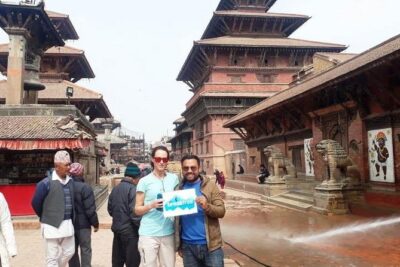
Your trek begins with a Kathmandu setup day. A representative helps with airport pickup/drop, then you check into a three-star hotel (Hotel Bliss International or similar) for two nights with breakfast. There’s also a welcome dinner, plus a farewell dinner before you head out.
I like this approach because it gives you time to get your bearings. Kathmandu can be intense if you arrive hungry, tired, and under-packed. The plan includes last-minute shopping time, which is genuinely useful: you’ll often realize you still need a headlamp, warm layer, or UV sunglasses. You’ll start your trek meeting time at 6:30am, so it’s good to be on the same time schedule early.
One small practical note: meals in Kathmandu beyond breakfast are not included. If you like eating early or you want a proper sit-down dinner the night before the flight to Lukla, you’ll budget for that.
Lukla Flight and the Trek Into Phakding: Where the Adventure Actually Begins
Day one is the Kathmandu-to-Lukla flight (about 40 minutes), landing you at roughly 2,800m before you trek to Phakding at about 2,652m (around a 3–4 hour walk). It’s a short first day, which helps you start slow—exactly what your body wants after sitting in a seat for hours.
Lukla is where the Everest dream turns real. The air feels sharper, and the trail starts narrowing into the Khumbu rhythms: stone paths, small lodges, and the sense that this is a working region, not a theme park. You’ll overnight in a guest house/tea house and have breakfast/lunch/dinner included on the trek days.
This first walking day is also a good time to test your footwear and your layering system. If your boots rub or your jacket doesn’t block wind, you’ll notice now—before the higher days turn the dial up.
Namche Bazaar at 3,440m: Acclimatization With Markets, Museums, and Views
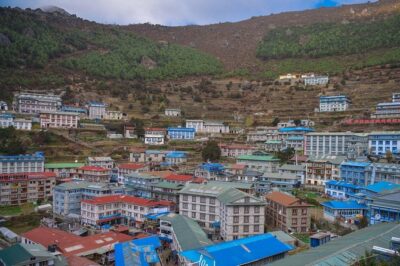
Namche Bazaar is the Sherpa hub in the Everest story, and you’ll reach it on day three after about 5–6 hours through Monjo. You pass the gate into Sagarmatha National Park, which gives the whole trek a real sense of place: protected, regulated, and cared for.
What makes Namche special is the mix of everyday life and big-mountain energy. You’ll get government offices, ATMs, internet cafes, shops, restaurants, and even a bakery and colorful market. That matters because it means you can refill supplies and reset mentally while still being high altitude.
Then comes the acclimatization plan. You don’t just sleep at 3,440m and call it good. You’ll spend time exploring areas like Khumjung and Khunde Valley, including spots such as Hillary School and the Hillary Museum. There’s also an Everest View Hotel area you can check out during the day.
The practical value: these “explore days” are your chance to walk uphill a little, feel your breathing change, then return to the lodge to sleep higher than before. It’s the classic acclimatization trick—move to adjust, then rest to recover.
A possible drawback: Namche can feel busy compared to the quieter villages. If you’re hoping for totally solitude vibes, the town part may not be your favorite. But it’s also your safety net—supplies, information, and services you can’t get higher up.
From Namche to Tengboche: Monastery Day and the Rhododendron Switch
After the Namche acclimatization, you’ll trek to Tsengboche (at about 3,870m) over roughly 5–6 hours. This is the part of the route where the trail character shifts. You start seeing more dramatic views in clear weather, and the villages become more centered around faith and community.
Tsengboche is known here for its oldest monastery. Even if you’re not there for religious history, it’s a meaningful stop. Monasteries tend to be warm, calm places along the trail, and they give you a break from cold wind when the weather turns.
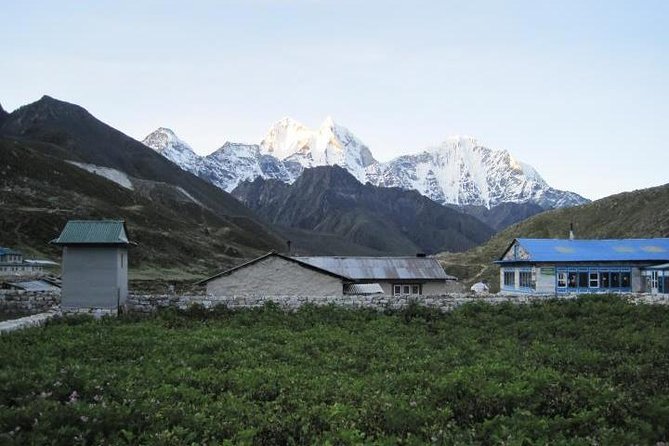
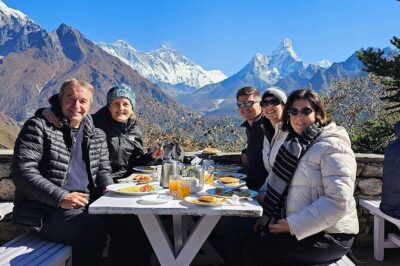
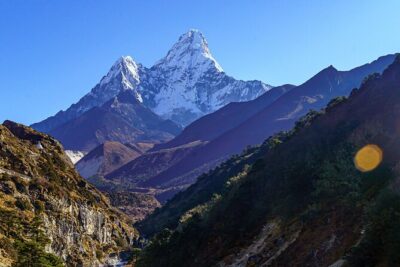
On day six you’ll push to Dingboche around 4,360m (again about 5–6 hours). The walk includes crossing a rhododendron forest and getting close views of peaks like Ama Dablam and Thamsherrku. That’s one reason I like this itinerary: it doesn’t wait until Base Camp to show you why Everest gets the attention it does.
Dingboche Acclimatization: Day Hikes That Save Your Trip
Dingboche isn’t just another overnight stop. You’ll have an acclimatization day there, with hiking around Chukkung and Dingboche itself.
This is where the itinerary earns its keep. The trek climbs to about 4,260m and then pauses. That pause makes the later high-altitude push toward Lobuche and Gorak Shep feel more survivable. You’ll still feel the altitude, but you’re not stacking big climbs back-to-back with no recovery.
One more subtle benefit: acclimatization days help you learn your pace. You start to figure out what speed keeps your breathing steady, how often you need breaks, and whether you’re drinking enough water. At this altitude, small habits decide whether you feel strong or sluggish.
Lobuche and Gorak Shep: The Glacier Corridor to Base Camp
Next is Lobuche at about 4,940m (a shorter 2–4 hour push, with big mountain attention). You’ll move via the Khumbu Glacier corridor, and you’ll start noticing how the air temperature changes as you rise. At higher elevations, walking feels like work even when the trail isn’t steep.
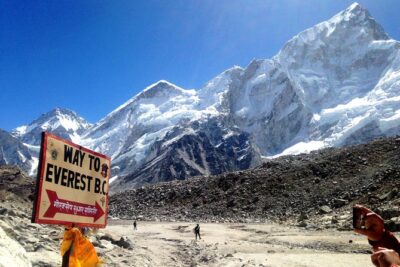
Then you head toward Gorak Shep, where you’ll reach around 5,170m, and eventually connect to Everest Base Camp at about 5,364m. Day nine is the long one—about 8–9 hours—and it’s a highlight even by Everest standards.
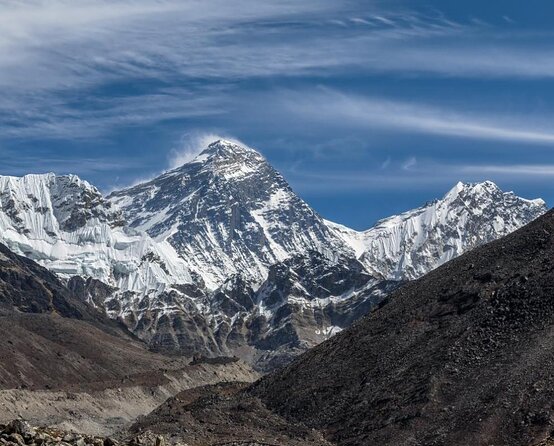
You’ll trek to Gorak Shep, place luggage, then continue on after lunch toward Base Camp. You’ll explore the vicinity of base camp and get the impressive view of the mountain area, including the crowning 8,848m Everest view in clear conditions. You’ll also visit the Khumbu Ice-fall area.
This is where the trek earns its name. You feel the scale of the mountains in a way photos can’t replicate. At base camp altitude, the “why” is obvious: the trek isn’t about checking a box—it’s about seeing what “high” actually means.
Practical note: long days at high elevation punish sloppy planning. If you bring the right layers and pace yourself, you’ll enjoy the hike. If you go too fast, you’ll arrive drained and under-oxygenated.
Kala Patthar at 5,545m: The South-Face Moment (Optional but Worth It)
The next day is Gorak Shep to Kala Patthar and then down toward Pheriche (around 4,730m). This is another 8–9 hour day, and the highlight is the optional hike to Kala Patthar at about 5,555m for sweeping views—especially the Everest south face, plus sights like Changtse and the West-Ridge route.
Even if it’s optional on paper, I’d treat it as core. The altitude is hard, yes, but the payoff is exactly why most people choose Everest Base Camp in the first place: you get a grandstand view without needing technical climbing skills.
After the view, you return to Gorak Shep and continue descent to Pheriche. The descent is still work, but your body starts to relax as you drop.
Heading Down Through Tyangboche to Lukla: Ending on Sherpa Trails
You’ll trek from Pheriche to Tyangboche (about 3,867m) over roughly 4–5 hours. Then the final trekking day sends you to Lukla at around 2,800m (about 5–6 hours). This return phase is where you feel your legs again, and you start appreciating the quiet rhythm of the route.
Tyangboche keeps the monastery and village atmosphere alive. After so many days focused on altitude, it’s a relief to move through places that feel calmer and more human-scale.
Then you fly back to Kathmandu on day 13 (around 1,300m), with an overnight in Kathmandu and breakfast included before departure on day 14.
Price and Value: What the $1,440 Really Buys You
Let’s talk value in plain terms. $1,440 per person includes a lot of the big-ticket items people forget to price out on their own:
- Kathmandu hotel nights (two nights in a three-star category) with breakfast
- Flight Kathmandu–Lukla–Kathmandu with airport taxes
- A trek leader (English speaking, government licensed) and porter support (insured; 1 porter for 2 guests)
- Lodging in local tea houses/lodges during the trek
- All meals during the trek: breakfast, lunch, dinner
- Government taxes and official trekking expenses
- Sleeping bag and a trekking map from the office (bag returned after the trip)
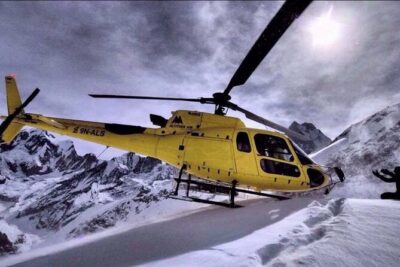
What’s not included matters too. Nepal visa fee is not included. International airfare and travel/health insurance (especially emergency helicopter rescue insurance, which is strongly recommended) are not included. Also, lunch and dinner in Kathmandu are not included. Cold drinks, boiled and mineral water, and alcoholic drinks are also extra.
If you’re the type who wants to show up, walk, and not deal with logistics at altitude, this package can be a good deal. If you prefer DIY planning, you might find cheaper options—but you’ll take on the risk of coordinating flights, guides, lodging, and safety details in a place where weather can change everything.
Packing and Comfort: Staying Warm, Staying Functional
The included sleeping bag is rated to zero degrees Fahrenheit, and tea houses provide a quilt and blanket in many places. That helps, but you still need to dress right. At altitude, layers matter more than fashion.
Based on the gear list the team emphasizes, you’ll want:
- UV protection: sunglasses with UV protection plus a sun hat or scarf
- Warm head protection: balaclava or warm fleece hat
- Solid mitts: lightweight gloves
- Layers: fleece/wool for insulation and waterproof shell for wind and rain
- Foot gear: hiking boots with spare laces and warm wool hiking socks
- A headlamp with spare bulbs/batteries
- Water bottles and basics for hygiene (wet wipes, tissue/toilet roll)
Battery charges and hot showers can cost extra in tea houses. If that annoys you, plan around it. Carry a power bank if it helps your style, and accept that the goal here is warmth and good sleep, not constant charging.
Guides, Porters, and Safety: The Human Part That Makes It Work
In a trek like this, the biggest difference isn’t just altitude. It’s how you’re managed when you feel tired, cold, or unsure.
This operator’s guides and porters come with real experience. In past trips, people praised guides such as Bishnu Tamang and Ramesh, plus porters like Lakpa. The team behind the scenes—named in feedback as Bishnu Pandey—also shows up in how the trip gets coordinated.
Safety is a stated priority, and you’ll see that in the way they manage pacing and provide practical support. The guide carries first aid kits, and the team lists Diamox (for altitude sickness if needed) and water purification pills as part of what they bring. That’s a big comfort point.
Also, flights can get delayed due to weather. One example from feedback: when flights were delayed to Lukla, the organizer arranged an earlier flight for that group. You should still be prepared for changes, but it’s reassuring to know they don’t just shrug and wait.
Who This Trek Fits Best (and Who Might Want a Different Plan)
This Everest Base Camp trek fits best if you:
- Want a classic route with Base Camp plus Kala Patthar
- Prefer a guided experience where meals, lodging, and porters are arranged
- Are in decent physical shape and comfortable walking long days at altitude
- Like the Sherpa culture angle, not just the summit-photo fantasy
You might rethink if you’re very altitude-sensitive, have limited hiking stamina, or you want a fully luxurious experience. Tea houses are basic, and twin-share rooms are standard. Some places have private bathrooms, but others are shared, and charging/hot shower access may cost extra.
Should You Book This Everest Base Camp Trek?
If your goal is the full Everest story—Lukla flight, Namche acclimatization, Dingboche pause, Gorak Shep and Base Camp, then Kala Patthar views—this is a well-structured plan. The strongest reasons to book are the acclimatization days, the all-meals tea-house support, and the guide/porter setup that reduces your workload and stress.
Before you hit confirm, ask yourself one question: are you ready for real altitude hiking above 5,000m? If yes, and you’re willing to dress in layers, keep a steady pace, and take acclimatization seriously, this trek can be a memorable once-in-a-lifetime experience for the right kind of traveler.
FAQ
What’s included during the trek for meals and lodging?
All meals during the trek are included (breakfast, lunch, and dinner), and you’ll stay in local lodge or tea house accommodations on a twin-share basis in most places.
Are airport transfers included?
Yes. The package includes all airport pickup/drop in Kathmandu.
Do I get a sleeping bag and a trekking map?
Yes. A sleeping bag and a trekking map are provided by the office and the sleeping bag is returned after the trip is completed.
What’s not included in the tour price?
Not included are the Nepal visa fee, international airfare, travel and health insurance (including emergency helicopter rescue insurance), lunch and dinner in Kathmandu, tips, and costs like hot showers and battery charging in some tea houses.
Is there a time to acclimatize before going higher?
Yes. The plan includes acclimatization days in Namche Bazaar and Dingboche, plus additional daytime exploration around Khumjung/Khunde and Chukkung.
Can I cancel for a full refund?
Yes, you can cancel up to 24 hours in advance for a full refund. If you cancel less than 24 hours before the start time, the amount paid is not refunded.
More Trekking Out of Kathmandu
More Tour Reviews in Kathmandu
Just Reviewed in Kathmandu
- Mountain Bike Tour
★ 5.0 · 3 reviews - Annapurna Panaroma
★ 5.0 · 3 reviews - Mount Everest Scenic Flight 50 Minutes
★ 5.0 · 3 reviews - Kathmandu : Swambhunath & Durbar Square Guided Half Day Tour
★ 3.3 · 3 reviews - Chandragiri Cable Car & Monkey Temple Tour – Private/Group
★ 5.0 · 3 reviews - Kathmandu: Shivapuri National Park Hiking Day Trip
★ 3.3 · 3 reviews
Everest Base Camp Treks, compared.
 ★ 5.0Everest Base Camp Trek – 14 DaysFrom $1,8001,499 reviews
 ★ 5.0Everest Base Camp TrekFrom $1,790842 reviews
 ★ 5.0Everest Base Camp TrekkingFrom $1,350485 reviews
 ★ 5.0Everest Base Camp Trekking – 13 DayFrom $1,399365 reviews
★ 5.0Everest Base Camp TrekFrom $1,445350 reviews
★ 5.0Everest Base Camp Trek -14 DaysFrom $1,420321 reviews
★ 5.0Everest Base Camp Trekking – 13 DayFrom $1,399365 reviews
★ 5.0Everest Base Camp TrekFrom $1,445350 reviews
★ 5.0Everest Base Camp Trek -14 DaysFrom $1,420321 reviews
 ★ 5.012 Days Everest Base Camp TrekFrom $1,099289 reviews
 ★ 5.0Everest Base Camp Trekking – 2025/2026From $1,339199 reviews
Browse the lists this tour appears in