
Review · EVEREST BASE CAMP TREKS
Everest Base Camp Trekking-14 nights/15 Days
Everest Base Camp is the kind of goal that changes you.
This 14-night Everest Base Camp trek in Nepal’s Khumbu region is set up around real logistics help: pickup in Kathmandu, a guided setup, and baggage carried service so you’re not wrestling your pack all day. The one thing to think about is that the experience is weather-dependent, and meals plus drinks are not included.
You start early in Kathmandu (meeting at 5:45am), then you’re taken care of through the paperwork and access fees that often trip people up. It’s also a private tour/activity, so the plan is built around your group’s needs instead of making you share decisions with strangers.
In This Review
- Key Points That Make This Everest Trip Work
- Kathmandu Kickoff: Early Pickup and Your First Nepal Checklist
- The Flight Piece: Why the Kathmandu-to-Luk Hop Matters
- Trekking Days Toward Everest: Khumbu Scenery and 360° Mountain Time
- What the trek likely feels like day to day (without overpromising details)
- Base Camp Moment: When Everest Becomes More Than a Photo
- The Guide and Porter Setup: Service That Reduces Friction
- Price and Value: What $1,600 Covers and What You’ll Still Pay
- Weather and Fitness Reality: How to Prepare So the Trek Feels Doable
- Practical Logistics You Should Know Before Booking
- Should You Book This Everest Base Camp Trek?
- FAQ
- What time does the tour start in Kathmandu?
- Where is the meeting point?
- Is pickup included?
- Are flights included?
- Does the price include meals?
- Do I need travel insurance?
Key Points That Make This Everest Trip Work
- Airport-to-hotel start in Kathmandu with pickup and a clear meeting point
- Domestic flight included between Kathmandu and Luk (round-trip) for easier trekking logistics
- Accommodation, park fees, and environmental fees handled so you don’t have to chase receipts
- Baggage carried service included, which matters a lot on a long high-altitude trek
- Support-focused guiding (including altitude-care help noted for guides like Chandra and Sreekrishna)
- Private tour feel, even if you benefit from group discounts
More trails out of Kathmandu, boots ready
- Everest Base Camp Trek – 14 Days★ 5.0 · 1,499 reviews
- Everest Base Camp Trek★ 5.0 · 842 reviews
- Everest Base Camp Trekking★ 5.0 · 485 reviews
- Nagarkot Sunrise View and Day Hiking from Kathmandu★ 5.0 · 471 reviews
Kathmandu Kickoff: Early Pickup and Your First Nepal Checklist
Your trip begins in Kathmandu with a straightforward handoff: you meet at Tribhuvan International Airport (Ring Rd, Kathmandu), with a 5:45am start time. If you’ve ever arrived in a new country and felt your brain scramble before a big adventure, you’ll appreciate a team that gets you moving quickly.
From there, you get transfer to the hotel. That first connection is more than convenience. On a trek like Everest Base Camp, the first day sets your energy for everything after it. Missing sleep, forgetting documents, or losing time in Kathmandu can turn into stress you don’t want to carry into the mountains.
A couple practical items to keep in mind from the trip rules:
- You’ll need a current valid passport on travel day.
- During booking, you provide passport details (name, number, expiry, country).
- You’ll receive a mobile ticket (useful if you’re traveling light and trying to keep everything on your phone).
Also note the “operates in all weather conditions” line. That sounds reassuring, but in Nepal it’s really about whether the operator can run the program. If storms or poor weather disrupt travel, the plan can still change. More on that later.
The Flight Piece: Why the Kathmandu-to-Luk Hop Matters
This trek includes Ktm–Luk–Ktm flights using domestic airlines. For Everest-area trekking, this is a big deal because it shortens the approach and reduces the time you spend traveling instead of walking.
Why you’ll care:
- Trekking time and fatigue are different. Flights cut out a chunk of ground travel that would otherwise steal energy.
- A domestic flight schedule creates timing pressure, so having the operator handle the logistics reduces your “where do we go now?” moments.
One caution: domestic flights can be weather-sensitive in the Himalaya region. The good part is your trek operator has built this itinerary with weather realities in mind. The tradeoff is that you should be mentally ready for delays or adjustments.
If you’re the type who likes a clear plan with fewer surprises, this included flight helps a lot.
Trekking Days Toward Everest: Khumbu Scenery and 360° Mountain Time
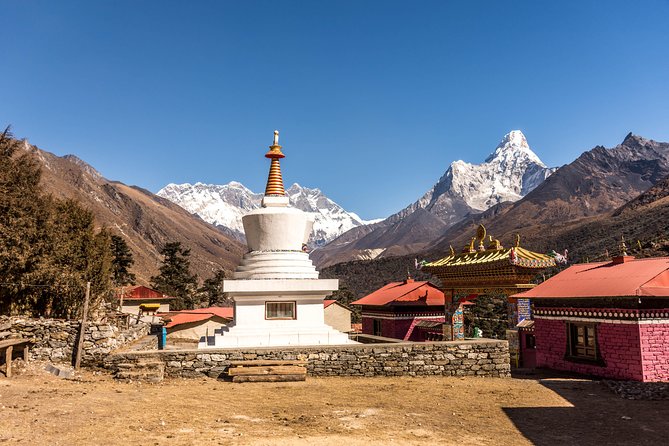
You’re trekking toward Everest Base Camp (5,364 m), in the Khumbu region. Even without getting every day’s detailed schedule, the main point is clear: you’re going step-by-step through an Everest landscape where the peaks feel close enough to touch.
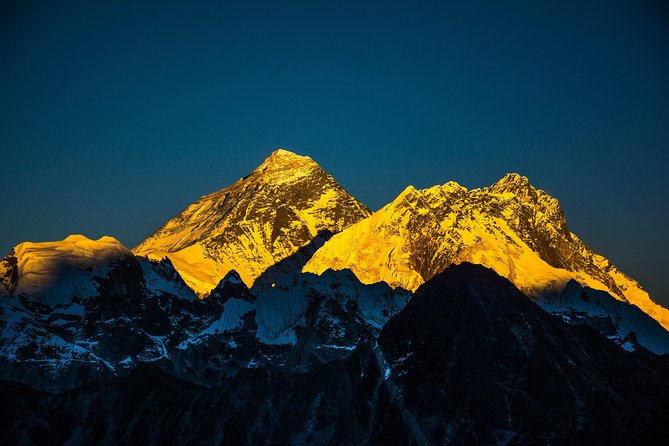
This trek is described as a fantasy built on 360° outlooks of major summits. In your field of view, the story isn’t just Everest. The itinerary specifically highlights Mt. Lhotse, Mt. Pumori, and Mt. Nuptse alongside Sagarmatha (Everest’s Nepali name). That matters because it changes how you experience the mountains. You’re not just chasing one photo. You’re watching the range unfold from different angles as you gain altitude and move through the region.
Here’s what I think makes the “guided” part especially valuable on these trekking days:
- At altitude, small choices matter: when you stop, how you pace, how you respond to early warning signs.
- The trek is long: 15 days total (listed as 15 days 20 minutes approx.). That’s plenty of time for good rhythm—or a spiral if you’re left to figure everything out alone.
In the trip feedback that informed what I’d watch for, guides like Chandra and Sreekrishna are praised for being supportive during tough moments, including altitude-care help. That’s exactly what you want when you’re out of your comfort zone.
What the trek likely feels like day to day (without overpromising details)
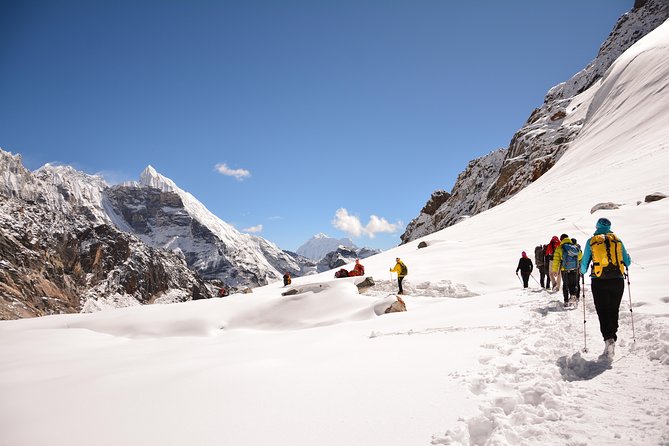
You can expect long walking days, cold mornings, and a steady rise in altitude. You’ll also experience the classic Everest pattern: some days are about effort, some days are about acclimatizing, and some days are about letting the views do the talking. This operator includes accommodation as per itinerary, so you’re not stuck hunting for beds at the last second.
The big practical upside: your guide and team help keep the plan moving, while you focus on walking, hydrating, and staying warm.
Base Camp Moment: When Everest Becomes More Than a Photo
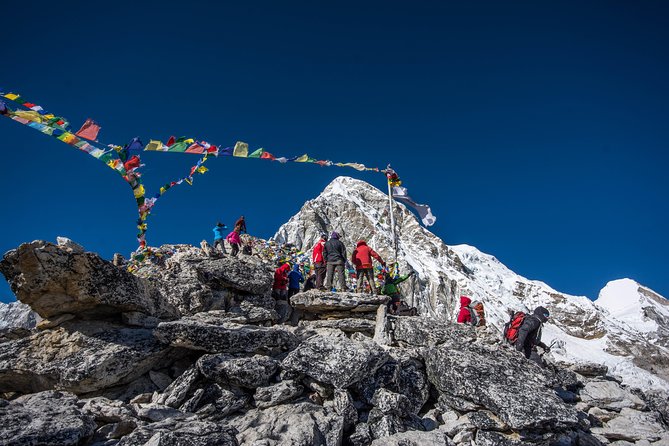
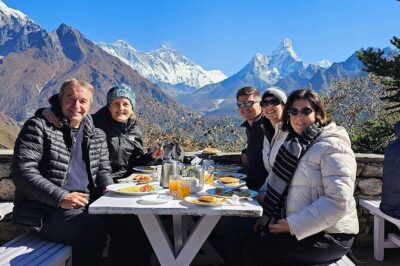
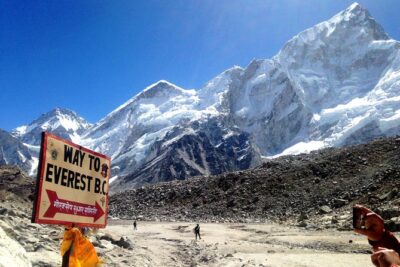
Reaching Everest Base Camp is the headline, and it’s the part most people dream about long before they book a ticket. At 5,364 m, you’re high enough that the mountain doesn’t feel like background. It feels like a presence.
This trek’s framing leans into that “more than one-peak” experience. You’re not just looking at Everest. You’re surrounded by the visual weight of other major peaks like Lhotse, Nuptse, and Pumori. That’s why people describe the trip as more than a single destination. It’s a slow build toward a wide-angle payoff.
One reason your guide matters here: conditions at higher elevations can change fast. Even if you can hike to the same spot, the way it feels can vary depending on clouds, wind, and visibility. You’ll get the most value by treating the day like a goal with weather respect, not a fixed-time appointment.
The Guide and Porter Setup: Service That Reduces Friction
A standout inclusion is a professional guide plus a tour escort/host. That combo is useful because it covers both “how to trek” and “how to manage the practical stuff” while you’re in motion.
You’re also getting staff food, accommodation, and salary included, which usually means the operator isn’t trying to squeeze expenses out of you mid-trip. And you have baggage carried service included, which is one of those quiet upgrades that can change the entire experience.
Why baggage carrying is a big deal on Everest Base Camp:
- Long trekking days reward light, controlled effort.
- You avoid getting stuck in the loop of sore shoulders and slow uphill pace.
- You can focus on your walking rhythm instead of constantly adjusting a heavy pack.
In the trip feedback used to shape what to expect, porters and support staff like Bikash are specifically mentioned alongside guides such as Ram and Chandra. The names aren’t the point; what matters is the recurring theme: people feel supported during the hard parts.
Also, this is listed as a private tour/activity. Only your group participates. Even if you’re traveling with a partner or friends, that private setup usually means:
- You can move at the pace your group needs.
- You can ask questions without waiting your turn.
- Logistics stay more focused.
Price and Value: What $1,600 Covers and What You’ll Still Pay
The price is $1,600 per person. Here’s how that usually translates into value on an Everest trek: you’re paying for a package that covers many of the things that become expensive or annoying on your own.
Included costs you’ll appreciate:
- Accommodation as per the itinerary
- All taxes, fees, and handling charges
- Environmental Management Charge (listed as Reef Tax)
- Local taxes and National Park fees
- Professional guide and tour escort/host
- Hotel pickup and drop-off
- Domestic flights (Ktm–Luk–Ktm)
- Baggage carried service
What is not included:
- International airfare
- Visa fees
- Foods and drinks
- Extra activities
- Travel insurance for the guest
- Tips for staff
So is $1,600 a good deal? It’s strongest if you want less planning, fewer logistics headaches, and the kind of support that keeps you moving. The domestic flight and park/environment fees being included are two cost buckets that many independent travelers end up paying separately anyway.
Where you should be careful: if you dislike budgeting for meals and tips, the total trip cost will feel like it grows once you land in Nepal. The trip rules are clear about that, so you can plan ahead.
Weather and Fitness Reality: How to Prepare So the Trek Feels Doable
The operator states it operates in all weather conditions, and you should dress appropriately. That’s the right attitude for Everest-area trekking.
Here’s what you should plan for based on the nature of this trek:
- Cold mornings and wind exposure at higher elevations
- Variable visibility that can affect how long you stay enjoying a viewpoint
- Long days that demand consistent pacing
Fitness guidance is also stated: you should have moderate physical fitness. With a 15-day trek, moderate doesn’t mean casual. It means you can handle sustained walking and altitude exposure without needing constant breaks.
One more practical note from the included services: having your guide and baggage support makes the trek more about endurance and less about logistics. That’s a smart way to match difficulty with your capabilities.
Practical Logistics You Should Know Before Booking
A few details from the tour information that matter in real life:
- Meeting point: Tribhuvan International Airport, Ring Rd, Kathmandu
- Start time: 5:45am
- Pickup/drop-off: included
- Mobile ticket: you’ll have something electronic
- Confirmation: received at booking
- Location of operator: Himalayan Trekking Path (P). Ltd.
Also, the cancellation terms are straightforward: free cancellation is offered if you cancel at least 24 hours in advance of the experience start time, with a full refund. The experience also requires good weather, and if it’s canceled due to poor weather, you’re offered another date or a refund. That’s worth noting because Everest trekking planning is often about flexibility as much as it is about dates.
Should You Book This Everest Base Camp Trek?
I’d book this style of Everest Base Camp trek if you want:
- A guided, organized setup with park fees, environmental fees, and domestic flights already handled
- Baggage carried service so your body can focus on walking
- A private experience where your group’s needs matter
- A plan that’s long enough to experience the region, not just rush to one viewpoint
I’d think twice if you:
- Hate budgeting for meals/drinks and staff tips
- Want a trip with zero weather risk (the mountains don’t care about perfect schedules)
- Prefer to fully control every step of planning yourself
My final advice: if you’re aiming for Everest Base Camp as a real journey, not a DIY puzzle, this trek’s value is in the support. You’re paying for fewer unknowns and better mountain-day momentum—so when the peaks finally fill the sky, you can actually enjoy it.
FAQ
What time does the tour start in Kathmandu?
The meeting time is 5:45am at Tribhuvan International Airport.
Where is the meeting point?
The start meeting point is Tribhuvan International Airport, Ring Rd, Kathmandu, Nepal.
Is pickup included?
Yes. Hotel pickup and drop-off are included.
Are flights included?
Yes. The tour includes a domestic flight between Ktm and Luk, plus Luk back to Ktm.
Does the price include meals?
No. Foods and drinks are not included.
Do I need travel insurance?
The tour information lists travel insurance for the guest is not included.
More Trekking Out of Kathmandu
More Tour Reviews in Kathmandu


Just Reviewed in Kathmandu
- Mountain Bike Tour
★ 5.0 · 3 reviews - Annapurna Panaroma
★ 5.0 · 3 reviews - Mount Everest Scenic Flight 50 Minutes
★ 5.0 · 3 reviews - Kathmandu : Swambhunath & Durbar Square Guided Half Day Tour
★ 3.3 · 3 reviews - Chandragiri Cable Car & Monkey Temple Tour – Private/Group
★ 5.0 · 3 reviews - Kathmandu: Shivapuri National Park Hiking Day Trip
★ 3.3 · 3 reviews
Everest Base Camp Treks, compared.
 ★ 5.0Everest Base Camp Trek – 14 DaysFrom $1,8001,499 reviews
 ★ 5.0Everest Base Camp TrekFrom $1,790842 reviews
 ★ 5.0Everest Base Camp TrekkingFrom $1,350485 reviews
 ★ 5.0Everest Base Camp Trekking – 13 DayFrom $1,399365 reviews
★ 5.0Everest Base Camp TrekFrom $1,445350 reviews
★ 5.0Everest Base Camp Trek -14 DaysFrom $1,420321 reviews
★ 5.0Everest Base Camp Trekking – 13 DayFrom $1,399365 reviews
★ 5.0Everest Base Camp TrekFrom $1,445350 reviews
★ 5.0Everest Base Camp Trek -14 DaysFrom $1,420321 reviews
 ★ 5.012 Days Everest Base Camp TrekFrom $1,099289 reviews
 ★ 5.0Everest Base Camp Trekking – 2025/2026From $1,339199 reviews
Browse the lists this tour appears in