
Review · EVEREST BASE CAMP TREKS
Everest Base Camp Trekking 16 Days
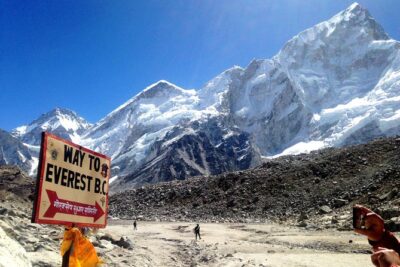
That first Everest sight hits hard.
This 16-day Everest Base Camp trek strings together the classic Khumbu route through Namche Bazaar, Tengboche, and the high approach via Dingboche, Lobuche, and Gorak Shep. I like how the itinerary builds in acclimatization stops instead of forcing a straight shot upward, and I also like the added value of a guided Kathmandu intro with UNESCO sites before you even reach the mountains.
The best part for me is the combination of cultural stops and summit-day payoff. You get a guided day around Kathmandu’s Durbar Square, Pashupatinath, Swayambhunath, and Bouddhanath, then you transition into Sagarmatha National Park trekking with Sherpa villages along the way. For a drawback: at this altitude and on a tight mountain schedule, your experience depends heavily on weather—and one earlier booking reportedly ended early and didn’t match what was promised, so you’ll want clear expectations in writing.
In This Review
- Quick hits before you go
- The 16-day Rhythm: Kathmandu, Lukla, and the Khumbu loop
- Kathmandu UNESCO Orientation: Durbar Square, Pashupatinath, Swayambhunath, Bouddhanath
- Lukla Flight and First Steps to Phakding: Cheplung to Namche’s gateway
- Namche Bazaar Acclimatization: Sagarmatha National Park views and Khumjung
- Rhododendrons to Tengboche Gompa: one monastery, big views, a classic descent
- Dingboche Views and Stupa Day: Imja Valley, Pangboche, and altitude reset
- Lobuche Base Camp Approach: moraine walking and memorial stones
- Everest Base Camp and Kala Pattar: early cold, thin air, and follow-your-lead navigation
- The Return Down: Pheriche to Phakding, then Lukla viewpoint and Kathmandu time
- Price and logistics: what $800 buys you in real terms
- Guides and service quality: why leadership names matter
- Weather, safety, and service reliability you can plan for
- Should you book this Everest Base Camp trek?
- FAQ
- How long is the Everest Base Camp trek?
- Do you fly from Kathmandu to Lukla?
- Which UNESCO sites are visited in Kathmandu?
- Are there acclimatization days during the trek?
- What fitness level do I need?
- Is this a private tour?
- What happens if weather cancels the trek?
Quick hits before you go
- Kathmandu UNESCO day first: You get guided orientation at Durbar Square, Pashupatinath, Swayambhunath, and Bouddhanath before the trek starts.
- A real acclimatization plan: Namche (Day 5) and Dingboche (Day 8) are built in, not optional extras.
- The Lukla flight is part of the magic: That short flight puts you on the Everest trail faster than any road route.
- Monasteries and Sherpa life in the mix: Tengboche Gompa plus villages like Khumjung, Pangboche, and others add texture beyond “just walking.”
- Kala Pattar is the big photo moment: Early morning departure with very cold temperatures is part of the deal.
- Service quality can hinge on the leadership: Past experiences highlight great guides like Shiva, Keshab, and Rajesh—but also show that communication matters if things change.
More trails out of Kathmandu, boots ready
- Everest Base Camp Trek – 14 Days★ 5.0 · 1,499 reviews
- Everest Base Camp Trek★ 5.0 · 842 reviews
- Everest Base Camp Trekking★ 5.0 · 485 reviews
- Nagarkot Sunrise View and Day Hiking from Kathmandu★ 5.0 · 471 reviews
The 16-day Rhythm: Kathmandu, Lukla, and the Khumbu loop
This trek is designed as a loop that starts in Kathmandu, flies you to Lukla, then works north through the Khumbu region until you reach Everest Base Camp. After that, you backtrack down through the villages, with a second wow-moment at Kala Pattar before returning to Lukla and finishing in Kathmandu.
Most walking days are in the 5–6 hour range, with some days including steeper sections and higher-altitude strain. That balance matters because it keeps the schedule realistic while still giving you enough time to enjoy the trail rather than just “survive it.”
Kathmandu UNESCO Orientation: Durbar Square, Pashupatinath, Swayambhunath, Bouddhanath
Before you touch the Everest trail, you get a guided Kathmandu day aimed at the big UNESCO-listed religious and historic anchors. On Day 2, the route includes Kathmandu Durbar Square, Pashupatinath, Swayambhunath (the Monkey Temple), and Bouddhanath (one of the largest stupas in the world).
I like this approach because it gives you context. When you later see Sherpa communities and Himalayan monasteries, you’re not starting from zero—you already understand how seriously people take spirituality and ritual here. It also helps you get your legs back after arrival with an easier day before the flight to Lukla.
Practical note: the plan specifies that admission tickets for that guided UNESCO day are not included, so budget for them if they apply to your exact schedule.
Lukla Flight and First Steps to Phakding: Cheplung to Namche’s gateway
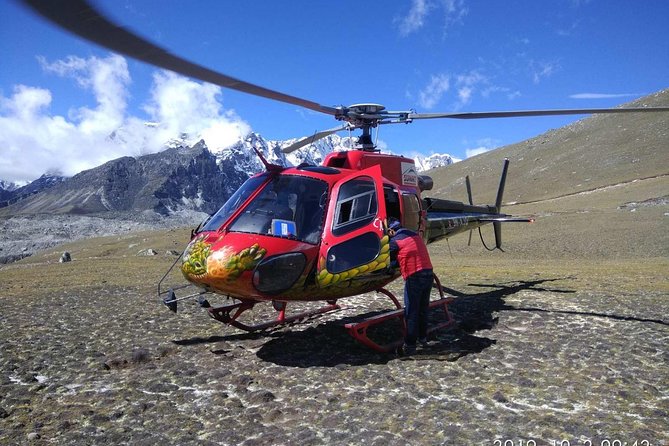
Day 3 is the transition day: you fly from Kathmandu to Lukla (about 40 minutes) and step straight into the Everest corridor. The Lukla landing is described as one of the most beautiful routes, arriving at a hillside airport surrounded by peaks—then the real walking begins.
From Lukla you head down gradually to Cheplung for a glimpse of Mt. Khumbila, then continue on to Phakding. On Day 4 you follow the valley past pine forest, cross rivers like the Dudh Koshi, and pass through Monjo, the entrance area to Everest National Park—so you’re not just hiking; you’re also moving through the protected landscape of the region.
One “consideration” here: Day 4 includes both river crossings and a steeper push toward Namche. It’s not the hardest part of the trek, but it’s a good reminder that your first days set your pace for everything after.
Namche Bazaar Acclimatization: Sagarmatha National Park views and Khumjung
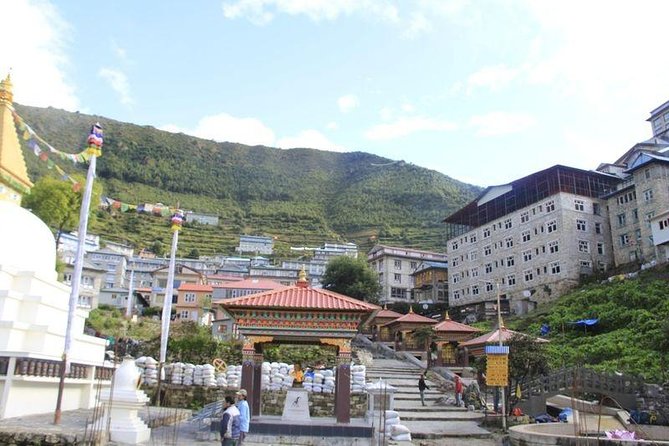
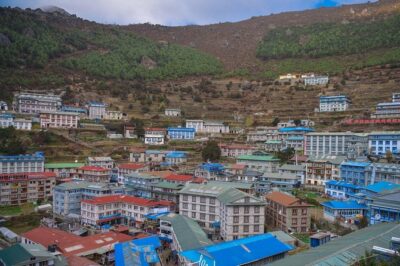
Namche Bazaar isn’t just a stop—it’s the main hub of the Khumbu region. On Day 5, you spend time acclimatizing and you can explore with your guides, including the everyday stuff that makes long treks smoother: shops, market life, and practical services like ATMs and internet cafes (useful if you want to message home and keep logistics tidy).
This day is also where the itinerary leans into Sagarmatha National Park views. The plan highlights sunrise-style reward potential as you hike, with big-name peaks like Everest, Lhotse, and Nuptse mentioned along the way. If you want a shorter option, the route includes a day hike to Khumjung (listed at 12,401 ft), described as a Sherpa settlement with Khumjung Hillary School.
I like that you get choices. A dedicated acclimatization day plus a meaningful side hike is a smart way to manage altitude without making your trip feel like a forced march.


Rhododendrons to Tengboche Gompa: one monastery, big views, a classic descent
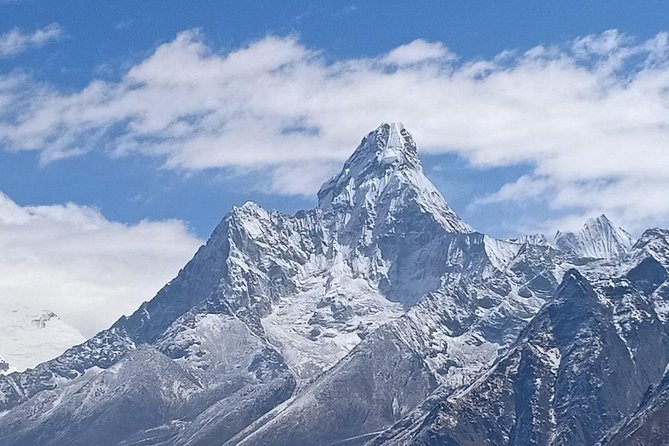
On Day 6 you move from the Namche area toward Tengboche, and the trail is described as famous for the descent to the Dudh Koshi River and the ascent through rhododendron forests. That plant detail matters because it often changes what you hear and see on the climb—more softness in the scenery, more variety in the trek feel.
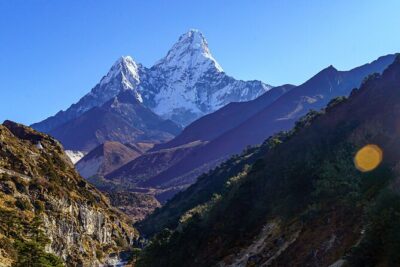
When you reach Tengboche, you visit Tengboche monastery and take in views framed by Everest, Ama Dablam, and other peaks. This is the kind of stop that works for both the serious photographer and the person who just wants a quiet moment to catch their breath.
A small reality check: the day includes a mix of descent and ascent, which can feel harder on the way down if your legs are already tired from Day 5’s acclimatization hike. Take it slow through rocky sections and don’t rush the monastery stop.
Dingboche Views and Stupa Day: Imja Valley, Pangboche, and altitude reset
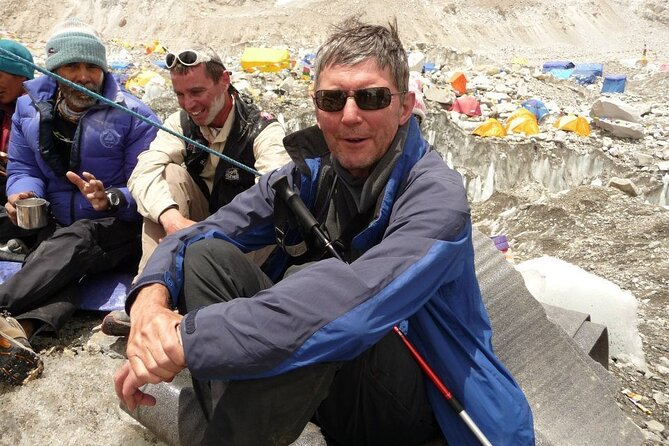
Days 7 and 8 are your Dingboche zone, and they’re set up for both hiking scenery and altitude adjustment. Day 7 includes trekking through forests with birch, conifers, and rhododendrons, dips toward Devuche, crosses the Imja River, and continues toward Pangboche and the Imja Valley. From there you climb up to Dingboche, a village with fields protected by stone walls from cold winds and grazing animals (barley, buckwheat, potatoes are mentioned).
Day 8 is your acclimatization day at Dingboche, with options for day hikes toward viewpoints like Nagarjun Hill or Chukkhung Valley. The plan lists views of peaks including Makalu, Lhotse, Chalotse, Tawache, and Ama Dablam.
This is one of the smartest sections of the whole trek. Your itinerary gives you time to adjust instead of stacking “big altitude + long effort” on the same day. That’s how you protect both energy and enjoyment.
Lobuche Base Camp Approach: moraine walking and memorial stones
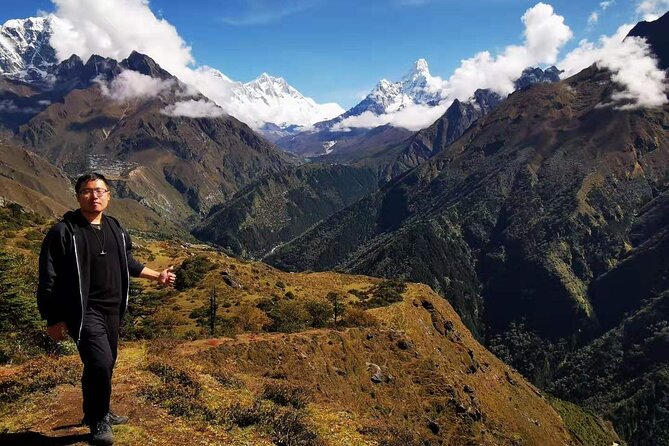
Day 9 starts with a gradual climb to Duglha at the end of the terminal moraine of the Khumbu Glacier, then works up to Chupki Lhara, where you’ll see stone memorials with prayer flags. The route specifically mentions memorials for Scott Fischer and Babu Chiri Sherpa.
From Chupki Lhara, you continue along the Khumbu Glacier moraine, then move toward Lobuche. You’re also framed by peaks like Khumbutse, Lingtren, Pumori, and Mahalangur Himal as the trail eases into the valley.
This day can feel heavy mentally because it’s closer to the “mountain seriousness” zone. The good news: you get a clear sense of the trek’s purpose here, and the memorial stop adds meaning beyond scenery.
Everest Base Camp and Kala Pattar: early cold, thin air, and follow-your-lead navigation
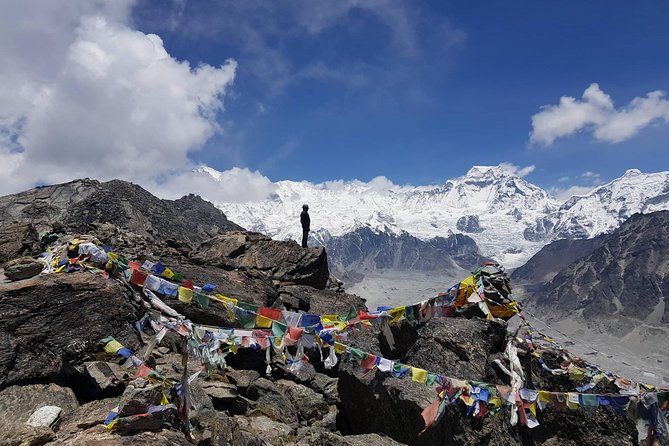
Day 10 is where the trail turns intense. You go toward Everest Base Camp through Gorak Shep and pass Indian army mountaineers’ memorials. The plan notes that the path can feel misleading at parts, so it’s important you follow your lead Sherpa diligently.
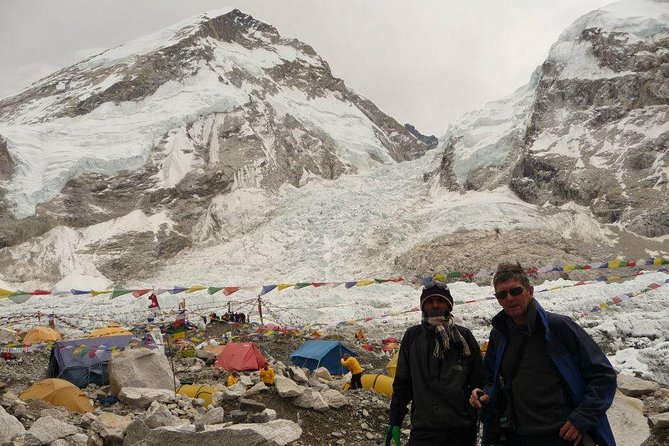
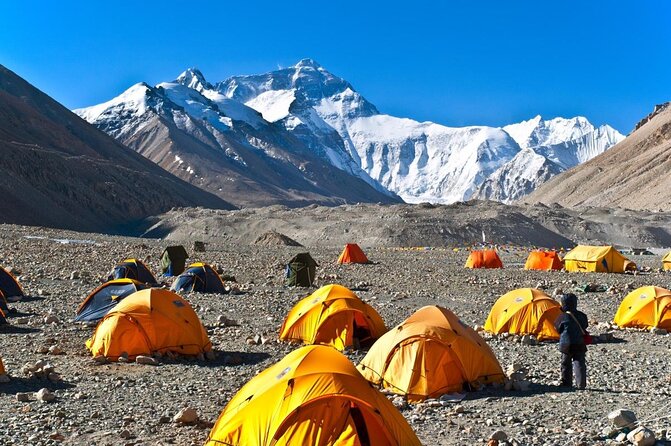
This is also the day described as strenuous because of thin air. When you arrive at Everest Base Camp, you’ll see mountaineers’ tents in bright colors against the gray setting (spring is mentioned as a time when this stands out). The mountains you can view from the base camp include Nuptse, Khumbuste, and Pumori.
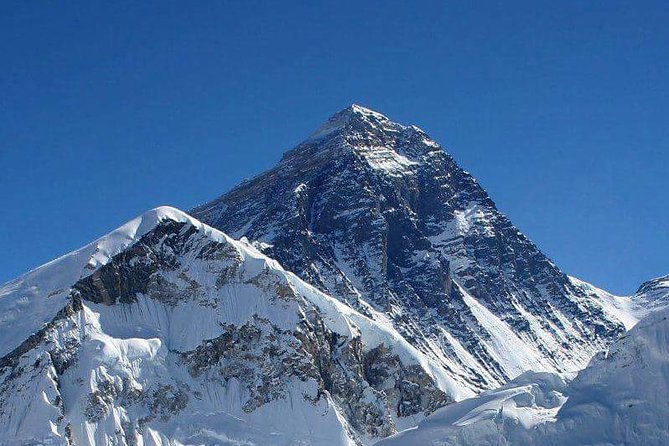
Then comes Day 11, and it’s the “wake up for the view” day. You depart very early in pre-dawn darkness in temperatures listed around -10 to -14 C, with chilly winds possible. The plan emphasizes that Everest begins to reveal itself as you climb toward Kala Pattar, and that you get 360-degree up-close panorama views from the summit point.
Afterward, you head back toward Pheriche for rest.
This combo—Base Camp first, Kala Pattar second—is a strong sequencing choice. Base Camp confirms you reached the historic goal. Kala Pattar gives you the wider perspective when your brain is too tired to notice details, and your camera is doing the thinking for you.
The Return Down: Pheriche to Phakding, then Lukla viewpoint and Kathmandu time
Day 12 brings the descent to Pheriche through rhododendron and juniper and then down the Dudh Koshi gorge. The route mentions the prayer-flag bridge over the Dudh Koshi River and notes you might spot pheasants and mountain goats in the forest.
Day 13 continues downhill with a mix of open plains and pine forests, plus Sherpa village moments like prayer stones and prayer flags. The plan says the walking time is around 5–6 hours, which feels long on paper but often becomes easier after you’ve already done the hard altitude days.
Day 14 finishes the trek phase with arrival in Lukla after a steep descent and cautious steps on rocky terrain. There’s also a stop at the Lukla Airport Viewpoint, then you stretch sore legs and shift from “trek mode” to “transport mode.”
Day 15 returns you to Kathmandu with an early flight. You land in time for recovery and some souvenir shopping in Thamel. Day 16 ends with pickup to Tribhuvan International Airport about 3 hours before your flight.
Price and logistics: what $800 buys you in real terms
The stated price is $800 per person for an approximately 16-day trip, with pickup offered and group discounts. What that means in real life is you’re paying for an organized flow: Kathmandu orientation, a Lukla flight, guided trekking leadership, and a full north-to-return itinerary rather than a DIY patchwork.
To judge value fairly, focus on what’s included in your actual package. This trek’s schedule assumes you’ll have a guide/climbing leader for planning and for key navigation moments like the Everest Base Camp route. The itinerary also includes a welcome dinner in Kathmandu and guided UNESCO sightseeing. When a trek includes both city context and multi-week mountain guidance, $800 can look reasonable—especially if the service stays consistent day to day.
One practical caution: mountain travel has variables you can’t control (weather, delays, and route changes). If you care about seeing every promised segment, get a clear written statement of what changes look like and how refunds or date swaps are handled if conditions force adjustments.
Guides and service quality: why leadership names matter
The trekking experience can come down to who you’re with. In the feedback linked to this operator, guides like Shiva and Keshab are highlighted as helpful, kind, and attentive—people who helped with what trekkers needed and kept morale up. Another guide, Rajesh, is also mentioned positively for leading the trek.
At the same time, there are serious complaints tied to leadership and communication. One earlier account reported the tour ended 2 days early, with promised places not being seen and no promised refund delivered. Another situation referenced disrupted service during Nepal lockdown when the company team was COVID positive.
So my advice is simple: treat the guide as part of your decision, not a background detail. In your pre-trip messages, ask who your guide/climbing leader will be and how changes get communicated if weather or health issues appear. If you get vague answers, press for clarity before you pay the final balance.
Weather, safety, and service reliability you can plan for
The trek requires good weather, and the plan notes that if it’s canceled due to poor weather you’ll be offered another date or a full refund. That’s the baseline.
Beyond that, the two most important operational risks on Everest Base Camp are altitude and timing. The itinerary includes acclimatization days at Namche and Dingboche, which helps you manage altitude. It also includes very early starts for Kala Pattar and expects very cold conditions (listed around -10 to -14 C), so you should be ready for a brutal wake-up even when you’d rather sleep.
On service reliability: the earlier accounts that mention early ending and refund issues are a reminder to document your expectations. If the tour plan depends on “weather-permitting” steps, ask what happens if conditions change on specific days—especially around the Lukla flight and the Everest Base Camp/Kala Pattar windows.
Should you book this Everest Base Camp trek?
I’d book this trek if you want the classic Everest Base Camp experience with smart pacing, a meaningful Kathmandu setup, and a plan that includes both Everest Base Camp and Kala Pattar. The schedule gives you acclimatization days you can feel good about, and the route mix of monasteries, Sherpa villages, and national-park trekking makes it more than just a stamp-collecting exercise.
I wouldn’t rush to book if you’re the type who needs total certainty about dates and every single stop with zero changes. The itinerary relies on weather, and past experiences tied to communication issues suggest you should ask hard questions before you commit.
If you want to make this decision safely, do three things:
- Confirm who your lead guide/climbing leader is and how decisions are made if weather shifts.
- Ask what parts of the Kathmandu UNESCO day require separate admission payments (since the plan says Day 2 admission is not included).
- Get clarity on how early flights and cold mornings on the Kala Pattar day are handled in practice.
FAQ
How long is the Everest Base Camp trek?
The trek is listed as about 16 days.
Do you fly from Kathmandu to Lukla?
Yes. The itinerary includes a 40-minute flight from Kathmandu to Lukla, followed by trekking starting from Lukla.
Which UNESCO sites are visited in Kathmandu?
The Kathmandu guided day includes Kathmandu Durbar Square, Pashupatinath, Swayambhunath, and Bouddhanath.
Are there acclimatization days during the trek?
Yes. The itinerary includes an acclimatization day in Namche Bazaar (Day 5) and another acclimatization day in Dingboche (Day 8).
What fitness level do I need?
The booking information says travelers should have a moderate physical fitness level.
Is this a private tour?
Yes. It’s described as private, with only your group participating.
What happens if weather cancels the trek?
The plan says the experience requires good weather. If it’s canceled due to poor weather, you’ll be offered a different date or a full refund.
More Trekking Out of Kathmandu






More Tour Reviews in Kathmandu




Just Reviewed in Kathmandu
- Mountain Bike Tour
★ 5.0 · 3 reviews - Annapurna Panaroma
★ 5.0 · 3 reviews - Mount Everest Scenic Flight 50 Minutes
★ 5.0 · 3 reviews - Kathmandu : Swambhunath & Durbar Square Guided Half Day Tour
★ 3.3 · 3 reviews - Chandragiri Cable Car & Monkey Temple Tour – Private/Group
★ 5.0 · 3 reviews - Kathmandu: Shivapuri National Park Hiking Day Trip
★ 3.3 · 3 reviews
Everest Base Camp Treks, compared.
 ★ 5.0Everest Base Camp Trek – 14 DaysFrom $1,8001,499 reviews
 ★ 5.0Everest Base Camp TrekFrom $1,790842 reviews
 ★ 5.0Everest Base Camp TrekkingFrom $1,350485 reviews
 ★ 5.0Everest Base Camp Trekking – 13 DayFrom $1,399365 reviews
★ 5.0Everest Base Camp TrekFrom $1,445350 reviews
★ 5.0Everest Base Camp Trek -14 DaysFrom $1,420321 reviews
 ★ 5.012 Days Everest Base Camp TrekFrom $1,099289 reviews
 ★ 5.0Everest Base Camp Trekking – 2025/2026From $1,339199 reviews
Browse the lists this tour appears in