
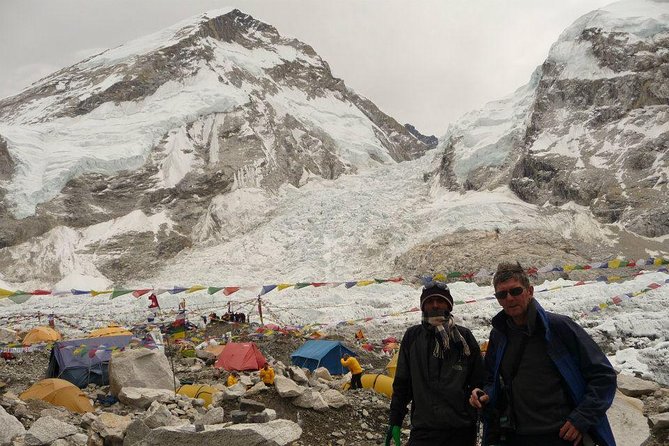
Review · EVEREST BASE CAMP TREKS
Everest Base Camp Trekking – 16 Days
Altitude hits fast, but Everest hits harder. Everest Base Camp in 16 days brings you to the foot of the world’s tallest peaks, and I like the round-trip flights that get you to Lukla quickly and the professional guide support (including insurance) that helps keep the plan steady at altitude. One drawback to note up front: the package lists that a porter for caring luggage is not included, so you’ll want to plan how you’ll handle your own load.
You’ll start with a Kathmandu warm-up, then trek through Sherpa hubs like Namche Bazaar, with rest days built in for acclimatization before pushing higher toward Gorakshep and Kalapathar. I especially like that the schedule includes a buffer day in Kathmandu if Lukla weather causes problems.
In This Review
- Key Highlights You’ll Care About
- Everest Base Camp in 16 Days: What You’re Actually Signing Up For
- Kathmandu Arrival: Durbar Square Prep and a Gentle First Night
- The Lukla Flight and the Phakding Start: Where the Trek Begins
- Namche Bazaar Acclimatization: Sherpa Life and Everest-Region Views
- Tyangboche Monastery and Dingboche: Spiritual Stops and Better Breathing
- Lobuche to Gorakshep: Reaching the Everest Base Camp Zone
- Kalapathar Sunrise: The Highest View Moment
- The Descent Through Pangboche to Namche and Lukla
- Flight Weather Reality and the Extra Day in Kathmandu
- Price and Logistics: Is $2,350 Worth It
- Who This Trek Is Best For
- Should You Book This Everest Base Camp Trek?
- FAQ
- What city does this Everest Base Camp trek start in?
- How long is the trek?
- What’s included in the price?
- Are meals included every day?
- Is a porter included to carry luggage?
- Are monastery and sightseeing entry fees included?
- What about WiFi, charging, and showers in the mountains?
- How does the tour handle flight problems to Lukla?
- What are the age and health requirements?
- Do I need a visa?
- Should I cancel, what’s the refund timeline?
Key Highlights You’ll Care About
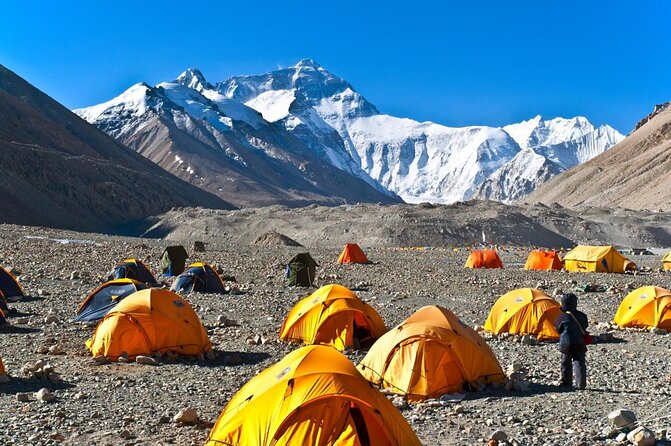
- Lukla flights plus a Kathmandu buffer day: time is built in for the reality of Lukla weather.
- Acclimatization days that actually matter: Namche and Dingboche have rest time to help you adjust.
- Kalapathar timing for big views: you’ll go high early for a wide panorama before descending.
- Real village trekking in the Khumbu: Sherpa farm towns and monasteries aren’t just scenery; they shape the day.
- Guides named in feedback: Prakash, Shiva, and the leadership team (Dhruba and Sajjan) are repeatedly linked with smooth handling.
- What’s included vs. not included is clear: meals, park fees, and some gear are covered, while porters and high-hills WiFi/power are not.
More trails out of Kathmandu, boots ready
- Everest Base Camp Trek – 14 Days★ 5.0 · 1,499 reviews
- Everest Base Camp Trek★ 5.0 · 842 reviews
- Everest Base Camp Trekking★ 5.0 · 485 reviews
- Nagarkot Sunrise View and Day Hiking from Kathmandu★ 5.0 · 471 reviews
Everest Base Camp in 16 Days: What You’re Actually Signing Up For
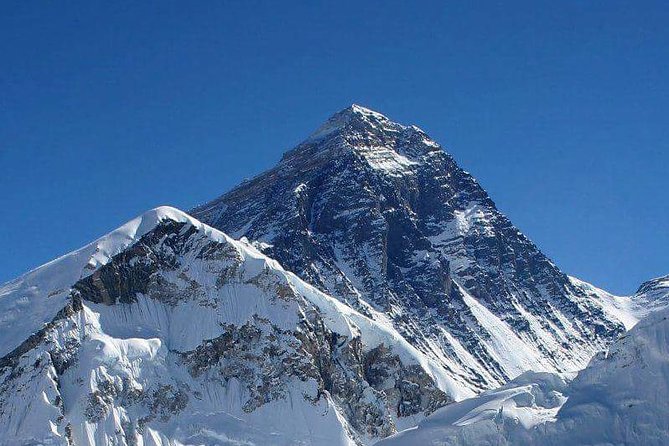
This is not a walk to a viewpoint and back. It’s a serious mountain trek with a clear goal: to reach Everest Base Camp and come back down with enough energy to enjoy the moments along the way. The big appeal is that you don’t just see the Everest region—you move through it, day after day, from green hills to drier, colder conditions as you climb.
What makes this 16-day version feel workable is the way the schedule is spaced. You don’t jump from one altitude spike to the next without breathing room. Rest days in Namche Bazaar and Dingboche are there for acclimatization, not as filler. And later, the push toward Gorakshep and Kalapathar is paced so the highest view moment doesn’t hit you when you’re already completely cooked.
The other thing I like is how the operation is set up around logistics. Reviews mention fast email replies before arrival and airport pickup on the Kathmandu side, plus guides who keep things fun and flexible—names like Prakash and Shiva show up in feedback for a reason. If you’re the kind of person who wants the human side of trekking (clear communication, good pacing, and someone watching the bigger picture), this is the kind of trip that aims for that.
Kathmandu Arrival: Durbar Square Prep and a Gentle First Night
Your first day in Kathmandu is set up like a reset, not a cram session. You get picked up, check into your room, and have time to adjust from jet lag. Then you meet your group and settle into the Kathmandu rhythm with dinner at a Nepalese restaurant that includes local cultural programming.
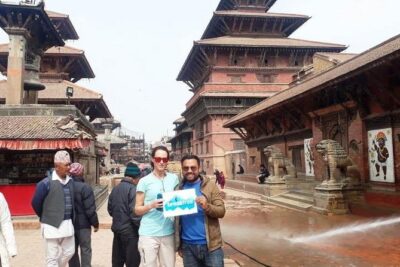
On day two, you head to Kathmandu Durbar Square for sightseeing and local heritage time. It’s also described as a preparation day for the trek, and that matters. Getting your bearings in the city before flights and trail days helps a lot. You’ll see how Nepalese culture shows up in everyday street life and historic sites, which makes the later Sherpa cultural stops feel more connected instead of random checkpoints.
One note: the Durbar Square admission ticket is not included. It’s usually a small extra cost, but it’s the kind of thing you don’t want to discover at the gate.
The Lukla Flight and the Phakding Start: Where the Trek Begins
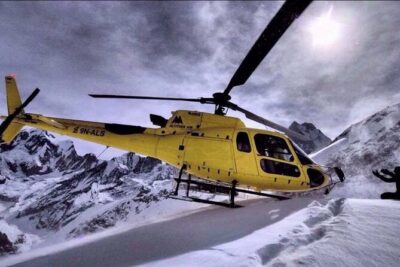
The trek really starts after a short flight from Kathmandu to Lukla—about 30 minutes. Even if you’ve flown before, this leg has a special feeling: you go from city bustle to mountain edges fast, with views that make you understand why people build an entire trek around this region.
From Lukla you walk to Phakding. The route begins with the trail energy: a real sense of moving uphill, passing through villages and getting used to the rhythm of small climbs and pauses. Expect tall pines and rhododendron areas as you move, because that early stretch is when the region feels most lush.
This is also where you should pay attention to gear and pacing. Your body is still fresh, so it’s tempting to walk fast. Don’t. You want to start building the habit you’ll need later at higher elevation.
Namche Bazaar Acclimatization: Sherpa Life and Everest-Region Views
Namche Bazaar is the gateway town, and the schedule gives you time to feel it rather than rush through it. On the way in, the trail passes through woodland-type scenery and then opens up to that classic Sherpa hub vibe: busy enough to feel alive, still small enough to walk slowly and notice details.
Day four ends at Namche with overnight stay. Day five is a rest day designed for acclimatization. That matters because Namche is high enough to start stressing your system. A rest day doesn’t mean you do nothing—it means you move at altitude with a smarter pace. You can hike around town, visit a museum, and enjoy snow-capped peak views.
If you like culture as much as scenery, Namche is also where you start to see how trekking is woven into everyday Sherpa life. Your later monastery visits and village moments will feel less like tourist stops and more like part of a community you’re passing through.
Tyangboche Monastery and Dingboche: Spiritual Stops and Better Breathing
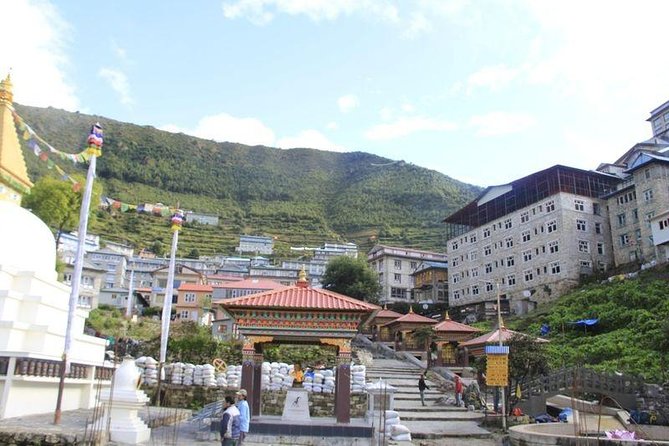
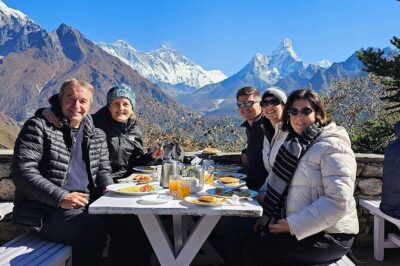
As you go from Namche toward Tyangboche, you cross into a section that feels more “Everest region” in every way: mountain walls, thicker air pressure, and the kind of trail views that make you stop more often than you planned. Tyangboche is the monastery highlight, with monks and priests involved in religious activities while you’re there.
The schedule includes an overnight at Tyangboche, then the next push toward Dingboche. Admission to Tyangboche is not included, so budget a little extra if you plan to go inside.
Dingboche comes with another acclimatization rest day (day eight). This is where you can walk, look, and settle into the fact that your body will feel different every day here. You stroll around and enjoy views of surrounding peaks, but the real win is recovery time.
If you’re prone to hiking too hard early, Dingboche is where you correct that habit. The trek becomes much more enjoyable when you stay in control of your effort.
Lobuche to Gorakshep: Reaching the Everest Base Camp Zone
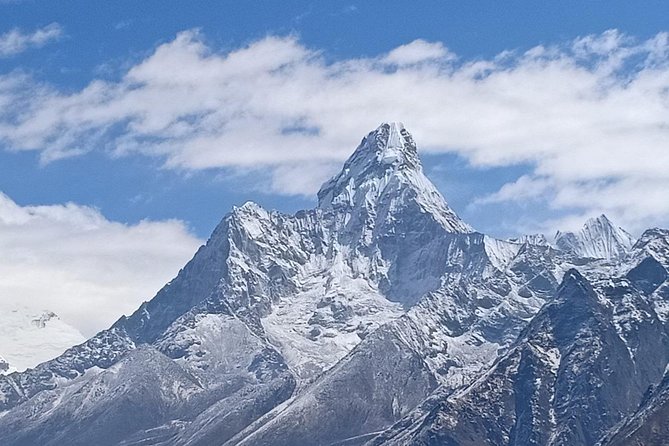
Day nine starts the longer “toward the goal” phase. You head toward Lobuche via winding paths above the Pheriche valley. You’ll see peaks such as Cholatse and Taboche along the way. When the trail reaches Thugla, the description notes the Khumbu glacier melt turning into a raging river. That’s the kind of sight that changes how you think about the environment up here. Water doesn’t just exist; it moves, it pressures the landscape, and it shapes the trail.
On day nine you reach Lobuche for overnight, and you can see Lobuche East and West from the area. These days start to feel like you’re walking alongside the mountain system instead of just toward a point on a map.
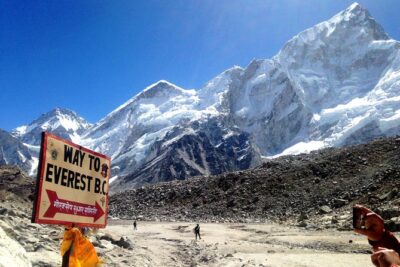
Day ten is the big push: a long walk toward the base camp area, with towering peaks around you—Mt. Everest, Nuptse, Lhotse, and Pumori are highlighted. You’ll spend time at Everest Base Camp for photos and a deep breath moment, then continue back to Gorakshep for overnight.
A practical note: the cold gets more real as you get higher, even if your day feels active. Your biggest comfort tool here is smart clothing and staying dry when conditions change.
Kalapathar Sunrise: The Highest View Moment
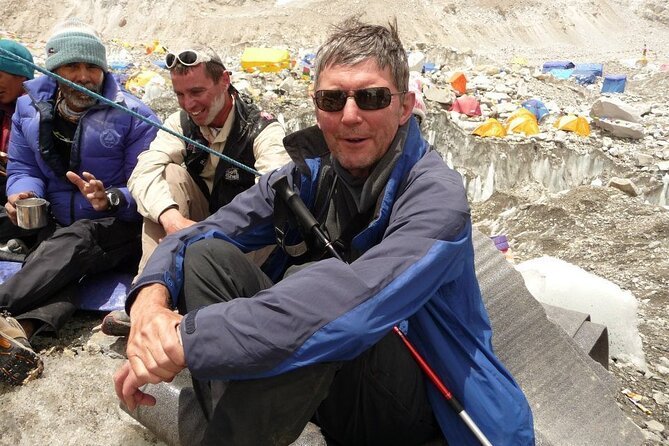
If you want one moment that feels like it belongs in your memory for years, this is the one. Day eleven starts early, before breakfast, with a climb to Kalapathar at about 5,545 m. It’s described as the highest spot of the adventure, and the payoff is overwhelming panorama with close views of Everest and Mt. Pumori.
Then you descend to Gorakshep for breakfast. After that, you keep trekking down toward Pheriche and on to Pangboche for overnight.
This section is where your altitude experience becomes personal. You might feel shaky, slow, or unusually aware of every breath. That’s normal. Keep your pace conservative and let the mountain do the work. You’re not racing the day; you’re buying a view.
The Descent Through Pangboche to Namche and Lukla
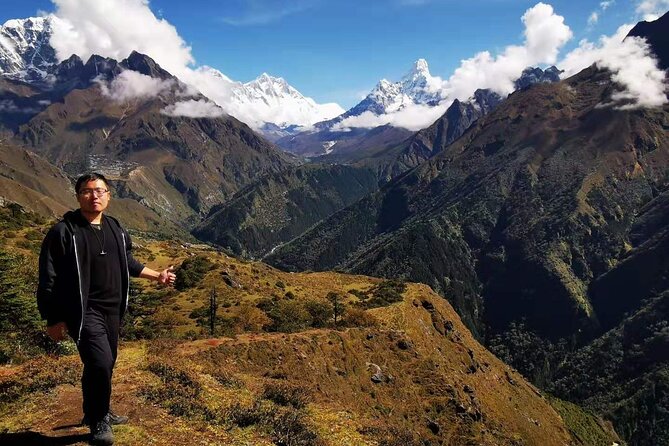
After Kalapathar, the trek turns into long downhill walking. “Easy downhill” doesn’t mean easy on your body. Your legs still do a lot, and you’ll feel it in knees and ankles if you stride too fast.
Day twelve brings a downhill but long walk to Namche Bazaar. It includes a climb from Pangboche to Tyangboche (again hitting that monastery area) and then a return walk back through Khumbu before Lukla.
Day thirteen is Lukla again, retracing the start route. By now, the region feels familiar, even though the weather can change quickly. You’ll likely notice how your understanding of the trails has grown: you recognize where climbs start, where you’ll find rest points, and how the villages fit into the bigger climb.
Day fourteen flies you back to Kathmandu from Lukla and gives you a real recovery day. You transfer to your hotel and can rest without thinking about the next set of steps.
Flight Weather Reality and the Extra Day in Kathmandu
Lukla is famous for weather limits. This trek plan openly accounts for that by reserving an extra day in Kathmandu (day fifteen) if flight timing gets affected due to bad or unfavorable weather at Lukla or early in the program. That extra day is valuable because it removes pressure. Instead of scrambling for an immediate fix, you get a scheduled buffer to relax or keep sightseeing with the tour group.
This also matters for how you manage your energy. A surprise delay can be stressful. A planned delay is easier to accept—and easier to enjoy.
Price and Logistics: Is $2,350 Worth It
At $2,350.34 per person, you’re paying for a packaged operation in a place where logistics are never simple. Here’s what you’re getting that supports the value:
- Round-trip flight: You’re not trekking the approach days. Flights are included, and the main trek starts after you reach Lukla.
- Accommodation across the route: The plan includes lodging as per itinerary.
- Guide support with insurance: You’re not just handed maps and sent off. You’re walking with professional guidance.
- National park fees: These are included, which matters because permits are part of the real cost structure in the region.
- Meals: The package lists 15 breakfasts, 11 lunches, and 11 dinners.
- Necessary trek equipment: You receive equipment for the trek and return it at the end.
What you should watch for when thinking about value:
- Porter for luggage is not included. Some people manage fine with a daypack, but if you prefer a lighter load, this is where you’ll want a plan.
- High-hills charging/WiFi/shower are not included. You should expect limited access to comfort items. Bring a power bank if you rely on charging.
- Monastery and Durbar Square admission tickets are not included, listed specifically for Tyangboche and Kathmandu Durbar Square.
For the right person, the value is in not having to micromanage permits, fees, and day-to-day structure. For the wrong person, it’s the mismatch between expectations (like wanting a porter included) and what the package actually includes.
Who This Trek Is Best For
This trek is designed for people with at least moderate physical fitness. The route includes multiple days of trekking with altitude changes, rest days for acclimatization, and one high point climb to Kalapathar.
It is not recommended for:
- people with heart complaints or other serious medical conditions
- pregnant women
- anyone under the minimum age of 16 years
If you’re coming for Everest views, Sherpa villages, and monastery stops, you’ll be in the right place. If you want a comfort-first vacation, manage expectations. This is a mountain trek where basic services are part of the deal.
Should You Book This Everest Base Camp Trek?
If your goal is Everest Base Camp with a schedule that respects acclimatization, this is a strong match. The combination of Lukla flights, included park fees, guided support, and built-in weather contingency in Kathmandu makes the trip feel more like a plan and less like a gamble. I also see consistent praise in feedback for how guides handle pacing and flexibility, with names like Prakash and Shiva showing up alongside company leadership contact Dhruba and airport/arrival coordination by Sajjan.
I’d think twice if you’re relying on a porter being included for luggage care, or if you expect WiFi, showers, or consistent charging up high. If you can travel with a smart pack and accept that comfort is limited at elevation, you’ll likely love the rhythm of this trek.
FAQ
What city does this Everest Base Camp trek start in?
It starts in Kathmandu, Nepal, with the meeting point listed at Tribhuvan Airport.
How long is the trek?
The duration is 16 days (approx.).
What’s included in the price?
Accommodation, professional guide (with salary and insurance), round-trip flight, private vehicle transport, local taxes, national park fees, and necessary equipment for the trek (returned after finishing). Meals are also listed: 15 breakfasts, 11 lunches, and 11 dinners.
Are meals included every day?
The package lists 15 breakfasts, 11 lunches, and 11 dinners. That means you’ll have many meals included across the program, but lunch and dinner counts do not match the full 16 days.
Is a porter included to carry luggage?
No. A porter for caring luggage is listed as not included.
Are monastery and sightseeing entry fees included?
Admission tickets are not included for Kathmandu Durbar Square and Tyangboche.
What about WiFi, charging, and showers in the mountains?
Battery charge, WiFi, and shower in high Himalayas are not included.
How does the tour handle flight problems to Lukla?
An extra day in Kathmandu is reserved (day 15) in case flights are delayed due to bad or unfavorable weather at Lukla or early in the program.
What are the age and health requirements?
Minimum age is 16. It’s not recommended for participants with heart complaints or other serious medical conditions, and it’s not recommended for pregnant women.
Do I need a visa?
Yes. You must confirm and obtain any visa requirements prior to border crossing, and visa requirements are the traveler’s responsibility.
Should I cancel, what’s the refund timeline?
Free cancellation is available up to 24 hours in advance for a full refund; canceling less than 24 hours before start time is not refunded.
More Trekking Out of Kathmandu
More Tour Reviews in Kathmandu
Just Reviewed in Kathmandu
- Mountain Bike Tour
★ 5.0 · 3 reviews - Annapurna Panaroma
★ 5.0 · 3 reviews - Mount Everest Scenic Flight 50 Minutes
★ 5.0 · 3 reviews - Kathmandu : Swambhunath & Durbar Square Guided Half Day Tour
★ 3.3 · 3 reviews - Chandragiri Cable Car & Monkey Temple Tour – Private/Group
★ 5.0 · 3 reviews - Kathmandu: Shivapuri National Park Hiking Day Trip
★ 3.3 · 3 reviews
Everest Base Camp Treks, compared.
 ★ 5.0Everest Base Camp Trek – 14 DaysFrom $1,8001,499 reviews
 ★ 5.0Everest Base Camp TrekFrom $1,790842 reviews
 ★ 5.0Everest Base Camp TrekkingFrom $1,350485 reviews
 ★ 5.0Everest Base Camp Trekking – 13 DayFrom $1,399365 reviews
★ 5.0Everest Base Camp TrekFrom $1,445350 reviews
★ 5.0Everest Base Camp Trek -14 DaysFrom $1,420321 reviews
★ 5.0Everest Base Camp Trekking – 13 DayFrom $1,399365 reviews
★ 5.0Everest Base Camp TrekFrom $1,445350 reviews
★ 5.0Everest Base Camp Trek -14 DaysFrom $1,420321 reviews
 ★ 5.012 Days Everest Base Camp TrekFrom $1,099289 reviews
 ★ 5.0Everest Base Camp Trekking – 2025/2026From $1,339199 reviews
Browse the lists this tour appears in