
Review · EVEREST BASE CAMP TREKS
Everest Base Camp Trekking
Everest Base Camp is a long daydream. This 12-day trek handles the heavy logistics so you can focus on fitness, from Kathmandu airport pickup and the Thamel meeting point to permits already taken care of. I especially like the people behind it—guides such as Ram Dhakal and Dillip are praised for staying with you and explaining what you’re seeing, not just walking you from stop to stop.
The main thing to plan is extra cost and coverage beyond the package: personal medical coverage and emergency evacuation expenses aren’t included. You’ll also handle breakfast, lunch, and dinner in Kathmandu, plus Kathmandu accommodation, on your own.
In This Review
- Key highlights worth knowing before you go
- Logistics that keep your mind on trekking
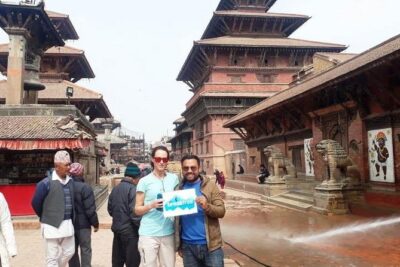
- Kathmandu warm-up: Thamel meeting and the early rhythm
- The Lukla flights: thrilling, and still part of your plan
- Namche Bazaar and Sherpa life: where the trek starts feeling real
- Following the Hillary and Tenzing path (without the museum feeling)
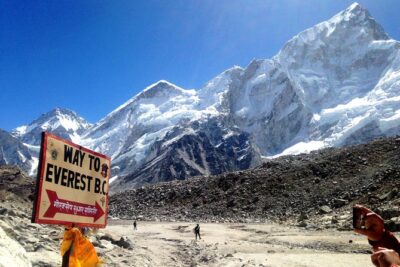
- Everest Base Camp: the moment you’ve been building toward
- Kalapatther viewpoint: close Everest views that change the mood
- Memorial hill: a quieter side of Everest
- Tengboche monastery and monk blessings: culture in the middle of altitude
- Khumbu glacier: the science-and-awe combo
- Tea house nights and meals: what “included” really means
- Guides, porters, and what they’re actually doing
- Permits and fees: less paperwork, fewer headaches
- Insurance: included, but check what you personally need
- Price and value: what $1,350 buys you (and what it doesn’t)
- Who this trek fits best
- Should you book this Everest Base Camp trek?
Key highlights worth knowing before you go
- Easy start in Thamel with a 6:15 am meeting time and domestic airport pickup/drop
- Lukla flights via Ramechhap to connect faster and keep the trek on track
- Namche Bazaar and Sherpa culture with real market and lifestyle sights along the way
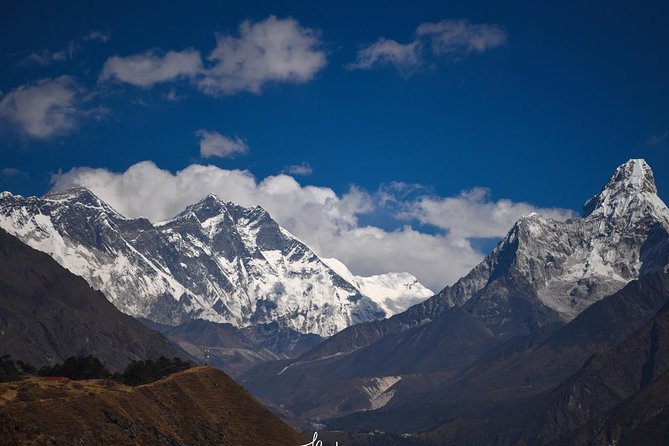
- Everest Base Camp plus Kalapatther viewpoint for the classic “up close Everest” moments
- Tengboche monastery and monk blessings for a spiritual, human side to the mountains
- Tea house comfort and meals plus gear like a sleeping bag, duffel, and down jacket on request
More trails out of Kathmandu, boots ready
- Everest Base Camp Trek – 14 Days★ 5.0 · 1,499 reviews
- Everest Base Camp Trek★ 5.0 · 842 reviews
- Everest Base Camp Trekking★ 5.0 · 485 reviews
- Nagarkot Sunrise View and Day Hiking from Kathmandu★ 5.0 · 471 reviews
Logistics that keep your mind on trekking
Everest Base Camp is the kind of goal that sounds simple until you’re staring at permits, routes, food, lodging, guides, and flight options. This trip tries to remove that stress. You show up in Kathmandu, and the core pieces are organized: guide-led trekking, tea house sleeping, meals during the trek, permits and park fees, and the flight connection between Lukla and Kathmandu via Ramechhap.
I like this approach because it lowers decision fatigue. When you spend less time managing logistics, you can spend more energy on the real work: hydration, pacing, and altitude awareness. There’s also a practical group size cap (up to 15 travelers), which usually means less chaos on busy paths and in tea houses.
The vibe is “supported trek,” not “we’ll leave you to figure it out.” With an English-speaking trekking guide and porters arranged (the ratio is listed as 2 trekkers : 1 porter), you’re carrying less than you would on a do-it-yourself version.
Kathmandu warm-up: Thamel meeting and the early rhythm
The trek starts and ends back at the meeting point in Thamel, Kathmandu (44600). Start time is listed as 6:15 am, so don’t plan a late night.
If you’re coming from the airport, you’ll get airport pickup in Kathmandu, plus domestic airport pick up & drop facilities are included. That matters more than it sounds. Kathmandu traffic can eat your morning, and you don’t want that kind of stress right before a long day of travel and altitude prep.
One note that affects planning: the package does not include accommodation in Kathmandu or meals there. You’ll cover breakfast/lunch/dinner in Kathmandu on your own, so pick a place in Thamel that’s comfortable for an early start and close to your meeting point.
The Lukla flights: thrilling, and still part of your plan
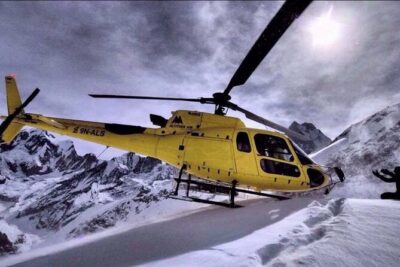
Getting to the Everest region involves a flight into Lukla, with the route listed as Kathmandu (Ramechhap) – Lukla – Kathmandu (Ramechhap). Those flights are famous for a reason: you trade a long drive for something short, steep, and memorable.
What’s useful here is that the flight legs are part of the package price and handled through the tour. That means you’re not hunting for separate tickets and then trying to match schedules with trekking dates.
Also, plan mentally for the fact that flights set the pace. If your schedule is tight, this style of trek is still manageable because you have an organized plan. You just have to be ready for the trek to follow the travel timing you’re given.
Namche Bazaar and Sherpa life: where the trek starts feeling real
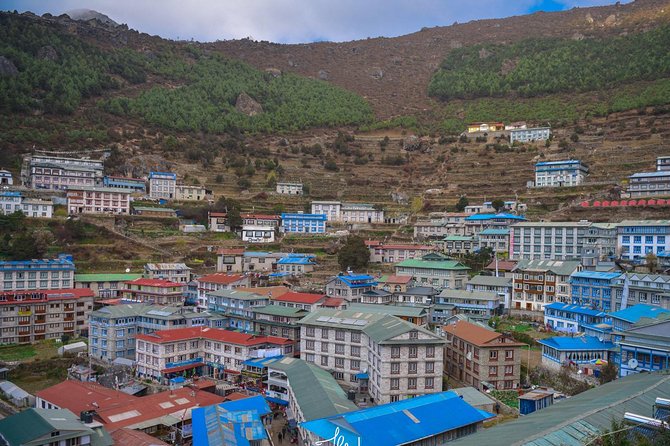
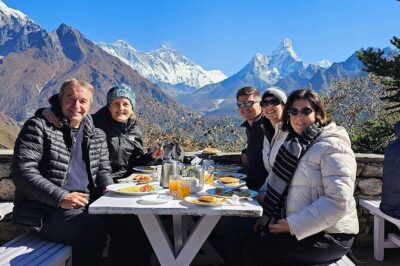
One of the early standout stops is Namche Bazaar, described as the famous gateway of Everest and a popular high-altitude market. This is where the trip shifts from “travel” to “Everest country.” You’ll see daily life shaped by altitude, routes, and trade.
You also get a look at Sherpa culture and lifestyle, which is one of the biggest benefits of having a guide who explains what’s around you. It’s easy to think of the region as scenery. With the guide-led approach here, you’re reminded it’s home for people living with the mountains as neighbors.
Namche is also a place to absorb the idea of altitude gradually. Even if you’re feeling fine, your body is learning the new conditions. That matters for how you’ll manage the climbs and descents later.
Following the Hillary and Tenzing path (without the museum feeling)
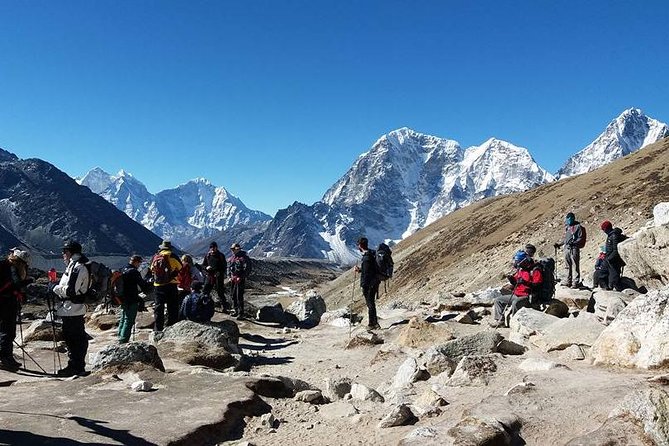
A classic thread through this trek is walking sections associated with mountaineering history—specifically the route of Sir Edmund Hillary and Tenzing Norgay Sherpa. You’re not just hiking through names on a map. You’re moving along the paths that helped define the modern Everest story.
For me, the key is how it’s framed: you’re walking, and a guide connects the dots between the people, the landscapes you pass, and the mountain’s cultural meaning. You’ll also keep picking up cultural context along the way, including Sherpa traditions and how local communities interact with climbing.
This makes the trek more than a photo run. You’re still going to take pictures (lots), but you’re also learning how Everest became a global obsession that locals experience in a very local way.
Everest Base Camp: the moment you’ve been building toward
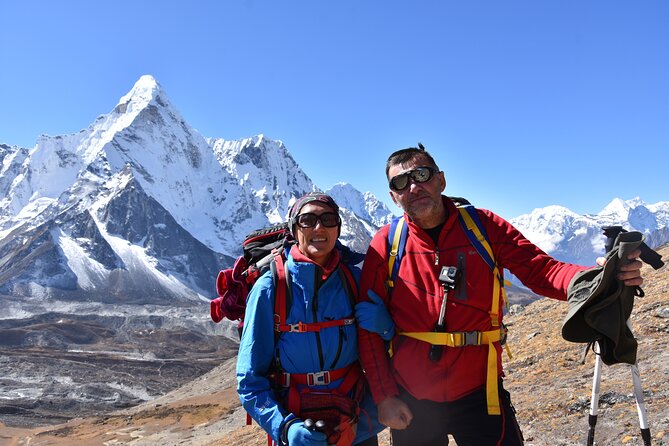
The big goal is simple: set foot at Everest Base Camp. The trip is designed so you reach that moment after days of acclimatization and trekking progression.
At Base Camp, the point isn’t comfort or luxury. It’s presence. You’re in the right place to feel the scale of what’s going on up the mountain, even if you’re not climbing it yourself. Seeing the Base Camp setup in person also helps you understand why people spend so much time training for these routes.
The experience is supported by an accredited guide who meets you and stays with you throughout, explaining the natural and cultural values as you go. That’s a big deal at Base Camp, because it’s easy to stare at the mountain and miss the meaning of what you’re surrounded by.
Kalapatther viewpoint: close Everest views that change the mood
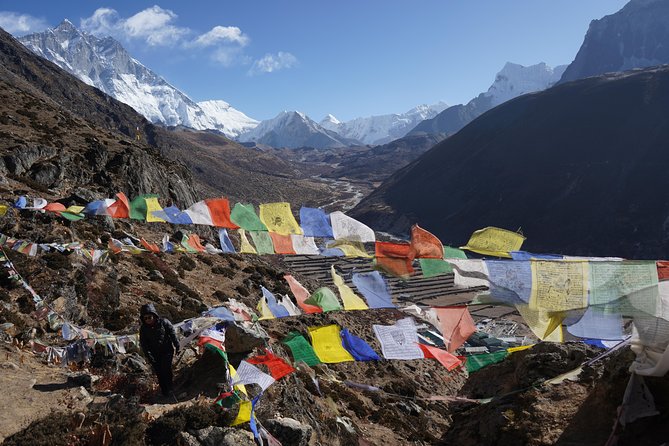
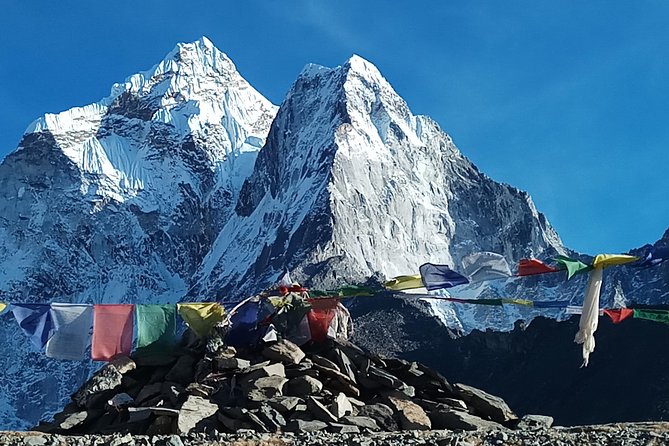
Another key highlight is Kalapatther, described as a famous viewpoint where you get close view of the mighty Everest. This is the kind of stop that can make a tired day feel worth it.
Why? Because it turns distance into shape. You stop thinking about numbers and start reacting to the mountain as a physical presence. Expect cold, expect wind, and expect your attention to lock on the horizon for long stretches.
This is also where having a guide matters. They’re there to help you manage the pace and timing between stops, so you spend more energy looking and less energy worrying.
Memorial hill: a quieter side of Everest
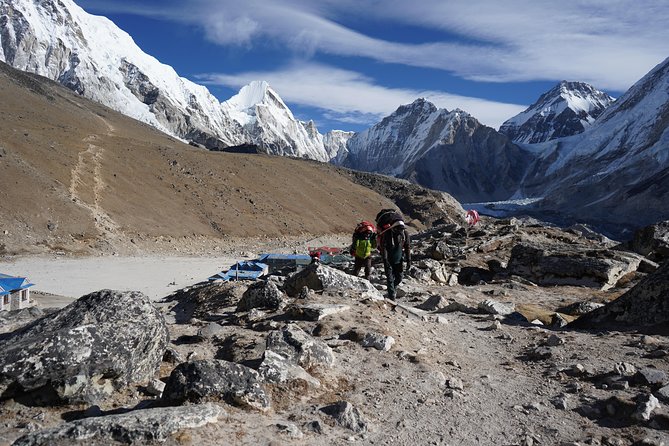
You also get a chance to see the memorial hill of the deceased climbers. This is one of the most emotionally grounding moments on many Everest itineraries, and it can feel surprisingly personal.
It’s not just a landmark. It’s a reminder that high altitude and big mountains are serious. Even if your goal is only Base Camp, you’re in a world where people have taken risks, and some didn’t come home.
I like that this trek includes it instead of skipping straight to the “big view” moments. It makes your Everest photos feel more respectful and less like sightseeing.
Tengboche monastery and monk blessings: culture in the middle of altitude
Another major cultural highlight here is Tengboche monastery. You get the chance to seek blessings from a monk and explore the monastery.
This stop adds balance. The Everest region is often talked about in terms of elevation and physical achievement, but monasteries like this show the spiritual side of mountain life. Even if you’re not sure what to do or where to stand, having a guide can help you understand basic etiquette and what you’re seeing.
If you like travel that mixes scenic stops with human meaning, Tengboche is likely one of your favorite parts. It breaks up the trek rhythm with something slower and more reflective.
Khumbu glacier: the science-and-awe combo
You also get a chance to see the Khumbu glacier. Glaciers are one of those things that always look different in person. From the trail, you’re seeing movement and scale in a way that’s hard to capture in photos.
This is the kind of stop that tends to stick with people because it changes how you think about the mountain’s time scale. The glacier isn’t a backdrop. It’s active and connected to the whole region’s climate and trekking conditions.
A good guide will help you understand what you’re looking at in plain language, not just in name-only terms. That helps this stop feel real instead of random.
Tea house nights and meals: what “included” really means
This trek includes 11 nights basic accommodation at tea house during trekking, plus breakfast, lunch, and dinner during trekking. That’s the big practical win.
Tea houses are simple. Bathrooms are basic or shared. Rooms are usually tight. But you’re not paying for high-end comfort here. You’re paying for logistics: beds sorted, food planned, and consistent meal timing.
I also like that the package includes a “per group” trekking map and gives you a trekking certificate after the trip. Small touches, but they help your memory later.
Gear can be lighter too. Sleeping bag, duffel bags, and a down jacket are provided upon request during trekking. That can cut down your packing stress, especially if you’re flying in from abroad with limited luggage.
Guides, porters, and what they’re actually doing
This is a guide-and-porter-supported trek. You’re assigned an English-speaking trekking guide and porter(s) for the trek itself (the listed ratio is 2 trekkers : 1 porter). The guide handles the route and explains cultural and natural values along the way.
This is where you get the difference between “hiking” and “a guided expedition.” A guide can help with pacing, acclimatization awareness, and knowing what to look at when you’re tired.
Porters matter for safety and energy. You’ll still feel altitude and effort, but you’re not hauling all your gear on rough paths. That’s a smart way to keep the trek approachable.
A real bonus from the provided feedback: guides such as Ram Dhakal and Dillip are specifically called out for looking after people throughout. There’s also mention of communication with a manager named Nadin, which suggests you’ll have someone reachable when questions pop up.
Permits and fees: less paperwork, fewer headaches
One of the strongest “value” points in this tour is that it includes permits and key fees: National Park fees, VDC and TIMS fees, and other applicable taxes.
If you’ve ever tried to sort trekking permits on your own, you know how time-draining it can be. Here, the administrative side is bundled so you can focus on the trek itself.
For many people, this is where the price feels more justified. You’re paying for coordination, not just guiding.
Insurance: included, but check what you personally need
Insurance is included for the guide and porters (and it’s also mentioned broadly in the summary). But the “Not Included” section clearly states you’re responsible for personal insurance such as medical, accidental, and rescue/heli expenses.
So the practical takeaway is simple: don’t assume this covers you. Buy personal medical travel insurance that works for trekking at altitude and includes rescue scenarios. If you’re unsure, ask before you go.
This is one area where being proactive saves money and stress. It’s also the responsible move for a trip with remote regions and altitude risk.
Price and value: what $1,350 buys you (and what it doesn’t)
At $1,350 per person for about 12 days, the package includes a lot of the expensive, annoying parts:
- Flights between Kathmandu (Ramechhap) and Lukla, plus the return
- Tea house lodging for 11 nights
- Meals during trekking
- Guide and porter support (with the listed ratio)
- National park and trek permits/fees
- Domestic airport pickup/drop, plus Kathmandu airport pickup
- Trek map (per group) and trekking certificates
What’s not included:
- Kathmandu accommodation and meals
- Personal trek equipment
- Hot shower, hot water, battery charging, and wifi during trekking
- Personal nature costs (drinks, laundry, tips)
- Emergency evacuation expenses
- Personal medical/accidental/rescue insurance
In plain terms, you’re paying for a complete trekking framework, not for luxury. If you’d rather spend your time planning your hike than chasing paperwork, this is the kind of package that often feels like good value.
Who this trek fits best
This tour is a strong fit if you:
- want an expert guide and porter support setup
- prefer tea house trekking instead of camping
- don’t want to coordinate permits and domestic flights yourself
- like structured cultural stops such as Namche Bazaar and Tengboche monastery
It’s also for people with strong physical fitness level, since this is a real trekking program at high altitude. If you’re unsure about readiness, be honest during planning. The trek will reward consistency and endurance.
Should you book this Everest Base Camp trek?
If your top priority is reducing logistics and getting to Everest Base Camp with permits, guide, food, lodging, and flight legs handled, I’d say this is a solid choice. The biggest wins are the Lukla flight inclusion, the permits and fees covered, and the tea house meals and lodging that keep your daily schedule predictable.
Before you book, do two sanity checks:
- Make sure you have the right personal medical insurance for trekking and rescue scenarios.
- Budget for Kathmandu costs you’ll pay yourself (accommodation and meals), plus personal trekking equipment.
If you can handle those two points, this is a practical way to chase the classic Everest dream without turning your vacation into a paperwork project.
More Trekking Out of Kathmandu
More Tour Reviews in Kathmandu
Just Reviewed in Kathmandu
- Mountain Bike Tour
★ 5.0 · 3 reviews - Annapurna Panaroma
★ 5.0 · 3 reviews - Mount Everest Scenic Flight 50 Minutes
★ 5.0 · 3 reviews - Kathmandu : Swambhunath & Durbar Square Guided Half Day Tour
★ 3.3 · 3 reviews - Chandragiri Cable Car & Monkey Temple Tour – Private/Group
★ 5.0 · 3 reviews - Kathmandu: Shivapuri National Park Hiking Day Trip
★ 3.3 · 3 reviews
Everest Base Camp Treks, compared.
 ★ 5.0Everest Base Camp Trek – 14 DaysFrom $1,8001,499 reviews
 ★ 5.0Everest Base Camp TrekFrom $1,790842 reviews
 ★ 5.0Everest Base Camp TrekkingFrom $1,350485 reviews
 ★ 5.0Everest Base Camp Trekking – 13 DayFrom $1,399365 reviews
★ 5.0Everest Base Camp TrekFrom $1,445350 reviews
★ 5.0Everest Base Camp Trek -14 DaysFrom $1,420321 reviews
★ 5.0Everest Base Camp Trekking – 13 DayFrom $1,399365 reviews
★ 5.0Everest Base Camp TrekFrom $1,445350 reviews
★ 5.0Everest Base Camp Trek -14 DaysFrom $1,420321 reviews
 ★ 5.012 Days Everest Base Camp TrekFrom $1,099289 reviews
 ★ 5.0Everest Base Camp Trekking – 2025/2026From $1,339199 reviews
Browse the lists this tour appears in