
Review · EVEREST BASE CAMP TREKS
Everest Base Camp Trekking
Everest Base Camp works because it has layers. You get Sherpa culture and national-park nature in the high Khumbu, then a big finish at Kalapatthar (5,545m) where the mountain view finally pays off.
I especially like how the trip is paced for altitude and practical logistics: you start with Kathmandu support, you’re guided on the trail from Lukla onward, and the team is known for keeping things organized when weather disrupts flights. One possible drawback to plan around: this is a moderate trek that still asks you to handle thin air, steep days, and tea-house basics (including rooms that may be shared and toilets that may not be attached).
In This Review
- Key highlights I’d circle before you book
- Price and logistics: what $1,700 covers (and what it doesn’t)
- Kathmandu warmup: where the trek really starts
- Lukla flight day and the Dudh Koshi trail: your first altitude handshake
- Sagarmatha National Park entry and Namche Bazaar acclimatization
- Tengboche and the monastery stop: culture with real altitude payoff
- Alpine forests, Khumbila Khola Valley, and the Dingboche approach
- Lobuche and the memorial hill: when the trek turns serious
- Everest Base Camp day: Gorakshep first, then the slow final push
- Kalapatthar at 5,545m: the viewpoint math that makes the trek click
- Tengboche down to Namche: getting your legs back without rushing
- Tea houses, meals, and bathrooms: what comfort looks like at altitude
- Guides, porters, and small-group support that matters
- Best season around Everest, plus what weather can still do
- Who should choose this trek (and who should reconsider)
- Should you book this Everest Base Camp trek?
- FAQ
- How long is the Everest Base Camp trek?
- Where does the trip start, and what time?
- What altitude do you reach at Everest Base Camp and Kalapatthar?
- What’s included in the price?
- What should I bring up front since it’s not included?
- Can I cancel for a refund?
Key highlights I’d circle before you book
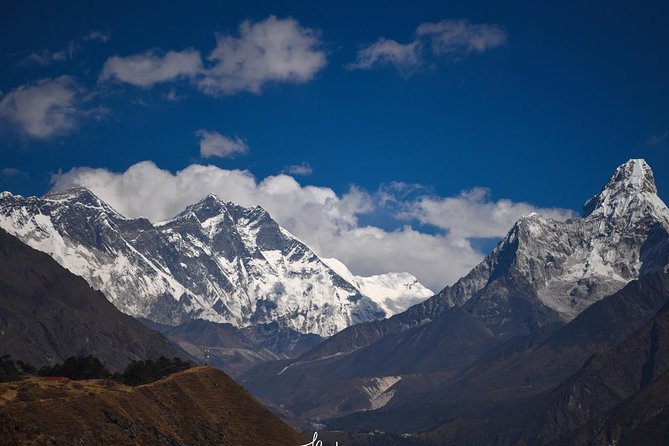
- Kalapatthar viewpoint (5,545m): The best angle for Everest, Lhotse, Makalu, Cho Oyu, and more.
- Sagarmatha National Park entry and registration: You’ll pass through an official checkpoint zone on the way to Namche.
- Real acclimatization rhythm: A rest day at Namche with hike high, sleep low.
- Small group size (max 15): More personal than big bus-style trekking.
- Guide + porters included: The trip is built around support on the trail, not just a route link.
More trails out of Kathmandu, boots ready
- Everest Base Camp Trek – 14 Days★ 5.0 · 1,499 reviews
- Everest Base Camp Trek★ 5.0 · 842 reviews
- Everest Base Camp Trekking★ 5.0 · 485 reviews
- Nagarkot Sunrise View and Day Hiking from Kathmandu★ 5.0 · 471 reviews
Price and logistics: what $1,700 covers (and what it doesn’t)
At $1,700 per person for about 14 days, this Everest Base Camp trek is priced like a guided, turn-key trip, not a DIY expedition. The value shows up in the included essentials: an experienced guide, the necessary number of porters, all meals during trekking (breakfast, lunch, dinner), and accommodation in Kathmandu (BB plan) plus tea-house lodging on trail days.
You’re also covered for the big “access” costs that many independent plans underestimate. This package includes airport pickup/drop in Kathmandu and the flight costs between Kathmandu and Lukla (round-trip), plus trekking permits and government paperwork. That matters because Lukla access is where schedules can get messy and budgets can quietly blow up.
What’s not included is also clear: personal expenses and alcoholic beverages. If you know you’ll shop a lot for warm layers, battery recharging, or souvenirs, budget extra. Tea houses can also charge for certain extras, and at high altitude, convenience costs more.
Kathmandu warmup: where the trek really starts
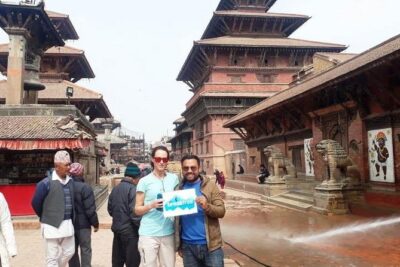
Day 1 is less about hiking and more about setting you up to succeed. A representative meets you outside the airport terminal, helps with check-in, and gets you into a hotel in the heart of Kathmandu. If you want to get oriented fast, you can use the time to gather trip information at the Nepal Guide office.
That welcome dinner is a nice touch because it brings everyone into the same rhythm before the flights. You’ll also want this night to mentally switch gears: the Everest region isn’t just about scenery. It’s about walking steadily for days while your body adjusts.
Practical tip: treat Kathmandu as your gear and mindset checklist. Plan to sleep, eat normally, and avoid overdoing it the night before your Lukla flight day.
Lukla flight day and the Dudh Koshi trail: your first altitude handshake
After breakfast, you head to Tribhuvan International Airport for an early flight to Lukla, the gateway to the Khumbu. The trek then starts with a gradual uphill walk along the left bank of the Dudh Koshi River.
This first hiking day is important even if it feels easy. It’s your first exposure to the pace you’ll keep for two weeks—steady effort, frequent breaks, and time spent watching your breathing. You pass mani walls along the way, and then continue to Ghat and onto Phakding, depending on the day’s stopping point.
What I’d watch here: the “easy” feeling can trick you. Your goal isn’t to impress anyone on Day 2. Your goal is to move in a way that lets you recover for the higher altitudes ahead.
Sagarmatha National Park entry and Namche Bazaar acclimatization
From Phakding you climb through the next valley sections, and you reach the entrance to Sagarmatha (Everest) National Park for registration. Paying the entry fee and doing the paperwork is part of how the region is managed, and it’s a good reminder that this isn’t just a hiking path—it’s a protected environment with cultural communities living alongside the trails.
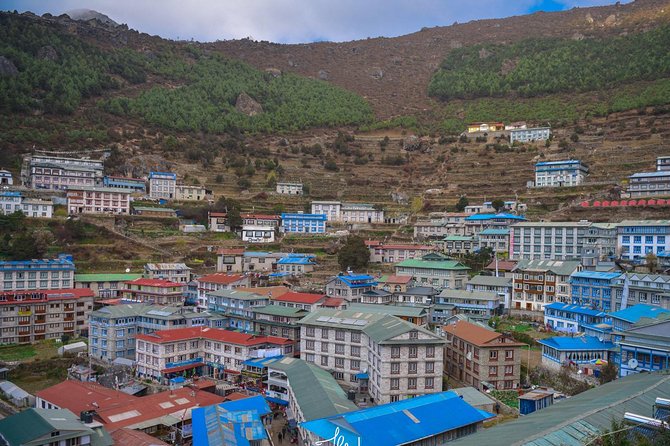
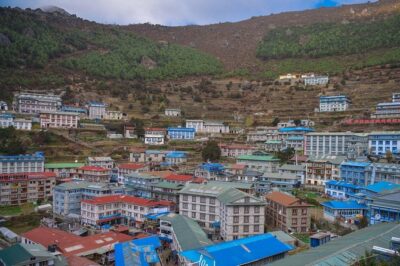
Then comes the big altitude hub: Namche Bazaar, the Sherpa capital. You’ll spend time here to explore and adjust. Namche is where the trek shifts from “views as a bonus” to “views as motivation,” because the surrounding mountains start filling more of your day.
The itinerary includes an acclimatization day where you practice hike high, sleep low. You’ll hike up around 300 meters toward Khumjung (plus monastery and school visits), then return to lower sleeping height in the Namche area. That’s exactly the kind of rhythm your body likes: a training day for altitude without pushing too hard overnight.
A real consideration: Namche days can feel tempting because you’re on firmer footing and the town energy is strong. Stick to the plan. Altitude doesn’t care if you’re having fun.
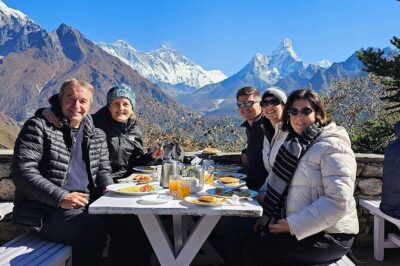
Tengboche and the monastery stop: culture with real altitude payoff
After the Namche block, the trek moves toward Tengboche. You’ll cross Mongla Pass at 3,975m, then continue along a route that offers mountain views and ends at the region’s large monastery at Tengboche.
This day matters because it mixes two things people underestimate:
- The physical work of crossing a pass at higher altitude
- The emotional reward of arriving at a place that’s central to Sherpa Buddhist life
Tengboche is one of those spots where you’ll understand why the trail is more than a checklist. You’re not only walking through elevation. You’re walking through community.
Alpine forests, Khumbila Khola Valley, and the Dingboche approach
The journey continues through lush alpine forest, with small villages along the way. Expect more small up-and-down sections rather than one long grind. This is also a day type where you can learn your personal walking rhythm: how often you pause, how long you can breathe comfortably, and what your body does when you’re not sprinting.
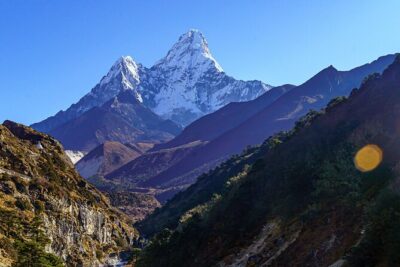
You’ll pass through the Khumbila Khola Valley and ascend toward a ridgeline, then head toward Dingboche. On the way, you get jaw-dropping views of mountains like Nuptse and Cholatse.
If you’re thinking about comfort, this is also where good socks and steady hydration pay off. Forest days can trick you into thinking you’re not losing water to altitude.
Lobuche and the memorial hill: when the trek turns serious
The route to Lobuche goes via the steep terminal moraine left by the Khumbu Glacier. It can feel hard uphill, but the backdrop keeps your focus where it should be.
Once you reach the hilltop zone, you’ll see memorials for climbers who died attempting Everest. This is one of the most sobering moments on the trek, and it changes how you experience everything after. The mountains stop being a spectacle and start feeling like a place with consequences.
Then you settle in at Lobuche, resting your body for the big “go-time” day ahead.
Everest Base Camp day: Gorakshep first, then the slow final push
This is the day many people train for. You start early and head toward Gorakshep, passing by views and sections where the Khumbu Glacier becomes more obvious.
The trail near Gorakshep gets a bit more difficult as you approach the base-camp area. Your effort here should be controlled. Don’t spend your energy like you’re chasing daylight. You’re moving through a high-altitude zone where your breathing and pace matter more than speed.
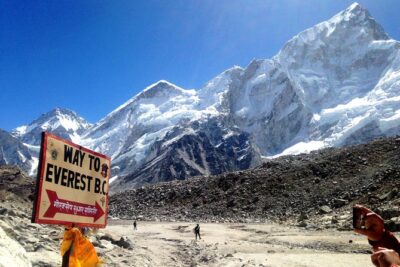
From Gorakshep, you walk onward to Everest Base Camp (5,380m) slowly. You’ll see the Khumbu Icefall area as you come closer. After spending time at EBC, you descend back toward Gorakshep for overnight.
A key thing to know before you go: Everest Base Camp views can feel odd at first. Everest doesn’t always show clearly from base camp because Lhotse can sit in front of it from that angle. That’s normal, and it’s exactly why the next day is so important.
Kalapatthar at 5,545m: the viewpoint math that makes the trek click
Day 9 is your high-point hike: Kalapatthar at 5,545m. The goal isn’t only elevation for bragging rights. It’s positioning.
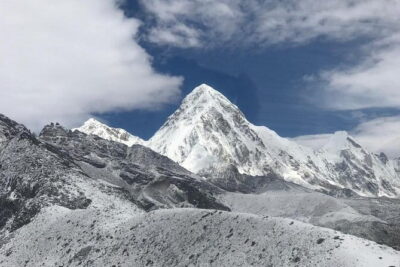
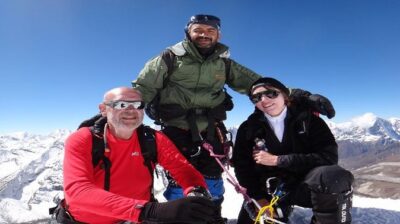
From Kalapatthar, you get a much more all-around view of the Himalayan range, and Everest typically makes a stronger appearance. The trek notes that you can see Everest (8,848m), Lhotse (8,516m), Makalu (8,481m), and Cho Oyu (8,201m), plus many other surrounding snow-capped peaks.
The emotional effect is hard to fake. After days of walking through villages, forests, and passes, you finally get an angle that makes the whole region feel like one giant, connected map.
Pro tip for the descent: the steep return can punish knees. One practical suggestion that shows up in past trekkers’ advice is to prep your legs and hamstrings before you arrive so downhill days feel more controlled.
Tengboche down to Namche: getting your legs back without rushing
After Kalapatthar, you head toward Pheriche. Then the route continues back down toward Tengboche. The itinerary includes an easy downhill section until Pangboche Village, then a move back toward the riverside to cross a bridge over Imja Khola and climb up again to Tengboche.
This pattern repeats: controlled downhill, then short climbs. It’s not one long descent where you can switch your brain off. It’s a full-body rhythm day, and it’s where you earn your rest.
Later you descend to the Dudh Koshi River, cross a suspension bridge over Dudh Koshi, and keep moving toward Phunki Tenga. You pass villages such as Tashinga and Sansa before reaching Namche again for an overnight tea-house stay.
This is the “you’re almost there” stretch, but you still need patience. Don’t assume altitude fatigue disappears because you’ve turned around.
Tea houses, meals, and bathrooms: what comfort looks like at altitude
Most of your nights are in tea-house lodges on the trek. Rooms are arranged based on your group needs (single, double, triple, or twin sharing), but there’s a note that you may have to share twin rooms with other trekkers. If you’re carrying valuables, keep a small day bag and secure your essentials the way you would on any multi-night trip.
Toilets can be a question. Attached toilets may not be available in every tea house, so plan for public toilets. That’s not a dealbreaker; it’s just part of the altitude package.
Food is included, and there’s a specific comfort in how meals are handled: you’ll eat dinner after reaching the lodge, and breakfast the next morning is at the same tea house. Lunch happens en route to your next stop. The menu is described as having a wide variety from around the globe, and the tea-house system means you’re not hunting for food like it’s a backpacking scavenger hunt.
Guides, porters, and small-group support that matters
This trek caps at 15 travelers, which usually makes a difference in how smoothly the day runs. You’re not just buying a route; you’re buying a pace that your guide manages with the group’s reality.
The trip includes an experienced guide and the required number of porters. Past trekkers highlight specific guide names, including Krishna and Sonam Sherpa, and they also mention porter support (including a porter named Ram in one account). There’s also praise for quick problem-solving, like arranging an extra porter for additional luggage when needed.
You should take that to heart: logistics in the Everest region aren’t static. Weather can affect Lukla flights, and having a team that adjusts matters more than having a perfect plan on paper.
If you’re the kind of person who gets anxious when schedules shift, this is one of the reasons guided treks work so well.
Best season around Everest, plus what weather can still do
The “best season” is given as:
- Spring: March, April, May
- Autumn: September, October, November
These windows are preferred because clearer weather often supports better mountain views and safer, smoother trekking. For fewer crowds, December, January, and February are suggested as good options too, though winter weather can still be unpredictable at altitude.
Monsoon season (June, July, August) is described as having rain that affects trekking, so it’s not the first choice if your priority is comfortable hiking and clear skies.
Still, remember this: even in good months, Lukla weather can change plans. In earlier trips, clients noted delays and that the team helped them catch the first flight possible while adjusting the itinerary. That’s why it’s smart to build flexibility into how you think about time.
Who should choose this trek (and who should reconsider)
This Everest Base Camp trek is described as moderate and adventurous, with an ability requirement of about 5–6 hours of walking per day. The trail regularly rises above 5,000 meters, which means acclimatization and a steady pace are not optional.
High mountaineering skills are not required, but previous trekking experience is a plus. If you’re new to trekking, you’ll want to train your legs, practice walking for several hours, and take acclimatization seriously.
You should also be honest with yourself about altitude risk. The trek notes that high altitude can trigger sickness, so slow and steady pacing is the strategy. If you have medical concerns, talk to your doctor before committing to Everest-region altitude.
Should you book this Everest Base Camp trek?
Yes, if you want a guided, structured trip where altitude pacing and logistics are handled for you. The combination of included flights to Lukla, permits, and all trek meals makes the package feel more “complete” than many lower-priced offers. The itinerary is also built around acclimatization (the Namche rest day with hike high, sleep low) and a viewpoint payoff at Kalapatthar.
Think twice if you hate tea-house basics, you’re expecting private bathrooms every night, or you need your schedule to be perfectly predictable down to the minute. In the Everest region, weather can force small changes, and you’ll want to roll with it.
If you match the walking fitness requirement and you’re okay with simple lodging at altitude, this is a solid way to tackle Everest Base Camp with support and a meaningful final viewpoint.
FAQ
How long is the Everest Base Camp trek?
The trek is listed as 14 days approximately.
Where does the trip start, and what time?
The start is Tribhuvan Airport in Kathmandu, Nepal, with a start time of 9:45 am.
What altitude do you reach at Everest Base Camp and Kalapatthar?
Everest Base Camp is listed at 5,380 meters. Kalapatthar is listed at 5,545 meters.
What’s included in the price?
Included items are an experienced guide and the required number of porters, meals (breakfast, lunch, dinner) and accommodation during the trip, trekking permits and government taxes/paperwork, airport pickup/drop and Kathmandu–Lukla flight costs, staff food and accommodation, first aid kits, and welcome and farewell dinner.
What should I bring up front since it’s not included?
Personal expenses and alcoholic beverages are not included.
Can I cancel for a refund?
Yes. You can cancel up to 24 hours in advance for a full refund. If you cancel less than 24 hours before the start time, the amount paid is not refunded.
More Trekking Out of Kathmandu
More Tour Reviews in Kathmandu
Just Reviewed in Kathmandu
- Mountain Bike Tour
★ 5.0 · 3 reviews - Annapurna Panaroma
★ 5.0 · 3 reviews - Mount Everest Scenic Flight 50 Minutes
★ 5.0 · 3 reviews - Kathmandu : Swambhunath & Durbar Square Guided Half Day Tour
★ 3.3 · 3 reviews - Chandragiri Cable Car & Monkey Temple Tour – Private/Group
★ 5.0 · 3 reviews - Kathmandu: Shivapuri National Park Hiking Day Trip
★ 3.3 · 3 reviews
Everest Base Camp Treks, compared.
 ★ 5.0Everest Base Camp Trek – 14 DaysFrom $1,8001,499 reviews
 ★ 5.0Everest Base Camp TrekFrom $1,790842 reviews
 ★ 5.0Everest Base Camp TrekkingFrom $1,350485 reviews
 ★ 5.0Everest Base Camp Trekking – 13 DayFrom $1,399365 reviews
★ 5.0Everest Base Camp TrekFrom $1,445350 reviews
★ 5.0Everest Base Camp Trek -14 DaysFrom $1,420321 reviews
★ 5.0Everest Base Camp Trekking – 13 DayFrom $1,399365 reviews
★ 5.0Everest Base Camp TrekFrom $1,445350 reviews
★ 5.0Everest Base Camp Trek -14 DaysFrom $1,420321 reviews
 ★ 5.012 Days Everest Base Camp TrekFrom $1,099289 reviews
 ★ 5.0Everest Base Camp Trekking – 2025/2026From $1,339199 reviews
Browse the lists this tour appears in