
Review · EVEREST BASE CAMP TREKS
Everest Base camp Trekking
Everest Base Camp feels doable with solid support. This trek through the Khumbu region mixes classic Sherpa towns, Buddhist stops, and built-in acclimatization days so you don’t just rush uphill. I also like that the trip includes Kathmandu hotel pickup and drop-off, plus a sleeping bag and down jacket rental to help you stay warm without overpacking.
One thing to plan around: meals and drinks aren’t included, so your daily trekking budget will depend on how much you eat and drink in the tea houses.
In This Review
- Key highlights you’ll care about
- Kathmandu first: where the trek gets real
- Lukla flight to Phakding: day 2 is all about momentum
- Namche Bazaar climb and acclimatization: the Sherpa heart of the trek
- Tengboche to Dingboche: monasteries, big views, and careful altitude steps
- Lobuche to Gorak Shep: the last push before Everest Base Camp
- Sagarmatha National Park: rare life and high-altitude quiet
- Tea houses, included comfort, and what BB plan really means
- Price check: is $1,340 good value for Everest Base Camp?
- Who should book this EBC trek (and who should pause)
- Should you book Nepal Horizon Treks and Expedition for Everest Base Camp?
- FAQ
- How long is the Everest Base Camp trek on this itinerary?
- What lodging is included during the trek?
- What travel insurance do I need?
- Do I need to bring a sleeping bag or a down jacket?
- How many people are in a group?
- Is there an extra fee for a guide who speaks a different language?
Key highlights you’ll care about
- Small group size (up to 10 trekkers): more control on the trail and easier coordination with guide and porter.
- Gear rental included: sleeping bag and a down jacket on rent for the cold, high-elevation nights.
- Acclimatization built in: extra time in Namche Bazaar and Dingboche to help your body adjust.
- National park fees covered: Sagarmatha National Park costs are included in the package.
- Real logistics handled in Kathmandu: arrival support, trip discussion with trek leaders, and a welcome dinner with cultural shows.
- Teahouse trekking stays (10 nights): BB plan in mountain tea houses during the trek portion.
More trails out of Kathmandu, boots ready
- Everest Base Camp Trek – 14 Days★ 5.0 · 1,499 reviews
- Everest Base Camp Trek★ 5.0 · 842 reviews
- Everest Base Camp Trekking★ 5.0 · 485 reviews
- Nagarkot Sunrise View and Day Hiking from Kathmandu★ 5.0 · 471 reviews
Kathmandu first: where the trek gets real
Your trek starts with arrival support in Kathmandu. After you land at Tribhuvan International Airport, a representative from Nepal Horizon Treks & Expedition meets you and transfers you to your hotel. Day 1 is not a scramble day. You’ve got time for a trip discussion in the afternoon with management and your trek leader, then a welcome dinner hosted at a typical Nepali restaurant, complete with cultural shows.
This matters because Everest Base Camp isn’t just about willpower. It’s about decisions made early: what gear you actually need, how you pace yourself, and how you handle altitude common sense. Having the team explain the plan up front is a huge confidence boost—especially on your first trip to Nepal.
Some guests have reported being placed at Khangsar Guest Hotel in Thamel (a central Kathmandu neighborhood). Even if your hotel name differs, the vibe is the same: you’re close enough to useful shops and cafés, and you’re not spending your first evening stuck far away from anything.
Lukla flight to Phakding: day 2 is all about momentum
Day 2 is the transition from city to mountains. You fly from Kathmandu to Lukla, then trek to Phakding. The walk is about 8 km and usually takes 3–4 hours. You start around 2,651 m at Phakding, after that big mental switch from traffic and sidewalks to footpaths and prayer flags.
What I like about this stage is the pacing. It’s not a brutal day. It’s long enough to get your legs working and your lungs checking in, but it still leaves energy for the next jump.
Potential drawback: the route starts quickly after the flight. If you’re the type who gets anxious after travel, the day can feel like a lot at once. Try to keep your pace easy and don’t treat the first hours like a training run.
Namche Bazaar climb and acclimatization: the Sherpa heart of the trek
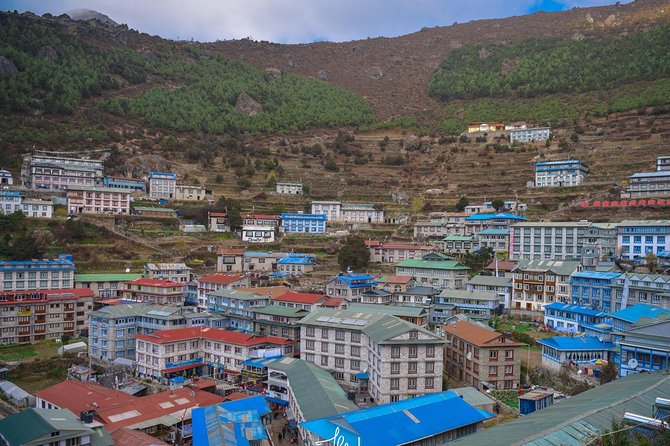
On Day 3 you trek from Phakding to Namche Bazaar—about 11 km, typically 5–6 hours, gaining to 3,438 m. Namche is one of the key places on the Everest trail for a reason. It’s a Sherpa hub: bazaars, guesthouses, and daily life that feels grounded in community instead of pure tourism.
Day 4 is an acclimatization day in Namche Bazaar at roughly 3,440 m. This is the “slow down or suffer later” part of the itinerary. You’re not just killing time—you’re giving your body a chance to adjust before the big elevation moves ahead.
If you like cultural moments, Namche delivers. You’ll be in and around places where Sherpa traditions are visible in routine ways—monasteries, local services, and a strong sense of identity tied to the mountains.
Practical tip: acclimatization days are also when you fine-tune your pack load and shoe comfort. If anything rubs, fix it before the next higher leg. High country punishes neglected blisters.
Tengboche to Dingboche: monasteries, big views, and careful altitude steps
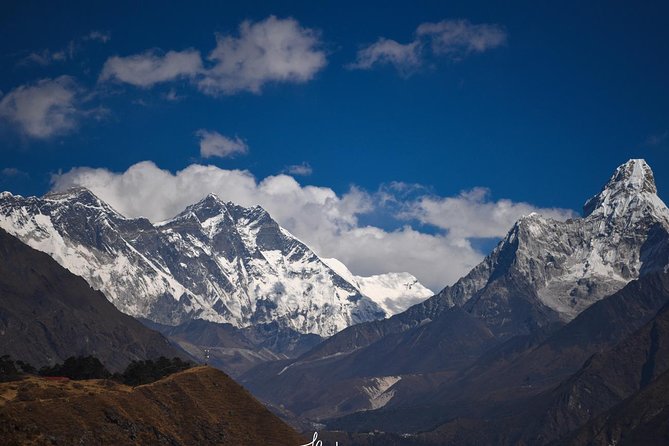
Day 5 takes you from Namche Bazaar to Tengboche, around 3,870 m. The trek is about 10 km and 5–6 hours. Tengboche is famous for religious sites in this region, and it fits the “Everest trek meets Buddhist tradition” feel described for this route. Expect monasteries and those iconic mountain panoramas that make people stop mid-trail.
Day 6 goes Tengboche to Dingboche—about 9 km, 5–6 hours, rising to 4,360 m. This is a noticeable step up.
Then comes Day 7: acclimatization day in Dingboche at around 4,360 m. Again, this extra day is valuable. At this altitude, you’re not trying to prove toughness. You’re trying to help your body adapt so your experience at higher elevations is less about battling symptoms.
What you’ll likely notice by this point: the trek becomes more about rhythm than speed. Your breathing pace changes. Your hydration habits matter more. You may find you naturally start moving slower, and that’s a good thing.


Lobuche to Gorak Shep: the last push before Everest Base Camp
Day 8 treks from Dingboche to Lobuche. It’s about 7 km and takes around 5–6 hours, rising to 4,940 m. This is the kind of day where the distance looks short on paper, but the altitude makes it feel longer. You’ll work harder for each step.
Day 9 is the high-elevation setup: Lobuche to Gorak Shep (about 5,170 m). After arriving, the plan is to visit Everest Base Camp. You’re operating in the thin-air zone now, where your energy management matters as much as your legs.
One consideration here: you should expect cold conditions at this altitude and plan your clothing accordingly. The included down jacket rental helps a lot, but you still need to move smart—keep warm when you’re standing, but don’t overheat when walking.
Also, remember that Everest Base Camp is a specific place people travel to for a reason: the setting and the feeling. You’ll likely spend time there taking it in, but you should also treat the day as a stamina day—not a marathon.
Sagarmatha National Park: rare life and high-altitude quiet
This trek runs through Sagarmatha National Park, and your package includes the national park fees and local taxes. That’s not just a receipt item. It signals that your route is tied to protected areas, and it’s part of what makes this region feel different from many other mountain treks.
In the overview, you’re told to look for rare plants, animals, and birds during the trek. Even if you don’t spot everything, the point is that you’re walking through habitat shaped by altitude and weather. The scenery can be intense, but the quieter payoff is how the natural world changes with elevation.
As you go higher, you’ll probably feel how the environment gets more stark, more open, and less forgiving. It’s a good reminder that you’re in a mountain system, not a theme park.
Tea houses, included comfort, and what BB plan really means
The tour includes 10 nights of accommodation on a BB plan in tea houses during the trekking period. In practical terms, you’re usually sleeping in simple, high-altitude guesthouse rooms with shared dining areas. Breakfast is included, but the package notes that meals and drinks aren’t included—so you’ll pay separately for lunch and dinner.
The included gear rental is a standout value for a lot of first-timers:
- one sleeping bag rental
- a down jacket rental
That’s helpful if you don’t own proper cold-weather gear or if you’d rather spend luggage space on other things (like a camera and spare socks that actually fit).
There’s also a professional guide and porter support baked into the pricing. The guide’s salary, food, accommodation, insurance, and equipment are covered during the trekking period. That support matters because it’s not just navigation. A good guide helps with pacing, acclimatization sense, and decision-making when conditions shift.
In the reviews, people repeatedly mention owners and staff being available and organized. Names that come up include Dipendra (often called Dip), and guides like Raju, DB, and Kumar. Porters like Yambo are also mentioned. In other words, you’re not just buying a route—you’re buying a team.
Price check: is $1,340 good value for Everest Base Camp?
At $1,340 per person, this package sits in the mid-to-typical range for an organized Everest Base Camp trek with flights to Lukla and real support included. The value comes from what’s covered, not just what’s branded as all-inclusive.
Here’s what you’re getting that reduces your own extra costs:
- Kathmandu hotel pickup and drop-off
- Lukla flight as part of the itinerary’s trek start day
- 10 nights tea house lodging with breakfast
- Sleeping bag and down jacket on rent
- Sagarmatha National Park fees / local taxes
- Guide costs covered (including insurance and equipment during the trek)
- Maximum group size of 10 trekkers, which usually means more attention per person
What’s not covered (and can change your total):
- meals and drinks
- travel insurance
- Nepal visa fees
- tips to the guide/staff
There’s also a specific add-on noted: USD 250 per group extra cost to hire a different than English speaking guide. So if language is important to you, ask early and plan for that possible fee.
My take: the price is most fair if you don’t want to micromanage gear rentals, park fees, and guide logistics. If you already have cold-weather gear and you’re an experienced planner, you could reduce some costs by arranging things yourself—but for most people, the included structure is the point.
Who should book this EBC trek (and who should pause)
This trek is described for travelers with moderate physical fitness, and the minimum age is 10 years. You should also be comfortable with altitude reality. The itinerary clearly builds in acclimatization days, but you’re still going to spend time at elevations like Namche (about 3,438 m), Dingboche (about 4,360 m), and Gorak Shep (about 5,170 m).
You should strongly consider booking if:
- you want a guided, organized group trek (max 10 people)
- you value support in Kathmandu and on the trail
- you want gear help through sleeping bag and down jacket rental
- you like Sherpa villages and monastery stops, not only summit drama
You might want to pause or ask more questions if:
- you don’t have travel insurance that covers emergency evacuation (it’s required)
- you’re hoping meals are included (they aren’t)
- you dislike trekking in cold weather and need extra reassurance about clothing layers
One more must-read item: travel insurance is required and you must show proof to the tour leader on the first day. That’s not paperwork for paperwork’s sake—it’s how you handle medical emergencies at high altitude.
Should you book Nepal Horizon Treks and Expedition for Everest Base Camp?
If you want a classic Everest Base Camp trek with structured acclimatization, realistic daily pacing, and a team that seems to actually communicate, I think this is a solid bet. The repeated praise in the background is basically one theme: service and organization. People talk about Dip and staff being responsive, and guides/porters being accommodating on the route.
Book it if your priorities are:
- included gear rental so you don’t guess wrong on cold-weather packing
- small group size (max 10)
- a guide-supported route to Everest Base Camp through well-known Khumbu stops
Before you click confirm, do two things:
- make sure your insurance covers medical care and emergency evacuation
- be ready to budget for meals and drinks, since those are not included
If your plans are flexible, the experience is listed with free cancellation up to 24 hours in advance, which gives you a little breathing room while you lock flights.
FAQ
How long is the Everest Base Camp trek on this itinerary?
The duration is listed as 14 days approximately.
What lodging is included during the trek?
The package includes 10 nights of accommodation in tea houses during the trekking period, on a breakfast-included (BB) plan.
What travel insurance do I need?
Travel insurance covering medical expenses, including emergency evacuation, is required. You must show proof of insurance to the tour leader on the first day.
Do I need to bring a sleeping bag or a down jacket?
You don’t need to rent them yourself for this trip. One sleeping bag and a down jacket are provided on rent as part of the package.
How many people are in a group?
The tour has a maximum of 10 travelers.
Is there an extra fee for a guide who speaks a different language?
Yes. USD 250 per group extra cost applies to hire a different than English speaking guide.
More Trekking Out of Kathmandu






More Tour Reviews in Kathmandu




Just Reviewed in Kathmandu
- Mountain Bike Tour
★ 5.0 · 3 reviews - Annapurna Panaroma
★ 5.0 · 3 reviews - Mount Everest Scenic Flight 50 Minutes
★ 5.0 · 3 reviews - Kathmandu : Swambhunath & Durbar Square Guided Half Day Tour
★ 3.3 · 3 reviews - Chandragiri Cable Car & Monkey Temple Tour – Private/Group
★ 5.0 · 3 reviews - Kathmandu: Shivapuri National Park Hiking Day Trip
★ 3.3 · 3 reviews
Everest Base Camp Treks, compared.
 ★ 5.0Everest Base Camp Trek – 14 DaysFrom $1,8001,499 reviews
 ★ 5.0Everest Base Camp TrekFrom $1,790842 reviews
 ★ 5.0Everest Base Camp TrekkingFrom $1,350485 reviews
 ★ 5.0Everest Base Camp Trekking – 13 DayFrom $1,399365 reviews
★ 5.0Everest Base Camp TrekFrom $1,445350 reviews
★ 5.0Everest Base Camp Trek -14 DaysFrom $1,420321 reviews
 ★ 5.012 Days Everest Base Camp TrekFrom $1,099289 reviews
 ★ 5.0Everest Base Camp Trekking – 2025/2026From $1,339199 reviews
Browse the lists this tour appears in