
Lukla starts this trek with a grin. This Everest Base Camp itinerary mixes classic Khumbu villages, real altitude days, and the two big moments most people chase: Everest Base Camp itself and Kala Patthar sunrise. It’s built as a steady hike-with-rest approach, not a sprint.
I like two things a lot. First, you get a licensed guide plus a porter setup (1 porter for 2 people), which keeps the trek focused on moving and soaking in the views. Second, the trip includes the hardest “logistics headaches” up front: hotel transfers in Kathmandu, round-trip flights to Lukla, permits, and lodge stays with standard meals.
One consideration: you’ll be high, often cold, and flying to Lukla depends on weather. If you hate slow acclimatization or get nervous about thin air, this route will test you.
In This Review
- Key highlights at a glance
- Everest Base Camp: Why This Trek Still Feels Wild
- Price and Logistics: What $1,800 Actually Buys
- Kathmandu Setup: Two Nights, A Welcome Dinner, and Your Gear Reality Check
- Lukla Flight Day to Phakding: Where the Trek Opens Up
- Phakding to Namche Bazaar: Crossing Into Everest Territory
- Namche Acclimatization: Sherpa Museum, Hillary Connections, and Everest View Lodge
- Pangboche to Dingboche: Wildlife Chances and a Beautiful Route
- Dingboche Rest Day: The Smart Move That Lets You Go On
- To Lobuche (Over 4,000m): Slow Health First
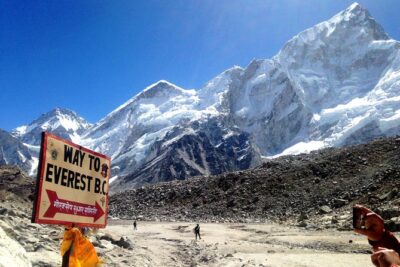
- Gorakshep to Everest Base Camp: The Long 8–10 Hour Push
- Kala Patthar Sunrise (5,545m): The View You Remember After
- Tengboche Monastery and the Hillary Suspension Bridge: Culture in the Middle of Altitude
- Namche to Lukla and Back to Kathmandu: When Weather Runs the Schedule
- The Team Factor: Owner Attention and Guide Support
- Should You Book This Everest Base Camp Trek?
- FAQ
- How many days is the Everest Base Camp trekking experience?
- Where does the trip start and end?
- Are flights between Kathmandu and Lukla included?
- Is accommodation included during the trek?
- What permits are included?
- Are meals included?
- Do I get a guide and porter?
- Are hot showers included?
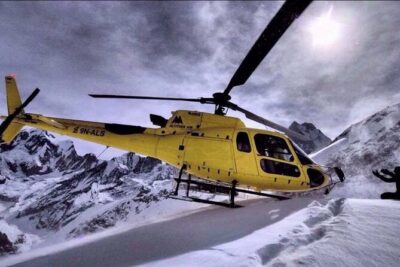
- Is an emergency helicopter service included?
- Is free cancellation available?
Key highlights at a glance
- Lukla flights included both ways so you’re not stuck negotiating transport later
- Namche and Dingboche acclimatization built in to lower your risk of altitude trouble
- Sherpa culture stops like the Sherpa Museum and Tengboche monastery
- Everest Base Camp plus Kala Patthar (5,545m) for sunrise panoramas
- Emergency helicopter arrangement through insurance if you have coverage
More trails out of Kathmandu, boots ready
- Everest Base Camp Trek – 14 Days★ 5.0 · 1,499 reviews
- Everest Base Camp Trek★ 5.0 · 842 reviews
- Everest Base Camp Trekking★ 5.0 · 485 reviews
- Nagarkot Sunrise View and Day Hiking from Kathmandu★ 5.0 · 471 reviews
Everest Base Camp: Why This Trek Still Feels Wild
Everest Base Camp is famous for a reason: the emotional payoff is real. You spend days climbing through Sherpa territory, hearing familiar trekking rhythms—bells, prayer flags, yak traffic—until the route funnels you toward the glacier-world at Base Camp. It’s not just about seeing Everest. It’s the slow shift in altitude, air pressure, and your own pace that makes the place land.
This version of the trek is also very readable for people who want structure. You move from Phakding to Namche Bazaar, then you build in time at higher elevations in Dingboche before you go for Lobuche, Gorakshep, and Base Camp. That pacing matters because the route is labeled moderate and challenging, and the “challenging” part is mostly altitude management.
And yes, you’ll spend a lot of time in lodge/tea-house rhythm. That’s not a weakness. It’s a big part of the value: you can focus on hiking, not camp logistics.
Price and Logistics: What $1,800 Actually Buys
At $1,800 per person, the value comes from what’s folded in. You’re not just paying for walking days. You’re paying for the stuff that usually breaks budgets and schedules: Kathmandu airport-to-hotel transfers, 2 nights in Kathmandu with breakfast, both-way domestic flights (Kathmandu to Lukla and back), trekking permits, guide and porter support, and lodge accommodations during the trek.
Meals are also mostly covered in a practical way. You get standard trekking meals and a cup of tea or coffee during the trek, plus breakfast (13). You’re still responsible for extra Kathmandu meals and snacks, and you’ll likely pay extra for things like cold drinks and mobile/camera charging, since those aren’t included.
The main “not included” items that can surprise people are the small comforts. Hot showers aren’t included, and tips aren’t included for guide, porters, or driver. If you plan around that, the price feels much more sensible.
Kathmandu Setup: Two Nights, A Welcome Dinner, and Your Gear Reality Check
Your trip starts with a meeting in Kathmandu after arrival. A delegate from Everest Trekking Routes Pvt. Ltd. meets you at the airport and transfers you to your hotel. If you have energy, you can rest or stop by the company office in the afternoon. In the evening, there’s a welcome dinner with Nepalese food, which is a nice way to get oriented without rushing.
Then you get two nights in Kathmandu with breakfast included. That’s a solid buffer before you fly to Lukla, especially if your body needs time to reset after your international travel. It also gives you a day to handle practical needs—like getting a feel for prices, small supplies, or just walking off jet lag.
One small detail that’s worth knowing: mobile tickets and pickup/drop by private vehicle are part of the setup. It’s the kind of boring detail that keeps things smoother when you’re trying to get through a busy city.
Lukla Flight Day to Phakding: Where the Trek Opens Up
On day 2, you fly from Kathmandu to Lukla for a short flight listed as about 30 minutes. In practice, it’s a quick hop into the Everest region, and it’s also where many people feel the emotional switch from city travel to trekking mode.
Once you land, your guide helps introduce you to local mountain porters. Then you start walking through Chourikharka, head toward the Dudhkoshi River, and continue to Phakding (2,652m / 8,700ft). This isn’t the day for big “hero” moments. It’s about establishing rhythm while your body starts adjusting.
You also get an important built-in purpose: the trek to Phakding doubles as early acclimatization before the bigger climbs. You’ll sleep in a lodge overnight, which keeps the day manageable and keeps your energy for the Namche ascent.
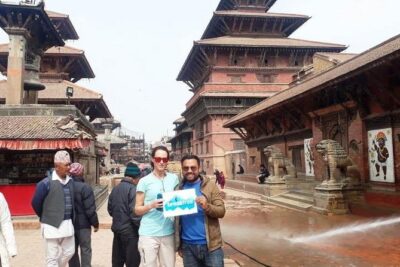
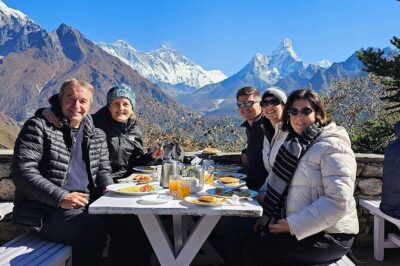
Phakding to Namche Bazaar: Crossing Into Everest Territory
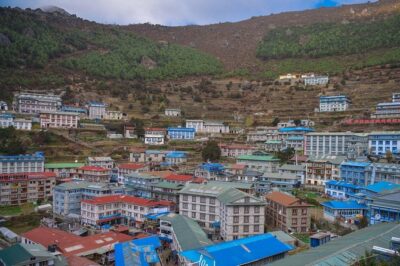
Day 3 is a classic Khumbu push. You trek toward Namche Bazaar, which is described as the biggest village of the Khumbu region and a major tourist hub, similar in vibe to bigger city centers you might know at home. That matters because Namche has services, food choices, and enough bustle to feel comfortable after quieter mornings.
Along the way you enter Sagarmatha National Park through the Trekker’s Information Management System Main Gate at Monjo. You follow the Dudhkoshi River upstream and cross the highest bridge at the bottom of the Namche area. After that, the trek shifts into that unforgettable “Everest is in view” feeling.
You finish the day in Namche and overnight at a lodge. This is the first big elevation checkpoint in the itinerary, and it sets you up for a proper acclimatization day instead of another hard hike immediately.
Namche Acclimatization: Sherpa Museum, Hillary Connections, and Everest View Lodge
You’ve got a full day at Namche for exploring and adjusting. The highlight is cultural and scenic at the same time.
First, you visit the Sherpa Museum, focused on Sherpa culture and history in the Khumbu region. This is valuable because it grounds the trek in the people who live here, not only the mountains that dominate photos.
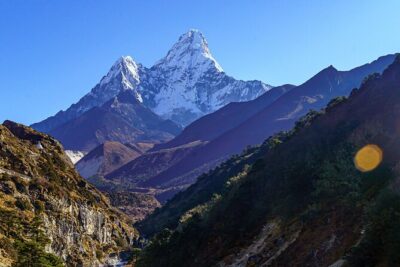
Then comes the hike to Everest Viewpoint where you can pause at Everest View Lodge for tea or coffee. Weather decides how good the views are, but the itinerary specifically notes possible views of Mount Everest, Lhotse, Island Peak, Ama Dablam, and more.
In the afternoon you continue with sightseeing in Khumjung Village and visit Admon Hillary High School, before returning to Namche for the night. I like this mix because it turns acclimatization into something you’d do even if you weren’t chasing Everest views.
Pangboche to Dingboche: Wildlife Chances and a Beautiful Route
The trek to Dingboche starts after a lunch stop around Upper Pangboche or Somare. The route described is Phortse to Dingboche, called one of the most beautiful trails selected by the company.
This is also where the day-to-day feels more alive. You’re told to watch for animals like blue sheep, deer, Himalayan thar, and domestic yaks browsing nearby. I find that wildlife detail changes how you hike. You stop treating every bend as just “another bend” and start scanning with curiosity.
Days 5 and 6 keep you in the Dingboche area with overnight lodge stays. One day is for reaching Dingboche and settling in. The other becomes an additional buffer so you’re not forcing altitude too quickly. You’ll still be working at high elevation, but you’re getting time to adjust.
Dingboche Rest Day: The Smart Move That Lets You Go On
Day 7 is your acclimatization day in Dingboche. The plan is a light hike, either to a nearby option described as little pick, or as a combination that can include Chhukung, plus time exploring Dingboche Sherpa villages.
The itinerary emphasizes warm clothing and drinking plenty of water. That’s not just “comfort advice.” At altitude, you feel colder faster and dehydration can sneak up on you while you’re busy walking and breathing hard.
This is also where the itinerary mentions staying the extra night at the lodge so you can reach EBC safely later. That “extra buffer” idea is important. It’s the difference between a stressful altitude grind and a hike where you still enjoy the scenery when you catch your breath.
To Lobuche (Over 4,000m): Slow Health First
Day 8 climbs toward Lobuche, described as over 4,000 meters. The plan tells you to be extra careful with your health here, and to move slowly toward Thukla before lunch and rest.
This is a day where the itinerary lists the scenery and peaks you’ll see while also warning that it’s harder stepping. The peaks named include Lobuche peak, Ama Dablam, Primary peak, and Nupse peak. You also pass through forests of rhododendron, pine, and oak, which helps break up the feeling of high-altitude monotony.
You’ll sleep in a lodge again. For me, that’s part of the trek’s appeal: you’re still on the map of “real trekking,” but you’re not dealing with camp setup or complicated night logistics.
Gorakshep to Everest Base Camp: The Long 8–10 Hour Push
Day 9 is the big effort. You leave early, and the plan specifically notes starting with a hot drink—tea or coffee—before you continue toward Gorakshep. You get accommodation there and leave your bag, then it’s time for the Base Camp day.
The hike to Everest Base Camp is described as hard and long, around 8 to 10 hours. You’re told to take a light food plan for the day, then return to Gorakshep for the overnight lodge stay.
This is where planning your pace pays off. You’re going to spend hours above 5,000 meters, and the air can make simple steps feel like work. The itinerary approach—early start, hot drink, bag set aside, light food—is practical. It reduces decision fatigue when your body is already busy.
Kala Patthar Sunrise (5,545m): The View You Remember After
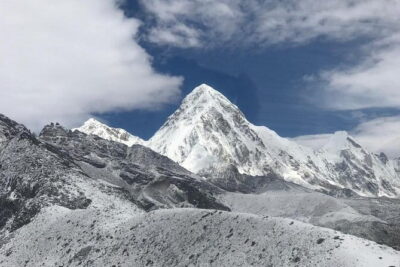
Day 10 starts with an early morning hike to Kala Patthar (5,545m). This is the trek’s marquee sunrise moment. The plan says you can see the world’s tallest mountain Everest, plus other mighty peaks, with panoramic views of Everest and Pumori, plus the wider Himalayan range.
Then you return to Gorakshep and have breakfast, before trekking onward to Pheriche or Pangboche for the overnight lodge.
Even if the sky is clear but not perfect, Kala Patthar has a “scale” effect. You’re high enough that the whole region looks different, and the earlier grind to get there starts making sense.
Tengboche Monastery and the Hillary Suspension Bridge: Culture in the Middle of Altitude
On day 11 you leave Pheriche for Namche Bazaar. The route includes the Hillary Suspension Bridge and several local villages. Then you reach Tengboche monastery, described as an old Buddhist monastery.
The plan also notes a stretch through forest before continuing downhill toward Namche. The day is listed as around 7 to 8 hours with an easy downhill tone, but it’s still a long walk, and there will be plenty of yaks and porters around.
This day matters because it reminds you that Everest is not a one-note experience. The monastery stop adds meaning beyond the summit photos. It also gives you a change of scenery and rhythm as you move toward Lukla.
Namche to Lukla and Back to Kathmandu: When Weather Runs the Schedule
Day 12 is the downhill send-off. After breakfast, you trek toward Lukla, described as easy downhill but with lots of yak and porter traffic. You’ll have light lunch, continue to Lukla, and then finish the trip with a goodbye for the porters waiting for the flight back.
Day 13 is your return flight day. You’re driven to the local airport in Lukla to fly back to the Kathmandu valley. The itinerary is direct about a common reality: flights can be hard to get, and there are often many people waiting. The plan says you should have flight reservation before your trip.
Back in Kathmandu, you explore and do shopping for souvenirs, then spend one night in the Kathmandu valley.
If you’ve ever had a trip derailed by flight schedules, you’ll appreciate that the plan doesn’t pretend this part is controllable.
The Team Factor: Owner Attention and Guide Support
A trek like this is only as good as the people making it run day to day. This company is strongly associated with attentive on-the-ground care, with the owner Rabin repeatedly described as prompt to respond and present from arrival to the end.
Guides named in past trips include Dhansingh Gurung and Veer, with support described even during delays and an accident scenario. Another guide named is Phaul. Porter support also gets specific praise, including Bale as a porter guide who helped with information and carrying extra luggage when needed. Sushil is mentioned as a guide on related routes as well.
You won’t necessarily get the same names on your dates, but the common thread is clear: you’re hiring a team with a reputation for being hands-on when plans get messy. That matters most on high-stakes days like the Base Camp push and the return flight timing.
Should You Book This Everest Base Camp Trek?
Book it if you want a classic Everest route with built-in acclimatization, strong logistical coverage, and a guide/porter setup that keeps you moving safely. It’s also a good match if you like the culture side of the Himalaya—Sherpa Museum stops, Hillary connections, and Tengboche monastery all appear as part of the rhythm, not optional detours.
Skip or reconsider if you know you’ll struggle with altitude pacing. The itinerary repeatedly flags acclimatization and health care at higher elevations, and there are hard days built in (Base Camp time and Kala Patthar). Also, if you get very anxious about flight schedules, remember Lukla is weather-dependent and the trip already prepares you for that reality.
If you do book, I’d focus your preparation on fitness and patience. The trek rewards steady legs, calm decisions, and the willingness to accept that your body needs time to catch up.
FAQ
How many days is the Everest Base Camp trekking experience?
The itinerary runs for about 14 days, including time in Kathmandu and the trekking days plus return flights.
Where does the trip start and end?
It starts in Kathmandu with an airport pickup and hotel transfer, and it ends with a drop at the international airport in Kathmandu.
Are flights between Kathmandu and Lukla included?
Yes. The package includes both-way domestic air tickets for Kathmandu to Lukla and Lukla to Kathmandu.
Is accommodation included during the trek?
Yes. You stay in lodge or tea houses during the trek.
What permits are included?
The trek includes trekking permits for Sagarmatha National Park and local permits.
Are meals included?
You get standard meals during the trekking days, along with tea or coffee during the trek, and breakfast is included 13 times. Extra meals in Kathmandu are not included.
Do I get a guide and porter?
Yes. You get a government licensed trekking guide, and porters are included with a ratio of 1 porter for every 2 people.
Are hot showers included?
Hot showers are not included.
Is an emergency helicopter service included?
The itinerary says emergency helicopter service is arranged and paid by your travel insurance company. Helicopter rescue itself is listed as not included.
Is free cancellation available?
Yes. You can cancel up to 24 hours in advance for a full refund, and cancellation within 24 hours is not refunded.
More Trekking Out of Kathmandu
More Tour Reviews in Kathmandu
Just Reviewed in Kathmandu
- Mountain Bike Tour
★ 5.0 · 3 reviews - Annapurna Panaroma
★ 5.0 · 3 reviews - Mount Everest Scenic Flight 50 Minutes
★ 5.0 · 3 reviews - Kathmandu : Swambhunath & Durbar Square Guided Half Day Tour
★ 3.3 · 3 reviews - Chandragiri Cable Car & Monkey Temple Tour – Private/Group
★ 5.0 · 3 reviews - Kathmandu: Shivapuri National Park Hiking Day Trip
★ 3.3 · 3 reviews
Everest Base Camp Treks, compared.
 ★ 5.0Everest Base Camp Trek – 14 DaysFrom $1,8001,499 reviews
 ★ 5.0Everest Base Camp TrekFrom $1,790842 reviews
 ★ 5.0Everest Base Camp TrekkingFrom $1,350485 reviews
 ★ 5.0Everest Base Camp Trekking – 13 DayFrom $1,399365 reviews
★ 5.0Everest Base Camp TrekFrom $1,445350 reviews
★ 5.0Everest Base Camp Trek -14 DaysFrom $1,420321 reviews
★ 5.0Everest Base Camp Trekking – 13 DayFrom $1,399365 reviews
★ 5.0Everest Base Camp TrekFrom $1,445350 reviews
★ 5.0Everest Base Camp Trek -14 DaysFrom $1,420321 reviews
 ★ 5.012 Days Everest Base Camp TrekFrom $1,099289 reviews
 ★ 5.0Everest Base Camp Trekking – 2025/2026From $1,339199 reviews
Browse the lists this tour appears in