
Review · EVEREST BASE CAMP TREKS
Everest Base Camp Trekking
Everest feels close on this trek. You’re looking at the Khumbu icefall region up close, plus a big push to Kala Patthar for that rare summit-style panorama. I love how the itinerary builds altitude with real acclimatization stops in Namche Bazaar and Dingboche, not just a hard grind upward. I also like the practical setup: domestic flights, permits, guide, and even core cold-weather gear are handled. One consideration: Lukla flights can be weather-dependent, so you’ll want flexibility if schedules shift.
This is also a friendly way to experience the region without getting lost in logistics. You travel in a private group, with pickup in Kathmandu and a mobile ticket used for the trip plan. Still, it’s not a casual stroll—your legs will feel it, especially with steep, dusty climbs in thinner air.
In This Review
- Key Highlights Worth Your Time
- How the Trek Works: Private Group, Flights, Permits, and Rental Gear
- What you won’t get included
- Day-by-Day Everest Base Camp: From Ramechhap to Kala Patthar and Back
- Day 1: Kathmandu to Lukla via Ramechhap, then down to Phakding
- Day 2: Phakding to Namche Bazaar, with a couple of warm-up stops
- Day 3: Namche acclimatization day with Sherpa culture and side hikes
- Day 4: Namche to Tengboche via Phunki Thanga and water-powered prayer wheels
- Day 5: Tengboche to Dingboche through Deboche and the Imja Khola valley
- Day 6: Dingboche acclimatization day and the long stone wall
- Day 7: Dingboche to Lobuche along the moraine to Dughla
- Day 8: Lobuche to Gorak Shep, plus Kala Patthar that same day
- Day 9: Early hike to Everest Base Camp, then back toward Pheriche
- Day 10: Base area return—Tengboche monastery back in view, then Namche
- Day 11: Namche down to Lukla
- Day 12: Fly back to Kathmandu and a final evening in Thamel
- Price and What You Actually Get for $1,300
- What costs will still hit your budget
- Timing, Weather, and the Lukla Flight Reality Check
- Packing and Health Notes That Matter Most
- Should You Book This Everest Base Camp Trek?
- FAQ
- How many days is the Everest Base Camp trek?
- Where does the trip start and end?
- Are domestic flights included?
- What permits are included in the price?
- Do you get a rest or acclimatization day before higher sections?
- What trekking gear is provided?
- What months are best for this trek?
- What if the trip needs to be canceled due to weather?
Key Highlights Worth Your Time
- Gateway via Ramechhap: a quieter alternative jump-off point used during busy trekking season.
- Lukla flight reality: short runway, dramatic views, and weather delays that can happen.
- Altitude planning that makes sense: rest and acclimatization days in Namche Bazaar and Dingboche.
- Monasteries and prayer rituals: Tengboche Monastery and the prayer-wheel stop near Phunke Tenga.
- Two view-or-bust days: Kala Patthar (around 5,500–5,600m) and the early Everest Base Camp run.
- Solid value package: permits, licensed guide, accommodations, and 12 days of meals plus rental sleeping bag and down jacket.
More trails out of Kathmandu, boots ready
- Everest Base Camp Trek – 14 Days★ 5.0 · 1,499 reviews
- Everest Base Camp Trek★ 5.0 · 842 reviews
- Everest Base Camp Trekking★ 5.0 · 485 reviews
- Nagarkot Sunrise View and Day Hiking from Kathmandu★ 5.0 · 471 reviews
How the Trek Works: Private Group, Flights, Permits, and Rental Gear
You’re paying for more than walking scenery here. The trip is built around the hardest parts of Everest travel—getting you from Kathmandu to Lukla, managing permits, and putting you in bed each night at the right places along the trail.
This tour is private, meaning you’re not mixed into a big random group. That matters on an Everest trek because the pacing, comfort breaks, and decision-making tend to be more consistent when your team is steady. You also get pickup offered in Kathmandu and use a mobile ticket, so day-to-day movement is less chaotic once you’re in Nepal.
One practical win: the package includes trekking gear rentals like a duffduffel bag, sleeping bag, and a down jacket (basic rental level). That can save you from buying or lugging heavy cold-weather gear from your home country. You still need to handle your own layers and personal comfort items, but the major “hard to pack” items are taken care of.
Permits are included too: Sagarmatha National Park permits plus a Khumbu Pasang Lhamu Rural Municipality tax. You don’t want permit paperwork to become your time sink while you’re trying to get fit and focused.
What you won’t get included
Not everything is covered. Drinks are not included, and any extra night meals or accommodation costs outside the trek are on you. Hot and cold showers aren’t included either—so plan for the basic lodge setup. Also, your travel insurance and rescue-operation costs are not covered, so it’s smart to arrange that before you come.
Day-by-Day Everest Base Camp: From Ramechhap to Kala Patthar and Back
The route is classic Khumbu: river valleys first, then villages, then high-altitude settlements. The itinerary moves you like this—one day at a time—with a mix of walking and built-in time to adjust.
Day 1: Kathmandu to Lukla via Ramechhap, then down to Phakding
You’ll start with a road trip of about five hours from Kathmandu to Ramechhap. This matters because Ramechhap is used as an alternative gateway to the Everest region during peak trekking season. That early transfer sets the tone: it’s quiet, scenic, and a chance to get your head in the right gear before the flight.
From Ramechhap, you fly into Lukla. The Lukla airport is famous for its extremely short runway and mountain setting. You may feel nervous about it at first; then you notice the views around the valley and you realize why people talk about the landing like it’s part of the adventure. Just remember: flights can be unpredictable due to weather.
Once you land, you trek to Phakding. This stretch takes you through farmland and traditional Sherpa villages, with suspension bridges and mani walls along the way. Phakding sits beside the Dudh Koshi River, so the sound of water and the gentler valley walking help you ease in.
Potential drawback: if your flight timing changes, your first day can feel rushed or delayed. It’s worth planning for that mental wiggle room from the start.
Day 2: Phakding to Namche Bazaar, with a couple of warm-up stops
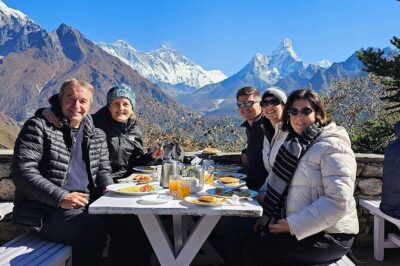
You’ll hike from Phakding toward Monjo and then onward to Namche Bazaar. There’s a mid-route break along the way for lunch and tea, and the itinerary even includes a stop at an Irish Pub for that pause. That’s not about the pub itself—it’s about giving you an easy-to-handle rhythm after your first day flight.
The trail follows the west bank of the Dudh Koshi River. You’ll pass pine forests and small Sherpa villages like Toktok and Bengkar. Suspension bridges show up again, and you’ll see mani stones and prayer flags. Before Namche, you’ll reach Monjo, where your entry into Sagarmatha National Park is checked.
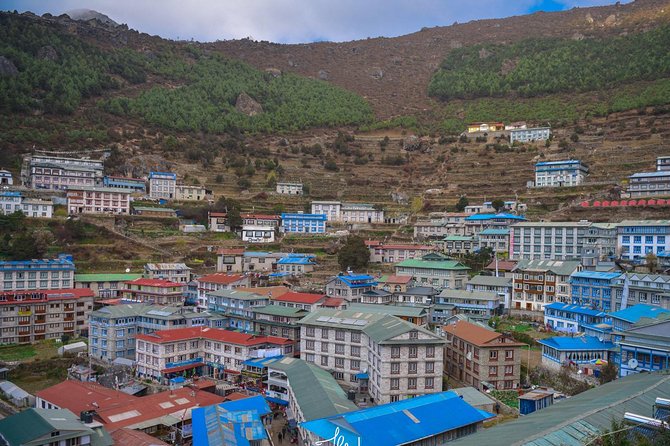
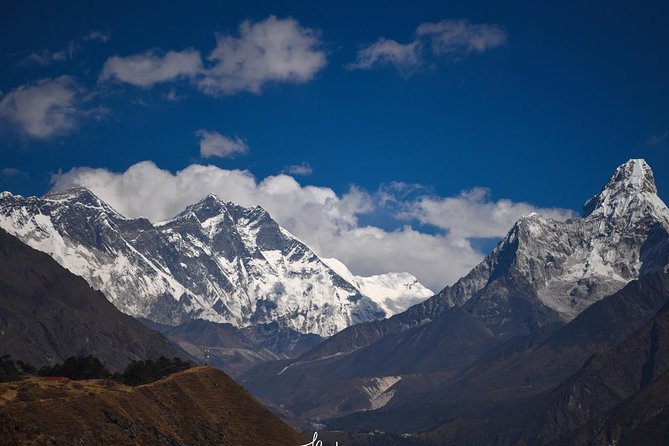
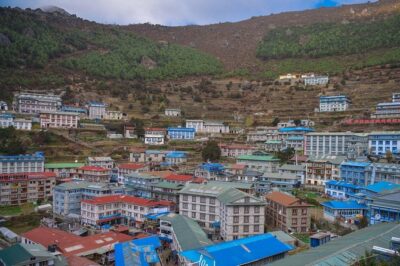
Then you move to Jorsalle—short and peaceful—before the final segment to Namche Bazaar. That last push is the hard part of the day: steep climbing through switchbacks and forest, with a high suspension bridge over the confluence of the Dudh Koshi and Bhote Koshi rivers. On a clear day, you can spot your first glimpse of Everest alongside Lhotse and Nuptse. Namche Bazaar itself sits in an amphitheater-like setting, with dramatic views plus services like bakeries, gear shops, and cafes.
Day 3: Namche acclimatization day with Sherpa culture and side hikes
Day 3 is your acclimatization reset. Instead of climbing higher every hour, you take the day to adjust at altitude and keep your body learning. Namche is described as the ancient trading center connecting Tibet and India, and you feel that history in the town’s layout and daily movement.
The itinerary includes time at the Sherpa Culture Museum. You’ll get displays connected to mountaineering history and Sherpa heritage. It’s a good day to slow down, learn, and stop rushing so your body can catch up.
There’s also flexibility for side hikes. You can go up toward the Everest View Hotel area for panoramic views of Everest, Lhotse, Ama Dablam, and more. Another option is a walk to Khumjung and Khunde, including visits to monasteries and daily village life. You may even see the famous Yeti scalp at Khumjung Monastery.
Why this day is valuable: altitude acclimatization isn’t only about breathing—it’s also about behavior. A lighter walking day here helps you avoid the common mistake of feeling “fine” and then paying for it later.
Day 4: Namche to Tengboche via Phunki Thanga and water-powered prayer wheels
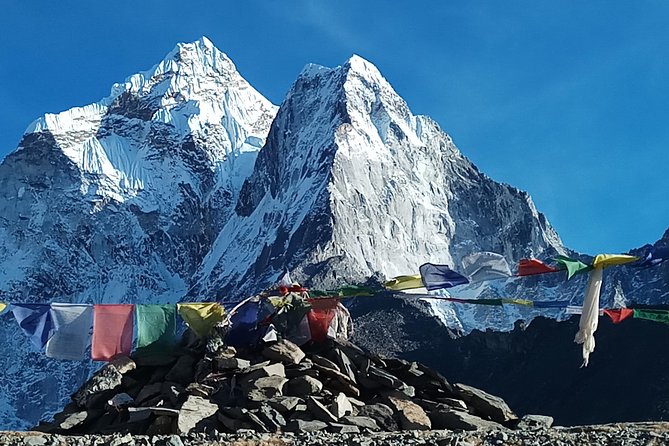
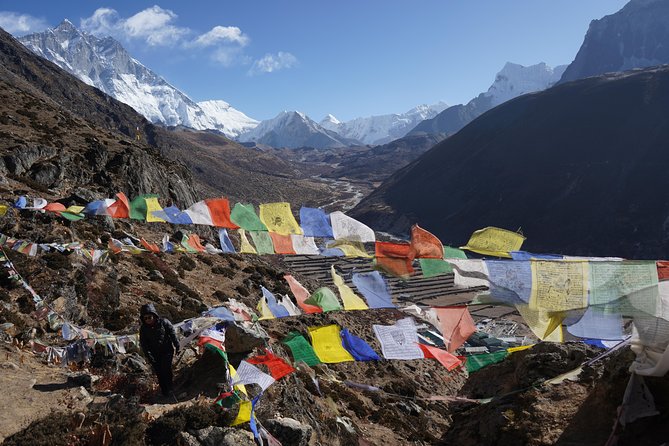
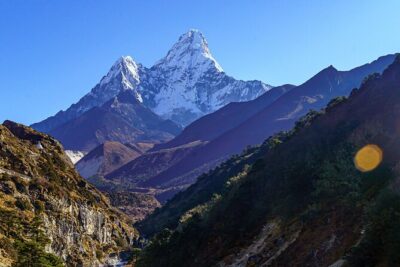
Leaving Namche behind, the route moves toward Phunki Thanga. Along the way you pass a memorial stupa linked to Tenzing Norgay Sherpa. Soon the trail opens to viewpoint panoramas featuring Ama Dablam, Lhotse Shar, Taboche, Kangtega, and Thamserku.
After that, you pause near a line of seven water-powered prayer wheels at Phunke Tenga. This is a small moment, but it’s one of those details that feels real: the wheels keep turning with the river flow, and locals connect it with Buddhist mantra recitation.
Then you continue to Tengboche. You’ll climb through meadows and then reach the spiritual center of the Khumbu region: Tengboche Monastery. The monastery is set against big mountain backdrops, and it’s often the quietest, most reflective stop of the trek.
Day 5: Tengboche to Dingboche through Deboche and the Imja Khola valley
You start early enough to attend prayer ceremonies at Tengboche Monastery. After that, you can explore the monastery interiors and exteriors. The art focus here is traditional painting—around Buddha and Guru Rinpoche—so it’s not just a photo stop.
From Tengboche, you move toward Deboche. Views of Ama Dablam grow clearer as you go. You cross a bridge and walk west of the Imja Khola. Along the way are black overhanging rocks that used to offer shelter for porters and ponies before lodge facilities were common.
The day finishes at Dingboche, a traditional village that sits at a higher altitude and feels more exposed. This is the start of the high-desert style scenery creeping in.
Day 6: Dingboche acclimatization day and the long stone wall
Instead of pushing higher immediately, Day 6 is a second acclimatization and rest day. You spend time in Dingboche, including seeing a stone wall that locals explain as an accidental creation from years of stone deposition. The story goes that farmers moved rocks from fields and piled them along one side, creating a long wall over time.
This is one of those days where you don’t just rest—you practice staying calm at altitude. If you’re prone to rushing, this day helps you correct that habit.
Day 7: Dingboche to Lobuche along the moraine to Dughla
Now the terrain gets serious. The walk to Lobuche runs mostly along moraine. The trail can be thought of as two parts: first you ascend over the moraine and travel along a ridge toward Dughla, sometimes passing through pastures.
In this ridge section, you may notice mountain views to the north—but haze can cover things much of the time. When you reach Dughla, your second part begins.
Day 8: Lobuche to Gorak Shep, plus Kala Patthar that same day
This is one of the busiest “stakes are high” days.
You start with an early walk from Lobuche to Gorak Shep. The landscape is desolate but dramatic, shaped by glacial activity. Even if the elevation gain isn’t extreme, the thin air makes every step feel harder.
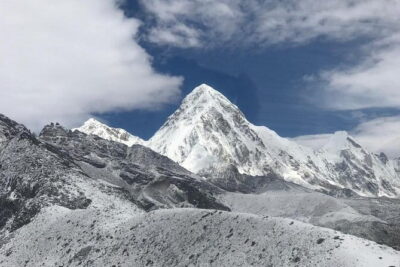
Along the way you can catch views of Pumori, Nuptse, and Everest’s icy ridges. After about 3 to 4 hours, you reach Gorak Shep at 5,140m. This is the last settlement before Everest Base Camp.
Then you push up to Kala Patthar during the day. Kala Patthar sits around 5,550m, and it’s famous for offering a clearer, closer view of Everest’s summit area than Base Camp does. The climb is described as a steep and steady ascent over loose rock and dusty switchbacks. When you reach the viewpoint, you get a 360-degree panorama: Everest dominates, with Lhotse, Nuptse, Pumori, and Ama Dablam around it, while the Khumbu Glacier twists below.
Why I think this day is worth the effort: it’s the moment you get visual proof of why the Khumbu region feels like a different planet. You’re not just seeing Everest. You’re seeing the system of ridges, peaks, and ice in one frame.
Day 9: Early hike to Everest Base Camp, then back toward Pheriche
You wake up early and go to Everest Base Camp. The trail can feel slippery, and there are sections with narrow bluffs of snow. It’s slow-going, and you’ll need steady foot placement and patience.
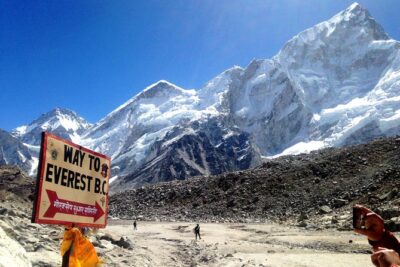
When you arrive at Everest Base Camp (5,364m), you’re at the foot of the Khumbu Icefall. This is where the history starts for many summit expeditions. You might not see the summit from Base Camp itself, but the sheer scale of the ice, glaciers, and surrounding giants is still the main event. If you’re in climbing season, you may also see expedition tents on the glacier, which adds a very human texture to the ice.
The “on top of the world” feeling can land hard. It’s the kind of moment where people get quiet, emotional, and sometimes teary. You don’t need to be a climber to feel it.
Day 10: Base area return—Tengboche monastery back in view, then Namche
From Pheriche, you descend gently through open valleys and rhododendron forests until Tengboche. The monastery returns again on a ridge, and the views of Everest, Ama Dablam, and surrounding peaks give you another chance to process what you saw on the way up.
Then you continue onward to Namche Bazaar, arriving back at the lively hub of markets and daily Sherpa life. It feels like a reset point: you’ve done the high part now, and the town feels easier to enjoy.
Day 11: Namche down to Lukla
You hike the same trail down toward Lukla. Expect long walking hours and changing air that can feel warmer at lower altitudes. If your legs are sore, that’s normal. It’s not the dramatic part of the trek, but it’s still work.
Day 12: Fly back to Kathmandu and a final evening in Thamel
You leave Lukla as early as possible and fly to Kathmandu. After a scenic flight, you have time to explore Thamel and shop for souvenirs. This is a practical way to end: you’re not jet-lagged into another day of travel stress.
Price and What You Actually Get for $1,300
At $1,300 per person, the value depends on what you’d otherwise pay to assemble the trip yourself. This package includes domestic flights Kathmandu–Lukla–Kathmandu, trekking permits, a licensed guide, trekking gear rentals (basic level), accommodations during the trek, plus a Kathmandu hotel.
Food is handled for 12 days: breakfasts, lunches, and dinners. For Everest treks, meals matter because you’re constantly adjusting your energy and hydration needs. Not having to plan each meal on the fly is one less cognitive burden when your brain is already dealing with altitude.
So where does the money go? A lot of it goes into the logistics that make Everest possible: flights, permits, guide labor, and the systems that ensure you’re sleeping at the right level each night.
What costs will still hit your budget
You should plan extra spending for drinks and personal expenses like charging electronics or laundry. Nepal visa and international airfare are not included, and airport departure tax isn’t included either. Tipping your guide isn’t included either, so keep that in mind.
Timing, Weather, and the Lukla Flight Reality Check
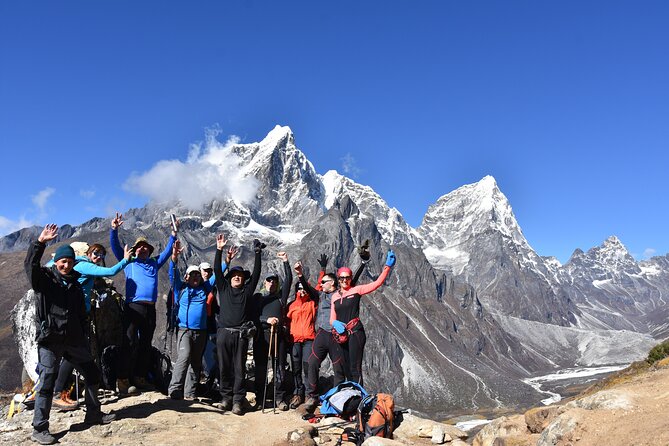
The best trekking months listed are March, April, May, September, October, and November. That lines up with typical Everest trekking windows when you’re more likely to get workable weather and clearer mountain days.
Still, Everest has its own rules. Weather can shift fast, and the Lukla flight is the most sensitive part of the whole trip. This trek requires good weather, and if it can’t operate due to poor weather, dates may change or you may get a full refund.
How to use this information: book with an open attitude. If you’re the type who hates uncertainty, Everest can feel stressful. If you can handle delays and stay calm, the trip becomes much more enjoyable.
Packing and Health Notes That Matter Most
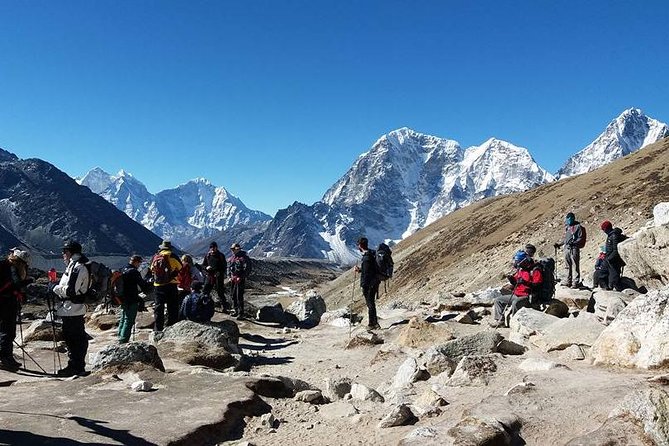
This is built for people with moderate physical fitness. You’ll climb and descend daily, often with steep trail sections, rocky steps, and altitude fatigue. The itinerary includes acclimatization days, but your success still depends on steady effort and good pacing.
Since the tour provides a sleeping bag and down jacket rental, you can pack more efficiently. Bring layers you can adjust in changing temperatures, plus comfortable walking footwear you trust. Your hands and feet take a beating in cold, thin-air mornings—so prioritize warmth you can actually control.
Also, plan for slippery footing on early morning segments like the run to Everest Base Camp. The itinerary notes slippery paths and narrow bluffs of snow, so stability matters more than speed.
Finally, don’t treat altitude like a mind game. When you feel breathless, you slow down. That’s the deal. The rest days in Namche and Dingboche are there to help your body catch up—your job is to support that with smart pace.
Should You Book This Everest Base Camp Trek?
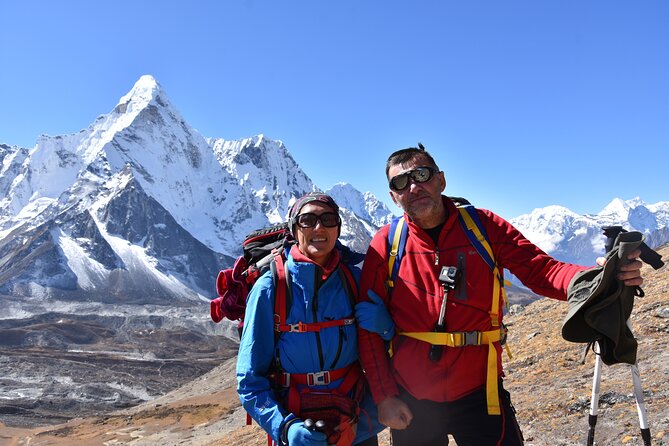
If you want Everest Base Camp plus the Kala Patthar viewpoint in one trip, and you prefer a guided setup that handles flights, permits, gear rentals, meals, and lodging, I’d say this is a strong choice. It also has a good track record of organization and safety in the feedback, with guides described as kind, fun, and professionally supportive—names like Moti, Ram, Bhim, Tika Dhakal, and Him show up as examples of the kind of help people appreciated.
Book it if:
- You’re okay with the reality of Lukla weather changes and can be flexible with timing.
- You want a clear altitude plan with acclimatization built in.
- You’d rather spend your energy trekking than managing permits and logistics.
Skip it or reassess if:
- You need a perfectly fixed schedule and can’t handle possible flight disruption.
- You prefer to self-plan every detail (this is designed as a structured package).
FAQ
How many days is the Everest Base Camp trek?
The trek is listed as 12 days (approximately).
Where does the trip start and end?
It starts in Kathmandu, Nepal, and it ends back in Kathmandu after flying from Lukla.
Are domestic flights included?
Yes. Domestic flights Kathmandu–Lukla–Kathmandu are included as mentioned in the itinerary.
What permits are included in the price?
The package includes Sagarmatha National Park permits and the Khumbu Pasang Lhamu Rural Municipality tax.
Do you get a rest or acclimatization day before higher sections?
Yes. There is an acclimatization day in Namche Bazaar, and another day in Dingboche.
What trekking gear is provided?
Trekking gears on rental basic are included, including a duffel bag, sleeping bag, and down jacket.
What months are best for this trek?
The best months listed are March, April, May, September, October, and November.
What if the trip needs to be canceled due to weather?
It requires good weather. If it’s canceled due to poor weather, you’ll be offered a different date or a full refund.
More Trekking Out of Kathmandu
More Tour Reviews in Kathmandu
Just Reviewed in Kathmandu
- Mountain Bike Tour
★ 5.0 · 3 reviews - Annapurna Panaroma
★ 5.0 · 3 reviews - Mount Everest Scenic Flight 50 Minutes
★ 5.0 · 3 reviews - Kathmandu : Swambhunath & Durbar Square Guided Half Day Tour
★ 3.3 · 3 reviews - Chandragiri Cable Car & Monkey Temple Tour – Private/Group
★ 5.0 · 3 reviews - Kathmandu: Shivapuri National Park Hiking Day Trip
★ 3.3 · 3 reviews
Everest Base Camp Treks, compared.
 ★ 5.0Everest Base Camp Trek – 14 DaysFrom $1,8001,499 reviews
 ★ 5.0Everest Base Camp TrekFrom $1,790842 reviews
 ★ 5.0Everest Base Camp TrekkingFrom $1,350485 reviews
 ★ 5.0Everest Base Camp Trekking – 13 DayFrom $1,399365 reviews
★ 5.0Everest Base Camp TrekFrom $1,445350 reviews
★ 5.0Everest Base Camp Trek -14 DaysFrom $1,420321 reviews
★ 5.0Everest Base Camp Trekking – 13 DayFrom $1,399365 reviews
★ 5.0Everest Base Camp TrekFrom $1,445350 reviews
★ 5.0Everest Base Camp Trek -14 DaysFrom $1,420321 reviews
 ★ 5.012 Days Everest Base Camp TrekFrom $1,099289 reviews
 ★ 5.0Everest Base Camp Trekking – 2025/2026From $1,339199 reviews
Browse the lists this tour appears in