
Review · EVEREST BASE CAMP TREKS
Everest Base Camp Trekking
The altitude hits fast and beautifully, and the itinerary is built to keep you moving with a brain that works at 5,000m plus. I like the steady pacing and built-in acclimatization days, because it makes the long Khumbu climb feel more doable. You also get the kind of scenery people talk about for a reason, from Himalayan village life through to that famous sunrise over peaks above the Khumbu Glacier.
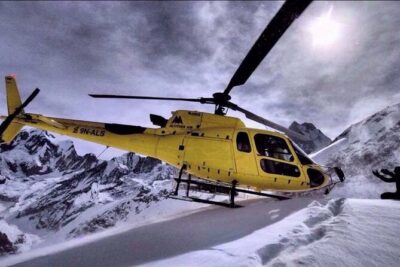
What I love most is the organized support: an English-speaking, government-licensed guide, porter help (2 trekkers to 1 porter), and included meals in teahouses so you’re not constantly making logistics calls. One drawback to plan for up front: this is a tough high-altitude trek with long hiking days and some tougher sections along the Khumbu glacier, plus Kathmandu–Lukla flights can be delayed or canceled in bad weather.
In This Review
- Quick hits
- Everest Base Camp: why this trek stays on lists for a reason
- Kathmandu warm-up in Thamel: temples, stupa energy, and jet-lag buffering
- Lukla to Phakding: the jump from city air to mountain reality
- Namche Bazaar acclimatization: rivers, suspension bridges, and altitude smarts
- Tengboche monastery: big views plus a calm pause in the schedule
- Dingboche and Nangkartshang Peak: the acclimatization day that actually prepares you
- Lobuche and the long road to Everest Base Camp at 5,365m
- Kala Patthar: the 5,555m viewpoint that changes your idea of Everest
- Descent to Namche and Lukla: legs recover while the memories land
- Kathmandu again: cultural dinner, smooth transfers, and the weather reality
- What you get for $1,625: value in the real mountain stuff
- Toughness, altitude, and who this trek fits best
- Should you book this Everest Base Camp trek or not?
- FAQ
- How do I get from the airport to my Kathmandu hotel?
- Are domestic flights included?
- What kind of accommodation will I have on the trek?
- Are meals included while trekking?
- Is there porter support?
- What is the highest point on the trek?
- Is there a suggestion to add extra days for flights?
Quick hits
- Kala Patthar: early push for big Everest views before you head down to Pheriche
- Acclimatization built in: a Namche day plus another in Dingboche (including a hike behind town)
- Tough-but-gradeable routing: generally well-graded paths, with harder stretches in the Khumbu area
- Real village trekking: Phakding, Namche, Tengboche, Dingboche, Lobuche, and Pheriche in sequence
- Support that matters in the mountains: licensed guide, porter ratio, and help when flights get messy
More trails out of Kathmandu, boots ready
- Everest Base Camp Trek – 14 Days★ 5.0 · 1,499 reviews
- Everest Base Camp Trek★ 5.0 · 842 reviews
- Everest Base Camp Trekking★ 5.0 · 485 reviews
- Nagarkot Sunrise View and Day Hiking from Kathmandu★ 5.0 · 471 reviews
Everest Base Camp: why this trek stays on lists for a reason
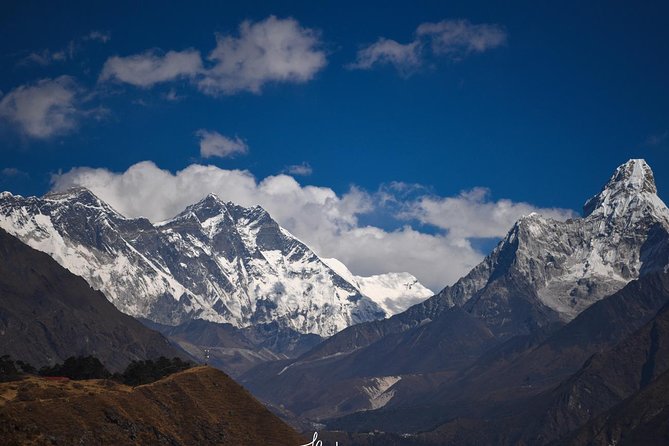
Everest Base Camp isn’t just famous because it’s famous. It’s famous because it layers big views on top of constant forward motion, day after day. You’ll move through Sherpa towns and tea-house stops, then climb high enough that your sense of scale changes completely.
I also like that this route doesn’t try to rush the altitude. The trek’s ascent is described as steady and well paced for acclimatization, which is smart because high altitude doesn’t care about your motivation. Even with good pacing, you still have hard hiking days, so you should come ready to work.
A key detail: the trek includes a summit-style viewpoint at Kala Patthar (5,555m). That’s not a random side activity. It’s the classic payoff moment when you want to feel like you really earned the panorama.
Kathmandu warm-up in Thamel: temples, stupa energy, and jet-lag buffering
Your trip starts with a straightforward welcome in Kathmandu. After landing at the International Airport (TIA), a representative meets you outside the terminal holding your name, then you’re driven to a hotel in Thamel. This matters because the next day begins with sightseeing, and Thamel is a practical base for getting your bearings fast.
The Kathmandu Valley sightseeing slot is packed with major spiritual sites: Boudhanath Stupa, Pashupatinath Temple, Patan Durbar Square, and Swayambhunath Stupa (the Monkey Temple). These stops give you a cultural “pre-load” before you enter the Khumbu. You’ll see how deeply Buddhism and Hinduism shape daily life here, which makes the mountain villages feel less like they’re on another planet.
One thing to watch: entrance fees for sightseeing are listed as not included. The tour labels some items as free in the day-by-day notes, but you should assume you might pay certain on-site entry costs unless your operator confirms otherwise.
Lukla to Phakding: the jump from city air to mountain reality
After your Kathmandu start, you fly to Lukla (2,804m) and begin walking toward Phakding (2,610m). The shift is immediate. Lukla is where the trek stops being a plan and becomes a trail, with crew members and the rhythm of hikers taking over the day.
The route follows a classic early sequence: you walk via villages such as Cheplung, and you’re treated to views along the way, including Mt. Khumbila described as sacred and unsummited. Overnighting in Phakding keeps the first trekking day from being too intense after travel.
Practical note: the tour includes an early flight to Lukla. If you’re the type who hates stress, set up your morning routine in Kathmandu carefully so you don’t waste your first energy level on scrambling.
Namche Bazaar acclimatization: rivers, suspension bridges, and altitude smarts
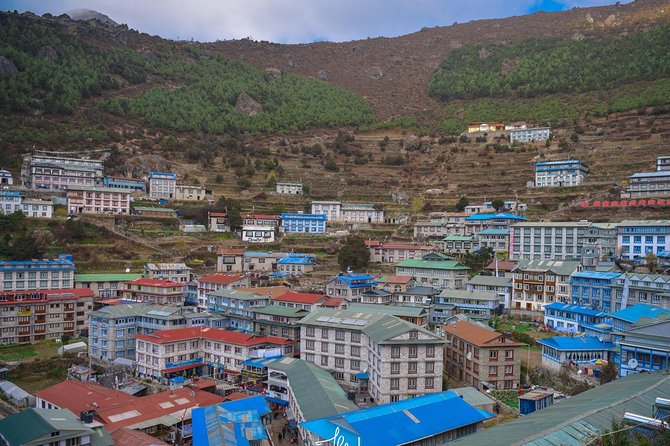
Namche Bazaar (3,441m) is one of the key “settling points” on the Everest Base Camp route, and this trek gives you a full day there for acclimatization. Before that, you’ll climb from the Dudh Koshi region, cross rivers, pass villages, and hike through the Everest National Park entry area. The day includes suspension-bridge walking and steep trails, so your legs learn quickly what comes next.
Then comes the Namche day: you explore town, hike up into the Sagarmatha National Park area, and enjoy sunrise views over major peaks like Everest, Lhotse, Nuptse, Ama Dablam, Thamserku, and Kongde. If you want a smaller outing, there’s an option to trek to Khumjung.
Here’s why I think this day is valuable: it’s not just for views. It’s for letting your body adjust while you’re still at a manageable altitude. High altitude works best when you practice a slow pattern before you go higher.


Tengboche monastery: big views plus a calm pause in the schedule
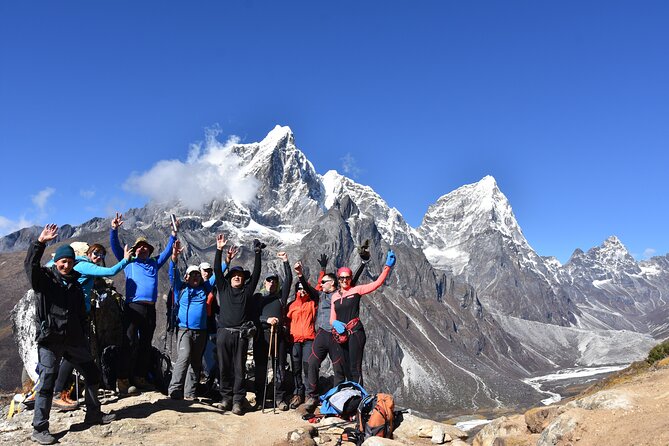
The trek continues to Tengboche (3,860m). The climb is described as easier up to Phunki, then more uphill toward Tengboche. This kind of day is helpful because it keeps you moving without turning every day into a pure grind.
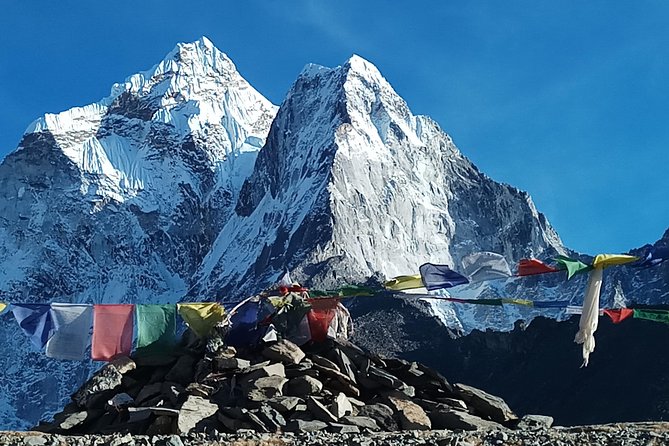
Tengboche is famous for its monastery. The tour highlights Tengboche Monastery as the biggest monastery in the Everest region, located in Sagarmatha National Park and tied to UNESCO World Heritage status. You also get panoramic Himalayan views from the monastery area, with Everest, Nuptse, Lhotse, Ama Dablam, and Thamserku mentioned specifically.
Timing matters: the monastery opens at 3:00pm in the plan. If you arrive by around that time, you can observe a Buddhist religious ceremony. That’s the kind of moment that feels more grounded than another scenic viewpoint photo.
Dingboche and Nangkartshang Peak: the acclimatization day that actually prepares you
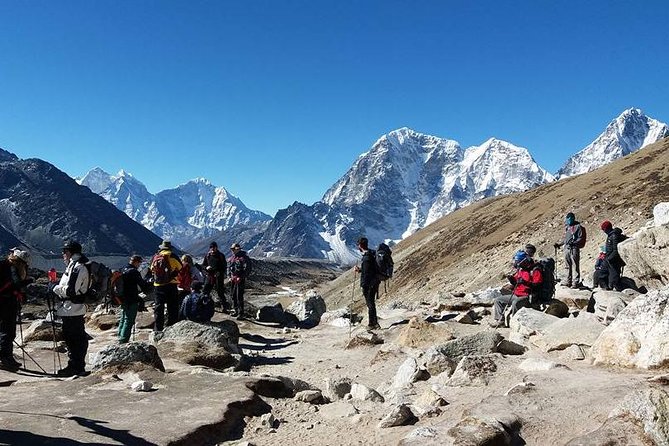
Dingboche (4,350m) is a serious step up, so you don’t go straight through without support. The trek includes a route that passes Pangboche and the Pangboche Monastery area on the way. Then you spend time in Dingboche for acclimatization.
The plan offers a hike toward Nangkartshang Peak (5,083m) behind Dingboche, around 3–4 hours. This gives you a controlled exposure to higher altitude while still staying within a planned day. The views include peaks such as Lhotse, Makalu, and Cho Oyu, which makes the extra effort feel purposeful.
This is also where your trekking rhythm matters most. You want to keep steps steady, not explosive. The route’s pacing approach is designed for that kind of gradual pressure on your system.
Lobuche and the long road to Everest Base Camp at 5,365m
Getting to Lobuche (4,910m) is described as a long hiking day with around 9 km and roughly 7 hours, including passage via Dughla pass. The day is framed as heading along the Himalayan trail toward the famous base camp area, with big mountain views along the way.
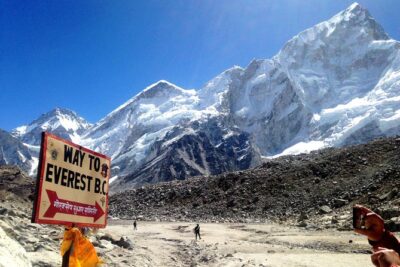
Then comes the push toward Everest Base Camp and Gorakshep. This is one of the major “you feel it” days. The plan describes walking to Gorakshep and then going to Base Camp for views of Nuptse, Khumbuste, and Pumori. It also notes a nearly 12-hour, 17 km day for the broader movement to Gorakshep and staging for the Base Camp visit.
To make this day work, keep your expectations realistic. Base Camp is not a gentle stroll, and Gorakshep sits high and cold. Still, the payoff is the sense of being in the same zone as the world’s most famous climbing expedition area, surrounded by the scale of the peaks you’ve been tracking for days.
Kala Patthar: the 5,555m viewpoint that changes your idea of Everest
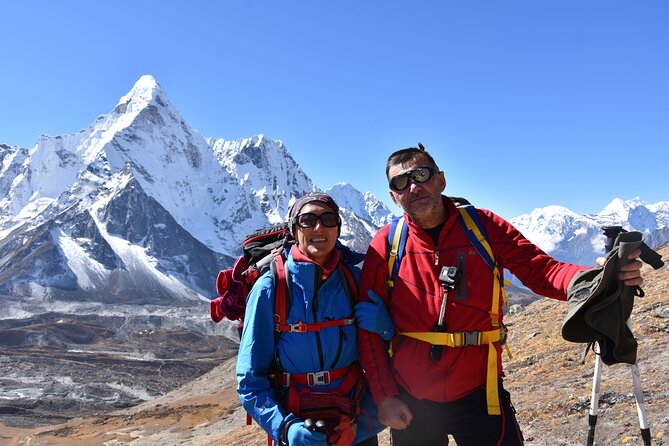
The morning hike to Kala Patthar (5,555m) is the top of this trek in both altitude and emotional payoff. The plan has an early breakfast followed by a climb that takes about three hours to reach the summit viewpoint.
The views you’re looking for include Everest and several nearby peaks like Lingtren, Khumbutse, and Changtse. Then you return to Gorakshep for lunch, and the schedule becomes easier as you descend to Pheriche (4,200m) for the night.
This is the part of the trek I’d tell you not to rush. You’ll feel the cold and the altitude in your breathing. The trick is to keep moving steadily, take short pauses, and treat the viewpoint like a slow reward rather than a race.
Descent to Namche and Lukla: legs recover while the memories land
After Kala Patthar, the descent continues through Pangboche and Tengboche before reaching Namche Bazaar again. This day is listed as around 7 hours. It’s not easy, but it’s more forgiving than the earlier climbs because you’re often working with gravity instead of fighting it.
Then it’s back to Lukla. The last trekking day is described as a return to where you began, with time in the afternoon to relax, wander, and enjoy a hot shower. The plan also includes an evening celebration with drinks and dancing with your trek mates.
This matters more than people think. After days of structured hiking, you want time to land the experience. Ending the trek with community time helps you process what you just did.
Kathmandu again: cultural dinner, smooth transfers, and the weather reality
Once you fly from Lukla back to Kathmandu, you head to your hotel and get a cultural dinner in the evening. It’s a nice break from trekking food and trekking routines, and it gives you a final Kathmandu taste before departure.
One detail I appreciate: the plan explicitly warns that flights from Kathmandu to Lukla (and back) can be delayed or canceled due to bad weather. It suggests you add 2 to 3 extra days at the end of your trip to avoid missing an international flight. That’s not overkill. It’s practical mountain planning.
For timing, the trip finishes with a transfer from your hotel to TIA a couple of hours before departure. That keeps the end clean instead of chaotic.
What you get for $1,625: value in the real mountain stuff
At $1,625 per person, you’re paying for more than a walking route. This price comes with a structured support system and a lot of logistics handled for you.
Included highlights:
- Kathmandu hotel at 3-star category with breakfast, plus transfers in and out
- Domestic flights Kathmandu–Lukla–Kathmandu
- Teahouse accommodation during the trek, with breakfast, lunch, and dinner while trekking
- An English-speaking, government-licensed trekking guide
- Porter service with a 2 trekkers to 1 porter ratio
- Permits and paperwork: National Park Permit and TIMS, plus government/local taxes
- Kathmandu Valley sightseeing by private vehicle
- Farewell dinner at the end
- Mobile ticket
- Private tour setup: only your group participates
In practical terms, this is where value shows up for most people. You’re not arranging guide credentials, permits, meal plans, or porter distribution in a region where weather can scramble schedules. You’re also not stuck with the backpack math every day.
What’s not included matters too. Entrance fees for sightseeing, alcohol, souvenir photos, and tips aren’t covered. Also, travel and rescue insurance is not included, and that’s a big one. This trek operates in remote, high-altitude conditions, so insurance isn’t a luxury.
Toughness, altitude, and who this trek fits best
This is listed for travelers with moderate physical fitness. The overall description stresses that it’s a tough challenge and not something to treat lightly, even though the paths are generally well graded. The plan includes some tougher sections along the Khumbu glacier, plus multiple long days.
Look at the shape of the hiking: you have steady climbs, acclimatization days, and then longer push days like the one to Gorakshep and Everest Base Camp. If you’ve never done multi-day trekking at high altitude, you’ll want to prepare your body for endurance and steady pace.
You’ll likely love this trek if:
- you want a classic Everest experience without turning it into a summit assault
- you enjoy villages and monastery stops, not just scenery
- you want support that prioritizes safety and organization
You might find it less ideal if:
- you hate long hiking days or unpredictable flight timing
- you don’t like cold and high altitude discomfort
- you’re expecting an easy stroll with minimal effort
Should you book this Everest Base Camp trek or not?
I’d book it if you want a well-run Everest Base Camp experience with steady pacing, clear acclimatization, and support that keeps moving when conditions get rough. The included guide and porter structure is a real quality-of-life factor, and the schedule gives you the kind of altitude rhythm that helps you show up for Kala Patthar with energy.
I’d hesitate if you can’t flex your schedule for flight disruptions. The route depends on Lukla flights, and the plan specifically advises adding extra buffer days because weather delays happen. Also, if you’re truly unsure about altitude fitness, do extra conditioning and talk to a medical professional first.
Bottom line: for most fit travelers who want the full Everest story—villages, monasteries, Base Camp, and that Kala Patthar payoff—this is a strong, organized option.
FAQ
How do I get from the airport to my Kathmandu hotel?
A representative meets you outside the International Airport terminal gate holding your name, and you’re transferred to your hotel in Kathmandu.
Are domestic flights included?
Yes. Domestic flights are included for the Kathmandu–Lukla–Kathmandu route.
What kind of accommodation will I have on the trek?
You stay in teahouses during the trek, and you also have guesthouse accommodation on the return days to Namche and Lukla.
Are meals included while trekking?
Yes. The trek includes breakfast, lunch, and dinner during the trekking days.
Is there porter support?
Yes. Porter service is included with a 2 trekkers to 1 porter arrangement.
What is the highest point on the trek?
Kala Patthar is the key high viewpoint at about 5,555 m, reached after an early breakfast.
Is there a suggestion to add extra days for flights?
Yes. The plan notes that Kathmandu–Lukla–Kathmandu flights are often delayed or canceled due to bad weather, and it suggests 2 to 3 extra days at the end to reduce the risk of missing an international flight.
More Trekking Out of Kathmandu






More Tour Reviews in Kathmandu




Just Reviewed in Kathmandu
- Mountain Bike Tour
★ 5.0 · 3 reviews - Annapurna Panaroma
★ 5.0 · 3 reviews - Mount Everest Scenic Flight 50 Minutes
★ 5.0 · 3 reviews - Kathmandu : Swambhunath & Durbar Square Guided Half Day Tour
★ 3.3 · 3 reviews - Chandragiri Cable Car & Monkey Temple Tour – Private/Group
★ 5.0 · 3 reviews - Kathmandu: Shivapuri National Park Hiking Day Trip
★ 3.3 · 3 reviews
Everest Base Camp Treks, compared.
 ★ 5.0Everest Base Camp Trek – 14 DaysFrom $1,8001,499 reviews
 ★ 5.0Everest Base Camp TrekFrom $1,790842 reviews
 ★ 5.0Everest Base Camp TrekkingFrom $1,350485 reviews
 ★ 5.0Everest Base Camp Trekking – 13 DayFrom $1,399365 reviews
★ 5.0Everest Base Camp TrekFrom $1,445350 reviews
★ 5.0Everest Base Camp Trek -14 DaysFrom $1,420321 reviews
 ★ 5.012 Days Everest Base Camp TrekFrom $1,099289 reviews
 ★ 5.0Everest Base Camp Trekking – 2025/2026From $1,339199 reviews
Browse the lists this tour appears in