
Review · 7-DAY EXPERIENCES
Everest View Trek – 7 Days
One flight away from Everest dreams. This Everest View Trek hits the Khumbu highlights with big Everest panorama views, plus real Sherpa village time and a day to Khumjung Monastery. I like that it’s built for people who want the Everest region experience without committing to the heavier, longer Everest Base Camp grind.
The plan also keeps your logistics tight: Kathmandu nights, a small group, guided trekking, guest-house stays, and gear provided so you can travel light. The one watch-out is the altitude. Even with a shorter trek, your body still has to adjust to days that sit at high elevation, plus Lukla weather can change schedules.
A small group matters on this kind of trip. With a maximum of 10 travelers, you get the kind of attention that helps when conditions turn slow, cold, or simply unpredictable.
In This Review
- Key Things You’ll Notice (Fast)
- Everest Views in a Shorter Window: Why This Trek Works
- Kathmandu to Lukla: The Flight That Sets the Tone
- The Trek’s Main Act: Phakding, Namche Bazaar, and a Khumjung Detour
- Day 3: Phakding to Namche Bazaar (6–7 hours)
- Day 4: Namche Bazaar explore, then Namche to Khumjung (about 3 hours)
- Day 5: Khumjung back to Phakding (4–5 hours)
- Day 6: Phakding to Lukla (3–4 hours)
- Khumjung Monastery and the Yeti Story: Culture That’s Not Just a Photo Op
- Sagarmatha National Park: Why Entry Fees Matter Here
- Where You Sleep and What You Eat (and What You Pay Extra for)
- Gear and Guides: The Value You Feel at 3,000m
- Price and What You’re Really Getting for $1,324.62
- Flight Finish and the Quiet Reality of Altitude
- The Human Side: Porters, Respect, and How to Travel Fair
- Should You Book the Everest View Trek with Breeze Adventure?
- FAQ
- How many days does the trekking portion take?
- What’s the highest point on the route?
- What are the Kathmandu to Lukla flights like?
- Is a guide and porter support included?
- What’s included in the price?
- Are meals included in Kathmandu?
- What fitness level do I need?
Key Things You’ll Notice (Fast)
- Lukla flight time is short, but the feeling is huge: about 30 minutes each way, paired with real mountain trekking.
- Namche Bazaar is the Sherpa hub you actually want to see: shops, culture, and that classic Khumbu rhythm.
- Khumjung Monastery day is a standout: you visit for the fabled Yeti scalp story.
- Sagarmatha National Park is part of the trek: including entry fees, so you’re not hunting paperwork.
- Small group + licensed guidance: government-authorized guide and porters, plus insurance and a first aid kit.
- You get gear and food structure: sleeping bag and warm layers are included, with trekking meals included.
More trails out of Kathmandu, boots ready
- Everest Base Camp Trek – 14 Days★ 5.0 · 1,499 reviews
- Everest Base Camp Trek★ 5.0 · 842 reviews
- Everest Base Camp Trekking★ 5.0 · 485 reviews
- Nagarkot Sunrise View and Day Hiking from Kathmandu★ 5.0 · 471 reviews
Everest Views in a Shorter Window: Why This Trek Works
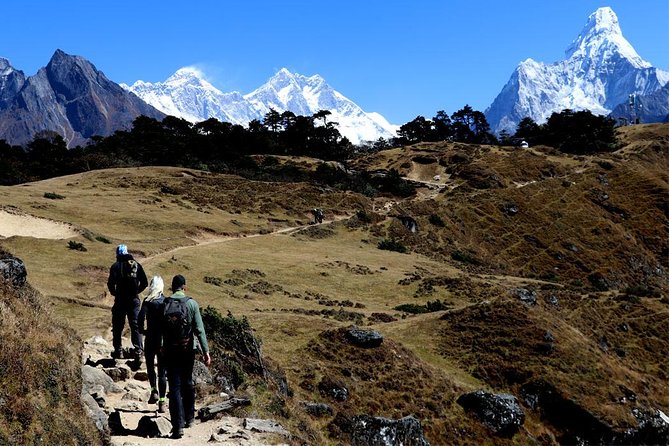
This is the Everest region without the full-time commitment of longer treks. You get the big ticket stuff: Lukla as the gateway, Namche Bazaar as the Sherpa center of gravity, and sweeping views of Everest, Lhotse, Ama Dablam, and nearby peaks from the trek routes.
The value is not just that the trek is shorter. It’s that the experience stays focused. Five trekking days is enough time to feel like you’re living in the Khumbu, without losing weeks to acclimatization and long mileage.
This trip is a good fit if you:
- Want Everest region scenery, Sherpa culture, and national-park terrain
- Have limited time or a budget that can’t stretch to longer treks
- Prefer structure (guides, porters, food plan, gear provided)
It may not be your best choice if you’re chasing a high-summit style challenge. This is a scenic trekking route. Expect effort, but not technical climbing.
Kathmandu to Lukla: The Flight That Sets the Tone
Day 2 starts with the Kathmandu to Lukla flight (about 30 minutes). It’s short on paper and dramatic in real life—because you’re stepping into the Khumbu’s world fast. Lukla sits around 2,860m, and that elevation shift matters even before you start walking.
Then it’s an easy-to-moderate first trekking day to Phakding (around 2,610m), with roughly 2–3 hours of walking. This “warm-up” day is intentional. You’re not racing. You’re getting your legs moving and your body ticking over at altitude.
One practical thing: flights are weather-dependent. The experience requires good weather, and if it gets canceled due to poor weather, you’ll be offered a different date or a full refund. That’s not a small detail. It’s the reality of flying into Lukla.
The Trek’s Main Act: Phakding, Namche Bazaar, and a Khumjung Detour
Day 3: Phakding to Namche Bazaar (6–7 hours)
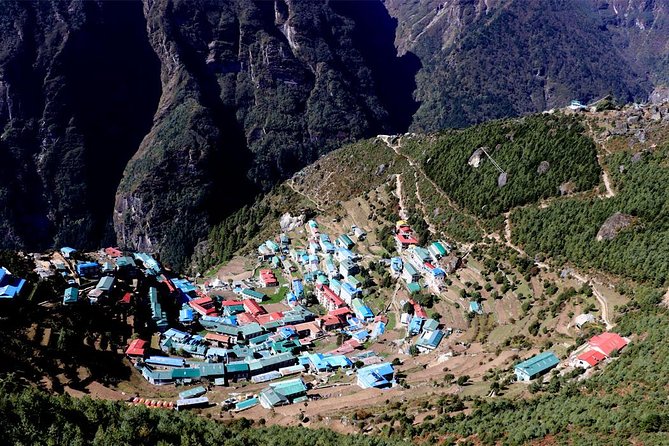
Day 3 climbs from Phakding to Namche Bazaar (about 3,440m). The walk is around 6–7 hours, and it’s a classic “earn your altitude” day. This is where you stop feeling like you’re simply hiking through a place and start feeling like you’re entering a different climate.
Namche Bazaar is more than a stop on a route. It’s the major Sherpa hub in the Khumbu. You’ll feel that immediately in how people live, what businesses exist, and how the community organizes itself around mountain travel.
Before you lock this one in, a few Kathmandu alternatives:
Day 4: Namche Bazaar explore, then Namche to Khumjung (about 3 hours)
Day 4 is a mix day. You explore Namche Bazaar, then trek to Khumjung (about 3,790m) for around 3 hours.
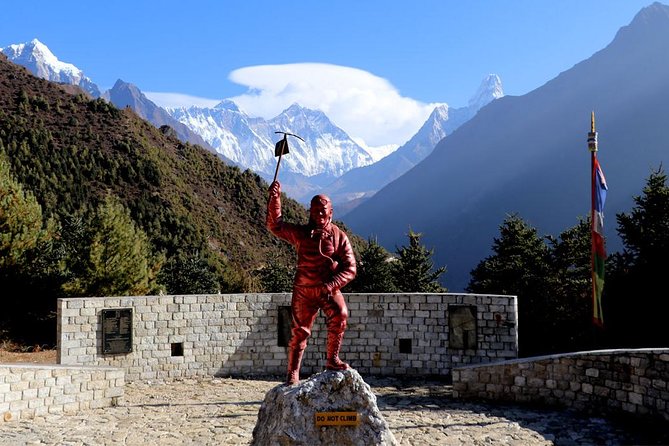
This is a nice design for your head and your lungs. Namche is a built-up center with more to see and do, while Khumjung is more spiritual and traditional. And that brings you to the monastery visit—where the story of the Yeti scalp is part of local lore you can learn about in person.
Day 5: Khumjung back to Phakding (4–5 hours)
Day 5 returns toward Phakding (about 4–5 hours). That descent helps recovery after the Khumjung day. You’re still moving in high-country terrain, but the drop gives your body a break from the higher elevation push.
Day 6: Phakding to Lukla (3–4 hours)
On Day 6 you trek back to Lukla (about 3–4 hours). This is a satisfaction day. You’re heading toward the finish line, and you also get the chance to appreciate the trek more on the way back—because you’ve already seen it once.
Khumjung Monastery and the Yeti Story: Culture That’s Not Just a Photo Op
Khumjung Monastery is one of the most memorable stops on this route because it connects the landscape to the people. You’re not just looking at mountains; you’re meeting the culture that has lived in their shadow for generations.
The monastery visit is specifically tied to the fabled Yeti scalp. Whether you treat it as legend, folklore, or something in between, it’s a real part of the storytelling locals share. That makes your stop feel human, not generic.
I also like that this day sits at a higher elevation (around 3,790m), but the trek time is manageable. You get a meaningful cultural moment without turning the day into a grueling march.
Sagarmatha National Park: Why Entry Fees Matter Here
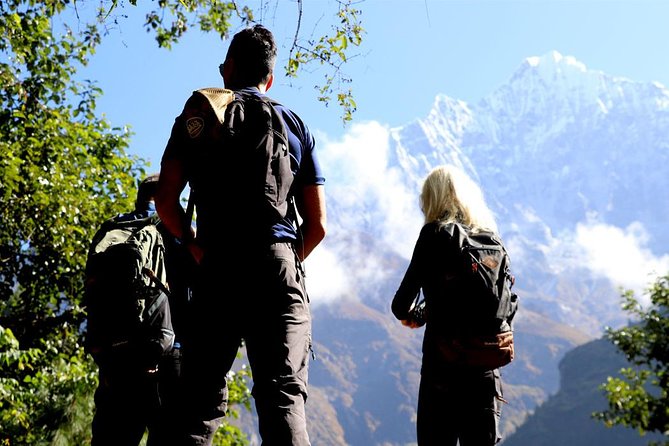
You pass through Sagarmatha National Park, a UNESCO World Heritage Site. The entry fee is included, which is one of those small “you don’t need to think” wins when you’re already managing altitude, layers, and timing.
What you can take away as a traveler is this: you’re walking in protected territory. That usually means better-maintained routes, clear rules, and a park framework in the background that affects signage and access.
If you care about the ethics and structure of conservation tourism, it’s reassuring when the required park fees are handled as part of the trek rather than left to you to figure out at the last second.
Where You Sleep and What You Eat (and What You Pay Extra for)
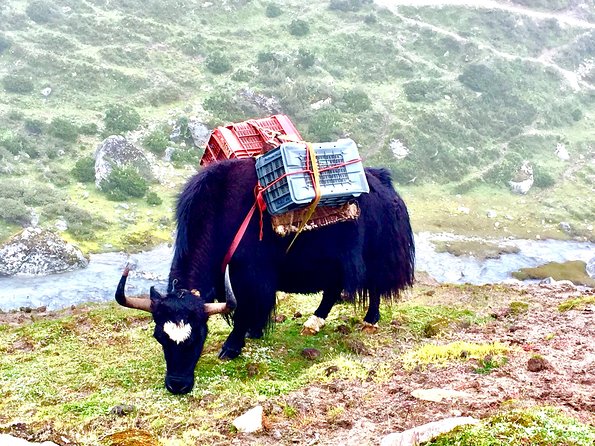
You stay two nights in Kathmandu at a 2–3 star hotel with breakfast included, then move to local guest house accommodation during the trek.
A key detail: during the trek you get hygienic meals (breakfast, lunch, dinner). That matters more than it sounds. On trekking days, food reliability is part of altitude management. Your guide also helps keep meal timing realistic.
What’s not included:
- Meals in Kathmandu besides breakfast
- Shower and electronic charging fees at guest houses during the trek
- Alcoholic drinks and other extras like chocolates, tea, coffee
- Tips for guide and porter
That last point is practical. If you don’t plan for tips, you’ll feel squeezed near the end. If you do plan for it, you’ll feel better about taking care of the people making your trek work.
Gear and Guides: The Value You Feel at 3,000m
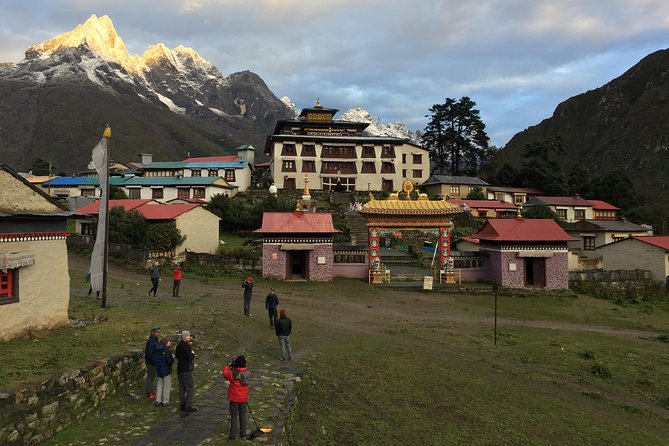
One of the best “value” perks is gear provision. The included equipment covers items like a sleeping bag and warm layers (and related essentials). That can save you money on rentals and also simplifies packing.
You’re not doing this solo. Your trip includes a government-authorized experienced guide and porters, plus insurance, food, accommodation, and wages for staff. There’s also a first aid kit and an Everest region map included.
A small group size (maximum 10 travelers) means you’re less likely to feel lost in a crowd. On a trek, that matters for pace. It also matters for how easy it is to ask questions when conditions change.
If you’re the type who gets stressed when plans shift, having an organized guide system helps you roll with weather and timing without panicking.
Price and What You’re Really Getting for $1,324.62
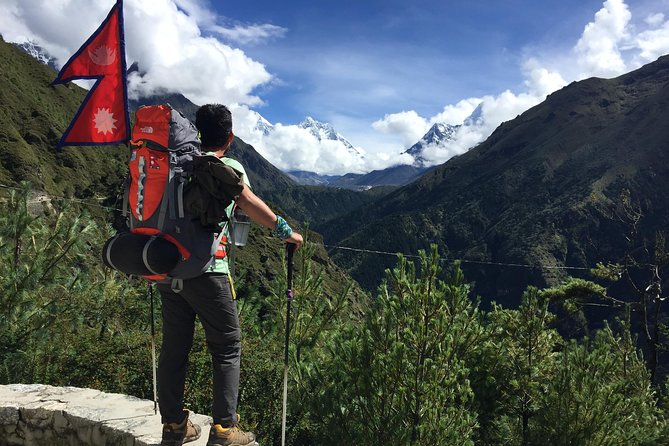
At $1,324.62 per person, you’re paying for more than walking. This price bundles the parts that usually add up fast on Everest-region trips:
- Kathmandu hotel nights (breakfast included)
- Airport transfers to and from Tribhuvan Airport
- Trek transportation inside Nepal
- Trek lodging in mountain guest houses
- Meals during the trek
- Gear like sleeping bag and warm layers
- Licensed guide and porters with insurance and staffing costs
- Park entry fees and other fees for Khumbu villages
So the value story isn’t “cheap.” It’s “handled.” You’re not hunting down logistics. You’re not budgeting separately for guide operations, park permissions, and key trekking basics.
Is it worth it? If you want the Everest region experience but don’t want to manage the hard parts yourself, yes. If you already have gear, guides, and a flexible plan for flights, you might find cheaper independently arranged options. But for most people, this kind of structure is what makes a high-altitude trip actually work.
Flight Finish and the Quiet Reality of Altitude
Day 7 ends with the Lukla to Kathmandu flight in the morning (about 30 minutes). Day 8 includes transport from your hotel to Tribhuvan Airport for departure.
A short trek is not the same as a no-stress trek. Your body is still climbing to high elevations, including Namche Bazaar around 3,440m and Khumjung around 3,790m. You’ll feel that in your breathing and energy levels, especially if you push hard.
The good news: the trek design includes time downshifts (like returning from Khumjung to Phakding). That’s what makes this plan more accessible than a longer Everest Base Camp route.
The Human Side: Porters, Respect, and How to Travel Fair
I really appreciate that this trip includes porters in a structured way, with wages and support built into the package. On Everest-area treks, porters often carry heavy loads—one past trip example noted porters carrying around 30kg.
That’s a reminder to treat your staff like partners, not accessories. Keep your attitude steady. Don’t change your mind every ten minutes. And when your guide explains what’s happening, listen the first time.
Also, remember: charging and shower facilities may cost extra at guest houses. You won’t be surprised if you plan for small daily fees and keep your electronics use reasonable.
Should You Book the Everest View Trek with Breeze Adventure?
I’d book this if:
- You want the Everest region highlights but need a shorter, more controlled schedule
- You like having guides and porters handle the moving parts
- You want gear and trekking meals covered so you can focus on walking and altitude
I wouldn’t book it if:
- You’re hoping for a low-altitude stroll or you want zero altitude impact
- You hate weather variability tied to Lukla flights and can’t handle schedule uncertainty
- You prefer fully independent travel with no packaged structure
Final thought: this is a smart “best of Everest region” option. You trade the grind of longer routes for a focused experience—Lukla, Namche, Khumjung, and panoramic views—without losing the heart of the Khumbu.
FAQ
How many days does the trekking portion take?
The trek covers about five trekking days within an overall plan of roughly eight days.
What’s the highest point on the route?
Khumjung is listed at about 3,790 meters, which is the highest point mentioned in the provided plan.
What are the Kathmandu to Lukla flights like?
You fly from Kathmandu to Lukla and back, with each flight taking about 30 minutes.
Is a guide and porter support included?
Yes. The tour includes a government-authorized experienced guide and porters.
What’s included in the price?
Included are airport transfers, Kathmandu hotel nights with breakfast, all trek transportation, mountain guest house accommodation, trekking meals, guide/porter support, insurance, a first aid kit, maps, and park and village entry fees, plus trekking equipment like a sleeping bag and warm layers.
Are meals included in Kathmandu?
Only breakfast is included in Kathmandu. Other meals in Kathmandu are not included.
What fitness level do I need?
The tour notes that travelers should have moderate physical fitness.
More 7-Day Experiences in Kathmandu

More Trekking Out of Kathmandu






More Tour Reviews in Kathmandu




Just Reviewed in Kathmandu
- Mountain Bike Tour
★ 5.0 · 3 reviews - Annapurna Panaroma
★ 5.0 · 3 reviews - Mount Everest Scenic Flight 50 Minutes
★ 5.0 · 3 reviews - Kathmandu : Swambhunath & Durbar Square Guided Half Day Tour
★ 3.3 · 3 reviews - Chandragiri Cable Car & Monkey Temple Tour – Private/Group
★ 5.0 · 3 reviews - Kathmandu: Shivapuri National Park Hiking Day Trip
★ 3.3 · 3 reviews
7-Day Experiences, compared.
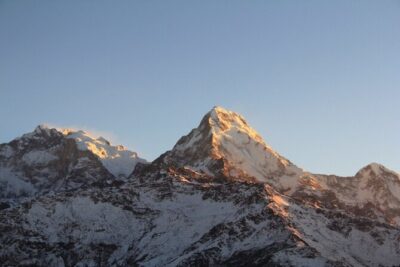 ★ 5.0Short Annapurna Base Camp Trek – 7 DaysFrom $65022 reviews
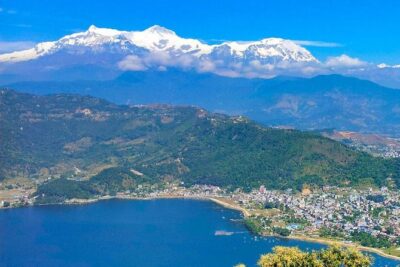 ★ 5.0Explore Nepal In A Week – 7 DaysFrom $99920 reviews
 ★ 5.07 days Nepal Motorcycle tourFrom $2,35012 reviews
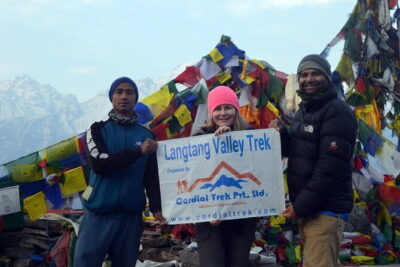 ★ 5.0Kathmandu to Langtang Valley 7-Day TrekFrom $30011 reviews
 ★ 5.07 Days Langtang Valley Private Trek From KathmanduFrom $58510 reviews
 ★ 4.57 Day Kathmandu Pokhara TourFrom $3805 reviews
 ★ 5.0Langtang Trek from Kathmandu 7 DaysFrom $4105 reviews
7 Days Nepal Tour (Kathmandu Pokhara and Chitwan)From $7894 reviews