

Review · LANGTANG VALLEY TREKS
7 Days Langtang Valley Private Trek From Kathmandu
Langtang Valley is the Himalayas, in a week. This trek is popular because it’s close to Kathmandu, yet still feels remote: narrow valley scenery, Tibetan-influenced villages, forests that change with elevation, and glacier views without the big expedition logistics. I like that the plan is built around steady walking days with clear altitude milestones, and I like that meals, tea-house stays, and key permits are handled so you can focus on the trail. One consideration: tea houses are basic, with toilets and bathrooms outside your room, so you should go in expecting simple comfort at around 2,500–3,800m.
You’ll start with a long road day out of Kathmandu and then settle into a rhythm of 6–8 hour hikes. The value here comes from the full package: a professional English-speaking guide, Kathmandu deluxe hotel nights, park permits, a TIMS card, and transfers. The possible drawback is that the itinerary is weather-dependent at the margins, and some sections can feel serious if you’re not used to steep trail and changing conditions.
From the guide side, the trek’s reputation really centers on having people who keep things organized and safe. In past groups, guides like Rupak, Prakash, and Dilli have been praised for making the experience smoother and less stressful, and that matters on a trail where you need good pacing and smart day-by-day decisions.
In This Review
- Key highlights for Langtang Valley in 7 days
- Why Langtang Valley is a short-route Himalaya fix
- The 7-day rhythm: what your walking days really feel like
- Day-by-day: Kathmandu to Syabrubesi to the high valley
- Day 1: Kathmandu arrival and hotel transfer
- Day 2: Kathmandu to Syabrubesi (about 7–8 hours)
- Day 3: Syabrubesi to Lama Hotel (2450m)
- Day 4: Lama Hotel to Langtang Village (3430m)
- Day 5: Langtang Village to Kyanjin Gompa (3870m) + optional Kyanjing Ri
- Day 6: Kyanjin Gompa back to Lama Hotel (2450m)
- Day 7: Lama Hotel to Syabrubesi (1550m)
- Day 8: Drive back to Kathmandu (7–8 hours)
- Tea houses and the reality of bathroom logistics
- Wildlife, forests, and glacier views without the big-camp hassle
- Guide strength, permits, and safety that isn’t just marketing
- Price and logistics: is $585 good value for a private trek?
- Who should choose this trek, and who should rethink it
- What to pack (and what matters most on this route)
- Should you book this Langtang Valley Private Trek?
- FAQ
- How long is the Langtang Valley private trek?
- Where does the trek start and finish?
- What altitude do you reach?
- What’s included in the price?
- Are meals and drinks included?
- What are the rooms like on the trek?
- Do I need a porter?
- Do I need travel insurance?
- Is the tour private?
- What fitness level do I need?
Key highlights for Langtang Valley in 7 days
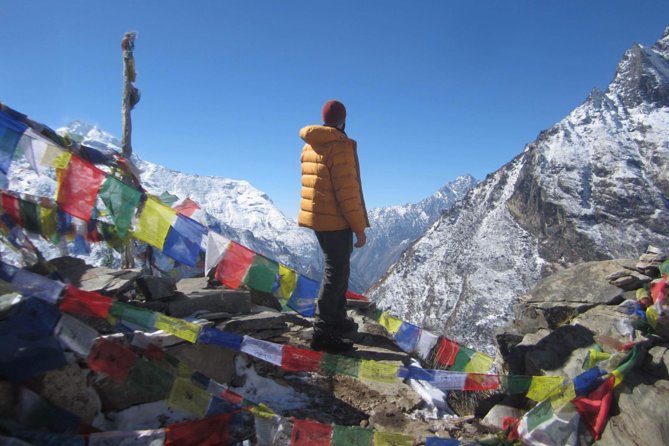
- Tea-house comfort that’s honest: twin-share basic rooms, with toilets and bathrooms outside
- National Park access included: Langtang National Park permit plus TIMS card
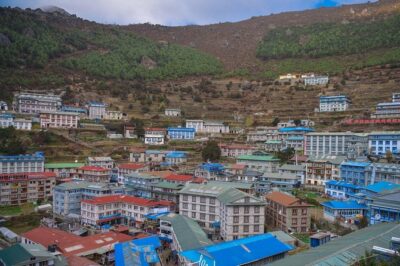
- Tibetan-style village feel: you’ll walk through settlements shaped by Tibetan culture
- A glacier-valley vibe without high-camp complexity: Kyanjin Gompa at 3,870m is the top main stop
- Guide support that reduces headaches: English-speaking guide plus emergency evacuation/medication service handled through your insurance
Just your group, at your own pace
- Private Kathmandu Sightseeing Tour | UNESCO World Heritage sites★ 5.0 · 756 reviews
- Kathmandu: Full Day 7 UNESCO Tour with Lunch – Private/Group★ 5.0 · 415 reviews
- Private Bhaktapur and Nagarkot Day Tour From Kathmandu★ 5.0 · 305 reviews
- Kathmandu: Full Day Top 4 UNESCO Tour with Lunch – Private/Group★ 5.0 · 269 reviews
Why Langtang Valley is a short-route Himalaya fix
Langtang Valley gets a nickname that fits what you’ll see: the valley of glaciers. It sits between the main Himalayan range to the north (bordering Tibet) and a slightly lower band of snowy peaks to the south. That geography is what makes this trekking region feel so distinct even on a short schedule.
You also get variety without needing a long trek. Expect stretches through rhododendron, bamboo forests, pine forest, and scenes that shift from river valleys to rockier, higher terrain. The trail is known for waterfalls and fast mountain streams, plus open areas like grassy down and meadows. And if wildlife interests you, the Langtang National Park setting is home to animals like red pandas and Himalayan black bears, with wild boar also possible.
The viewpoints are part of the “why it’s worth it” factor. The valley is dominated by Langtang Lirung (7,246m) to the north, while Gang Chhenpo (6,388m) and the trekking peak Naya Kangri (5,846m) sit to the south. Dorje Lakpa (6,966m) is part of the valley’s eastern protection. Even if you never chase big summits, the sense of being boxed in by big peaks is real.
If you want a trek that feels Himalayan, but you don’t want a 12–20 day commitment, this is one of the clearest answers from Kathmandu.
The 7-day rhythm: what your walking days really feel like
This is not a flat stroll. Your hiking windows are mostly in the 6–8 hour range on trekking days, with some shorter effort days. The altitude profile is the key: you go up gradually, reach the main high point at Kyanjin Gompa (3,870m), then you come back down in a way that gives your body a chance to recover.
A good way to think about the schedule:
- You get one long road day to start, so Day 3 begins when your legs are ready.
- Mid-trek, you hit the longer effort days (especially toward Langtang Village).
- Day 5 is shorter and geared for the main high viewpoint area, with an optional side trip if you feel good.
- Your return days include big descents. Descending is often easier on altitude, but it can be tougher on knees if you don’t pace and use trekking poles.
You should pack for steady walking and for temperature swings. Even with “all weather” operations, mountain weather can change fast. This is a trip where dressing in layers and keeping hands and feet warm matters more than fancy equipment.
Day-by-day: Kathmandu to Syabrubesi to the high valley
Day 1: Kathmandu arrival and hotel transfer
Day 1 is straightforward: you meet at Kathmandu Airport and transfer to a hotel. You’ll likely use this day for sleep, an easy meal, and getting your gear sorted. Since the trek starts the next day with a long drive, I treat Day 1 like a buffer day. Arrive with enough margin to rest.
More trails out of Kathmandu, boots ready


Day 2: Kathmandu to Syabrubesi (about 7–8 hours)
You’ll travel from Kathmandu to Syabrubesi (1,550m). The drive time is listed as 7–8 hours on public bus, not a private vehicle. That can be a plus for cost and local feel, but it also means you should expect basic comfort and traffic variation.
Why this matters: it positions you at the start of the trek without requiring early-morning hiking to “earn” altitude. You’re starting at 1,550m, so the first hiking day begins with a manageable climb.
Day 3: Syabrubesi to Lama Hotel (2450m)
This is a classic first trek day. You walk about 6–7 hours, climbing around 1,070m total (about 10.9 km). Lama Hotel (2,450m) is where you get your first taste of higher-altitude weather and tea-house style lodging.
Drawback to consider: this is a real ascent day. If you rush, altitude discomfort can sneak in. The smarter move is slow, steady pacing and lots of short breaks.
Day 4: Lama Hotel to Langtang Village (3430m)
This day ramps up with a longer hike window: 7–8 hours for about 14.8 km and roughly 980m ascent. You’ll reach Langtang Village (3,430m), which is one of the emotional highlights for many hikers. It’s where the trek leans into village life shaped by Tibetan culture.
What makes it special: villages here aren’t just scenery. They’re part of how the valley has been lived in for generations, and the trail brings you directly through those settlements rather than around them.
Potential drawback: it’s long and it’s higher. If you feel headachy or nauseous, don’t “push through” just because the schedule says you should.
Day 5: Langtang Village to Kyanjin Gompa (3870m) + optional Kyanjing Ri
This is one of the most efficient days on paper: 2–3 hours walking and about 460m ascent to Kyanjin Gompa (3,870m). Then you have optional time in the afternoon to visit Kyanjing Ri if you feel good.
Why this matters: it lets you experience the high point area without spending the whole day climbing. Gompa viewpoints are often where people feel the scale of the valley most strongly.
If you choose the optional side hike, treat it like a bonus, not a requirement. With higher altitude, the “short” part can still feel steep.
Day 6: Kyanjin Gompa back to Lama Hotel (2450m)
The return day is built around a big descent: about 7–8 hours with roughly 1,430m descent over about 21.6 km. This is where trekking poles earn their keep. Your muscles might be fine, but knees can complain if you step too hard downhill.
Good news: you’re dropping to a lower altitude, which usually helps altitude symptoms stabilize for many people.
Day 7: Lama Hotel to Syabrubesi (1550m)
Another satisfying day: 5–6 hours walking and around 1,070m descent (about 10.9 km). This is the last trekking day, so it can feel like both a relief and a fatigue check.
I recommend keeping your pace steady and not sprinting out of excitement. You’ll want to arrive at the end feeling proud, not trashed.
Day 8: Drive back to Kathmandu (7–8 hours)
You return by road to Kathmandu. This is a good day for a hot shower, laundry if you can, and a proper meal. You may feel surprisingly drained even if the day is “just driving,” because your body stayed in hiking mode for nearly a week.
Tea houses and the reality of bathroom logistics
Accommodation is a major factor in trekking happiness, and this itinerary is honest about it.
For the trek you get 6 nights basic tea house accommodation on a twin-sharing basis. Toilets and bathrooms are outside of the room. That’s typical for the region and also why you should not assume hotel-style comfort.
How to make it work:
- Bring a small day kit for bathroom breaks and quick hygiene.
- Plan your water and toilet timing around longer breaks so you’re not scrambling mid-walk.
- If you’re sensitive to cold nights, your sleeping gear matters. The trip lists key items like a sleeping bag and down jacket, plus hats, gloves, and a headlight.
Meals are 3 per day during the trek (breakfast, lunch, dinner). Drinks like tea/coffee, mineral water, hot water, and alcohol aren’t included. That means you may want to budget a little for hot drinks along the way, especially early mornings when it feels colder.
Wildlife, forests, and glacier views without the big-camp hassle
One reason Langtang is compelling is how quickly the environment changes. You’ll move through forest zones (rhododendron, bamboo, pine) and then into higher, more rugged scenery where the valley opens to views of glaciers and snow-capped peaks.
The trek’s “glacier valley” identity isn’t about reaching a glacier base camp. It’s about the sense of being in a glaciated system—seeing icy giants above you and walking alongside landscapes shaped by those forces.
National park access also changes the feel. The route sits inside Langtang National Park, Nepal’s first Himalayan national park designated in 1971. The park covers 1,710 square km and includes everything from lush areas with monkeys to higher forests bursting with spring rhododendron color. You’re not guaranteed wildlife sightings, but the habitat is real.
So if you love trekking that feels like a living ecosystem—streams, birds, forests, and the occasional animal sign—this is a strong fit.
Guide strength, permits, and safety that isn’t just marketing
This trek includes a professional English-speaking trekking guide. The guide’s package includes food, salary, accommodation, travel expenses, and insurance. Practically, that means you’re not coordinating permits or scrambling last-minute for route expertise.
Also included:
- Langtang National Park permit
- TIMS card
- Airport–hotel–airport transfer in Kathmandu by private transport
- Emergency evacuation and medication service (you still need travel insurance that covers helicopter evacuation and medical needs)
Why you should care: at these altitudes, the difference between having a guide who watches pacing and symptoms versus someone who just keeps moving can be huge. And when something goes wrong, a prepared process matters.
The experience’s reputation in past groups also points to guide quality. Guides such as Rupak, Prakash, Dilli, Badri, and Arjun have been associated with smooth treks, friendly organization, and good communication in the field. Even without naming names for your trip, that pattern tells you what to expect: guides who know this route and know how to run it well.
Price and logistics: is $585 good value for a private trek?
At $585 per person, you’re not just paying for “a hike.” You’re paying for a lot of services that otherwise become expensive add-ons in Nepal.
What’s included in the price:
- 2 nights Kathmandu deluxe hotel (twin sharing, breakfast included)
- 6 nights tea house accommodation
- All meals during the trek (breakfast, lunch, dinner)
- Guide and his support costs
- Park permit + TIMS
- Kathmandu–Syabrubesi–Kathmandu by public bus
- Transfers to/from the airport
- Emergency evacuation and medication service tied to your insurance
What’s not included (so you can budget properly):
- Drinks and snacks you buy on the trail
- A porter (available only if you arrange it for extra cost)
- Personal expenses like battery charging, laundry, phone calls, hot showers if offered, and photography fees if any
- Tips for local staff
- Nepal visa and international flights
- Travel insurance
My value take: for a private tour (only your group participates) with permits and guide costs wrapped in, the price is reasonable. The biggest “hidden costs” risk is personal spending on drinks and optional porter help. If you plan for those, the $585 feels fair.
Also consider that you’ll be using tea houses. That keeps the cost down and makes the trek manageable for most budgets, but you’re trading comfort for access.
Who should choose this trek, and who should rethink it
This is best for:
- You want a Himalayan trek that’s realistically doable from Kathmandu in about a week
- You’re comfortable with moderate hiking and spending 6–8 hours on your feet on multiple days
- You like cultural village routes, not only viewpoints
- You want a guide-led experience with permits handled
It may not be ideal if:
- You hate cold nights and simple rooms
- You need lots of comfort amenities and reliable in-room bathrooms
- You’re not ready for real climbs and descents at altitude (the trek requires moderate fitness and good health)
Children must be accompanied by an adult, and the company notes that you should have a moderate physical fitness level. If altitude is new to you, don’t “guess” your limits. Follow your guide’s pacing advice and take rest days seriously, even when the schedule feels flexible.
What to pack (and what matters most on this route)
The trip provides a solid baseline equipment list. I’d prioritize the items that protect you from cold and keep you safe on trail:
- Sleeping bag and a down jacket (for chilly nights)
- Trekking poles (especially for downhill days)
- Raincoat and LED headlight
- Water bottle plus water purification solution
- Gloves, thermal cap, sunglasses, and sunscreen
- A basic first-aid kit
You’re also told you can bring gear yourself or arrange help after you arrive if you travel light. That’s useful if you’re starting in Kathmandu with limited equipment.
Practical note: don’t rely on buying everything at the last minute. Even though gear sourcing exists, the better move is showing up with the essentials.
Should you book this Langtang Valley Private Trek?
Book it if you want a strong value trek that fits in a week, includes permits and guiding, and still delivers a real Himalayan feel—forests, glacier valley scenery, and Tibetan-influenced villages. The $585 price makes sense when you factor in the meals, tea-house lodging, Kathmandu hotel nights, and the guide.
Pass or pause if you’re looking for hotel-level comfort, private bathrooms, or an easy, flat itinerary. You’ll be trading convenience for authenticity, and that means basic tea-house living and a lot of time on your feet.
If your main goal is to experience Langtang National Park and get high to Kyanjin Gompa (3,870m) without big-camp complications, this trek is a solid match.
FAQ
How long is the Langtang Valley private trek?
The trek is listed as approximately 7 days, with transfers that add extra travel time. A typical outline includes trekking days plus a drive back to Kathmandu, with an overall plan running from Day 1 through Day 8.
Where does the trek start and finish?
It starts with an airport greeting and then heads to Syabrubesi (1,550m). The trek returns to Lama Hotel and then to Syabrubesi, followed by a drive back to Kathmandu.
What altitude do you reach?
The main high point on the standard route is Kyanjin Gompa at 3,870m. You also hike through Lama Hotel at about 2,450m and Langtang Village at about 3,430m.
What’s included in the price?
Included are 3 meals per day during the trek, 6 nights basic tea house accommodation, 2 nights Kathmandu deluxe hotel with breakfast, an English-speaking trekking guide, Kathmandu–Syabrubesi–Kathmandu by public bus, Langtang National Park permit, and a TIMS card, plus airport-hotel-airport transfers and an emergency evacuation/medication service.
Are meals and drinks included?
Meals during the trek are included (breakfast, lunch, dinner). Beverages such as tea/coffee and mineral water are not included.
What are the rooms like on the trek?
Accommodation is basic tea house lodging on a twin-sharing basis. The toilet and bathroom are outside the room.
Do I need a porter?
A porter is not included. If you need one, it can be arranged for an additional cost.
Do I need travel insurance?
Yes. Travel insurance is required for the service to cover emergency evacuation and medical costs. The guide notes you should ensure your policy covers helicopter evacuation and medication.
Is the tour private?
Yes. This is a private tour/activity, and only your group participates.
What fitness level do I need?
The trip recommends moderate physical fitness and good health. It also suggests a thorough physical examination before starting, especially if you’re unsure about how you’ll handle altitude.
More Trekking Out of Kathmandu






Private Days, Your Group Only


More Tour Reviews in Kathmandu



Just Reviewed in Kathmandu
- Mountain Bike Tour
★ 5.0 · 3 reviews - Annapurna Panaroma
★ 5.0 · 3 reviews - Mount Everest Scenic Flight 50 Minutes
★ 5.0 · 3 reviews - Kathmandu : Swambhunath & Durbar Square Guided Half Day Tour
★ 3.3 · 3 reviews - Chandragiri Cable Car & Monkey Temple Tour – Private/Group
★ 5.0 · 3 reviews - Kathmandu: Shivapuri National Park Hiking Day Trip
★ 3.3 · 3 reviews
Langtang Valley Treks, compared.
 ★ 5.0Langtang Valley TrekFrom $555140 reviews
★ 5.0Langtang Valley TrekFrom $83061 reviews
Langtang Valley TrekFrom $70050 reviews
 ★ 5.08 Days Tour in Langtang Valley TrekFrom $69845 reviews
 ★ 5.0Private 8 – Day Langtang TrekkingFrom $58429 reviews
★ 5.0Langtang Valley TrekFrom $1,00023 reviews
 ★ 5.06-Day Limitless Langtang TrekFrom $18121 reviews
★ 5.0Langtang Valley TrekFrom $56020 reviews
Browse the lists this tour appears in