
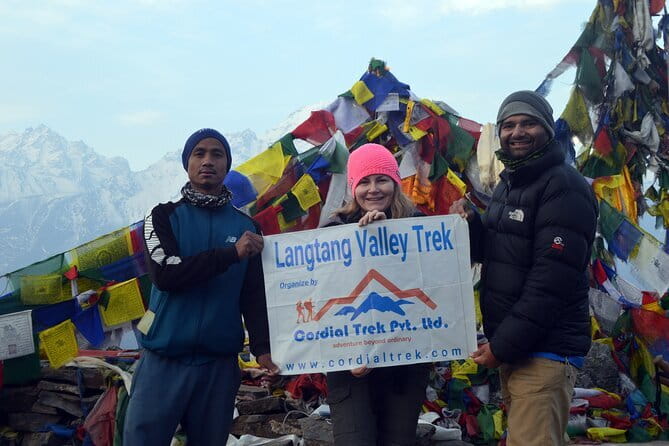
Review · LANGTANG VALLEY TREKS
Kathmandu to Langtang Valley 7-Day Trek
Langtang delivers big mountain drama in a week. I love walking through Langtang National Park with rhododendrons and pine, and I love how the trek is handled by a real guide-and-porter team, including names like Raj Tamang and Pratip. You get temple stops, high viewpoints, and that feeling of being deep in the Himalaya without needing a lifetime of training.
One possible drawback to plan for: meals aren’t included. That means you’ll want to budget for breakfast and dinner at the mountain guest houses and carry a few trail snacks so you’re not stuck hungry between towns.
In This Review
- Key things that make this trek worth your time
- Why Langtang Valley feels special, even if you only have a week
- Price and what you actually get for around $300
- Day 1: Kathmandu to Syabrubesi, a smooth start that still feels like travel
- Day 2: Syabrubesi to Lama Hotel inside the park
- Day 3: Lama Hotel to Langtang Village, rhododendron-and-pine hiking
- Day 4: Langtang Village to Kyanjin Gompa, monasteries and mountain views
- Day 5: Kyanjin Gompa to Kyanjin Ri (4,773m) and back
- Day 6: Lama Hotel back to Syabrubesi, your last forest walk
- Day 7: Syabrubesi to Kathmandu, 7–8 hours and then your hotel door
- The real value: how the trek runs with guides and porters
- What to pack and how to prepare (so you don’t suffer unnecessarily)
- Is this the right trek for you?
- Should you book this Kathmandu to Langtang Valley trek?
- FAQ
- How long is the Kathmandu to Langtang Valley trek?
- What time does the trek start?
- Is hotel pickup and drop-off included in Kathmandu?
- What transportation is included between Kathmandu and Syabrubesi?
- Are the trekking permits included?
- Where will I sleep during the trek?
- Are meals included in the price?
- What is the highest point on the route?
- Can I cancel for a full refund?
Key things that make this trek worth your time
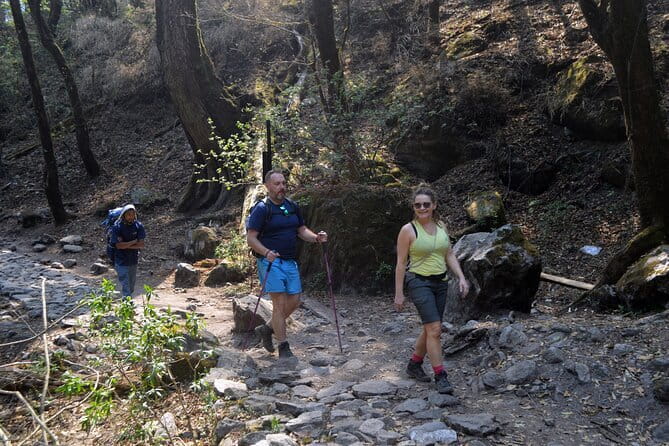
- Rhododendron-and-pine trail: classic Langtang scenery that changes day to day
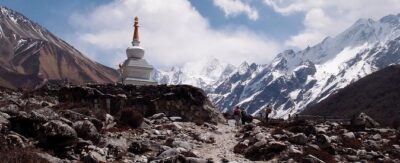
- Kyanjin Gompa: an older monastery stop with big mountain sightlines
- Kyanjin Ri (4,773m): the high-point day trip with panoramic views
- Park permits included: National Park permit + TIMS card are part of the package
- Guest-house nights: mountain lodging is included, not just a “plan to hike”
- Support on the ground: guides and porters are set up to keep the group moving well
More trails out of Kathmandu, boots ready
- Everest Base Camp Trek – 14 Days★ 5.0 · 1,499 reviews
- Everest Base Camp Trek★ 5.0 · 842 reviews
- Everest Base Camp Trekking★ 5.0 · 485 reviews
- Nagarkot Sunrise View and Day Hiking from Kathmandu★ 5.0 · 471 reviews
Why Langtang Valley feels special, even if you only have a week
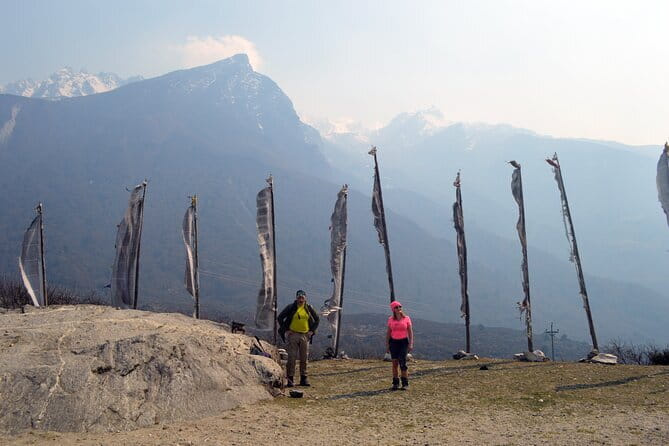
Langtang Valley sits about 80 kilometers north of Kathmandu, inside Langtang National Park. The park runs right up toward China’s Tibet Autonomous Region, so you get that sense of the Himalaya as a real borderland, not just scenery on a postcard.
This trek is also very “forest-to-mountain” in feel. You’ll pass through dense woodlands with deciduous oaks and maples, pine in the higher stretches, and rhododendrons that can be spectacular when they’re in bloom. Wildlife is part of the story too: the park is known for animals like the Himalayan Black Bear, Himalayan Tahr, red panda, and plenty of birds (the count is listed as more than 250 species). You’re not guaranteed to see these animals, but the park setting is legit.
Price and what you actually get for around $300
At $300 per person for about 7 days, the value is mostly in what’s bundled. You’re not just paying for a guide and a vague route—you’re getting sharing jeep/bus between Kathmandu and Syabrubesi, mountain guest-house lodging, and the required paperwork (National Park permit and TIMS card). You also get hotel pickup and drop, which matters because Kathmandu starts can feel chaotic.
Meals are the one big gap: they’re not included. That doesn’t mean the trek is “more expensive,” but it does mean you should expect to spend extra on food on top of the base price. If you already know you prefer trail snacks plus simple guest-house meals, this cost is easy to manage.
Day 1: Kathmandu to Syabrubesi, a smooth start that still feels like travel
Your day starts early, with a listed start time of 6:45 am. From Kathmandu, you’re picked up from your hotel or apartment, then taken to the Balaju area for the bus connection.
The road day is long—expect around 6–7 hours by bus toward Syabrubesi (Syzapru Besi on some spellings). It’s a full day even before you hit the trail, so plan to travel light. Bring only what you truly need for the next few days; you’ll be thankful once you’re carrying your day pack and adjusting layers instead of figuring out luggage.
Why this day is worth doing the guided way: the operator handles the transport timing and the transfer flow, so you can spend your energy on settling in rather than negotiating rides.
Day 2: Syabrubesi to Lama Hotel inside the park
Day two is your first main hiking push: about 5–6 hours from Syabrubesi to Lama Hotel, starting inside Langtang National Park.
This is the day where the trail’s character shows up. You’ll walk past scenery like waterfalls and through village surroundings before the forest feel takes over. The practical takeaway: you’re building endurance while also getting plenty of interest on the way up—so it doesn’t feel like “just uphill walking.”
A small planning note: guest houses at this stage are part of the experience. You’re not camping, and you’re not going without shelter—you’re moving town-to-town in the way tea-house trekking is set up.
Before you lock this one in, a few Kathmandu alternatives:
Day 3: Lama Hotel to Langtang Village, rhododendron-and-pine hiking
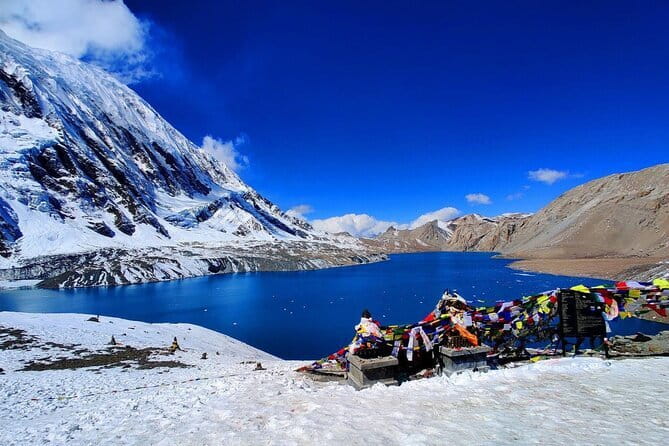
On day three you’ll hike about 6–7 hours from Lama Hotel to Langtang village. The route runs through a dense mix of rhododendrons and pine trees, which is great because it changes the visuals and can break up the monotony of a single trail style.
This is also where you’ll feel the altitude progression more. Even without exact elevation numbers for every day, the “more than 4,000 meters later” reality becomes part of your planning. If you’re new to trekking, this is a good day to practice pacing: steady effort, short breaks, and not rushing just because others can move faster.
You also get a more grounded sense of place here. Langtang village is where the trek stops feeling like a pure hike and starts feeling like a community you’re passing through.
Day 4: Langtang Village to Kyanjin Gompa, monasteries and mountain views
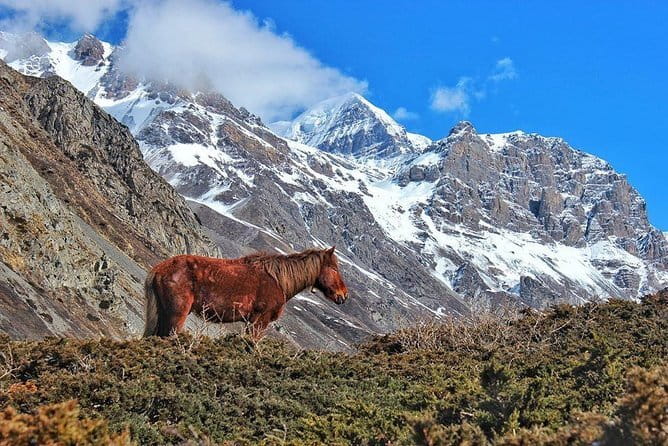
Day four is a shorter hike by time—about 3–4 hours—from Langtang village to Kyanjin Gompa. That change of pace is valuable. It gives your legs time to recover a bit before the highest viewpoint day.
Kyanjin Gompa is listed as one of the oldest monasteries in the region. Even if you’re not a big religious-history person, monasteries are useful stops on a trek: they break up the walking rhythm, give you a place to sit, and often offer clear sightlines to mountain angles as the day unfolds.
If you care about photography, this is a day to pay attention. You’ll likely have the best chance to soak in the view without the pressure of trying to rush to a peak.
Day 5: Kyanjin Gompa to Kyanjin Ri (4,773m) and back
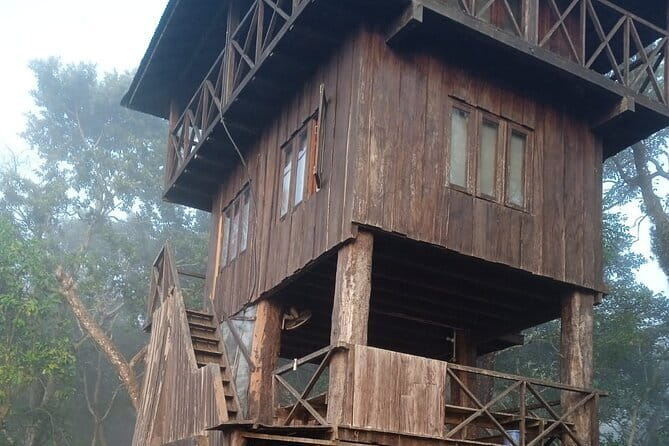
This is the big “wow” day. You’ll do a round trip from Kyanjin Gompa to Kyanjin Ri, listed at 4,773 meters. The hike time is about 3–4 hours round trip, which is surprisingly manageable on paper—but you’ll feel it because you’re going higher.
The payoff is panoramic. The viewpoints are listed as including Mt. Langtang Ri, Mt. Dorje Lakpa, and Mt. Langtang Lirung. This is the kind of viewpoint that makes the whole week feel justified: you see the bigger geometry of the range, not just the trail in front of you.
When I think of high-day trekking logistics, I focus on two things: layers and pacing. Keep your layers easy to adjust, and don’t burn out early. You want to arrive feeling like you can actually enjoy the view, not just survive to the top.
After the viewpoint day, you hike back down to Lama Hotel for your night.
Day 6: Lama Hotel back to Syabrubesi, your last forest walk
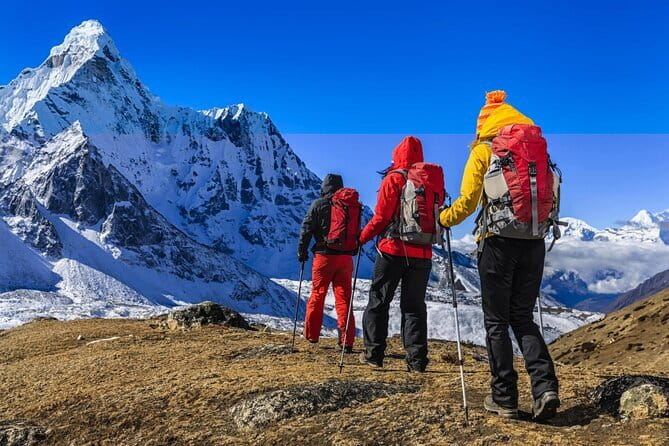
Day six brings you back down the trail. You’ll hike about 5–6 hours from Lama Hotel to Syabrubesi, with a guest house in Syabrubesi for your overnight.
This is often the day people underestimate. Going down feels easier, but it can be hard on knees and feet. Take breaks even if you feel okay, because the next day is still a long road ride back to Kathmandu.
It’s also a good day for simple satisfaction: you’ve done the uphill work, you know the trail rhythm now, and you can focus on enjoying the final stretch rather than worrying about “what’s ahead.”
Day 7: Syabrubesi to Kathmandu, 7–8 hours and then your hotel door
Your last day is travel: around 7–8 hours by bus or sharing jeep from Syabrubesi back to Kathmandu. After you arrive, you’re escorted back to your hotel.
The practical reason guided trekking operators handle this part well: transportation is the part where plans can get messy. Having the ride organized reduces stress when you’re tired from the trek.
Once you’re back in Kathmandu, you’ll likely want food that doesn’t involve simple mountain-guest-house options and a shower that feels like it takes effort off your shoulders.
The real value: how the trek runs with guides and porters
The package includes a guide/porter team setup in practice, and the names that come up in Langtang trekkers’ experience include Raj Tamang and Pratip, plus support staff like Dup and Maila. The consistent theme is that the team keeps things organized and caring—basically, they help you not waste your energy on confusion.
That matters because Langtang is not a “walk anywhere, anytime” trail. The plan is structured across set days, with permits and a predictable route from Syabrubesi to Lama Hotel, to Langtang village, to Kyanjin Gompa, and then back.
If you want a smooth trek for your first time, you’ll care about a guide who explains what’s happening and keeps your pace realistic. If you do get Raj Tamang or Pratip, I’d treat that as a lucky match and ask questions when you have them—history and culture are part of how the route is interpreted, not just a backdrop.
What to pack and how to prepare (so you don’t suffer unnecessarily)
This trek is listed as suitable for people with moderate physical fitness and even for those with no prior trekking experience. Still, that doesn’t mean “easy.” The hiking days range from about 3–7 hours, and one day includes a climb to 4,773m.
Here’s how I’d prepare without overthinking it:
- Pack layers for higher altitude mornings and warmer daytime stretches.
- Bring good footwear that works for long walking days.
- Use a day pack for your essentials; keep weight sensible.
- Plan for snacks, since meals aren’t included in the package.
- Bring enough cash or payment method for food, since you’ll be buying it daily at guest houses.
Also note seasonality: the trek is available all year except monsoon seasons. If you pick a month outside monsoon, you’re more likely to get the kind of walking conditions most people hope for.
Is this the right trek for you?
If you want a 7-day route that combines forest walking, village atmosphere, monastery culture, and a real high-mountain viewpoint, this is a strong match. It’s especially good for first-timers who want a guided plan that reduces the guesswork.
Think twice if you strongly dislike long road days. The Kathmandu-to-Syabrubesi transfer and the return to Kathmandu both take most of a day. Think also if you’re not comfortable with the idea of buying your own meals each day—because the base price doesn’t cover food.
Should you book this Kathmandu to Langtang Valley trek?
I’d book it if you want organized trekking with permits handled, a clear route, mountain guest-house nights, and a highlight day at Kyanjin Ri (4,773m). The price also looks fair for what’s included, as long as you budget for meals on top.
I wouldn’t book it if you need meals included in the final cost or if you want a very short hiking schedule with minimal time on the move. This trek asks you to walk—then it rewards you with Langtang’s scale and the calm of the park.
If that sounds like your kind of trip, this is a very solid way to spend a week in the Himalaya.
FAQ
How long is the Kathmandu to Langtang Valley trek?
It’s listed as 7 days approximately.
What time does the trek start?
The meeting start time is 6:45 am.
Is hotel pickup and drop-off included in Kathmandu?
Yes. Hotel pick up and drop are included.
What transportation is included between Kathmandu and Syabrubesi?
Sharing jeep/bus transportation is included for the Kathmandu–Syapru Besi–Kathmandu route.
Are the trekking permits included?
Yes. The National Park permit and TIMS card are included.
Where will I sleep during the trek?
Mountain guest houses are included, plus a guest house in Syabrubesi on the return night.
Are meals included in the price?
No. Meals are not included.
What is the highest point on the route?
Kyanjin Ri is listed at 4,773 meters.
Can I cancel for a full refund?
Yes—free cancellation is offered if you cancel at least 24 hours before the experience’s start time.
More 7-Day Experiences in Kathmandu
More Trekking Out of Kathmandu
More Tour Reviews in Kathmandu
Just Reviewed in Kathmandu
- Mountain Bike Tour
★ 5.0 · 3 reviews - Annapurna Panaroma
★ 5.0 · 3 reviews - Mount Everest Scenic Flight 50 Minutes
★ 5.0 · 3 reviews - Kathmandu : Swambhunath & Durbar Square Guided Half Day Tour
★ 3.3 · 3 reviews - Chandragiri Cable Car & Monkey Temple Tour – Private/Group
★ 5.0 · 3 reviews - Kathmandu: Shivapuri National Park Hiking Day Trip
★ 3.3 · 3 reviews
Langtang Valley Treks, compared.
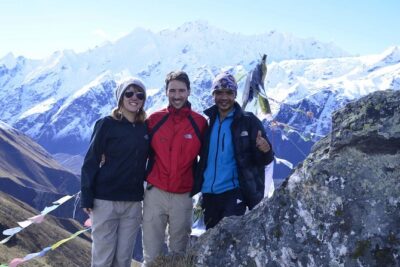 ★ 5.0Langtang Valley TrekFrom $555140 reviews
★ 5.0Langtang Valley TrekFrom $83061 reviews
Langtang Valley TrekFrom $70050 reviews
★ 5.0Langtang Valley TrekFrom $555140 reviews
★ 5.0Langtang Valley TrekFrom $83061 reviews
Langtang Valley TrekFrom $70050 reviews
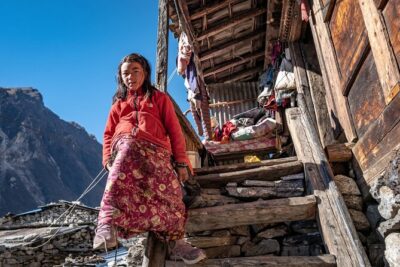 ★ 5.08 Days Tour in Langtang Valley TrekFrom $69845 reviews
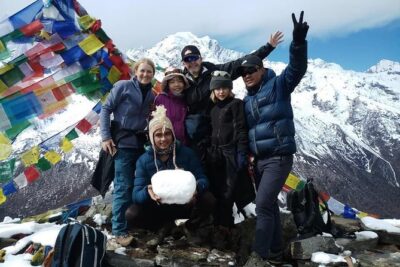 ★ 5.0Private 8 – Day Langtang TrekkingFrom $58429 reviews
★ 5.0Langtang Valley TrekFrom $1,00023 reviews
★ 5.0Private 8 – Day Langtang TrekkingFrom $58429 reviews
★ 5.0Langtang Valley TrekFrom $1,00023 reviews
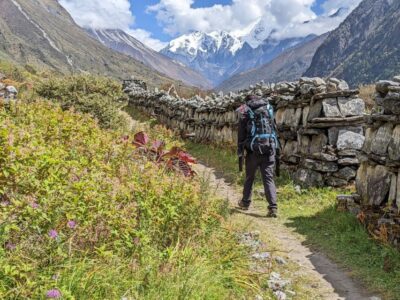 ★ 5.06-Day Limitless Langtang TrekFrom $18121 reviews
 ★ 5.0Langtang Valley TrekkingFrom $75020 reviews
Browse the lists this tour appears in