
Review · LANGTANG VALLEY TREKS
Langtang Trek from Kathmandu 7 Days
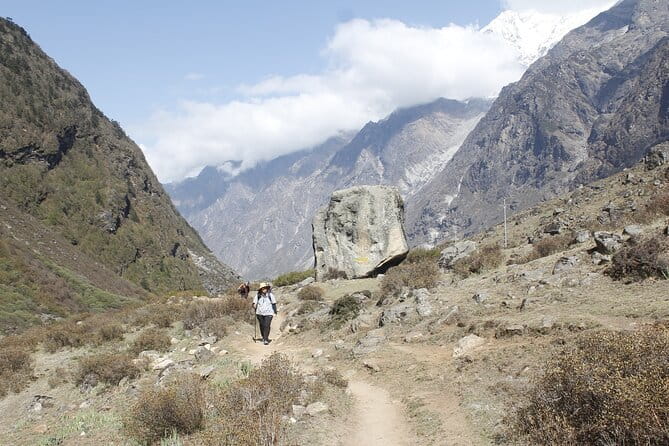
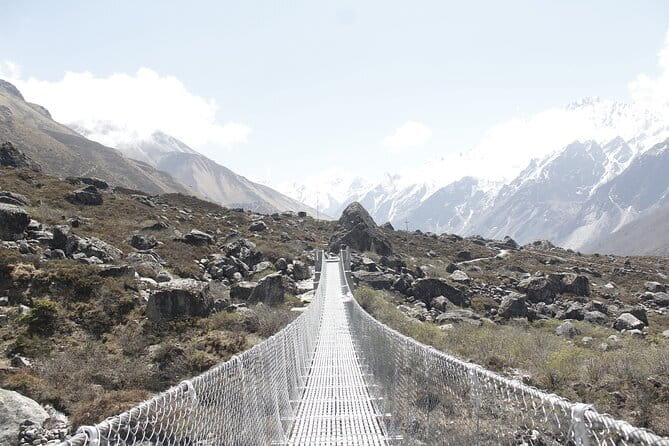
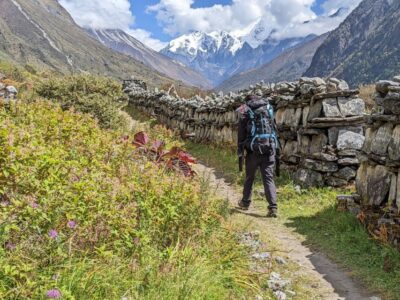
Langtang moves fast, even on day one. This 7-day trek through Nepal’s Langtang Valley is interesting because you get both culture and big mountain scenery without needing an extreme Himalayan itinerary. You’ll start with a Kathmandu-to-Syabrubesi transfer, then follow the Langtang Khola past rhododendron forests, monasteries, and Tamang and Sherpa villages in Langtang Valley.
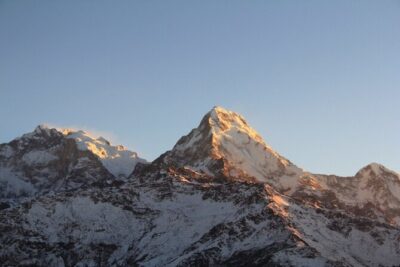
What I like most is the way the route balances walk time with scenery payoff. I love the chance to meet people in traditional villages and visit Buddhist sites along the way, especially around Kyanjin. I also love the natural variety: oak and rhododendron forests, alpine meadows, and crystal-clear rivers, all framed by snow-capped peaks like Langtang Lirung (7,227 meters).
One drawback to think about: this is at altitude, so you’ll need moderate fitness and a basic willingness to work steadily uphill. The itinerary includes a viewpoint push around 4,700 meters, where breathing can feel different, even if the trek is considered more accessible than the hardest treks.
In This Review
- Key points that make this Langtang trek worth it
- From Kathmandu to Syabrubesi: start smart, start early
- Following the Langtang Khola to Lama Hotel
- Langtang Village: rhododendron color and real community life
- Kyanjin Ri and Kyanjin Gompa: monastery views without the rush
- Kyajin Ri viewpoint day: 4,700 meters and a controlled descent
- Back to Syabrubesi and the Kathmandu drive out
- Price and logistics: what you’re really paying for
- Lodges, permits, and what to pack for a moderate trek
- Who this trek suits best (and who might want a different route)
- Service quality: what you’ll likely feel on the trail
- Should you book this Langtang Trek from Kathmandu?
- FAQ
- How long is the Langtang Trek from Kathmandu?
- What’s included in the price?
- Do I need a permit, and who arranges it?
- How physically demanding is this trek?
- Is transportation included for the trip to and from the trekking area?
- Is the activity private, and what about cancellation?
Key points that make this Langtang trek worth it
- Real village walking with Tamang and Sherpa communities, plus monasteries that add meaning to the views.
- Kyanjin Gompa and panoramic ridgeline viewpoints, including the Kyajin Ri summit at about 4,700 meters.
- Permits handled for you (TIMS card + trekking permit), which removes a common hassle for independent planning.
- Lodge accommodation on the trekking days, so you’re not carrying tents or cooking gear.
- English-speaking guide and private group setup, which can make decisions on timing and pace easier.
More trails out of Kathmandu, boots ready
- Everest Base Camp Trek – 14 Days★ 5.0 · 1,499 reviews
- Everest Base Camp Trek★ 5.0 · 842 reviews
- Everest Base Camp Trekking★ 5.0 · 485 reviews
- Nagarkot Sunrise View and Day Hiking from Kathmandu★ 5.0 · 471 reviews
From Kathmandu to Syabrubesi: start smart, start early
Your day begins in Kathmandu with pickup and drop-off, then a transfer out toward Syabrubesi. Plan on a long travel day—about 7 hours on the schedule—so treat this as part of the experience, not a separate chore. Early starts matter here because you’ll feel the difference between arriving relaxed and arriving ready to walk.
Syabrubesi is where the trek effectively begins. You’ll sleep in lodge-style accommodation at Hotel Garden inn Shyfru Bensi. That first night matters more than you might expect. It’s your chance to settle, eat well, and get your layers right before the trail starts climbing in earnest.
If you’re coming from sea level or you’re not used to trekking, I’d recommend you keep that evening low-key. You don’t need to be dramatic about it, just don’t burn energy in Thamel or on the walk to dinner. Save your legs for tomorrow.
Following the Langtang Khola to Lama Hotel
The next leg follows the Langtang Khola, and the hiking is described as clearly marked with lush greenery and glimpses of the rushing river. This is a classic “get into rhythm” day. It’s not about conquering steep technical terrain. It’s about walking steadily while the valley scenery builds around you.
You’re scheduled for about 6 hours to reach Lama Hotel. Along the way, the biggest payoff tends to be how quickly the air cools and how alive the forest feels—mossy trees, shade, and frequent changes in trail texture. The river stays in the background, so even when the trail twists, you’re never totally guessing where you are.
A practical tip: don’t treat this day like a rest day. You’ll want to start moving early enough that you finish with daylight, especially if you’re the type who stops for photos every few minutes. If your guide suggests a pace, take it seriously. On treks like this, pace is your altitude insurance.
Langtang Village: rhododendron color and real community life
Day 3 heads toward Langtang Village, and the description highlights forests with moss-covered trees and bursts of colorful rhododendron blooms. Even if rhododendrons aren’t at peak every single season, the point stands: this is where the trek starts feeling distinctly “place-based,” not just “walk to the next dot on the map.”
You’ll again spend about 6 hours hiking. This is a good day to slow down and actually look at what’s around you. Traditional Tamang and Sherpa village life isn’t a side quest—it’s part of why this trek works. You’ll get a chance to interact with villagers and see the spiritual texture of the region, not just the scenery.
Possible drawback here: if you’re hoping for long, sweeping views every hour, you may feel like the forest and village moments are the main event. That’s still a win, but it’s a different style of trekking satisfaction than, say, a route that’s all ridge and sky all day.
Kyanjin Ri and Kyanjin Gompa: monastery views without the rush
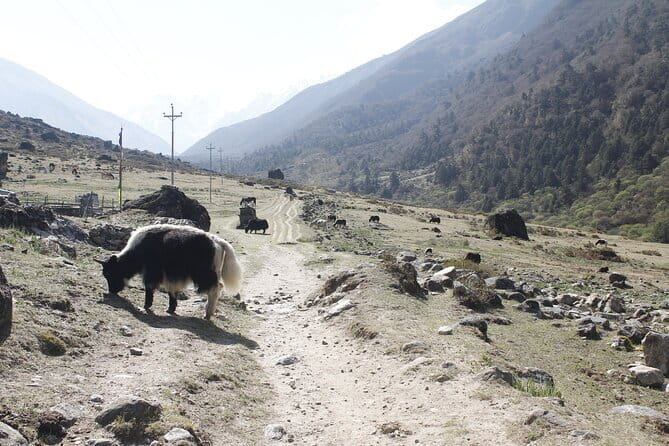
On day 4, the trek pushes higher and the air gets crisper. The big highlight is Kyanjin Gompa, a Buddhist monastery area around 3,800 meters. This isn’t just a landmark photo stop. A monastery is a place where people live their daily rhythm, and it changes how you experience the mountains. You’re not just staring up; you’re witnessing devotion and calm against rugged terrain.
You’re scheduled for about 6 hours on this day. Expect more altitude feeling in your legs and your breathing. This is also where you’ll want to use your guide’s advice about pace and resting. With an English-speaking guide, you can ask simple questions like what to watch for on the path and how hard the next day’s viewpoint will feel.
Also, keep your expectations realistic: you’ll likely see big panoramas, but the trek is still about steps and timing. If you arrive and immediately sprint to the best angle, you might pay for it on the next segment. A calmer approach usually gives better photos anyway.
Before you lock this one in, a few Kathmandu alternatives:
Kyajin Ri viewpoint day: 4,700 meters and a controlled descent
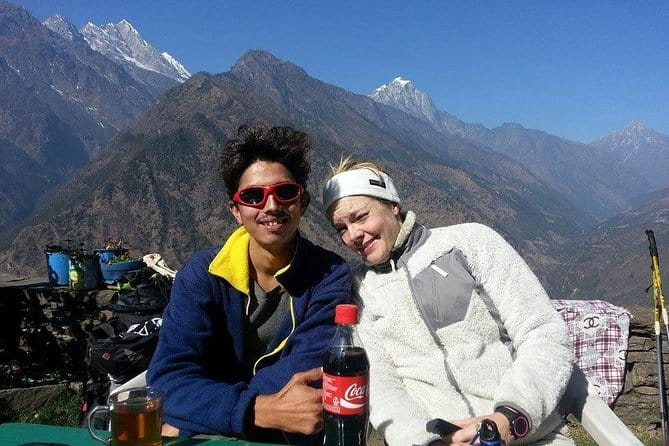
Day 5 is the day for the higher viewpoint. You’ll reach the summit of Kyajin Ri at about 4,700 meters (the trek schedule places this on the day when you’re heading to Lama Hotel). This is a key day for judging whether you have the right attitude for altitude: steady effort beats hero speed.
You’re scheduled for about 6 hours total, and the description notes rocky ridges, narrow paths, and occasional steep sections. Translation: the terrain can feel more serious than earlier days, even if this trek is often labeled accessible for moderate fitness.
My advice if you’re not sure about altitude: focus on breathing and small goals. You don’t need to “win” the mountain. Just keep your pace even. If your guide slows down or suggests shorter steps, take it as a smart safety move, not a sign of weakness.
When you start down toward Lama Hotel, the work becomes leg-based in a different way. Descents are where knees complain. Bring trekking poles if you have them. They’re one of those boring items that can save a great trek from turning into a soreness contest.
Back to Syabrubesi and the Kathmandu drive out
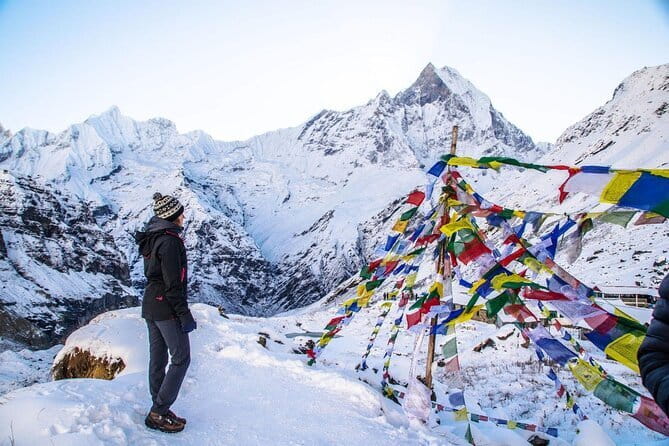
On day 6, you retrace the valley back toward Syabrubesi, with about 5–6 hours on the trail. The description emphasizes descending through forests, streams, and local areas, plus charming villages. This day is often where you get the “I can’t believe I walked that” feeling. You’ve seen the river and ridges up close before, but now you experience them as familiar friends.
You’ll stay again at Hotel Garden inn Shyfru Bensi. Use the extra evening time well: wash up, eat something warm, and pack for travel the next day. Lodges are simple here, so treat comfort like a strategy—bring layers and expect basic amenities.
Day 7 returns you to Kathmandu by road. You’re scheduled for about 7–8 hours with breaks for stretching. This drive is long, so choose comfortable clothes that won’t make you hate sitting. When you arrive back in Kathmandu, you’ll appreciate the change in noise level and the chance to sleep in a normal bed.
Price and logistics: what you’re really paying for
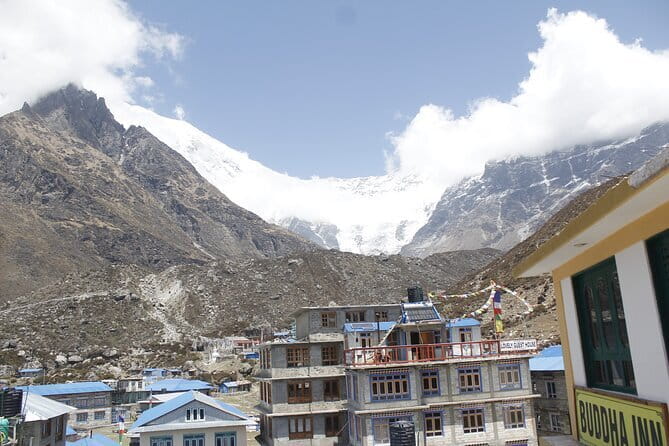
At $410 per person for a 7-day trek, this is positioned as a mid-range option. The value comes from what’s bundled in: hotel pickup and drop-off, round-trip transfer by sharing local bus, trekking permit and TIMS card, an English-speaking trekking guide, and lodge accommodation during the trek.
Those elements add up fast if you try to assemble them yourself. Permits are a real factor here, and the need for passport details plus a photo to issue the permit is a common sticking point for solo planning. Having the guide and permits handled means you can spend your energy on the trail instead of paperwork.
One more value point: the tour is listed as private, and it says only your group participates. That usually translates into a more controllable pace and fewer awkward waits behind strangers. If you’re traveling with family or friends, that can be a big comfort boost.
Lodges, permits, and what to pack for a moderate trek
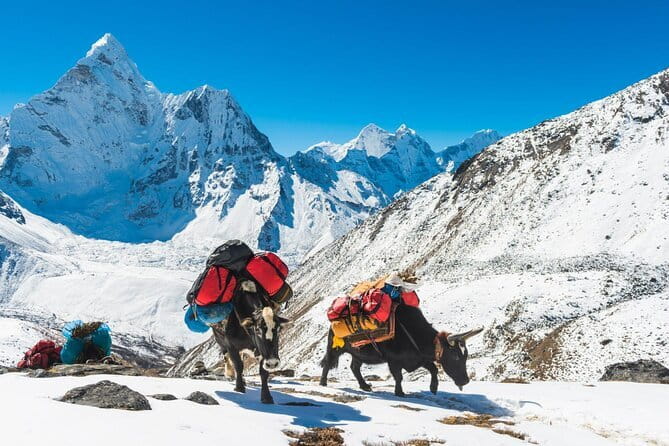
The trek includes accommodation in lodge-style settings, which means you’ll be sleeping in simple rooms rather than carrying your own tent. That’s a huge reduction in baggage pressure, but don’t mistake “lodge” for “hotel.” Plan for basic comforts and focus on sleep and warmth.
You’ll also handle permits: TIMS card and the trekking permit are included, but the operator needs your passport details and a photo (a selfie works) to issue them. That’s a practical step you should complete quickly after booking so your confirmation process stays smooth.
For packing, I’ll keep it grounded because the exact lodge amenities aren’t spelled out. You should still bring:
- A warm layer for higher altitude days (Kyanjin Ri and Kyajin Ri area).
- A rain layer, since trekking valleys can surprise you.
- Good walking shoes with grip for rocky ridges and narrow paths.
- A small daypack for water and snacks.
- If you use trekking poles, bring them for the steep and rocky bits.
Who this trek suits best (and who might want a different route)
This trek is marked as suitable for travelers with moderate physical fitness. That fits people who can hike for around 6 hours per day and handle altitude gradually. You’re still going to 3,800 meters near Kyanjin Gompa and up to about 4,700 meters for Kyajin Ri, so this is not a casual walk.
It’s a great fit if you want:
- A guided experience with permits sorted and an English-speaking guide.
- A mix of village culture and mountain viewpoints.
- A route that’s varied but not the kind of grind that demands peak-tracker stamina.
If you’re seeking purely panoramic ridge hiking every day, the forest-and-village feel might be more present than you expect. If you hate altitude uncertainty entirely, you may want to plan an alternate trek with lower high points—but that isn’t suggested here.
Service quality: what you’ll likely feel on the trail
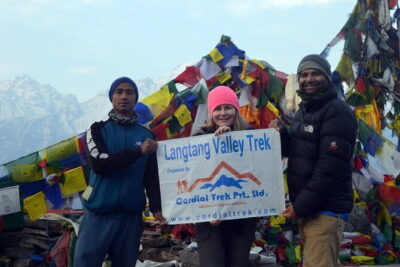
The standout theme in the feedback is simple: service that stays friendly and gets the job done. People highlight good and excellent service, a perfect guide, and nice accommodation. One family-focused comment also praises well-trained and friendly guidance.
That matters because on a trek, the guide isn’t only there for navigation. They help you pace the days, manage timing, and keep the experience running smoothly when fatigue hits. The fact that you get an English-speaking guide also tends to lower stress. Questions feel easier, and you can ask for small changes without guessing.
Should you book this Langtang Trek from Kathmandu?
If you want a guided Langtang Valley trek that mixes Tamang and Sherpa village life with high-altitude viewpoints like Kyanjin Gompa and Kyajin Ri, this looks like a smart package. The $410 price makes sense mainly because permits, transfers, and lodge support are included, and you’re not assembling all those moving parts yourself.
I’d book it if you can do 5–6 hours of walking most days, handle altitude gradually, and you like the idea of monastery stops and village interactions as much as big mountain photos. You’ll also appreciate the private group setup if you’re traveling with family or friends and want a smoother pace.
Skip or reconsider if you want a mostly flat hike, you’re very altitude-averse, or you prefer highly strenuous days as the main goal. Langtang here is about steady effort, real local culture, and a viewpoint reward that feels earned.
FAQ
How long is the Langtang Trek from Kathmandu?
The trek is listed as about 7 days.
What’s included in the price?
It includes hotel pickup and drop-off in Kathmandu, round-trip transfer by sharing local bus, trekking permit and TIMS card, an English-speaking trekking guide, lodge accommodation, and a private trip setup.
Do I need a permit, and who arranges it?
Yes. The trekking permit and TIMS card are included, and the operator needs your passport details plus a photo (a selfie works) to issue the permit.
How physically demanding is this trek?
It’s described as suitable for travelers with moderate physical fitness. The route includes gradual ascent and at least one higher viewpoint day around 4,700 meters.
Is transportation included for the trip to and from the trekking area?
Yes. You’ll get round-trip transfer by sharing local bus, and Kathmandu pickup/drop-off is included.
Is the activity private, and what about cancellation?
It’s listed as private, meaning only your group participates. Free cancellation is offered up to 24 hours in advance for a full refund.
More 7-Day Experiences in Kathmandu

More Trekking Out of Kathmandu






More Tour Reviews in Kathmandu




Just Reviewed in Kathmandu
- Mountain Bike Tour
★ 5.0 · 3 reviews - Annapurna Panaroma
★ 5.0 · 3 reviews - Mount Everest Scenic Flight 50 Minutes
★ 5.0 · 3 reviews - Kathmandu : Swambhunath & Durbar Square Guided Half Day Tour
★ 3.3 · 3 reviews - Chandragiri Cable Car & Monkey Temple Tour – Private/Group
★ 5.0 · 3 reviews - Kathmandu: Shivapuri National Park Hiking Day Trip
★ 3.3 · 3 reviews
Langtang Valley Treks, compared.
 ★ 5.0Langtang Valley TrekFrom $555140 reviews
★ 5.0Langtang Valley TrekFrom $83061 reviews
Langtang Valley TrekFrom $70050 reviews
 ★ 5.08 Days Tour in Langtang Valley TrekFrom $69845 reviews
 ★ 5.0Private 8 – Day Langtang TrekkingFrom $58429 reviews
★ 5.0Langtang Valley TrekFrom $1,00023 reviews
 ★ 5.06-Day Limitless Langtang TrekFrom $18121 reviews
★ 5.0Langtang valley trekFrom $61820 reviews
Browse the lists this tour appears in