
Review · WORKSHOPS
Knife Khukuri Making Workshop
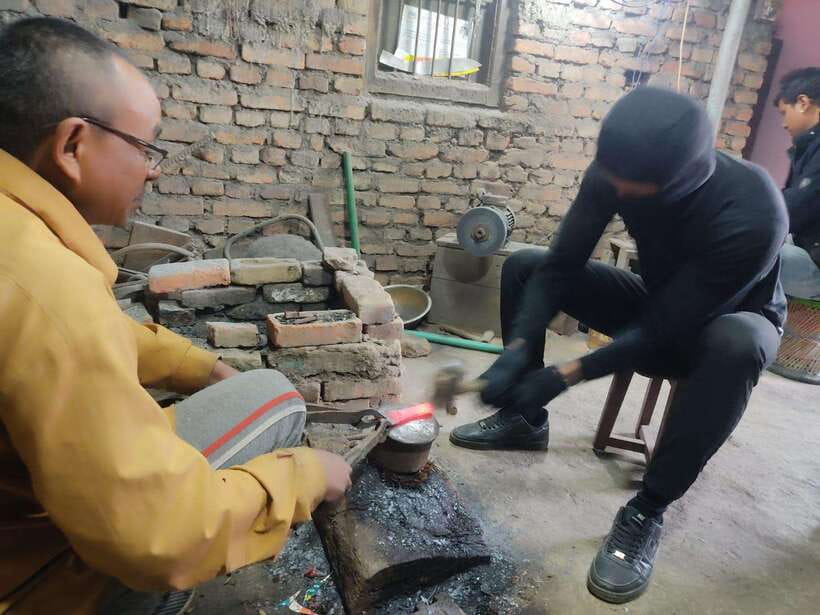
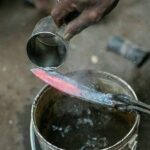
Making a khukuri feels like stepping into craft school. You’ll head to a Bagmati Zone blacksmith’s place to help shape your own small blade, learning the history and purpose of the khukuri while guides like Namrata or Sajeena keep everything clear in English or Hindi.
I especially like the way you get real hands-on time (hammering and early grinding), not just watching. The other big win is the end result: a tough, usable knife you can actually keep. One thing to plan for: the most dangerous part (sparking blade grinding) is handled by the host, so you won’t be doing every step yourself.
In This Review
- Key highlights to look forward to
- What You Build: A 6-Inch Kathmandu Khukuri
- Meet the People Behind the Hammer: Bagmati Zone Workshop Life
- The 4-Hour Workshop Schedule, Step by Step
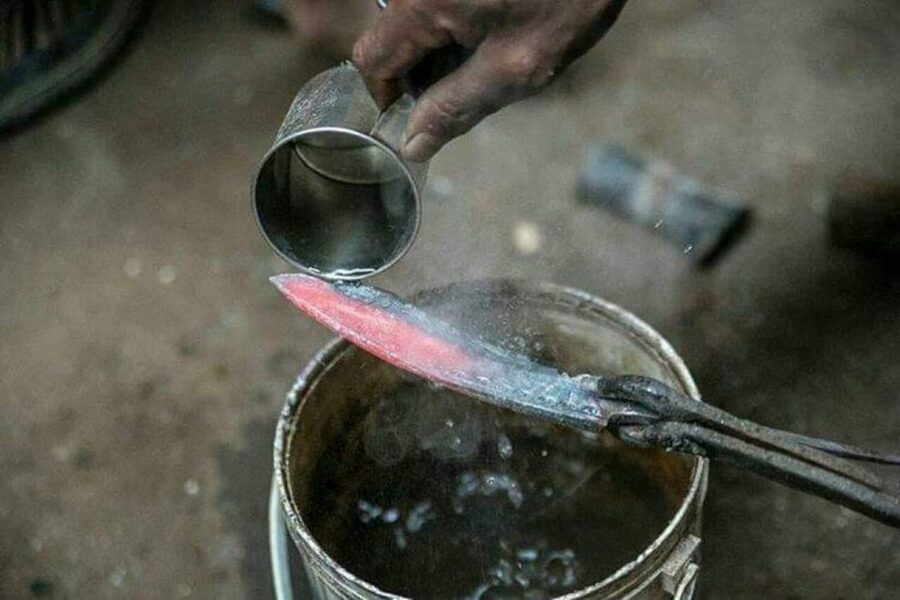
- Hammering and First Grinding: What You’ll Actually Do
- The Hot Work and Safety: What the Host Handles With Sparks
- Culture in the Blade: Gurkha Meaning and Design Details
- What You Take Home: Knife Cover and Handle Material Options
- Price and Value: Is $73 Worth It?
- Who This Workshop Suits (and Who Should Skip)
- Should You Book This Khukuri Workshop?
- FAQ
- How long is the Knife Khukuri Making Workshop?
- Is hotel pickup and drop-off included?
- How many people are in the group?
- What languages will the host or guide speak?
- What should I bring?
- Is it suitable for children?
- Will I grind the blade myself?
- What’s included in the workshop fee, and can I cancel?
Key highlights to look forward to
- A veteran blacksmith’s workshop: learn from a maker with 40+ years of experience
- You shape the metal: hammering and first grinding are part of your hands-on time
- A small 6-inch souvenir khukuri: made specifically for this workshop
- Culture built into the design: Gurkha symbolism, multipurpose use, and the nick near the handle
- Small group size: limited to 5 participants, so you can ask questions
Make something to carry home
- Half day cooking class in Thamel kathmandu★ 5.0 · 607 reviews
- Kathmandu: Local Women-Led Nepali Cooking & Momo Class★ 4.9 · 360 reviews
- Kathmandu: Local Lead Nepali Cooking & Momo-Making Class★ 5.0 · 212 reviews
- Knife (Khukuri) Making Workshop- Forge of the Gurkhas★ 5.0 · 143 reviews
What You Build: A 6-Inch Kathmandu Khukuri
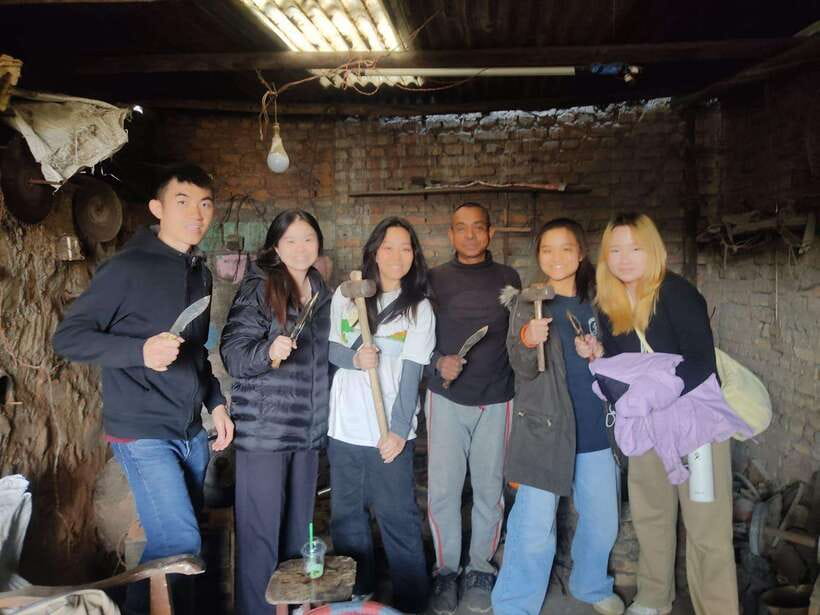
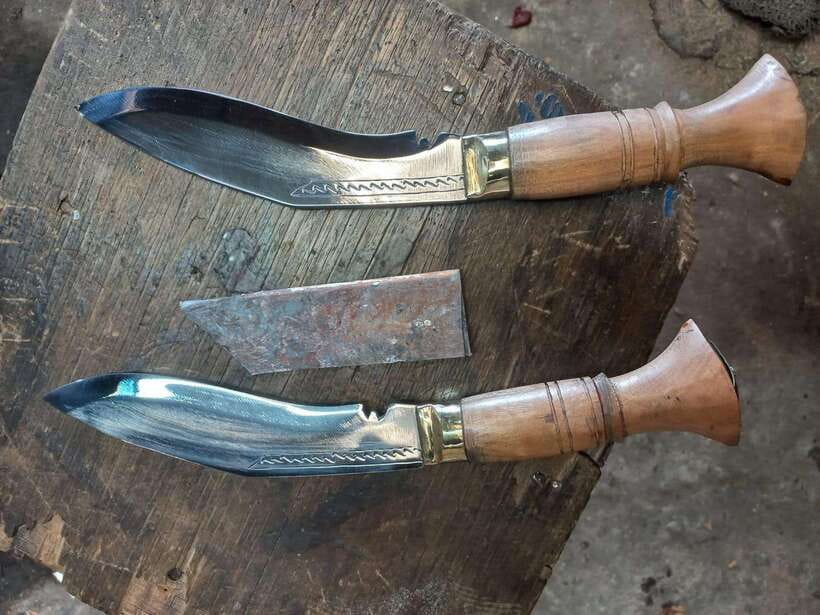
This workshop is built around one satisfying goal: you leave with a khukuri knife that you helped create. For this class, the blade is a smaller one at about 6 inches, which is easier to manage during a 4-hour session and still feels plenty substantial in your hand.
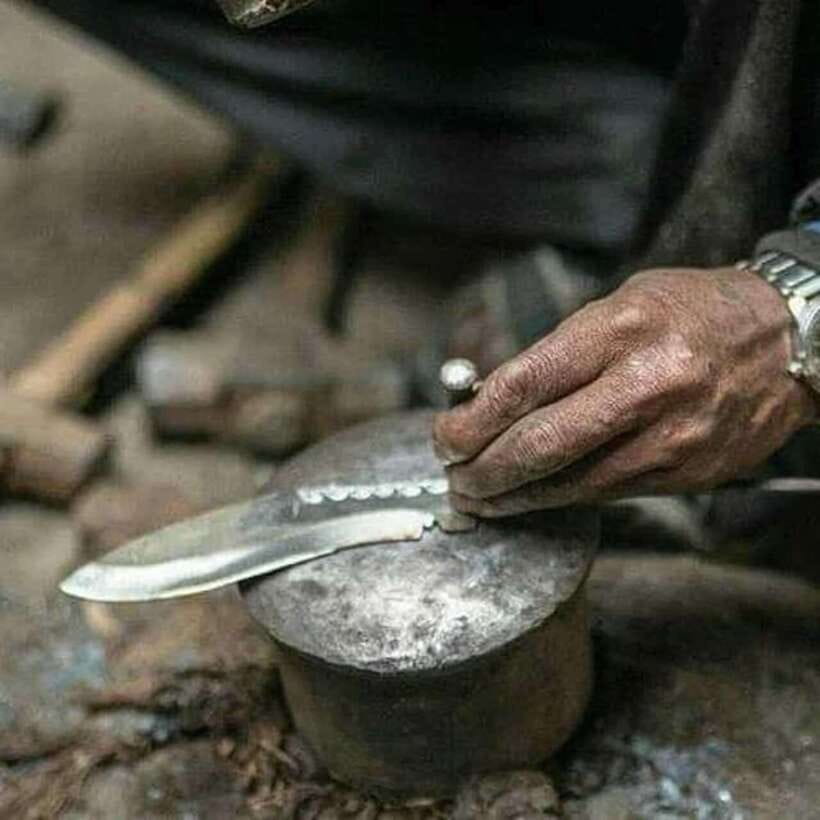
The khukuri isn’t just a fashion knife. It has a slightly curved tempered-steel blade that’s known for being very sharp, and a handle usually made from wood or buffalo horn. You’ll also hear why the design details matter—especially the nick in the blade close to the handle. That nick helps keep blood from reaching the handle, and it also has cultural symbolism tied to the Hindu Trinity: Brahma, Vishnu, and Shiva.
If you’re wondering whether it’s practical, yes. A khukuri is traditionally multipurpose—think shaping timber and chopping meat and vegetables. In other words, you’re making something meant to work, not just sit on a shelf.
Meet the People Behind the Hammer: Bagmati Zone Workshop Life
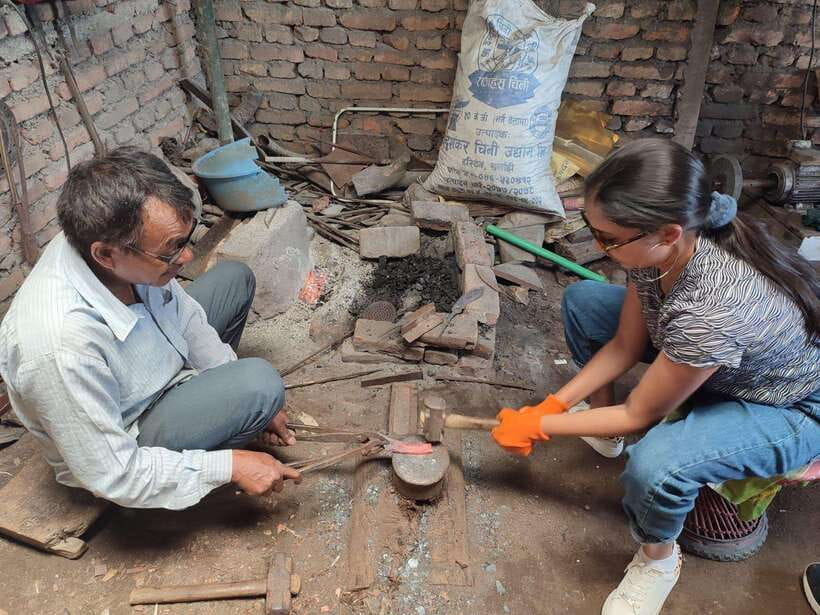
What makes this experience feel real is where it happens. Instead of a staged “activity room,” you’re picked up and driven to a working blacksmith setup. In the better moments of the day, it feels like you’ve been invited into someone’s craft routine—tea shows up, conversations happen, and the hammering keeps going.
The host (the blacksmith) is the star. Multiple guides in different languages have been mentioned, including Namrata, Sajeena, and Swayam, and the blacksmith name Indra comes up often too. The common thread is that you’re not stuck with a generic script. You can ask questions and get explanations about how the craft works and why the khukuri matters in Nepalese culture.
You’ll also appreciate the small group. With up to 5 participants, you’re more likely to get personal attention when you’re working with tools, and your guide can translate answers clearly without turning it into a lecture.
The 4-Hour Workshop Schedule, Step by Step
The total time is about 4 hours, and you’ll get hotel pickup and drop-off as part of the experience. Starting times vary based on availability, but the day is designed to stay focused: travel in, hands-on making, tea/snacks, and travel back.
Here’s how the flow typically feels, based on how the class is structured:
1) Arrive and get oriented
You’ll meet your guide and the blacksmith, then get a quick sense of what you’ll do. You’ll learn what the khukuri is, what the workshop is aiming for, and what parts are safe for guests.
2) Hammering the iron (your hands-on job)
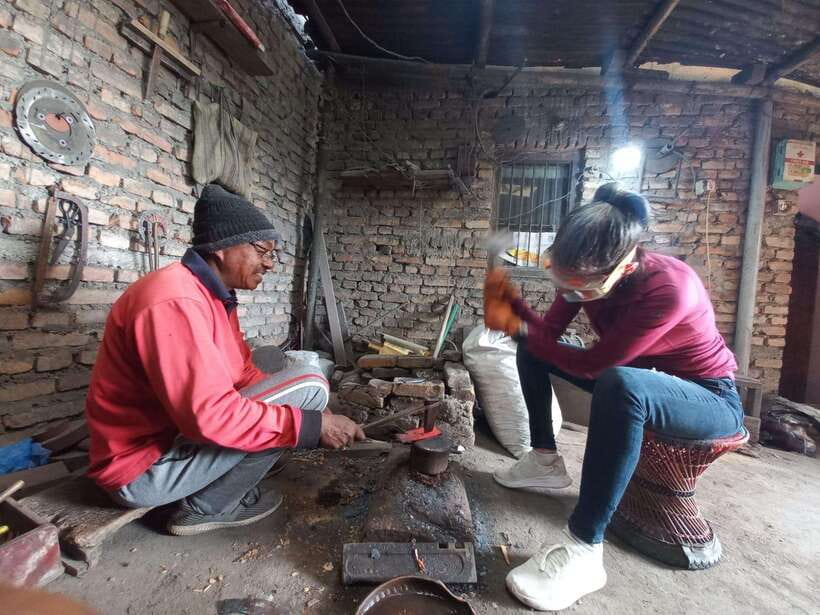
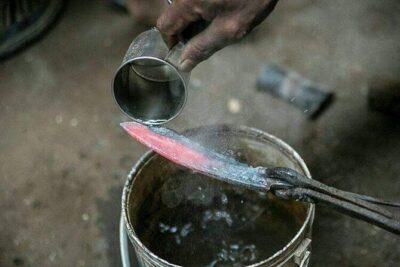
This is the moment where the raw idea becomes shape. You’ll help hammer the iron into the early blade form. Even if you’re not a “hands-on” person, this part is approachable because you’re doing the safer, earlier stage of shaping.
3) The first grinding (your hands-on job)
After the initial hammering, you’ll take part in the first grinding. This is where the blade starts looking like a blade instead of a chunk of metal.
4) Host handles the riskier, spark-heavy grinding
Guests are advised to stay clear during spark-heavy work. In practice, that means you keep your distance while the host completes the hotter, more dangerous steps.
5) Make/finish the knife components and wrap-up
The class includes making the knife cover, plus tools and materials. You’ll also get to understand the key features—the curved blade, the handle options, and how the knife’s design supports its multipurpose role.
At the end, you get your khukuri as your souvenir.
Hammering and First Grinding: What You’ll Actually Do
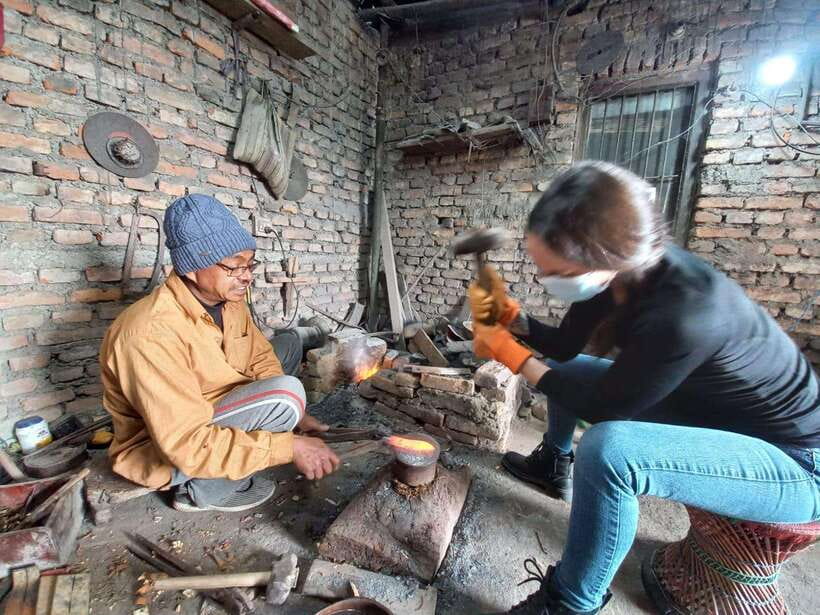
I like workshops where participation is clear. This one is. You’ll be doing real shaping work, but with guardrails.
According to the class structure, the steps you participate in include:
- Hammering the iron into blade shape
- First grinding during the early forming stage
That’s enough to give you a real sense of effort and progress. You’ll feel the difference between metal that’s still rough and metal that starts to look finished. And because you’re not doing everything, you get to focus on learning how the craft develops as the blade takes form.
During the hands-on time, your guide can translate what’s happening and why. In past experiences with this setup, guides have been praised for explaining each step in detail, and for helping you connect craft choices with local tradition.
Practical tip: long pants matter. You’ll want them on for comfort and safety while you’re up close to the work area.



The Hot Work and Safety: What the Host Handles With Sparks
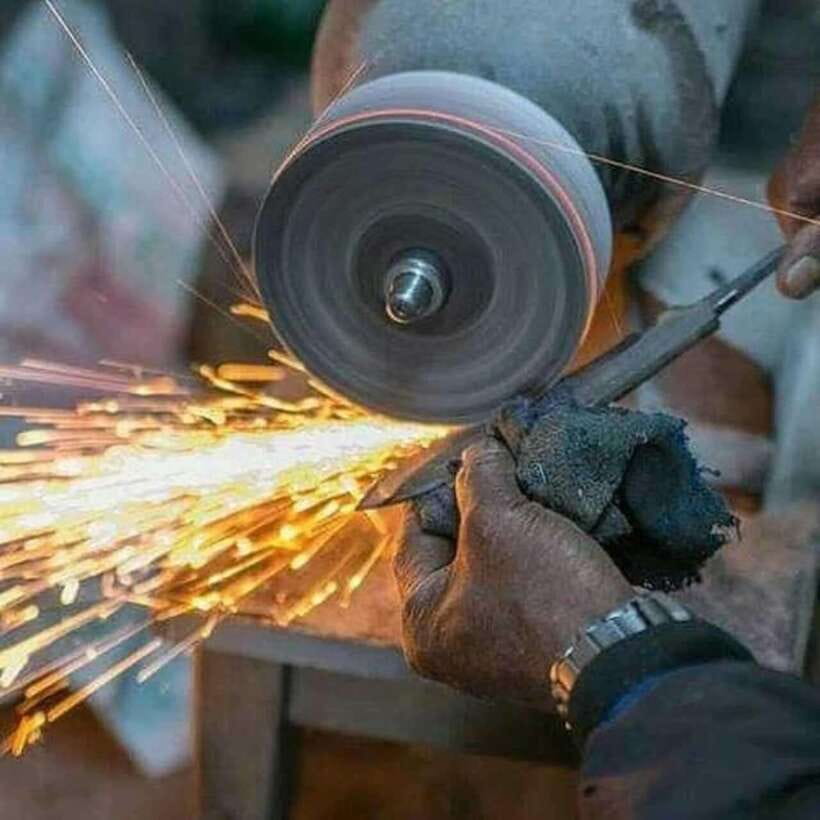
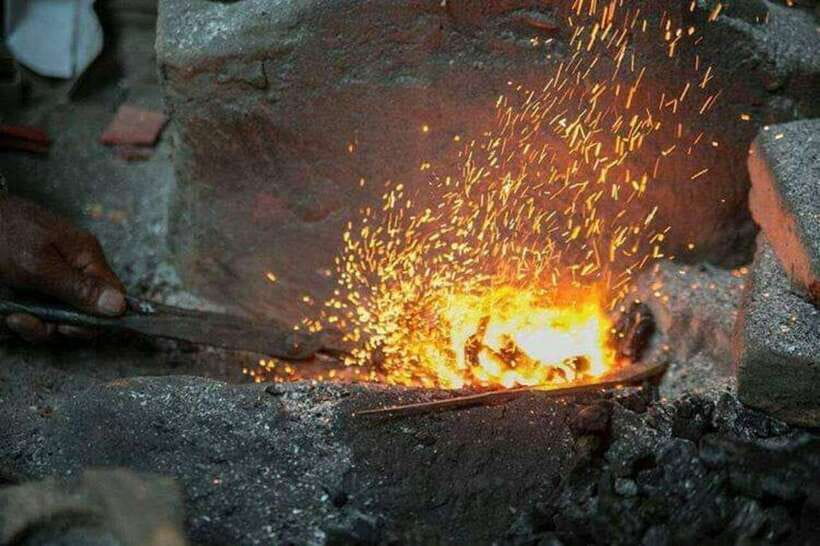
Knife making is dramatic. Metal heats up fast, sparks fly, and the safest approach is also the smartest one.
This workshop explicitly notes that for safety reasons, the blade grinding is only done by the host. You’re advised to stay clear of sparks during that phase. That means your participation is strong, but it’s not risky “DIY sharpening” territory.
Here’s how to think about that before you go:
- If you want to learn the process, you’ll still get a close look at what’s happening.
- If you’re hoping to do every grinding pass yourself, you won’t.
- The upside is you’ll watch the expert finish the work while you stay safe and focused.
You’ll also likely see why the blacksmith’s experience matters. A khukuri blade has to be formed and finished with skill that comes from years of practice.
Culture in the Blade: Gurkha Meaning and Design Details
The khukuri is treated like a symbol of identity in Nepal. You’ll hear it described as a symbol of loyalty and Gurkha warrior tradition, and it’s regarded as traditional across Nepal’s hill tribes.
But the more interesting part is how the cultural meaning shows up in the actual design. You’ll get explanations about:
- the tempered steel blade and why it’s valued
- the blade’s slight curve and practical use
- the handle materials (often wood or buffalo horn)
- the nick near the handle, including its symbolism and its functional purpose (helping prevent blood reaching the handle)
Even if you’re not into sword lore, this is useful context. It makes the knife feel less like a souvenir and more like a tool with a story.
And because the knife is multipurpose, the story isn’t only about battle mythology. It’s also about everyday usefulness—shaping timber and chopping food. That’s the kind of cultural detail that makes the day more meaningful once you’re holding your finished khukuri.
What You Take Home: Knife Cover and Handle Material Options
You’ll come away with the khukuri knife as a souvenir. You’ll also receive a knife cover, included as part of the workshop.
There’s one option to know about upfront. A horn/bone cover can be made for an extra cost. So if you’re trying to decide between keeping it simple or upgrading, decide after you see the finished work and what you like.
What I’d recommend: don’t rush the decision. See the quality in person, feel the balance of the knife, and then decide whether the added cover materials are worth it to you.
Price and Value: Is $73 Worth It?
$73 for a 4-hour, small-group workshop with pickup and a take-home knife may feel like a bargain—or like a lot—depending on what you compare it to.
Here’s the value breakdown that makes it make sense:
- You’re paying for craft time from a blacksmith with decades of experience.
- You’re not just watching; you do hammering and first grinding.
- You get tea/water and snacks, plus tools and materials.
- You leave with a usable 6-inch khukuri and a included cover.
The “hidden” value is the access. You’re spending part of your day inside a working blacksmith environment, with guides who can translate both the how and the why. That’s hard to replicate from home.
If you’re the type who likes hands-on travel—cooking classes, pottery workshops, weaving sessions—this lands in the same bucket. You’ll get that satisfaction of making something and understanding it.
Who This Workshop Suits (and Who Should Skip)
This is a great fit if you want:
- a hands-on craft experience in Kathmandu
- cultural context tied to the object you make
- time with English- or Hindi-speaking guides who explain the process clearly
- a small group setting (limited to 5 participants)
It’s likely not a good fit if you’re:
- traveling with very young children (it’s not suitable for children under 10)
- hoping to do every step of grinding yourself (the host handles spark-heavy blade grinding)
- short on time for a focused 4-hour activity
Should You Book This Khukuri Workshop?
Yes, if you want a real craft experience with a story you can feel in your hand. I’d book it if you’re okay with the fact that the safety-critical grinding steps are done by the host. That safety boundary isn’t a downgrade. It’s what lets you participate meaningfully without chaos.
I’d also book it if you care about quality. The knives described in this workshop setting are treated as genuinely high quality, and the makers’ skill is part of what you’re paying for. You’re not buying a mass-market souvenir. You’re making one.
If you’re on the fence, think about this: you’ll leave with a tool, not just photos. And in a city full of sights, that kind of personal artifact is a rare win.
FAQ
How long is the Knife Khukuri Making Workshop?
It lasts 4 hours.
Is hotel pickup and drop-off included?
Yes. Pickup and drop-off are included, with pickup from your hotel lobby.
How many people are in the group?
The workshop is limited to 5 participants.
What languages will the host or guide speak?
English and Hindi.
What should I bring?
Wear long pants.
Is it suitable for children?
It is not suitable for children under 10.
Will I grind the blade myself?
For safety reasons, blade grinding is done by the host. You’ll do steps like hammering and the first grinding, but you should stay clear of sparks during the host’s grinding work.
What’s included in the workshop fee, and can I cancel?
You can cancel up to 24 hours in advance for a full refund. You can also reserve now and pay later. Tea/water and snacks, tools, and a knife cover are included. Horn/bone cover is available for extra cost.
Make a Little Nepal to Take Home



More Tour Reviews in Kathmandu




Just Reviewed in Kathmandu
- Mountain Bike Tour
★ 5.0 · 3 reviews - Annapurna Panaroma
★ 5.0 · 3 reviews - Mount Everest Scenic Flight 50 Minutes
★ 5.0 · 3 reviews - Kathmandu : Swambhunath & Durbar Square Guided Half Day Tour
★ 3.3 · 3 reviews - Chandragiri Cable Car & Monkey Temple Tour – Private/Group
★ 5.0 · 3 reviews - Kathmandu: Shivapuri National Park Hiking Day Trip
★ 3.3 · 3 reviews
Workshops, compared.
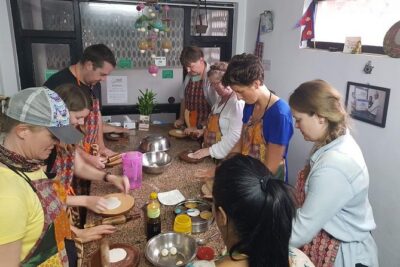 ★ 5.0Half day cooking class in Thamel kathmanduFrom $28607 reviews
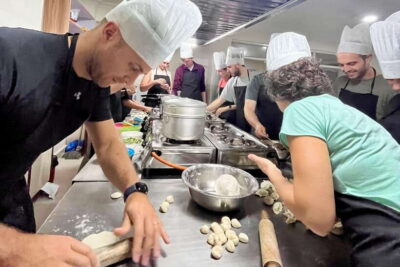 ★ 4.9Local Women-Led Nepali Cooking & Momo ClassFrom $4360 reviews
 ★ 5.0Local Lead Nepali Cooking & Momo-Making ClassFrom $5212 reviews
 ★ 5.0Knife (Khukuri) Making Workshop- Forge of the GurkhasFrom $68143 reviews
Local Women Lead Nepali Cooking ClassFrom $30125 reviews
★ 5.0Knife (Khukuri) Making Workshop- Forge of the GurkhasFrom $68143 reviews
Local Women Lead Nepali Cooking ClassFrom $30125 reviews
 ★ 5.0The best Private Nepali Cooking Class in KathmanduFrom $2483 reviews
 ★ 4.8Traditional Momo Making Class & PickupFrom $460 reviews
 ★ 5.0Traditional Nepali Momo Making ClassesFrom $1853 reviews
Browse the lists this tour appears in