
Review · NEPALI COOKING & MOMO CLASSES
The best Private Nepali Cooking Class in Kathmandu
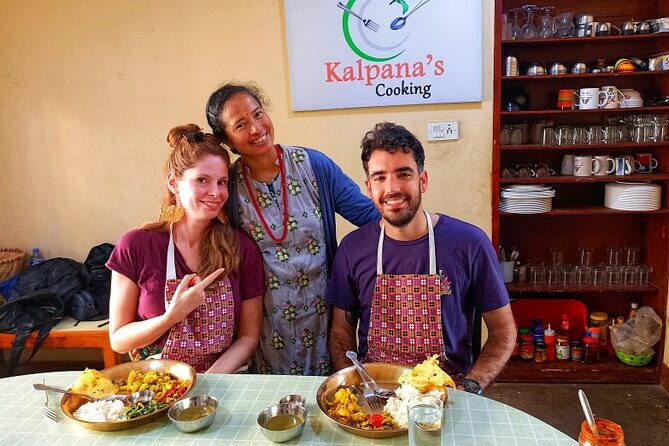
Cooking in a Kathmandu home beats eating out. What makes this class stand out is the private home setting paired with a full shopping-to-cooking day that starts with tea and ends with you eating what you made. You’ll get to learn the practical stuff—like grinding spice blends and prepping the building blocks of Nepali meals—while a family guides you step by step.
I especially like the hotel transfers included, so you don’t lose time figuring out transport in busy streets. I also love the hands-on format and the fact that the hosts can tailor the menu for vegetarian and other dietary needs. One consideration: this is an active cooking session, and the work can be hands-on and a bit labor-intensive, so plan for a workout-like pace.
In This Review
- Key highlights that make this Kathmandu cooking class worth your time
- Why this private Nepali cooking class in Kathmandu feels more real
- From hotel pickup to masala tea: the flow that keeps things easy
- Market and organic ingredient picking: the part most cooking classes skip
- Cooking together: dal bhat, momo, and the techniques that actually transfer
- The spice part: grinding, pounding, and why it matters
- Dal bhat foundations you can reproduce
- Momo hands-on: shaping and filling logic
- Pickle papad fry and seasonal sides
- Eating what you cook: lunch that’s more than a reward
- PDF recipes and the real value of bringing it home
- Price and what you actually get for $24 per person
- Who this Kathmandu cooking class suits best
- Things to consider before you book
- Should you book this private Nepali cooking class in Kathmandu?
- FAQ
- How long is the private Nepali cooking class?
- What is the price per person, and what do I get for it?
- Do you pick me up from my hotel in Kathmandu?
- Is this a private experience or a shared group tour?
- Can the class handle vegetarian or special dietary requirements?
- What dishes will I learn to cook?
- Will I receive recipes after the class?
- Is morning tea or coffee included, and do I eat lunch there?
- What happens if the weather is bad or I need to cancel?
Key highlights that make this Kathmandu cooking class worth your time
- Hotel pickup and drop-off so you can relax and focus on the cooking
- Ingredient shopping with a market stop plus an organic-farm/garden feel
- Hands-on spice work: whole spices, ginger, garlic, and real Nepali technique
- A set meal you cook and eat, with enough food to be properly fed
- Dietary flexibility for vegetarian and special requirements (tell them ahead)
- PDF recipes to take home, so your next attempt isn’t guesswork
Just your group, at your own pace
- Private Kathmandu Sightseeing Tour | UNESCO World Heritage sites★ 5.0 · 756 reviews
- Kathmandu: Full Day 7 UNESCO Tour with Lunch – Private/Group★ 5.0 · 415 reviews
- Private Bhaktapur and Nagarkot Day Tour From Kathmandu★ 5.0 · 305 reviews
- Kathmandu: Full Day Top 4 UNESCO Tour with Lunch – Private/Group★ 5.0 · 269 reviews
Why this private Nepali cooking class in Kathmandu feels more real
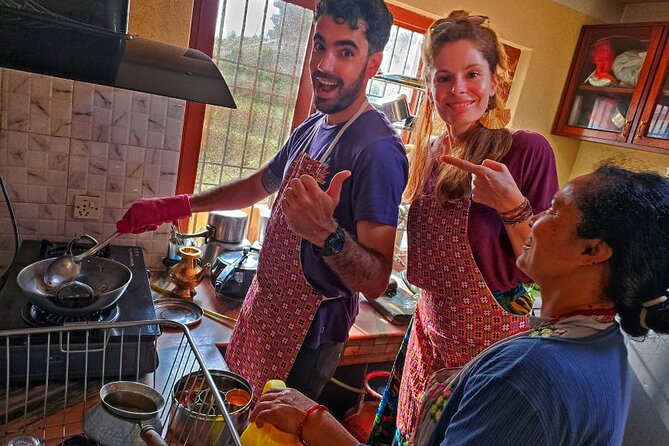
If you’ve ever wanted Kathmandu cuisine without the tourist-only shortcuts, this is a strong fit. You’re not just tasting Nepali food—you’re learning the process inside a real family kitchen. That matters because Nepali cooking is built on layering flavor: grinding spices, cooking vegetables down to the right softness, balancing salt/acid/smoke, and timing each part so everything lands together.
The setup is also refreshingly straightforward: you start with a warm drink, you choose ingredients, you cook as a team, then you eat. This is exactly the kind of experience that helps you understand why dal bhat tastes the way it does, and why momos feel so good when the filling and wrapper meet in the right order.
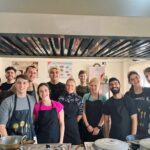
One more thing I appreciate: the class is private. Only your group participates. That makes it easier to ask questions about spice levels, substitutions, and technique without feeling rushed.
From hotel pickup to masala tea: the flow that keeps things easy
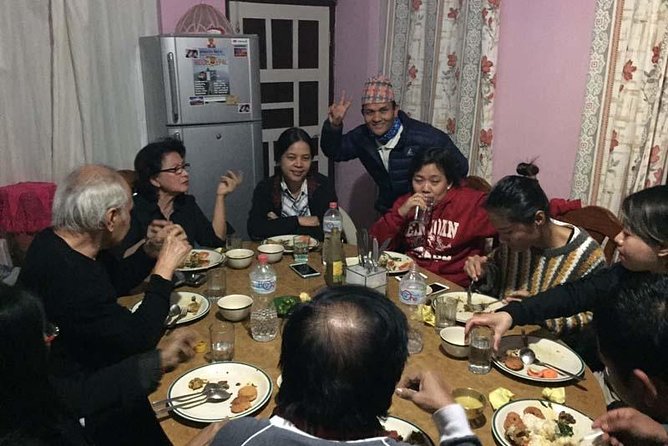
Your day begins with hotel pickup and drop-off, plus transportation by a private vehicle. This is a small detail that makes a big difference in Kathmandu. The city can be hectic, and cooking classes go best when your brain isn’t spent negotiating roads before you even touch an ingredient.
Once you’re collected, you’ll be welcomed into a warm, home-style space. The class starts with morning tea or coffee, and it’s not just a nice gesture. It helps you settle in so you’re ready for the hands-on prep right away.
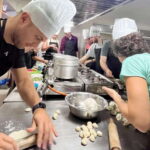
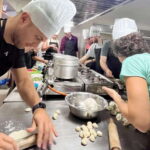
You’ll spend the rest of the session moving through station-based cooking: chopping, mixing, grinding, shaping, and tasting as you go. Your hosts encourage questions and you’ll have time for photos and videos during the process—useful if you like to recreate steps later.
If you’re someone who hates feeling rushed, this format is your friend. You’re not sprinting through a checklist; you’re cooking one meal at a time, properly.
Market and organic ingredient picking: the part most cooking classes skip
One reason this class gets such high praise is that ingredient selection is part of the lesson. You’ll visit a local market and also choose ingredients from a private organic farm and/or garden setting. It changes the way you cook, because you learn what ingredients are available and how farmers grow for taste, not just appearance.
When you pick vegetables straight from the garden feel—crisp, seasonal, and not pre-processed—you naturally cook with them differently. You start asking the practical questions that matter:
- What needs longer cooking time?
- What should go in early vs. late?
- How do spice and salt balance with fresh greens?
Even if you’ve cooked at home before, this step often becomes the real “aha.” It also explains why Nepali dishes taste consistent in Nepal: the cooks aren’t guessing; they’re working with what’s in season and choosing accordingly.
Cooking together: dal bhat, momo, and the techniques that actually transfer
This is where the class earns its keep. You’ll learn to make a set meal that includes: plain rice, dal soup, a seasonal vegetable, spinach, chicken, and pickle papad fry. On top of that foundation, you’ll also learn popular favorites such as dal bhat and momo—and several people walk away specifically proud of their momo-making.
More time at the stove
The spice part: grinding, pounding, and why it matters
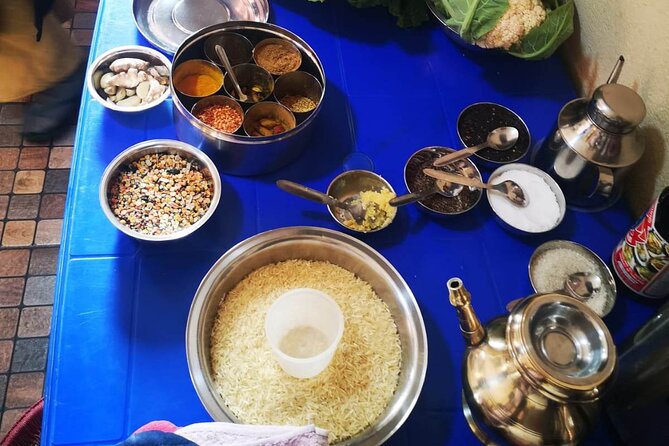
A big focus is the handwork: grinding whole spices and pounding fresh ginger and garlic. This isn’t romance for its own sake—it’s flavor engineering. Whole spices behave differently than pre-ground powder, and fresh ginger/garlic gives you a sharper, cleaner aroma that can’t be faked with bottled versions.
Expect to get involved, not watch from the sidelines. You’ll do chopping and prep, then work through cooking stages with guidance. One review-style theme that comes up again and again is that the hosts coach you through tasks and then hand the action back to you.
Dal bhat foundations you can reproduce
Dal bhat is deceptively simple. The magic is in how the dal is built: cooking it long enough to soften, seasoning it right, and pairing it with the rice so the whole meal balances. When you learn dal as part of the class meal, you understand it as a system, not a single pot.
If you like comfort food with structure, you’ll appreciate how practical this is. You’re not just learning a recipe—you’re learning what each component contributes.
Momo hands-on: shaping and filling logic
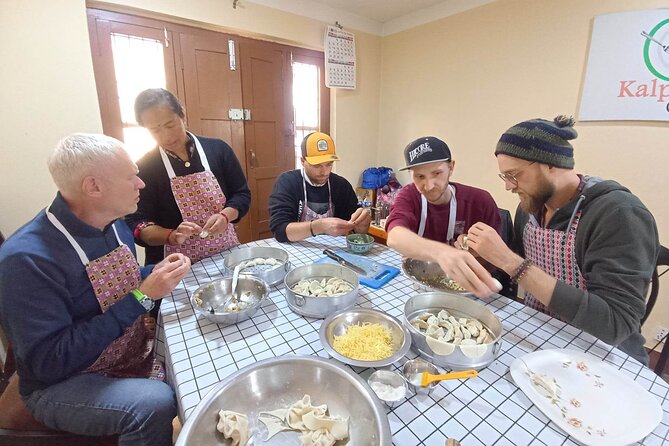
Momo is a Kathmandu staple, and you’ll get instruction that goes beyond, and into, how the dumplings are assembled. Several people mention learning momo during the session, including making enough to feed a group with confidence.
The transferable skill here is technique: how to handle the wrapper, how to build a filling that tastes balanced, and how to finish the dish so it comes out right.
Pickle papad fry and seasonal sides
The meal also includes pickle papad fry, which is one of those add-on flavors that makes a Nepali table feel complete. It’s tangy, crunchy, and it gives contrast to the softer parts like dal and rice. The seasonal vegetable and spinach round things out so you’re not stuck with one-note flavor.
And because the class is taught in a family home, you get the “why” behind the tasks—why certain prep steps happen first, and why timing matters for texture.
Eating what you cook: lunch that’s more than a reward
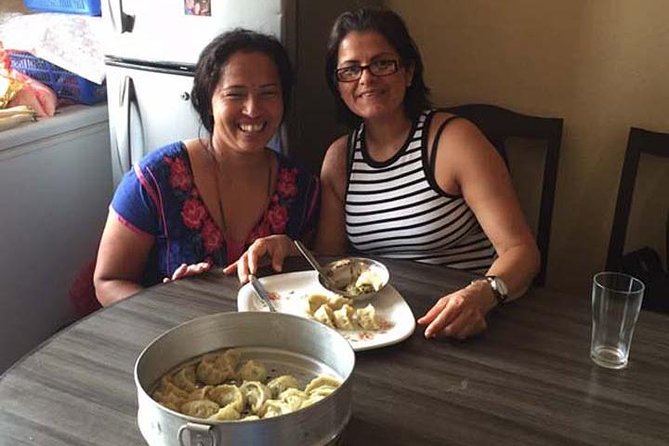
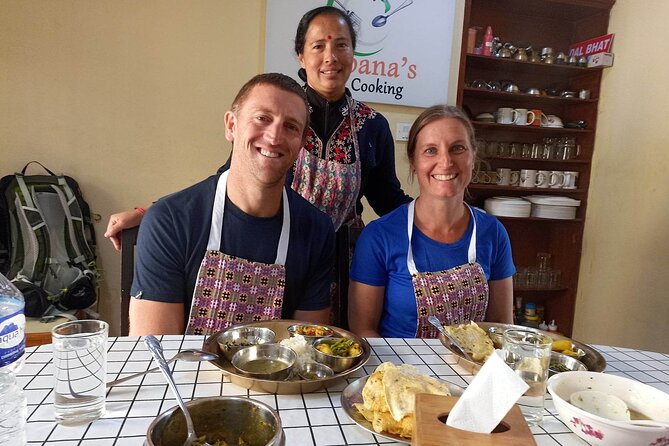
By the end, you eat your hard work. Since all food is included, you won’t be stuck snacking later or hunting for a meal afterward. Plan your day around the class—this is a full-feeling lunch, not a tiny tasting.
One practical tip: don’t arrive starving and assume you’ll only get small bites. The class is structured so you cook multiple components and then eat together as part of the experience.
You’ll also notice that the meal is paced with the cooking. That makes it easier to remember what you did and what it should taste like when it’s finished.
PDF recipes and the real value of bringing it home
Many cooking classes stop at a satisfied stomach. Here, you also leave with PDF recipes to recreate the dishes later. That’s a real value add because Nepali cooking includes techniques that are hard to “guess” later—especially around spice handling, dal seasoning, and how to build balance in a meal.
The PDF format matters too. It’s easy to store on your phone and share with family members. If you’re the type who likes to cook right away after travel while flavors are fresh in your memory, these recipes help you do that.
Price and what you actually get for $24 per person
At $24 per person, this class is priced like an everyday local activity, not a high-end food tour. The value comes from what’s included: hotel pickup and drop-off, a private vehicle, morning tea or coffee, lunch, and all food as part of the cooking session.
You’re also paying for the biggest cost drivers in experiences like this—time, ingredients, and the labor of a family hosting you at home. The private setup (only your group) is also a quiet quality upgrade. It reduces waiting, increases the number of questions you can ask, and makes it more comfortable when you’re learning by doing.
Booking demand is also a good sign. This is commonly booked about 18 days in advance, so if you want a specific date, don’t wait until the last minute.
Who this Kathmandu cooking class suits best
This is a great choice if you want:
- A private experience rather than a shared kitchen with strangers
- Hands-on learning focused on real technique (spice grinding, dal logic, momo assembly)
- A meal experience that includes multiple dishes and not just one highlight
- Cultural connection through a local family home setting
It’s especially good for couples, small groups, and solo travelers who want something calmer than temple-hopping all day. And it’s a solid option if you’re food-motivated but still want structure and guidance.
If you’re someone who hates kitchen work and prefers watching only, this may not match your style. This class is built around cooking, chopping, and prep.
Things to consider before you book
A few practical points to think through:
- The class runs about 4 hours 30 minutes, so plan your schedule with breathing room before and after.
- It requires good weather. If weather turns, the provider will offer a different date or a full refund.
- While there’s a set meal, the hosts can cater to dietary requirements if you tell them in advance (vegetarian option is available too). Don’t wait—send dietary needs at booking so they can adjust properly.
- Because the session is active, you’ll want comfortable clothes you don’t mind getting a little kitchen-splashed.
Should you book this private Nepali cooking class in Kathmandu?
Yes—if you want a genuine, hands-on private Nepali cooking class in Kathmandu that teaches technique, not just flavors. The combination of hotel transfers, ingredient selection, family-home hosting, and PDF recipes is exactly the kind of value that makes a cooking class worth repeating at home.
Book it especially if you care about learning the building blocks of Nepali meals—dal bhat structure, momo-making logic, and how spice blends come together. Skip it only if you want a short, low-effort demo-style activity, because this one is designed for you to cook.
FAQ
How long is the private Nepali cooking class?
The class runs for about 4 hours 30 minutes.
What is the price per person, and what do I get for it?
It costs $24.00 per person, and it includes hotel pickup and drop-off, private transportation, morning tea or coffee, lunch, and all food needed for the class.
Do you pick me up from my hotel in Kathmandu?
Yes. Hotel pickup and drop-off are included, along with transportation by a private vehicle.
Is this a private experience or a shared group tour?
This is a private tour/activity, so only your group participates.
Can the class handle vegetarian or special dietary requirements?
Yes. A vegetarian option is available, and you can advise any specific dietary requirements at the time of booking.
What dishes will I learn to cook?
The class teaches a set meal that includes plain rice, dal soup, a seasonal vegetable, spinach, chicken, and pickle papad fry. The experience also focuses on popular Nepali favorites such as dal bhat and momos.
Will I receive recipes after the class?
Yes. You’ll depart with PDF recipes to help you recreate what you cooked.
Is morning tea or coffee included, and do I eat lunch there?
Morning tea or coffee is included, and lunch is included as part of the experience with the food you cook.
What happens if the weather is bad or I need to cancel?
The experience requires good weather. If it’s canceled due to poor weather, you’ll be offered a different date or a full refund. You can cancel up to 24 hours in advance for a full refund; within 24 hours, the amount paid is not refunded.
Learn Another Nepali Dish
Private Days, Your Group Only

More Tour Reviews in Kathmandu

Just Reviewed in Kathmandu
- Mountain Bike Tour
★ 5.0 · 3 reviews - Annapurna Panaroma
★ 5.0 · 3 reviews - Mount Everest Scenic Flight 50 Minutes
★ 5.0 · 3 reviews - Kathmandu : Swambhunath & Durbar Square Guided Half Day Tour
★ 3.3 · 3 reviews - Chandragiri Cable Car & Monkey Temple Tour – Private/Group
★ 5.0 · 3 reviews - Kathmandu: Shivapuri National Park Hiking Day Trip
★ 3.3 · 3 reviews
Nepali Cooking & Momo Classes, compared.
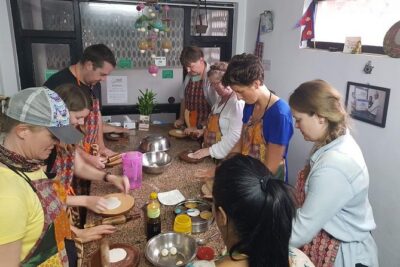 ★ 5.0Half day cooking class in Thamel kathmanduFrom $28607 reviews
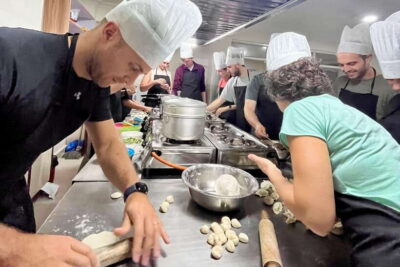 ★ 4.9Local Women-Led Nepali Cooking & Momo ClassFrom $4360 reviews
 ★ 5.0Local Lead Nepali Cooking & Momo-Making ClassFrom $5212 reviews
Local Women Lead Nepali Cooking ClassFrom $30125 reviews
★ 5.0Local Lead Nepali Cooking & Momo-Making ClassFrom $5212 reviews
Local Women Lead Nepali Cooking ClassFrom $30125 reviews
 ★ 4.8Traditional Momo Making Class & PickupFrom $460 reviews
 ★ 5.0Traditional Nepali Momo Making ClassesFrom $1853 reviews
 ★ 4.9Local Women-Lead Nepali Cooking & Momo ClassFrom $545 reviews
★ 4.9Local Lead Nepali Cooking & Momo Making ClassFrom $440 reviews
★ 4.9Local Women-Lead Nepali Cooking & Momo ClassFrom $545 reviews
★ 4.9Local Lead Nepali Cooking & Momo Making ClassFrom $440 reviews
Browse the lists this tour appears in