
Review · WORKSHOPS
Knife (Khukuri) Making Workshop- Forge of the Gurkhas
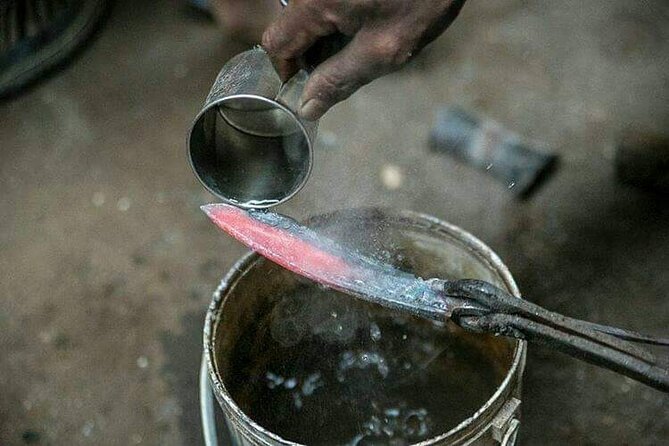
Your khukuri starts as scrap iron. This Kathmandu workshop puts you close to the real work behind the curved Nepal knife the Gurkhas are known for—heating, shaping, and finishing a small 6-inch blade with master smith Indra and guide Swoyam nearby.
I love the fact that you get true hands-on participation: you’ll hammer the iron, join in the early shaping, and finish with buffing and polishing. I also like the small-group feel—up to 5 people, so the forge time doesn’t feel like a cattle call.
One thing to consider: you won’t do every single step yourself. For safety, the host handles the most spark-heavy grinding, so you’re learning and participating, but not acting as the sole smith.
In This Review
- Key things to know before you go
- The Kathmandu forge experience: where this feels real
- Why the khukuri has meaning beyond a souvenir
- What you’ll make: the 6-inch khukuri and the hands-on steps
- Following the forge day: how the 4 hours typically feel
- Price and value: is $68 worth it in Nepal?
- The quality question: what to expect from a handmade blade
- Who this workshop suits best (and who should rethink it)
- Logistics that actually matter: pickup, group size, and getting there
- Should you book the Forge of the Gurkhas khukuri making workshop?
- FAQ
- How long does the khukuri making workshop take?
- What size khukuri will I make?
- Will I do any of the forging myself?
- Does the host do the dangerous parts?
- How many people are in the group?
- Is pickup offered in Kathmandu?
- How much does it cost?
- Can I cancel and get a refund?
- Do I get to take the knife home?
Key things to know before you go
- Small-group workshop (max 5) with lots of attention from the guide and smith
- Real forge atmosphere in a more remote home setting, not a shop display
- Hands-on by design: hammering plus finishing work like buffing/polishing
- Safety rules are real: you stay clear when sparks fly and grinding is done by the host
- You take home your knife as a meaningful souvenir you helped create
- Long-term craft respect: the workshop highlights why khukuris matter in Gurkha culture
Make something to carry home
- Half day cooking class in Thamel kathmandu★ 5.0 · 607 reviews
- Kathmandu: Local Women-Led Nepali Cooking & Momo Class★ 4.9 · 360 reviews
- Kathmandu: Local Lead Nepali Cooking & Momo-Making Class★ 5.0 · 212 reviews
- Knife (Khukuri) Making Workshop- Forge of the Gurkhas★ 5.0 · 143 reviews
The Kathmandu forge experience: where this feels real
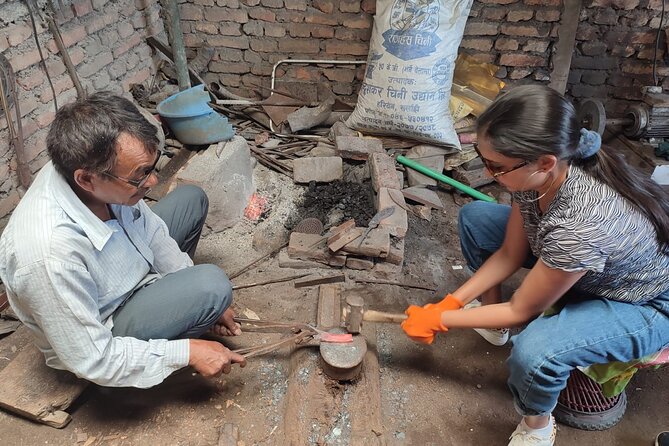
Kathmandu has no shortage of shopping tours. This isn’t that. This is heat, metal, and steady hands. You head out from the city with Swoyam, then spend about 4 hours in a workshop environment that feels more like a working craft home than a staged attraction.
What makes it click is the balance. You get enough participation to feel ownership of the result. At the same time, you’re watching an expert at work—Indra, who’s been forging khukuris for decades—so you also get to learn what you’re doing and why.
Expect conversation, too. Swoyam often translates and keeps things moving, from craft details to Nepal life. Several people highlight how kind and professional everyone is, with apprentices helping as needed.
Why the khukuri has meaning beyond a souvenir
The khukuri is famous in Nepal for more than looks. It’s tied to the Gurkhas, and it’s also regarded as part of the traditional culture across Nepal’s hill communities.
A few details the workshop explains (and that you’ll likely see referenced as the blade takes shape):
- The khukuri’s slightly curved, tempered steel blade is built for versatility. People describe it as multipurpose—useful for shaping timber, and for everyday tasks like chopping meat and vegetables.
- The handle is typically wood or buffalo horn, fitted to the blade for control in the hand.
- There’s often a nick near the blade close to the handle. The idea is practical—help prevent blood from reaching the handle—plus symbolic connections in Hindu tradition, tying into the Hindu Trinity of Brahma, Vishnu, and Shiva.
- The knife traditionally lives in a wood-and-leather scabbard, not just loose in a bag.
Even if you’re not into religious or historical symbolism, these bits matter because they explain design logic. This isn’t random knife cosplay. It’s a functional blade that carries culture.
What you’ll make: the 6-inch khukuri and the hands-on steps
Your finished souvenir is the star: a small 6-inch khukuri. That size is a good target for a first-time forging experience because it’s manageable in the time you have. You still get a proper blade look and finish, not a toy outcome.
Here’s what you can expect to participate in, based on the workshop flow:
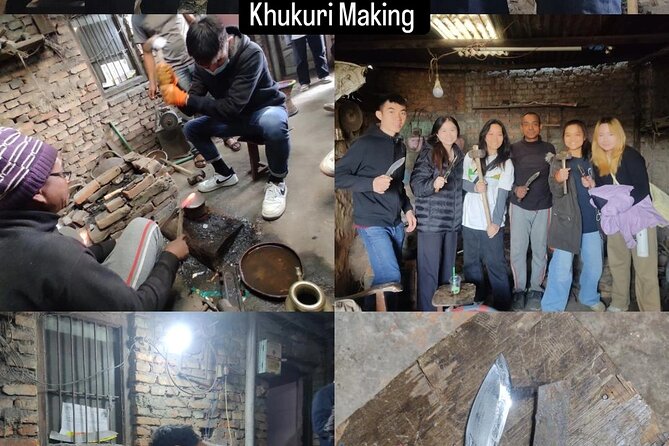
- Hammering the iron
You’ll work with heated metal and take part in shaping it. It’s loud, physical, and satisfying. This is the stage where you really feel like the knife is becoming real.
- The first grinding stage
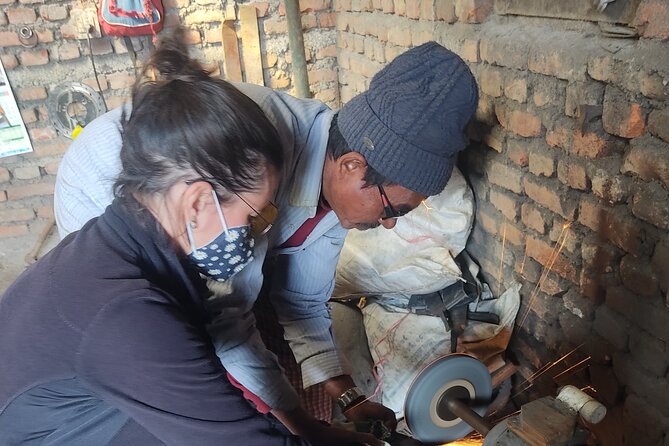
You’ll join in early shaping. But listen carefully during the safety briefing. Grinding can throw sparks, and the workshop makes it clear that safety comes first.
- Buffing and polishing at the end
This is where you see the payoff. After the heavy work, polishing helps the blade look clean and finished. It also makes the result feel more like something you earned, not something you watched happen.
One important safety point: the workshop notes that for safety reasons, the host handles the blade grinding done during the sparking process. So don’t assume you’ll run every tool yourself. You’re still hands-on, but the dangerous moments are controlled by the smith.
If you like the idea of making something larger, one review mentions the option to make a 10-inch khukuri for an additional fee. If size matters to you, ask early when you book.
Following the forge day: how the 4 hours typically feel
A khukuri isn’t made in five minutes. Even for a small blade, the process is step-by-step, and that’s part of why people love it.
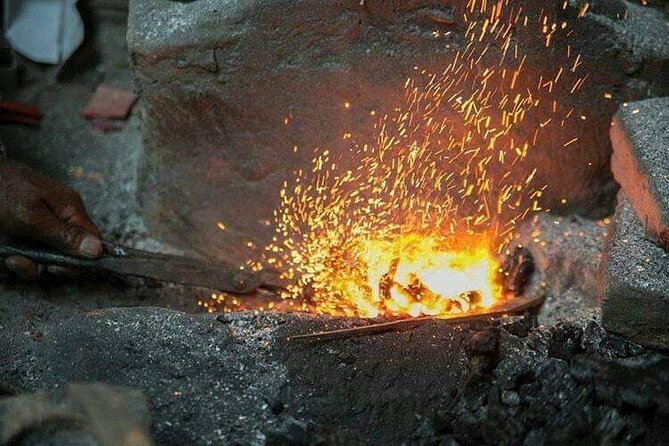
When you arrive, the setup is intentionally basic. Some describe it as a primitive forge setup—coal and traditional work—so you’re not seeing a modern industrial production line. You’re seeing the craft methods that trained generations of smiths.
You’ll likely move through the day like this:
- Meet your guide (Swoyam is one commonly mentioned name) and get oriented on what you’ll do.
- Go to the smith’s workshop area where Indra leads the process.
- Take turns hammering and participating in early shaping.
- Watch the hot, sparking work handled by the host when it’s unsafe for guests.
- Finish with the polishing steps so your knife looks crisp.
Timing-wise, expect a full afternoon. This is not a quick stop between temples. It’s long enough that kids may get bored, and even adults will want to plan for a hands-on, active chunk of time.

Price and value: is $68 worth it in Nepal?
At $68 per person for about four hours, the value depends on what you want from a trip.
If your goal is a cultural activity with a real-world craft outcome, this tends to be good value because you take home a finished handcrafted khukuri. You also get:
- Transport with pickup offered (when available/within their routing)
- A small group size (max 5)
- A guide who translates and helps connect the craft to Nepal life
- The workshop structure that includes actual participation
Compared to buying a khukuri from a tourist shop, the difference is obvious: your knife comes with a story. People describe the knives made here as sharp and higher quality than mass-market souvenirs, and that matters because a khukuri isn’t just decor.
There is one “value” watch-out. If you’re hoping for a fully self-directed experience where you do every step, the safety rules mean you’ll do key tasks, but not all high-spark grinding. You’re buying a structured workshop, not a solo blacksmithing day.
The quality question: what to expect from a handmade blade
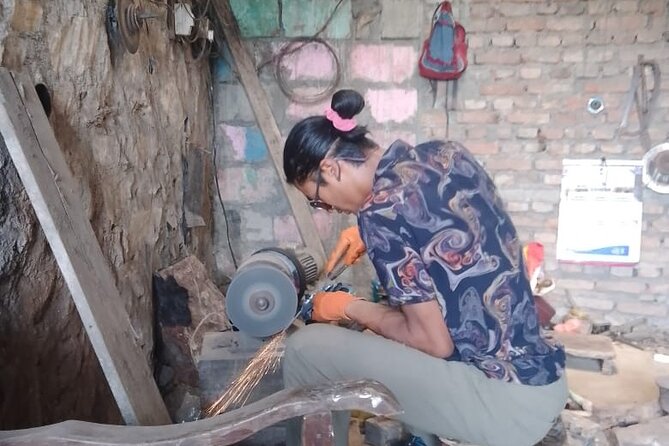
Handmade doesn’t mean perfect every time. One issue came up in the experience: two out of three knives had cracks for participants in a group. That’s still not common enough to assume it’s routine, but it’s worth discussing because you’re putting money into a physical result.
What the workshop response indicates is important: cracks can appear later during crafting, even if they aren’t visible right away. When that happens, they say they usually offer to make a new knife and deliver it.
So here’s the practical takeaway for you:
If your blade has any problem later, communicate quickly. Don’t wait weeks. The workshop’s stated approach is replacement, but you’ll want to be prompt so it can be handled.
Also, don’t underestimate how much care this kind of craft takes. People describe how the blacksmith is proud of getting the knife right for the person making it. That attention helps quality, but it also means the process is real forging, not a guaranteed factory output.
Who this workshop suits best (and who should rethink it)
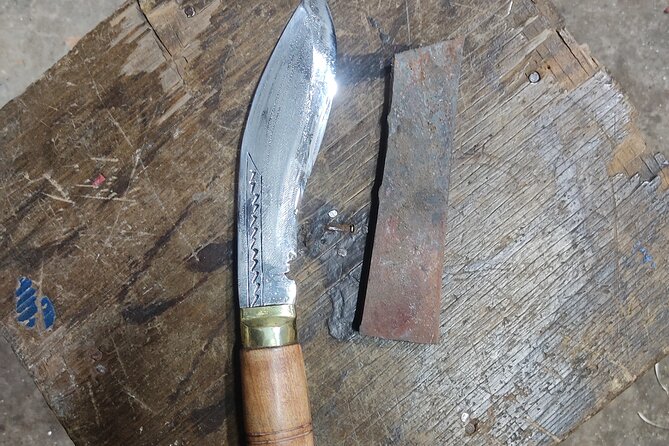
This is a strong fit for you if:
- You want a hands-on cultural experience in Kathmandu, not just sightseeing.
- You like crafts where you can see the physical steps: heating, hammering, shaping, finishing.
- You want a souvenir with meaning, not just a shopping bag item.
- You enjoy chatting and learning while a craft expert works nearby (Swoyam’s role here is often praised).
It may be less ideal if:
- You need a very laid-back activity. This one is active and involves time with metal work.
- You’re traveling with very young kids and you don’t want them to sit through a multi-hour forging session. One family note includes that kids ran out of patience as the process continued.
- You’re expecting to do every dangerous tool step yourself. The host takes over the sparking grinding for safety.
For couples and friends, it also works well because small-group size keeps the attention personal. Even solo travelers often find it easy to connect with the guide and smith.
Logistics that actually matter: pickup, group size, and getting there
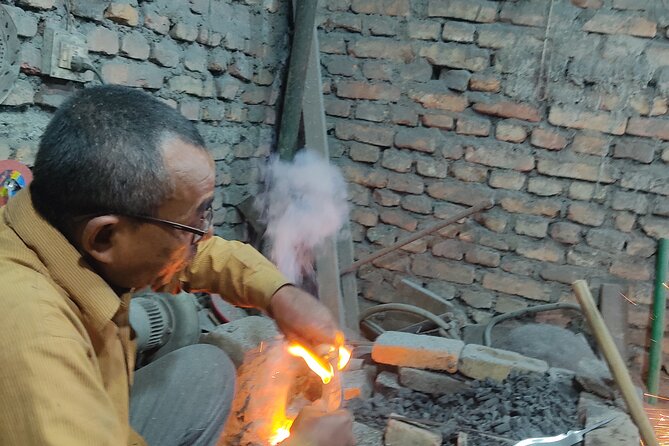
From the information provided, this workshop commonly includes pickup offered and a mobile ticket. That matters because Kathmandu traffic can wreck plans if you try to self-navigate to a remote craft home.
The group size is capped at 5 travelers, and that’s a major quality factor. When the group stays small, you’re not just background noise while the smith works. You have time to learn and ask questions.
Duration is listed as about 4 hours (approx.). Build your schedule around that. Keep the rest of your day light. Plan to be a little tired afterward—your body will feel like it did something, even if the host did the hottest grinding parts.
Should you book the Forge of the Gurkhas khukuri making workshop?
If you want the best kind of Kathmandu souvenir—one you helped create and can explain later—this is a yes. The price is reasonable for what you get: a finished knife, real craft time with Indra, and a guide like Swoyam to connect it to Nepal culture.
I’d book it if you’re excited by hands-on work, traditional tools, and learning how design choices in a khukuri connect to practical use and symbolism. Skip it only if you need a casual, short, low-activity tour or if you want complete control over every step.
FAQ
How long does the khukuri making workshop take?
The workshop runs about 4 hours (approx.).
What size khukuri will I make?
For this workshop, you make a small 6-inch khukuri.
Will I do any of the forging myself?
Yes. You’ll participate in steps like hammering the iron, the first grinding stage, and buffing and polishing at the end. The host handles the spark-heavy blade grinding for safety.
Does the host do the dangerous parts?
Yes. For safety reasons, the blade grinding is done by the host, and guests are advised to stay clear of the sparks.
How many people are in the group?
The group size is limited to a maximum of 5 travelers.
Is pickup offered in Kathmandu?
Pickup is offered, and you’ll receive confirmation at booking time.
How much does it cost?
It costs $68.00 per person.
Can I cancel and get a refund?
Yes. You can cancel up to 24 hours in advance for a full refund.
Do I get to take the knife home?
Yes. You take your khukuri home as a souvenir after the workshop.
Make a Little Nepal to Take Home



More Tour Reviews in Kathmandu




Just Reviewed in Kathmandu
- Mountain Bike Tour
★ 5.0 · 3 reviews - Annapurna Panaroma
★ 5.0 · 3 reviews - Mount Everest Scenic Flight 50 Minutes
★ 5.0 · 3 reviews - Kathmandu : Swambhunath & Durbar Square Guided Half Day Tour
★ 3.3 · 3 reviews - Chandragiri Cable Car & Monkey Temple Tour – Private/Group
★ 5.0 · 3 reviews - Kathmandu: Shivapuri National Park Hiking Day Trip
★ 3.3 · 3 reviews
Workshops, compared.
 ★ 5.0Half day cooking class in Thamel kathmanduFrom $28607 reviews
 ★ 4.9Local Women-Led Nepali Cooking & Momo ClassFrom $4360 reviews
 ★ 5.0Local Lead Nepali Cooking & Momo-Making ClassFrom $5212 reviews
Local Women Lead Nepali Cooking ClassFrom $30125 reviews
★ 5.0Local Lead Nepali Cooking & Momo-Making ClassFrom $5212 reviews
Local Women Lead Nepali Cooking ClassFrom $30125 reviews
 ★ 5.0The best Private Nepali Cooking Class in KathmanduFrom $2483 reviews
 ★ 4.8Traditional Momo Making Class & PickupFrom $460 reviews
 ★ 5.0Traditional Nepali Momo Making ClassesFrom $1853 reviews
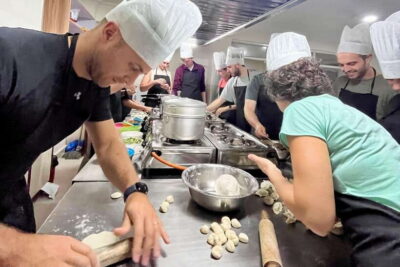 ★ 4.9Local Women-Lead Nepali Cooking & Momo ClassFrom $545 reviews
Browse the lists this tour appears in