
Review · NEPALI COOKING & MOMO CLASSES
Kathmandu: Traditional Momo Making Class & Pickup
Momo beats guessing in Kathmandu. I love that this is a true hands-on class where you shape and steam momos step by step, and I also like the market stop for fresh ingredients before you cook. One possible drawback: it runs only about two hours, so if you want a long, leisurely food crawl, this may feel a bit fast.
This experience is based at Kathmandu Cooking Academy in the Kathmandu Valley, an easy walk from Thamel (about 10–15 minutes). The class is small (up to 10 people) and taught in English, with options for veggie, vegan, or chicken fillings and a choice of regular momos or soup momo.
I’d do it as a solo treat, a couple activity, or a fun group outing if you’re the type who wants a skill at the end, not just photos.
In This Review
- Key highlights to look for
- Momo making in Kathmandu: what you really learn in 2 hours
- Kathmandu Cooking Academy and the walk from Thamel
- Market tour: the ingredient choices that change everything
- Dough, filling, and shaping: the hands-on part you’ll feel
- Regular momos vs soup momo: two styles, one skill set
- Tea and tasting: turning cooking into a proper meal
- Price and value: why about $4 can feel surprisingly fair
- Who this momo class is best for
- Timing, language, and what to watch for
- Should you book Kathmandu: Traditional Momo Making Class & Pickup?
Key highlights to look for
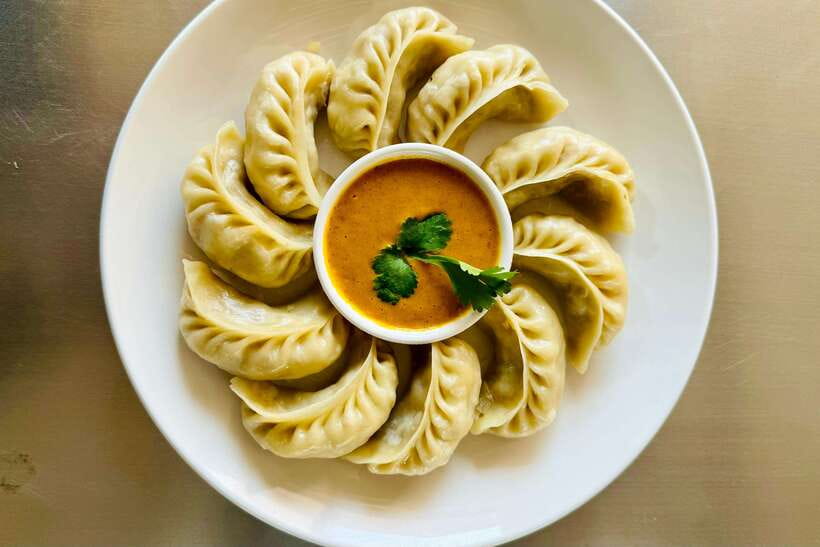
- Market tour for fresh momo ingredients so your dumplings start with better flavor
- Step-by-step shaping guidance that helps even first-timers get the classic momo pleats
- Regular momos or soup momo options so you taste more than one style
- Nepali masala tea with your tasting while the food is hot and you’re still in cooking mode
- Small groups (up to 10) that keep the teacher close when your hands get awkward
- English instruction at Kathmandu Cooking Academy, near Thamel for easy arrival
Make something to carry home
- Half day cooking class in Thamel kathmandu★ 5.0 · 607 reviews
- Kathmandu: Local Women-Led Nepali Cooking & Momo Class★ 4.9 · 360 reviews
- Kathmandu: Local Lead Nepali Cooking & Momo-Making Class★ 5.0 · 212 reviews
- Knife (Khukuri) Making Workshop- Forge of the Gurkhas★ 5.0 · 143 reviews
Momo making in Kathmandu: what you really learn in 2 hours
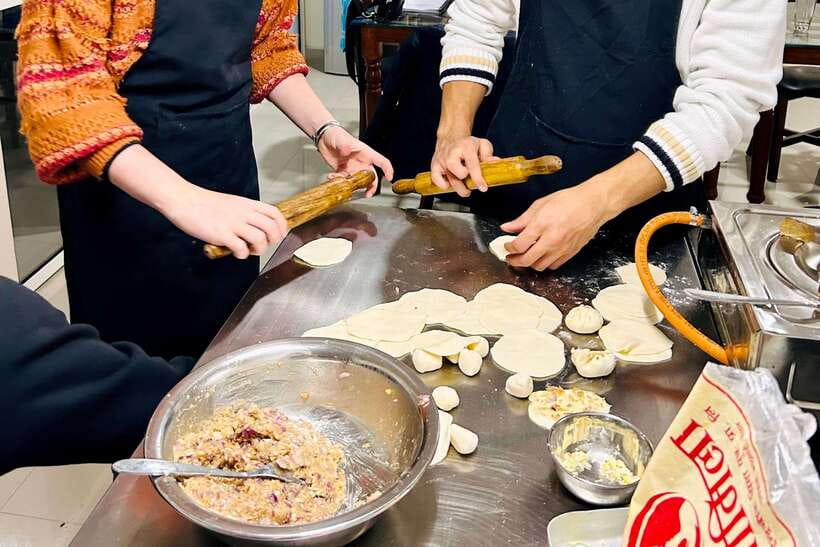
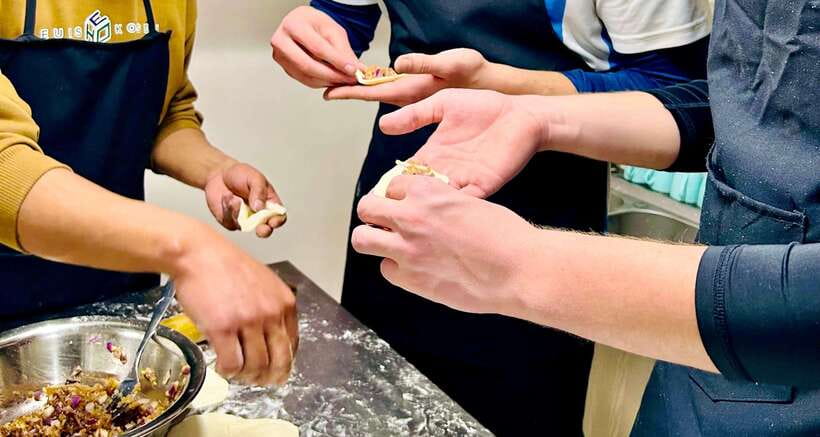
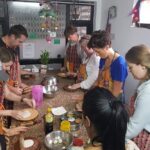
Momo is one of Nepal’s most loved foods, and this class focuses on the parts most people miss when they only eat them. You don’t just watch. You make the dough, mix the filling (veg or chicken), shape the dumplings, and steam them until they’re right.
The big win here is the pacing. You’ll get enough structure to learn the method without feeling lost, and you’ll still leave with a completed batch to eat. One participant even described finally getting the momo shape down after practicing during the lesson. That’s the point: you walk away with muscle memory, not just a recipe card.
You also get choices that make the class feel less repetitive. You can choose veggie, vegan, or chicken filling, and you can make regular momos or try soup momo, which changes the whole eating experience. Soup momo is a warmer, more comforting direction—less “snack” and more “meal.”
A note on expectations: this isn’t a multi-day immersion. It’s short. That can be a plus if you’re trying to pack smart in Kathmandu, but it does mean you’ll move steadily from ingredients to steaming.
Kathmandu Cooking Academy and the walk from Thamel
Your meeting point is Kathmandu Cooking Academy, in central Kathmandu. It’s roughly a 10–15 minute walk from Thamel, which is handy because you can avoid a long taxi hop for something that lasts about two hours.
When you arrive, you’ll find staff to help with registration. The academy setting matters more than people think: a clean, organized kitchen makes it easier to learn and harder to get flustered. In the experience, you’re given the cooking setup you need, so you’re not trying to improvise with unfamiliar tools.
If you prefer less walking, there’s also optional hotel pickup within Kathmandu Valley. That’s especially useful if you’re coming straight from a hotel, or if you’re traveling at a time when Kathmandu traffic feels like a sport.
Market tour: the ingredient choices that change everything
Before you start cooking, you’ll head out for a guided market or shop tour to pick ingredients for your momo fillings. This is where the class earns its keep. Buying fresh ingredients isn’t just a cultural detour—it directly affects flavor and texture.
You’ll select what goes into your filling whether you’re doing veggie/vegan or chicken. The guiding approach here helps you understand what the cooks look for, not just what to grab. That’s valuable because momo-making at home fails most often because of ingredient imbalance—too wet, not flavorful enough, or missing the right punch.
In practice, I like these ingredient steps because they turn the cooking class into a mini lesson on Nepalese tastes. You’re not memorizing a recipe. You’re learning why certain flavors work together.
Also, the market stop breaks up the afternoon. After a market walk, your hands feel more ready for dough and chopping, and the class doesn’t feel like one long station activity.
Dough, filling, and shaping: the hands-on part you’ll feel
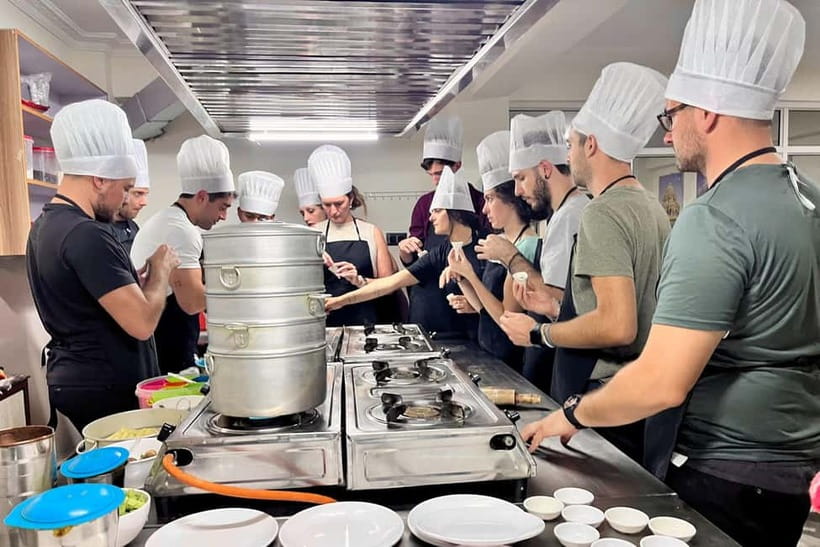
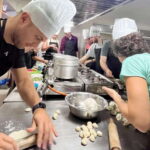
Once the ingredients are chosen, you move into the core lesson: making momos from scratch. You’ll learn how to handle the dough, work with the filling, and shape dumplings correctly.
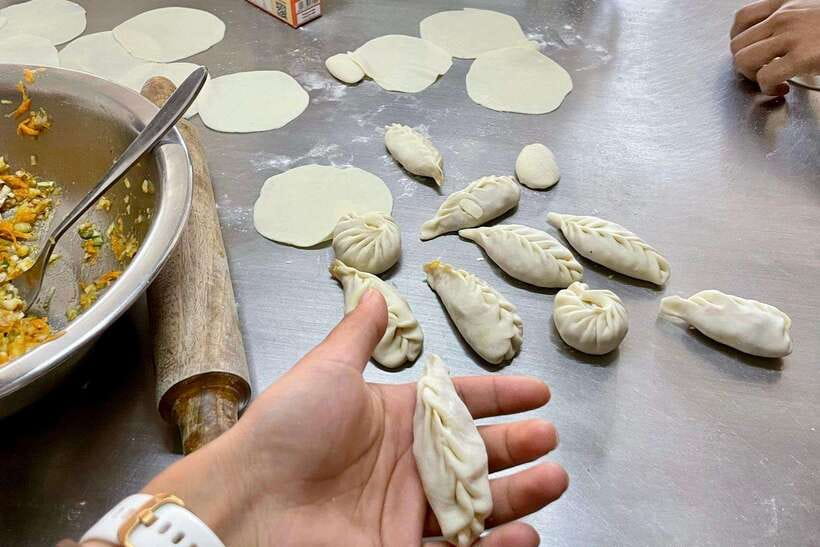
Shaping is the stage where most people get impatient. It takes practice to form the pleats in a way that seals well. The good news is you’re not stuck alone at your station. Teaching in this class is described as patient and step-by-step, even for people who are making momos for the first time.
A couple names came up in standout feedback: cooks such as Bikram and Birfan were credited with teaching that sticks, plus clear guidance while hands are learning. That matters because momo folding is one of those skills that looks simple—until you try it.
Expect to spend real time with your hands:
- prepping dough and portioning
- combining and mixing filling
- forming dumplings and closing/sealing them
If you love food details, this is where it gets fun. If you hate mess, still expect some flour on your fingertips. It’s part of the deal.
One practical tip: if you get a recipe book or written instructions, take notes anyway. One participant pointed out that their recipe book had ingredients missing, and notes helped them fix it. Even in a well-taught class, your own notes can be the difference between repeating success at home and wondering what went wrong.


Regular momos vs soup momo: two styles, one skill set
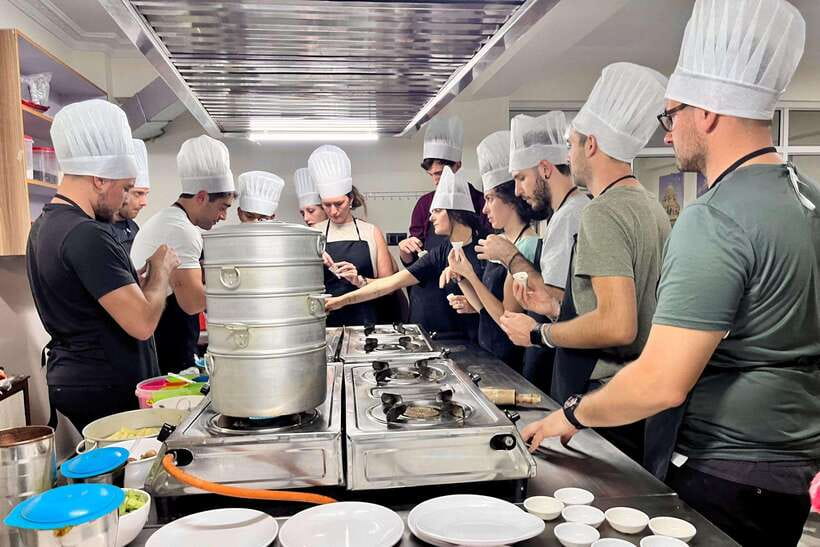
This class gives you a choice: regular momos or soup momo (or both, depending on how you set up your selection). Regular momos lean into the dumpling texture—soft dough, savory filling, and a satisfying bite.
Soup momo changes the mood. You’re still working with dumplings, but you’re also building toward an eating style that’s warmer and more broth-forward. It’s a great way to taste Nepal beyond a single format and it can help you decide what kind of momo you actually want to make at home later.
Either way, steaming is the core cooking method you’ll practice. Getting steam timing right affects everything: if they’re underdone, dough feels heavy; if overdone, texture can go flat. Your instructor’s step-by-step approach is meant to keep you on the right track without guessing.
You’ll also eat what you make, so you’re not just grinding through “kitchen practice.” This is learning with immediate feedback.
Tea and tasting: turning cooking into a proper meal
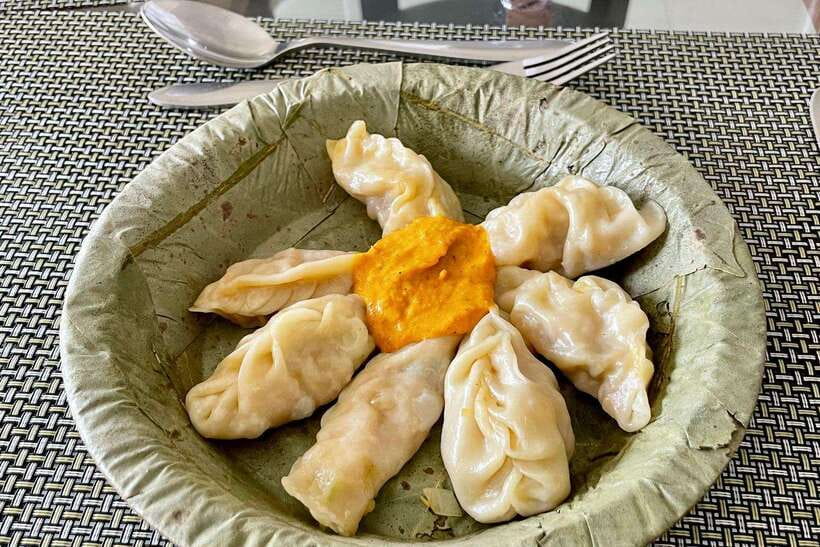
At the end of the session, you’ll taste the momos you prepared. That tasting isn’t a token bite. It’s the payoff that lets you compare your dumplings to the style the class is aiming for.
You’ll also get a complimentary cup of Nepali masala tea. It’s a simple pairing, but it works well after steaming—warm, spiced, and grounding. This is also a chance to ask questions while food is fresh and everyone is in the same mood.
One reason this class scores well is that it doesn’t feel like a “drop-in show.” It’s described as friendly, organized, and full of variety during tasting. People noted they tried different momo variations and got tea as part of the wrap-up, which turns the lesson into a full little meal moment rather than a quick demo.
Price and value: why about $4 can feel surprisingly fair
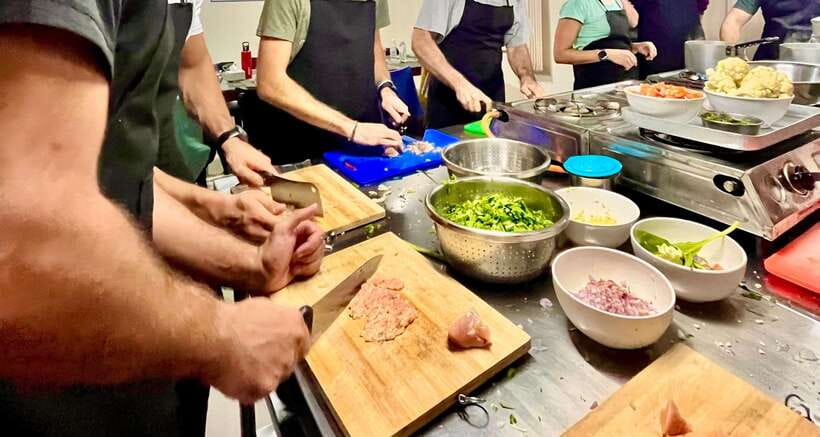
At about $4 per person, this class is priced like a budget-friendly local experience, not a luxury food tour. The value comes from what you actually get for that price:
- hands-on instruction (not just watching)
- market ingredient selection
- equipment and accessories provided
- tasting of what you cook
- Nepali masala tea included
- optional pickup and drop-off within Kathmandu Valley
That’s a lot packed into roughly two hours. The short duration helps keep the cost low, but it also means you’re paying for efficiency: you’ll get the skill and the meal without spending your whole afternoon.
To balance expectations: it’s not an alcohol-included night out, and specialty drinks aren’t part of the package. So if you’re expecting a long, “wine + cooking” style experience, you’ll need to look elsewhere. Here, it’s about dumplings and technique.
Who this momo class is best for
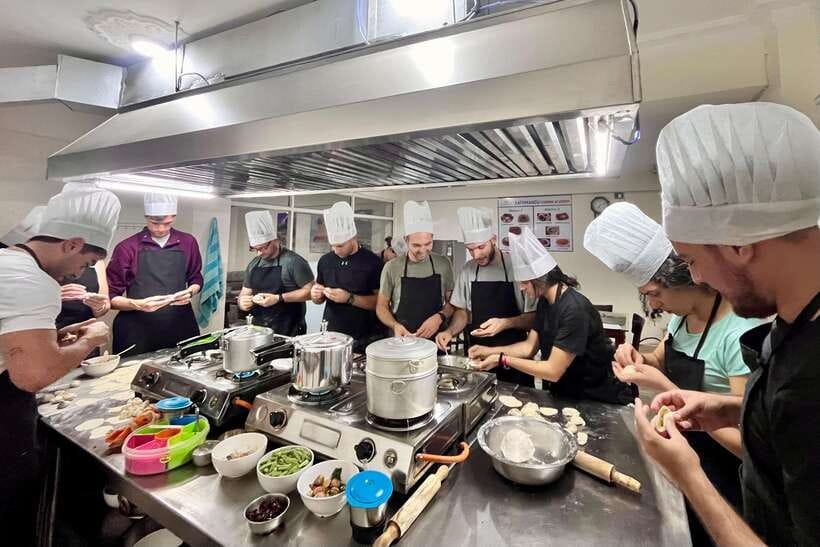
I think this is a great fit if you:
- want a hands-on Kathmandu activity instead of another walk-and-look outing
- like learning practical cooking skills you can repeat at home
- enjoy Nepali comfort food and want more than one momo style (veg/vegan/chicken, regular/soup)
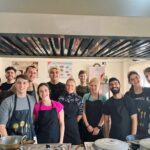
It also works well for mixed groups because the instruction is described as supportive and patient. One account mentioned a wide age range—from older adults down to kids—and that the cooks adjusted to keep everyone engaged. The class is still set up as a small group (up to 10 people), so the teaching style is meant to stay interactive.
If you’re a strict foodie who wants advanced chemistry-level cooking, this may feel too basic. But if you want “I can make momos at home” confidence, this delivers.
Timing, language, and what to watch for
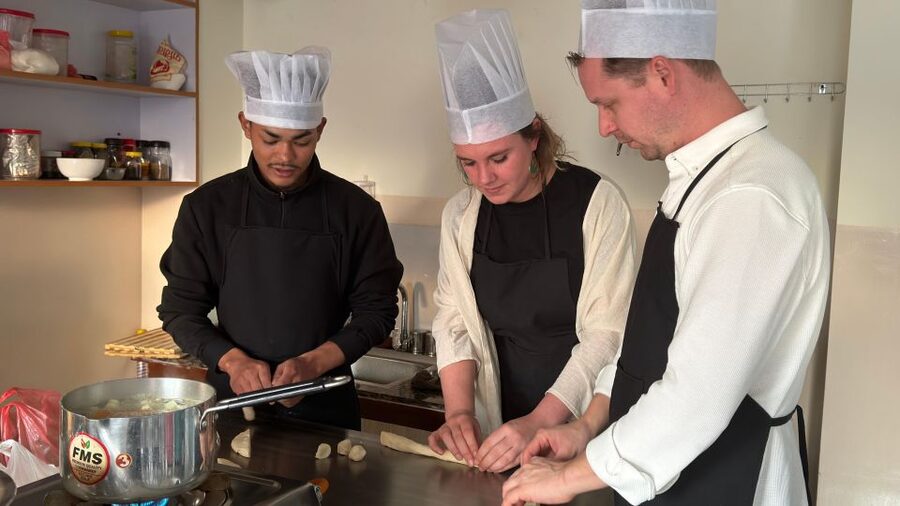
The class starts at 1 PM. Listed duration is about 2 hours, with the session described as lasting around 1.5 to 2 hours depending on the flow.
English instruction is provided, which makes a big difference in a cooking class. When you can understand the why behind each step, you make fewer mistakes and you can correct yourself while learning.
Bring a camera if you like photos. You’ll be doing enough real work that it’s nice to capture the “before” (market) and “after” (your finished momos).
Also, do share dietary needs in advance. The class offers veggie, vegan, and chicken options, and if you have allergies or restrictions, informing the team ahead of time helps them plan.
One more practical note: the class isn’t designed for very young children (it’s not suitable for kids under 5) or for people over 95. If you’re traveling with someone at either end of that scale, you’ll want to plan carefully.
Should you book Kathmandu: Traditional Momo Making Class & Pickup?
Book it if you want a short, efficient Kathmandu food experience with a real skill at the end. For the price, you’re getting market ingredients, step-by-step momo-making, steaming practice, and a tasting with masala tea—all in a small group at Kathmandu Cooking Academy.
Skip it only if you want a long, slow food tour day, or if your ideal class is more about tasting variety than making food yourself. This experience is built for people who like to roll up sleeves and learn by doing.
If you’re staying near Thamel, it’s also easy to fit into your schedule. And if walking feels like too much, the optional pickup within Kathmandu Valley is there.
For my money, it’s one of the best “do something practical” ways to experience Kathmandu food culture in a couple hours.
Make a Little Nepal to Take Home

More Tour Reviews in Kathmandu



Just Reviewed in Kathmandu
- Mountain Bike Tour
★ 5.0 · 3 reviews - Annapurna Panaroma
★ 5.0 · 3 reviews - Mount Everest Scenic Flight 50 Minutes
★ 5.0 · 3 reviews - Kathmandu : Swambhunath & Durbar Square Guided Half Day Tour
★ 3.3 · 3 reviews - Chandragiri Cable Car & Monkey Temple Tour – Private/Group
★ 5.0 · 3 reviews - Kathmandu: Shivapuri National Park Hiking Day Trip
★ 3.3 · 3 reviews
Nepali Cooking & Momo Classes, compared.
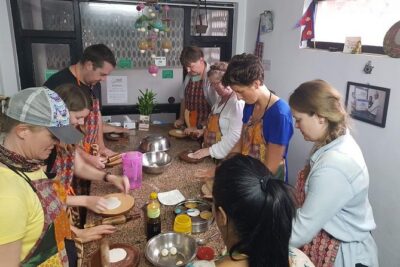 ★ 5.0Half day cooking class in Thamel kathmanduFrom $28607 reviews
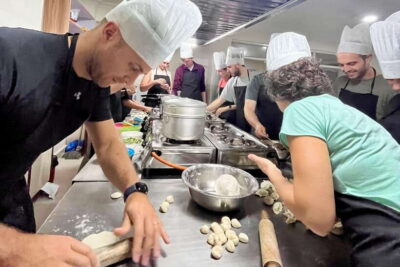 ★ 4.9Local Women-Led Nepali Cooking & Momo ClassFrom $4360 reviews
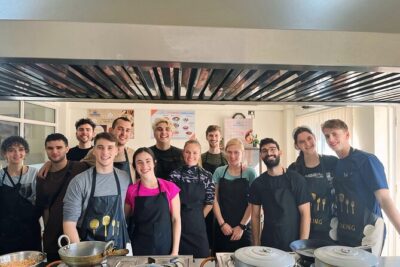 ★ 5.0Local Lead Nepali Cooking & Momo-Making ClassFrom $5212 reviews
Local Women Lead Nepali Cooking ClassFrom $30125 reviews
★ 5.0Local Lead Nepali Cooking & Momo-Making ClassFrom $5212 reviews
Local Women Lead Nepali Cooking ClassFrom $30125 reviews
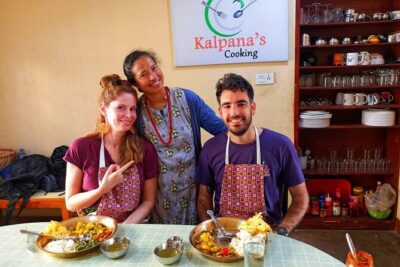 ★ 5.0The best Private Nepali Cooking Class in KathmanduFrom $2483 reviews
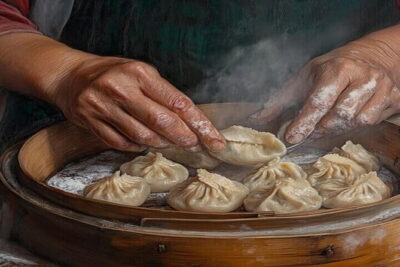 ★ 5.0Traditional Nepali Momo Making ClassesFrom $1853 reviews
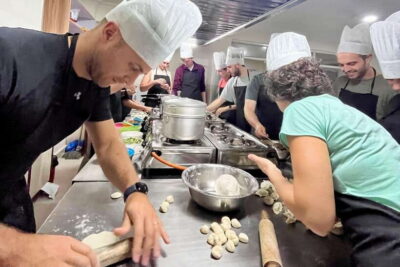 ★ 4.9Local Women-Lead Nepali Cooking & Momo ClassFrom $545 reviews
★ 4.9Local Lead Nepali Cooking & Momo Making ClassFrom $440 reviews
★ 4.9Local Women-Lead Nepali Cooking & Momo ClassFrom $545 reviews
★ 4.9Local Lead Nepali Cooking & Momo Making ClassFrom $440 reviews
Browse the lists this tour appears in