
Review · NEPALI COOKING & MOMO CLASSES
Kathmandu: Local Lead Nepali Cooking & Momo-Making Class
Dumplings beat a museum ticket every time. In Kathmandu, this 3.5-hour class in Thamel gets you cooking momo-making style, starting with a quick local ingredient trip and ending with a relaxed tasting of what you made. It’s a very social way to learn Nepali flavors without guessing what goes where.
I especially like the hands-on teaching, with step-by-step guidance from an experienced chef and instructor (good English helps a lot), plus the feel-good rhythm of market shopping, cooking, and then eating together. A small but meaningful bonus: you’ll get a recipe PDF to help you repeat it later at home. The one drawback to consider is that it’s capped at 12 people, so you share space and attention in a group setting.
In This Review
- Key Highlights
- Getting Oriented at Kathmandu Cooking Academy (and Why It Matters)
- Masala Tea and a Quick Market or Shop Walk
- Momo-Making: The Hands-On Dumpling Lesson You’ll Actually Remember
- The Three Dishes You’ll Cook (Plus Why the Set Is a Smart Plan)
- What the Kitchen Teaching Feels Like: Tools, Pace, and Tasting
- Equipment, Recipes, and the Take-Home “Can I Do This Again?”
- Price and Value: Why $5 Is More Than a Bargain
- Who This Class Suits Best (and Who Might Want a Different Style)
- Should You Book This Nepali Cooking and Momo Class?
- FAQ
- How long is the Kathmandu Cooking Academy class?
- Where does the experience start and end?
- Is hotel pickup included?
- What dishes will I learn to make?
- Can I choose vegetarian for the momos?
- What is included in the price?
- Can I cancel for free?
Key Highlights
- Thamel location plus a simple meeting point at Kathmandu Cooking Academy, with the experience ending right back there
- Market or shop visit first, so you learn what ingredients matter and where they come from
- Momos are the star, taught hands-on with either vegetarian or chicken options
- Three Nepali dishes, one dessert included, chosen from a traditional menu
- A tasting session at the end, so you get to eat your results immediately
- A take-home recipe PDF, useful if you actually want to cook these again
More time at the stove
- Half day cooking class in Thamel kathmandu★ 5.0 · 607 reviews
- Kathmandu: Local Women-Led Nepali Cooking & Momo Class★ 4.9 · 360 reviews
- Kathmandu: Local Lead Nepali Cooking & Momo-Making Class★ 5.0 · 212 reviews
- Local Women Lead Nepali Cooking Class★ 5.0 · 125 reviews
Getting Oriented at Kathmandu Cooking Academy (and Why It Matters)
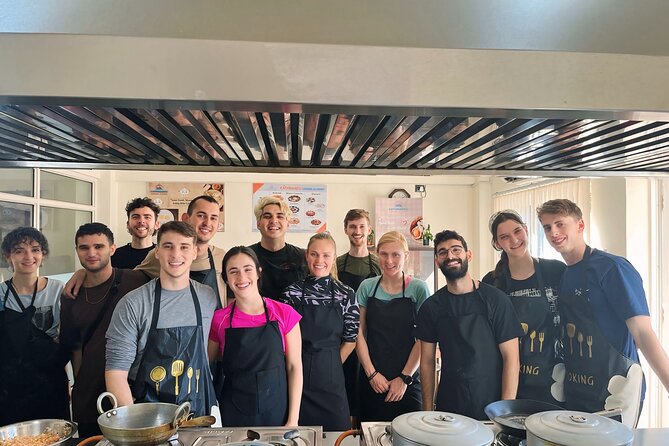
This class runs out of Kathmandu Cooking Academy, in Thamel, and you meet directly at the academy. That makes it easier than tours that start in one place and end somewhere else. It’s also near public transportation, and Thamel is a practical base area for most visitors, especially if you’re staying close by.
If you’re nervous about cooking classes in a new country, this setup helps. You’re not hunting for ingredients on your own. You’re not trying to decode menus. You show up, meet your chef and instructor, and you get a clear path for the next 3 hours 30 minutes.
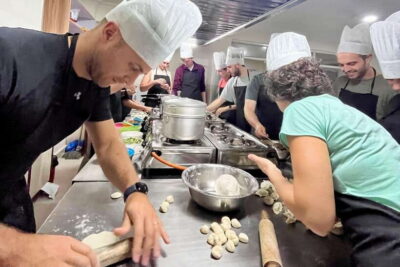
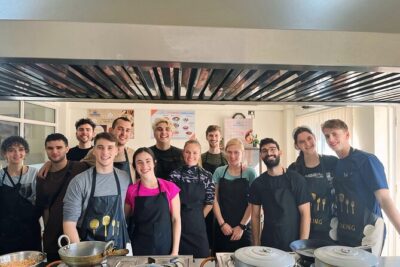
There’s also a group element built in: the experience has a maximum of 12 travelers. I like that size. It’s small enough that you’re not just watching. Still, it’s not a private lesson, so expect some waiting for your turn at the station and plan to follow the flow the instructor sets.
Masala Tea and a Quick Market or Shop Walk
The lesson starts with a welcome cup of Nepali masala tea. It sounds simple, but it sets the tone: you’re not just there to cook. You’re there to taste Nepal’s habits—how people start the day, how meals are paced, and how spices show up in everyday life.
Then you head out for a short market or shop visit to buy important ingredients. This is one of the best parts of the experience, because it turns cooking from a recipe-only task into a real understanding of what matters. You get to see key items up close and hear what the chef considers essential for the dishes you’ll make.
A practical tip: wear comfortable shoes. The market portion is usually where people rush and then end up walking too fast or too slow. Aim for steady steps, and don’t try to memorize every ingredient on the spot. The kitchen steps will bring it all back.
Momo-Making: The Hands-On Dumpling Lesson You’ll Actually Remember
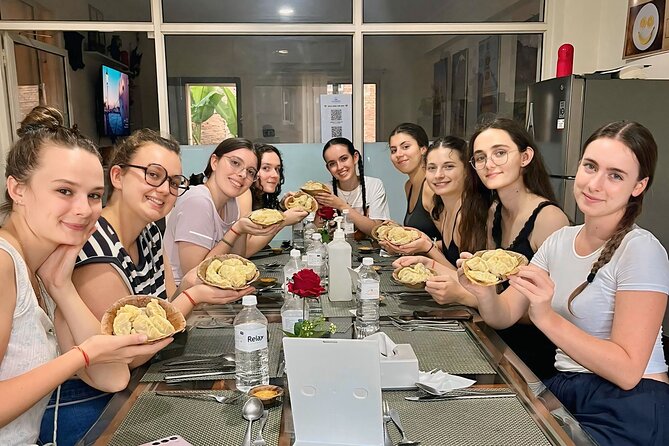
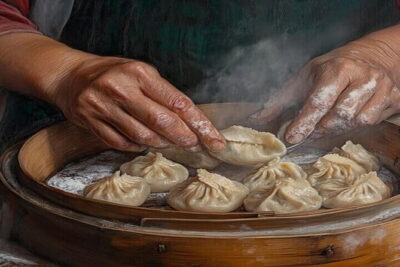
Momos are a highlight, and you’ll make them hands-on—either vegetarian or chicken. That choice is important because it lets you match the class to your comfort level and diet without feeling like you’re taking a one-size-fits-all workshop.
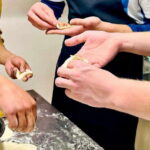
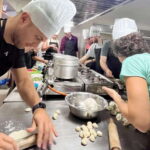
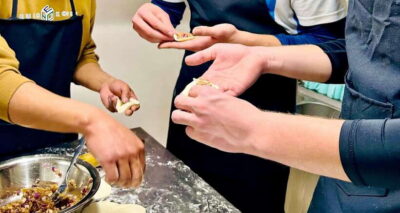
You’ll work with traditional utensils and learn the process step-by-step. While you’re shaping dumplings, the learning sticks because it’s physical. You’re not just hearing about dough texture or filling balance—you’re checking it with your hands, adjusting as you go, and then seeing the results during cooking and tasting.
What I like about teaching dumplings this way is that it cuts through the intimidation factor. Dumpling-making can sound tricky, but doing it with an instructor right there makes the method feel manageable. If you’ve never folded anything like this, you’ll still end up with something you can be proud of.
Also, momos are the perfect class “anchor.” Even if the other dishes on your menu day differ slightly, you’ll leave with a skill you can reuse.
The Three Dishes You’ll Cook (Plus Why the Set Is a Smart Plan)
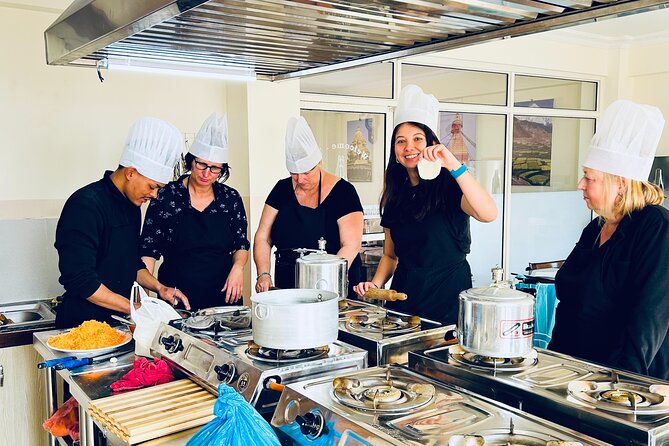
The class isn’t just about one dish. You’ll learn to prepare three authentic Nepali dishes—an entrée, a main course, and a dessert—selected from a diverse traditional menu. Traditional favorites mentioned include dal bhat and yomari, and the broader menu is designed to cover different flavor styles, textures, and cooking techniques.
One reason I think this structure works: you don’t end up with a one-note meal. You’ll experience:
- A savory entrée style starter, where technique and seasoning matter
- A main dish that feels like real Nepalese comfort food
- A dessert that shows Nepal’s sweet side beyond the usual western expectations
In a past class experience, people have mentioned recipes like bara and dal bat alongside momos and multiple desserts. That hints at what the menu can feel like: varied, filling, and designed so you taste the range, not just one highlight.
And yes, you get to cook everything yourself. The kitchen teaching includes cultural background and cooking techniques, so the class doesn’t feel like a factory assembly line. You’ll understand not only how to do it, but what the chef is aiming for with taste and texture.
Make something to carry home
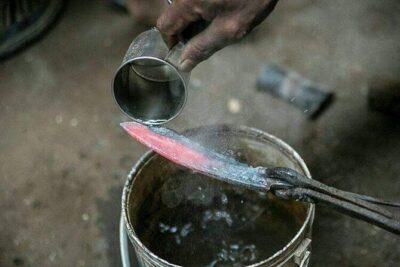
What the Kitchen Teaching Feels Like: Tools, Pace, and Tasting
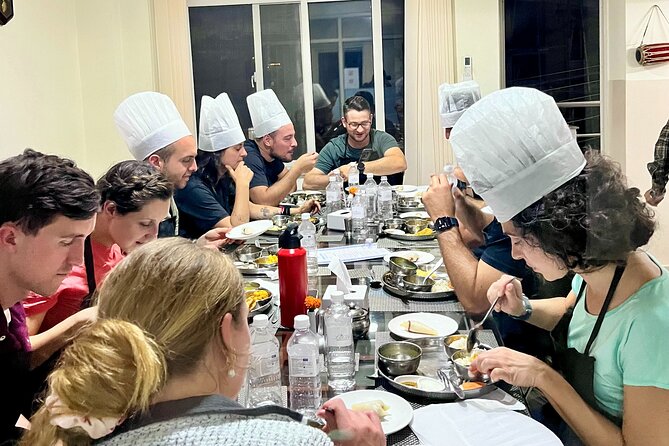
You’ll use traditional utensils and get instructions as you go. That matters more than it sounds. When the tools match the dish tradition, it often changes the outcome—how dough is handled, how mixing happens, and how the cooking process stays consistent.
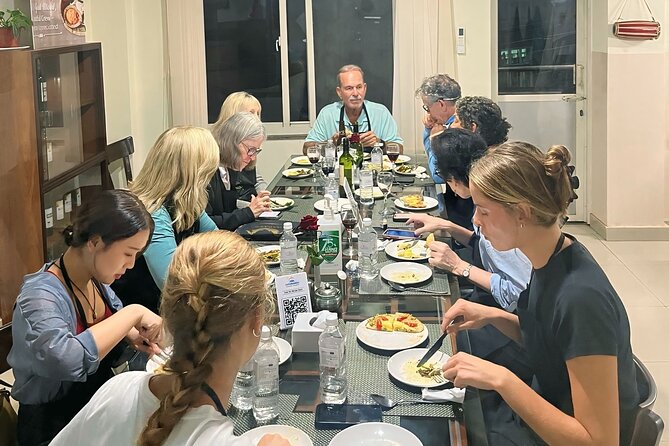
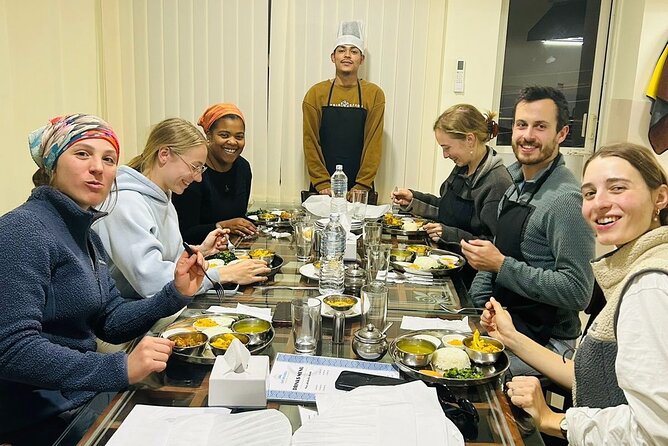
The pacing also helps. The lesson flows from shopping, to prep, to cooking, and then to tasting. That end part is key: you don’t just leave with a cookbook PDF and good intentions. You eat what you made while it’s fresh, which makes it easier to judge what you did right and what you might tweak next time.
The tasting session is relaxed, and it’s a big part of why people walk away smiling. You get to share the food with others in your group and compare notes—who shaped the dumplings better, who nailed the spice balance, who had the most stubborn piece of dough.
If you’re solo, this is a great format. Cooking classes tend to be social by default, and with a maximum group size of 12, it’s easier to talk than in huge tour buses.
Equipment, Recipes, and the Take-Home “Can I Do This Again?”
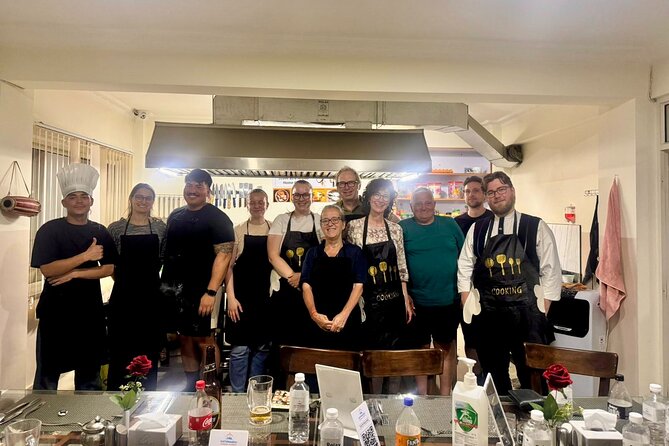
You’re provided with cooking equipment and accessories during the class, so you don’t need to bring anything besides yourself. That’s a relief for travelers who don’t want to show up with random kitchen tools.
Then there’s the take-home part. People have received recipes as a PDF so they can remake what they learned later. That’s a practical touch because memory fades fast after you’re back in your hotel room and back to real life.
My advice: when you get the PDF, make one meal soon—within a week if possible. Cooking is muscle memory plus spice timing. Waiting too long makes you forget the small cues the chef gave you.
Price and Value: Why $5 Is More Than a Bargain
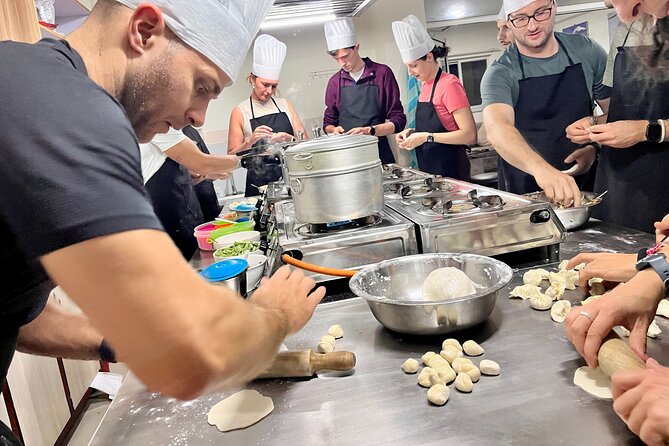
At $5.00 per person, this class is priced like a local activity, not like a tourist add-on. And you’re not just paying for food.
For that price, you get:
- Hotel pickup and drop-off if you select the pickup option
- A chef-led, step-by-step cooking class
- A market or shop visit to buy key ingredients
- Hands-on cooking of multiple Nepali dishes, including masala tea during the lesson
- Use of cooking equipment
- A tasting session of what you cooked
To me, the best value angle is the market stop plus hands-on teaching. Many cooking classes skip the ingredient leg and just drop you in a kitchen. Here, you see the starting line. That’s the part that helps you cook better later.
What’s not included matters too: specialty drinks or alcoholic drinks aren’t included, and tips aren’t included. So plan to cover those if you want extras. Still, the base experience includes the core meal experience and instruction without nickel-and-diming you.
Who This Class Suits Best (and Who Might Want a Different Style)
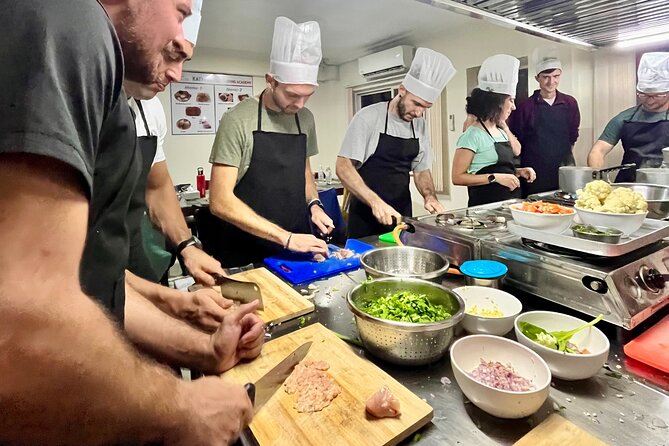
This works especially well if you:
- Want an authentic Kathmandu food experience that’s not just eating at random restaurants
- Like hands-on lessons more than lecture-style tours
- Cook at home and want a realistic chance of repeating the dishes later
- Travel solo and prefer meeting people without awkward icebreakers
- Prefer small groups, since the cap is 12 people
It might not be the best fit if you:
- Want a totally private class or a slow pace with one-on-one guidance
- Are extremely short on time in Kathmandu
- Only want to watch rather than participate (this is a do-it-yourself cooking format)
Also, if you have strong dietary needs beyond the vegetarian or chicken momo options, you should confirm what can be accommodated before booking, since the data only guarantees those two momo choices.
Should You Book This Nepali Cooking and Momo Class?
If you’re in Kathmandu and you want one activity that pays off immediately, book it. This isn’t just a meal—it’s a structured way to learn core Nepali cooking habits: how ingredients start the process, how dumplings are shaped and made, and how a full Nepali meal can land on your plate.
The value is hard to beat, and the format is friendly for beginners because you cook with an experienced chef and instructor who guide you step-by-step. Add in the market visit, masala tea welcome, tasting session, and the recipe PDF, and you get a full package for a low price.
My final advice: if you can walk to Thamel easily, pick the time that gives you a calm afternoon. You’ll enjoy it more when you’re not rushing from a packed schedule.
FAQ
How long is the Kathmandu Cooking Academy class?
It runs for about 3 hours 30 minutes.
Where does the experience start and end?
It starts at Kathmandu Cooking Academy in Thamel (Yapikhya Marg, Kathmandu 44600, Nepal) and ends back at the same meeting point.
Is hotel pickup included?
Hotel pickup and drop-off are included if you select the pickup option.
What dishes will I learn to make?
You’ll prepare three Nepali dishes from a traditional menu—an entrée, a main course, and a dessert. Momo-making is a highlight, and traditional dishes like dal bhat and yomari are part of what the class teaches.
Can I choose vegetarian for the momos?
Yes. You can make momos in either a vegetarian or chicken option.
What is included in the price?
The class includes the cooking lesson with step-by-step instructions, a market/shop tour for key ingredients, use of cooking equipment and accessories, masala tea during the lesson, and a tasting session of what you cook.
Can I cancel for free?
Yes. You can cancel for free up to 24 hours in advance for a full refund. If you cancel less than 24 hours before the start time, the amount you paid will not be refunded.
Make a Little Nepal to Take Home
Learn Another Nepali Dish
More Tour Reviews in Kathmandu

Just Reviewed in Kathmandu
- Mountain Bike Tour
★ 5.0 · 3 reviews - Annapurna Panaroma
★ 5.0 · 3 reviews - Mount Everest Scenic Flight 50 Minutes
★ 5.0 · 3 reviews - Kathmandu : Swambhunath & Durbar Square Guided Half Day Tour
★ 3.3 · 3 reviews - Chandragiri Cable Car & Monkey Temple Tour – Private/Group
★ 5.0 · 3 reviews - Kathmandu: Shivapuri National Park Hiking Day Trip
★ 3.3 · 3 reviews
Nepali Cooking & Momo Classes, compared.
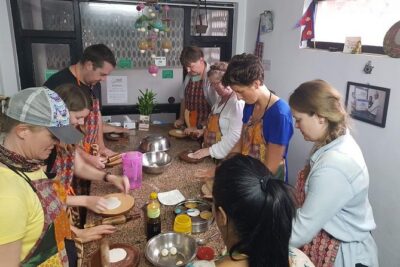 ★ 5.0Half day cooking class in Thamel kathmanduFrom $28607 reviews
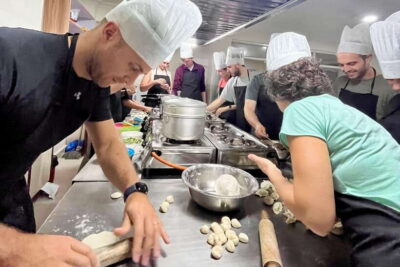 ★ 4.9Local Women-Led Nepali Cooking & Momo ClassFrom $4360 reviews
Local Women Lead Nepali Cooking ClassFrom $30125 reviews
★ 4.9Local Women-Led Nepali Cooking & Momo ClassFrom $4360 reviews
Local Women Lead Nepali Cooking ClassFrom $30125 reviews
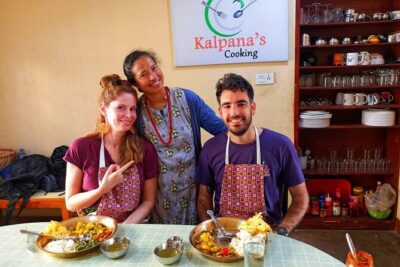 ★ 5.0The best Private Nepali Cooking Class in KathmanduFrom $2483 reviews
 ★ 4.8Traditional Momo Making Class & PickupFrom $460 reviews
 ★ 5.0Traditional Nepali Momo Making ClassesFrom $1853 reviews
 ★ 4.9Local Women-Lead Nepali Cooking & Momo ClassFrom $545 reviews
 ★ 4.9Local Lead Nepali Cooking & Momo Making ClassFrom $440 reviews
Browse the lists this tour appears in