
Review · NEPALI COOKING & MOMO CLASSES
Traditional Nepali Momo Making Classes
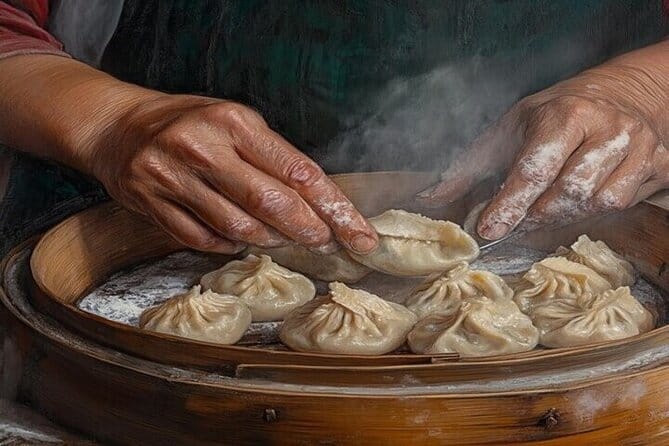
Momos taste better after you shape them. At Namaste Cooking School in Thamel, a women-run setup turns Nepali momo making into a 90-minute, hands-on meal lesson, starting with a masala chai welcome and then getting you to do the work with momo dough and filling yourself. If you want a quick Kathmandu experience that feels cultural (not just cooking-for-tourists), this hits the mark.
What I like most is how practical it is and how patient the teachers are. For a drawback, keep in mind the session depends on good weather, and with only about 1.5 hours total, you’ll learn the basics well, not become a full-time dumpling pro.
This class is also capped at 16 people, so you’re not lost in a big group. You’ll still get enough structure to make sense of the process, and you’ll leave with a recipe book instead of just a full stomach.
In This Review
- Key highlights you’ll care about
- Thamel location: quick to reach, easy to mix with sightseeing
- The 90-minute flow: chai, menu choice, spice basics, then momo work
- Spices and local ingredients: how Nepali flavor actually gets built
- Lunch you can actually judge: eating what you made
- Price and value: $18 for lunch plus real skill
- Who should book (and what to watch for)
- Should you book Namaste Cooking School’s momo class?
- FAQ
- FAQ
- What is the duration of the Traditional Nepali Momo Making Class?
- Where does the class start in Kathmandu?
- What time does the class start?
- Is lunch included?
- How many people are in a class?
- Is the class taught in English?
- Do they handle dietary restrictions or allergies?
- What happens if the weather is poor?
Key highlights you’ll care about
- Women-led teaching with a focus on local sourcing, so the flavors follow what Nepal actually grows
- Small group size (max 16), which helps when you’re learning to fold
- Spice intro before you start cooking, so you can name flavors later
- Chai first, then hands-on momo work, and you get to eat what you make
- Recipe book keepsake, useful for repeating the class at home
Make something to carry home
- Half day cooking class in Thamel kathmandu★ 5.0 · 607 reviews
- Kathmandu: Local Women-Led Nepali Cooking & Momo Class★ 4.9 · 360 reviews
- Kathmandu: Local Lead Nepali Cooking & Momo-Making Class★ 5.0 · 212 reviews
- Knife (Khukuri) Making Workshop- Forge of the Gurkhas★ 5.0 · 143 reviews
Thamel location: quick to reach, easy to mix with sightseeing
Namaste Cooking School is in the heart of Thamel, Kathmandu’s tourist-and-local overlap zone. That matters, because a cooking class works best when logistics don’t hijack your day. You can walk over or use nearby public transportation and still be on time without a stressful hunt for the address.
It’s also run by women, and the tone of the experience is about preserving Nepal’s indigenous culinary heritage, not chasing “international cooking class” vibes. The school highlights ingredient sourcing from local farmers, which is more than a marketing line. When you make food using ingredients that match local flavor habits, the class teaches you how Nepali taste actually builds—spice, aroma, and technique working together.
Another nice detail: the class is offered in English. That reduces the “guessing game” that can happen in more informal kitchens. And based on teaching style described by past students, the atmosphere is friendly and patient, not rushed. One person even credited the teachers by name—Sushila and Sabita—mentioning their teaching warmth and humor, plus extra performance energy like singing and dancing.
Even if you’re not staying in Thamel, you’ll probably find it convenient. Start time is 12:30 pm, so this pairs well with a late morning of sightseeing or a short museum/temple stop before lunch.
The 90-minute flow: chai, menu choice, spice basics, then momo work
The class is built like a steady runway: warm welcome, quick decisions, then cooking you can actually do.
First, you arrive and get a traditional cup of masala chai. In Nepal, chai is hospitality—simple, comforting, and social. It also sets the tempo for the session. If you’re sensitive to milk or spices, mention it during the dietary/allergy check later.
Next comes menu selection. You choose from carefully curated options for your momo experience. They also ask about dietary restrictions and allergies, which is practical because fillings and flavoring can change. If you’ve got a clear allergy, this is the moment to speak up so the cooks can adjust.
Before you touch the dough, you get an overview of regional spices that show up in Nepali momo. This part is more valuable than it sounds. Once you know what’s in the flavor system—spice profiles and what they do—you stop treating the filling like a mystery. You’re learning a logic.
Then the best section: hands-on momo making.
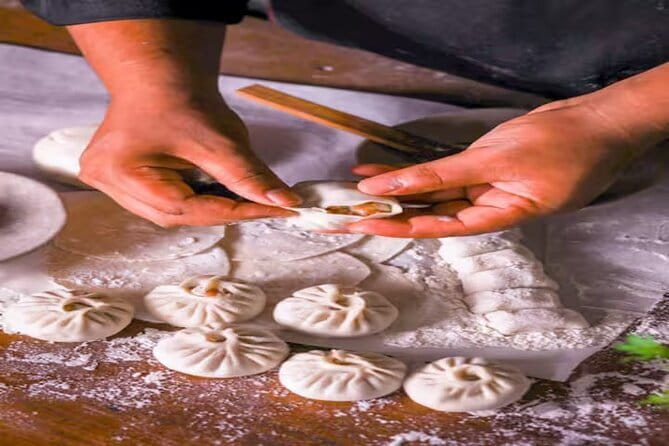
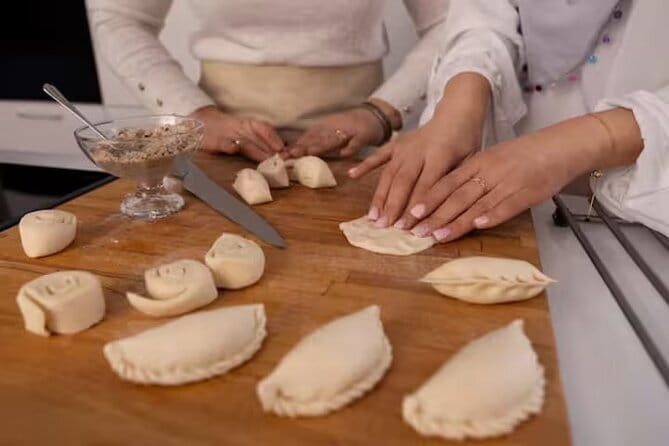
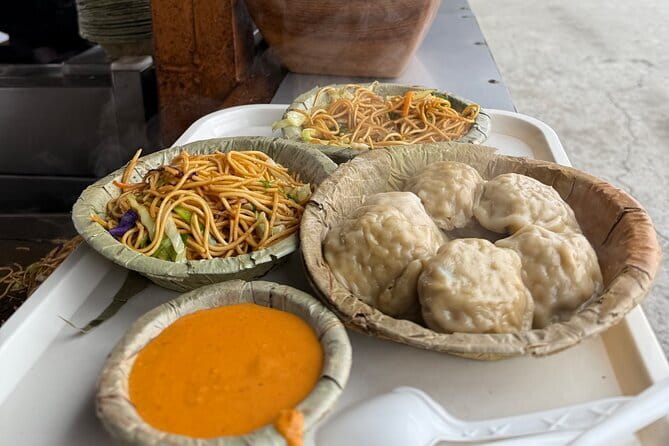
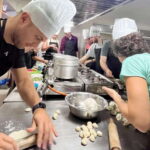
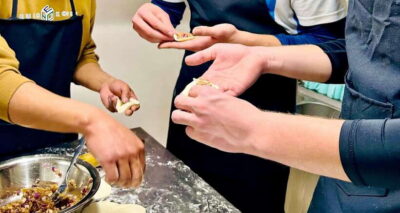
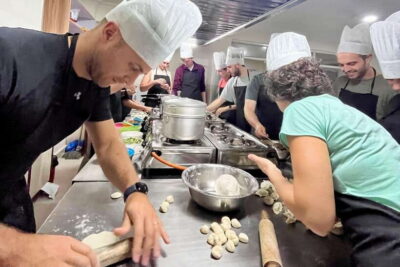
You’ll work on preparing authentic Nepali momos with step-by-step guidance. That usually means doing a bit at a time: getting the dough moving, assembling filling, then learning how to shape/fold. The emphasis is on learning by doing, not just watching. Past students specifically praised how much technique you pick up and how the teachers guide you through the process without impatience.
When you finish, you get the recipe book from Namaste Cooking School. That’s your chance to turn a fun day into something repeatable at home—especially if you want to recreate the folding style and the spice balance later.
Spices and local ingredients: how Nepali flavor actually gets built
Nepali momo flavor isn’t only about heat. It’s about aroma. It’s about how spices show up in layers—some in the filling, some in the sauce or finishing touches, and some just in the overall fragrance when everything cooks together.
The school’s approach is to connect you with the indigenous culinary heritage of Nepal and the ingredients local farmers provide. You’ll hear about regional spices that are integral to momo cuisine. For me, this is the part that makes the class feel more like a cultural lesson than a gimmick.
Why does this matter for your trip? Because Kathmandu has a lot of momo options. After this class, you can taste differences more clearly. Even if you don’t remember every ingredient name, you’ll have a mental map of what makes a filling taste “right” versus bland or overly salty. You’ll also understand why certain spices show up where they do.
And if you’re the type who likes to shop for food back home, you’ll have an easier time. The recipe book gives you a framework. You’re not just copying a dumpling shape—you’re learning what to look for when sourcing spices.
If you’re worried about spice intensity: they ask about dietary restrictions and allergies before cooking. Use that time to flag anything that could affect your comfort level.
Lunch you can actually judge: eating what you made
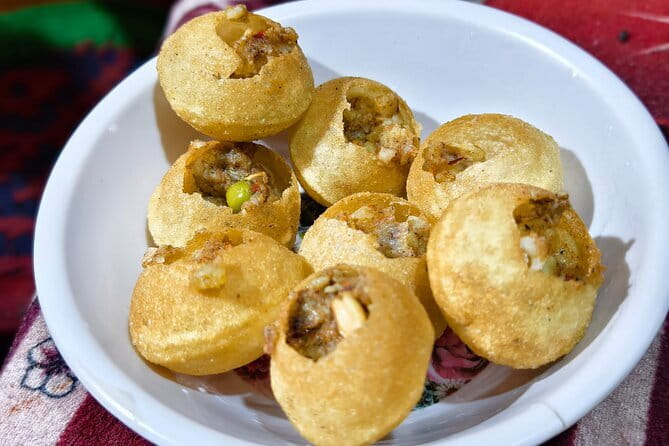
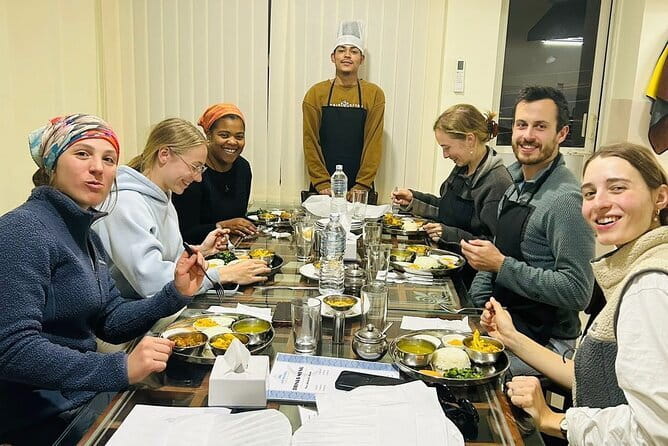
This experience includes lunch, and that’s a big part of the value equation. You’re not only learning technique; you’re also tasting results in the same sitting. That turns the class into feedback. If something feels off, you can notice right away and understand what to adjust next time.
In practical terms, it also means you can plan your day around this one appointment. With a 12:30 pm start and lunch included, it’s a solid mid-day anchor when Kathmandu schedules can get slippery.
Some students mention the kitchen setup and even panoramic rooftop views of Kathmandu from the school area. Even if that detail isn’t central to your day, it’s a nice bonus if you happen to look around while you’re waiting for your turn at the dough stations.
And the teaching style seems to matter here too. Several people praised how patient and kind the instructors were—teaching not just what to do, but how to do it without stress. If you’ve ever tried dumplings at home and felt your first batch was a sticky mess, you’ll appreciate this kind of guidance.
Once you’re done, the recipe book becomes your “third teacher.” It’s there so you can rebuild the flavors and steps later. For value, recipe books matter because they prevent the common cooking-class problem: fun in the moment, nothing useful afterward.

Price and value: $18 for lunch plus real skill
At $18 per person, this class sits in a sweet spot for Kathmandu. You’re paying for more than ingredients. You’re paying for:
- guided technique (especially shaping and folding)
- English instruction
- lunch included
- a recipe book keepsake
- a small group setting (max 16)
That’s why it feels like a strong deal. Many cooking classes cost much more for basically the same core idea—cook, eat, take photos, done. Here, the structure is tight: chai welcome, menu choice, spice intro, then active making.
Also, note how fast this sells out: on average, it’s booked about 8 days in advance. That’s often a sign the class is popular with people who want an easy, reliable activity that doesn’t require major planning. If you’re traveling during busier seasons or weekends, book earlier so you can lock in your preferred day.
One more small point that affects your experience: it uses a mobile ticket. That reduces the friction of figuring out paper confirmations, which is handy in a city where you’ll already be juggling maps, taxis, and local SIM issues.
Who should book (and what to watch for)
This is a great fit if you want:
- a hands-on Kathmandu activity that includes lunch
- an English-led class with clear steps
- a short session that still teaches real technique
- a more culturally grounded approach with local ingredient sourcing
It also works well for couples and families. One past student even described bringing an 8-year-old who ended up enjoying the class, which suggests the setting is welcoming and not overly serious.
Who might want to think twice?
- If you’re expecting a long, deep, multi-course culinary immersion, remember the session is about 1 hour 30 minutes. You’ll learn a lot, but it’s still a starter course.
- If you’re coming in only for a quick photo op, this class requires your hands. If you don’t want to fold, assemble, or work with dough, you might feel impatient.
- If weather is questionable during your dates, plan for the possibility that scheduling can be affected due to good-weather requirements.
Finally, bring curiosity. The spice overview and the ingredient emphasis will make more sense if you treat it like a flavor detective game: notice the smell, ask questions, and don’t be afraid to taste along the way.
Should you book Namaste Cooking School’s momo class?
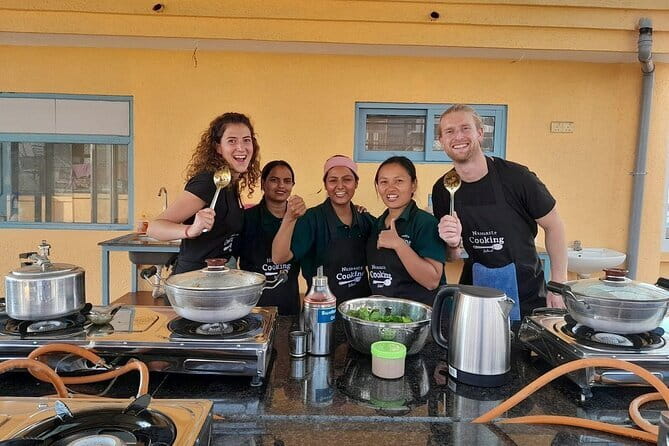
Yes, if you want a memorable Kathmandu meal that you can repeat at home and share with friends. For the price, you get a full learning loop: welcome, spice logic, hands-on technique, lunch, and a recipe book.
Book it especially if:
- you’re in Thamel already and want a low-stress plan
- you like learning by doing, not just watching
- you want an experience centered on Nepal’s culinary heritage, taught by women
Skip it if:
- you only want a passive activity
- you want a multi-day food program rather than a focused 90-minute class
- your schedule won’t handle a weather-dependent shift
FAQ
FAQ
What is the duration of the Traditional Nepali Momo Making Class?
The class runs for about 1 hour 30 minutes.
Where does the class start in Kathmandu?
The meeting point is Bhagwati Marg, Kathmandu 44600, Nepal.
What time does the class start?
The start time listed is 12:30 pm.
Is lunch included?
Yes. Lunch is included with the experience.
How many people are in a class?
The maximum group size is 16 travelers.
Is the class taught in English?
Yes. English is one of the offered languages.
Do they handle dietary restrictions or allergies?
Yes. During menu selection, the instructors ask about any dietary restrictions or allergies so you can cook safely and comfortably.
What happens if the weather is poor?
This experience requires good weather. If it’s canceled due to poor weather, you’ll be offered a different date or a full refund.
Make a Little Nepal to Take Home
More Tour Reviews in Kathmandu

Just Reviewed in Kathmandu
- Mountain Bike Tour
★ 5.0 · 3 reviews - Annapurna Panaroma
★ 5.0 · 3 reviews - Mount Everest Scenic Flight 50 Minutes
★ 5.0 · 3 reviews - Kathmandu : Swambhunath & Durbar Square Guided Half Day Tour
★ 3.3 · 3 reviews - Chandragiri Cable Car & Monkey Temple Tour – Private/Group
★ 5.0 · 3 reviews - Kathmandu: Shivapuri National Park Hiking Day Trip
★ 3.3 · 3 reviews
Nepali Cooking & Momo Classes, compared.
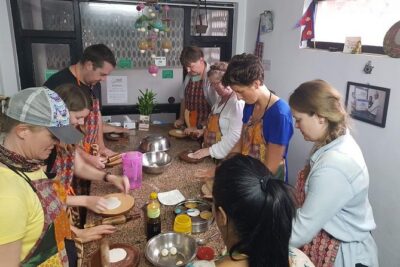 ★ 5.0Half day cooking class in Thamel kathmanduFrom $28607 reviews
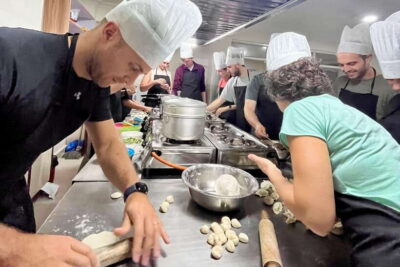 ★ 4.9Local Women-Led Nepali Cooking & Momo ClassFrom $4360 reviews
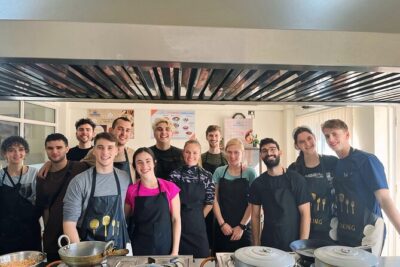 ★ 5.0Local Lead Nepali Cooking & Momo-Making ClassFrom $5212 reviews
Local Women Lead Nepali Cooking ClassFrom $30125 reviews
★ 5.0Local Lead Nepali Cooking & Momo-Making ClassFrom $5212 reviews
Local Women Lead Nepali Cooking ClassFrom $30125 reviews
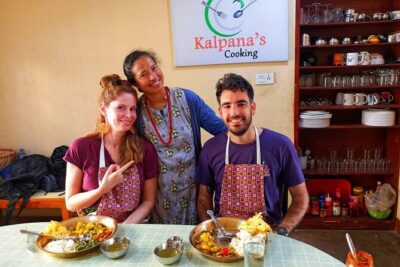 ★ 5.0The best Private Nepali Cooking Class in KathmanduFrom $2483 reviews
 ★ 4.8Traditional Momo Making Class & PickupFrom $460 reviews
 ★ 4.9Local Women-Lead Nepali Cooking & Momo ClassFrom $545 reviews
★ 4.9Local Lead Nepali Cooking & Momo Making ClassFrom $440 reviews
★ 4.9Local Women-Lead Nepali Cooking & Momo ClassFrom $545 reviews
★ 4.9Local Lead Nepali Cooking & Momo Making ClassFrom $440 reviews
Browse the lists this tour appears in