
Review · NEPALI COOKING & MOMO CLASSES
Kathmandu: Local Women-Led Nepali Cooking & Momo Class
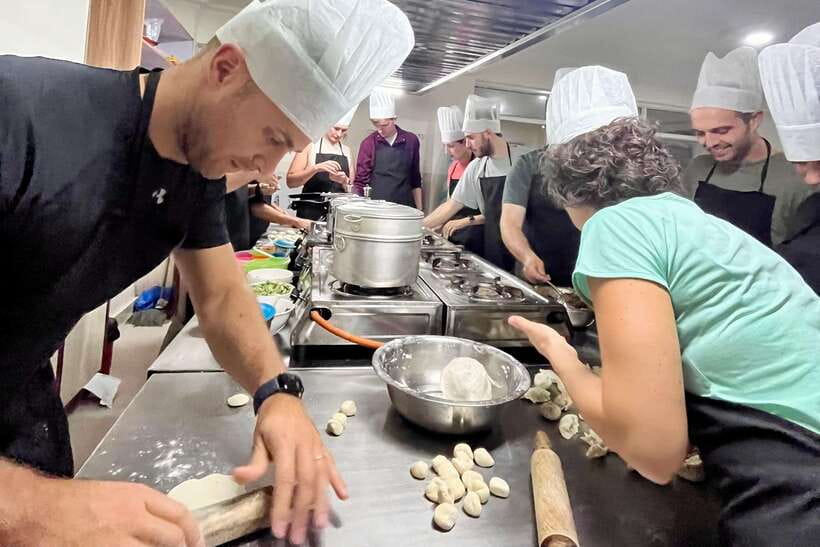
A hot plate, a rolling dough ball, and suddenly Nepal is on your menu. This Kathmandu Cooking Academy class mixes a hands-on cooking session with a market stop, led by locals like Nish and Bikram who explain each step clearly.
I especially like how you start from scratch, with ingredient choices and basic techniques that make momo and dal bhat feel doable, not mysterious. I also like the value: for a low price, you get the market walk, cooking instruction, masala tea, and a full meal you cooked yourself.
One consideration: the experience isn’t built for wheelchair users, and the location can involve stairs or a steep approach from nearby taxis, so plan your route carefully.
In This Review
- Key things I’d remember about this class
- Why this Kathmandu cooking class feels worth your time
- Getting oriented: Thamel pickup and the walk into the class
- The market stop: where your ingredients start telling the story
- Kitchen time with Nish and Bikram: momo and dal bhat as the foundation
- Momo: dumpling skills you can reuse
- Dal bhat: rice, lentil curry, and comfort flavor
- Choosing what else you’ll cook: beyond the basics
- Chatamari: the Nepali pizza idea
- Bara: crispy-on-the-outside comfort
- Chicken curry with roti (or vegetarian alternatives)
- Thukpa: a hearty noodle soup twist
- Mushroom choila: spicy, marinated, and bold
- Yomari and other Nepali sweets
- Masala tea as the mid-class reset
- What the tasting actually feels like
- Duration and group size: plan for a real few hours
- Who this class suits best
- Practical tips before you go
- Price and value: what $4 really buys you
- Should you book Kathmandu Local Women-Led Nepali Cooking & Momo?
- FAQ
- What is the duration of the Kathmandu cooking and momo class?
- Does the class include a market visit?
- What dishes will I learn to cook?
- Is hotel pickup and drop-off available?
- Is the class taught in English?
- What should I bring or do before the class?
Key things I’d remember about this class
- Market + cooking together: you shop for ingredients, then cook with what you chose
- Momo and dal bhat are the core: the main skills actually transfer to meals at home
- Clear teaching from local instructors: Nish leads with patience, and Bikram supports the food prep
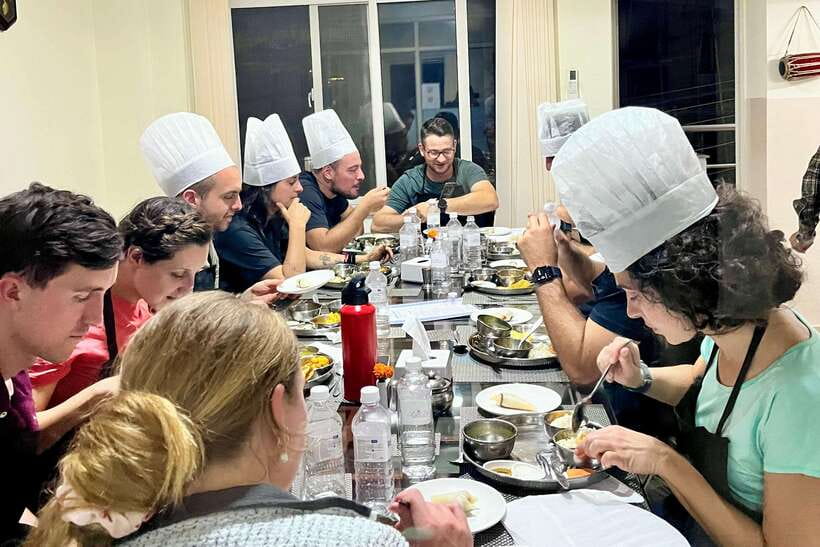
- Small group feel: you’re not just watching; you’re doing
- Lots of food options: vegetarian and meat dishes, plus snacks and sweets depending on your menu
- Meal satisfaction included: you eat what you make, plus masala tea during the lesson
More time at the stove
- Half day cooking class in Thamel kathmandu★ 5.0 · 607 reviews
- Kathmandu: Local Women-Led Nepali Cooking & Momo Class★ 4.9 · 360 reviews
- Kathmandu: Local Lead Nepali Cooking & Momo-Making Class★ 5.0 · 212 reviews
- Local Women Lead Nepali Cooking Class★ 5.0 · 125 reviews
Why this Kathmandu cooking class feels worth your time
Kathmandu has no shortage of food tours. But what I liked about this one is that it doesn’t stop at tasting. You’re working in a real kitchen rhythm, learning technique, and then eating the results while the smell of spices is still in the air.
This is also a cultural class in the practical sense. You don’t just hear that Nepali food is about spice balance and comfort. You feel it when you shape momo dough, fold fillings, and build dal bhat flavors that taste like a meal you’d eat daily. And because it’s women-led, led by people like Nish (and supported by instructors such as Bikram), the tone tends to be warm, patient, and geared toward helping you succeed.
Price-wise, it’s a strong deal. At around $4 per person, you’re getting a multi-part experience: market visit, guided cooking, equipment, instruction, and tasting. That kind of value is rare in a capital city where food experiences often cost a lot more for less hands-on time.
Getting oriented: Thamel pickup and the walk into the class
Most classes start around Thamel, Kathmandu’s easy-to-find visitor hub. If you choose the pickup option, transport can collect you from within Kathmandu and bring you to the cooking academy area. If not, you’ll meet up at the scheduled start point, with some variation depending on the booking option.
Why this matters: Kathmandu is spread out, and traffic and timing can be tricky. Being picked up or starting from the Thamel area helps you keep the evening (or afternoon) on schedule. Also, arrive about 15 minutes early. That buffer gives you time to settle, meet your instructor, and get into the kitchen flow before the group starts cooking.
One logistics note from what you should expect on the ground: the class location may involve stairs, and some approaches can be steep. If you’re walking from a taxi drop-off, you might want to confirm the closest access point before you go.
The market stop: where your ingredients start telling the story
The lesson includes a market/shop tour to buy key ingredients for your dishes. This is one of the most important parts of the experience, because it turns cooking into something you can repeat at home.
Instead of guessing what spices go into Nepali dumplings or a lentil curry, you get a guided look at what you’re actually buying and why it matters. You’ll also be around cooks and local vendors, so you learn by context: the look of produce, the way spices are used, and how meat or vegetables fit into a Nepali menu.
If you want to cook well later, don’t rush this part. Ask questions while you can. Even if your group is moving, this market walk is your chance to pick up practical cues, like what to prioritize when choosing ingredients.
Kitchen time with Nish and Bikram: momo and dal bhat as the foundation
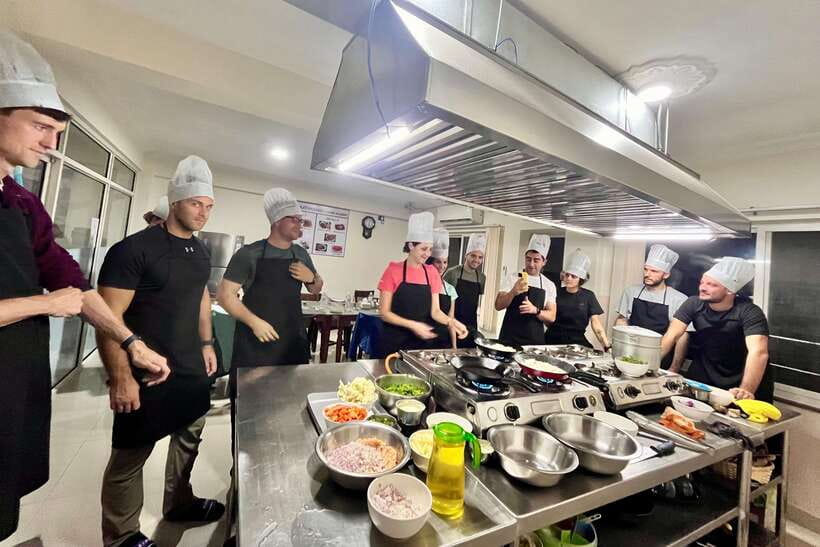
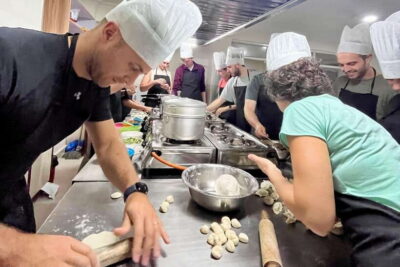
This class is built around momo and dal bhat as the main dishes. That’s the smart choice, because momo teaches hands-on technique (dough, filling, folding), and dal bhat teaches flavor building (lentils, rice, curry balance). Once you can do those, a lot of Nepali cooking becomes less intimidating.
Make something to carry home
Momo: dumpling skills you can reuse
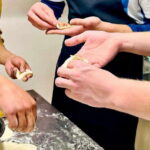
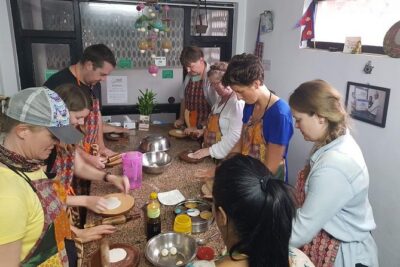
You’ll make momo from start to finish. In the experience, you’re not just assembling. You learn the process: how dough comes together, how filling gets portioned, how momo takes shape, and how dipping sauce fits into the meal.
The instructors like Nish often lead the teaching, with Bikram and the team supporting ingredient prep and the kitchen workflow. People consistently highlight that the steps are explained well and the instructors keep things unhurried. That matters because momo is one of those foods where small technique details change the result.
Momo also comes with a flexible menu choice:
- Chicken filling option
- Vegetarian filling option
So you can pick what fits your taste while still learning the core dumpling method.
Dal bhat: rice, lentil curry, and comfort flavor
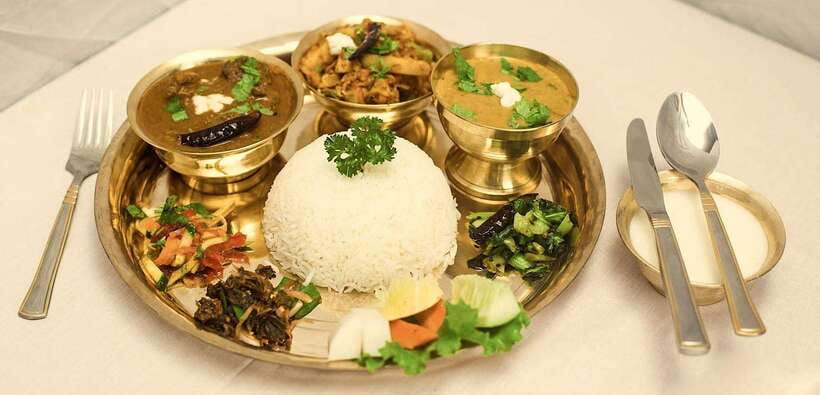
Dal bhat is the quintessential Nepali combination of rice, lentil curry, and a set of flavors built to be eaten as a meal. What makes it a great teaching target is that it’s simple in concept but nuanced in practice. You learn how ingredients work together so it tastes right, not just cooked.
Your dal bhat experience depends on the menu selection, but the overall goal stays the same: learn how to build the curry element and pair it with rice so the whole plate makes sense.
Choosing what else you’ll cook: beyond the basics
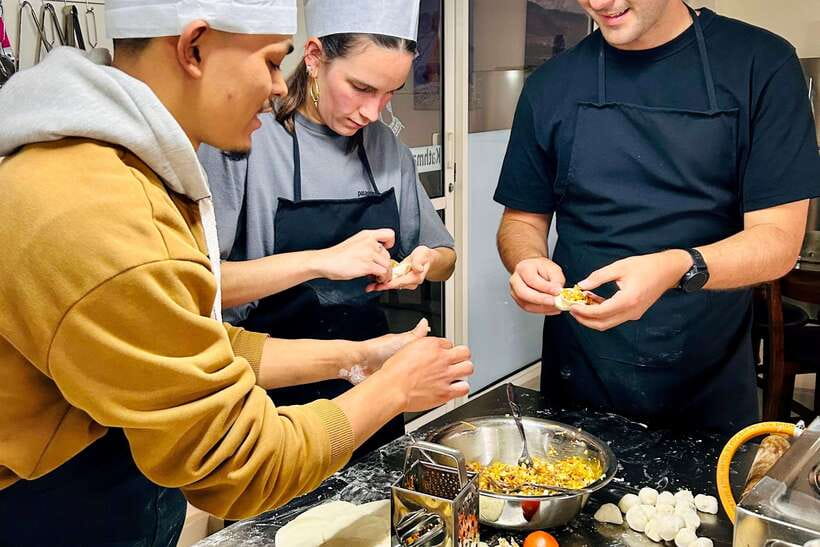
A lot of the appeal here is that the class isn’t forced into one rigid menu. You typically have momo and dal bhat as anchors, then you can add other Nepali dishes based on the options available for your class.
Here are some of the foods you may encounter in your session, depending on your menu choice and what your group decides to cook:
Chatamari: the Nepali pizza idea
Chatamari is often described as a flatbread topped with ingredients. The fun part is that it teaches a different style of Nepali cooking than dumplings: more about batter/flat cooking and topping balance. If you want variety without losing technique, chatamari is a great choice.
Bara: crispy-on-the-outside comfort
Bara is a deep-fried lentil patty. People seem to love the contrast: crisp exterior, tender inside. It’s a good dish to include if you’re hungry for texture lessons, not only shaping skills.
Chicken curry with roti (or vegetarian alternatives)
You may also make a spiced chicken curry served with roti. This is a practical add-on because it shows how curry flavor and bread pairing work in Nepali meals.
Thukpa: a hearty noodle soup twist
Thukpa is a noodle soup with roots in Tibetan cuisine, but it’s widely embraced in Nepal. If you pick it, you’re learning how soups feel like a full meal, not a side.
Mushroom choila: spicy, marinated, and bold
Mushroom choila brings a marinated, spicy flavor style. It’s a strong choice if you want something aromatic and punchy, especially if you’re cooking vegetarian.
Yomari and other Nepali sweets
Some classes include sweets like yomari, a dumpling filled with jaggery and sesame. Others might include sweet desserts such as carrot pudding. These are worth paying attention to because Nepali sweets use flavor profiles that are different from what many people expect.
If you’re the type who always picks dessert first, plan to choose a sweet option when it’s available.
Masala tea as the mid-class reset
You’ll have Nepali masala tea during the lesson. It’s warm, spiced, and the kind of drink that keeps energy up while you’re kneading, chopping, and folding.
What the tasting actually feels like
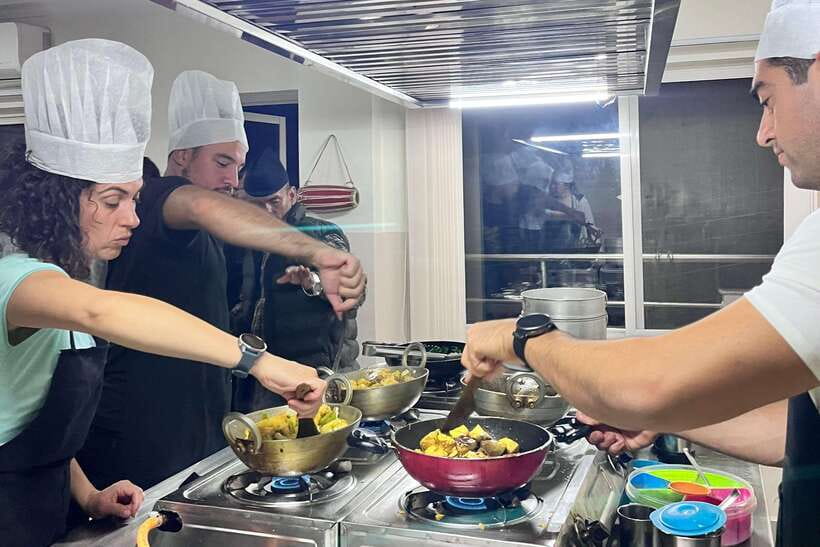
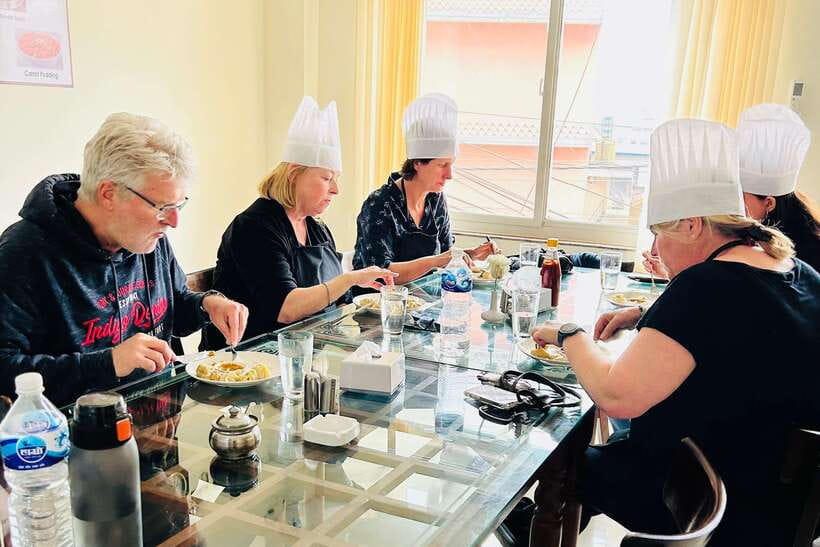
You get a tasting session of the food you cooked. In practice, this means you’re eating while the dishes are still freshly made, not hours later and not in a separate presentation style.
And yes, you should arrive hungry. Many people leave very full because the menu is designed to feed you, not just sample a few bites. You’re building a plate: dumplings, curry elements, sides, and sometimes snacks and sweets, depending on the menu you choose.
This is also where the class earns trust. Cooking instruction is easy to rate, but eating the finished results is how you judge whether the techniques and flavor logic actually work.
Duration and group size: plan for a real few hours
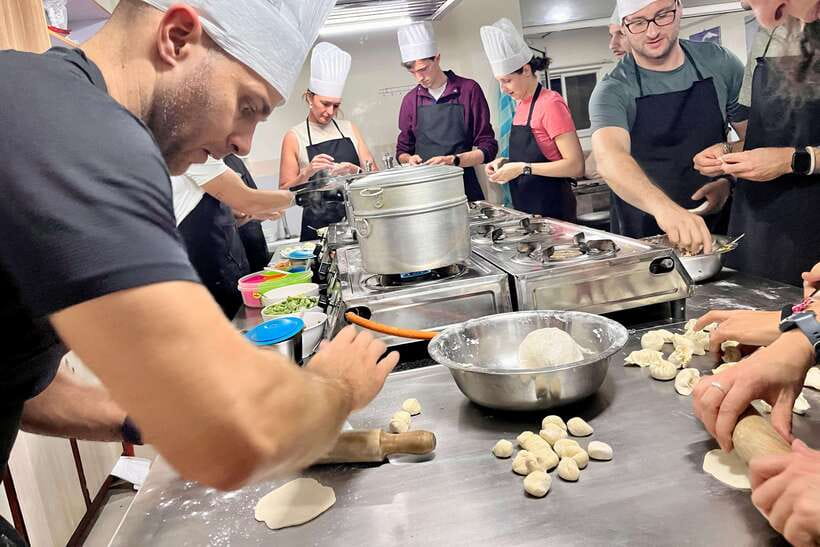
The experience runs about 3 hours in typical cases, and it’s listed in a 2 to 4 hour window depending on timing and what you choose to cook.
The group is small, with English-speaking instruction. A small group matters more than it sounds. In a momo class, one instructor can’t supervise 20 people without quality dropping. With a smaller group, you’re more likely to get real hands-on feedback when you’re shaping or seasoning.
Who this class suits best
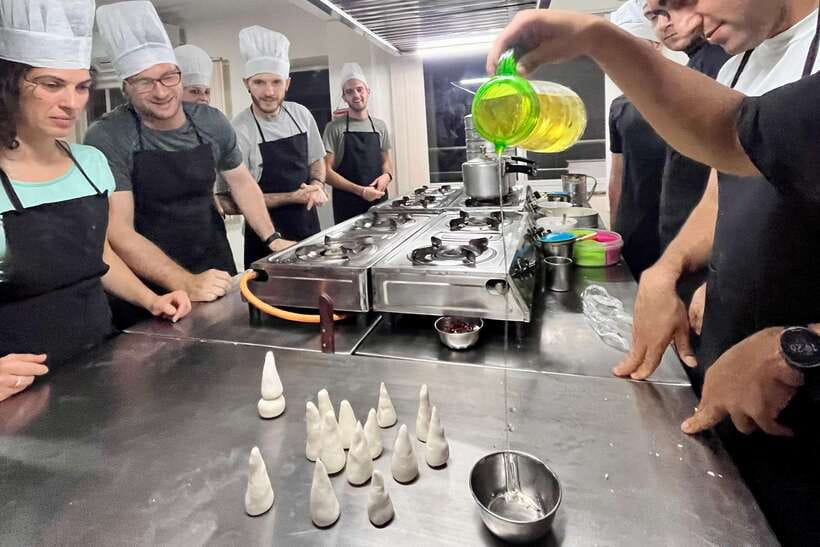
This class is a great fit if:
- You like food that you can cook again at home, not just admire
- You want a hands-on skill (momo) plus a comfort meal (dal bhat)
- You enjoy learning through explanation and doing, not only watching
- You want a value-heavy food experience in Kathmandu
It’s also a solid choice for solo travelers who like meeting people in a relaxed, task-based setting. People mention the atmosphere being fun and relaxed, with time to talk while still getting work done in the kitchen.
Practical tips before you go
A few small things can make the experience easier:
- Bring a camera if you want photos of the cooking and finished plates.
- Wear comfortable clothes for kneading, chopping, and standing at the kitchen station.
- Tell your instructors about any dietary needs or restrictions in advance. The class notes that you should share preferences before you arrive so you can be accommodated.
- If you want recipes later, you can request a PDF recipe book after the class via WhatsApp. Physical books are also available for purchase for an extra cost.
If you’re particularly sensitive to hygiene concerns or have allergies, it’s worth clearly informing the team ahead of time, since the kitchen emphasizes keeping standards high.
Price and value: what $4 really buys you
At $4 per person, this class is priced like a local activity, not a tourist add-on. And it’s not only cheap because of the setting. The value comes from what’s included:
- Market/shop tour for ingredients
- Step-by-step cooking instruction
- Hands-on cooking in the kitchen
- Equipment and accessories
- Tasting session of what you cooked
- Masala tea during the lesson
- Hotel pickup and drop-off if you choose that option
In a lot of food experiences, you pay for guiding and tasting only. Here, you’re paying for instruction, time, and the ingredients process that makes the meal.
Is there a trade-off? You’re in a group setting with limited time. You won’t get a full restaurant-style course on every technique from every region of Nepal. But for learning momo and dal bhat in a repeatable way, the cost-to-time ratio is hard to beat.
Should you book Kathmandu Local Women-Led Nepali Cooking & Momo?
Book it if you want skills, not just bites. If your travel style includes getting your hands dirty, learning how Nepali flavors are built, and leaving with recipes you can realistically repeat later, this is a strong pick.
Skip or reconsider if:
- You need wheelchair access, since the class isn’t suitable and stairs may be involved
- You don’t want a hands-on class and prefer only tasting
- You’re pressed for time and can’t comfortably handle a few hours including a market walk
If you’re on the fence, here’s my quick decision rule: choose this class if you’d rather spend a morning or afternoon learning than collecting photos. You’ll eat well, learn more than one technique, and get a Kathmandu experience that stays with you long after the dumplings are gone.
FAQ
What is the duration of the Kathmandu cooking and momo class?
The experience lasts around 3 hours, with a listed range of 2 to 4 hours depending on the selected time option and class flow.
Does the class include a market visit?
Yes. You’ll join a market/shop tour to buy important ingredients for the class before you start cooking.
What dishes will I learn to cook?
The class focuses on momo and dal bhat as main dishes, with options to select additional Nepali dishes. Specific dishes may include items like momo (chicken or vegetarian), chatamari, bara, roti with chicken curry, thukpa, mushroom choila, and Nepali sweets such as yomari and carrot pudding, depending on the menu choices available.
Is hotel pickup and drop-off available?
Pickup is optional. If you select it, you’ll be picked up and dropped off in Kathmandu.
Is the class taught in English?
Yes. The instructor is listed as English speaking.
What should I bring or do before the class?
Bring a camera if you want photos. You should also arrive about 15 minutes before the scheduled class time. If you want recipe details, you can request a PDF recipe book after the class via WhatsApp.
Make a Little Nepal to Take Home
Learn Another Nepali Dish
More Tour Reviews in Kathmandu


Just Reviewed in Kathmandu
- Mountain Bike Tour
★ 5.0 · 3 reviews - Annapurna Panaroma
★ 5.0 · 3 reviews - Mount Everest Scenic Flight 50 Minutes
★ 5.0 · 3 reviews - Kathmandu : Swambhunath & Durbar Square Guided Half Day Tour
★ 3.3 · 3 reviews - Chandragiri Cable Car & Monkey Temple Tour – Private/Group
★ 5.0 · 3 reviews - Kathmandu: Shivapuri National Park Hiking Day Trip
★ 3.3 · 3 reviews
Nepali Cooking & Momo Classes, compared.
 ★ 5.0Half day cooking class in Thamel kathmanduFrom $28607 reviews
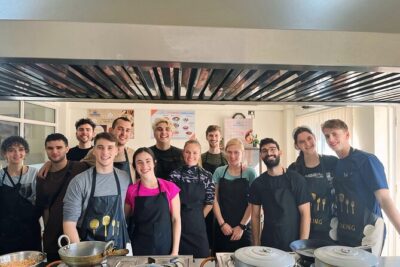 ★ 5.0Local Lead Nepali Cooking & Momo-Making ClassFrom $5212 reviews
Local Women Lead Nepali Cooking ClassFrom $30125 reviews
★ 5.0Local Lead Nepali Cooking & Momo-Making ClassFrom $5212 reviews
Local Women Lead Nepali Cooking ClassFrom $30125 reviews
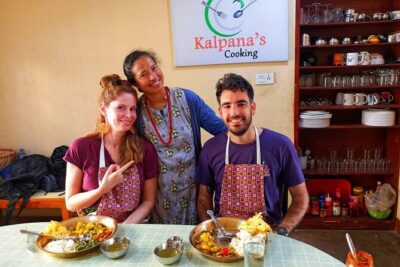 ★ 5.0The best Private Nepali Cooking Class in KathmanduFrom $2483 reviews
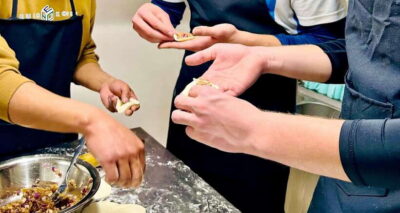 ★ 4.8Traditional Momo Making Class & PickupFrom $460 reviews
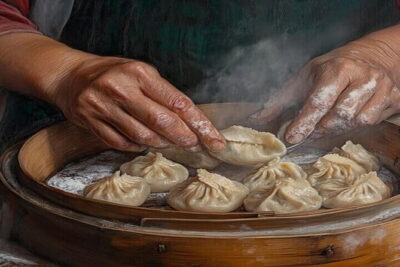 ★ 5.0Traditional Nepali Momo Making ClassesFrom $1853 reviews
 ★ 4.9Local Women-Lead Nepali Cooking & Momo ClassFrom $545 reviews
★ 4.9Local Lead Nepali Cooking & Momo Making ClassFrom $440 reviews
★ 4.9Local Women-Lead Nepali Cooking & Momo ClassFrom $545 reviews
★ 4.9Local Lead Nepali Cooking & Momo Making ClassFrom $440 reviews
Browse the lists this tour appears in