
Review · PEAK CLIMBING & EXPEDITIONS
Lobuche Peak Climbing on 21 Days
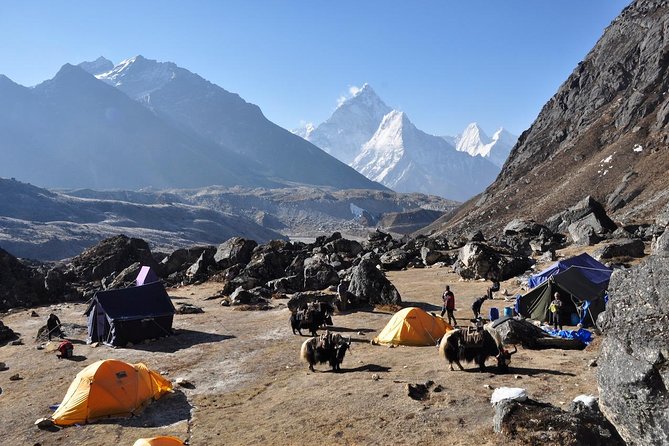
Lobuche Peak turns big dreams into real steps. This trek-and-climb route builds you up through the Everest region while keeping daily walking practical, from Namche to Gokyo and then into the Lobuche area. I also like that you spend real time with Sherpa villages and monasteries, not just mountain photo stops.
I’m especially impressed by how this trip is managed on the ground. In the feedback I’ve seen, people praised Guide Karma for technical support and a genuine love of the mountains, plus Dream Himalaya’s organized Kathmandu-to-hike flow. One couple (Patrick and family) specifically liked how the Kathmandu days were planned rather than left as vague free time.
The main consideration is the climb itself. Lobuche East is not a casual hike, and you’re expected to be proficient with ice axe and crampons (and other high-mountain gear). If you arrive without that skill set or with a fitness gap, summit day will feel heavier than the height numbers suggest.
In This Review
- Key Highlights You Should Know Before You Go
- From Kathmandu to Ramechhap: the first move into Everest country
- Lukla flight day: why 20 minutes can control the schedule
- Namche to Khumjung: Everest views plus culture at 3,800m
- The Gokyo arc: Machermo and Ngozumba Lake as altitude training
- Cho-La to Dzongla: pass terrain is where timing and footing matter
- Lobuche Lower High Camp to East Summit: the climb that defines the trip
- Downclimb and descent: Pangboche to Namche, with altitude behind you
- The return to Kathmandu: Ramechhap drive plus a celebration dinner
- Price and logistics: is $2,700 value for this kind of mission?
- Guide Karma and the Dream Himalaya approach to reliability
- Gear, training, and pace: how to prepare so summit day feels planned
- Who this trip suits best (and who should rethink)
- Should You Book Lobuche Peak Climbing with Dream Himalaya?
- FAQ
- Where does the Lobuche Peak climb tour start?
- How long is the trip?
- What is the price per person?
- Is this tour private?
- Is pickup included?
- What flights are included in the itinerary?
- What is the highest altitude on the itinerary?
- Is there an acclimatization day?
- Is there an emergency day for flight delays?
- Can I cancel for a full refund?
Key Highlights You Should Know Before You Go
- Group B, “technical but learnable”: Lobuche is classified as a group B trekking peak, which means you’re climbing, not just trekking.
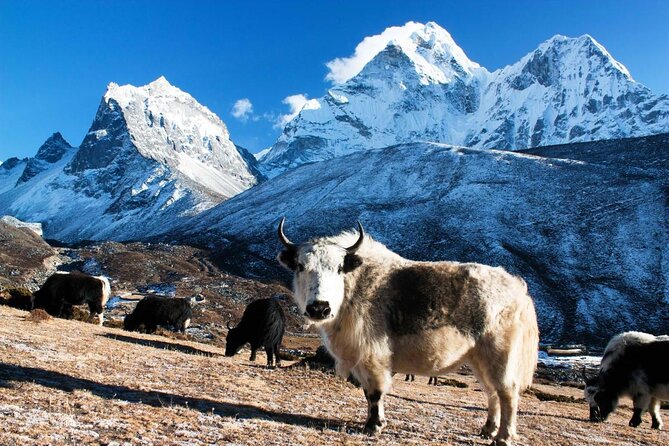
- Everest views without racing the clock: You get vantage points for Everest, Lhotse, Nuptse, Ama Dablam, Thamserku, and more as you gain altitude.
- A real acclimatization ladder: Machermo, Gokyo, Ngozumba Lake hike, Gokyo Ri, and Cho-La give your body staged altitude practice.
- Two summit-style days: A lower high camp night setup, then a long push to Lobuche East Summit around 6,119m.
- Sherpa culture comes built in: Khumjung and Pangboche are part of the flow, with time for village and monastery immersion.
- Flight contingency is planned: There’s an emergency day tied to Lukla flights if schedules slip.
Not sure yet? Here are other Kathmandu tours worth a side-by-side look.
- Everest Base Camp Trek – 14 Days★ 5.0 · 1,499 reviews
- Everest Base Camp Trek★ 5.0 · 842 reviews
- Private Kathmandu Sightseeing Tour | UNESCO World Heritage sites★ 5.0 · 756 reviews
- Kathmandu: 7 UNESCO Sites with Lunch★ 4.8 · 744 reviews
From Kathmandu to Ramechhap: the first move into Everest country
Your trip starts at Tribhuvan Airport in Kathmandu, with a transfer to your hotel and a briefing. This matters more than it sounds: the Everest region works on timing, altitude, and gear details, so getting your basics lined up early helps you travel calmer.
Day 2 is prep and packing, then a drive to Ramechhap (about 5 hours, 195km). This is one of those “you don’t see it in the photos” parts of Nepal adventure travel. You’re trading comfort for position. Ramechhap is used as the jump-off point for the next stage, so it’s a useful way to start the expedition rhythm instead of feeling like you’re constantly relocating.
Lukla flight day: why 20 minutes can control the schedule
On Day 3, you fly from Kathmandu to Lukla (about 20 minutes), then trek to Phakding (about 3 hours, around 2,610m). Think of Lukla as your altitude and logistics hinge: once you’re there, you’re in trekking mode, and the pace becomes about steady effort.
Day 17 then uses the reverse route: Namche to Lukla and later a flight back (again 20 minutes) from Lukla to Ramechhap. The key practical point: with Lukla flights, timing can shift in mountain weather. The itinerary even includes an emergency day on Day 19 for the Lukla flight, which is a nice signal that the organizers expect schedule changes and build in room to handle them.
Namche to Khumjung: Everest views plus culture at 3,800m
Day 4 takes you to Namche Bazaar (about 5–6 hours, around 3,340m). Namche isn’t just a famous stop; it’s where you start noticing how high-altitude travel changes your breathing, your appetite, and your pace. If you’ve ever felt out of sync on an altitude trip, Namche is where you can usually correct course.
Day 5 includes a day hike to the Everest view area and Khumjung Village (around 3,800m, about 4 hours). Khumjung is a good use of your time because it mixes viewpoint effort with community contact. You also get a clearer sense of daily Sherpa life, not only what the mountains look like from a distance.
What I like here is that this isn’t framed as a sprint. You’re getting altitude practice with a purpose: views, then learning how people live up high.
The Gokyo arc: Machermo and Ngozumba Lake as altitude training
Day 6 moves to Phortse Tenga (about 5 hours, around 3,680m). Day 7 reaches Machermo (about 5 hours, around 4,470m). Then Day 8 is your acclimatization day back at Machermo.
That extra day is a smart choice for bodies that respond differently to altitude. Some people feel fine right up to a major climb push; others get hit by headaches or sleep issues. A planned acclimatization day gives you a cushion to adjust before higher passes and summit efforts.
Day 9 takes you to Gokyo (about 4 hours, around 4,790m). Day 10 goes to Ngozumba Lake (about 5,100m) and returns to Gokyo (about 6 hours). Even though it’s not the summit, it’s the kind of outing that helps you learn how your legs and lungs work when you’re above 5,000m. This is the training that makes later days feel possible.
Day 11 then adds Gokyo Ri (up to about 5,360m) before moving to Thangnak (around 4,700m). Expect a longer day (about 6–7 hours). This part of the route builds strength and confidence in high, exposed terrain.




Cho-La to Dzongla: pass terrain is where timing and footing matter
Day 12 is described as climbing over Cho-La (around 5,330m), then trekking to Dzongla (around 4,830m) for about 8 hours. Pass days can feel different from ridge hiking. You’re often dealing with more wind, colder air, and careful footing. This is one of those days where good trail discipline matters more than “pushing hard.”
Day 13 takes you to Lobuche Lower High Camp (around 5,400m) in about 4–5 hours. This is your transition into true high-mountain structure: the goal is to set up for the climb with rest and readiness, not to rack up meaningless extra effort.
Lobuche Lower High Camp to East Summit: the climb that defines the trip
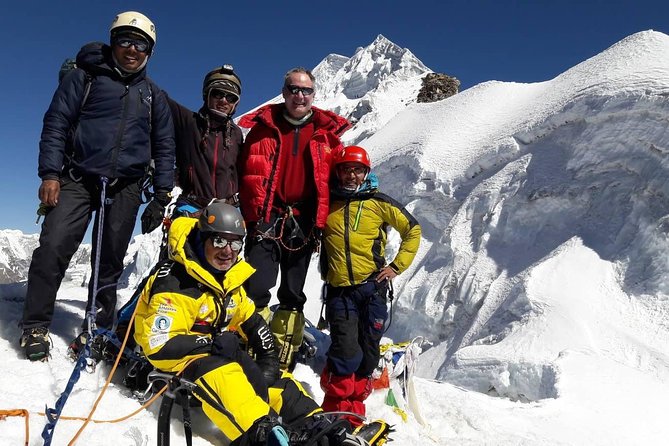
Day 14 is the big one: Lobuche East Summit around 6,119m, then returning to Lobuche (about 4,910m). The itinerary suggests 10–12 hours. Translation: you should plan for a long, slow, cold day where stamina is as important as gear handling.
This is where your crampon and ice axe skill stops being optional. The trip info is direct: you should be proficient with climbing gear like ice axe and crampons. If you’re brand-new to using them at altitude, the mountain will quickly become the teacher you didn’t ask for.
Also, notice how the climb is set up. You climb from a high camp rather than starting from base every time. That approach reduces wasted energy and helps you treat summit day like a focused mission. It’s one reason the trip is labeled group B: it’s still technical, but it’s structured to be attainable for trainees who take training seriously.
Downclimb and descent: Pangboche to Namche, with altitude behind you
Day 15 moves you from Lobuche to Pangboche (around 3,930m) in about 4–5 hours. Day 16 heads to Namche (around 3,440m) about 5 hours. Day 17 then goes back to Lukla (around 2,700m) in about 6 hours.
Descent days are often overlooked when people plan. You might feel relief when you’re moving lower, but knees and feet still take a hit, and your body keeps adjusting to lower oxygen. These days are also where you’ll appreciate all the earlier staging. Because if your acclimatization was well paced, the descent usually feels manageable rather than brutal.
Pangboche is also culturally meaningful. Like Khumjung earlier, you’re not just walking through mountain space. You’re moving through Sherpa communities with their own rhythm, monasteries, and traditions.
The return to Kathmandu: Ramechhap drive plus a celebration dinner
Day 18 is a two-part return: Lukla to Ramechhap by flight (about 20 minutes), then about 5 hours driving to Kathmandu (195km). You’ll have a celebration dinner after you reach the city. That part is more than a nice meal. It’s a psychological close: you go from mountain intensity to city life with a planned landing.
Day 19 includes city sightseeing with free afternoon/evening for shopping, plus an emergency day tied to Lukla flight delays. If you’re a planner, you’ll appreciate that the schedule acknowledges reality. Sometimes the mountain delays the timeline; you don’t want your whole trip to collapse if that happens.
Day 20 is departure with your international flight home.
Price and logistics: is $2,700 value for this kind of mission?
At $2,700 per person for a trek-and-climb scheduled around 20 days, this is not a “cheap Everest region taste.” You’re paying for an extended route, technical peak planning, and the logistics that keep a high-altitude program moving: transfers, staged trekking, acclimatization structure, and the summit support framework needed for a peak like Lobuche East.
Here’s the practical value angle: a private group tour (only your group participates) usually means your pace and coordination are tighter. You also get pickup offered, and the program uses mobile ticketing, which helps reduce last-minute headaches.
Where you should keep your own expectations grounded: the itinerary itself shows multiple long hiking days, high passes, and a very long summit day. If your goal is maximum scenery with minimal training, this isn’t the route. If your goal is to climb and learn how high-mountain travel works, it’s the right kind of organized challenge.
Guide Karma and the Dream Himalaya approach to reliability
The strongest praise in the feedback you shared is about people and process. One trip centered on Guide Karma, with people highlighting his expertise and his joy for the mountains. That combination matters. Technical skill gets you moving safely; attitude helps you keep it together when conditions are tiring.
There’s also a pattern of “runs smoothly” plus personal touch. On repeat trips with Dream Himalaya Adventures, people mentioned that even if plans change in the mountains, the response stays professional. I take that as a good sign for a trek-and-climb where flight delays or weather shifts can happen. The more technical your objective, the more you want a team that manages the real-world details without drama.
Gear, training, and pace: how to prepare so summit day feels planned
The itinerary gives you a lot of altitude steps, but it also quietly demands climbing competence. Since the trip expects you to be proficient with ice axe and crampons, your best prep is not only cardio. It’s rehearsal.
In practical terms, before you go you want:
- Familiarity with using ice axe and crampons safely and efficiently
- Comfort with long days at high altitude (10–12 hours is a clue)
- A willingness to hike at a controlled pace, especially on pass and high camp days
On the trail, your pace matters as much as your willpower. The route includes multiple days above 4,500m and at least one long high-altitude walking window (Ngozumba Lake day plus Gokyo Ri day). If you treat these like race stages, you often pay later on summit day.
Who this trip suits best (and who should rethink)
This is best for you if:
- You have moderate physical fitness and are ready for long hiking days
- You want a real climb objective, not only a trek
- You’re training for technical gear use and want a structured route through the Everest region
You might want to rethink if:
- You’re uncomfortable with climbing gear skills or haven’t practiced crampon/ice axe technique
- You prefer trips with low technical risk or short walking days
Private group tours often attract people who want focus and consistency. If that’s you, you’ll probably appreciate the way the itinerary is built like a progression.
Should You Book Lobuche Peak Climbing with Dream Himalaya?
I’d book this if your goal is a serious but structured attempt at Lobuche East with enough acclimatization steps to support the climb. The standout strength is the build: Everest views, Sherpa village time, a clear acclimatization ladder, then a dedicated summit setup.
I’d hesitate if you’re aiming for something mostly scenic and easy, or if you still need basic crampon/ice axe training. For a group B peak, preparation isn’t a nice-to-have. It’s what makes the day at ~6,119m feel like a mission you’re ready for.
If you go in with realistic expectations, you’ll come back with more than photos. You’ll have the kind of high-mountain experience that changes how you understand the Himalaya.
FAQ
Where does the Lobuche Peak climb tour start?
The start point is Tribhuvan Airport in Kathmandu, Nepal.
How long is the trip?
The duration is listed as approximately 20 days.
What is the price per person?
The price is $2,700.00 per person.
Is this tour private?
Yes. It’s a private tour/activity, and only your group will participate.
Is pickup included?
Pickup is offered.
What flights are included in the itinerary?
The itinerary includes a flight from Kathmandu to Lukla (about 20 minutes) and a return flight from Lukla to Ramechhap (about 20 minutes).
What is the highest altitude on the itinerary?
The Lobuche East Summit is listed at about 6,119m.
Is there an acclimatization day?
Yes. There is an acclimatization day at Machermo (Day 8).
Is there an emergency day for flight delays?
Yes. Day 19 includes an emergency day for the Lukla flight.
Can I cancel for a full refund?
You can cancel for a full refund if you cancel at least 24 hours in advance of the experience’s start time. Free cancellation is available under that rule.
More Tour Reviews in Kathmandu






Just Reviewed in Kathmandu
- Mountain Bike Tour
★ 5.0 · 3 reviews - Annapurna Panaroma
★ 5.0 · 3 reviews - Mount Everest Scenic Flight 50 Minutes
★ 5.0 · 3 reviews - Kathmandu : Swambhunath & Durbar Square Guided Half Day Tour
★ 3.3 · 3 reviews - Chandragiri Cable Car & Monkey Temple Tour – Private/Group
★ 5.0 · 3 reviews - Kathmandu: Shivapuri National Park Hiking Day Trip
★ 3.3 · 3 reviews
Peak Climbing & Expeditions, compared.
 ★ 5.0Mera Peak ClimbingFrom $3,00033 reviews
 ★ 5.0Everest Base Camp Trek with Island Peak ClimbingFrom $3,30014 reviews
 ★ 5.0Pikey Peak TrekFrom $8998 reviews
★ 5.0Mera Peak ClimbingFrom $1,1998 reviews
 ★ 5.0Mera Peak Expedition – 20 DaysFrom $3,3007 reviews
Mera Peak ClimbingFrom $2,7506 reviews
 ★ 5.0Pikey Peak TrekkingFrom $1,4355 reviews
 ★ 5.0Island Peak Climbing with Everest Base CampFrom $2,8995 reviews
Browse the lists this tour appears in