
Review · MARDI HIMAL TREKS
Mardi Himal
Seven days to Himalayan views in Nepal.
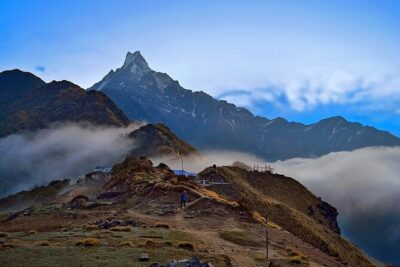
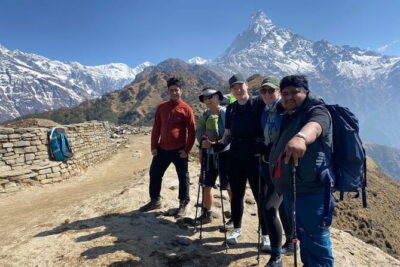
Mardi Himal is one of those quieter treks that feels like Annapurna Base Camp’s cousin: you start in village country, then the trail starts climbing into big mountain drama fast. I love that this is a short, one-week trek with constant payoff—views of Mardi Himal, Machapuchre, Annapurna South, and Hiunchuli—without spending forever on the road.
I also like the way the route mixes walking moods. You’ll pass through traditional areas like Dhampus and Pothana, then trade foot traffic and farm paths for steep ridges and forest sections around tea houses. Another plus is the built-in “wow moment” timing: a sunrise-facing stop near the 4,200m range, plus the option to go on toward base camp around 4,500m.
One consideration: you do need above-average physical fitness for a trek at these elevations and long daily walks. And like any trek here, you’re counting on good weather for clear views, so plan to be flexible.
In This Review
- Key highlights that matter before you go
- Why Mardi Himal fits when you want big views on less time
- Kathmandu to Pokhara: the road day that sets your trekking pace
- Day 2: Phedi to Deurali via Dhampus and Pothana
- Day 3: Deurali to Forest Camp (2,600m) and onward to Low Camp
- Day 4: Badal Danda for panoramas, then High Camp for sunset views
- Day 5: Upper View Point sunrise near 4,200m, plus the option to push to 4,500m base camp
- Day 6: Forest Camp to Kalimati hotel lunch, plus the drive back to Pokhara
- Day 7: Pokhara to Kathmandu, then you’re back in Thamel
- Price of $693.34: what you’re really paying for
- Guides, permits, and why Dawa and Wangdu keep coming up
- Tea houses, meals, and how to plan your day
- Fitness and packing: the practical checklist for this route
- Best seasons and the weather reality for mountain views
- Should you book this Mardi Himal trek?
- FAQ
- FAQ
- Where does the Mardi Himal trek start and end?
- What time does the experience start?
- How long is the trek?
- Is pickup included?
- What’s included in the price?
- What should I do about meals during the trek?
- How fit do I need to be?
- What seasons are best for this trek?
- How high do I get?
- What happens if weather is poor?
Key highlights that matter before you go
- One-week structure: You get a real taste of the Annapurna region without needing a full two-week holiday.
- Tea-house rhythm: Overnights are in lodge areas like Deurali, Forest Camp (about 2,600m), Low Camp, and High Camp—simple, workable, and part of the charm.
- Guides who handle the hard parts: Guides such as Dawa and Wangdu focus on planning, permits, and keeping you moving safely.
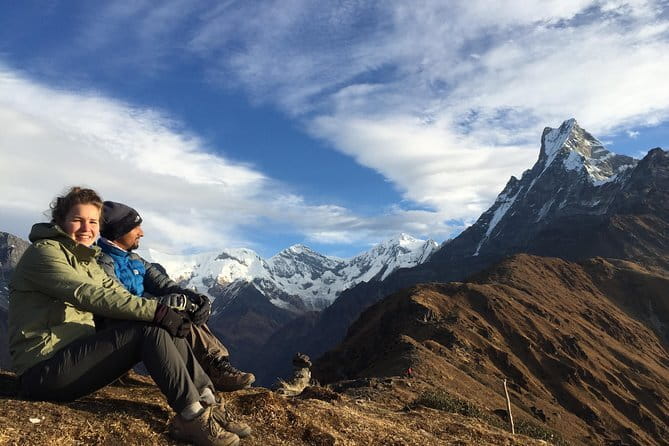
- Sunrise option at altitude: You’ll reach a viewpoint near ~4,200m for early mountain views, with many hikers continuing toward base camp depending on energy.
- A different descent route: After reaching Mardi Himal Base Camp / viewpoint, you don’t just walk back the same way—there’s a gentler route toward Kalimati and terraces.
- Private group feel: This is a private trek/activity, so it’s only your group participating.
Not sure yet? Here are other Kathmandu tours worth a side-by-side look.
- Everest Base Camp Trek – 14 Days★ 5.0 · 1,499 reviews
- Everest Base Camp Trek★ 5.0 · 842 reviews
- Private Kathmandu Sightseeing Tour | UNESCO World Heritage sites★ 5.0 · 756 reviews
- Kathmandu: 7 UNESCO Sites with Lunch★ 4.8 · 744 reviews
Why Mardi Himal fits when you want big views on less time
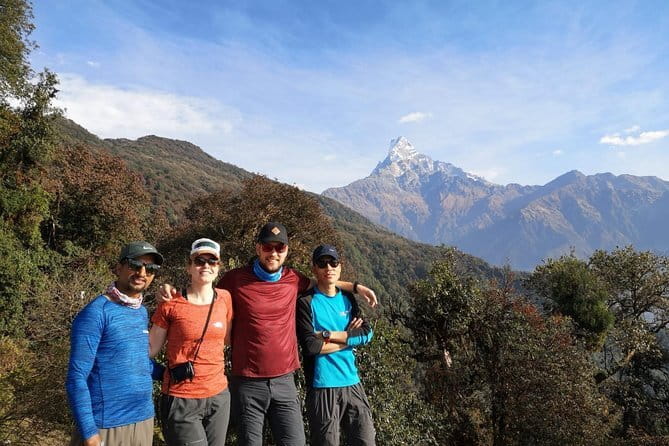
Mardi Himal has a reputation for being an alternative to the busier Annapurna routes. The appeal is simple: you’re in the high country north of Pokhara for a concentrated, punchy stretch. Instead of spending weeks moving camp-to-camp across multiple valleys, you’re making steady progress over about seven days, moving from village trail to ridge walking to steep viewpoints.
What I like most is how quickly the scenery changes. One day you’re dealing with village paths and permit check logistics. The next, you’re walking through jungle sections and ridges where the views start showing up in chunks—then suddenly you’re staring at major peaks. The trek is often described as worth it even if you don’t want the full Annapurna Base Camp commitment, and the route timing here supports that idea.
The trek is also a good match for people who enjoy “tea house travel,” where your day is defined by trail hours plus a lodge dinner and sleep. That means you don’t have to carry everything like a self-supported expedition. You still earn the views, though—and the mountain schedule will keep you honest.
Kathmandu to Pokhara: the road day that sets your trekking pace
Your trek starts in Thamel, Kathmandu (start time listed as 12:15 am), and you’re picked up from the hotel area. Then you’ll head to Pokhara on a tourist bus, taking about 7 hours.
This matters more than it sounds. That long road day is your pre-trek calibration. If you’re the type who travels light but sleeps badly in motion, bring what you need for comfort. Once you reach Pokhara, you’re not “touring” in the classic sense—you’re preparing. This is a trek that runs on trail time and good timing, so the early start is part of how the week stays compact.
On Day 7, you’ll get the other side of that same equation: a 6–7 hour bus drive back to Kathmandu (about 200 km), with end service back near Thamel.
Day 2: Phedi to Deurali via Dhampus and Pothana
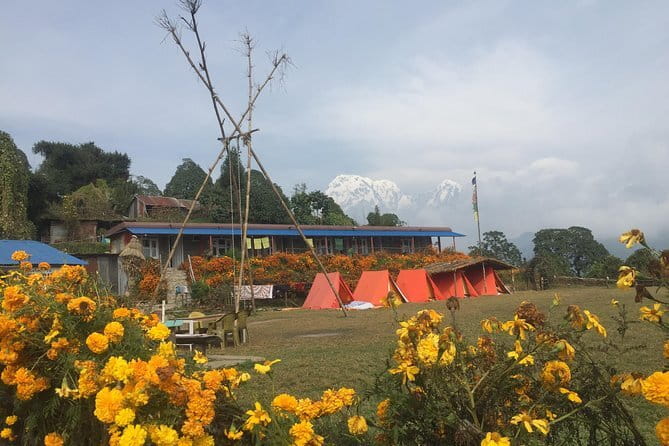
Day 2 begins with breakfast, then a drive toward Phedi. From there you start trekking toward Deurali, passing through areas like Dhampus and Pothana.
This leg is a strong “human introduction” to the region. Dhampus and Pothana give you that sense of ordinary life—villages, forest edges, and the trail feeling like a path locals also use. The itinerary also includes a lunch stop in Dhampus village, where the permit check post is located. That’s practical: you’re not scrambling later for paperwork.
After lunch, the trail shifts into forest walking as you continue up toward Deurali. The overnight is at a tea house, so you’re not chasing one more goal past dark—you’re arriving, eating, and resetting. If you’re trying to judge your comfort level, Day 2 is a great day to figure it out because it’s building gradually.
Possible drawback here: it’s not a “flat warm-up.” Even though it’s described as good trail and a slow start upward, you are already starting the climb. If you show up undertrained, Day 2 will remind you.
Day 3: Deurali to Forest Camp (2,600m) and onward to Low Camp
Day 3 is where the trail starts feeling more remote and more mountainous. From Deurali, you take a right turn toward Forest Camp (the route is signposted). The hike goes through jungle, with a pattern of steady climbing, undulating ridges, then a section that drops steeply before you regain height.
That kind of trail profile matters because it’s a different kind of tired. Your legs work, but so do your balance and attention. If you like walking with steady focus and you’re comfortable on uneven ground, this will feel like a normal mountain day. If you don’t like steep, awkward footing, take it slowly and let your guide set the pace.
You reach Forest Camp around 2,600m, where there are about 6–7 lodges. That’s useful information: it’s not just a single building. You’ll have options and a more “settled” feeling for lunch and the afternoon reset.
After lunch, it’s about a 2-hour trek onward to Low Camp for your overnight tea-house stay. This is another day that balances effort with structure—enough movement to keep you progressing, but not so much that the day becomes an all-day punishment.




Day 4: Badal Danda for panoramas, then High Camp for sunset views
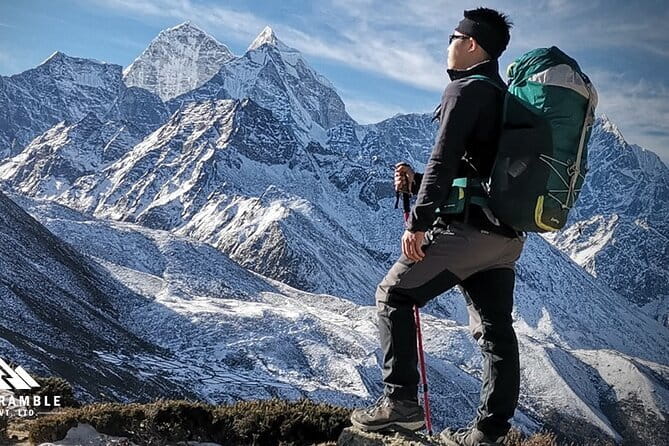
Day 4 starts with breakfast and a walk of around 1.5 hours to Badal Danda. This is a key viewing moment. The route description says you’ll have excellent panoramic views of snow Himalaya from there.
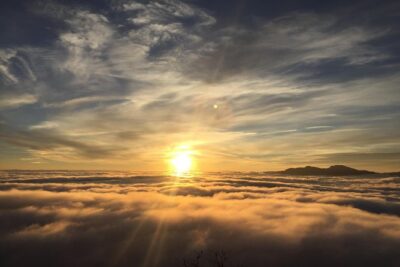
Then the day becomes “gentle hike, big scenery.” You’ll hike very gently, ridge to ridge, with views showing up repeatedly. Eventually you go directly to High Camp for lunch, and then you experience the sunset view in the evening before another tea-house overnight.
This is one of the practical reasons I like Mardi Himal for a week-long trek: your best moments aren’t always buried at the end. You get views on Day 4, not just Day 6 or Day 7. Sunset at High Camp also means you’re likely not rushing for the best photos—you’re already set up.
The main consideration is altitude comfort and energy. High Camp days can feel long if you go too fast early. Treat this day like a “pace day,” not a “win the hike” day.
Day 5: Upper View Point sunrise near 4,200m, plus the option to push to 4,500m base camp
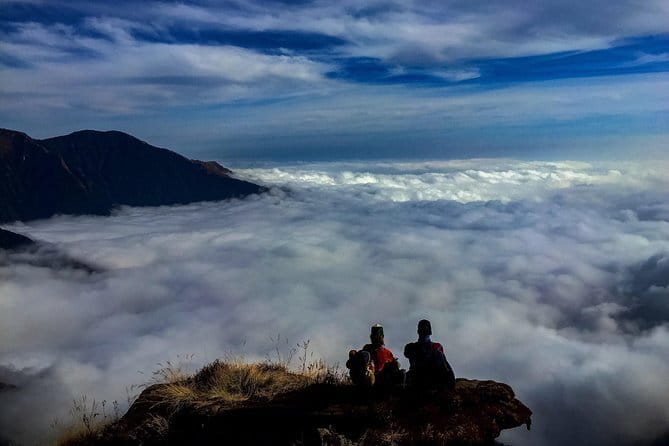
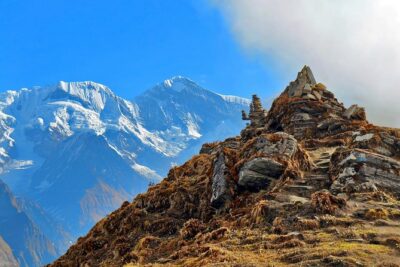
Day 5 is the day people talk about for sunrise and mountain drama. The key is that you don’t have to go “full base camp” if your body says no. The route allows you to continue along the ridge for another 3–4 hours toward Mardi Himal Base Camp at about 4,500m.
Before you reach base camp, you’ll reach an Upper View Point. This is your sunrise and mountain-view moment, and it’s described in one review as being around 4,200m. Many trekkers return after that point because the viewing experience can feel similar without committing to the extra time to base camp. That’s helpful for planning your energy.
After the sunrise and view stop, you return for breakfast at the tea house, then trek to Rest Camp (about 3 hours) for overnight. That return-and-eat structure is important. It gives you a real reset instead of turning the day into a continuous grind from dawn to dinner.
If you’re deciding what you can handle: think in terms of time and energy, not pride. This itinerary is designed so you can still have a great day even if you choose the viewpoint route rather than the full base camp push.
Day 6: Forest Camp to Kalimati hotel lunch, plus the drive back to Pokhara
Day 6 starts with a relaxed breakfast, then you trek gently through forest shade via Forest Camp. The route then follows a different descent line down until you reach before terraced fields, and you’ll arrive at Kalimati.
Instead of another tea-house-only evening plan, you stop for lunch at a hotel in Kalimati, with views from the property. Then you drive back to Pokhara, which takes about 2 hours.
I like this day because it breaks the pattern. You get a calmer walking section plus a change in setting with that hotel lunch. It’s a good “decompression” day after the altitude-focused Day 5.
The only real drawback is timing and legs. If you pushed hard on Day 5, Day 6 might feel like the day you pay your bill. Go slow through the descent, keep your steps controlled, and you’ll set yourself up better for the long bus back on Day 7.
Day 7: Pokhara to Kathmandu, then you’re back in Thamel
On Day 7, you drive from Pokhara to Kathmandu by tourist bus. It’s listed as about 200 km and 6/7 hours, leaving around 7:30 am. Your end point brings you back to the meeting area in Kathmandu, and overnight accommodation is set with a B&B plan.
This is the kind of ending that works well for travelers who want one “real trip” day in the mountains and then the comfort of city life immediately afterward. You’re not stuck trying to plan logistics the same day you finish hiking.
Price of $693.34: what you’re really paying for
At $693.34 per person, this trek can feel reasonable compared with what trekking costs in Nepal when you factor in more than just guiding.
Here’s what’s explicitly included:
- Air-conditioned vehicle
- All fees and taxes
- Breakfast (6)
You’re also getting a private group experience and the trek is guided with pickup from Thamel. Transport is part of the package through Kathmandu–Pokhara and the return drive.
What’s not included: expenses not mentioned in the included list. In practical terms, that usually means you’ll still need to budget for your other meals and personal spending like hot drinks, snacks, and any extra items you decide you need mid-trek.
My take on value: you’re paying for convenience (pickup, transport), paperwork help via included fees, and the experience of a structured route over multiple days at elevation. If you want a self-guided hike, you might pay less—but you’ll also take on extra risk and planning. For most people, especially first-timers to the region, this kind of bundled setup is the safer route.
Guides, permits, and why Dawa and Wangdu keep coming up
The biggest quality signal in the trip info is the guide emphasis. Reviews associated with Himalayan Wander Walkers repeatedly highlight that the guides handle planning and permits while also focusing on safety and day-to-day smooth running.
Two names come up clearly:
- Dawa, noted for being friendly, helpful, and knowledgeable, plus doing the planning and organization.
- Wangdu, praised as excellent and capable when managing the trek and handling what’s needed.
You also see support mentioned from guides like Karsang, with attention to both knowledge and safety, and arranging permits. Even if you don’t remember the names (you shouldn’t have to), the pattern matters: you’re not just buying a walk. You’re buying a person who knows the route, the timing, and the logistics that can slow people down.
One smart practical tip from how the itinerary is built: the permit check presence on the route (through the Dhampus village lunch stop near the check post) tells you the trek is managed with paperwork in mind rather than hoping you can handle it on the fly.
Tea houses, meals, and how to plan your day
This is a tea-house trek, meaning you’ll sleep in lodge settings on the trail rather than camping. Overnights are listed at:
- Deurali (Day 2)
- Forest Camp / Low Camp areas (Day 3)
- High Camp (Day 4)
- Tea houses around the Day 5 plan, plus Rest Camp (Day 5)
- Kalimati hotel lunch on Day 6, then Pokhara afterward
Breakfast is included for 6 days, so you can count on a predictable start. Lunch and dinner aren’t stated as included in the information you provided, so plan your budget accordingly and be ready to pay at the lodge or hotel.
For food, think simple and steady. Tea houses are built for hikers: you’ll likely find familiar Nepal-friendly options like rice-based meals and warm drinks. What you can control is hydration and snacks—carry a little extra so you’re not stuck waiting for lodge meals when your energy drops.
Fitness and packing: the practical checklist for this route
The trek lists a requirement of a moderate physical fitness level, but it also says it’s beneficial to have an above-average fitness level. In plain terms: this is not a stroll.
Your daily time on the trail ranges roughly around:
- 5 hours (Day 2)
- 6 hours (Day 3)
- 5 hours (Day 4)
- 6 hours (Day 5)
- Day 6 includes a gentle forest descent and then drive back to Pokhara
So the goal isn’t to be a gym hero. The goal is to be comfortable walking uphill, maintaining balance on uneven ground, and handling altitude fatigue. If you can do regular stair walking or longer hikes before you arrive, you’ll enjoy the scenery more and suffer less.
Packing tip based on the itinerary: you’ll start cold in early trekking mornings and you’ll spend time at viewpoints around 4,200m and 4,500m. Layers matter more than one heavy coat. Also plan for rain possibilities outside peak seasons since weather is a big part of what makes the views work.
Best seasons and the weather reality for mountain views
Spring (March to May) and autumn (September to November) are listed as the best seasons. That’s not just a marketing line. Better season windows usually mean clearer skies more often, which matters for sunrise and daytime mountain views.
There’s also a weather clause in the experience info: the trek requires good weather. If it’s canceled due to poor weather, you’ll be offered a different date or a full refund.
Practical advice: treat your trek like a plan built on conditions, not a guarantee of perfect visibility. Bring a positive attitude and be ready to adjust expectations if clouds roll in.
Should you book this Mardi Himal trek?
I think you should book if you want:
- a compact, one-week trek that still hits major peaks,
- a route with clear “signature moments” (sunrise at Upper View Point, High Camp sunset, and the base-camp option),
- and a guide-focused experience where logistics like permits are handled.
You might skip it if you want:
- an easy walk with minimal altitude challenge,
- fully guaranteed visibility,
- or a perfectly flat hiking experience.
If you’re the type who enjoys tea houses, mountain timing, and real village-to-ridge transitions, Mardi Himal is a strong choice. For many travelers, it’s the sweet spot: enough time in the Annapurna orbit to feel the change, but short enough to keep the trip manageable.
FAQ
FAQ
Where does the Mardi Himal trek start and end?
The tour starts in Thamel, Kathmandu (44600, Nepal) and ends back at the meeting point in the same area.
What time does the experience start?
The start time is listed as 12:15 am.
How long is the trek?
It’s listed as 7 days (approx.).
Is pickup included?
Pickup is offered, and you’ll be picked up from your hotel area in Kathmandu for the transfer to Pokhara.
What’s included in the price?
The included items are air-conditioned vehicle, all fees and taxes, and breakfast (6). You’ll also have mobile ticket support and included transport as part of the itinerary.
What should I do about meals during the trek?
Only breakfast is listed as included (6 breakfasts). Lunch and dinner are not listed as included in the provided information, so plan to pay for meals while on the trail.
How fit do I need to be?
You should have a moderate physical fitness level, and the experience notes it’s beneficial to have above-average fitness for this trek.
What seasons are best for this trek?
Spring (March to May) and autumn (September to November) are generally preferred.
How high do I get?
You may reach Mardi Himal Base Camp around 4,500m. The Forest Camp area is listed around 2,600m, and the Upper View Point is referenced as around 4,200m in the provided info.
What happens if weather is poor?
This experience requires good weather. If it’s canceled due to poor weather, you’ll be offered a different date or a full refund. You can also cancel up to 24 hours in advance of the experience start time for a full refund.
More Tour Reviews in Kathmandu






Just Reviewed in Kathmandu
- Mountain Bike Tour
★ 5.0 · 3 reviews - Annapurna Panaroma
★ 5.0 · 3 reviews - Mount Everest Scenic Flight 50 Minutes
★ 5.0 · 3 reviews - Kathmandu : Swambhunath & Durbar Square Guided Half Day Tour
★ 3.3 · 3 reviews - Chandragiri Cable Car & Monkey Temple Tour – Private/Group
★ 5.0 · 3 reviews - Kathmandu: Shivapuri National Park Hiking Day Trip
★ 3.3 · 3 reviews
Mardi Himal Treks, compared.
 ★ 5.0Mardi Himal TrekFrom $1,05841 reviews
 ★ 5.0Mardi Himal Trek NepalFrom $75029 reviews
 ★ 5.0Mardi Himal Trek – 8 Days | Hidden Gem of the AnnapurnasFrom $66619 reviews
 ★ 5.0Mardi Himal Base Camp Trek -9 DaysFrom $90018 reviews
★ 5.0Mardi Himal TrekFrom $82113 reviews
 ★ 5.0Mardi Himal TrekkingFrom $86613 reviews
 ★ 5.0Mardi Himal Trek – 12 DaysFrom $98012 reviews
★ 5.0Mardi Himal TrekFrom $5109 reviews
Browse the lists this tour appears in