
Review · MARDI HIMAL TREKS
Mardi Himal Trek
Mardi Himal gives big payoff for moderate effort. What makes it stand out is the Mardi Base Camp goal, plus the way the route builds toward it with acclimatization stops and well-planned days. I especially liked the human side: my read on guides and porters here is that they work hard to keep things smooth, and Birendra in particular came up again and again for steady leadership and extra kindness.
I also like that the logistics are handled for you: domestic flights, private vehicle transfers, permits (ACAP and TIMS), and gear support (down jacket, sleeping bag, duffel bag on request). The main thing to consider is the catch most people feel on this trek: altitude and weather. Once you’re over 3,000 meters, pace can slow, temps can drop fast, and knees take notice on some descents.
In This Review
- Key points that matter before you go
- Why Mardi Himal Feels Good for First-Timers
- Price and Logistics: What You Really Get for $1,058
- Kathmandu to Thamel: Getting Set Without Stress
- Kathmandu to Pokhara by Morning Flight (and Why It Matters)
- The First Trek Days: Deurali to Forest Camp and Low Camp
- Acclimatization Day: Shorter Steps, Smarter Hydration
- The Mardi Himal Base Camp Push: The Moment You Remember
- Sidhing and Lwangghale: Rhododendron, Pine, and Easier Walking
- Pokhara Recovery: Tea Gardens Sunrise and Lakeside Time
- Gear, Lodges, and the Cold-Weather Reality
- Guide and Porter Support: Why Birendra’s Name Keeps Coming Up
- How Difficult Is Mardi Himal, Really?
- Who Should Book This Trek (and Who Might Reconsider)
- Should You Book Mardi Himal With Mission Himalaya?
- FAQ
- How long is the Mardi Himal Trek?
- Does the tour include flights between Kathmandu and Pokhara?
- What permits are included for the trek?
- Where do we stay during the trek and in Kathmandu/Pokhara?
- What trekking gear is provided?
- What’s not included in the price?
- Is cancellation free?
Key points that matter before you go
- Mardi Base Camp as the big objective with standout views of the Annapurna region
- Guide support you can actually rely on, including route adjustments when conditions get weird
- Acclimatization built in with shorter trekking days above 3,000m
- Permits and flights included so you’re not stuck solving paperwork mid-trip
- Lodges with real food options along the way (even higher-up treats like pizza)
- Cold-weather planning is on your radar because it can get chilly above treeline
More trails out of Kathmandu, boots ready
- Everest Base Camp Trek – 14 Days★ 5.0 · 1,499 reviews
- Everest Base Camp Trek★ 5.0 · 842 reviews
- Everest Base Camp Trekking★ 5.0 · 485 reviews
- Nagarkot Sunrise View and Day Hiking from Kathmandu★ 5.0 · 471 reviews
Why Mardi Himal Feels Good for First-Timers
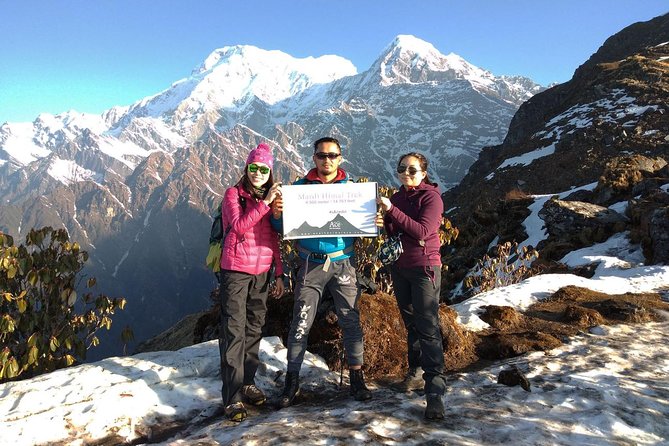
If you’re new to trekking in Nepal, Mardi Himal is a smart choice because it’s focused. You’re not wandering across half the country; you’re working a clear plan from Phedi/Kande area up through forest and camps toward base camp.
The route also makes sense for your body. You climb in steps—Deurali to Forest Camp, then toward Low Camp and High Camp—so you’re not going from sea level to snow in a single jump. And once you’re over 3,000 meters, you get a built-in day to adjust, hydrate, and reset.
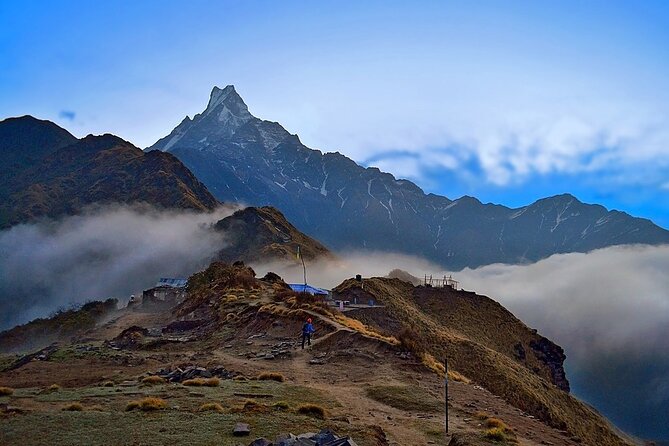
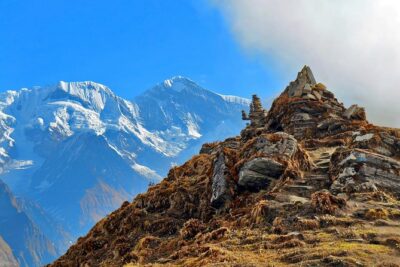
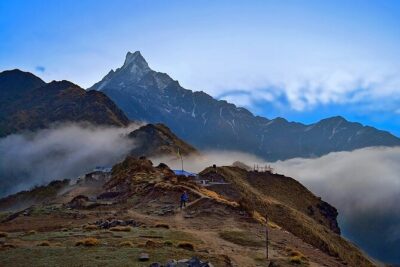
What you’ll love most is the view build. Instead of one giant moment and then a finish, you get repeated reminders that the Annapurna Massif, Machhapuchhre, and Mardi Himal are right there, changing with the light as you gain altitude.
Price and Logistics: What You Really Get for $1,058
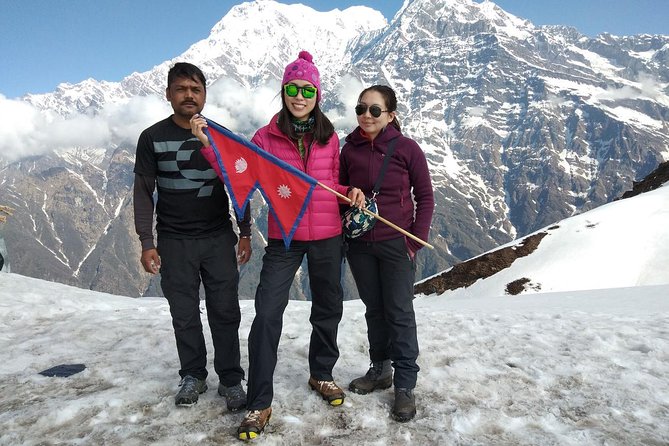
At $1,058 per person, this trek isn’t “cheap,” but it also isn’t just a ticket to nature. You’re paying for the parts that usually eat time and energy: getting to trailheads, handling permits, booking your flights, and covering a trained guide and porter team.
Here’s what the package includes that most people feel financially:
- Kathmandu and Pokhara hotels (3-star) with breakfast
- Domestic flights Kathmandu ↔ Pokhara, including a seat for the guide
- ACAP and TIMS permits
- A government licensed, ministry trained trekking guide
- A strong, experienced porter (with meals, accommodation, salary, and insurance)
- Lodge stays on the trek (twin sharing) and key trek meals (breakfast, lunch, dinner counts are included)
The value logic is simple: trekking is hard enough without turning your trip into a logistics project. This plan removes a lot of friction so you can focus on walking, acclimatizing, and enjoying the scenery.
Kathmandu to Thamel: Getting Set Without Stress
Day 1 is all about smoothing the landing. After entry authorization at the airport, someone from the company or your trek leader meets you and drives you into Thamel, the hub where you can easily find food, gear shops, and local support.
You get some breathing room to sort out last-minute items, but you also avoid the classic Nepal problem of arriving tired and trying to figure things out that night. For most trekkers, that makes the difference between starting confident and starting frazzled.
Kathmandu to Pokhara by Morning Flight (and Why It Matters)
Instead of spending a full day on the road, you take an early flight from Kathmandu to Pokhara. Then you drive toward Kande, which sets you up with a proper start to hiking right away.
This is one of those “small” choices that has big effects. A shorter travel day means you arrive in the trekking rhythm sooner and waste less energy on transit. You’ll still feel the altitude later, but you won’t be starting tired.
The First Trek Days: Deurali to Forest Camp and Low Camp
After you eat well in Deurali, you start the climb toward Forest Camp. Today’s trekking is longer (about 6 hours), and you’ll notice the rhythm shift: it’s not just distance, it’s how quickly you feel the air and the climb.
From there, you go higher with an important adjustment: once you’re above 3,000 meters, the plan accounts for that. Distance may be a bit reduced, and the trekking stays focused on gradual progress. You hike through mixed woodland, then stop for lunch at Low Camp.
Two things I like about these early days:
- Forest and woodland hiking feels less exposed than open ridges, so it’s easier to stay mentally calm.
- Camps give you built-in structure. You’re walking toward a real goal each day, not wandering with no clear end.
Acclimatization Day: Shorter Steps, Smarter Hydration
Your itinerary includes a day designed for altitude adjustment, with shorter treks above 3,000 meters. The goal is simple: reduce the risk of altitude sickness by pacing your body.
This is where I’d tell you to be strict about basics. Hydrate, keep your effort steady, and don’t treat the “short day” like a free day. If you feel winded, you don’t push harder just because the schedule says you could.
The Mardi Himal Base Camp Push: The Moment You Remember
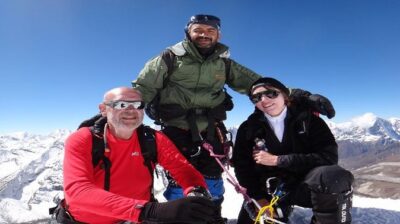
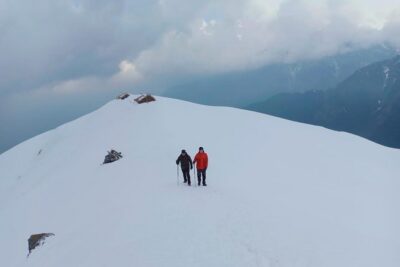
The climb toward Mardi Himal base camp is the part people talk about for a reason. The trek toward base camp takes about 7 hours, and it includes a viewpoint stop where you can take in panoramic views of the Annapurna region and the surrounding peaks.
This is also where the emotional payoff shows up. In the trip reports I’m using as reference, reaching base camp is described as the most exhilarating section—often with that mix of exhaustion and pure relief. One trekper even called out tears of joy, which makes sense: you’ve been climbing step by step for days, then suddenly you’re standing near the big objective around 4,500m.
Practical advice for the base camp day:
- Move calmly. The altitude makes fast movement feel harder than it looks on paper.
- Take your time at viewpoints, but don’t get stuck so long that you cool down.
- If your guide suggests an adjustment based on conditions, take it. It’s usually the difference between “still good” and “regretful weather.”
Sidhing and Lwangghale: Rhododendron, Pine, and Easier Walking
After base camp, the trek direction shifts. You start with an alpine breakfast and then descend toward Sidding/Sidhing (about 6 hours). You’ll pass through rhododendron and pine—a different feeling than the earlier forest climbing.
One thing to watch: descents can be harder than climbs on your body, especially knees. In the feedback I read, someone specifically said the final challenging stretch made their knees ache, even after doing their best. That’s normal. Go slow on downhill steps and let your guide set the pace.
Then comes a day often described as a highlight: the route toward Lwangghale (Lwong/Lwongghale area). It’s said to be mostly flat and scenic, with a stop in a village area known for quaint ancestral houses. If you’re tired, this is your chance to “breathe” while still moving forward.
Pokhara Recovery: Tea Gardens Sunrise and Lakeside Time
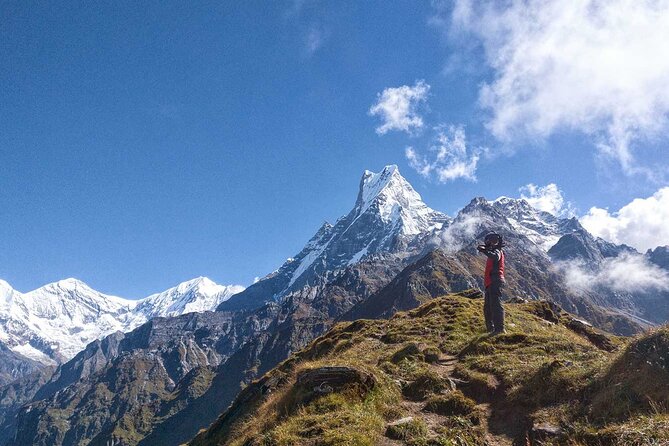
You return to Pokhara after the main trekking days and slow down. The itinerary includes a morning walk through tea gardens around the Lwong area, with sunrise coloring the views.
Back in Pokhara, you also get a structured break: breakfast at a lakeside spot, then an exploration day with guided stops that can include Davis Waterfall and Gupteswor Mahadev. This is a nice balance. After days of trekking logistics, you’ll appreciate having someone point the way and handle the pacing of sightseeing.
Gear, Lodges, and the Cold-Weather Reality
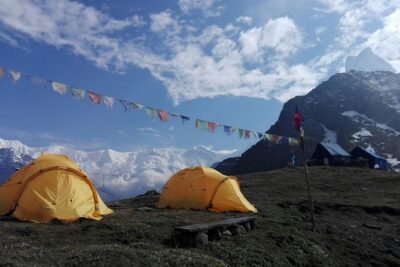
This trek includes a big comfort support: down jacket, sleeping bag, and a duffel bag on request, with the items returned after the trek. That’s valuable if you don’t want to buy bulky gear just for one trip.
Still, you should plan to bring proper cold-weather layers. One trekker’s advice was direct: get enough warm clothing for the mountain. Even with gear support, your body can feel cold depending on wind, sun, and your pace.
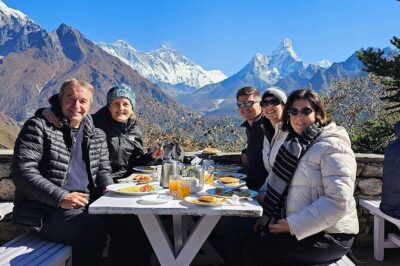
Food is part of the trekking experience here. Lodge stays come with meals during the trek, and the reports I saw include praise for what’s available at higher camps—one person even mentioned trying high camp pizza, which tells you the options can be more fun than you expect.
Guide and Porter Support: Why Birendra’s Name Keeps Coming Up
In the Mardi Himal feedback, Birendra comes up as the kind of guide you want when conditions are changeable. People praised his careful arrangements, warm hospitality, and patience when the trek got tough—especially around altitude and fatigue.
Porters also got real credit. That makes sense: they aren’t just carrying bags, they’re part of keeping the whole rhythm running. When a porter is experienced, you spend less time stressed about gear and more time paying attention to the trail and the views.
If you want photos, this is also a good sign. One trekker specifically noted that their guide helped capture beautiful images along the way.
How Difficult Is Mardi Himal, Really?
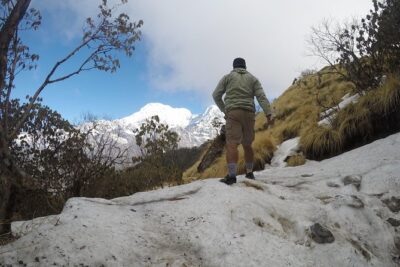
For “novice hikers,” this route is often described as suitable because it’s paced with camps and acclimatization. But don’t treat that as “easy.” You’ll still trek multiple days, you’ll reach higher elevations, and you’ll face cold.
A useful way to judge difficulty:
- Early days: steady climbing and longer trekking hours
- Middle: altitude starts becoming noticeable, so pacing matters
- Base camp day: the effort peaks, and you’ll feel the altitude more than you expect
- After: descents can feel rough even when the trail looks straightforward
If you’re the kind of person who hates rushing, you’ll do well. If you plan your day around steady walking and rest stops, Mardi Himal rewards you.
Who Should Book This Trek (and Who Might Reconsider)
This trek fits best if you want:
- A clear goal: Mardi Base Camp
- A guided plan that handles permits, flights, and logistics
- A trek length that’s long enough for real payoff but short enough to feel manageable
You might reconsider if you have a low tolerance for altitude risk or you’re dealing with serious knee or mobility issues that don’t handle downhill well. Still, even then, it might be possible with careful pacing and strong guide support—but that’s a conversation to have before you commit.
If you like meeting people but still want your trip run as a defined group experience, this also works. The setup is described as a private activity where only your group participates.
Should You Book Mardi Himal With Mission Himalaya?
If you want fewer headaches and more time on the trail, I’d lean yes. The package covers the stuff that usually turns trekking into a project—permits, domestic flights, trained guide, porter team, lodge stays, and key trek meals—so you can focus on the real reason you came: walking into the Annapurna region and standing at base camp.
But book with eyes open. Plan for cold, take the acclimatization day seriously, and go slow on descents. If you do that, the Mardi Himal trek is the kind of trip that sticks in your memory for both the views and the way it feels when you reach the objective.
FAQ
How long is the Mardi Himal Trek?
The itinerary is about 11 days.
Does the tour include flights between Kathmandu and Pokhara?
Yes. Domestic flight tickets Kathmandu to Pokhara and Pokhara to Kathmandu are included, including for the guide.
What permits are included for the trek?
The package includes the required permits: ACAP and TIMS.
Where do we stay during the trek and in Kathmandu/Pokhara?
You stay in 3-star category hotels in Kathmandu and Pokhara (with breakfast). On the trek, you stay in best available lodges with twin sharing.
What trekking gear is provided?
A down jacket, sleeping bag, and duffel bag are available on request. They are returned after the trek.
What’s not included in the price?
International flights, Nepal visa fees, travel and rescue insurance, meals in Kathmandu and Pokhara (except stated items), personal expenses, drinks, WiFi, hot shower, and tipping for staff are not included.
Is cancellation free?
Free cancellation is available up to 24 hours in advance for a full refund.
If you tell me your hiking experience level and whether you’re worried about cold or altitude, I can help you sanity-check the fit for your group and what to pack.
More Trekking Out of Kathmandu
More Tour Reviews in Kathmandu
Just Reviewed in Kathmandu
- Mountain Bike Tour
★ 5.0 · 3 reviews - Annapurna Panaroma
★ 5.0 · 3 reviews - Mount Everest Scenic Flight 50 Minutes
★ 5.0 · 3 reviews - Kathmandu : Swambhunath & Durbar Square Guided Half Day Tour
★ 3.3 · 3 reviews - Chandragiri Cable Car & Monkey Temple Tour – Private/Group
★ 5.0 · 3 reviews - Kathmandu: Shivapuri National Park Hiking Day Trip
★ 3.3 · 3 reviews
Mardi Himal Treks, compared.
 ★ 5.0Mardi Himal Trek NepalFrom $75029 reviews
 ★ 5.0Mardi Himal Trek – 8 Days | Hidden Gem of the AnnapurnasFrom $66619 reviews
 ★ 5.0Mardi Himal Base Camp Trek -9 DaysFrom $90018 reviews
 ★ 5.0Mardi Himal TrekFrom $82113 reviews
 ★ 5.0Mardi Himal TrekkingFrom $86613 reviews
 ★ 5.0Mardi Himal Trek – 12 DaysFrom $98012 reviews
 ★ 5.04 Days Mardi Himal Base Camp Trek – 4500 MetersFrom $2609 reviews
★ 5.0Mardi Himal TrekFrom $5109 reviews
★ 5.04 Days Mardi Himal Base Camp Trek – 4500 MetersFrom $2609 reviews
★ 5.0Mardi Himal TrekFrom $5109 reviews
Browse the lists this tour appears in