
Review · MARDI HIMAL TREKS
Mardi Himal Trek Nepal
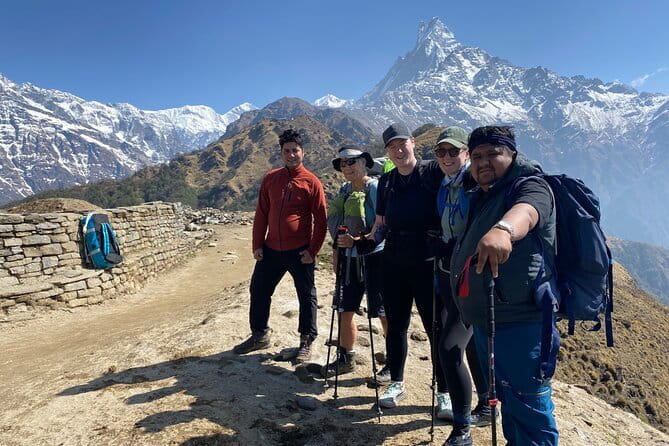
Short trek, big mountain payoffs. The Mardi Himal Trek in Nepal is a smart way to get the Annapurna region highlights without the crowds, with famous views of Machapuchare (Fishtail), Annapurna South, and Hiunchuli. It also runs like a well-paced itinerary: Kathmandu to Pokhara by bus, then a guided trek through forest, meadows, and high viewpoints.
What I love most is the tea-house style setup, which keeps nights simple and comfortable as the trail climbs. I also like how the plan supports your energy with guides, porters, and scheduled viewpoints. The one thing to consider is that parts of the route involve early starts and some steep, narrow hiking, so bring patience for long travel days before you even hit the trail.
In This Review
- Key highlights you’ll feel right away
- Mardi Himal in plain terms: why it works as a 9-day trek
- The Magic Himalaya Treks approach: transfers, timing, and group size
- Day-by-day walkthrough: what each part of the trek feels like
- Day 1: Kathmandu arrival and an easy start in Thamel
- Day 2: Kathmandu to Pokhara by tourist bus
- Day 3: Kande to Deurali, with Australian Camp as your first big view moment
- Day 4: Forest walking to Low Camp, where the ranges start showing up
- Day 5: Low Camp to High Camp, tree line thinning and a Danphe possibility
- Day 6: Upper viewpoint day, with steep and narrow trail segments
- Day 7: A different route to Shiding Village, then back to Pokhara
- Day 8: Pokhara to Kathmandu by bus, with a small walk or drive first
- Day 9: Final pickup and airport transfer
- What “tea-house trekking” really means for your comfort
- Views and altitude: what to expect when the trail climbs
- Price and value: why $750 can make sense here
- Who this trek suits best (and who should think twice)
- Tips to make your Mardi Himal days easier
- Should you book the Mardi Himal Trek with Magic Himalaya Treks?
- FAQ
- How long is the Mardi Himal Trek with Magic Himalaya Treks?
- Where does the trip start and finish?
- Is pickup from the airport offered?
- What transport is included besides the trekking?
- How many people are in a group?
- What’s included in the cost?
- What is not included?
- What fitness level do I need?
Key highlights you’ll feel right away
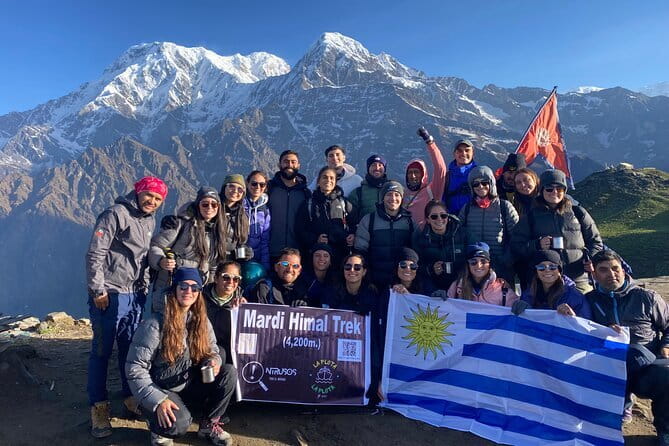
- Quieter Mardi Himal trail in the Annapurna region, compared with the big-name routes
- Tea houses and lodges on a route that used to be more camping-based
- Panoramic viewpoints tied to Machapuchare, Annapurna South, and Hiunchuli
- Guide + porter support, plus a medical kit and insurance included
- Smaller group size (max 16), which usually means less waiting around
- A change-up on Day 7 with a route via Shiding Village before heading back to Pokhara
More trails out of Kathmandu, boots ready
- Everest Base Camp Trek – 14 Days★ 5.0 · 1,499 reviews
- Everest Base Camp Trek★ 5.0 · 842 reviews
- Everest Base Camp Trekking★ 5.0 · 485 reviews
- Nagarkot Sunrise View and Day Hiking from Kathmandu★ 5.0 · 471 reviews
Mardi Himal in plain terms: why it works as a 9-day trek
The Mardi Himal Trek is the kind of adventure that rewards you even if you don’t want a long, grueling expedition. You’re in the Annapurna Himalaya region, but the tone of the trek is different. Instead of feeling like you’re part of a moving crowd, you get a calmer rhythm on the trail—especially important if you’re the type who likes quiet mornings and time to just look.
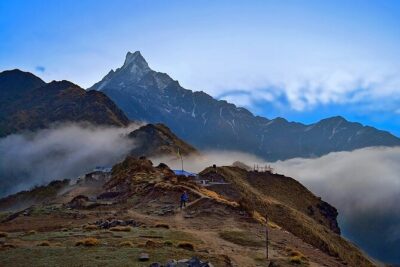
The core idea is straightforward: you’ll walk through changing terrain—forests to alpine meadows to higher, more rugged trail—and then you’ll spend time at viewpoints where the mountains open up. Key sights include Mount Machapuchare (Fishtail), Annapurna South, and Hiunchuli. Even if clouds roll in some days (it happens everywhere in the Himalaya), the trek is still worth it because your daily goals are realistic.
You should also know the route has evolved. It’s newly opened as a trail in this area, and what used to be more of a camping-style experience has moved toward a tea-house trek with lodges along the way. That shift is meaningful for you: you can plan your days around walking time instead of constantly thinking about setting up camp.
The Magic Himalaya Treks approach: transfers, timing, and group size
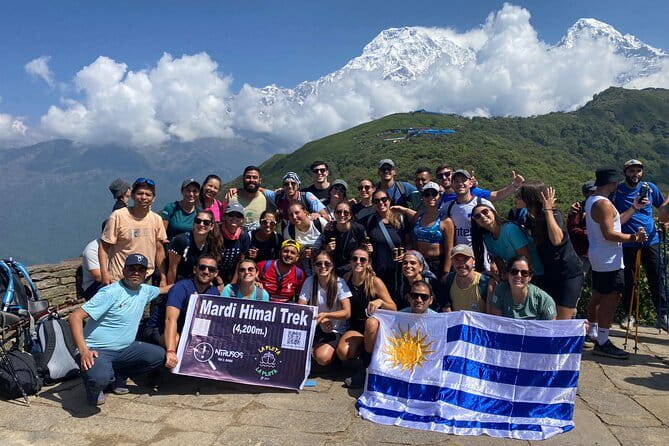
Magic Himalaya Treks runs this trek with a clear chain of logistics. Your trip starts in Kathmandu, then you go to Pokhara, then you trek, then you finish back in Kathmandu. For a lot of people, the value isn’t just the walking. It’s not having to figure out transportation, permits, and timing when your brain is already half in altitude mode.
Here’s what stands out in the day-to-day setup:
- You get airport support in Kathmandu and you’re transferred to a hotel in Thamel, which is a convenient base neighborhood.
- Pokhara is reached by tourist bus (air-conditioned), and it’s a full day of travel on the front end and again on the way back.
- From Shiding Village, you return to Pokhara by Jeep drive, which helps keep the finish less exhausting.
One small but important detail: the provided meeting/start time is 1:15 am. That doesn’t sound fun, but in trekking terms it often means you’re heading out early so you can keep the day moving and avoid losing daylight. You’ll want to be ready for an early wake-up on at least one segment.
Group size is capped at 16 travelers, which is helpful. Smaller groups typically mean fewer bottlenecks at tea houses and viewpoints, and your guide can actually manage the pace without turning the day into a conga line.
Day-by-day walkthrough: what each part of the trek feels like
Day 1: Kathmandu arrival and an easy start in Thamel
Your first day is about getting settled and briefed. After you land, you’re picked up and transferred to your hotel in Thamel. In the evening, there’s time to meet the Magic Himalaya Treks office and get the briefing.
Why this matters: the better you understand the plan, the less you’ll stress about what comes next. You also learn what to prioritize—usually your pace, layering strategy, and how to handle tea-house nights without overpacking.
Day 2: Kathmandu to Pokhara by tourist bus
Breakfast first, then your guide picks you up and you transfer to the bus station. You’ll ride to Pokhara and stay overnight there.
This day is long travel, but it’s also a buffer. Pokhara helps you mentally reset before the first trekking steps. It’s also where you’ll likely organize your day bag and ensure your trekking essentials are easy to access.
Day 3: Kande to Deurali, with Australian Camp as your first big view moment
After breakfast, you drive to Kanda. Then you start trekking toward Deurali, with a probable lunch stop at Australian Camp, which is described as a good viewpoint.
You’re not supposed to sprint on this day. You want your legs to settle into trekking mode. Think of it as the warm-up phase, with a reward—panoramic sights—so you feel like the trip is already working.
You stay at Deurali villa this night. Deurali is often a first taste of the quieter, higher Himalayan vibe: less city noise, more mountain air, and nights that feel more tied to the outdoors.
Day 4: Forest walking to Low Camp, where the ranges start showing up
You continue through forest until you reach the Low Camp for the night. This is a day that typically balances effort with scenery. Forest sections can feel cooler and more shaded, and that’s good for keeping your breathing under control while the climb builds.
One thing the plan emphasizes: you’ll see outstanding Himalayan ranges around Low Camp. That matters because you’re not just walking toward a far prize—you’re getting glimpses along the way.
Meals are included here: accommodation plus breakfast, lunch, and dinner. That helps keep the day simple, especially in higher areas where choice can be limited.
Day 5: Low Camp to High Camp, tree line thinning and a Danphe possibility
Day 5 is the step up. You walk upward to High Camp, and as you climb, the tree line gets thinner. That change is more than scenic. It usually means the trail feels more exposed, the light gets sharper, and temperatures can drop faster in the evening.
There’s also a note about the possibility of seeing Danphe (the national bird of Nepal) on the way. Even if you don’t spot it, the day’s job is clear: get higher, get stronger, and position yourself for viewpoint time.
Day 6: Upper viewpoint day, with steep and narrow trail segments
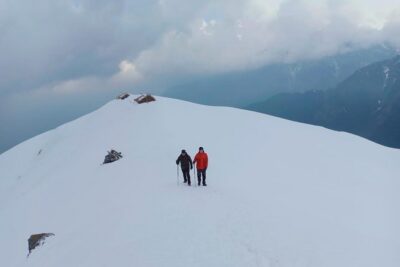
This is a long day in hiking terms. The plan describes ascending toward an upper viewpoint, with stretches that include steep and narrow trail plus some time passing through pastures.
This is the day you’ll want to approach with strategy:
- Go steady early. Saving energy helps later.
- Keep your focus on footing on narrow segments.
- Use breaks for small adjustments—water, layers, and snacks—rather than huge rests that break your rhythm.
The reward is the upper viewpoint itself. If you enjoy that feeling when the mountains finally look close enough to touch, this is the one day that tends to deliver that vibe.
Day 7: A different route to Shiding Village, then back to Pokhara
Instead of repeating the same path, the itinerary goes a different way to reach Shiding Village. After trekking there, you drive back to Pokhara for an overnight stay.
Why this detour is a big deal: it breaks the monotony. After multiple days of similar rhythm, a change in scenery and trail shape keeps your mind fresh. It also gives you a cleaner mental break before the long ride back to Kathmandu.
Day 8: Pokhara to Kathmandu by bus, with a small walk or drive first
Breakfast in Pokhara, then a small walk or drive to the bus park. You ride back to Kathmandu for 6–7 hours, then you’re finished for the day.
This is not the day for heavy sightseeing. You’ll likely want a relaxed evening, a hot shower, and time to recover properly after trekking.
Day 9: Final pickup and airport transfer
You get picked up before your departure and transferred to the airport.
This final day matters more than it sounds. Trekking trips can go sideways when logistics are fuzzy. Here, the plan keeps the ending tidy so you can leave Nepal without last-minute stress.
What “tea-house trekking” really means for your comfort
Tea houses are a major part of why Mardi Himal feels like an accessible mountain trek. Instead of carrying everything for camp, you generally depend on simple lodge meals and beds.
From what’s built into this trek, you can expect:
- Lodging included throughout the trekking segment
- Meals counted (breakfasts and dinners are provided, plus multiple lunches)
- A guide and porter system that reduces how much you carry
You’ll still need to be practical. Tea houses can be basic, and comfort depends on altitude, weather, and the specific lodge. But the big advantage for you is consistency. You’re not searching for places to sleep each night. You’re moving through a route where stays are already part of the plan.
The other comfort factor: the itinerary includes a medical kit and required medicine. That doesn’t replace trekking smartness (hydration, pace, layers), but it does make the trip feel more secure.
Views and altitude: what to expect when the trail climbs

The trek is designed around big view payoff. The itinerary specifically includes viewpoint time: Australian Camp as a good viewpoint, then the upper viewpoint on Day 6, plus the long climb and high camp.
One review highlighted getting up to around 4500 meters, which lines up with the general feel of Mardi Himal: you’ll notice altitude more than on lowland hikes. That means you should plan your hiking day like a marathon, not a sprint. Slow pace helps. Short breaks help. Drinking enough water helps.
Also, don’t assume you’ll always get perfect skies. Even with a well-planned route, weather can shift quickly in high Himalaya areas. What makes the trek resilient is that you’re still hiking through multiple zones—forest, meadows, exposed trail—so the scenery doesn’t vanish the moment visibility gets worse.
Price and value: why $750 can make sense here

At $750 per person, this trek is positioned as a mid-level package. The best way to judge value is to look at what you would otherwise need to arrange yourself.
This package includes:
- Kathmandu–Pokhara–Kathmandu transport (air-conditioned tourist bus)
- Private vehicle drive to Kanda and Jeep drive from Shiding to Pokhara
- Guide and porter (with food/equipment and insurance included as part of the support plan)
- Annapurna conservation permits and required documents
- Trekking map and company duffel bag for the porter
- Medical kit box and required medicine
- Farewell dinner and celebrations
- Meals on trek days (breakfast, lunch, dinner counts are included)
What you don’t get is also clear: your personal trekking gear, plus lunch and dinner in Kathmandu and Pokhara, and personal expenses. Rescue operation is not included.
So the real value question for you is this: do you want to handle the hardest parts—permits, guides, porter arrangements, and transport—or do you want that done for you? If you want everything coordinated, especially if it’s your first Nepal trek, the price can feel fair. If you’re a strong independent trekker who already knows local logistics, then the cost might feel less necessary. But most people choose packaged treks because it buys peace of mind.
Who this trek suits best (and who should think twice)
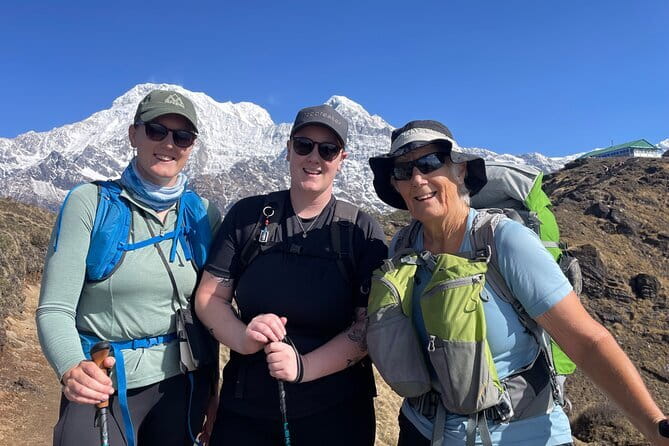
This Mardi Himal Trek suits you if:
- You want a shorter trekking commitment (about 9 days) with real mountain atmosphere
- You prefer a quieter trail over the most famous Annapurna crowds
- You like the tea-house rhythm where daily comfort is handled
- You’re okay with a moderate fitness level and some steep moments
- You want a guide-led plan with porter support
You might think twice if:
- You hate early mornings (the meeting/start time is 1:15 am)
- You get nervous on narrow and steep trail segments (Day 6 is described that way)
- You expect a trip with zero physical challenge. Even “moderate” trekking still asks for effort.
Tips to make your Mardi Himal days easier
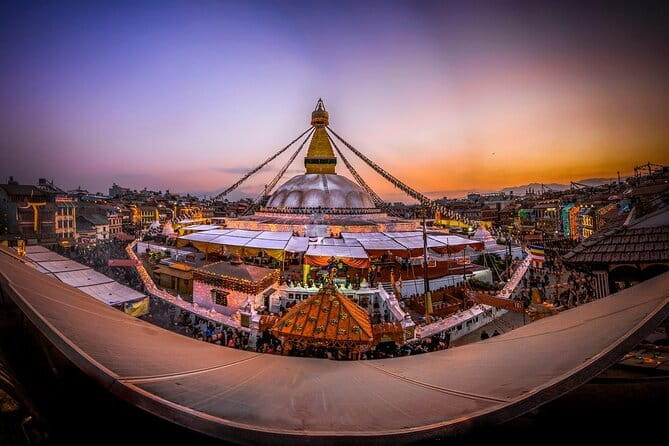
A few practical pointers based on how this itinerary is built:
- Bring layers. Tree lines thin as you climb, and temperatures can shift fast.
- Pack for a tea-house trek: a comfortable sleep layer and quick-dry basics help.
- Keep your day bag light. The porter carries via a company duffel bag, but you still need a small pack for essentials.
- Plan your pace for altitude. Slow wins on steep days.
- Use the viewpoint stops as rest opportunities, not just photo breaks.
Also, take advantage of your guide team. A theme from the experience feedback is that the staff are attentive and available. When you’re tired, that kind of support makes the difference between pushing through and pushing too hard.
Should you book the Mardi Himal Trek with Magic Himalaya Treks?
If you want a tea-house Mardi Himal trek with smooth transportation, permits handled, and a guide/porter team in place, I think this is a good bet. The itinerary is tight enough to feel satisfying without dragging into a long slog, and it’s built around the views you came for—Machapuchare, Annapurna South, and Hiunchuli.
I would book if you’re looking for:
- A quieter Annapurna trekking experience
- A manageable 9-day schedule
- Practical support (medical kit, insurance, porter, map, meal plan)
I would hesitate only if your schedule can’t handle early starts or if steep, narrow hiking makes you uncomfortable. In that case, you may still love Mardi Himal, but you should choose a route that matches your comfort level.
FAQ
How long is the Mardi Himal Trek with Magic Himalaya Treks?
The trek is listed as 9 days (approx.).
Where does the trip start and finish?
It starts in Kathmandu (including airport pickup) and finishes back in Kathmandu, with an airport transfer on the last day.
Is pickup from the airport offered?
Yes. You get private vehicles for airport pickup and drop.
What transport is included besides the trekking?
The package includes an air-conditioned tourist bus for Kathmandu to Pokhara and back. It also includes a private drive to Kande and a Jeep drive from Shiding to Pokhara.
How many people are in a group?
The maximum group size is 16 travelers.
What’s included in the cost?
The cost includes a guide and porter, permits for the Annapurna conservation area, trekking map, duffel bag for the porter, a medical kit box and required medicine, a farewell dinner, and trek meals (with 8 breakfasts, 5 lunches, and 5 dinners listed).
What is not included?
Not included are your trekking clothes and gear, lunch and dinner in Kathmandu and Pokhara, personal expenses, rescue operation if needed, and bar/alcohol charges.
What fitness level do I need?
The tour says you should have a moderate physical fitness level.
More Trekking Out of Kathmandu

More Tour Reviews in Kathmandu
Just Reviewed in Kathmandu
- Mountain Bike Tour
★ 5.0 · 3 reviews - Annapurna Panaroma
★ 5.0 · 3 reviews - Mount Everest Scenic Flight 50 Minutes
★ 5.0 · 3 reviews - Kathmandu : Swambhunath & Durbar Square Guided Half Day Tour
★ 3.3 · 3 reviews - Chandragiri Cable Car & Monkey Temple Tour – Private/Group
★ 5.0 · 3 reviews - Kathmandu: Shivapuri National Park Hiking Day Trip
★ 3.3 · 3 reviews
Mardi Himal Treks, compared.
 ★ 5.0Mardi Himal TrekFrom $1,05841 reviews
 ★ 5.0Mardi Himal Trek – 8 Days | Hidden Gem of the AnnapurnasFrom $66619 reviews
 ★ 5.0Mardi Himal Base Camp Trek -9 DaysFrom $90018 reviews
★ 5.0Mardi Himal TrekFrom $82113 reviews
★ 5.0Mardi Himal Base Camp Trek -9 DaysFrom $90018 reviews
★ 5.0Mardi Himal TrekFrom $82113 reviews
 ★ 5.0Mardi Himal TrekkingFrom $86613 reviews
 ★ 5.0Mardi Himal Trek – 12 DaysFrom $98012 reviews
 ★ 5.04 Days Mardi Himal Base Camp Trek – 4500 MetersFrom $2609 reviews
★ 5.0Mardi Himal TrekFrom $5109 reviews
★ 5.04 Days Mardi Himal Base Camp Trek – 4500 MetersFrom $2609 reviews
★ 5.0Mardi Himal TrekFrom $5109 reviews
Browse the lists this tour appears in