
Review · MARDI HIMAL TREKS
Mardi Himal Trek
Mardi Himal feels like a secret. This 10-day trek pulls you off the busier Annapurna Base Camp flow and into quieter paths where the mountains show up close, often without crowds. I like the group size limit of 15 and the steady support, which matters on days that include steep climbs and long walks.
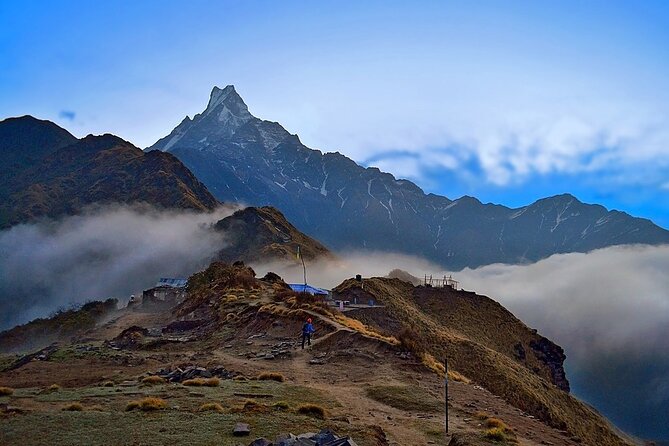
The best part is the scenery rhythm: lush forest walking, then open ridges, then sunrise views above the tree line. I also like that you reach key spots like Australian Camp, Forest Camp, and the Mardi Himal viewpoint area with time to pause, acclimatize, and take in the Annapurna South and Machhapuchhre views.
The main drawback to consider is cold and exposure. You’ll be waking early, walking through snowier ridge sections in some seasons, and the temperature drops as you go higher—so you need to be ready for chilly mornings and nights even with provided gear.
In This Review
- Key things you’ll notice on this trek
- Mardi Himal: the quieter side of the Annapurna region
- Kathmandu start: airport pickup plus the pre-trek meeting
- Getting to Pokhara by tourist bus: the long road that sets the vibe
- Kande and Australian Camp: the first serious views
- Deurali to Forest Camp: jungle walking with navigation cues
- Low Camp and Mardi Himal Base Camp: snow-ridge drama and tea time
- High Camp sunrise and the upper viewpoint day
- Descent to Sidhing and the 4WD back to Pokhara
- Back to Kathmandu and the farewell dinner
- Price and logistics: does $821.34 feel worth it?
- Who should go, and who should think twice
- Packing smart with the gear they provide
- Should you book the Mardi Himal trek with this operator?
- FAQ
- How long is the Mardi Himal Trek?
- Where do I start and end the trip?
- Is airport pickup included?
- What kind of guide do I get?
- What meals are included?
- Where will I sleep during the trek?
- Do I get any trekking gear?
- Are permits included and do I need travel insurance?
Key things you’ll notice on this trek
- Quieter route: fewer people than the nearby Annapurna Base Camp trail corridor
- Forest-to-ridge scenery shift: oak, maple, rhododendron jungle one day, open grassy ridges the next
- Big-view staging points: Australian Camp for first wide looks, then Low Camp/High Camp for closer mountain drama
- Support that shows up in the details: licensed English guide, and a porter for two clients
- Included trekking comfort items: down jacket and sleeping bag (for use during the trek), plus a duffel/kit bag and sun hat you keep
More trails out of Kathmandu, boots ready
- Everest Base Camp Trek – 14 Days★ 5.0 · 1,499 reviews
- Everest Base Camp Trek★ 5.0 · 842 reviews
- Everest Base Camp Trekking★ 5.0 · 485 reviews
- Nagarkot Sunrise View and Day Hiking from Kathmandu★ 5.0 · 471 reviews
Mardi Himal: the quieter side of the Annapurna region
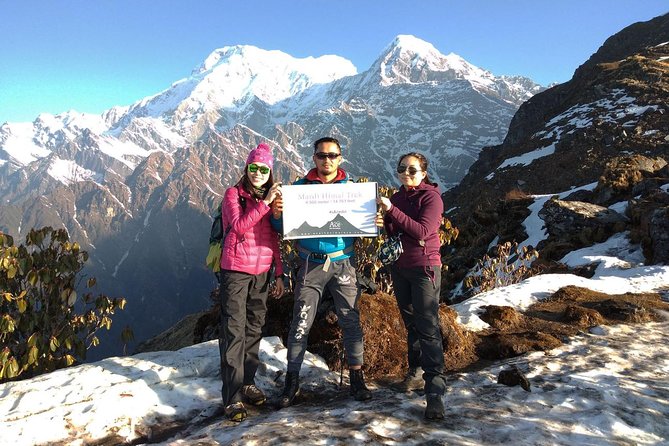
If you’re craving Annapurna views but want fewer people on the trail, Mardi Himal is a smart pick. It sits just south of the more famous routes, which means you spend more time walking through forests and ridges where the trail feels more personal. Instead of constant chatter from other groups, you get more stretches of quiet hiking and big pauses where the mountains feel close.
You also get a clear “mountain arc” across the days. Early on, your views start broad and wide—Annapurna peaks and Machhapuchhre show up from the first major stop area. Then, as you gain height, the views get more direct. That pacing is one of the reasons this trek works so well as a standalone: it doesn’t just promise scenery, it gradually tightens the frame around the mountains.
Kathmandu start: airport pickup plus the pre-trek meeting
Your trip begins at Tribhuvan International Airport in Kathmandu. An airport representative meets you with an Ace the Himalaya signboard and transfers you to a three-star hotel in a private tourist vehicle. On arrival day, there’s a pre-trek meeting where you meet your guide, go over how the trek will run, and ask questions while everything is still fresh.
You’ll also receive trekking basics at that meeting: a duffel/kit bag and a cap you keep. They’ll ask you to bring your passport, three copies of passport-size photos, and a readable copy of your travel insurance policy. You’ll sign a legally binding trip form and a non-liability disclaimer. It’s paperwork, yes, but it also means you’re not guessing how the trip works once you’re on the trail.
If you’re someone who hates surprises, this day is a win. It sets expectations early, and it helps you match your packing to what you actually have versus what you still need.
Getting to Pokhara by tourist bus: the long road that sets the vibe
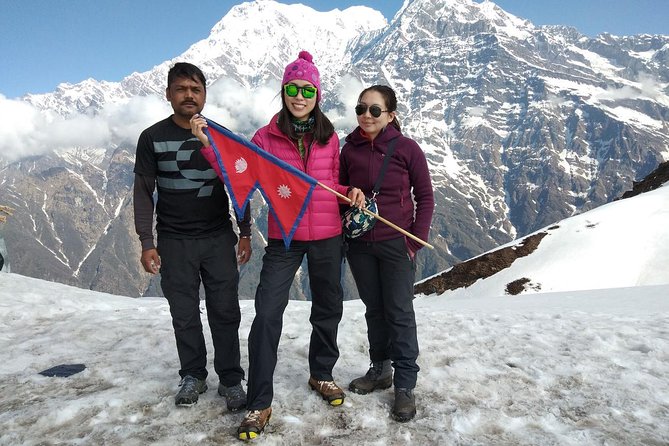
Day two is a long, scenic transfer: an early drive by tourist bus from Kathmandu to Pokhara. It’s about 200 km and takes roughly 6–7 hours. This ride matters more than you might think. You’ll pass varied vegetation and river scenes along the way, including the Trishuli and Marshyangdi rivers, and it helps you “shift gears” from city time into trekking mode.
Once you arrive, you’re transferred to a hotel in Pokhara (also three-star) for a night of rest before the trek begins.
Kande and Australian Camp: the first serious views
After breakfast, you drive to Kande by jeep (about an hour). From there, the trek starts on a climb toward Australian Base Camp / Australian Camp for around three hours of walking.
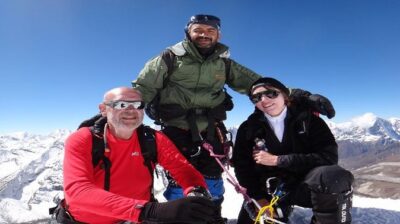
This stop is key because it gives you your first strong payoff. On a clear day, Australian Camp is known for unobstructed views of the Annapurna range, Machhapuchhre, and even the Manaslu range. It’s also a good place to notice the trek pattern: steady uphill walking, then a pause where you can take photos, breathe, and get your bearings.
If you’re the type who needs to know you’re on the right track, this day does that. You start getting mountain context early, not just at the end.
Deurali to Forest Camp: jungle walking with navigation cues
The next big move is from your base area up toward Forest Camp. The walking time listed here is about 6–7 hours, and the route includes a slightly downhill section before another ascent toward Deurali (around 2100 m). Then you follow a signboard path toward Forest Camp.
Forest Camp is where the trek earns its “feels different than other trails” reputation. The route runs through a quieter jungle zone with oak, maple, and rhododendron trees. Expect shade for part of the day, a calmer trail feel, and a different kind of effort than the open-ridge days.
Practical tip: when a trek route uses signboards (like the Forest Camp direction at Deurali), it usually means navigation is simpler than you’d worry about on your own. Still, it pays to stay close to your guide and keep a slow, steady pace—forest trails can feel easier until the elevation starts stacking up.
Low Camp and Mardi Himal Base Camp: snow-ridge drama and tea time
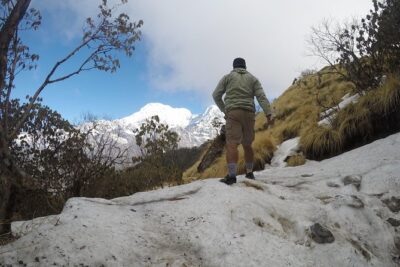
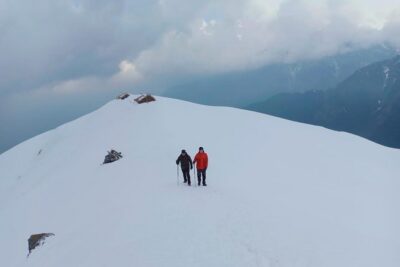
Day five is a turning point. You walk a steep climb for a few hours, then emerge onto a grassy ridge area. Depending on season, this ridge can include snow, which changes everything: footing, temperature, and how you feel after hours of hiking.
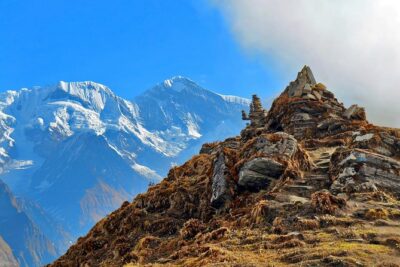
From this ridge section, the mountains start to seem closer as you push toward Low Camp. You arrive in the afternoon, and the plan includes time to enjoy tea and take in views of Annapurna South and Mt. Machhapuchhre while you acclimatize.
That acclimatization pause is more valuable than it sounds. It’s not only about resting your legs. It helps you adjust your breathing, eat properly, and avoid the “go hard all day” mistake that can catch people on higher routes.
If you’re sensitive to altitude effects, the rhythm here is one of the strengths of the trip: climb, settle, recover, then continue.
High Camp sunrise and the upper viewpoint day
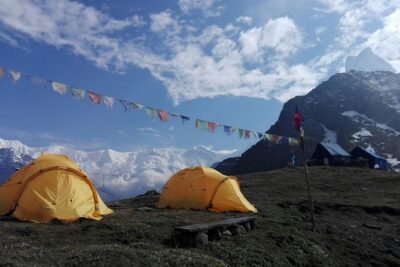
Early on day six, you wake up for sunrise views through the mountains. After an early breakfast, you continue on trail that ascends through grassy ridges that can also be snowy in winter months. The route climbs up toward High Camp, and the key detail here is the shift above the tree line.
Once you’re above it, temperatures drop along the way. That’s why the provided cold-weather gear matters. Even if the sun is bright, you’ll likely feel the chill when the wind hits and the sky clears early.
You walk for around 4–5 hours before reaching High Camp. Then day seven continues the “closer looks” theme: you wake early again, walk for a few hours toward an upper view point or the Mardi Himal Base Camp area. From there, the itinerary notes the Annapurna Sanctuary view and panoramic scenes of South-facing Annapurna, Himchuli, and Machhapuchhre.
A smart part of day seven is the timing: you go up, spend hours up top for the reward, then return to High Camp for breakfast. After lunch and rest, you descend about two hours back to Low Camp.
This is where the guide support really matters. In past trips, guides like Ishwor, Deepak Neupane, and Rajan have been praised for keeping groups safe and setting a pace people can handle. A good pace is not just comfort—it’s how you avoid arriving wiped out and unable to enjoy the views.
Descent to Sidhing and the 4WD back to Pokhara
On day eight, you start with a descent toward Sidhing village. The plan describes a drastic change in elevation, then about five hours of walking to reach Sidhing for lunch.
This day is a good reminder that trekking isn’t only about climbing. Your legs need careful control on the way down, especially if you’re dealing with colder air and possible snow patches earlier in the route. Then you get a break: a drive back to Pokhara by 4WD jeep.
Finally, in Pokhara, you celebrate the successful trek. That matters psychologically, too. After days where every step counts, a normal meal and a comfortable hotel night feel earned.
Back to Kathmandu and the farewell dinner
Day nine switches you from mountain time back to city time. You take a tourist bus from Pokhara to Kathmandu (about 7 hours). Along the way, you get last glimpses of the Himalayas before returning to your hotel.
In the evening, there’s a farewell dinner in a traditional Nepalese restaurant with cultural performances. It’s a nice close: you can swap stories, thank your crew, and end the trip on something more relaxed than hiking logistics.
Day ten is simple. You’re transferred to the airport for departure from Kathmandu.
Price and logistics: does $821.34 feel worth it?
At $821.34 per person, the value depends on what you compare it to. Here’s what’s doing the heavy lifting for the price:
- Accommodation: two nights in Kathmandu and two nights in Pokhara (three-star hotels), plus five nights in guesthouses during the trek (twin-share and dormitory options).
- Food included on the trek: breakfast (9), lunch (6), dinner (6). That’s a real cost saver compared with a strictly self-booked approach.
- Guiding and permits: a licensed English-speaking trekking guide and permits for trekking.
- Porter support: a porter for two clients. This can make a big difference in how heavy your pack feels on long days.
- Transport: airport transfers and the tourist bus between Kathmandu and Pokhara, plus the vehicle route around the trek start and finish areas.
- Trekking gear support: a down jacket and sleeping bag provided for use (returned at the end), plus a duffel/kit bag and sun hat you keep.
What might make you double-check the fine print: the inclusions list airfare from Kathmandu to Lukla and back, even though the trek driving portions mention Kande and the route on foot. If this detail matters to you, ask your operator to clarify how it connects to your specific start plan.
What’s not included (and you should budget for): international airfare, Nepal entry visa, travel insurance covering emergency high-altitude rescue and evacuation, tips for guide and driver, and lunches/dinners in Kathmandu and Pokhara.
Also, the trek requires good weather. That doesn’t mean it’s a fragile plan, but it does mean your start and progress are weather-dependent. If you’re traveling with tight dates, keep a buffer.
Who should go, and who should think twice
This trip is listed for travelers with moderate physical fitness. Practically, that means you should be comfortable with daily walking around the 4–7 hour range and willing to handle steep sections—especially the climb toward Low Camp and the day(s) around High Camp.
You should also expect cold. The route includes sections above the tree line with temperature drop, and ridge sections may include snow in winter months. Provided gear helps, but cold tolerance and smart layering are still on you.
This is also a good fit if you care about team dynamics. Feedback patterns emphasize crew members keeping people safe and moving at a comfortable pace. In particular, names like Krish, Ram, Ishwor, and porter Kismat show up as the kind of support that makes a first trek feel more manageable.
If you hate sharing space, dormitory rooms during the trek might feel less private. If you need twin-share only, check what your booking will assign for the guesthouse nights.
Packing smart with the gear they provide
You’ll be given a down jacket and sleeping bag for trekking use (returned afterward). You also keep the duffel/kit bag and a sun hat. That reduces what you need to carry on your flight, which is one reason this kind of organized trek can be better value than doing everything independently.
What you should still plan for:
- Warm layers for chilly mornings, especially around High Camp sunrise and higher ridgeline walking.
- Rain protection and sturdy footwear suited to uneven trails (forest paths and descending days both test shoes).
- Your own personal trekking items, since the package notes personal gear is not included.
If you’re unsure, ask your guide before you pack. A quick question early can prevent the classic mistake: showing up underprepared for cold, then paying for replacements later.
Should you book the Mardi Himal trek with this operator?
If your goal is close Annapurna views with fewer crowds, this trek makes a lot of sense. The trail mix—forest to ridges to higher viewpoint—keeps the days interesting, and the route includes built-in pauses (like Low Camp tea time) that help you manage acclimatization rather than rushing.
I’d book it if you:
- Want a smaller-group feel (max 15) and a licensed English-speaking guide.
- Prefer a supported trek where meals, permits, and key transfers are already handled.
- Appreciate a crew that keeps pace comfortable and focuses on safety, with guides such as Ishwor, Deepak Neupane, Krish, and Ram being repeatedly associated with positive trip outcomes.
I’d hesitate if:
- You have very limited tolerance for cold mornings or for long downhill days.
- You’re booking with no flexibility and no weather buffer, since the trek is weather-dependent.
If you can handle chilly conditions and a multi-day walk, this trip offers strong value for the money—especially because the package includes real logistical support and trekking comfort items, not just a guide’s presence.
FAQ
How long is the Mardi Himal Trek?
The trek is listed as 10 days (approx.).
Where do I start and end the trip?
It starts at Tribhuvan International Airport in Kathmandu and ends back at the same meeting point in Kathmandu.
Is airport pickup included?
Yes. There are airport transfers included on the arrival and departure sides.
What kind of guide do I get?
You’ll have a licensed English-speaking trekking guide.
What meals are included?
The package includes breakfast (9), lunch (6), and dinner (6). Lunch and dinner in Kathmandu and Pokhara are not included.
Where will I sleep during the trek?
During the trek you’ll stay in guesthouses in twin-share and dormitory rooms for 5 nights. In Kathmandu and Pokhara, you stay in three-star hotels for 2 nights each.
Do I get any trekking gear?
Yes. You get a down jacket and sleeping bag for use during the trek (to be returned), plus a duffel/kit bag and sun hat that you keep.
Are permits included and do I need travel insurance?
Permits for trekking are included. Travel insurance covering emergency high-altitude rescue and evacuation is not included, so you’ll need your own.
More Trekking Out of Kathmandu
More Tour Reviews in Kathmandu
Just Reviewed in Kathmandu
- Mountain Bike Tour
★ 5.0 · 3 reviews - Annapurna Panaroma
★ 5.0 · 3 reviews - Mount Everest Scenic Flight 50 Minutes
★ 5.0 · 3 reviews - Kathmandu : Swambhunath & Durbar Square Guided Half Day Tour
★ 3.3 · 3 reviews - Chandragiri Cable Car & Monkey Temple Tour – Private/Group
★ 5.0 · 3 reviews - Kathmandu: Shivapuri National Park Hiking Day Trip
★ 3.3 · 3 reviews
Mardi Himal Treks, compared.
 ★ 5.0Mardi Himal TrekFrom $1,05841 reviews
 ★ 5.0Mardi Himal Trek NepalFrom $75029 reviews
 ★ 5.0Mardi Himal Trek – 8 Days | Hidden Gem of the AnnapurnasFrom $66619 reviews
 ★ 5.0Mardi Himal Base Camp Trek -9 DaysFrom $90018 reviews
 ★ 5.0Mardi Himal TrekkingFrom $86613 reviews
 ★ 5.0Mardi Himal Trek – 12 DaysFrom $98012 reviews
★ 5.0Mardi Himal TrekFrom $5109 reviews
★ 5.0Mardi Himal Trek – 12 DaysFrom $98012 reviews
★ 5.0Mardi Himal TrekFrom $5109 reviews
 ★ 5.04 Days Mardi Himal Base Camp Trek – 4500 MetersFrom $2609 reviews
Browse the lists this tour appears in