
Review · MARDI HIMAL TREKS
Mardi Himal Trek – 12 Days
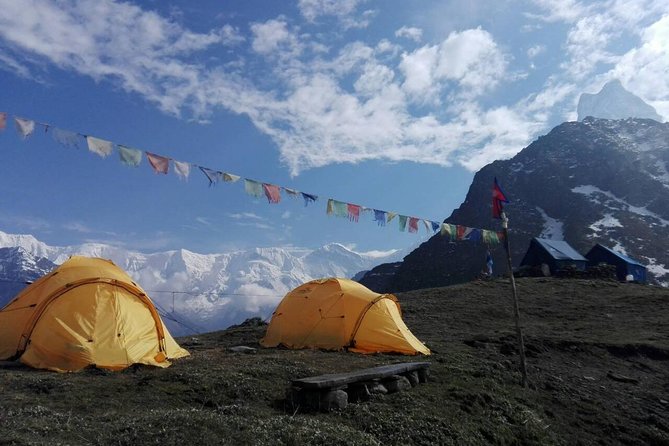
Mardi Himal sneaks you away from crowds. I like the off-main-trail feel that takes you into quieter corners of the Annapurna Himalaya, and I really like the close ridge views of Mardi and Machhapuchare that show up again and again. The one thing to plan for: nights and air at higher elevations can feel cold, so even with supplied outerwear you’ll want to pack smart layers and stay alert about altitude.
You’ll start with Kathmandu orientation, then fly to Pokhara, then get focused trekking help with a professional guide and a porter. That structure is great value for your energy—less time figuring logistics, more time walking, eating well, and looking up.
In This Review
- Key things I’d spotlight before you go
- Mardi Himal Trek: the appeal of going off the main track
- Kathmandu warm-up: Thamel, Durbar Square, and the big sacred sites
- Pokhara Lakeside reset: Phewa Lake calm and an easy change of pace
- Dhampus View Tower: a first Annapurna reality check
- Trek fundamentals: from rice fields up into rhododendron forests
- High ridges and close views: Mardi and Machhapuchare moments
- Where comfort shows up: meals, hotels, porter support, and guide help
- Price and logistics: what $980.87 buys you (and what to double-check)
- Fitness and packing: the practical stuff that decides how good this feels
- Who should book Mardi Himal Trek—and who should think twice
- Should you book this Mardi Himal Trek? My take
- FAQ
- What is the meeting start time for this tour?
- Is pickup offered?
- Is the tour private?
- What are the main cities and areas you visit before trekking?
- How do you travel between Kathmandu and Pokhara?
- What meals are included during the trek?
- Does the price include trekking permits and a guide?
- Is trekking equipment provided?
- Are Kathmandu city tour entry fees included?
- Can I cancel for a full refund?
Key things I’d spotlight before you go
- Private transfers + hotel base so you’re not piecing together day-by-day transport
- Kathmandu guide and city sights that help you understand what you’re looking at
- Trek support that’s actually useful: guide plus a strong porter
- Trekking equipment provided (and returned), including items like sleeping bags, down jackets, and duffel bags
- Route map and permits handled to reduce last-minute stress
- A farewell dinner and BBQ that adds a fun ending to the trek
More trails out of Kathmandu, boots ready
- Everest Base Camp Trek – 14 Days★ 5.0 · 1,499 reviews
- Everest Base Camp Trek★ 5.0 · 842 reviews
- Everest Base Camp Trekking★ 5.0 · 485 reviews
- Nagarkot Sunrise View and Day Hiking from Kathmandu★ 5.0 · 471 reviews
Mardi Himal Trek: the appeal of going off the main track
Mardi Himal Trek is all about escaping the usual Annapurna traffic and getting into a more “keep walking and look around” rhythm. The route leads away from the main trail into hidden areas of the Annapurna Himalaya. Translation for you: more quiet moments, fewer crowds, and scenery that feels personal instead of like you’re watching it through other people’s sunglasses.
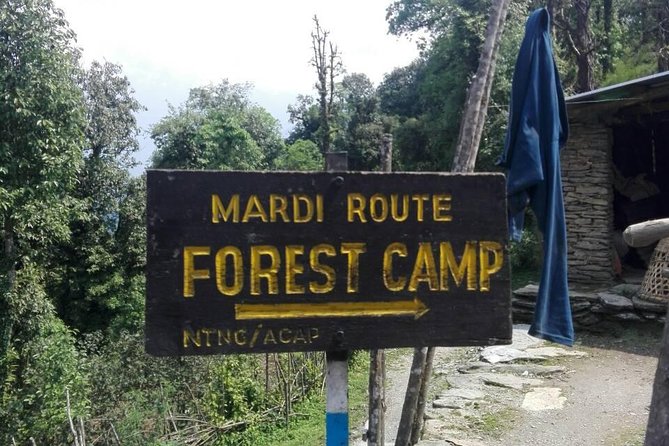
What I find especially compelling is the way the trek moves through very different environments. You start low with warm rice fields, then work your way toward cooler alpine hills. Along the way you pass thick forest lines—think rhododendron, oak, magnolia, pine, and fir—so the trek doesn’t just rely on peak views. The walking itself stays interesting.
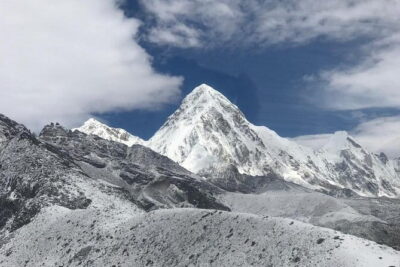
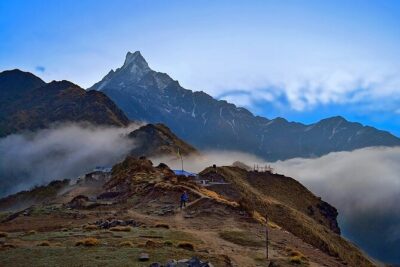
And then you get the big payoff: an incredible panorama of the Annapurna range, with close views of Mardi and Machhapuchare Himal. This is not a “guess the mountain” trek. It’s a “there it is, right there” trek.
The main thing to consider is that Mardi Himal is still a trek at altitude. The route goes into cooler alpine terrain, and that means you’ll want a reasonable fitness baseline and patience as your body adjusts.
Kathmandu warm-up: Thamel, Durbar Square, and the big sacred sites
Before the mountains, you get a practical Kathmandu warm-up. Thamel is your tourist hub, and it’s a handy place to get your bearings. I like how this tour doesn’t jump straight from arrival to porters and headlamps. You get time to settle in.
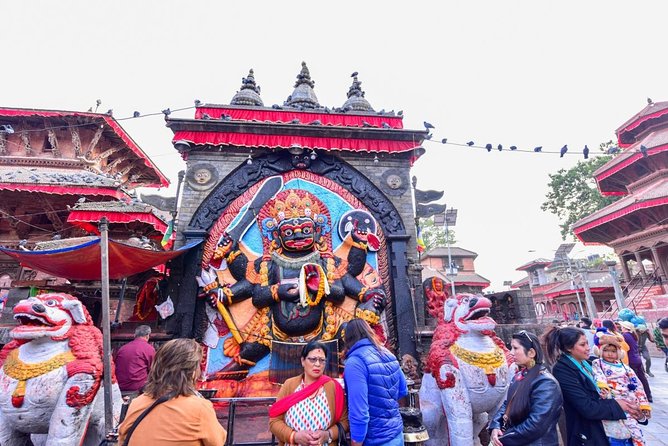
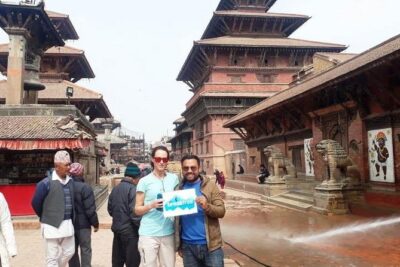
Then the city tour covers Kathmandu Durbar Square and major religious landmarks including Pashupatinath, Boudhanath, and Swayambhunath. Even if you’ve never visited before, these spots give you a quick sense of why Kathmandu matters beyond being a gateway. You’re seeing the mix of royal heritage (Durbar Square) and daily devotion (temples and stupas).
One practical note: city tour entry fees are not included. That’s worth budgeting so you don’t get surprised on the spot. Also, the tour starts at 7:45 am, so plan for an early start day.
Pokhara Lakeside reset: Phewa Lake calm and an easy change of pace
Pokhara is where the air feels different, and the pace usually slows down. Staying in Lakeside is a smart move because it puts you close to the most walkable parts of the lakeshore area. You also get time to stroll near Phewa Lake, which is a welcome mental break before trekking.
In the real world, this matters. After city movement and early starts, a quiet lakeside walk helps your body relax and your mind stop buzzing. It’s also a good moment to review what you have, what you need, and how you’re planning to pack for the trek days ahead.
If you’re thinking logistically, this tour includes a Kathmandu to Pokhara flight, which saves a lot of time compared with overland travel. Then it uses a tourist bus afterward (for the return to Kathmandu). That combination keeps travel manageable without making you spend your trip glued to a seat all day.
Dhampus View Tower: a first Annapurna reality check
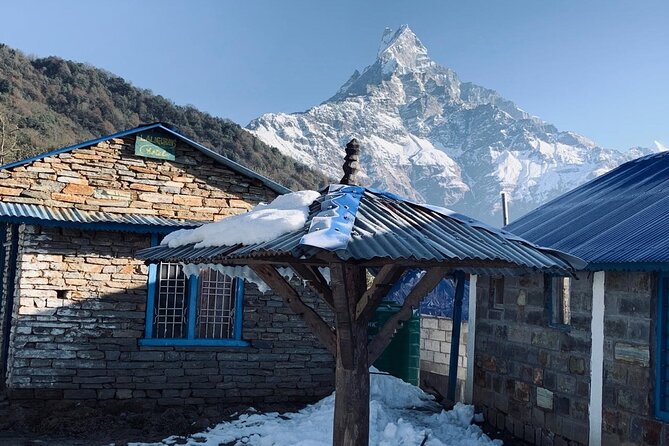
Dhampus View Tower is a short stop that gives you a big payoff: wide mountain views of Annapurna, Manaslu, and Fishtail. It also helps you visually connect the high mountain world with the green hills and farm villages below.
I like this kind of stop because it sets expectations. When you later walk through forests and higher ridges, you’ll already understand the terrain’s “shape.” You’ll know why certain ridgelines matter and why the views feel earned rather than random.
This stop includes admission, which is helpful. It’s also a good moment to take photos, but don’t forget to look up with your own eyes, not just your camera screen. The best view tends to be the one you stand in, not the one you crop.
Trek fundamentals: from rice fields up into rhododendron forests
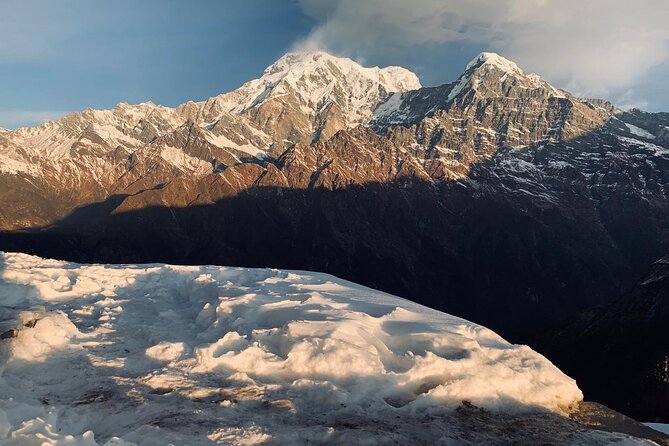
The core of Mardi Himal is a gradual shift in altitude and temperature. You start with low, warm rice fields and move toward cooler alpine hills. That “step-up” style is one reason many people find this trek more approachable than sudden jumps to high camps.
As you gain height, you hike through dense forest bands. The supplied description includes rhododendron, oak, magnolia, pine, and fir tree lines. That matters more than it sounds. Forest walking can soften wind and sometimes makes mornings feel less harsh. It also means you’re not staring at the same kind of scenery for every hour.
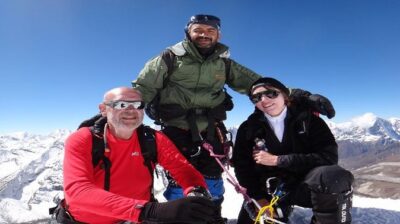
The trekking day-to-day support is a real value feature here. You get a professional trekking guide during the trek and a strong porter. The porter role is especially helpful on a route like this because the physical load isn’t just “your backpack.” It’s also the long walking hours, changing surfaces, and carrying whatever gear you need for changing weather.
This package also includes permits for trekking and a route map. Getting paperwork sorted in advance is one of those invisible advantages that makes your trek feel smoother from the first day.
High ridges and close views: Mardi and Machhapuchare moments
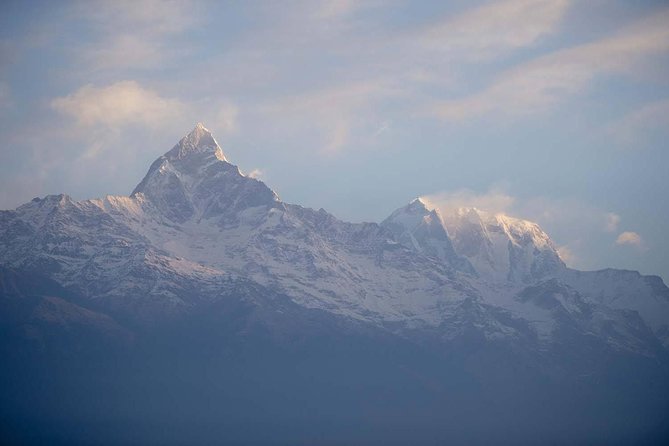
This trek earns its reputation with ridge walks and dramatic viewpoints. The route is designed to take you around higher ridges of Mardi and Machhapuchare Himal, which is why the scenery feels unusually close. Instead of being far-off dots, these peaks become part of your daily navigation.
You’ll also enjoy incredible panorama of the Annapurna range. What I like about that is you don’t just get one “wow” moment. You get multiple chances for good weather windows, which makes a huge difference on treks where clouds can roll in.
One more detail to know: equipment is provided during the trek and is meant to be returned after you complete it. In practical terms, that usually means you can travel a bit lighter if you’re okay using what they supply. Feedback specifically highlighted items like sleeping bags, down jackets, and duffel bags. That’s a strong sign the gear quality matters, not just the paperwork.
Finally, the experience includes three meals per day during trekking (breakfast, lunch, dinner). When the schedule is clear and the food is handled, your trekking brain stays focused on walking and acclimatizing.
Where comfort shows up: meals, hotels, porter support, and guide help
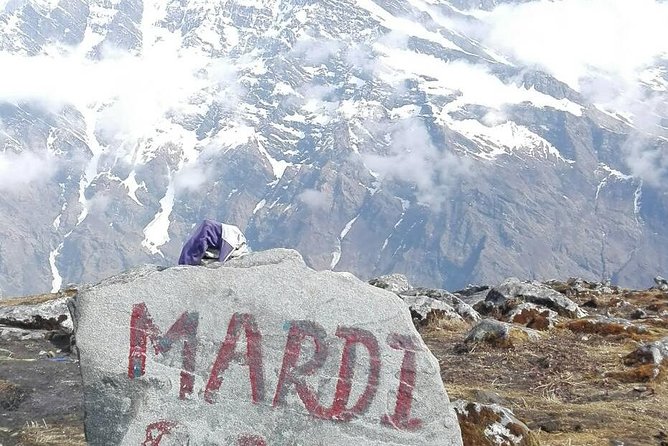
This is not a barebones trek package. You get tourist standard hotels in Kathmandu (three nights, twin sharing) and Pokhara (two nights, twin sharing). That means you’re not sleeping in unpredictable conditions the whole trip.
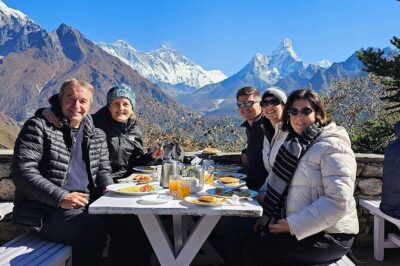
During the trek, meals are included—three per day—with lunch and dinner also covered. Food quality varies in Nepal depending on altitude and season, but having meals planned reduces the biggest trekking stress: guessing what you’ll eat and where you’ll find it.
The guide experience is a standout based on names you might recognize if you ask your operator. Guides mentioned include Sagar and Suman, and the consistent theme is route experience and staying on top of the walking plan. That’s exactly what you want when you’re trying to manage energy and altitude.
You’ll also get a guided city tour in Kathmandu (with entry fees not included) and private vehicle transports. For you, this reduces friction—less waiting, less hunting for rides, and fewer surprises.
And yes, the trek has a memorable ending: a farewell dinner and BBQ showed up as a highlight. Those extra moments matter because they turn the trek from work into a story you actually remember.
Price and logistics: what $980.87 buys you (and what to double-check)
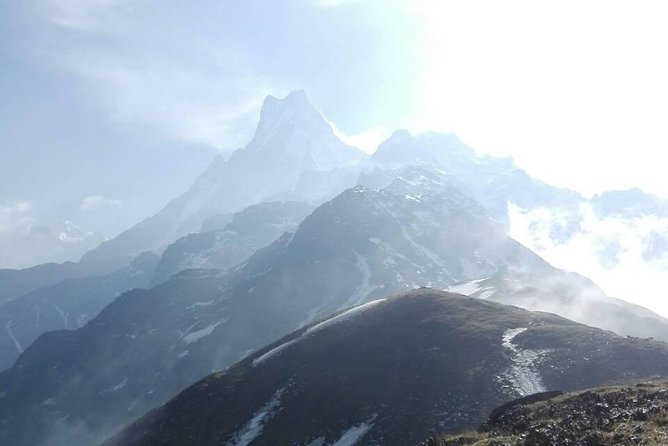
The listed price is $980.87 per person, and it’s easiest to judge value by what’s bundled:
- Private vehicles for necessary transport
- Kathmandu and Pokhara hotel stays on a twin-share basis
- Kathmandu to Pokhara flight
- Pokhara to Kathmandu by tourist bus
- Trek permits, guide, porter
- Meals during the trekking days
- Trek equipment supplied and returned after completion
- Route map and related support
That’s a lot included. If you were building this trip yourself—permits, guide, porter, flights, hotels, transfers, and meals—you’d likely spend a similar amount, but with more planning effort and more risk of mismatched timing.
What you should double-check before booking:
- The program is labeled 12 Days, but the trek duration is described as about 4 days (approx.). That’s not automatically bad, but it’s a sign you should confirm how the trek days map onto the full trip length.
- City tour entry fees are not included.
- Extra nights in Kathmandu or Pokhara are not included.
- Pokhara to Kathmandu by flight is not included (you’ll use the tourist bus included in the package).
If you hate “surprise add-ons,” ask your provider these exact questions in advance. It’s the quickest way to keep your budget clean.
Fitness and packing: the practical stuff that decides how good this feels
This tour asks for moderate physical fitness. That’s a useful signal: you don’t need to be an ultra runner, but you do need to be comfortable walking uphill for hours. If you’re coming from a low-activity month, start training early with hills or stairs.
For packing, don’t rely on borrowed gear as your whole plan. The trek includes equipment like down jackets and sleeping bags (plus duffel bags mentioned in feedback), but you should still bring what fits your body and your routine. At higher elevations, small temperature differences can feel big, especially at night.
Also pay attention to the “equipment returned” detail. You’ll be given gear to use during the trek, then expected to return it when you’re done. So keep track of zippers, liners, and what goes into which bag. Treat it like it’s yours for the duration, then return it like a responsible adult.
Lastly, plan for an early start rhythm. With a 7:45 am start time and multiple transport legs, having a buffer morning mindset makes the whole trip smoother.
Who should book Mardi Himal Trek—and who should think twice
This trek is a great fit if you want:
- A guided trek with a porter so your energy stays for walking and acclimatizing
- Strong scenery payoff: close views of Mardi and Machhapuchare plus Annapurna panoramas
- A paced travel structure (Kathmandu + Pokhara) that doesn’t burn your whole trip on transit
It’s also a good choice for first-time trekkers who want clear support and included meals and permits. The included guide and route map reduce the mental load.
You might think twice if:
- You’re very sensitive to altitude or you can’t commit to moderate fitness
- You prefer total freedom with no set timetable (this is a private tour with scheduled components)
- You’re not okay paying for city entry fees that aren’t included
Should you book this Mardi Himal Trek? My take
I’d book it if your goal is a well-supported Mardi Himal Trek that mixes mountain walking with real comfort on the travel days. The value feels solid because so much is bundled: flights, hotels, permits, guide, porter, meals, and trekking gear.
Before you say yes, confirm two things: how the 4-day trekking portion fits into the 12-day program, and the city tour entry fees you might need to cover. If you sort those details, you’re set up for a trek that’s scenic, focused, and not bogged down by logistics.
FAQ
What is the meeting start time for this tour?
The tour start time is 7:45 am.
Is pickup offered?
Yes, pickup is offered.
Is the tour private?
Yes. It’s listed as a private tour/activity, meaning only your group participates.
What are the main cities and areas you visit before trekking?
The tour includes Kathmandu (with Thamel and a city tour) and Pokhara (staying in Lakeside and visiting near Phewa Lake). It also includes a stop at Dhampus View Tower for mountain views.
How do you travel between Kathmandu and Pokhara?
Kathmandu to Pokhara is included by flight, and Pokhara to Kathmandu is included by tourist bus.
What meals are included during the trek?
During the trek you get three meals per day: breakfast, lunch, and dinner.
Does the price include trekking permits and a guide?
Yes. The price includes necessary trekking permits and a professional trekking guide during the trek.
Is trekking equipment provided?
Necessary trekking equipment is provided and is meant to be returned after the trek. Equipment mentioned in feedback includes sleeping bags, down jackets, and duffel bags.
Are Kathmandu city tour entry fees included?
No. Entry fees for the city tour are not included.
Can I cancel for a full refund?
Free cancellation is available. You can cancel up to 24 hours in advance for a full refund; if you cancel less than 24 hours before, the amount paid is not refunded.
More Trekking Out of Kathmandu
More Tour Reviews in Kathmandu
Just Reviewed in Kathmandu
- Mountain Bike Tour
★ 5.0 · 3 reviews - Annapurna Panaroma
★ 5.0 · 3 reviews - Mount Everest Scenic Flight 50 Minutes
★ 5.0 · 3 reviews - Kathmandu : Swambhunath & Durbar Square Guided Half Day Tour
★ 3.3 · 3 reviews - Chandragiri Cable Car & Monkey Temple Tour – Private/Group
★ 5.0 · 3 reviews - Kathmandu: Shivapuri National Park Hiking Day Trip
★ 3.3 · 3 reviews
Mardi Himal Treks, compared.
 ★ 5.0Mardi Himal TrekFrom $1,05841 reviews
 ★ 5.0Mardi Himal Trek NepalFrom $75029 reviews
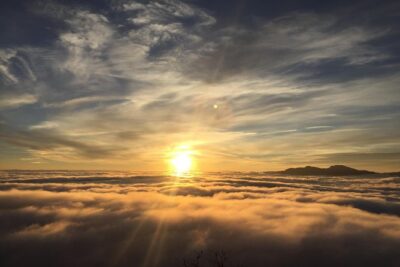 ★ 5.0Mardi Himal Trek – 8 Days | Hidden Gem of the AnnapurnasFrom $66619 reviews
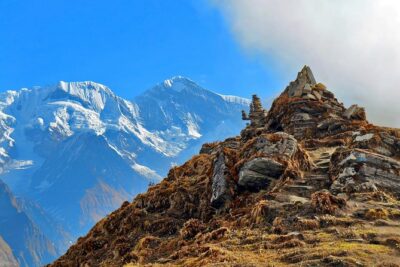 ★ 5.0Mardi Himal Base Camp Trek -9 DaysFrom $90018 reviews
★ 5.0Mardi Himal TrekFrom $82113 reviews
★ 5.0Mardi Himal Base Camp Trek -9 DaysFrom $90018 reviews
★ 5.0Mardi Himal TrekFrom $82113 reviews
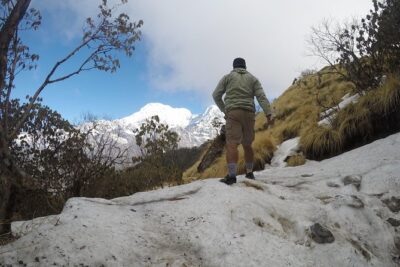 ★ 5.0Mardi Himal TrekkingFrom $86613 reviews
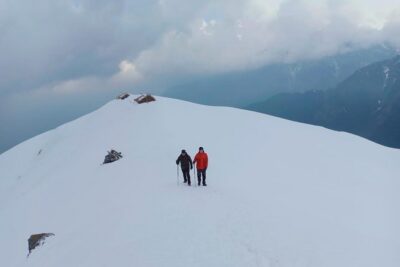 ★ 5.04 Days Mardi Himal Base Camp Trek – 4500 MetersFrom $2609 reviews
★ 5.0Mardi Himal TrekFrom $5109 reviews
★ 5.04 Days Mardi Himal Base Camp Trek – 4500 MetersFrom $2609 reviews
★ 5.0Mardi Himal TrekFrom $5109 reviews
Browse the lists this tour appears in